
Portugal has a way of making you rethink everything you thought you knew about beach destinations. I’ve spent years exploring coastlines across Europe, and the best beaches in Portugal consistently stand out for their variety, beauty, and the fact that they haven’t all been overrun by crowds yet. From the dramatic limestone cliffs of the Algarve to the wild, windswept Atlantic shores of the Alentejo, there’s a stretch of sand here for every type of traveler. Whether you’re after surf, solitude, or a family-friendly spot with calm waters, Portugal delivers.
The country’s coastline runs for roughly 1,800 kilometers, and that length brings an incredible diversity of scenery and character. You get sea caves carved into golden rock, hidden coves accessible only by boat, and long sandy beaches that seem to go on forever. The water is Atlantic, which means it’s cooler than the Mediterranean, but the light here is extraordinary — that particular soft gold that you find on the Iberian Peninsula.
Introduction to Portugal’s Beaches
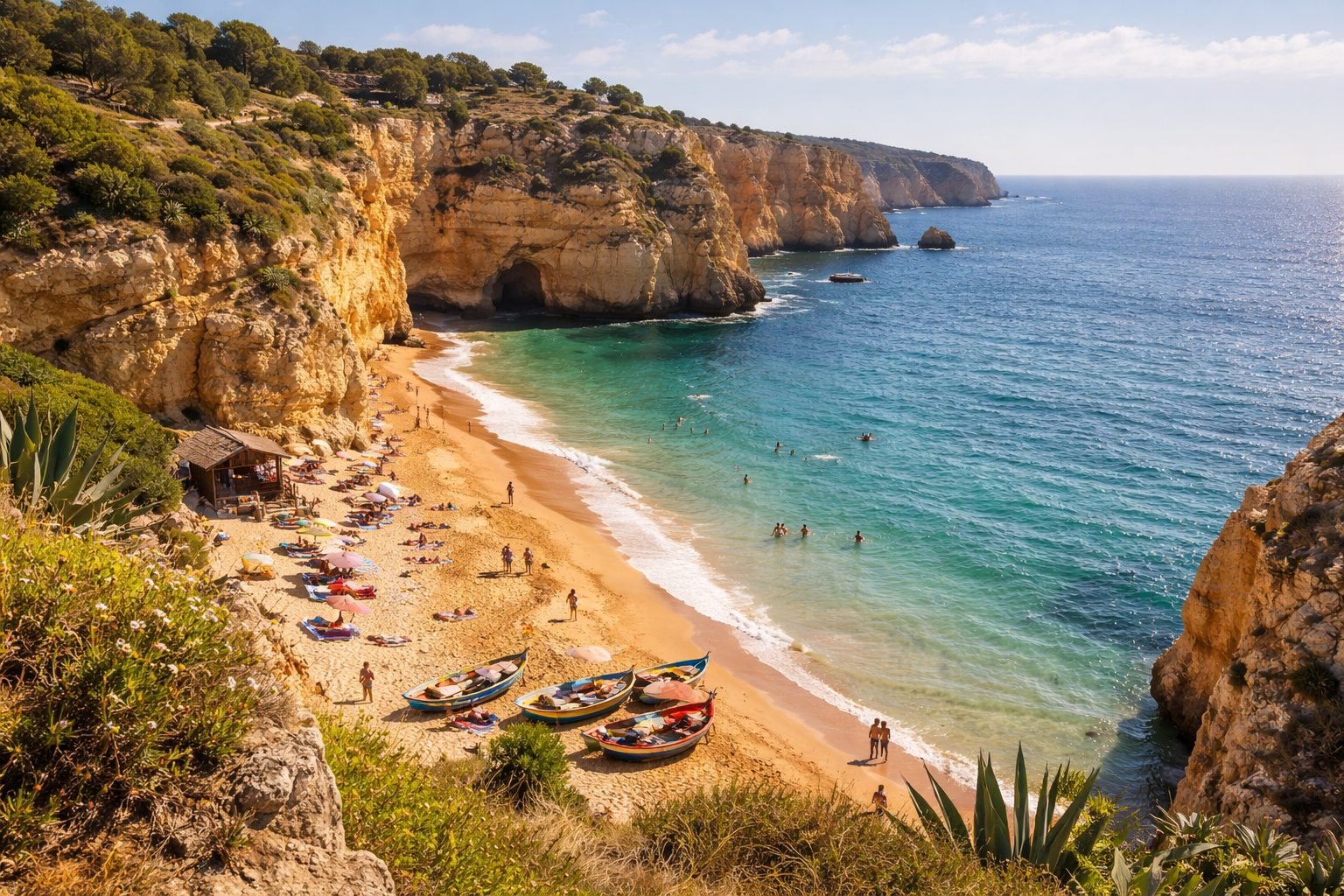
Portugal’s beaches are shaped by geology, wind, and centuries of fishing culture. The southern coast, protected by the Algarve’s rocky headlands, offers calmer, more sheltered waters. The western Atlantic coast is rawer and more exposed, with powerful swell that attracts surfers from around the world. This contrast is one of the things that makes the country so interesting for beach travelers.
Most beaches here are public and free to access. The government manages them carefully, and the Bandeira Azul (Blue Flag) program awards environmental quality certifications to hundreds of Portuguese beaches every year. That means clean water, maintained facilities, and lifeguards during the summer season. It’s a system that actually works.
What’s also worth noting is the food culture tied to the beach. You’re rarely far from a place to eat grilled fish, fresh seafood, and local wine. The beach experience in Portugal extends well beyond sunbathing.
Why Portugal is a Top Beach Destination
A few things set Portugal apart from other European beach destinations. Cost is one of them. Even in the busiest parts of the Algarve, you’ll find that accommodation, food, and transport are reasonably priced compared to France, Italy, or Spain. That relative affordability stretches your trip further.
The climate is another factor. The Algarve gets around 300 days of sunshine per year, and the season runs longer than most northern European destinations. You can realistically visit the beaches from April through October. The shoulder months — May, June, and September — are often the best time to go. Fewer people, lower prices, and still plenty of sun.
Portugal is also compact and well-connected. You can fly into Faro, Lisbon, or Porto and reach most of the best coastlines within a few hours by car. The road infrastructure is good, and rental cars are affordable. That makes beach-hopping genuinely easy.
There’s also the cultural depth that surrounds the beach experience. Even the smallest coastal villages have their own character, their own local fish market, their own festival calendar. You’re never just at a beach in Portugal. You’re also somewhere.
Overview of the Best Beaches in Portugal
Portugal’s coastline breaks naturally into several distinct regions, each with its own character. Understanding those differences helps you choose the right destination for what you actually want from a trip.
Algarve Region
The Algarve is what most people picture when they think about the best beaches in Portugal. The southern coast is defined by its golden limestone cliffs, sea stacks, grottos, and sheltered bays. The rock formations here are genuinely extraordinary — the result of millions of years of erosion that has carved the coastline into something almost theatrical.
Beaches like Praia da Marinha, Praia dos Três Irmãos, and Praia da Rocha are world-class by any measure. The Algarve also has the warmest water in mainland Portugal, which makes it the most comfortable for swimming. Towns like Lagos, Albufeira, Sagres, and Tavira each have a different feel, from lively and resort-heavy to quiet and authentically Portuguese.
Lisbon Coast
Within easy reach of the capital, the Lisbon Coast covers two main areas: the Estoril and Cascais coastline to the west, and the Setúbal Peninsula to the south. Cascais has a sophisticated, relaxed feel, with several good beaches right in town and more dramatic ones nearby. Arrábida, on the Setúbal Peninsula, is one of the most beautiful natural areas in Portugal — a protected park with crystal-clear green water and limestone cliffs that rival anything in the Algarve.
These beaches are popular with Lisbon locals, especially on summer weekends, so timing matters. Go early or visit mid-week.
Alentejo Coast
The Alentejo coast is where you come when you want to feel like you’ve found something the tourist industry hasn’t fully discovered yet. Long, undeveloped beaches backed by dunes and pine forest. Very few facilities in places. Powerful Atlantic waves. This stretch of coastline between Setúbal and the Algarve has a wild, elemental quality that’s hard to find anywhere else in Western Europe.
Villages like Vila Nova de Milfontes and Zambujeira do Mar are small, low-key, and genuinely lovely. The vibe here is slower, more local.
Silver Coast
The Silver Coast, or Costa de Prata, runs north of Lisbon through the Estremadura region. It’s known for strong surf, particularly around Peniche and Nazaré, which hosts the biggest rideable waves in the world every winter. The beaches here are long and wide, often backed by fishing towns with real character.
Óbidos lagoon is also in this area and offers something quite different: calm, shallow water perfect for paddleboarding and families with young children.
Azores and Madeira
The Portuguese islands are a chapter of their own. The Azores offer volcanic black sand beaches, natural lava pools, and dramatic green-clad coastlines. It’s not tropical beach weather in the conventional sense, but the scenery and the sense of remoteness are extraordinary. Madeira has pebble beaches and natural pools carved into volcanic rock, with a lush subtropical backdrop that’s unlike anything on the mainland.
Both island groups are best explored by travelers who want something genuinely different from the typical beach holiday.
Top 10 Best Beaches in Portugal
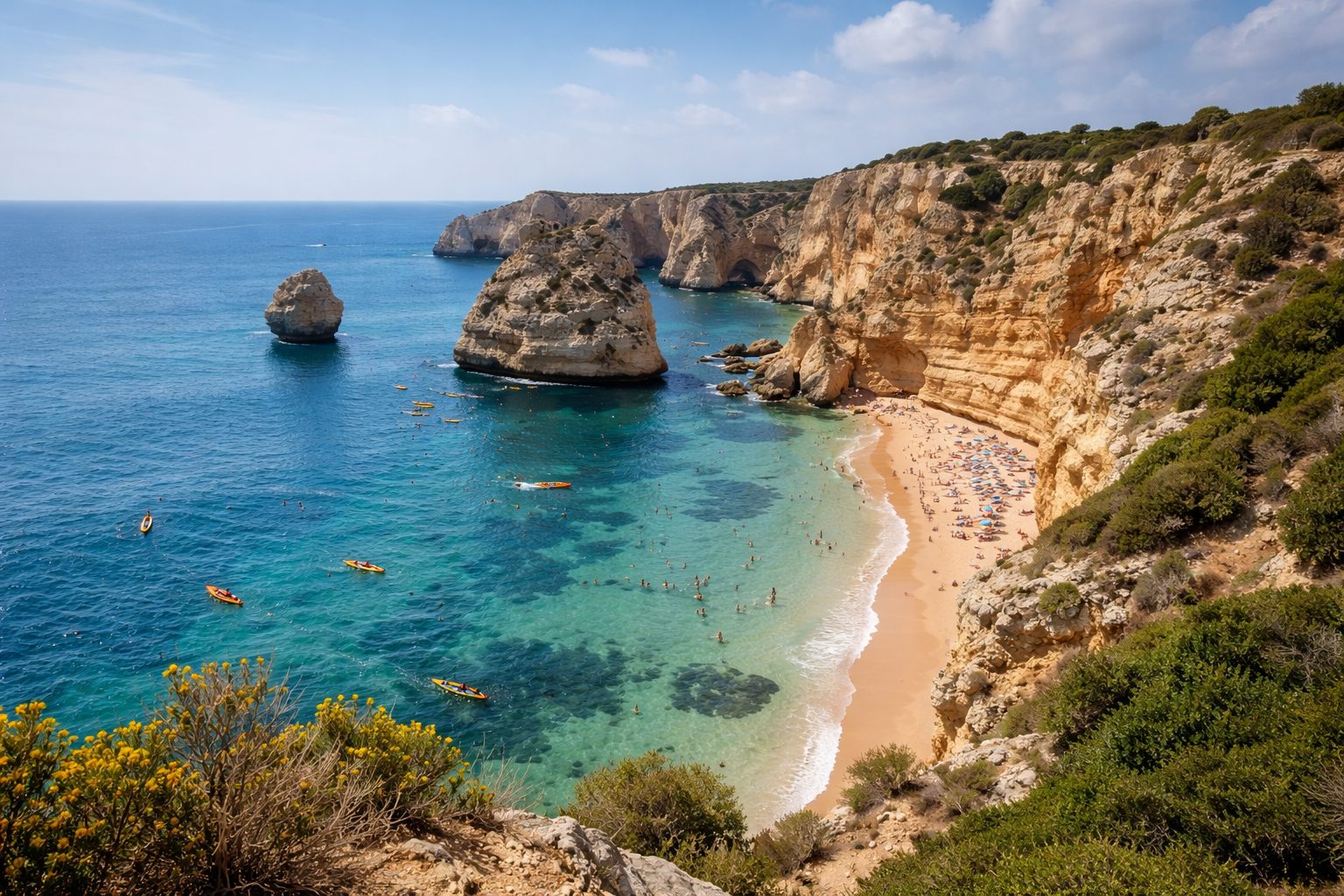
If I had to narrow it down to the beaches that genuinely stand out — the ones I’d go back to without hesitation — this is the list.
Praia da Marinha
Praia da Marinha is arguably the single most beautiful beach on the Algarve. It’s a small cove surrounded by extraordinary limestone rock formations, with clear turquoise water and a network of sea caves accessible at low tide. The cliffside walk from here to Benagil is one of the best coastal hikes in Portugal.
Getting down to the beach requires a somewhat steep path, but it’s manageable for most people. The reward is a beach that looks like a painting. Go early in summer to claim a spot — it fills up fast.
Praia da Rocha
Praia da Rocha near Portimão is one of the most famous and developed beaches in Portugal. It’s a long, wide stretch of golden sand backed by a clifftop promenade full of restaurants and bars. The beach is sheltered enough for comfortable swimming, and the dramatic rock stacks rising from the sand give it an unmistakable character.
It’s not a quiet, hidden gem. But it’s big enough to absorb crowds well, and the infrastructure around it is excellent. Good for people who want a proper beach resort experience.
Praia do Amado
On the western Algarve coast near Carrapateira, Praia do Amado is a top surf beach. It faces the full force of the Atlantic, which generates consistent, quality waves year-round. There’s a surf school here, and the beach is popular with both learners and experienced surfers.
The setting is spectacular: a wide bay framed by low cliffs and dunes, with very little development around it. Even if you don’t surf, this beach has an atmosphere and a landscape that feels genuinely special.
Praia da Adraga
North of Sintra, Praia da Adraga is one of my personal favorites on the entire Portuguese coastline. It’s a wild, isolated cove with a fine restaurant right on the beach that serves outstanding fish. The cliffs around it are dramatic, the waves are powerful, and the whole place has a raw, end-of-the-world feeling.
Swimming here requires care — the surf can be strong — but for atmosphere and scenery it’s hard to beat. It’s also far enough from Lisbon that it never gets overwhelmingly busy.
Praia dos Galápos
In the Arrábida Natural Park south of Setúbal, Praia dos Galápos offers something unusual for mainland Portugal: genuinely clear, calm water in a protected bay, with a lush green hillside backdrop. The water here is a remarkable shade of blue-green, and the beach is relatively small and sheltered.
Access requires a short walk from the parking area. The whole Arrábida coastline is protected, which means development is minimal and the natural environment is in exceptional condition.
Beach Activities and Attractions
Portugal’s beaches aren’t just places to lie down and read. The coastline supports a wide range of activities, and the infrastructure around them has improved significantly over the past decade.
Water Sports and Surfing
Portugal is one of the premier surfing destinations in the world. The western Atlantic coast generates powerful, consistent swell that works for beginners and world-class professionals alike. Spots like Peniche, Ericeira (a World Surfing Reserve), Nazaré, and Praia do Amado are internationally recognized.
Beyond surfing, you’ll find:
- Stand-up paddleboarding (SUP), especially in calmer lagoons and estuaries
- Kayaking and sea cave exploration along the Algarve cliffs
- Kitesurfing at exposed beaches like Meia Praia and Cabedelo
- Snorkeling and scuba diving in the clear waters of Arrábida and the Algarve
- Jet skiing and boat tours operating from most major resort beaches
Lesson providers are widely available, and equipment rental is reasonably priced. Most surf schools operate from April through October, with some running year-round in the warmer south.
Beach Bars and Restaurants
The beach bar culture in Portugal is genuinely good. A beach bar here — called a snack bar or chiringuito — isn’t just a place to get a beer. Many serve fresh grilled fish, local shellfish, and regional wines. The quality can be surprisingly high even at humble-looking spots.
A few things to look for:
- Bifanas (pork sandwiches) and toasties at casual beach snack bars
- Grilled sea bream or sea bass at sit-down restaurants near the beach
- Local white wines from Vinho Verde and Alentejo regions, served cold
- Ginjinha (cherry liqueur) at festivals and beach towns in summer
- Ice cream from local artisan shops near the beach promenades
In the Algarve, towns like Lagos and Carvoeiro have particularly good beach dining options. In the Alentejo, even small beach villages often have one excellent local restaurant worth seeking out.
Nature and Scenic Views
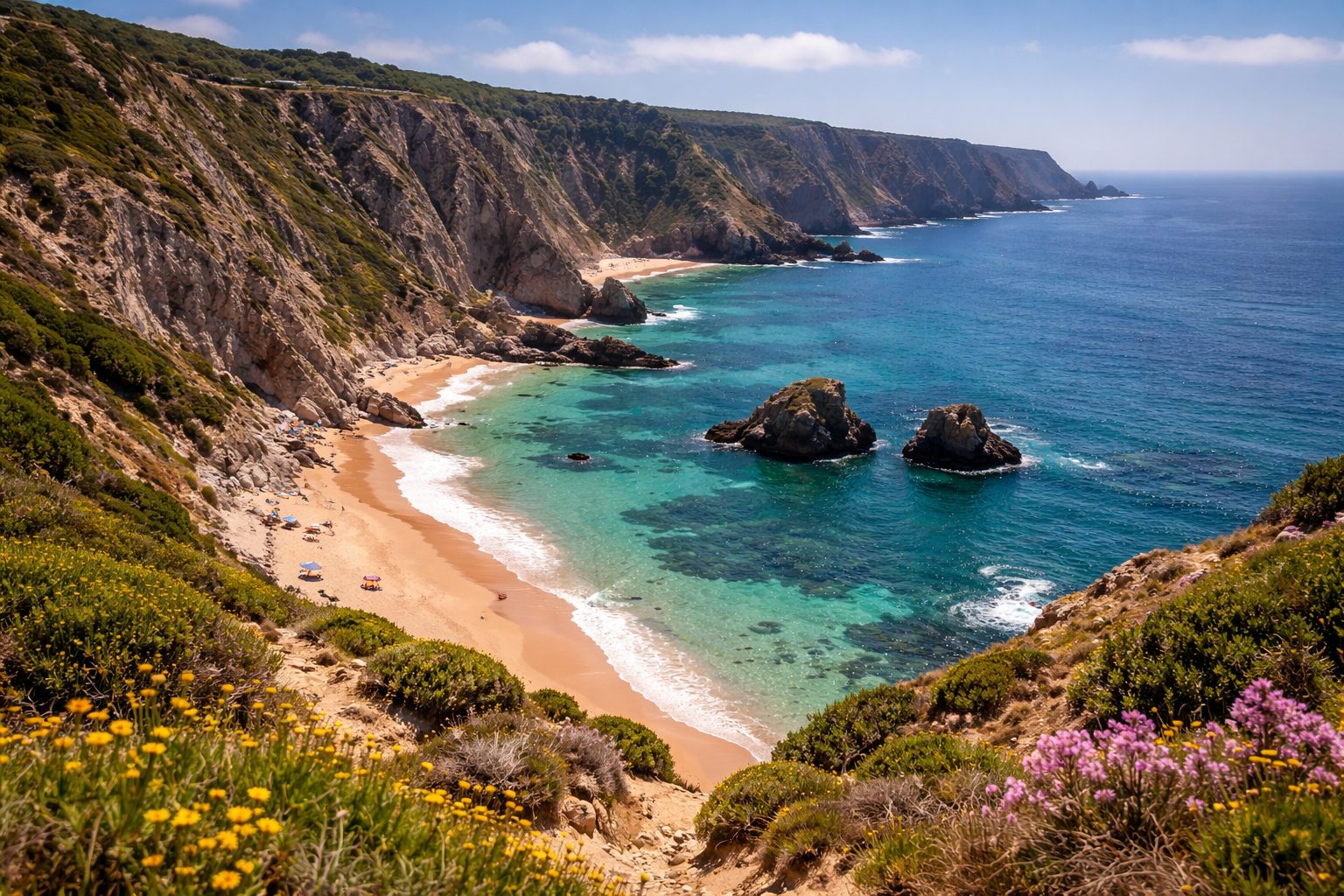
Many of Portugal’s best beach areas are also nature reserves or protected landscapes. The Arrábida Natural Park, the Costa Vicentina (part of the Southwest Alentejo and Vicentine Coast Natural Park), and sections of the Algarve coast are all protected zones with exceptional biodiversity.
Birdwatching is excellent along the Alentejo coast and around the Ria Formosa lagoon near Faro, which is home to significant populations of flamingos, spoonbills, and other water birds. The Sagres headland at the southwestern tip of Portugal is a prime spot for coastal birdwatching during migration seasons.
Sunset from the Ponta de Sagres or the clifftops above Praia da Marinha is a particular kind of experience — you understand why Portuguese explorers once stood at these same cliffs and looked west toward the unknown.
Family-Friendly Beaches in Portugal
Families need beaches with calm water, good facilities, lifeguards, and enough nearby amenities to keep everyone happy. Portugal has plenty of those, but the right ones depend on where you’re based.
Top picks for families:
- Meia Praia (Lagos, Algarve) — A long, wide beach with gentle waves, shallow entry, and good facilities. Lots of space even in summer.
- Praia de Odeceixe (Alentejo/Algarve border) — A river meets the sea here, creating a calm, shallow pool on one side perfect for young children.
- Praia da Oura (Albufeira, Algarve) — Well-developed, with lifeguards, beach bars, water sports rental, and calm, warm water.
- Praia de Óbidos Lagoon (Silver Coast) — Shallow, calm, and warm lagoon water, excellent for very young children and non-swimmers.
- Praia de Sesimbra (near Setúbal) — A sheltered bay with crystal-clear water, a small fishing town backdrop, and a relaxed atmosphere.
Most family-friendly beaches have Blue Flag certification, which guarantees water quality, safety measures, and maintained facilities. Lifeguard coverage runs from June 15 to September 15 on most supervised beaches.
Hidden Gem Beaches in Portugal
The Algarve is well-documented. But Portugal has stretches of coastline where you can still find beaches without crowds, without beach bars, and without the feeling that you’re sharing a postcard with a thousand other people.
Some of my top hidden picks:
- Praia do Barranco (near Sagres) — Small, rocky, accessible only on foot. Often completely empty.
- Praia de Vale dos Homens (Aljezur area) — A wild, remote beach backed by dunes with no facilities and few visitors.
- Praia de Alteirinhos (Alentejo coast) — Rocky, dramatic, and barely visited even in summer.
- Praia de Bordeira (near Carrapateira) — Enormous beach backed by an estuary and dunes. The scale is extraordinary and it rarely feels crowded.
- Praia da Galé Poente (between Albufeira and Armação de Pêra) — Often overlooked in favor of busier neighbors, with striking rock formations.
- Praias de Moinhos (Setúbal Peninsula) — Several small coves in the Arrábida park accessible by boat or a difficult path. Worth every bit of effort.
The common thread among these is that they require a bit more effort to reach. Walk further, drive down an unmarked track, or hire a boat. The extra step filters out most of the crowds.
Best Beaches for Water Sports Enthusiasts
Water sports enthusiasts should plan their trip around where the conditions match their interests. Here’s a breakdown by activity:
Surfing:
The top surf destinations in Portugal are clustered along the western Atlantic coast. Ericeira has been recognized as a World Surfing Reserve and has breaks for all levels. Peniche hosts the World Surf League Championship Tour and has consistent, high-quality waves. Nazaré is famous for its enormous winter swells — the biggest rideable waves on earth have been caught here. For beginners, Sagres and Praia do Amado in the western Algarve are more approachable.
Kitesurfing:
Meia Praia in Lagos, Praia da Cordama near Sagres, and Cabedelo near Viana do Castelo in the far north are top kitesurfing spots. All have reliable wind patterns and open water.
Snorkeling and Diving:
The Algarve coast and Arrábida are the best places for underwater exploration on the mainland. Visibility is often excellent, and the marine life around the rock formations is rich. The Azores offer world-class diving, including encounters with manta rays, whale sharks, and large schools of open-water fish.
SUP and Kayaking:
The Ria Formosa lagoon near Faro is ideal for paddleboarding — calm water, beautiful scenery, and lots of exploration options. The Alqueva reservoir in the Alentejo interior is also growing as a SUP destination, though that’s technically inland.
Seasonal Tips for Visiting Beaches in Portugal
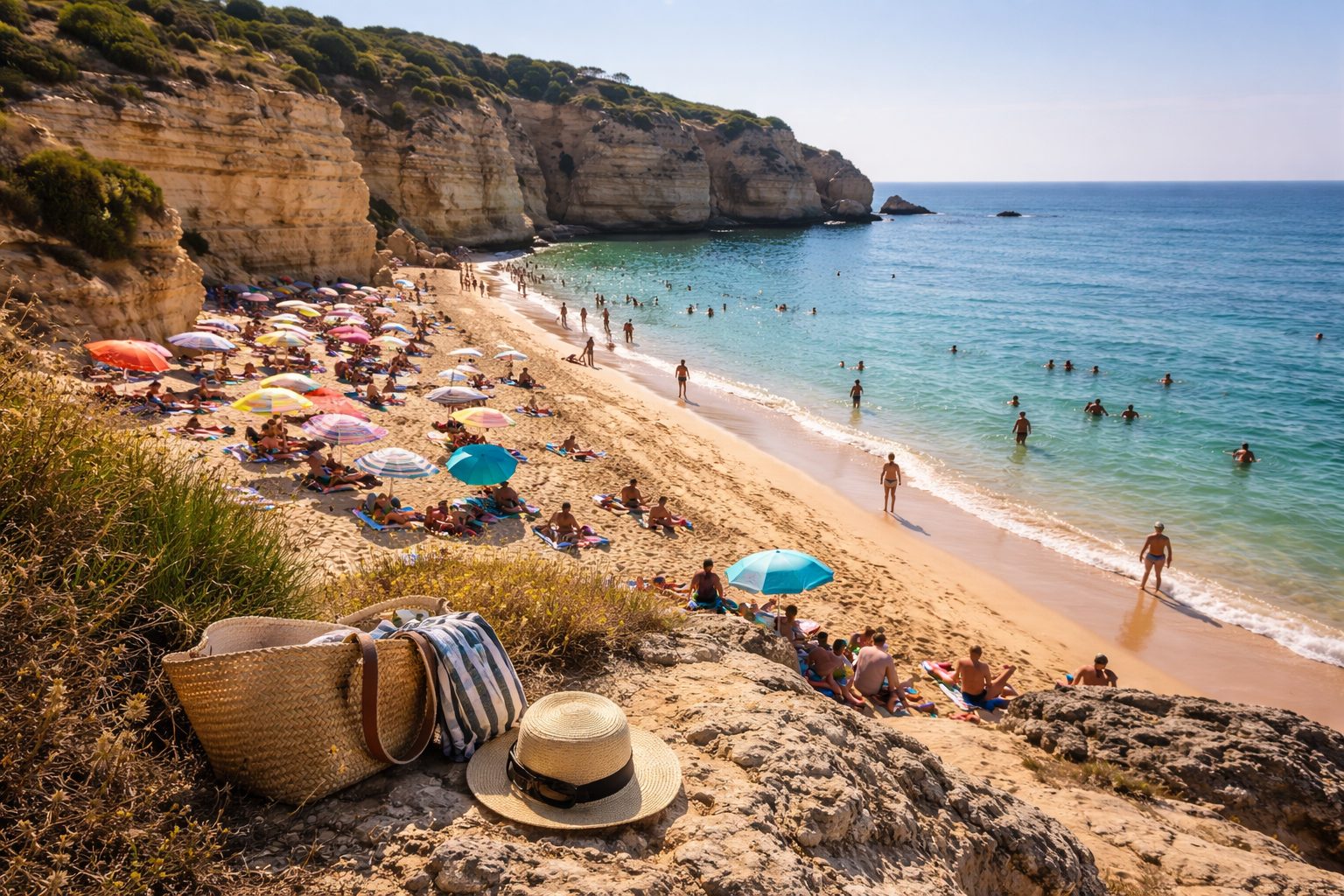
Timing matters more than most people realize when planning a beach trip to Portugal.
| Month | Conditions | Crowds | Notes |
|---|---|---|---|
| April | Warm, some rain | Very low | Great for hiking and exploring |
| May | Warm and sunny | Low | Excellent overall — underrated month |
| June | Hot and dry | Medium | Sweet spot before peak crowds |
| July | Hot and very sunny | Very high | Peak season, book everything early |
| August | Hottest month | Extremely high | Portuguese domestic tourism peaks |
| September | Hot, less humid | Medium | Best month for most travelers |
| October | Warm days, cooler evenings | Low | Good surf, emptier beaches |
| November–March | Mild but unpredictable | Very low | Surf season, fewer services open |
My honest recommendation for most travelers: aim for late May, early June, or September. The weather is reliably good, prices drop compared to peak season, and you can actually find a parking spot. The Algarve in August is beautiful but genuinely crowded — prepare for that if you go.
The Azores are best visited between April and October. Madeira’s mild climate makes it a year-round destination, with the beaches (such as they are) best in summer.
How to Get to the Best Beaches in Portugal
Getting to Portugal is easy from most of Europe, and increasingly straightforward from North America and beyond.
By Air:
Faro Airport is the main gateway for the Algarve and handles large volumes of flights from UK, German, and Dutch airports especially. Lisbon Airport (Humberto Delgado) is the country’s main hub with connections worldwide. Porto Airport serves the north and Silver Coast well.
By Car:
A rental car is by far the most flexible way to explore the beaches, especially outside the main resort areas. The road network is good, tolls are manageable, and parking is available near most beaches (though it can fill up in July and August at popular spots). Driving distances in Portugal are shorter than they look on a map.
By Train and Bus:
- The train from Lisbon to Cascais runs frequently and takes about 40 minutes to the coast.
- Trains along the Algarve connect Faro, Lagos, and towns in between.
- Long-distance buses (Rede Expressos) connect major towns efficiently.
- Local buses serve many beach towns, though frequency varies significantly.
For remote beaches like those on the Alentejo coast, a car is essentially mandatory. Public transport doesn’t reach most of them.
By Ferry:
The Ria Formosa natural park beaches near Faro — including Ilha Deserta, Ilha de Tavira, and Ilha da Barreta — are reached by short ferry rides from the mainland towns. These boats run regularly in summer and are inexpensive.
Safety Tips for Beachgoers in Portugal
The Atlantic Ocean is not the Mediterranean. The water is cooler, the currents can be stronger, and the surf at exposed beaches can be genuinely dangerous. This is worth taking seriously.
Key safety points:
- Check the flag system — Green means safe, yellow means caution (swim only in designated areas), red means no swimming, and a checkered flag means the beach is unsupervised.
- Respect rip currents — If caught in one, don’t swim against it. Swim parallel to the shore until you’re out of the current, then swim back in.
- Watch for waves — At cliff beaches and rock platforms, rogue waves can hit without warning. Never turn your back on the ocean.
- Use reef shoes — Rocky beaches and sea cave exploring are more comfortable and safer with reef shoes.
- Sun protection is essential — The Portuguese sun is strong, especially from June through August. Factor 30+ is not an overreaction.
- Water temperature — Even in summer, the Atlantic off the western coast can be cool. The Algarve’s south-facing beaches are noticeably warmer.
- Lifeguard hours — Supervised beaches typically have lifeguards from 10am to 6pm or 7pm in summer. Outside those hours, swim with extra caution.
The INEM emergency number in Portugal is 112. Most beaches have emergency posts marked with a red cross symbol.
Frequently Asked Questions about the Best Beaches in Portugal
What is the best time to visit Portugal’s beaches?
Late May, June, and September are the ideal months for most travelers — good weather, manageable crowds, and lower prices than peak summer. July and August are reliably hot and sunny but bring the highest visitor numbers, particularly in the Algarve.
Are there nudist beaches in Portugal?
Yes, nudism is legal on designated beaches and widely accepted on some informal stretches. Praia do Meco south of Sesimbra and Praia de Salemas near Loures are among the official naturist beaches. The Alentejo coast also has several remote beaches where nudism is practiced informally.
Which beach is the most accessible for families?
Meia Praia near Lagos is one of the best choices for families — it’s long, sheltered, has calm waters, good facilities, and lifeguards in season. Praia de Odeceixe, with its river-meets-sea layout, is also excellent for young children. Both are in the southern part of the country where water temperatures are warmest.
What are the best beaches for surfing in Portugal?
Ericeira, Peniche, Nazaré, Sagres, and Praia do Amado are the top surfing destinations. Ericeira and Peniche cater to all levels and have well-established surf schools. Nazaré is for experienced surfers only — the waves there are among the largest in the world and require tow-in surfing at peak conditions.