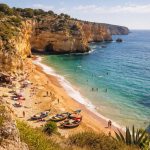
Portugal has a way of getting under your skin. I’ve traveled through a lot of Europe, and few countries pack this much variety into such a compact space. From sun-scorched cliffs in the south to misty river valleys in the north, the best places to visit in Portugal span a genuinely impressive range of landscapes, cities, and experiences. Whether you’re drawn to history, food, surf, or just the feeling of wandering somewhere that hasn’t been completely overrun, Portugal delivers. And it does so without demanding your entire savings account.
Introduction to Portugal’s Attractions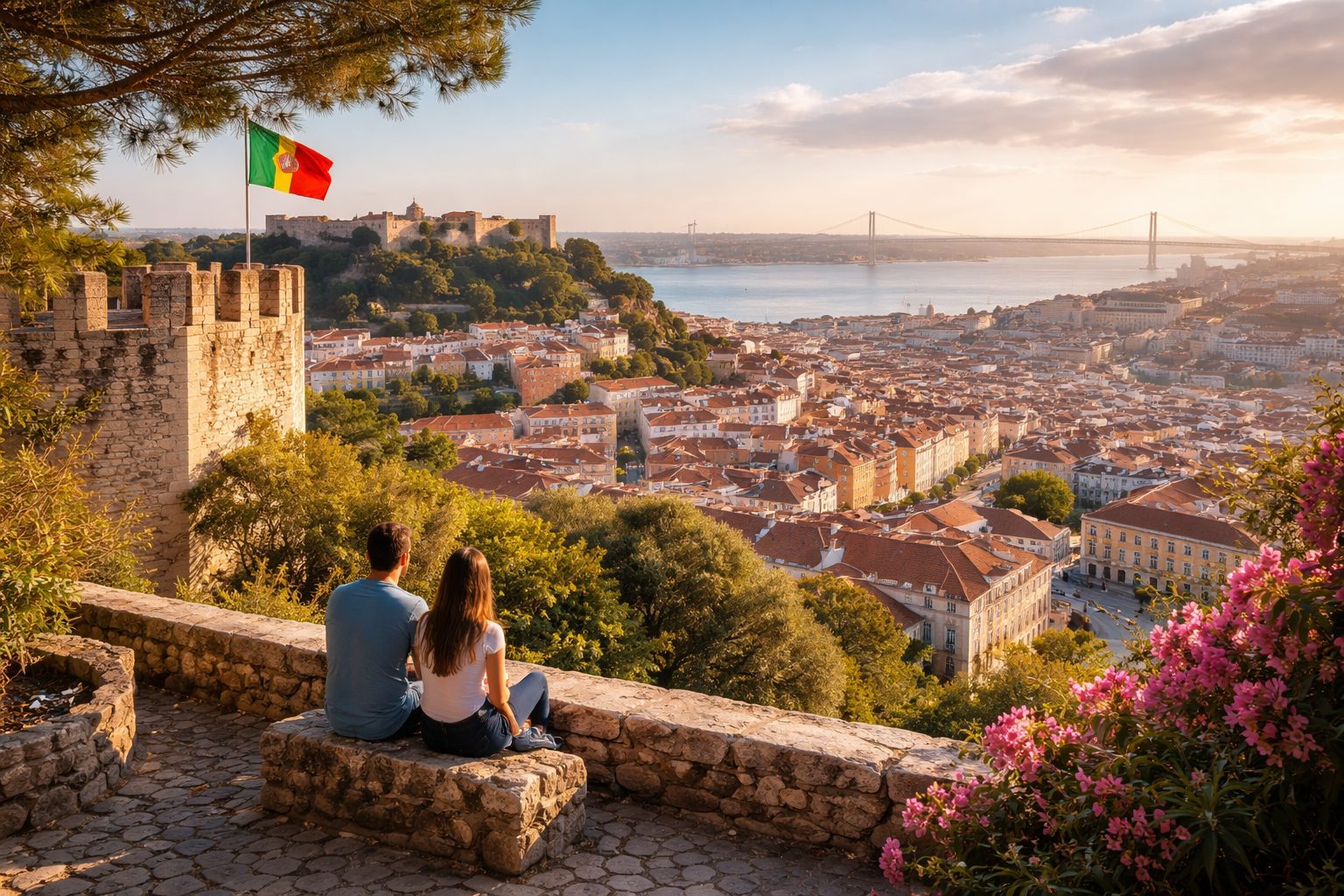
Overview of Portugal’s Rich Culture and History
Portugal is one of the oldest nations in Europe, with borders that have remained more or less unchanged since the 12th century. That kind of continuity shows in the architecture, the language, and the way people relate to their own past. You’ll find Roman ruins sitting comfortably next to Moorish fortresses and baroque churches. The country spent centuries as a maritime empire, and that history still echoes through its tiles, its music, and its food.
Fado, the Portuguese musical tradition rooted in longing and fate, didn’t get UNESCO recognition by accident. It’s a living art form, still performed in small Lisbon restaurants with genuine feeling. The azulejo tile tradition is similarly alive. These hand-painted ceramic panels cover everything from train stations to chapel walls, telling stories in blue and white that most tourists walk past without reading.
Why Portugal is a Must-Visit Destination
The practical case for Portugal is easy to make. It’s one of Western Europe’s most affordable destinations, the weather is excellent for most of the year, and the people are genuinely welcoming without being performatively so. English is widely spoken, especially in cities and tourist areas, but venturing into the language a little goes a long way.
Beyond logistics, Portugal rewards curiosity. The country is small enough that you can cover significant ground without spending your whole trip on a bus or train. Lisbon to Porto is a three-hour train ride. The Algarve is a short flight or drive from the capital. That accessibility makes it easier to see multiple faces of the country in a single trip.
Top Cities to Explore in Portugal
Lisbon: The Vibrant Capital
Lisbon is built on seven hills, which sounds romantic until you’re pushing a stroller up a cobblestone slope in August. But that topography is also what makes the city so visually striking. From almost any high point, you get these layered views of terracotta rooftops, the glittering Tagus River, and the Cristo Rei statue on the far bank.
The neighborhoods each have their own texture. Alfama is the oldest, a tight maze of alleys where fado spills out of open windows at night. Bairro Alto gets loud after dark. Belém, further west along the river, is where you go for pastéis de nata and the big historical monuments. LX Factory, a converted industrial complex, is where Lisbon’s creative scene does its weekend market thing.
Key things to do in Lisbon:
- Ride Tram 28 through Alfama (go early to avoid crowds)
- Visit the Jerónimos Monastery and Belém Tower in the same morning
- Eat a pastel de nata at Pastéis de Belém, the original
- Take the ferry across the Tagus to Cacilhas for views back at the city
- Spend an evening in Mouraria, the neighborhood where fado was born
Porto: The City of Bridges
Porto gets compared to Lisbon constantly, and the comparison doesn’t really do either city justice. They’re very different places. Porto is grittier, more industrial in its bones, with a working-class pride that you feel in the food, the wine bars, and the football culture.
The Douro River divides Porto from Vila Nova de Gaia, where the port wine lodges sit in long rows on the southern bank. Crossing one of the six bridges and walking through the Ribeira district along the waterfront is one of the genuinely great urban walks in Europe. The Livraria Lello bookshop is famous enough to require a ticket now, but it’s worth seeing. The São Bento train station has some of the finest azulejo panels in the country.
Porto is also a serious food city. The francesinha, a layered sandwich drowned in a spiced beer-and-tomato sauce, is not for the faint-hearted, but it’s an experience. The local seafood is consistently excellent.
Faro: Gateway to the Algarve
Faro doesn’t get the credit it deserves. Most people fly into Faro Airport and immediately head west toward Lagos or east toward Tavira, treating the city as a logistical hub. That’s a mistake. Faro’s old town, surrounded by medieval walls and sitting on a lagoon, is genuinely charming. The Ria Formosa Natural Park, which begins at Faro’s doorstep, is one of the most important wetland systems in Europe.
The city is a solid base for exploring the eastern Algarve, which is quieter and less developed than the western coast. The bone chapel in the Carmo Church is one of those strange, unforgettable things you stumble into in Portugal.
Coimbra: A Blend of Tradition and Youth
Coimbra is home to one of the oldest universities in the world, founded in 1290. The university still dominates the hilltop, both physically and culturally. During term time, you’ll see students in black academic capes walking the steep streets, which sounds like theater but is completely normal here.
The Joanina Library inside the university is breathtaking. Built in the early 18th century, it houses hundreds of thousands of volumes behind gilded baroque woodwork. And yes, it has a colony of bats that protect the books from insects at night.
Coimbra has its own style of fado, distinct from Lisbon’s, traditionally performed only by students. The city sits on the Mondego River and has a slower, more academic energy than the coastal cities. It’s worth a day or two.
Braga: The Religious Heart of Portugal
Braga is Portugal’s oldest city and its most religiously significant. The Bom Jesus do Monte sanctuary, with its baroque stairway climbing up a forested hillside, is one of the country’s most visited sites. But Braga itself, beyond that famous image, is a lively university city with good restaurants and a historic center that rewards slow walking.
The Sé de Braga, the cathedral, dates back to the 11th century and is the oldest in Portugal. Braga also has a reputation for excellent regional cuisine, particularly the hearty dishes of the Minho region.
Stunning Natural Landscapes
The Algarve: Beaches and Cliffs
The Algarve is what most people picture when they think of a Portuguese beach holiday, and the reality lives up to the image. The limestone cliffs at Ponta da Piedade near Lagos are some of the most photographed geology in Europe, and they’re extraordinary in person. The light in the late afternoon turns everything golden.
The beaches vary enormously. Praia da Marinha is small and sheltered, surrounded by rock formations. Meia Praia is a long sweep of sand good for walking. Praia da Bordeira in the west is wild and windy, popular with surfers. The further west you go toward Sagres and the Vicentine Coast, the more dramatic and less crowded the landscape gets.
Top Algarve beaches worth visiting:
- Praia da Marinha (rock formations, snorkeling)
- Praia de Benagil (sea cave accessible by kayak or boat)
- Meia Praia (long, family-friendly)
- Praia da Bordeira (surf, wild scenery)
- Praia de Odeceixe (where the river meets the sea)
Douro Valley: Wine and Scenic Views
The Douro Valley, about an hour east of Porto, is one of the most beautiful river landscapes in Europe. The valley sides are carved into terraces held up by stone walls, planted with vines that produce port wine and Douro red wines. The scenery is best appreciated either from the river itself, on one of the boat tours or cruises, or from the roads that wind along the top of the valley walls.
The region is dotted with quintas, wine estates that offer tastings and, in many cases, accommodation. Staying overnight in the valley means you get the light in the morning and evening, which is when the terraced slopes look most spectacular.
Azores: The Archipelago of Nature
The Azores are technically Portugal, sitting in the middle of the Atlantic about 1,500 kilometers west of Lisbon. Nine islands, each with its own character, formed by volcanic activity that in some places is still very much ongoing. You can swim in natural hot spring pools, watch whales from cliffs, walk into the craters of dormant volcanoes, and see lakes that change color based on weather conditions.
São Miguel is the most visited island, with the Sete Cidades caldera lakes and the Furnas thermal area. Flores is the most remote and arguably the most beautiful. Pico, dominated by Portugal’s highest mountain, is where the whalers used to work and where serious hikers now go.
The Azores aren’t a beach destination in the traditional sense. They’re for people who want dramatic nature, solitude, and something genuinely different.
Madeira: The Island of Eternal Spring
Madeira sits in the Atlantic off the coast of Morocco, and its climate earns the nickname. Flowers bloom year-round. The landscape is steep, green, and covered in a network of levadas, old irrigation channels that double as hiking trails with some of the most impressive mountain views you’ll find anywhere.
Funchal, the capital, is a proper city with good restaurants and a cable car up to the village of Monte. The markets are worth a morning. But Madeira’s real appeal is outdoors: the levada walks, the north coast cliffs, the volcanic pools at Porto Moniz.
Historical and Cultural Landmarks
Belém Tower: A UNESCO World Heritage Site
The Belém Tower sits at the edge of the Tagus River in western Lisbon, and it was built in the early 16th century as part of the city’s river defense system. It’s also where the great explorers departed for their voyages. The Manueline architectural style, a Portuguese take on late Gothic with nautical motifs and intricate stonework, is on full display here.
It’s smaller than most people expect, and the interior is fairly sparse. But the exterior details and the historical weight of the location make it worth the visit. Go early in the morning to avoid the worst of the summer queues.
Jerónimos Monastery: Marvel of Manueline Architecture
Also in Belém, the Jerónimos Monastery is one of the finest examples of Manueline architecture in existence. The main cloister is extraordinary: two stories of carved stone, intricate and precise, surrounding a quiet garden. Vasco da Gama is buried here, which gives you a sense of the place’s historical significance.
The church is free to enter. The cloister requires a ticket. Both are worth your time. Budget at least ninety minutes here if you want to see it properly.
Sintra: Palaces and Mystical Gardens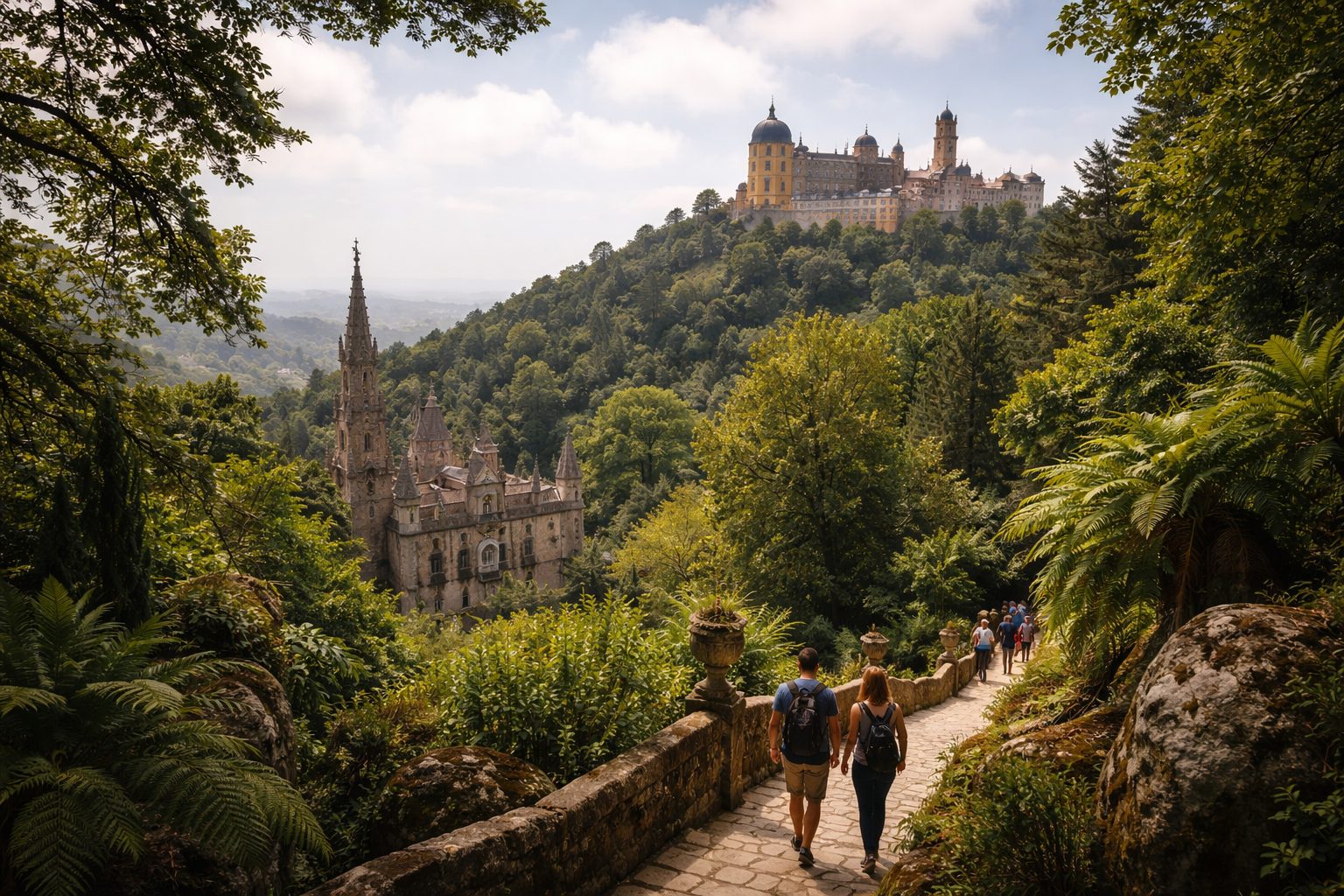
Sintra is about forty minutes by train from Lisbon, and it deserves a full day, ideally two. The town sits in a forested range of hills and contains an unusual concentration of palaces, each stranger and more elaborate than the last. The Palácio da Pena, perched on a hilltop above the town, is painted in yellow and red and looks like something out of a fairytale. The Quinta da Regaleira has towers, a gothic chapel, and a series of underground tunnels and wells that feel genuinely mysterious.
Sintra can get crowded, especially in summer. Go on a weekday, arrive early, and walk between the sites rather than taking the tourist bus everywhere.
Things to see in Sintra:
- Palácio da Pena (allow two hours)
- Quinta da Regaleira (especially the Initiation Well)
- Moorish Castle for views over the hills
- Palácio Nacional de Sintra in the town center
- Praia das Maçãs or Praia Grande for a beach finish to the day
Óbidos: The Medieval Town Experience
Óbidos is a small walled town north of Lisbon that has been remarkably well preserved. The white-painted houses with blue and yellow trim, the castle at the top of the hill, the narrow streets: it’s the kind of place that feels like it hasn’t changed much in centuries. The walls themselves are walkable, giving you views over the surrounding countryside.
The town is famous for ginjinha, a sour cherry liqueur traditionally served in small chocolate cups. It’s touristy, but it’s also genuinely delicious. Óbidos is best as a half-day trip from Lisbon or as a stop on the way north.
Unique Experiences in Portugal
Surfing in Nazaré: The Giant Waves
Nazaré became globally famous after big wave surfer Garrett McNamara broke a world record here in 2011. The underwater canyon just off the coast creates waves that can reach over twenty meters in height during the winter swells. Watching from the cliffs above Praia do Norte while surfers the size of ants drop down walls of water is one of the most dramatic sporting spectacles you’ll ever see for free.
The big wave season runs roughly from October to March. Outside of that window, Nazaré is a pleasant fishing town with a long beach and a working fishing community that still dries fish on racks along the shore.
Wine Tasting in Douro Valley: A Culinary Journey
A wine tasting in the Douro Valley isn’t just about the wine, though the wine is very good. It’s about the setting, the food pairings, the chance to sit on a terrace above the river with a glass of something cold and look at a landscape that humans have been shaping for over two thousand years.
Most quintas offer structured tastings, often with cheese, olives, and local cured meats. Some offer full meals. A few offer accommodation. Booking ahead is essential in summer. The region produces both port and dry table wines, and the local varieties, Touriga Nacional, Tinta Roriz, and others, are worth getting to know.
Exploring the Caves of Lagos: Nature’s Wonders
The sea caves near Lagos, particularly around Ponta da Piedade, are accessible by kayak, paddleboard, or small motorboat from the town’s marina. The limestone has been carved by centuries of wave action into arches, grottos, and tunnels. Kayaking through them at water level is a completely different experience from looking down from the cliffs above.
The caves are best in the morning when the light is coming from the right angle and the tourist boats haven’t yet filled up the waterways. Most kayak rental outfits in Lagos can give you a map and basic orientation for going independently.
Practical Tips for Visiting Portugal
Best Time to Visit Portugal: Seasonal Insights
| Season | Weather | Crowds | Notes |
|---|---|---|---|
| Spring (Mar-May) | Mild, some rain | Low-medium | Wildflowers, green landscapes |
| Summer (Jun-Aug) | Hot, dry | High | Peak prices, beach season |
| Autumn (Sep-Oct) | Warm, stable | Medium | Best overall balance |
| Winter (Nov-Feb) | Cool, rainy | Low | Good for cities, Algarve mild |
Spring and autumn are the sweet spots. The weather is good, the prices are lower than peak summer, and you can actually get a table at a restaurant without a reservation made three weeks in advance. July and August in Lisbon can push 40 degrees Celsius, which is more than most people bargain for.
The Azores and Madeira follow slightly different logic. Madeira is genuinely good year-round. The Azores are best from May to October when the weather is more settled.
Transportation Options: Getting Around Portugal
Portugal’s rail network connects the main cities reliably. The Alfa Pendular between Lisbon and Porto is fast, comfortable, and significantly more pleasant than driving that corridor. Regional trains are slower but often scenic.
For the Algarve, a car is close to essential if you want to reach the better beaches without joining an organized tour. The roads are good and driving is straightforward. Intercity buses, operated by Rede Expressos among others, connect most of the country at reasonable prices.
Getting around within cities varies. Lisbon has metro, trams, buses, and a lot of hills. Porto’s metro is good for getting to the airport and across the river. In smaller towns, walking is usually the best option.
Local Cuisine: Must-Try Dishes
Portuguese food is honest, ingredient-focused, and often built around very good raw materials. The seafood in particular is excellent throughout the country.
Must-try dishes:
- Bacalhau (salt cod) in any of its many forms. The Portuguese claim over a thousand recipes.
- Pastéis de nata, the custard tarts that are genuinely addictive
- Francesinha in Porto, the sauce-drenched sandwich that requires commitment
- Caldo verde, a simple kale and potato soup that appears everywhere and is consistently good
- Bifanas, pork sandwiches that you find at tasca counters and petrol stations alike
- Ameijoas à bulhão pato, clams in white wine and garlic, simple and perfect
- Arroz de pato, duck rice baked with chouriço on top
Wine is worth paying attention to. Beyond port and Douro reds, look for Alentejo reds, Vinho Verde from the Minho, and the mineral whites from the Azores.
Frequently Asked Questions (FAQ)
What are the best places to visit in Portugal for first-time travelers?
Start with Lisbon for three days, then Porto for two, and add a day trip to Sintra. That combination covers the best places to visit in Portugal without spreading yourself too thin. If you have a week, consider adding the Algarve coast.
How many days should I spend in Portugal?
Ten to fourteen days gives you enough time to cover Lisbon, Porto, Sintra, and the Algarve without rushing. A week is workable if you focus on one or two regions. Less than five days means you’re really just seeing the surface.
Is Portugal a budget-friendly travel destination?
Compared to Western European neighbors like France or Spain’s major cities, Portugal remains relatively affordable. Accommodation and dining out are noticeably cheaper, particularly outside Lisbon and Porto’s city centers.
What are the safety tips for travelers in Portugal?
Portugal is one of the safest countries in Europe. The main practical concern in Lisbon and Porto is petty theft in crowded tourist areas. Keep valuables out of back pockets, stay aware in Tram 28 and around Alfama, and use hotel safes for passports.
How do I get from Lisbon to Porto?
The Alfa Pendular train takes around three hours and is the most comfortable option. It runs several times daily from Santa Apolónia and Oriente stations in Lisbon. Book a few days in advance for the best prices and guaranteed seats.