Few natural phenomena stop you cold the way glowing water does. I remember the first time I dipped my hand into a bioluminescent bay and watched it trail light like something out of a dream. It’s the kind of experience that makes you question what you thought you knew about the natural world. If you’re searching for the best places to see bioluminescence, you’re in the right place. This guide covers the top destinations, what makes each one unique, the best timing, and everything you need to know before you go.
Understanding Bioluminescence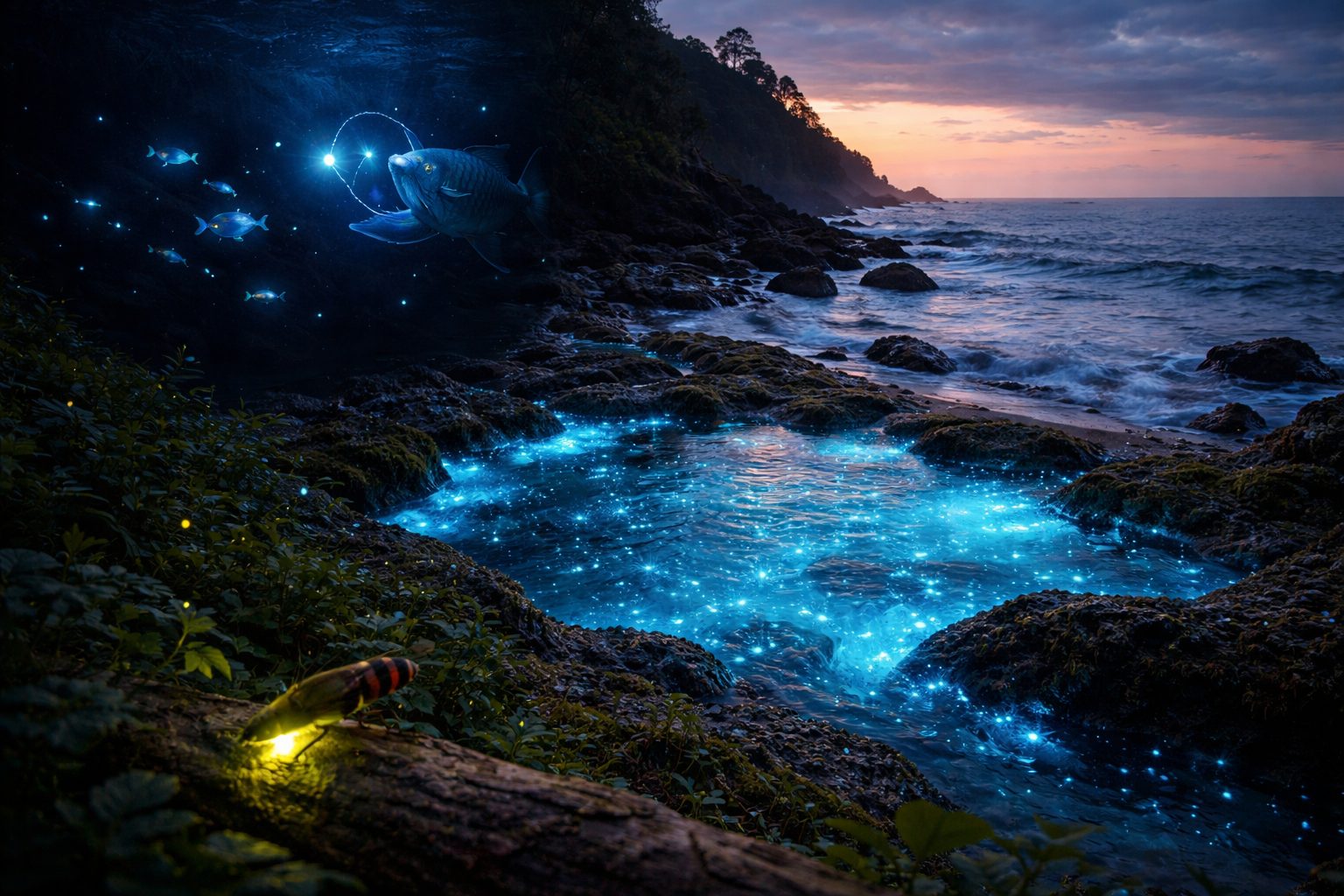
What is Bioluminescence?
Bioluminescence is the production and emission of light by living organisms. It happens in a wide range of creatures, from deep-sea fish to fireflies to single-celled marine plankton. The light is biological, not reflected, which is what makes it so striking.
The word itself comes from the Greek bios (life) and the Latin lumen (light). But the science behind it is far more interesting than the etymology.
How Does Bioluminescence Work?
The mechanism involves a chemical reaction between a compound called luciferin and an enzyme called luciferase. When these two interact in the presence of oxygen, they produce light with very little heat. It’s sometimes called “cold light” for exactly that reason.
In marine environments, the most common producers are dinoflagellates, a type of phytoplankton. When disturbed by movement, waves, or physical contact, they flash blue or blue-green light. This is what creates the glowing effect in bays and along shore breaks.
Importance of Bioluminescence in Nature
Bioluminescence serves several real ecological functions. It’s not just beautiful for us to look at.
- Defense: Some organisms flash to startle predators or to attract larger predators that will eat whatever is threatening them.
- Attraction: Deep-sea creatures use light to lure prey.
- Communication: Fireflies use flashing patterns to signal potential mates.
- Camouflage: Counter-illumination helps some marine animals match the faint light from above, making them harder to spot from below.
Understanding these functions makes you appreciate the phenomenon more when you’re standing at the water’s edge watching it pulse.
Top Locations for Bioluminescence
The best places to see bioluminescence are scattered across the globe, but a few consistently rise to the top because of their concentration of glowing organisms and the reliability of the experience.
1. Mosquito Bay, Vieques, Puerto Rico
This is widely considered the brightest bioluminescent bay in the world, and it earned that reputation. Mosquito Bay holds an extraordinary concentration of dinoflagellates, with counts that can reach 700,000 organisms per gallon of water. The result is an electric blue glow that is frankly hard to believe until you see it.
The bay is protected as part of a nature reserve, which is a big part of why it remains so vibrant. No motorized boats are permitted inside, so tours use electric kayaks or non-motorized vessels. This protects the ecosystem and keeps the experience quiet and immersive.
A few practical notes:
- Tours typically run at night, obviously, and last around two hours.
- New moon periods produce the best visibility.
- Swimming is currently restricted, so you’re observing from a kayak.
Getting to Vieques requires a ferry or small plane from mainland Puerto Rico. It’s not the easiest destination to reach, but the payoff is real.
2. Bioluminescent Bay, Fajardo, Puerto Rico
Fajardo’s lagoon is easier to access than Vieques and still produces impressive light. It’s located on the northeastern coast of the main island of Puerto Rico, which makes it a more convenient option for travelers who don’t have time for a side trip to Vieques.
The glow here is reliable year-round. Kayaking tours leave from the shore and paddle through a mangrove channel before opening into the lagoon, which adds some atmosphere to the experience. The mangroves themselves are part of what makes the bay work: they contribute nutrients that feed the dinoflagellate population.
It’s a good introductory experience, especially for families or anyone who wants a lower-logistics version of bioluminescent bay exploration.
3. Luminous Lagoon, Jamaica
Near Falmouth on Jamaica’s north coast, Luminous Lagoon is one of the most well-known bioluminescent sites in the Caribbean. It sits where the Martha Brae River meets the sea, creating a brackish environment that dinoflagellates thrive in.
What makes it different from the Puerto Rico bays is that swimming is allowed here. Getting into the water and watching yourself glow as you move is a completely different level of engagement with the phenomenon. Many visitors say it’s the highlight of their Jamaica trip.
Tours operate nightly from Falmouth and are quite affordable compared to some other destinations. The glow is strong enough that fish swimming through the lagoon leave visible light trails behind them.
4. Toyama Bay, Japan
Toyama Bay offers something different from tropical bioluminescent beaches. Every spring, firefly squid (Watasenia scintillans) migrate into the shallow waters of the bay to spawn, creating one of the most spectacular bioluminescent events on the planet.
These squid have photophores distributed across their bodies that produce an intense blue-violet light. The spawning season runs from March through May, peaking around April. During this time, the entire surface of the bay can light up when the squid are present in large numbers.
Boat tours depart from Namerikawa City and go out in the early morning hours before dawn. It’s worth noting that this is a seasonal event tied to the squid’s biology, so timing matters significantly.
5. Halong Bay, Vietnam
Halong Bay is famous for its limestone karsts and emerald water, but it also has bioluminescent plankton that can make nighttime swims memorable. Overnight cruises on traditional wooden junks often include time for swimming off the back of the boat after dark, and on the right nights, you’ll see the water light up with movement.
The bioluminescence here is less consistent than in dedicated bays, but the setting adds a lot. Glowing water between dramatic limestone cliffs under a clear sky is a combination that’s hard to beat. Summer and early autumn tend to offer the best conditions.
Unique Bioluminescent Phenomena
Types of Bioluminescent Organisms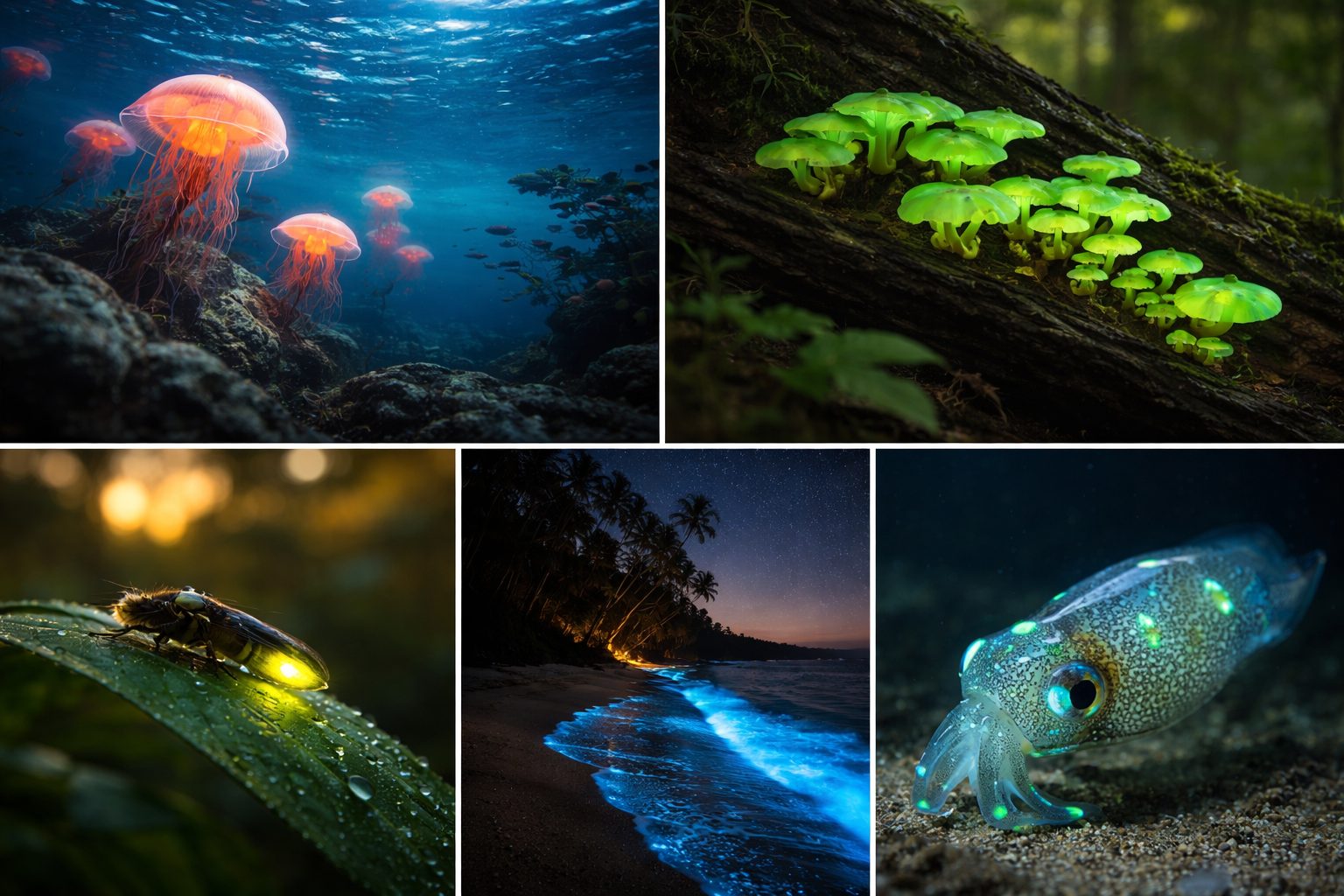
Not all bioluminescence looks the same, because the organisms producing it vary so much.
- Dinoflagellates – Single-celled marine plankton responsible for glowing bays and surf. Produce blue-green light when disturbed.
- Firefly squid – Small squid with complex photophore arrays. Found seasonally in Toyama Bay and other Pacific locations.
- Comb jellies – Produce rainbow-like light effects as their cilia beat. Not technically bioluminescence but often included in discussions.
- Anglerfish – Use a bioluminescent lure called an esca to attract prey in deep water.
- Fireflies – The most familiar example for most people. Light produced in the abdomen for mating communication.
- Glowworms – Cave-dwelling larvae found notably in New Zealand’s Waitomo Caves, producing blue-green bioluminescent threads to catch prey.
Each type creates a different visual experience. Knowing what you’re looking at makes the encounter feel more grounded.
Seasonal Variations in Bioluminescence
Bioluminescence is not a constant. It fluctuates with temperature, salinity, nutrient levels, and the life cycles of the organisms involved.
In tropical bays like those in Puerto Rico and Jamaica, dinoflagellate populations are relatively stable year-round, though they can dip during heavy rain periods that dilute the water. Lunar cycles matter enormously: the darker the sky, the more visible the glow.
In temperate locations like Japan, bioluminescent events are tightly seasonal. Firefly squid arrive and leave according to their biological clock, not tourist demand. Missing the window means missing the experience entirely.
Best Times to Experience Bioluminescence
Ideal Seasons for Viewing
The best time to visit depends entirely on where you’re going.
| Location | Peak Season | Key Factor |
|---|---|---|
| Mosquito Bay, Puerto Rico | Year-round | Moon phase |
| Fajardo, Puerto Rico | Year-round | Moon phase |
| Luminous Lagoon, Jamaica | Year-round | Moon phase |
| Toyama Bay, Japan | March to May | Squid spawning migration |
| Halong Bay, Vietnam | May to October | Warmer water, calmer seas |
For any location that depends on dinoflagellates, visiting around the new moon gives you the darkest possible skies and makes the glow dramatically more visible. Even a half moon can wash out the effect significantly.
Factors Affecting Visibility
A few variables can make or break the experience:
- Moon phase – New moon is optimal. Full moon is the worst time.
- Cloud cover – Heavy overcast blocks ambient light but can also make the bio-glow easier to see in some cases.
- Water salinity – Dilution from heavy rain reduces dinoflagellate concentration.
- Water temperature – Warmer water generally supports higher organism populations.
- Wind and wave action – Some movement stimulates dinoflagellates, but excessive chop can disperse populations.
- Light pollution – The closer you are to city lights, the harder it is to see subtle glow.
Booking tours on new moon nights and checking weather ahead of time significantly improves your chances of a strong experience.
How to Prepare for a Bioluminescent Adventure
Recommended Gear and Supplies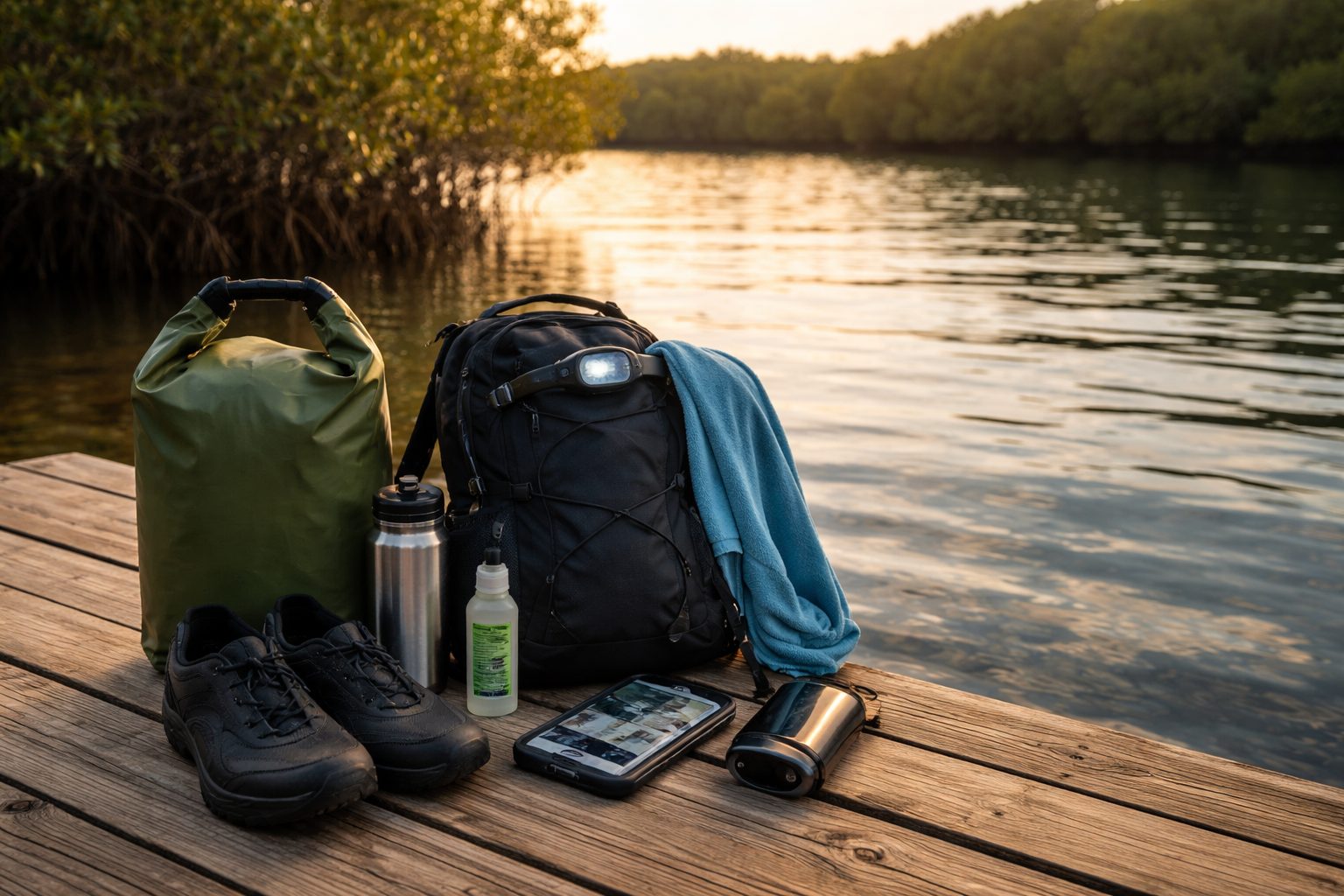
You don’t need a lot of equipment for most bioluminescent tours, but a few things make the experience better.
- Dark clothing – Light colors and white fabrics can reduce your perception of the glow around you. Dark tones help.
- Insect repellent – Especially in tropical locations. Many bioluminescent spots are near mangroves, which means mosquitoes. Use repellent that won’t contaminate the water.
- Waterproof phone case or dry bag – Your phone probably won’t capture much of the glow in photos, but you’ll want it protected regardless.
- Lightweight layers – Nights on the water can get cool even in tropical regions.
- Cash for tips – Most tours are run by small operators, and guides who share real knowledge deserve recognition.
Leave sunscreen behind unless it’s the reef-safe variety. Many bioluminescent sites are sensitive ecosystems, and conventional sunscreen chemicals are harmful to them.
Safety Tips for Nighttime Viewing
Going out on the water after dark comes with some practical considerations.
- Always use a licensed, reputable tour operator. They know the water and have safety equipment.
- Wear a life jacket without argument. Kayaking in the dark in unfamiliar water is not the time for false confidence.
- Tell someone on shore where you’re going and when you expect to return.
- Don’t go alone to remote beaches hoping to see bioluminescent surf. Bring company.
- Respect local rules about swimming restrictions. Some bays prohibit it for good reason, both ecological and safety-related.
Common sense matters more at night than during daylight hours simply because visibility of hazards is reduced.
Comparison of Bioluminescent Locations
Trying to choose between the best places to see bioluminescence often comes down to logistics, budget, and what kind of experience you want.
Accessibility and Travel Considerations
| Location | Getting There | Infrastructure |
|---|---|---|
| Mosquito Bay, Vieques | Ferry or small plane from mainland PR | Limited, charming small island |
| Fajardo, Puerto Rico | Easy drive from San Juan (~1 hour) | Good hotels nearby |
| Luminous Lagoon, Jamaica | Near Falmouth, easy cruise port access | Well-developed tourist area |
| Toyama Bay, Japan | Train from Tokyo or Osaka to Toyama | Excellent public transit |
| Halong Bay, Vietnam | Flight to Hanoi, then drive or bus | Developed cruise infrastructure |
Fajardo and Luminous Lagoon are the easiest to access for most travelers. Vieques rewards those willing to make the extra effort. Toyama Bay requires real planning around the spring season and can involve some logistical complexity if you’re navigating rural Japan without Japanese language skills.
Activities and Tours Available
The experience varies significantly by location.
- Mosquito Bay – Electric kayak tours only. No swimming permitted. Focus entirely on the visual experience from the water.
- Fajardo – Similar kayak tour structure, with some operators offering paddleboard options. Mangrove channel adds to the journey.
- Luminous Lagoon – Boat tours and swimming both available. More casual atmosphere.
- Toyama Bay – Early morning boat tours during squid season. Often combined with seafood experiences since firefly squid is a local delicacy.
- Halong Bay – Bioluminescence is part of multi-day cruise itineraries. Swimming off the boat is the typical format.
If you want to swim in the glow, Luminous Lagoon and Halong Bay are your best options. If you want the most intense visual concentration of light, Mosquito Bay wins.
Cost of Visiting Each Location
Pricing varies significantly across destinations.
| Location | Approximate Tour Cost | Overall Trip Budget Level |
|---|---|---|
| Mosquito Bay, Vieques | $45-$75 per person | Moderate to high |
| Fajardo, Puerto Rico | $40-$65 per person | Moderate |
| Luminous Lagoon, Jamaica | $20-$40 per person | Budget to moderate |
| Toyama Bay, Japan | $30-$60 per person (boat tour) | Moderate to high |
| Halong Bay, Vietnam | Included in cruise ($100-$300/night) | Moderate |
Jamaica offers the most affordable standalone experience. Vieques tends to be pricier once you factor in ferries and island accommodation. Vietnam can be surprisingly cost-effective given the length and quality of overnight cruise experiences.
Frequently Asked Questions
What Causes Bioluminescence?
Bioluminescence is caused by chemical reactions between luciferin and luciferase enzymes inside living organisms. In marine environments, dinoflagellates are the most common producers, flashing blue light when physically disturbed by water movement.
Are Bioluminescent Beaches Safe?
In most cases, yes. Dinoflagellates that produce blue glowing light are not harmful to humans. Some species do produce toxins, but the bioluminescent varieties found at popular tourist sites are not among them.
Can You Swim in Bioluminescent Waters?
It depends on the location. Luminous Lagoon in Jamaica and many beach locations allow swimming. Mosquito Bay in Vieques does not, due to environmental protection rules. Always check local regulations before entering the water.
How to Protect Bioluminescent Ecosystems?
Avoid using chemical sunscreens or insect repellents in the water. Don’t disturb the surrounding mangroves or vegetation. Follow guide instructions closely and use certified tour operators who adhere to conservation standards.
Finding Your Own Glowing Moment
Choosing among the best places to see bioluminescence comes down to what kind of traveler you are. Mosquito Bay delivers the purest, most intense experience of concentrated glowing water. Toyama Bay offers something rarer and more dramatic on a seasonal schedule. Luminous Lagoon gives you access to swim in the light itself. Halong Bay wraps the phenomenon inside one of the world’s most scenic settings.
What they all share is that quiet sense of disbelief when the water starts to glow around you. It doesn’t matter how well you’ve read about it in advance. The real thing still catches you off guard, and that’s exactly what makes it worth going.