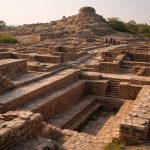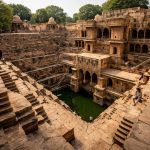
There’s something about hitting the open road in India that no other form of travel can replicate. I’ve traveled by train, by plane, and by bus across this country, and nothing comes close to the freedom and intimacy of a road trip. You stop when you want, you linger where the view demands it, and you stumble onto places that no itinerary would ever include. The best road trips in India are not just about the destination. They’re about the journey itself, the chai stops, the roadside dhabas, the sudden turns that reveal something extraordinary.
India’s road network has improved dramatically over the past decade. National highways have been widened, mountain passes have better signage, and fuel stations are more reliable even in remote regions. That doesn’t mean every road is smooth or every trip is without challenge. But the infrastructure is good enough now that a well-prepared traveler can confidently plan routes that were previously reserved for the most adventurous.
Introduction to Road Trips in India
Overview of Road Trip Culture in India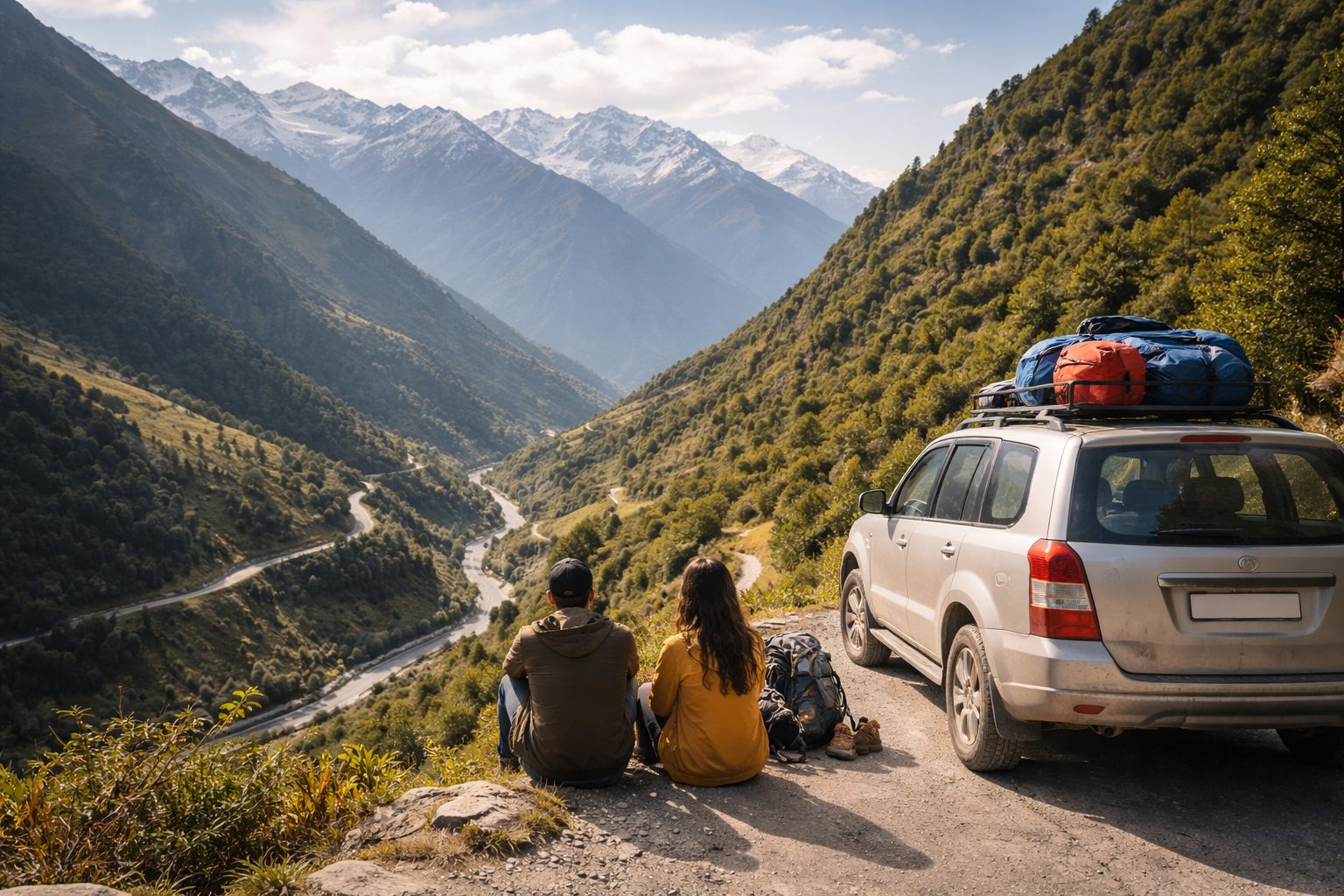
Road trip culture in India has grown steadily, especially among younger travelers who want something more authentic than packaged tours. A decade ago, the idea of driving from Delhi to Leh or from Mumbai to Goa on your own was considered either brave or reckless depending on who you asked. Today it’s almost mainstream, with communities, apps, and forums dedicated entirely to self-drive travel across the country.
The shift happened for a few reasons. Car ownership increased, rental services became more accessible, and social media made these journeys visible and aspirational. People saw friends posting about mountain passes at 17,000 feet or about waking up to misty coffee plantations, and they wanted the same. Road trips became a way to assert independence and explore at your own pace.
There’s also a deeper cultural dimension. India is not one country in the way most people imagine. It’s dozens of overlapping cultures, languages, cuisines, and landscapes compressed into a single landmass. A road trip forces you to pass through that complexity slowly enough to actually notice it.
Importance of Scenic Routes
The scenic route is never the fastest, but it’s almost always the most rewarding. In India, the difference between a highway bypass and the older state road running parallel to it can be measured in temples, markets, rivers, and conversations. When I drove through Rajasthan avoiding the expressway, I passed through five villages that don’t appear on most tourist maps. Each one had something worth stopping for.
Scenic routes in India also serve as connective tissue between well-known destinations. They turn a point-to-point journey into an experience. The coastal road between Mumbai and Goa is a perfect example. You could take the highway and arrive faster, or you could follow the coast and spend a day doing what feels like a different trip entirely.
Top 10 Best Road Trips in India
Among the many routes you could drive across this country, these ten stand out. Some are famous, some are underrated, and all of them deliver something genuinely memorable.
1. Manali to Leh
This is the one that tops nearly every list, and it deserves the attention. The Manali to Leh highway crosses some of the highest motorable passes in the world, including Rohtang, Baralacha La, Nakee La, Lachulung La, and Tanglang La. The distance is roughly 470 kilometers, but the journey typically takes two days with an overnight stop at Jispa or Sarchu.
The landscape shifts dramatically as you climb. Lush Kullu valley gives way to barren high-altitude desert, with rivers running turquoise through steep gorges. The road is only open between late May and early October, and even within that window conditions change rapidly. This is not a casual drive. But if you’re prepared for altitude, for cold nights, and for roads that are sometimes more loose gravel than tarmac, it’s one of the most extraordinary things you can do in a vehicle.
2. Mumbai to Goa
This is the road trip that most people in western India have either done or want to do. The coastal route via NH66 covers about 600 kilometers and takes you along some of the most scenic coastline on the Konkan coast. You pass through Kashid, Ganpatipule, Ratnagiri, and Malvan before crossing into Goa.
The drive itself is relatively straightforward, and the roads are in good condition for most of the year. The best part is the freedom to stop wherever the sea looks inviting. Small fishing villages, ancient temples, and local seafood shacks line the route. I’d recommend breaking the journey into two days with a night in Ratnagiri or Malvan rather than trying to do it all at once.
3. Chennai to Pondicherry
This is a shorter drive, around 160 kilometers, but it punches well above its weight. The East Coast Road running south from Chennai is smooth, scenic, and lined with small temples, beach villages, and interesting colonial-era buildings as you approach Pondicherry. The ocean is visible for long stretches, and the light in the early morning makes the whole drive feel cinematic.
Pondicherry itself is a destination worth lingering in. The French Quarter, the ashram, the cafes, and the promenade make it one of the most distinctive towns in South India. But the road getting there is half the experience, which is exactly what a good road trip should feel like.
4. Delhi to Jaipur
This is one of the most driven routes in northern India. NH48 connects the two cities in about five to six hours depending on traffic, covering roughly 270 kilometers. The highway is fast and modern, but the real interest lies in the detours. Neemrana Fort, the stepwell at Abhaneri, and the town of Alwar all sit close enough to the main route to be worthwhile stops.
Jaipur itself is a dense, rewarding destination. The combination of the Amber Fort, the city palace, the bazaars, and the food scene gives you more than enough reason to spend a few days there. But even if you’re just passing through, the drive from Delhi through Rajasthan feels like a transition into a genuinely different world.
5. Kolkata to Darjeeling
The drive from Kolkata to Darjeeling covers around 600 kilometers and involves a dramatic elevation gain as you climb into the Himalayan foothills. The route passes through the plains of West Bengal, through the tea gardens of the Dooars, and then up into the mountains through a series of hairpin bends that deliver increasingly spectacular views.
Darjeeling itself needs little introduction. The tea gardens, the Himalayan views on a clear morning, the toy train, and the colonial architecture make it one of the most visited hill stations in India. Getting there by road rather than train gives you the flexibility to stop at the tea gardens along the way and to take the mountain roads at your own pace.
6. Bangalore to Coorg
Coorg, officially called Kodagu, is about 250 kilometers from Bangalore and one of the most popular weekend road trips for people in South India. The drive takes you through Mysore or directly via Hassan depending on your preferred route, and the final stretch into Coorg winds through coffee and cardamom plantations with the air noticeably cooler and cleaner than the city.
Coorg is a place that rewards slow travel. The landscapes are green and misty, the coffee is exceptional, and the local Kodava cuisine is unlike anything else in Karnataka. If you have an extra day, the Abbey Falls and the Brahmagiri hills are worth the detour.
7. Ahmedabad to Kutch
The drive from Ahmedabad to the Rann of Kutch is around 380 kilometers and takes you into one of the most unusual landscapes in India. The Great Rann is a vast salt flat that turns into a surreal white expanse during the dry months, particularly striking at full moon. The route passes through the town of Bhuj, which has its own significant history and heritage.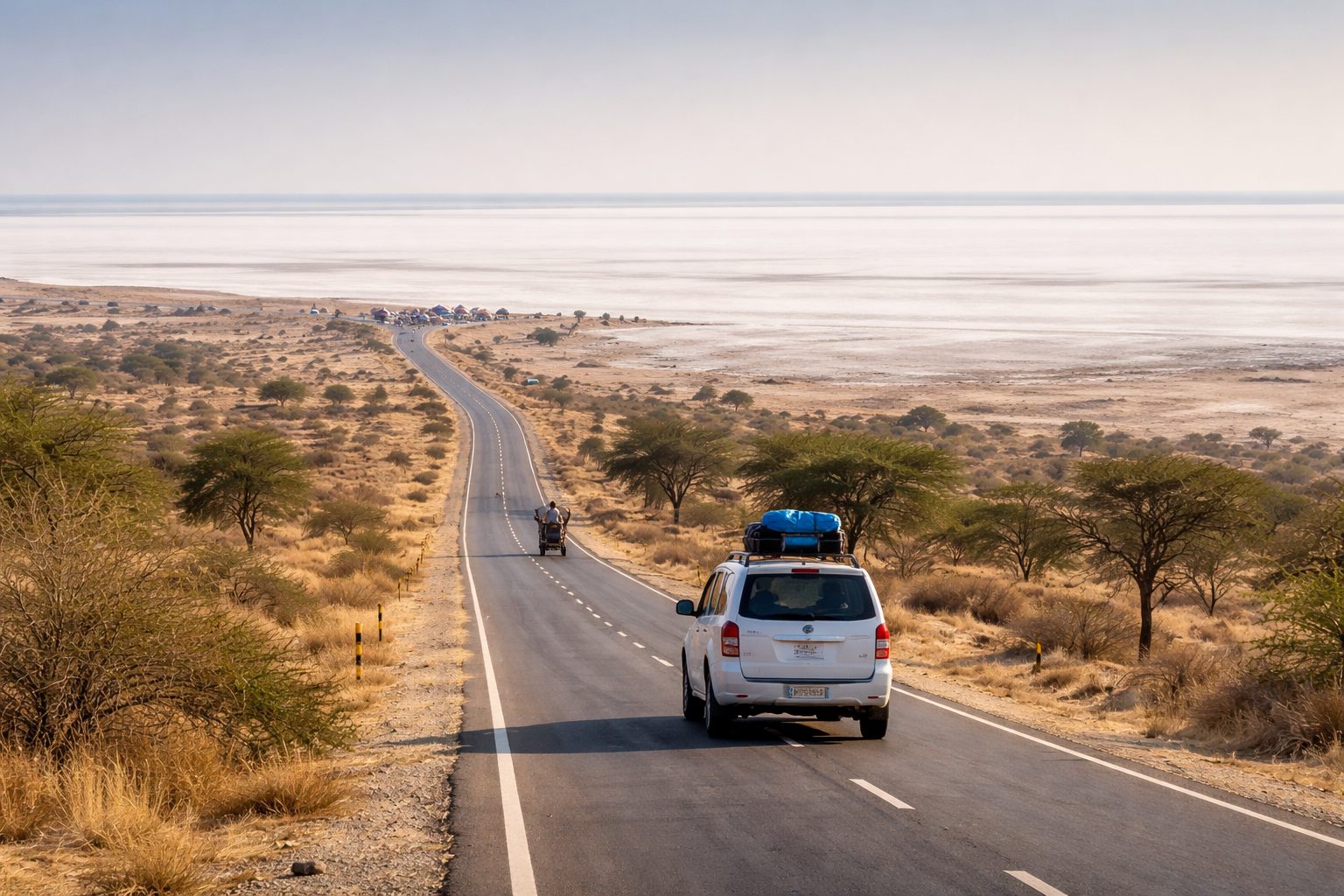
This trip is most rewarding between November and February during the Rann Utsav festival period when the salt flats are accessible and the weather is tolerable. The drive itself is straightforward once you leave Ahmedabad, and the closer you get to Kutch the more the landscape opens up into something that feels unlike anywhere else in the country.
8. Hyderabad to Hampi
Hyderabad to Hampi is roughly 380 kilometers and crosses through the Deccan plateau into Karnataka. Hampi is one of the most remarkable historical sites in India, the ruins of the Vijayanagara Empire spread across a boulder-strewn landscape that feels genuinely ancient. The drive itself is pleasant, passing through smaller towns and open agricultural land.
Most people approach Hampi from Bangalore or Goa, but the drive from Hyderabad is less crowded and gives you a different perspective on the Deccan interior. I’d recommend an overnight stop in Kurnool if you want to break the journey.
9. Rishikesh to Auli
This drive covers about 250 kilometers and takes you into the Garhwal Himalayas. The road follows the Alaknanda river for much of the route, passing through Devprayag, Rudraprayag, Karnaprayag, and eventually Joshimath before the final climb to Auli. The road is narrow in places and the traffic can be slow, but the scenery is extraordinary.
Auli is India’s best ski resort in winter, and in summer it becomes a base for trekking toward Nanda Devi. The meadows above Auli offer some of the finest Himalayan views accessible by road in India. The drive up is legitimately one of the most scenic in the entire country.
10. Guwahati to Shillong
The drive from Guwahati to Shillong covers about 100 kilometers and climbs from the Brahmaputra plains into the Khasi Hills of Meghalaya. The road is good, the scenery transforms quickly as you gain elevation, and Shillong itself is a lively, interesting city with a distinctly different character from most Indian hill stations.
Beyond Shillong, the route can be extended to Cherrapunji and Dawki, which are among the most visually striking places in Northeast India. The living root bridges, the transparent Umngot river, and the limestone caves make this corner of the country well worth the journey.
Scenic Routes and Their Attractions
Natural Beauty and Landscapes
India’s geography is extreme in every direction. In the north you have the Himalayas, in the west the Thar Desert, in the east the tropical forests and river deltas of the northeast, and in the south the Western Ghats running the length of the peninsula. A road trip through any of these zones delivers a fundamentally different visual experience.
The mountain passes of Ladakh are unlike anything in the Indian subcontinent. The coastal roads of Kerala and Karnataka bring you close to sea and forest simultaneously. The Deccan plateau has its own spare beauty, with basalt outcrops and ancient irrigation tanks punctuating the open landscape. And the tea gardens of Assam and West Bengal are green in a way that feels almost artificial.
What makes these landscapes work for road trips is scale. India is a large country, and the transitions between biomes happen slowly enough that you can watch the landscape change over hours of driving. That gradual shift from one world to another is one of the genuine pleasures of the best road trips in India.
Cultural Landmarks Along the Routes
Almost every major road trip in India passes through or near significant cultural and historical sites. The Delhi to Jaipur route brings you past Mughal-era architecture and Rajput fortresses. The Hyderabad to Hampi drive ends at one of the most important medieval ruins in Asia. The Guwahati to Shillong route passes through territory that has its own distinct tribal culture and history.
- Amber Fort near Jaipur, best approached early morning before the crowds arrive
- Devprayag on the Rishikesh to Auli route, where two sacred rivers merge
- The Mahabalipuram temples along the Chennai to Pondicherry coastal road
- Bhuj’s Aina Mahal and Prag Mahal palaces on the Ahmedabad to Kutch route
- Rudyard Kipling’s Kim’s Gun in Lahore, echoed by colonial remnants in Darjeeling
These sites don’t require major detours. They’re often directly on the route, and stopping for an hour or two adds depth to a drive that might otherwise feel like pure transit.
Themed Road Trips
Adventure Road Trips
For travelers who want more than scenic driving, India offers road trips where the journey itself is physically demanding and genuinely exciting. The Manali to Leh highway is the obvious example, but there are others.
The Spiti Valley circuit, accessible from Manali via Kaza or from Shimla via Narkanda and Reckong Peo, is arguably even more remote and challenging than the Leh highway. The roads are narrower, the passes are higher in places, and the entire valley feels cut off from the rest of the world in a way that Leh, with its airport and tourist infrastructure, no longer does.
The Ziro Valley and Mechuka in Arunachal Pradesh represent another tier of adventure road tripping. Permits are required for foreign nationals, and the roads are rough, but the cultural and natural rewards are exceptional.
Heritage Road Trips
India’s heritage road trips take you through layers of history that are still visible on the landscape. Rajasthan is the obvious choice. A circuit through Jaipur, Jodhpur, Jaisalmer, and Udaipur passes through centuries of Rajput culture, architecture, and tradition. The roads between these cities are good, and the distances are manageable.
The Deccan circuit through Aurangabad, Ajanta, Ellora, and Hampi is another strong option. The cave temples at Ajanta and Ellora are among the most significant archaeological sites in the world, and they sit close enough together that you can visit both in a single extended trip.
And for something less traveled, the Bundelkhand region of Madhya Pradesh, with its ruined forts and medieval temples, offers heritage road tripping without the crowds.
Coastal Road Trips
India has a coastline of roughly 7,500 kilometers, and significant portions of it are accessible by road. The western coast from Mumbai to Kanyakumari is the most developed for road travel, with NH66 running the entire length through Maharashtra, Goa, Karnataka, and Kerala.
The eastern coast is less developed but equally rewarding. The East Coast Road from Chennai south through Mahabalipuram and Pondicherry is excellent. Further south, the roads through Tamil Nadu’s temple country bring you along the Coromandel Coast with its fishing communities and ancient Chola temples.
In Odisha and Andhra Pradesh, coastal roads pass through landscapes that feel genuinely untouched by mass tourism. The beaches here are less famous but often more beautiful than their western counterparts.
Best Time for Road Trips in India
Seasonal Considerations
India’s seasons divide road trips into different categories. Winter, from November to February, is the best time for road trips in the plains, the desert, and South India. The weather is cool, the roads are clear, and the light is sharp and clear. Rajasthan, the Deccan, Tamil Nadu, and Kerala are all excellent in these months.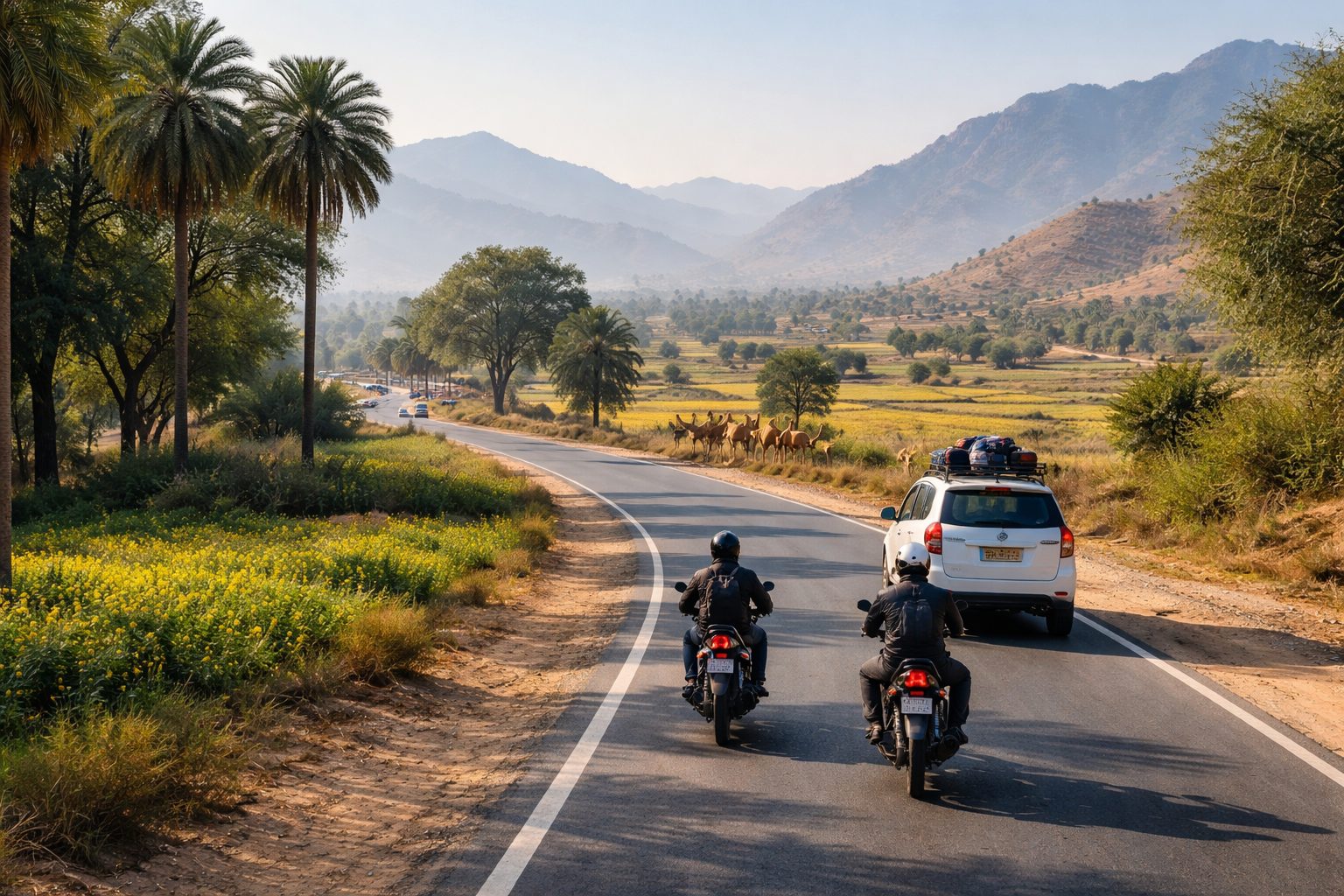
Summer, from March to May, is brutal in most of the plains but ideal for high-altitude Himalayan routes. The Manali to Leh highway typically opens in late May or early June, and June through September is the main season for Ladakh road trips before the passes close again.
The monsoon, from June through September, transforms the Western Ghats and Northeast India into extraordinarily beautiful green landscapes. Coorg, Munnar, and the Konkan coast are at their most visually impressive in the rains, but roads can flood, landslides are a real risk in hilly areas, and driving requires more caution.
Weather and Road Conditions
| Season | Best Regions | Avoid |
|---|---|---|
| Winter (Nov-Feb) | Rajasthan, Deccan, South India | High Himalayan passes (closed) |
| Spring (Mar-May) | Himachal Pradesh, Uttarakhand foothills | Plains (extreme heat) |
| Early Summer (May-Jun) | Ladakh (passes opening), Spiti | Coastal areas in heat |
| Monsoon (Jun-Sep) | Kerala, Coorg, Northeast India | Landslide-prone mountain roads |
| Post-Monsoon (Oct-Nov) | All regions | None major |
Road conditions vary enormously by route and season. The expressways are generally reliable year-round. Mountain roads can deteriorate overnight due to rockfall or rain. Always check local conditions before setting out on a mountain route, particularly in the Himalayas and Northeast.
Essential Tips for Road Trips in India
Vehicle Preparation and Maintenance
A well-prepared vehicle is the foundation of a good road trip. Before any long journey, get a full service done including oil change, brake inspection, tyre check, and fluid top-ups. Carry a spare tyre that’s in usable condition, not just decorative. A puncture kit and basic tools are worth having even if you’re not mechanically inclined.
For mountain routes, ensure your vehicle has adequate ground clearance. Hatchbacks struggle on the rocky river crossings common on routes like the Manali to Leh highway. An SUV or at minimum a capable crossover is strongly recommended for any Himalayan driving.
- Check tyre pressure before departure and every few days on long trips
- Carry extra engine oil and coolant
- Know how to change a tyre and carry the equipment for it
- Keep fuel topped up; petrol stations are scarce in remote areas
- Test all lights before departure, particularly if driving at night
Packing Essentials
Pack for the conditions you’ll actually face, not the conditions you hope for. Mountain routes get cold even in summer. Coastal drives can get very humid. Desert routes have extreme temperature swings between day and night.
- First aid kit with altitude medication if going above 3,500 meters
- Offline maps downloaded before departure (Google Maps, OsmAnd)
- Cash in smaller denominations, as many places don’t accept cards
- Warm layers even in summer for mountain routes
- Water bottles and snacks for stretches without food options
- Vehicle documents including insurance, registration, and driving license
- Phone charger and power bank
- Torch or headlamp
Safety Tips for Travelers
Driving in India requires patience and attentiveness that is different from driving in many other countries. The road hierarchy is informal, overtaking happens unpredictably, and pedestrians, animals, and slow vehicles appear without warning. Keeping a larger following distance than you think necessary is one of the most practical habits you can develop.
Avoid driving at night wherever possible, particularly on mountain roads and in rural areas. Animals on the road, poor lighting, and the difficulty of reading surfaces in the dark make night driving significantly riskier. If you must drive after dark, reduce speed and increase vigilance.
Don’t push through fatigue. The availability of affordable accommodation at regular intervals means there’s almost never a reason to drive exhausted. A night’s rest in a small roadside hotel is a better option than arriving at your destination having put yourself and others at risk.
Planning Your Road Trip
Route Mapping and Navigation Tools
Planning a route before departure saves time and prevents frustration on the road. I use a combination of Google Maps for real-time navigation and downloaded offline maps for areas with poor signal. In Ladakh and parts of the Northeast, cellular coverage disappears entirely for long stretches, so having offline data is not optional.
Apps like Roadtrippers and Wikiloc are useful for finding points of interest along a specific route. State tourism websites often have information about rest stops, accommodation, and seasonal road closures that isn’t available in general mapping apps.
Always have a paper map as a backup for Himalayan routes. It sounds old-fashioned, but when your phone dies and there’s no power for three hours, a physical map is invaluable.
Accommodation Options Along the Way
India’s accommodation range runs from government-run rest houses and forest lodges to budget guesthouses, heritage hotels, and luxury resorts. For road trips, I find that mid-range guesthouses and homestays offer the best combination of comfort, affordability, and local character.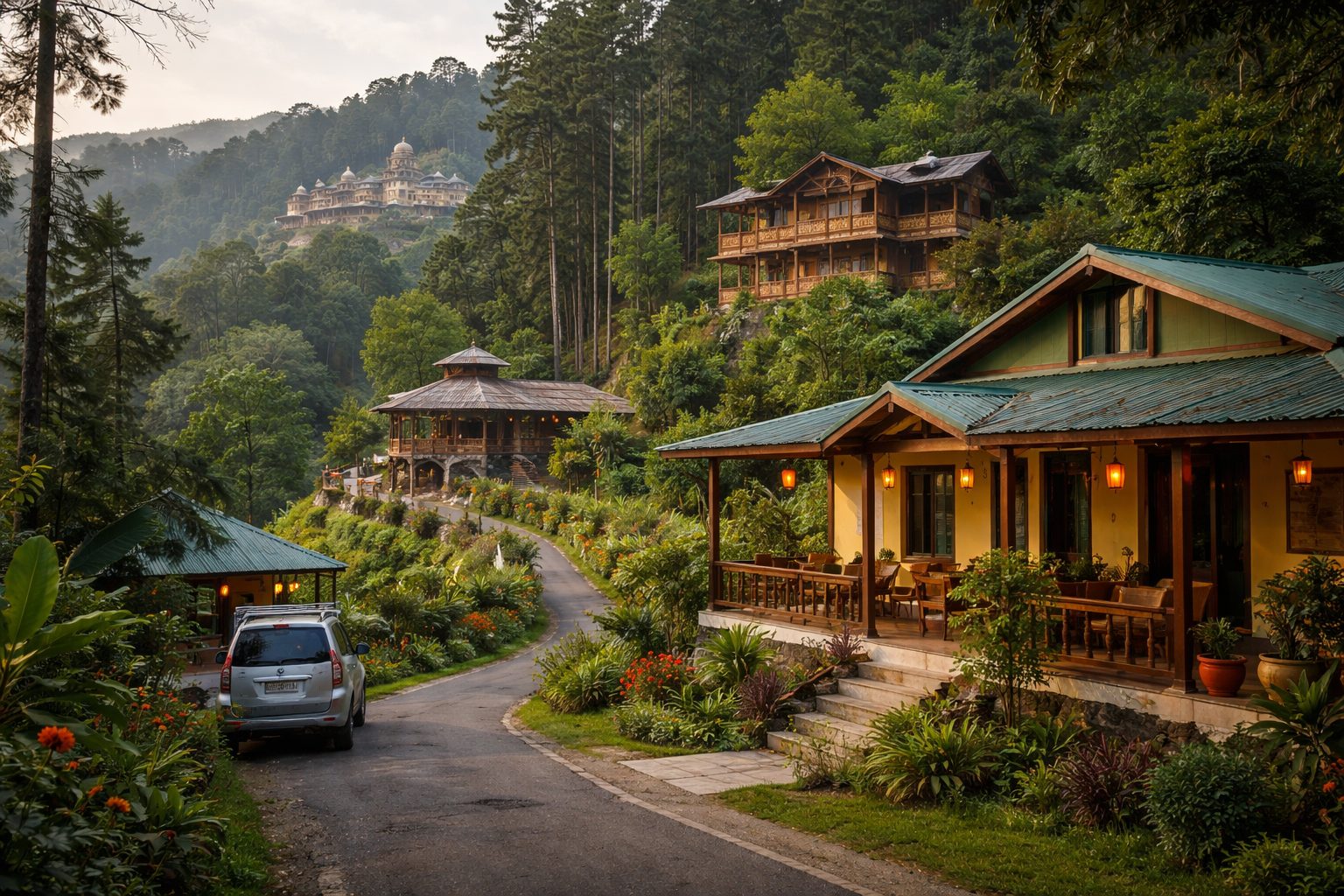
- Dhabas with attached accommodation are common on major highways and are often perfectly adequate
- Homestays in rural and tribal areas give you direct access to local culture and food
- Heritage hotels in Rajasthan and the Deccan are genuinely worth the extra cost
- Government circuit houses and forest rest houses require advance booking and are often in excellent locations
- Camping is possible in many Himalayan regions and is the only option in some remote stretches
Booking in advance during peak season is essential for popular routes like Manali to Leh. In the off-season, walk-in rates are often better than online prices, and you’ll have more room to negotiate.
Local Cuisine to Try
One of the best arguments for a road trip over any other form of travel in India is the food. Roadside eating in India is not a last resort. It’s often the best meal of the day. Regional cuisine changes noticeably every few hundred kilometers, and the only way to eat your way through those transitions is on a road trip.
- Rajasthan: dal baati churma at local dhabas, mirchi ka salan in Jodhpur, laal maas where you can find it
- Punjab and Haryana: paratha with white butter and lassi at roadside stalls
- Maharashtra’s Konkan coast: fresh crab, sol kadhi, fish thalis in small beach towns
- Karnataka: bisi bele bath, ragi mudde, coorg pork curry in Kodagu
- Northeast India: fermented bamboo shoot dishes, smoked pork, and river fish
Always eat where the trucks are parked. It’s a cliche, but it’s true.
Road Trip Challenges and How to Overcome Them
Common Road Conditions in India
India’s roads range from smooth six-lane expressways to rutted dirt tracks that challenge even experienced off-road drivers. Most long-distance routes fall somewhere between these extremes. The National Highway network has improved significantly, but state roads and rural roads can deteriorate badly, particularly after the monsoon.
Potholes are ubiquitous outside of major expressways. Speed bumps, often unmarked, appear at the entrance and exit of every village. Cattle and other animals cross roads without warning. In the mountains, roads narrow to a single lane with no guardrail and a significant drop on one side.
The practical response to all of this is to drive slower than you think you need to, add significant time buffers to your estimated journey times, and treat every unfamiliar road as potentially challenging until proven otherwise.
Dealing with Traffic and Delays
Traffic in and around Indian cities can be deeply frustrating. Leaving before 7am or after 9pm gets you through most urban areas before gridlock sets in. On major highways, Friday evenings and Sunday evenings heading back toward cities are reliably congested.
Construction delays, police checkpoints, and vehicle breakdowns causing temporary blockages are part of road trip life in India. Keeping podcasts, music, or audiobooks ready for slow periods makes them manageable. And sometimes, sitting in traffic near a roadside chai stall isn’t the worst situation you can be in.
Flexibility in your schedule is the most effective tool against delay-related frustration. If you’re locked into a fixed arrival time, every delay becomes a source of anxiety. If you’ve built in a buffer, the same delay becomes just part of the journey.
Conclusion: Embrace the Journey
Encouragement to Explore India’s Diversity
The best road trips in India are not about ticking destinations off a list. They’re about experiencing the country in its fullness, at a pace that allows you to actually see and absorb what’s around you. India rewards curiosity. Every side road leads somewhere interesting. Every small town has at least one thing worth stopping for.
I’ve driven across significant parts of this country and I’m still surprised by it regularly. The landscape keeps changing, the food keeps changing, the languages on shop signs keep changing. That variety is India’s greatest asset for road travelers, and no other mode of transport delivers it the same way a drive does.
Start with one of the routes on this list. Pick the one that matches your interests, your vehicle, and your available time. Then once you’ve done that first trip, you’ll understand why people keep coming back for more. The country is too large and too varied to exhaust in any single journey, which is the best possible problem to have.
FAQs about Road Trips in India
What are the best road trip routes in India?
The Manali to Leh highway, the Mumbai to Goa coastal route, and the Delhi to Jaipur highway are consistently among the most popular. For something more offbeat, the Guwahati to Shillong drive and the Ahmedabad to Kutch route are excellent choices with far fewer tourists.
How to plan a road trip in India?
Start with your destination and work backward. Identify key stops along the route, estimate realistic daily driving distances of no more than 250 to 300 kilometers on mountain roads, book accommodation in advance for peak season, and download offline maps before you lose cellular coverage. Always check road conditions and weather forecasts for mountain routes.
What vehicle is best for long road trips in India?
For plains and coastal routes, any well-maintained car will do. For mountain routes in Ladakh, Spiti, or the Northeast, a high-clearance SUV is strongly recommended. The Mahindra Thar, Toyota Fortuner, and Maruti Suzuki Jimny are popular choices for challenging terrain. Avoid low-clearance vehicles on Himalayan routes.
Are road trips safe in India?
Road trips in India are safe with adequate preparation. Avoid driving at night in unfamiliar areas, maintain a conservative speed on mountain roads, keep your vehicle serviced, and carry basic emergency supplies. Road accidents in India are disproportionately caused by speeding and driver fatigue, both of which are entirely within your control.
What are must-visit places during a road trip in India?
It depends on your route, but Hampi in Karnataka, the Rann of Kutch in Gujarat, the Spiti Valley in Himachal Pradesh, Coorg in Karnataka, and the Ziro Valley in Arunachal Pradesh are among the places that justify a road trip on their own. Each one is genuinely distinctive and not easily replicated elsewhere in the country.