Every year, as temperatures climb and calendars fill up with vacation days, the same question comes up: where to travel in summer to actually make it worth your time and money? It’s not a simple answer. The world is enormous, budgets vary wildly, and what counts as a perfect summer trip for one person would be a nightmare for another. I’ve spent years chasing good weather across continents, and I can tell you that the best summer destinations aren’t always the ones that show up first in a Google search. This guide is meant to cut through the noise and give you something genuinely useful, whether you’re planning six months ahead or scrambling to book something next week.
Summer travel has its own rhythm. Prices spike. Crowds appear. But the light is long, the energy is high, and some places simply come alive in ways they don’t at any other time of year. The key is knowing where to go, when to go, and how to go, and that’s exactly what we’re going to cover.
Popular Summer Destinations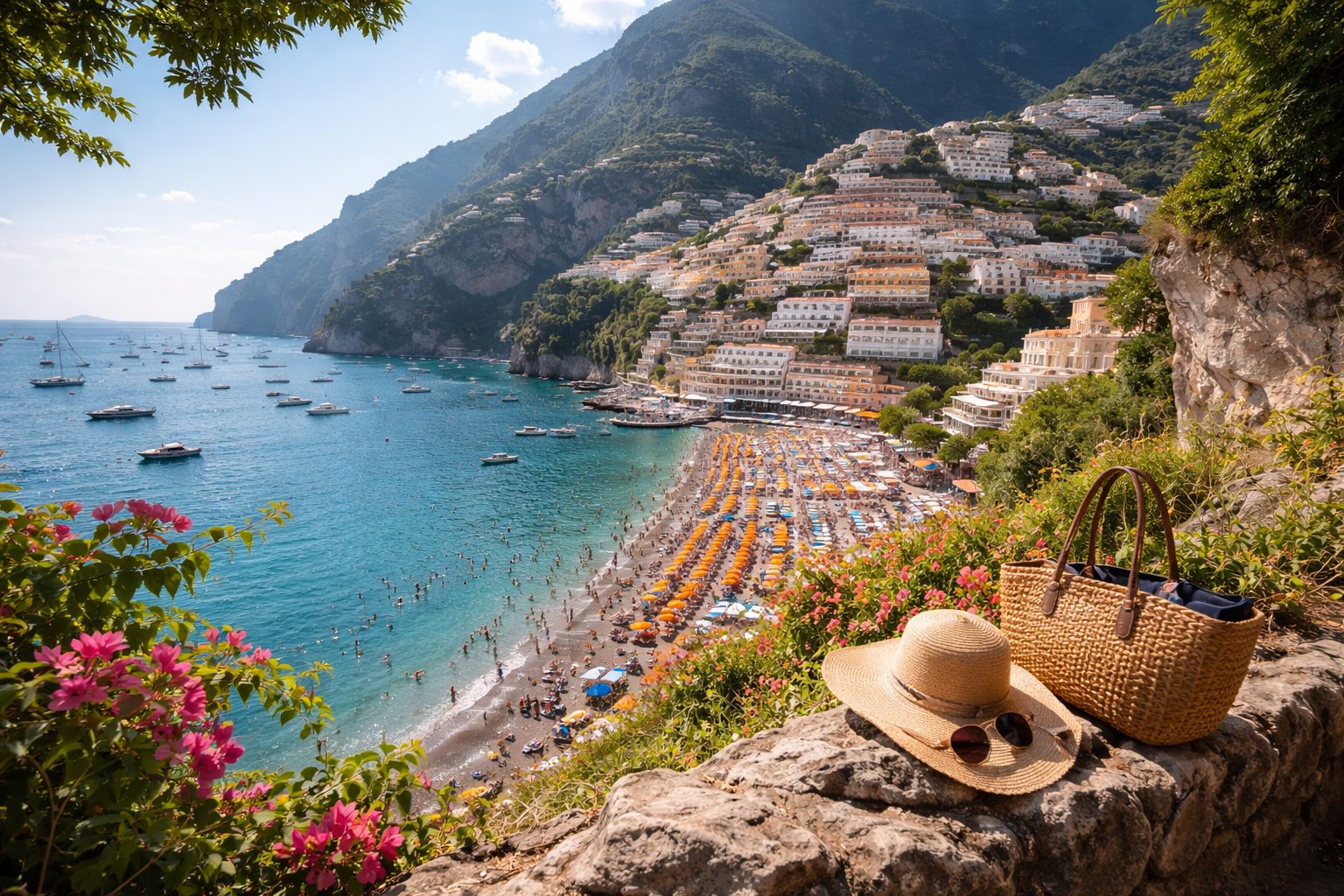
Top 10 Summer Destinations Worldwide
There’s a reason certain places appear on every summer list. They’ve earned it. Here are ten destinations that consistently deliver, across different travel styles and budgets.
- Santorini, Greece, the iconic caldera views and whitewashed architecture are genuinely as beautiful as the photos suggest. Go early in the season (late May to mid-June) before peak crowds hit.
- Kyoto, Japan, summer means heat and humidity, but also vibrant festivals like Gion Matsuri. The temples are magical in the evening light.
- Amalfi Coast, Italy, dramatic cliffs, turquoise water, excellent food. Rent a scooter or hire a boat to escape the coastal road traffic.
- Dubrovnik, Croatia, a walled medieval city perched above the Adriatic. Walk the city walls early morning before the cruise ship crowds arrive.
- Barcelona, Spain, beach, architecture, nightlife, food markets. It works as a base for day trips too.
- Bali, Indonesia, the dry season runs from May to September, making it one of the best times to visit. Ubud for culture, Seminyak for beaches.
- Iceland, the midnight sun makes summer here genuinely otherworldly. Whale watching, puffin colonies, and the Westfjords.
- Cape Town, South Africa, the Southern Hemisphere’s winter is actually summer there, and June through August brings dry, mild conditions.
- New England, USA, lighthouses, lobster rolls, hiking in the White Mountains. Deeply underrated for international travelers.
- Azores, Portugal, volcanic lakes, thermal springs, and practically no crowds. Europe’s best-kept secret for summer hiking.
Hidden Gems for Summer Travel
If you’ve done the classics and want something less predictable, these destinations punch above their weight.
- Faroe Islands, dramatic sea cliffs, puffin colonies, and almost no mass tourism. The infrastructure is surprisingly good.
- Kotor, Montenegro, a fortified old town surrounded by mountains and a stunning bay. Much cheaper than Croatia and just as beautiful.
- Plovdiv, Bulgaria, one of Europe’s oldest cities with a thriving arts scene and excellent food. Flights are cheap and hotels are affordable.
- Matera, Italy, the ancient cave city in Basilicata that most tourists still bypass while heading to Rome or the Amalfi Coast.
- Tohoku, Japan, the northeastern region of Japan has summer festivals, cooler temperatures than Tokyo, and almost no foreign tourists.
- Oman, the coast and the Musandam Peninsula are surprisingly accessible in summer. Avoid the interior desert heat by sticking to the fjords.
- Transylvania, Romania, yes, really. Medieval fortresses, Saxon villages, and the Carpathian Mountains are beautiful in summer.
Best Beaches to Visit in Summer
Not all beaches are equal, and the best one for you depends on what you actually want from it.
- For crystal-clear water: Sardinia (Italy), Milos (Greece), or the Seychelles
- For surf: Nazaré (Portugal), Jeffreys Bay (South Africa), or Tofino (Canada)
- For seclusion: Fakarava Atoll (French Polynesia), Isla Holbox (Mexico), or the Outer Hebrides (Scotland)
- For nightlife: Mykonos (Greece), Ibiza (Spain), or Miami Beach (USA)
- For families with kids: Majorca (Spain), the Croatian islands, or Cape Hatteras (USA)
The beaches in the south of France are technically public but often crowded. Montenegro’s coast is a better alternative with similar scenery at a fraction of the price.
Activities and Experiences
Adventure Travel for Thrill-Seekers
Summer is prime time for outdoor adventure, and the options are staggering. Snow has melted, trails are accessible, and the days are long enough to make serious progress.
Some of the best summer adventure travel includes:
- Trekking in the Swiss Alps, classic routes like the Tour du Mont Blanc or the Alta Via in the Dolomites are fully accessible from June to September.
- Whitewater rafting in Colorado, the Arkansas River through the Royal Gorge is one of the most technically challenging runs in North America.
- Cycle touring in Scandinavia, the road infrastructure is excellent, traffic is light on back roads, and the scenery is stunning.
- Climbing in Yosemite, long summer days mean you can attempt bigger walls with proper planning.
- Coasteering in Wales, jumping off sea cliffs into the Atlantic swells is as exhilarating as it sounds.
For those who want something truly off the beaten path, the Lofoten Islands in Norway offer sea kayaking through some of the most dramatic coastal scenery on the planet.
Family-Friendly Summer Activities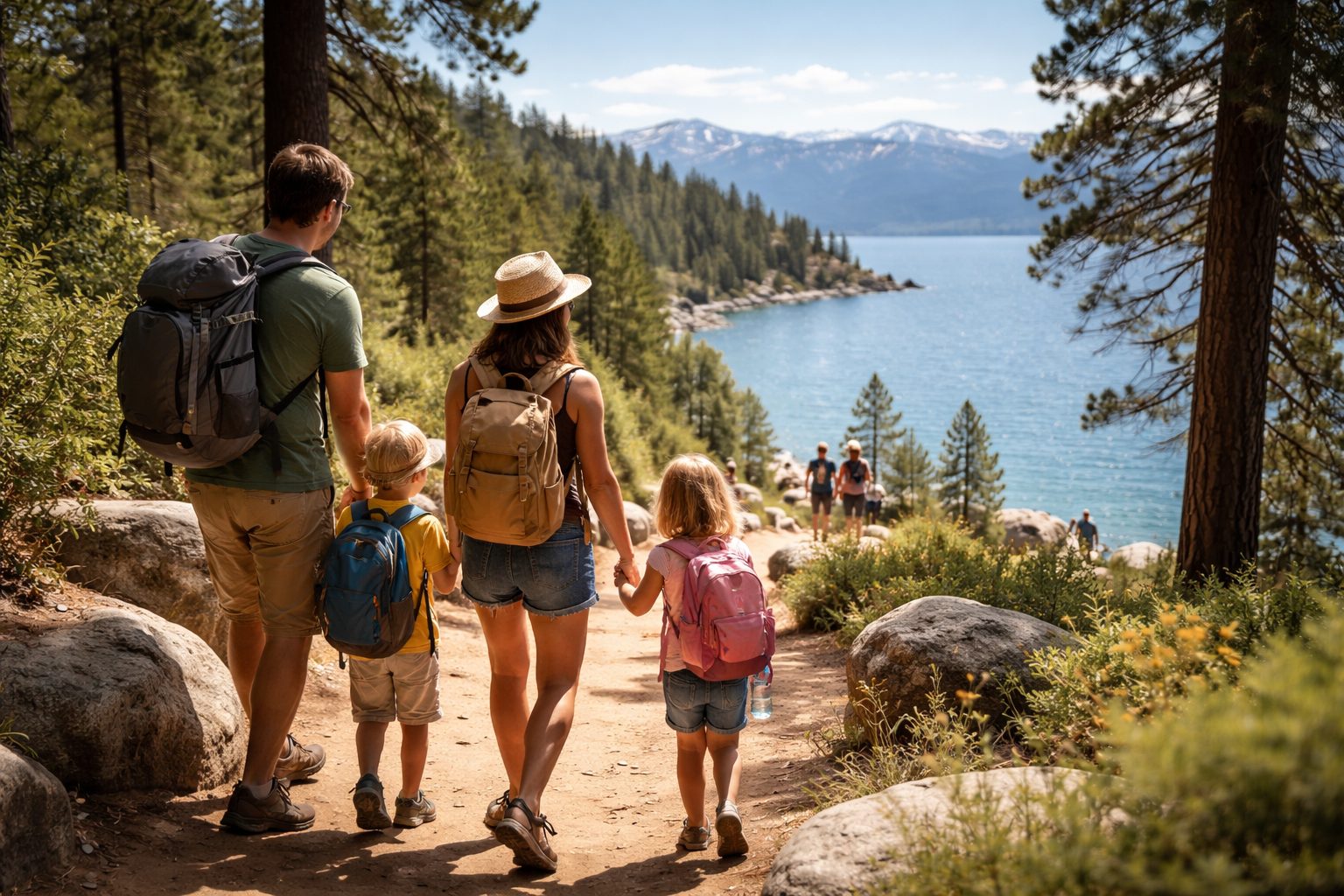
Traveling with kids changes the calculus entirely. You’re thinking about logistics, attention spans, and safety as much as scenery.
The most consistently successful destinations for families in summer are those with a mix of beach access, cultural interest for adults, and enough variety to keep kids engaged.
- Lake Garda, Italy, theme parks, sailing, swimming, and medieval towns all within easy reach.
- Provence, France, lavender fields, Roman ruins, markets, and a pace of life that doesn’t feel rushed.
- Costa Rica, zip-lining, wildlife spotting, volcanic beaches, and national parks with kid-friendly infrastructure.
- Orlando, Florida, yes, it’s theme parks, but the sheer variety means even non-theme-park families can find a week’s worth of activities.
- New Zealand’s South Island, safe, English-speaking, with world-class outdoor activities scaled for all ages.
One practical tip: book accommodation with self-catering facilities. Having a kitchen saves money and gives you flexibility that hotel dining rooms don’t.
Cultural Experiences to Explore in Summer
Summer festivals, outdoor concerts, and open-air museums define the cultural calendar in most of the Northern Hemisphere.
A few experiences worth planning a trip around:
- Edinburgh Festival Fringe (August), the world’s largest arts festival. Book accommodation months in advance.
- Carnival of Venice, technically February, but the Biennale runs all summer and is one of the finest contemporary art events anywhere.
- Bastille Day in Paris (July 14), the fireworks at the Eiffel Tower are genuinely spectacular.
- Bayreuth Festival in Germany, if you’re a Wagner fan, this is as serious as it gets.
- Obon Festival in Japan (August), traditional lantern festivals and ancestral ceremonies that offer real cultural depth.
- Naadam Festival in Mongolia (July), horse racing, archery, and wrestling on the steppe. Genuinely one of the most memorable things I’ve ever watched.
Seasonal Considerations
Weather Patterns and Climate for Summer Travel
Summer doesn’t mean the same thing everywhere, and a basic understanding of climate zones will save you from miserable surprises.
The Mediterranean basin (Spain, Italy, Greece, Croatia) is hot and dry from June to September. Temperatures in the low-to-mid 30s Celsius are normal. If you hate heat, go in May or early June instead.
Southeast Asia is often dismissed for summer because of monsoon season, but the pattern is uneven. Thailand’s east coast (Koh Samui) is actually dry when the west coast is wet. Bali’s dry season is June to September. Vietnam’s north (Hanoi, Ha Long Bay) is wet in summer, while the south (Ho Chi Minh City) is drier.
The Caribbean is in hurricane season from June through November, with peak risk in August and September. The Pacific side of Central America is generally safer during those months.
Scandinavia and Iceland are genuinely best in summer, the contrast with winter is so extreme that June through August feels like a different planet.
Peak Tourist Seasons vs. Off-Peak Travel
Peak season in most European summer destinations runs from mid-July to late August. This is when schools are out across the continent, prices are at their highest, and famous spots are at their most crowded.
The sweet spots are:
- June, prices haven’t fully peaked, weather is excellent in most of Europe, and crowds are manageable
- Early September, summer conditions persist in the Mediterranean, but schools have gone back and prices start dropping
The shoulder periods around summer are genuinely worth considering. A week in Santorini in mid-September costs significantly less than the same week in August and the sea is still warm.
Off-peak summer travel also means better access to restaurants without reservations, easier parking, and the ability to actually enjoy famous sites rather than elbowing through them.
Best Times to Visit Popular Destinations
| Destination | Peak Season | Best Alternative Window |
|---|---|---|
| Barcelona, Spain | July-August | May-June or September |
| Amalfi Coast, Italy | July-August | June or late September |
| Santorini, Greece | July-August | May or early October |
| Bali, Indonesia | July-August | June or September |
| Iceland | June-August | May (cheaper, still light) |
| Dubrovnik, Croatia | July-August | June or September |
| Kyoto, Japan | July-August | May or October |
| Cape Town, South Africa | June-August | Anytime in this window |
| Azores, Portugal | July-August | June |
| New England, USA | July-August | September (foliage starts) |
The table above is a practical planning tool. The “best alternative window” column often represents better value and a more relaxed experience than peak season.
Budgeting for Summer Travel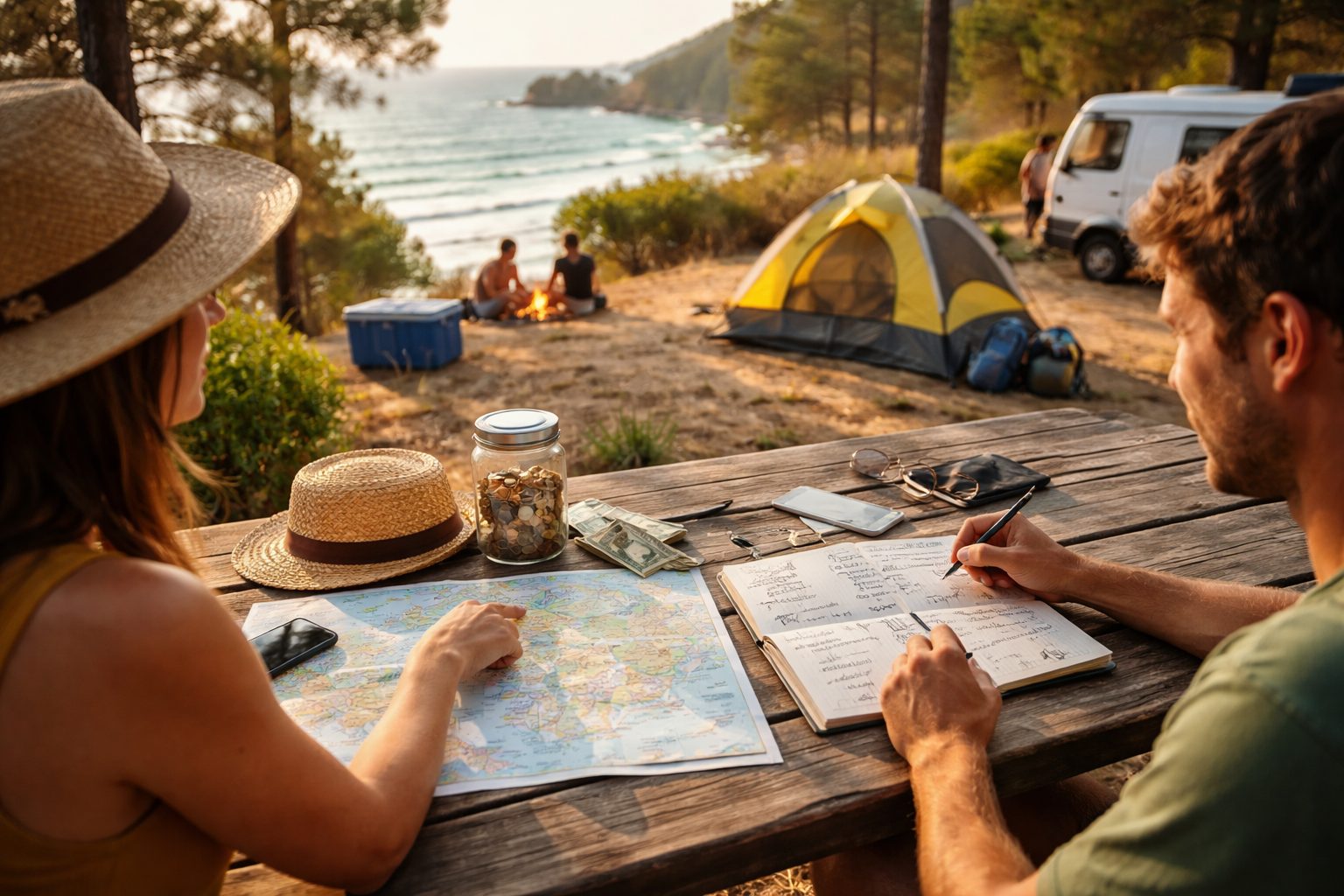
Affordable Summer Travel Destinations
You don’t need a large budget to have a great summer. Some of the most rewarding destinations in summer are surprisingly affordable.
- Albania, the Albanian Riviera has Mediterranean coastline, clear water, and prices that are a fraction of what you’d pay in Greece or Croatia.
- Portugal (beyond Lisbon and Porto), the Alentejo region, the Silver Coast, and the interior are genuinely cheap and gorgeous.
- Bulgaria, Plovdiv and the Black Sea coast offer excellent value. European culture at Eastern European prices.
- Mexico, Oaxaca, Guanajuato, and the Yucatan Peninsula are affordable without being rough around the edges.
- Vietnam, still one of the best bang-for-your-buck destinations in Asia, particularly the central and southern regions in summer.
- Colombia, Cartagena, Medellín, and the coffee region offer strong value and the country has improved enormously in safety and infrastructure.
The general rule is that destinations east of Germany and south of the Mediterranean tend to offer better value per dollar spent.
Tips for Saving Money While Traveling in Summer
Summer is expensive almost everywhere, but there are consistent strategies that work.
- Book flights on Tuesday or Wednesday, these are statistically the cheapest days for air travel, though the gap has narrowed.
- Use budget airlines for short hops in Europe, Ryanair, Wizz Air, and easyJet connect hundreds of cities for remarkably low fares if you book early.
- Travel by overnight train, you save a night’s accommodation and get somewhere interesting. The European sleeper network is expanding.
- Cook your own meals at least once a day, self-catering apartments pay for themselves within a few days.
- Avoid airport transfers by shuttle, they’re convenient but expensive. Research public transport options in advance.
- Book free-entry museum days, most major museums have at least one free afternoon per week. Plan around them.
- Travel to cheaper neighboring countries, if France feels expensive, Luxembourg, Belgium, and Portugal offer similar European experiences at lower prices.
Luxury Summer Travel Destinations Worth the Splurge
Some places are expensive for a reason. If the budget allows, these destinations deliver experiences that genuinely justify the cost.
- The Maldives, overwater bungalows and private islands are as extraordinary as they look. The snorkeling is some of the best in the world.
- French Polynesia (Bora Bora, Tahiti), remote, jaw-dropping, and genuinely worth the long-haul flight.
- Amalfi Coast private boat charter, booking a day boat to visit secluded coves that road and foot traffic can’t reach completely changes the experience.
- Gleneagles, Scotland, golf, countryside, and one of the finest hotels in the UK. The summer setting is superb.
- Safari in Tanzania (Serengeti), the Great Migration occurs in July and August. Witnessing it from a luxury tented camp is not something you forget.
The distinction between “expensive but worth it” and “expensive and disappointing” usually comes down to research. Read recent reviews, look for independent opinions, and be skeptical of anything that markets itself purely on exclusivity.
Travel Planning Tips
How to Choose the Right Destination for Summer
Before you start browsing flights, get clear on a few things. What do you actually want from the trip? Rest, adventure, culture, food, social experience? These aren’t the same, and confusing them leads to poor choices.
Ask yourself:
- How many days do I have?
- Am I traveling solo, as a couple, or with family?
- What’s the real budget, including flights, accommodation, food, and activities?
- Do I want to stay in one place or move around?
- How important is ease and convenience versus authenticity and adventure?
A week in one destination is usually more satisfying than hitting five cities in the same time. Moving every two days is exhausting and prevents you from actually settling into a place.
Essential Packing Tips for Summer Travel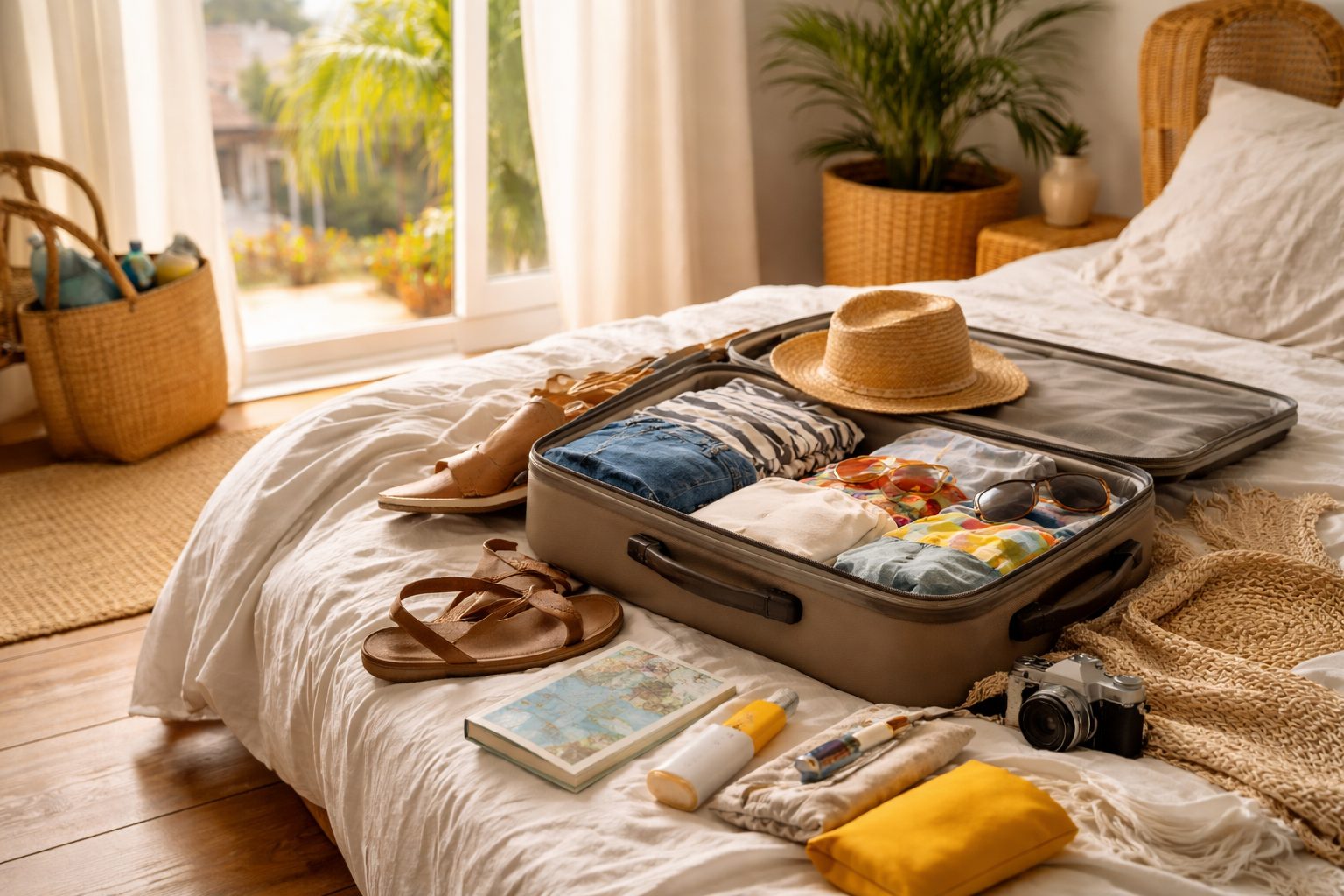
Summer packing has one core principle: pack less than you think you need. You will almost certainly have access to laundry facilities, and most things you forget can be bought at your destination.
Key items that are genuinely worth bringing:
- A good reef-safe sunscreen (high SPF, often hard to find or expensive abroad)
- A lightweight merino wool layer for air-conditioned flights and restaurants
- Quality sandals that you can actually walk in for hours
- A compact dry bag for beach days and boat trips
- Polarized sunglasses that fit properly
- A basic first-aid kit with blister treatment, antihistamines, and rehydration salts
Avoid packing full-size toiletries, formal clothes you won’t actually wear, or multiple pairs of shoes. One pair of walking shoes and one pair of sandals covers most summer scenarios.
Navigating Travel Restrictions and Safety Guidelines
Travel requirements have stabilized significantly since the pandemic years, but they haven’t entirely disappeared. A few consistent rules apply.
Always check the official entry requirements of your destination at least two weeks before you travel. Requirements for visas, vaccinations, and insurance change, and third-party information is often outdated.
Travel insurance is not optional. Get a policy that covers medical evacuation, trip cancellation, and baggage loss. Read the exclusions carefully before buying.
Some practical safety notes for summer travel:
- Pickpocketing peaks in summer at tourist sites. Use a hidden money belt for passports and cards.
- Sea conditions can be dangerous in some destinations. Respect local flags and warnings on beaches.
- Heatstroke is a real risk in very hot destinations. Drink more water than you think you need.
- Food safety matters more in hot weather. Be more cautious with street food when temperatures are extreme.
Comparison of Travel Options
Domestic vs. International Summer Travel
The case for staying domestic is stronger than it often gets credit for. No jet lag, no visa stress, no language barrier, and often no need to check luggage. If you live in the USA, Canada, Australia, or a large European country, there are enough distinct regions within your borders to spend a lifetime exploring.
That said, international travel opens up experiences that simply don’t exist at home. Different food cultures, historical depth, and the cognitive reset of being somewhere genuinely unfamiliar are hard to replicate domestically.
The choice often comes down to time. For trips under ten days, the overhead of long-haul international travel starts to eat into the experience. For two weeks or more, going further usually makes more sense.
Road Trips vs. Air Travel for Summer Vacations
Road trips have a flexibility that air travel can’t match. You stop when you want, carry what you need, and can detour on a whim. The American Southwest, Scotland’s North Coast 500, New Zealand’s South Island, and Norway’s fjord roads are among the world’s great road trip routes.
The downside is time. If you’re flying from New York, a week of road-tripping in Scotland requires three days of travel on either end. That math only works if you have at least two weeks.
Air travel is faster and increasingly cheap on budget carriers, but it forces you into a point-to-point logic that can work against spontaneity. The best hybrid approach is to fly to a hub and then rent a car or take trains for the exploration phase.
All-Inclusive Resorts vs. Independent Travel
| Factor | All-Inclusive | Independent |
|---|---|---|
| Cost predictability | Very high | Variable |
| Cultural immersion | Low | High |
| Flexibility | Low | Very high |
| Effort required | Very low | High |
| Food quality | Variable | Generally better |
| Suitable for families with young kids | Excellent | Depends on destination |
| Value for money | Good for some, poor for others | Usually better overall |
All-inclusive resorts work well in specific situations: families with young children who need predictability, travelers who genuinely want to do nothing but relax by the pool, or destinations where eating and drinking out would be expensive anyway (like the Maldives or Caribbean private islands).
Independent travel is almost always more rewarding for anyone who wants to actually engage with a place. The extra effort is part of what makes it interesting.
Frequently Asked Questions
What are the best places to travel in summer?
It depends entirely on what you want. For beaches, Greece, Croatia, and Sardinia consistently rank highest in Europe. For adventure, Iceland, Norway, and the Canadian Rockies are hard to beat. For culture and food, Japan, Italy, and Mexico deliver depth that purely beach destinations can’t match.
How to find last-minute summer travel deals?
Flexible dates are your biggest asset. Use flight comparison tools with flexible date searches and focus on destinations where last-minute accommodation is still available. Package deals from tour operators sometimes drop dramatically in the week before departure when they’re trying to fill capacity.
What should I pack for a summer trip?
Focus on lightweight, versatile pieces that work in multiple contexts. A linen shirt, one smart casual outfit, comfortable walking shoes, reef-safe sunscreen, and a solid travel insurance policy are the non-negotiables. Leave room in your bag for things you pick up along the way.
Figuring out where to travel in summer is partly logistics and partly self-knowledge. The best trip isn’t the most expensive one or the most exotic one. It’s the one that matches what you actually want and gives you something real in return. Plan deliberately, stay flexible once you’re there, and don’t let the perfect destination become the enemy of a genuinely good one.