Figuring out what to do on weekend can feel surprisingly difficult, especially when you’ve got two full days stretching ahead of you and no clear plan. Most people I know fall into one of two traps: they either cram the weekend with so many activities they end up exhausted, or they waste it entirely scrolling through their phones wondering where the time went. Neither feels great on Sunday evening. The good news is that a little intentionality goes a long way. Whether you’re looking for adventure, creativity, rest, or connection, there’s genuinely something worth doing this weekend that you haven’t tried yet.
I’ve spent years experimenting with different approaches to the weekend, and what I’ve landed on is this: the best weekends combine at least one active element, one restorative element, and one social or creative element. You don’t need all three every single time, but when they’re present, the weekend feels full without feeling overwhelming. This guide covers everything from outdoor adventures and family activities to budget-friendly ideas and local events, so you can build a weekend that actually works for your life right now.
Fun Weekend Activities for Everyone
When you’re looking at what to do on weekend and want options that work for almost anyone, it helps to think in three buckets: getting outside, staying in, and spending time with other people. All three matter, and none of them have to be complicated.
Outdoor Adventures
Getting outdoors on a weekend does something that no indoor activity quite replicates. Fresh air, movement, and a change of scenery reset your nervous system in ways that are hard to quantify but easy to feel by Sunday evening.
Some outdoor options that don’t require much planning:
- Hiking a local trail, even a short one, changes your headspace fast
- Cycling through your neighborhood or a nearby park
- Kayaking or canoeing if you’re near water
- A morning run somewhere different from your usual route
- Rock climbing at an outdoor crag if you’ve got some experience
If you want something more structured, look into guided nature walks, bird watching groups, or local orienteering clubs. These communities are usually welcoming to beginners and add a social layer to time spent outside.
Indoor Activities
Not every weekend calls for outdoor exertion. Sometimes the weather is bad, your energy is low, or you just want to be home. That’s completely fine. Indoor activities can be just as satisfying if you approach them with some intention.
A few ideas worth trying:
- Cooking a new recipe from scratch, not just something quick
- Starting a puzzle, especially a challenging one
- Watching a documentary on something you know nothing about
- Learning a new skill through an online tutorial, woodworking, calligraphy, or coding
- Reorganizing a space in your home that’s been bothering you
The key is to pick something that requires a bit of engagement rather than passive consumption. Watching three hours of whatever is on rarely feels good in retrospect.
Social Gatherings
Spending time with other people on the weekend is one of the most reliable ways to feel like the time was well spent. It doesn’t have to be a big event. A long lunch with a close friend, a casual dinner at home, or a board game session with neighbors all count.
If you want to be intentional about it, try planning something midday Saturday rather than Friday night when everyone is often already tired. Weekend brunches, afternoon barbecues, and early Saturday dinners tend to have better energy than late Friday gatherings.
Creative Hobbies to Explore
If you’ve been asking yourself what to do on weekend when you want to use your time for something personally meaningful, creative hobbies are worth taking seriously. Not every weekend needs to be productive in a traditional sense, but engaging your creativity genuinely does feel restorative in a different way than rest does.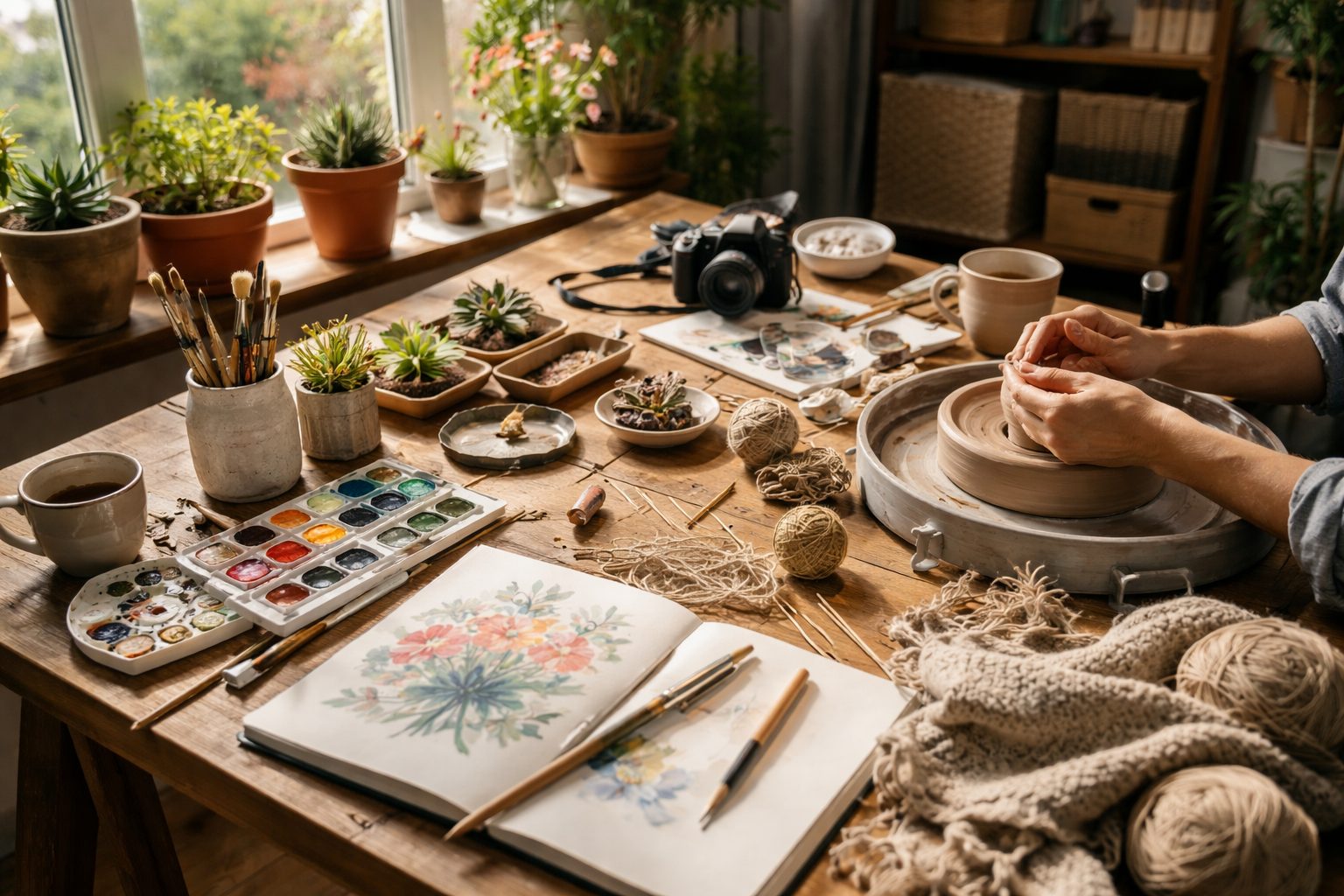
Arts and Crafts
You don’t have to be an artist to benefit from making things with your hands. Watercolor painting, knitting, pottery, collage, and embroidery are all accessible to beginners and deeply absorbing once you get into them.
If you’re not sure where to start, pick one medium and commit to it for a month of weekends. You’ll improve fast, and the improvement itself becomes motivating. Craft stores often have beginner kits that eliminate most of the decision fatigue around getting started.
DIY Projects
Home improvement projects have a satisfying before-and-after quality that’s hard to beat. A single weekend is enough time to paint a room, build a simple bookshelf, refinish a piece of furniture, or install new hardware throughout your kitchen.
Before you start, be realistic about the scope. A project that takes three weekends doesn’t feel good if you thought it would take one. Pick something you can realistically finish in a Saturday afternoon, and you’ll end the weekend with something tangible to show for it.
Photography Tips
Photography is one of the best weekend hobbies because it gives you a reason to go places and pay attention to things you’d otherwise walk past. You don’t need an expensive camera. A smartphone is genuinely sufficient for developing your eye.
Try dedicating one morning to photographing just one subject, architecture, people at a market, your neighborhood in golden hour light. Constraints produce creativity. Reviewing your shots at the end of the day and being honest about what worked is where the real learning happens.
Family-Friendly Weekend Ideas
Weekends with kids require a bit more structure than weekends without, but they also offer some of the most genuinely memorable experiences you can have. The goal isn’t to entertain your kids every moment. It’s to create shared experiences that feel special to everyone involved.
Day Trips for Families
A day trip changes the texture of a weekend entirely. You don’t need to go far. A two-hour drive opens up a completely different landscape, a beach, mountains, a small town with a main street worth exploring, or a state park you’ve never visited.
Good day trip planning looks like this:
- Pick a destination the night before and commit to it
- Pack snacks and water so you’re not dependent on expensive roadside options
- Build in one or two specific stops rather than leaving everything open-ended
- Aim to be home before everyone gets too tired, usually by early evening
The best family day trips I’ve had weren’t the most elaborate ones. They were the ones where we were flexible enough to stop when something interesting appeared and didn’t try to tick off too many things.
Educational Activities
Museums, science centers, historical sites, and aquariums are obvious choices, but educational weekends don’t have to involve any institution at all. A cooking lesson at home where you teach your kids how to make something from scratch, a gardening afternoon, or a visit to a local farm all count.
The more interactive the activity, the better it tends to land with kids. Passive experiences like long drives to look at scenery rarely hold their attention. Hands-on beats hands-off almost every time.
Game Night Ideas
A family game night sounds simple but requires a tiny bit of curation to work well. The games need to match the ages involved, and you need more snacks than you think.
Some games that work across a wide age range:
- Ticket to Ride, excellent for anyone eight and up
- Codenames, better with slightly older kids and adults
- Sushi Go, fast, visual, and easy to learn
- Catan, classic for a reason, works well with teenagers
- Telestrations, more chaotic and funnier than almost anything else
Plan for about two hours and don’t force it if energy drops. A good game night ends when people are still having fun, not when everyone is exhausted.
Relaxation and Self-Care
Rest is not the absence of activity. It’s an active choice to restore yourself. Knowing what to do on weekend when you genuinely need to recover matters as much as knowing what to do when you’re full of energy.
Spa Day at Home
A home spa day costs almost nothing and can be remarkably restorative if you take it seriously rather than halfway. The key is creating the right conditions: a quiet house, no phone notifications, and a few simple supplies.
What you actually need:
- A face mask, most drugstore options work fine
- Epsom salt for a bath
- A good body scrub
- Comfortable clothes waiting for afterward
- Something low-stimulation in the background, ambient music or nothing at all
Block out at least two hours. This isn’t something you rush.
Mindfulness and Meditation
If you’ve never meditated, starting on a weekend is genuinely easier than trying to work it into a busy weekday morning. Even ten or fifteen minutes of guided meditation can shift your mental state in a way that surprises you the first time it works.
Several free apps and YouTube channels offer solid beginner guidance. The main thing people get wrong at first is expecting their mind to go quiet. It won’t. The practice is noticing when it wanders and returning. That’s it.
Reading Recommendations
A Saturday or Sunday spent mostly reading is one of the most underrated weekend experiences. The problem is that most people can’t get into a book properly in twenty-minute increments. You need at least two uninterrupted hours for fiction to really pull you in.
Set up a comfortable spot in advance. Have your book, a drink, and no obligations waiting. Turn your phone face down. The first thirty minutes might feel slow. Push through it.
Weekend Getaways and Travel
Sometimes what to do on weekend becomes the question of where to go rather than what to stay home and do. Short trips don’t require the logistical weight of a full vacation, and they often deliver a disproportionate sense of novelty and refresh.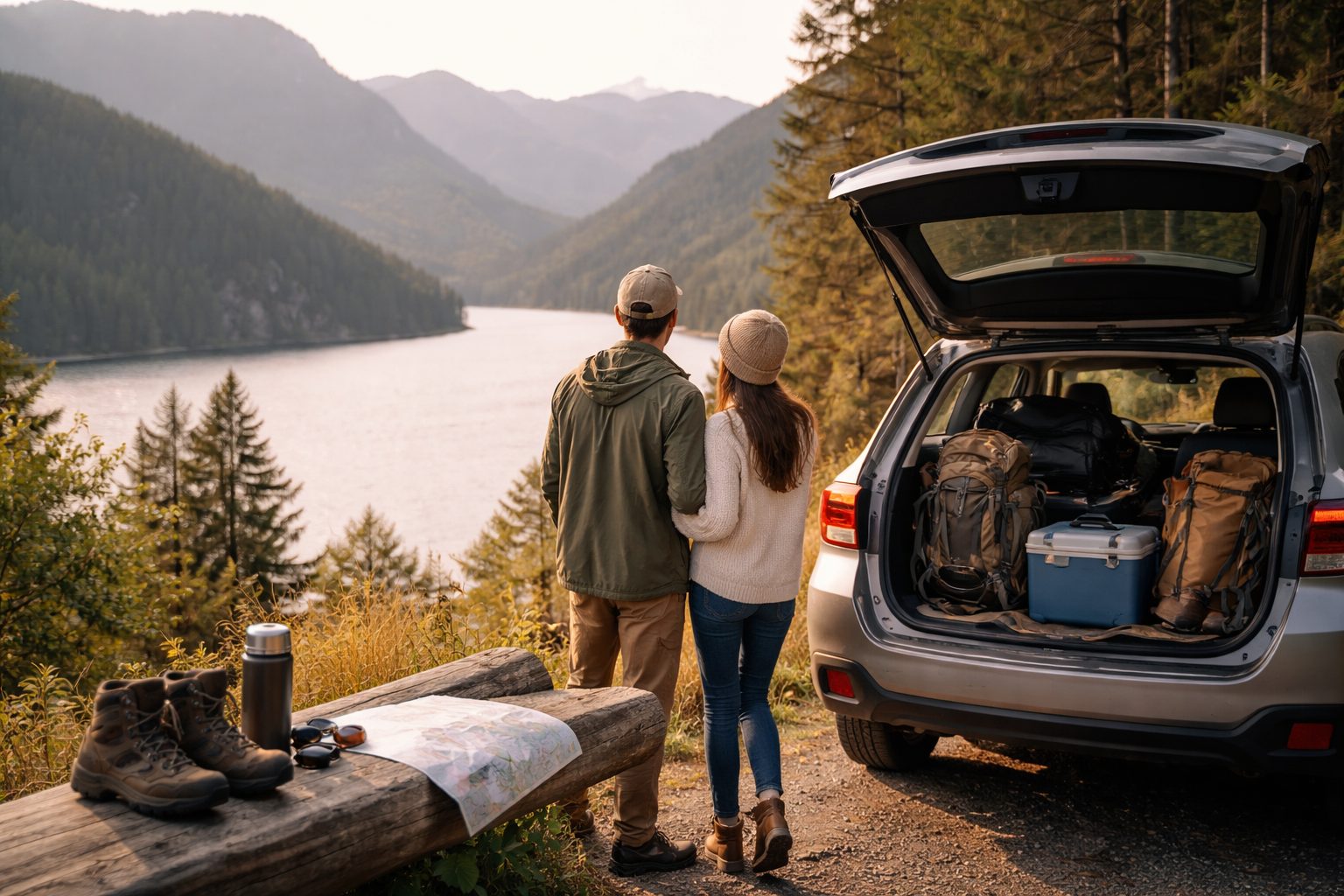
Best Nearby Destinations
The best weekend getaway destinations are usually within two to four hours of home. Beyond that, travel eats too much of the weekend itself. Think: a coastal town, a mountain cabin, a city you’ve always meant to explore but haven’t made time for, or a national park with good campsites available.
Booking even six weeks out dramatically improves your options, especially for popular destinations during peak season. Last-minute weekend travel is possible but expensive and often disappointing.
Budget Travel Ideas
A weekend trip doesn’t have to be expensive if you’re willing to compromise on a couple of variables.
| Category | Budget Option | Mid-Range Option |
|---|---|---|
| Accommodation | Camping, hostel, Airbnb shared room | Budget hotel, private Airbnb |
| Transport | Drive your own car, carpool | Train, budget airline |
| Food | Cook at the accommodation, grocery store | Mix of cooking and one restaurant meal |
| Activities | Free parks, hiking, beaches | One paid attraction per day |
The biggest cost lever is accommodation. If you can camp, borrow a friend’s place, or split an Airbnb with another couple, the overall trip cost drops significantly.
Weekend Road Trip Tips
Road trips have their own logic. The journey is part of the experience, which means your playlist, your snacks, and your stops matter as much as the destination.
A few things that make a road trip actually enjoyable:
- Download your music or podcasts before you go, don’t rely on streaming
- Plan one interesting stop along the way, not just at the destination
- Share driving if you can, fatigue accumulates faster than you expect
- Keep snacks accessible rather than buried in the trunk
- Build in a buffer on the return trip so you’re not rushing home in the dark
Fitness and Wellness Options
Physical activity on the weekend serves a dual purpose. It’s genuinely good for your body, and it sets a tone for how the rest of the day feels. A morning workout on Saturday tends to produce better weekend decisions across the board.
Outdoor Workouts
Running, cycling, swimming, hiking, outdoor yoga, beach volleyball, kayaking, and calisthenics in the park all count. The outdoor element isn’t just aesthetic. Natural light and fresh air genuinely improve mood and workout quality.
If you’re not naturally motivated to exercise solo, look for a local running club or outdoor fitness boot camp. The social commitment makes showing up much easier.
Group Fitness Classes
Weekend group fitness classes have a different energy than weekday ones. People are less rushed, instructors often go a bit longer, and there’s more conversation before and after. If you’ve been meaning to try a class, spin, barre, boxing, or something else, Saturday morning is the ideal time to show up for the first time.
Many studios offer a free or reduced first class. It’s worth trying three or four different formats before deciding what sticks.
Yoga and Stretching Routines
A dedicated stretching or yoga session on the weekend addresses the accumulated tension from sitting at a desk all week. Even thirty minutes of intentional movement makes a difference. You don’t need to be flexible to start. That’s kind of the whole point.
If you practice at home, a yoga mat, a brief YouTube session, and some quiet is all you need. Try a restorative or yin class on Sunday evening as a way to transition mentally from weekend mode to the week ahead.
Exploring Local Events and Activities
One of the most underused weekend resources is your own city or town. Most places have far more going on than people realize, and much of it is free or very cheap.
Festivals and Fairs
Local festivals happen constantly across spring, summer, and fall. Food festivals, cultural celebrations, music events, art fairs, film festivals, and seasonal events are all worth checking. Your city’s events calendar, local Facebook groups, and Eventbrite are reliable places to find them.
Even events that sound a bit niche tend to be more interesting in person than they appear on paper. A local cheese festival or a vintage car show might surprise you.
Community Events
Library events, neighborhood association meetings, free outdoor concerts, local sports games, and public lectures are consistently underattended and often excellent. The public library alone tends to host more interesting free programming than most people know about.
These events also have an added benefit: they put you in contact with people you wouldn’t meet through your usual social channels, which tends to be quietly valuable over time.
Farmers Markets
A Saturday morning farmers market works on multiple levels. You get fresh produce and local products, you walk around outdoors, and you’re around other people in a relaxed setting. It’s one of the most pleasant low-effort weekend rituals I know of.
Bring cash, go early for the best selection, and give yourself permission to buy something you’ve never cooked with before. That small decision leads to more interesting dinners than you’d expect.
Volunteer Opportunities
Giving time on the weekend is one of those things that sounds optional until you actually do it, and then it becomes something you actively look forward to. The sense of contributing something real to your community is a different kind of satisfaction from most weekend activities.
Local Charities
Food banks, shelters, community centers, and literacy programs all rely on weekend volunteers. Most accept drop-in volunteers with no prior commitment, though signing up in advance helps them plan.
If you’re not sure where to start, VolunteerMatch and Idealist are good directories that let you search by location and cause area. Pick something you genuinely care about rather than what seems most impressive, you’ll stick with it longer.
Animal Shelters
Animal shelters typically need weekend help with socialization, walking dogs, and general care. It’s an especially good option if you love animals but can’t have pets of your own. Shelters are usually very welcoming to new volunteers, and the work itself is straightforward and immediately meaningful.
Some shelters also need foster volunteers for short-term care, which is a bigger commitment but an even more direct way to help.
Environmental Cleanups
Local park cleanups, beach cleanups, and trail restoration projects typically happen on weekend mornings and take a few hours. They combine physical activity with visible, tangible results. You spend a Saturday morning and leave with a section of trail or beach genuinely improved.
Organizations like Keep America Beautiful and local conservation groups organize these regularly. Many are informal enough to just show up, though some require registration.
Unique Weekend Experiences
Beyond the standard options, there are weekend experiences that stand out specifically because they’re unusual or require a bit more commitment to seek out.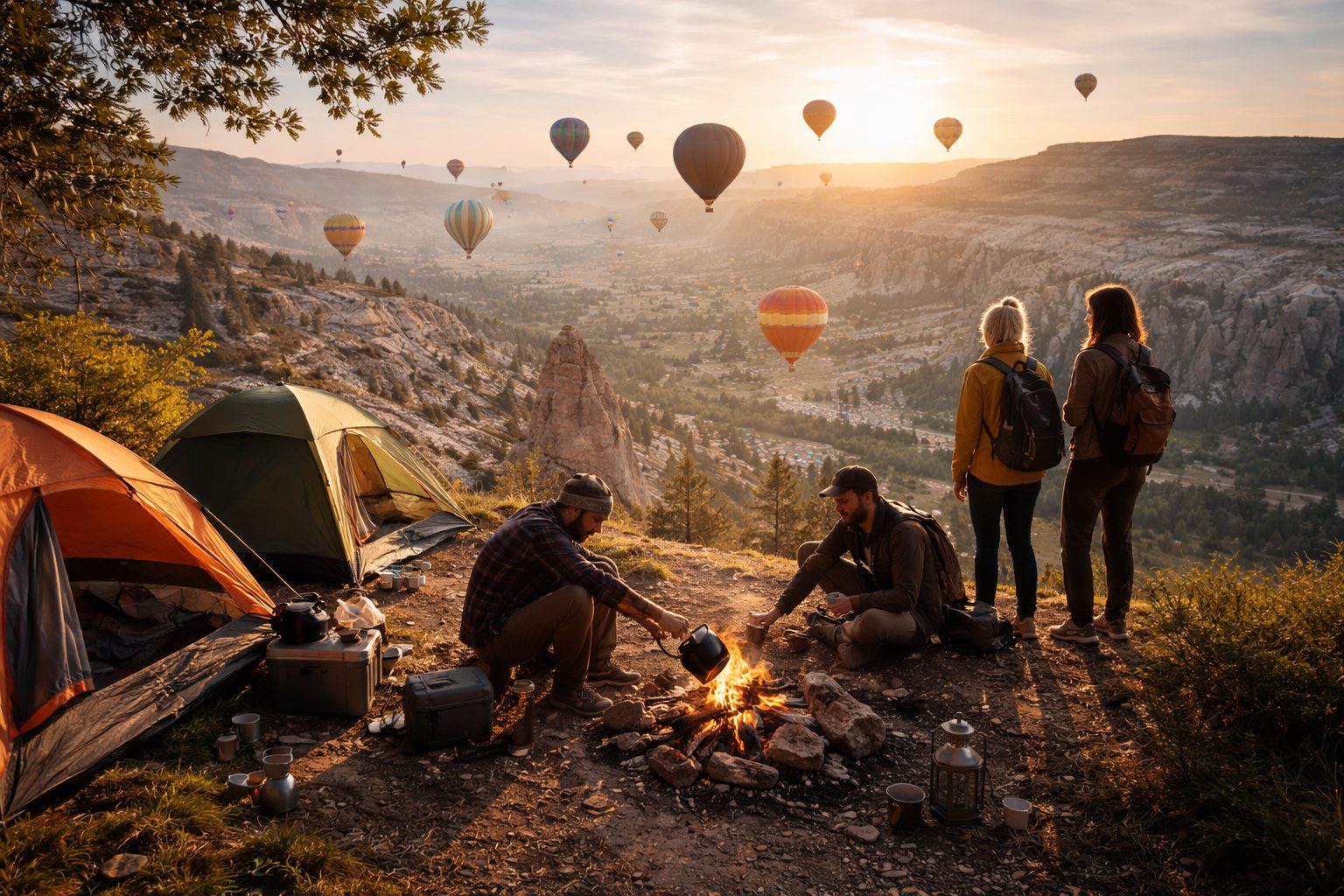
Cooking Classes
A cooking class on a weekend afternoon is one of those experiences that delivers on multiple fronts. You learn something practical, you meet interesting people, and you eat well at the end of it. Most cooking schools offer single-session classes that don’t require any ongoing commitment.
Look for classes focused on a specific cuisine or technique rather than a general overview. Pasta-making, bread baking, knife skills, or regional cooking from somewhere you’ve never visited all make for focused, memorable sessions.
Concerts and Live Music
Live music does something recorded music can’t. The shared energy of a room responding to performance in real time is genuinely different from listening at home. Weekend evenings are the natural slot, but don’t overlook afternoon shows, matinee concerts, and free outdoor performances.
Smaller venues and local artists often deliver experiences that rival much bigger productions. Check local event listings for the week ahead, and if something sounds even slightly interesting, go.
Art Exhibitions
Gallery openings, museum shows, and public art installations are worth seeking out even if you don’t think of yourself as an art person. Walking through a well-curated exhibition changes how you see things for the rest of the day. That perceptual shift is worth the time even if you don’t fully engage with every piece.
Many museums offer free admission on certain days or evenings. It’s worth checking before you pay full price.
Budget-Friendly Weekend Ideas
Cost is a real constraint for a lot of people, and it shouldn’t prevent a good weekend. Some of the best weekend experiences are also the cheapest ones.
Free Activities
- Hiking on public trails
- Swimming at public beaches or lakes
- Visiting public parks and botanical gardens
- Attending free community events
- Using the public library for books, movies, and events
- Exploring neighborhoods on foot
- Sitting in a coffee shop and reading for a few hours
None of these cost anything or require planning more than twenty-four hours in advance.
Low-Cost Entertainment Options
| Activity | Typical Cost |
|---|---|
| Movie matinee | $8-12 |
| Museum entry | Free to $25 |
| Bowling | $10-20 |
| Mini golf | $8-15 |
| Escape room | $25-35 per person |
| Comedy club | $10-20 |
| Live local music | Free to $15 |
Most of these options are significantly cheaper than a restaurant dinner. Swapping one expensive meal out for a low-cost activity and eating at home often stretches a weekend budget further while delivering more actual enjoyment.
Picnic Ideas
A picnic takes a meal that would cost $15-25 at a restaurant and turns it into an outdoor experience for $10-15 worth of groceries. The preparation is part of the enjoyment.
A good picnic needs a few non-negotiables: a decent blanket, food that travels well, something to drink, and a nice location. A park, a riverbank, a hilltop with a view, or even just a backyard works. Fancy doesn’t matter here. Comfortable and outside is what makes it work.
Planning a Productive Weekend
Productivity on the weekend doesn’t mean replicating your work week. It means using the time intentionally enough that you don’t feel like you’ve wasted it. Knowing what to do on weekend when you want to feel genuinely accomplished by Sunday night starts with a small amount of planning.
Goal Setting for the Weekend
At the end of each week, I spend about ten minutes writing down what I want to accomplish over the next two days. Not a full schedule, just three to five things that matter. This might include one personal project, one errand or task I’ve been putting off, one social commitment, and one thing purely for enjoyment.
Having a short, realistic list prevents the planning paralysis that leads to doing nothing in particular, which tends to feel worse than either working hard or resting deliberately.
Organizing Your Space
Spending thirty to sixty minutes on Saturday morning tidying and organizing does something useful for the rest of the weekend. A cleaner environment produces less low-grade mental noise. You spend less cognitive energy on the accumulated visual clutter of the week.
This doesn’t mean deep cleaning. It means making the bed, clearing the kitchen counters, and handling any obvious disorder that’s been bothering you. That’s enough.
Time Management Tips
A few things that consistently help structure a weekend without making it feel rigid:
- Set a loose anchor point for each day, usually the morning, so you’re not starting from zero
- Do the most effortful thing first, whether that’s a workout, a project task, or a trip
- Leave gaps between commitments rather than scheduling back to back
- Protect at least one block of time with no plans at all
- Don’t check work email until Monday morning, or at the very least, not until Sunday evening
The gap between a weekend that feels wasted and one that feels genuinely restorative is almost always intentionality, not the specific activities chosen.
Frequently Asked Questions
What are some fun things to do on a weekend?
Fun is subjective, but the most reliably satisfying options involve some combination of being outdoors, connecting with other people, and doing something with your hands. Day trips, live music, cooking something new, hiking, and attending local events all tend to deliver more than passive entertainment options.
How can I make my weekend more productive?
Write down three to five specific things you want to accomplish before the weekend starts. Do the hardest one first, and protect at least one block of time with no obligations. Productivity on weekends works best when it’s intentional rather than reactive.
What activities can I do alone on the weekend?
Solo weekends are underrated. Reading, hiking, visiting a museum or gallery, cooking a new recipe, working on a creative project, attending a class, or simply exploring a neighborhood you don’t know well all work well alone. The absence of social coordination often makes solo weekends more restful than they first sound.
The question of what to do on weekend ultimately comes back to what kind of reset you actually need. Some weekends call for adventure and full schedules. Others need quietness and space. Getting good at reading which one you’re facing, and building the weekend accordingly, is a skill worth developing. The best weekends aren’t the ones with the most impressive itineraries. They’re the ones that leave you genuinely ready for Monday.