There’s something that shifts inside you the first time you stand somewhere truly remarkable. Whether it’s a canyon that makes you feel small or a city that buzzes with centuries of history, the best places to see around the world share one quality: they stay with you long after you leave. I’ve spent years traveling, researching, and helping others plan journeys, and I’ve learned that great destinations aren’t just about pretty photos. They’re about the full experience, the context, the timing, and yes, the practical details that make or break a trip.
If you’re trying to figure out where to go next, or building a bucket list that actually means something to you, this guide is for you. We’ll cover the world’s most visited and most rewarding destinations, natural wonders, adventures, cultural landmarks, and family-friendly spots. And I’ll share honest tips so you don’t just visit these places but actually enjoy them.
Introduction to the Best Places to See
Importance of Exploring New Destinations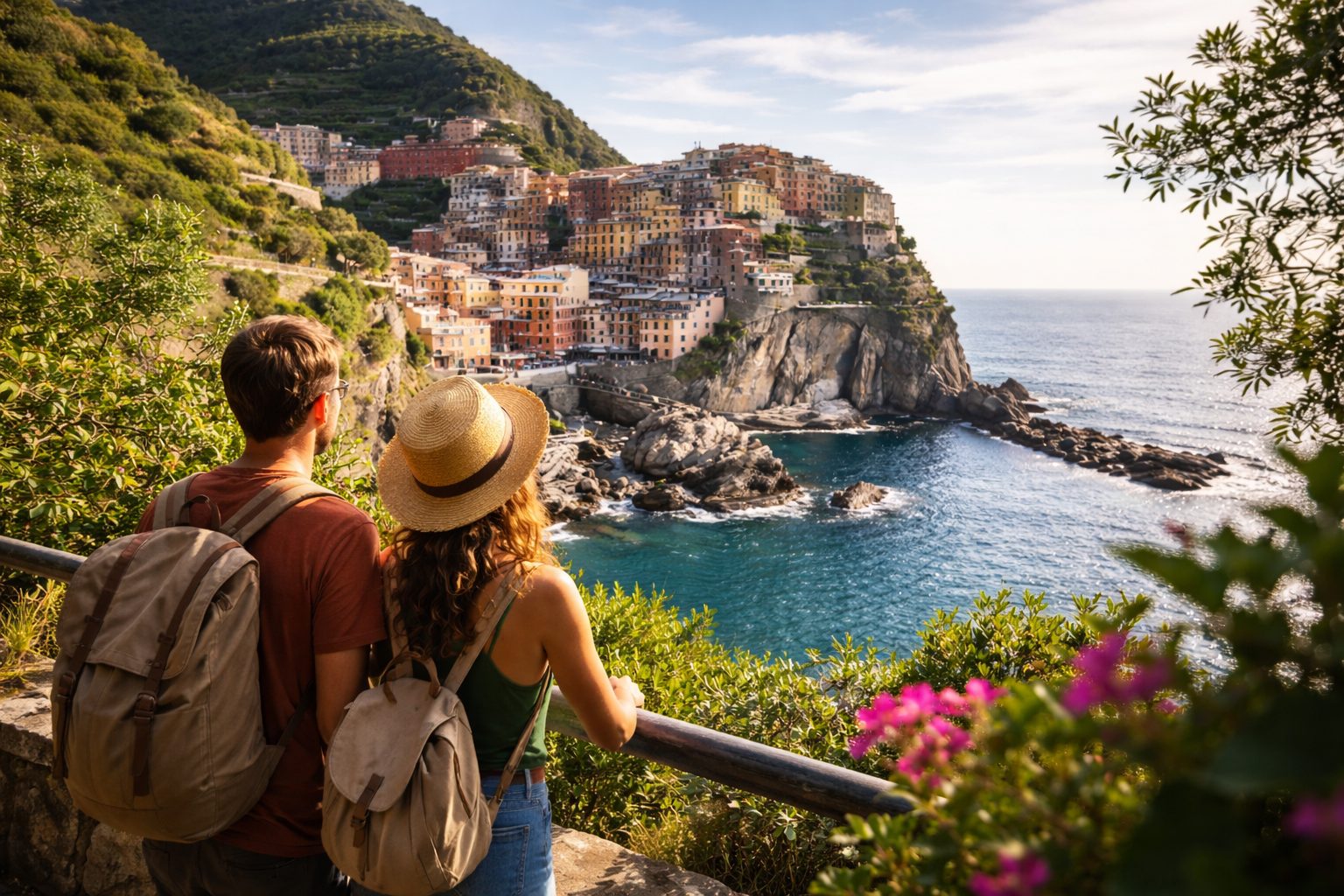
Travel changes the way you think. That’s not a cliche, it’s something I’ve experienced repeatedly. When you step outside your routine and into an unfamiliar place, you start noticing things differently. You pick up on how other people solve everyday problems, how food reflects history, how architecture tells stories about power and values. These aren’t lessons you get from a documentary.
Exploring new destinations also builds resilience. Navigating a foreign train system, communicating across a language barrier, figuring out local customs on the fly, these small challenges sharpen you. And beyond personal growth, travel supports local economies, preserves cultural heritage, and often leads to a deeper respect for the planet.
The best places to see aren’t always the most famous ones. Sometimes the experience that moves you most is a small village, a quiet museum, or a stretch of coastline you almost didn’t bother stopping at. But starting with well-established destinations gives you a solid foundation and often surprises you with depth you didn’t expect.
How to Choose the Best Places to See
Choosing where to travel starts with being honest about what you actually enjoy. Some people find peace in nature and feel restless in cities. Others come alive in urban environments and feel bored on beaches. Neither is wrong, but knowing yourself saves you from expensive disappointment.
Here are a few practical questions to ask before booking:
- What kind of experience do I want: active, relaxing, cultural, or a mix?
- How much time do I have, and what’s realistic to cover without rushing?
- What’s my budget, including accommodation, food, transport, and activities?
- Is this a solo trip, a couple’s trip, or a family vacation?
- Do I have any physical limitations or specific accessibility needs?
Once you’ve answered those, you can start matching your answers to destinations. A nature lover with two weeks and a moderate budget might find Iceland more rewarding than Paris. A family with young kids might prefer a destination with solid infrastructure and variety over a remote adventure. The goal is alignment between what you want and what the destination offers.
Top 10 Best Places to See Worldwide
This list is based on a combination of cultural richness, natural beauty, traveler satisfaction, and practical accessibility. These are places that consistently deliver across a range of travel styles.
1. Paris, France
Paris earns its reputation. The city layers history, art, food, and architecture in a way that rewards both first-time visitors and those returning after years away. The Louvre alone could fill days. But what I’d tell anyone heading there for the first time is to leave room for the unplanned, the neighborhood cafes, the bookshops, the side streets in Le Marais.
The best time to visit is late spring or early fall when the crowds are manageable and the weather cooperates. Skip August if you can. Much of the city empties out and many local spots close.
2. Kyoto, Japan
Kyoto is what people imagine when they think of traditional Japan. Temples, bamboo groves, tea ceremonies, preserved wooden townhouses along narrow streets. But it’s not a museum piece. It’s a living city that happens to have kept its history intact.
Go in March for cherry blossoms or November for autumn foliage. Both seasons are busy, so book accommodation months in advance. The Arashiyama district and Fushimi Inari are essential stops, but so is wandering Gion at dawn before the tour groups arrive.
3. New York City, USA
New York is overwhelming in the best way. The scale of it, the pace, the sheer density of things to do and see, it can feel like five cities compressed into one. For first-timers, I’d focus on one or two neighborhoods per day rather than trying to check off a tourist checklist.
The city’s museums are world-class. The Met, MoMA, the Natural History Museum. But the real texture of New York comes from its street life, the food markets, the subway performances, the conversations you overhear at a diner counter.
4. Rome, Italy
Rome is legitimately ancient in a way that hits differently than reading about it. Walking past the Colosseum on your way to get a coffee is surreal. The city has layers going back millennia, and almost every turn reveals something worth stopping for.
Eat well here. The food culture is serious and regional. Don’t just eat near the tourist sites. Walk fifteen minutes in any direction and find better food at better prices. And visit the Vatican Museums on a weekday morning to avoid the worst of the crowds.
5. Cape Town, South Africa
Cape Town is one of those cities that earns its status as one of the best places to see through sheer variety. You have Table Mountain, vineyards, beaches, a vibrant food scene, and proximity to wildlife, all within reach of each other.
The cultural complexity of the city is worth engaging with honestly. The Bo-Kaap neighborhood, the District Six Museum, and Robben Island each tell pieces of a difficult history that you shouldn’t skip. October through March is peak season and offers the best weather.
6. Sydney, Australia
Sydney’s harbor is genuinely stunning. The Opera House, the Bridge, the water all working together creates a skyline that photographs well and looks even better in person. But beyond the icons, Sydney has excellent beaches, great coffee culture, and easy access to the Blue Mountains for a day trip.
The city is expensive, so budget accordingly. But free things abound: coastal walks, public beaches, harborside parks. You don’t need to spend heavily to have a good time here.
7. Rio de Janeiro, Brazil
Rio has a physical drama to it that’s hard to match. Mountains tumbling into the sea, neighborhoods stacked on hillsides, beaches packed with life and color. The Christ the Redeemer statue is famous for good reason: the view from up there is extraordinary.
Safety is a real consideration in parts of Rio, and it’s worth researching which neighborhoods to prioritize and which to avoid, especially if you’re traveling independently. But the city’s energy, especially around carnival or during a football match, is electric.
8. Santorini, Greece
Santorini is famous for its whitewashed buildings and blue-domed churches, and yes, it looks exactly like the photos. But it’s also small enough to explore thoroughly in a few days, which makes it ideal for a focused trip rather than a long stay.
The sunsets from Oia are genuinely spectacular, but the crowds at the famous viewpoints are intense. Arrive early, stake a spot, and bring patience. Beyond the scenery, the volcanic beaches and local wine are underrated highlights.
9. Iceland’s Natural Wonders
Iceland doesn’t operate by normal travel rules. The landscape is volcanic, dramatic, and unlike anywhere else on Earth. Geysers, waterfalls, black sand beaches, lava fields, it’s all real and all accessible without extensive hiking.
The ring road around the island is one of the world’s great drives. You can complete it in about a week if you push, though ten days gives you breathing room. Winter brings the northern lights. Summer brings near-constant daylight. Both have appeal, and both require different preparation.
10. Machu Picchu, Peru
Machu Picchu is one of those places where the reality matches the anticipation, which is rare. The Inca citadel sits above the clouds in the Andes in a way that feels genuinely mysterious even today. No one is completely certain how it was built or why it was abandoned.
Book permits for the Inca Trail well in advance, sometimes months ahead. If you prefer a less strenuous approach, the train from Cusco to Aguas Calientes followed by a short bus ride works well. Go early in the morning before the afternoon clouds roll in.
Unique Natural Wonders as Best Places to See
Natural wonders operate differently from cities. They ask less of you intellectually and more of you physically and emotionally. Standing in front of something ancient and enormous tends to quiet the noise in your head.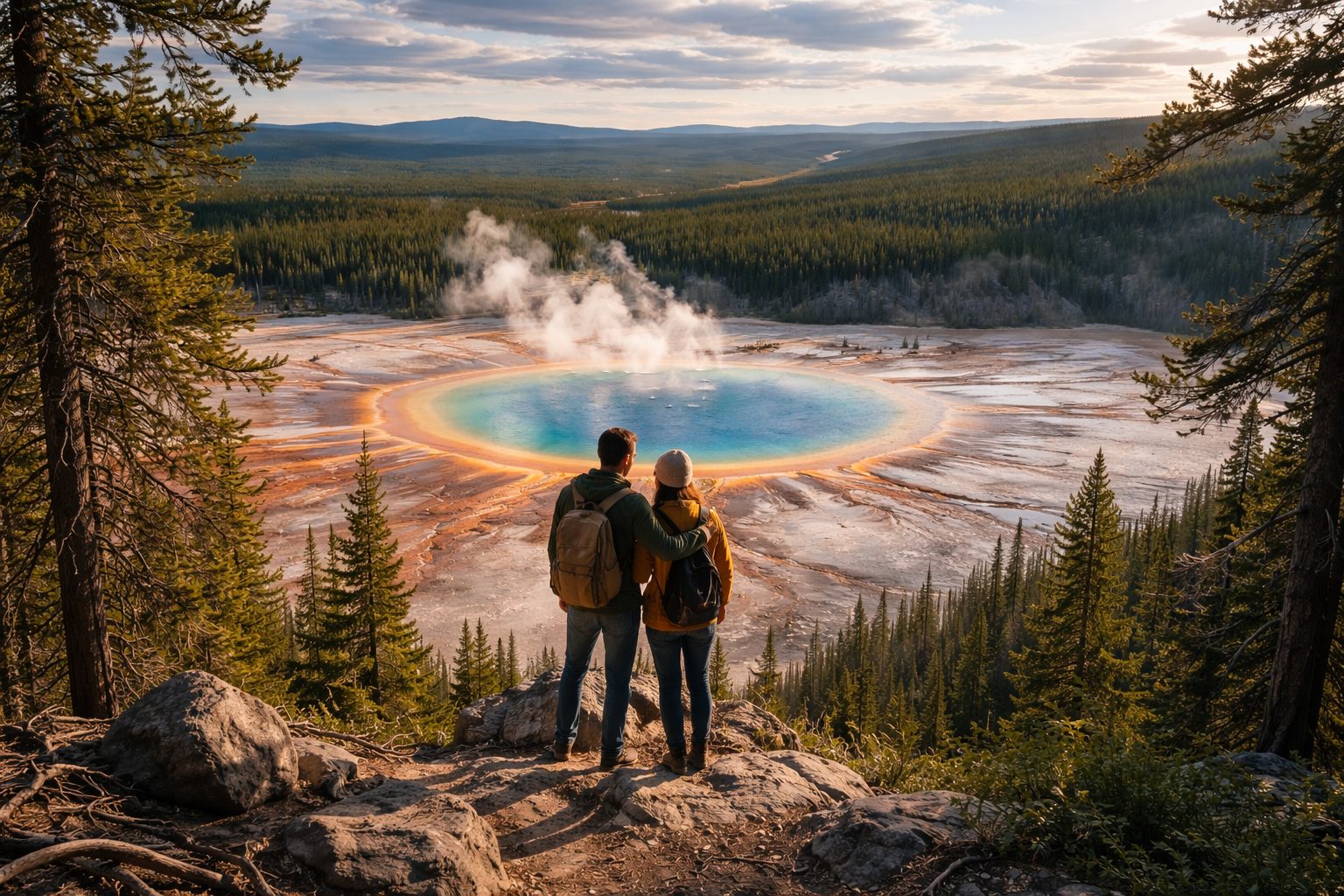
The Grand Canyon, USA
The Grand Canyon is one of those places where photos genuinely fail to capture the scale. Standing at the rim and looking down into a mile-deep chasm carved over millions of years is a different kind of experience from anything you’ll find in a city.
The South Rim is the most accessible and offers the most facilities. If you want to hike into the canyon, prepare seriously. Temperatures can swing dramatically, water is essential, and the hike back up is always harder than the descent. Many people underestimate it.
- Best viewpoints: Mather Point, Yavapai Point, Desert View
- Best season: Spring and fall for hikers, winter for crowds avoiding summer heat
- Avoid: Hiking down in midday summer heat without proper preparation
The Great Barrier Reef, Australia
The Great Barrier Reef is the largest coral reef system in the world, stretching over 2,300 kilometers along Queensland’s coast. Snorkeling or diving here puts you in direct contact with an ecosystem of staggering biodiversity: thousands of species of fish, coral, mollusks, and marine mammals.
The reef is under genuine environmental stress from warming ocean temperatures and bleaching events. Visiting responsibly matters. Choose reef tour operators with strong environmental credentials, avoid touching coral, and use reef-safe sunscreen. What’s there now may look different in future decades.
The Northern Lights, Norway
The northern lights are one of those experiences that feels almost unreal when you’re watching them move across the sky. Tromsø in northern Norway is one of the best bases for viewing, with a combination of geographic position, infrastructure, and regular activity from September through March.
Clear skies are essential, so build flexibility into your itinerary. Don’t plan a single night and expect results. Stay three or four nights minimum and accept that weather will play a role. The light pollution in rural areas is minimal, which dramatically improves viewing.
Best Places to See for Adventure Seekers
Adventure travel has matured. It’s not only for extreme athletes or people with unlimited time. Many of the world’s best adventure destinations are accessible to anyone with reasonable fitness and a willingness to push slightly outside their comfort zone.
Hiking Destinations
Some of the most rewarding hiking in the world sits in relatively accessible locations:
- Torres del Paine, Chile: The W Circuit takes about five days and rewards with some of the most dramatic mountain scenery anywhere. Book huts and campsites far in advance.
- Dolomites, Italy: Via ferrata routes through vertical rock faces, combined with rifugio lodges where you can eat well at altitude. More accessible than it sounds.
- Nepal’s Annapurna Circuit: A classic multi-week trek that passes through diverse terrain and altitude. Requires acclimatization and solid preparation.
- New Zealand’s Milford Track: A four-day guided or independent hike through Fiordland National Park. Often called the finest walk in the world.
Best Places for Water Sports
Water-based adventures span a wide range of intensity. Here’s a breakdown by activity:
- Surfing: Bali, Indonesia and Pipeline, Hawaii for experienced surfers. Nosara, Costa Rica for learning.
- Scuba diving: Palau, Raja Ampat in Indonesia, and the Maldives for serious divers seeking pristine conditions.
- Kayaking: Ha Long Bay in Vietnam and the Dalmatian Coast in Croatia for sea kayaking with scenic payoff.
- White water rafting: The Zambezi River in Zambia and Futaleufú in Chile for serious rapids.
National Parks to Explore
National parks are among the best places to see concentrated natural diversity without the infrastructure of cities:
- Yellowstone, USA: Geothermal features, wildlife including bison and wolves, and vast backcountry.
- Kruger, South Africa: One of Africa’s premier safari parks, with the Big Five and excellent self-drive options.
- Fiordland, New Zealand: Dramatic fjords, waterfalls, and some of the world’s best multi-day walks.
- Jiuzhaigou, China: Multicolored lakes and waterfalls in a valley of striking beauty, though crowds can be significant.
Cultural and Historical Best Places to See
Culture and history aren’t just about old buildings. They’re about understanding how people lived, why they built what they built, and what has survived. The best cultural destinations reward curiosity and reward those who do a little reading before they arrive.
UNESCO World Heritage Sites
UNESCO World Heritage designation means a site has been recognized for its universal value. There are over a thousand sites globally, ranging from ancient ruins to modern cities to natural landscapes. Some worth prioritizing:
- Angkor Wat, Cambodia: The largest religious monument in the world, built in the 12th century. The scale and detail are extraordinary.
- Petra, Jordan: A city carved into rose-colored rock by the Nabataean civilization. Best explored at sunrise before heat and crowds build.
- The Acropolis, Athens: The Parthenon and surrounding structures sit above the modern city as a reminder of classical civilization’s reach.
- Medina of Fez, Morocco: One of the world’s largest car-free urban areas, with a medieval street plan still intact.
Historical Cities with Rich Cultures
Some cities carry history so densely that you absorb it just by walking around: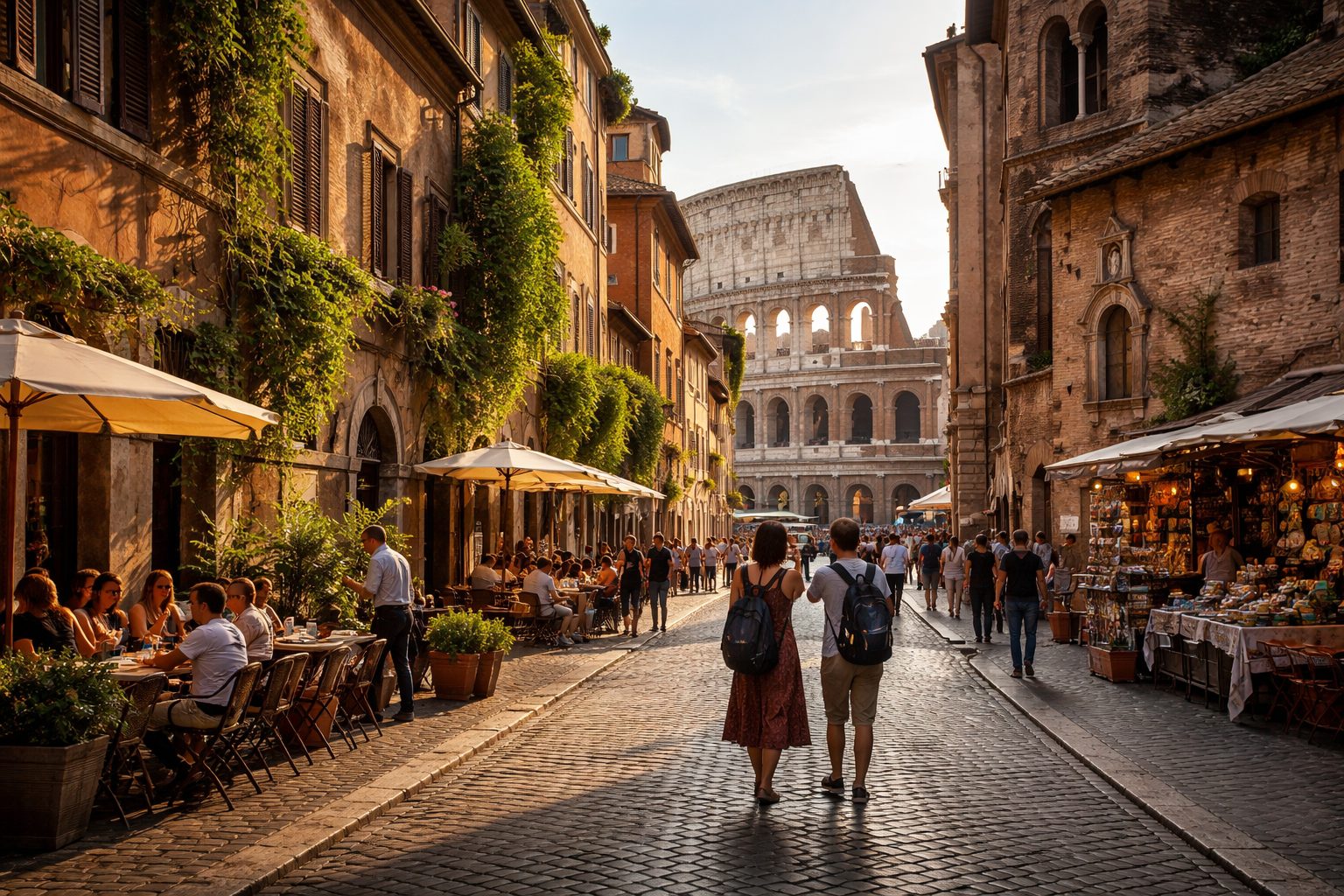
- Istanbul, Turkey: Where Europe meets Asia, and where Byzantine, Ottoman, and modern influences collide in a city of 15 million people. The Hagia Sophia and the Grand Bazaar are obvious starting points, but the neighborhoods of Beyoglu and Karakoy offer more contemporary texture.
- Varanasi, India: One of the world’s oldest continuously inhabited cities, sitting on the Ganges River. Religious life here is public, visible, and ancient in its forms. It’s intense and not for every traveler, but it’s genuinely unlike anywhere else.
- Cusco, Peru: The former capital of the Inca Empire, now blending Inca stonework with Spanish colonial architecture in a city at 3,400 meters altitude. Give yourself a day or two to acclimatize before doing anything strenuous.
Best Places to See for Family Vacations
Family travel has its own logic. Kids need variety, manageable distances, some downtime, and things that capture their attention without requiring adult patience for long museum visits. The best family destinations balance activity with recovery.
Theme Parks Around the World
Theme parks are designed for engagement across age groups, and some are genuinely impressive:
- Walt Disney World, Florida, USA: The scale of it is remarkable. Multiple parks, detailed theming, and ride options spanning toddler to adult. Plan thoroughly as spontaneous visits are chaotic.
- Universal Studios Japan, Osaka: Strong theming, particularly the Wizarding World of Harry Potter, and generally well-run. Japan’s overall infrastructure makes the surrounding city visit manageable even with kids.
- Europa-Park, Germany: Europe’s largest theme park and underrated by non-European travelers. Different zones themed around European countries, high quality rides, and less overwhelming than some American equivalents.
- Efteling, Netherlands: A fairy-tale park with a distinctly European sensibility. Perfect for younger children with its gentle rides and story-based attractions.
Family-Friendly Destinations
Beyond theme parks, some destinations are simply well-suited to traveling with children:
- Japan: Safe, clean, efficient public transport, excellent food variety, and a culture that treats children well in public spaces. Even Tokyo is manageable with kids.
- Costa Rica: Wildlife, beaches, zip lines, and nature lodges that make outdoor adventure accessible and non-intimidating. Biodiversity is something kids genuinely respond to.
- Portugal: Affordable by Western European standards, friendly to tourists, beaches within easy reach of Lisbon, and a laid-back pace that suits family travel.
- Singapore: Small, extremely safe, easy to navigate, and packed with activities from aquariums to gardens to excellent food courts that work for picky eaters.
Comparison of Urban vs. Natural Best Places to See
Choosing between an urban and a nature-based trip isn’t always obvious. Both offer genuine value, and the right choice depends heavily on what you need from the experience. Here’s a straightforward comparison:
| Factor | Urban Destinations | Natural Destinations |
|---|---|---|
| Infrastructure | High: easy access, accommodation, dining | Variable: remote areas may have limited services |
| Cost | Generally higher for accommodation and food | Can be lower, but gear and logistics add up |
| Physical demand | Low to moderate | Moderate to high |
| Cultural depth | High: museums, architecture, food scenes | Lower, but compensated by natural awe |
| Weather dependence | Less critical | High: weather can make or break a trip |
| Solo travel ease | High: well-signed, English common | Lower: safety considerations in remote areas |
| Family suitability | High: variety, facilities, medical access | Moderate: depends on children’s age and fitness |
Benefits of Urban Exploration
Cities concentrate human achievement in ways that are hard to replicate elsewhere. In a single day in a major city, you can encounter art spanning centuries, eat food from a dozen culinary traditions, and walk through neighborhoods with completely different characters. Urban exploration is efficient in its rewards.
Cities also offer logistical ease. Getting lost in a city usually ends with finding a coffee shop and regrouping. Getting lost in wilderness requires different preparation. For travelers who want maximum variety in minimum time, urban destinations win.
Advantages of Nature-Based Travel
Nature-based travel offers something cities genuinely can’t: scale and quiet. Standing in a redwood forest, watching a geyser erupt, or seeing the Milky Way from a dark sky reserve are experiences that reset your sense of proportion. Many people return from nature trips feeling more grounded than they do from city trips.
The physical engagement of nature travel also matters. Hiking, swimming, climbing, kayaking, these activities leave you tired in a satisfying way. And the reduced stimulation of natural environments often allows for clearer thinking and genuine rest.
Practical Tips for Visiting the Best Places to See
Good travel is mostly good planning combined with flexibility. Here’s what actually makes a difference.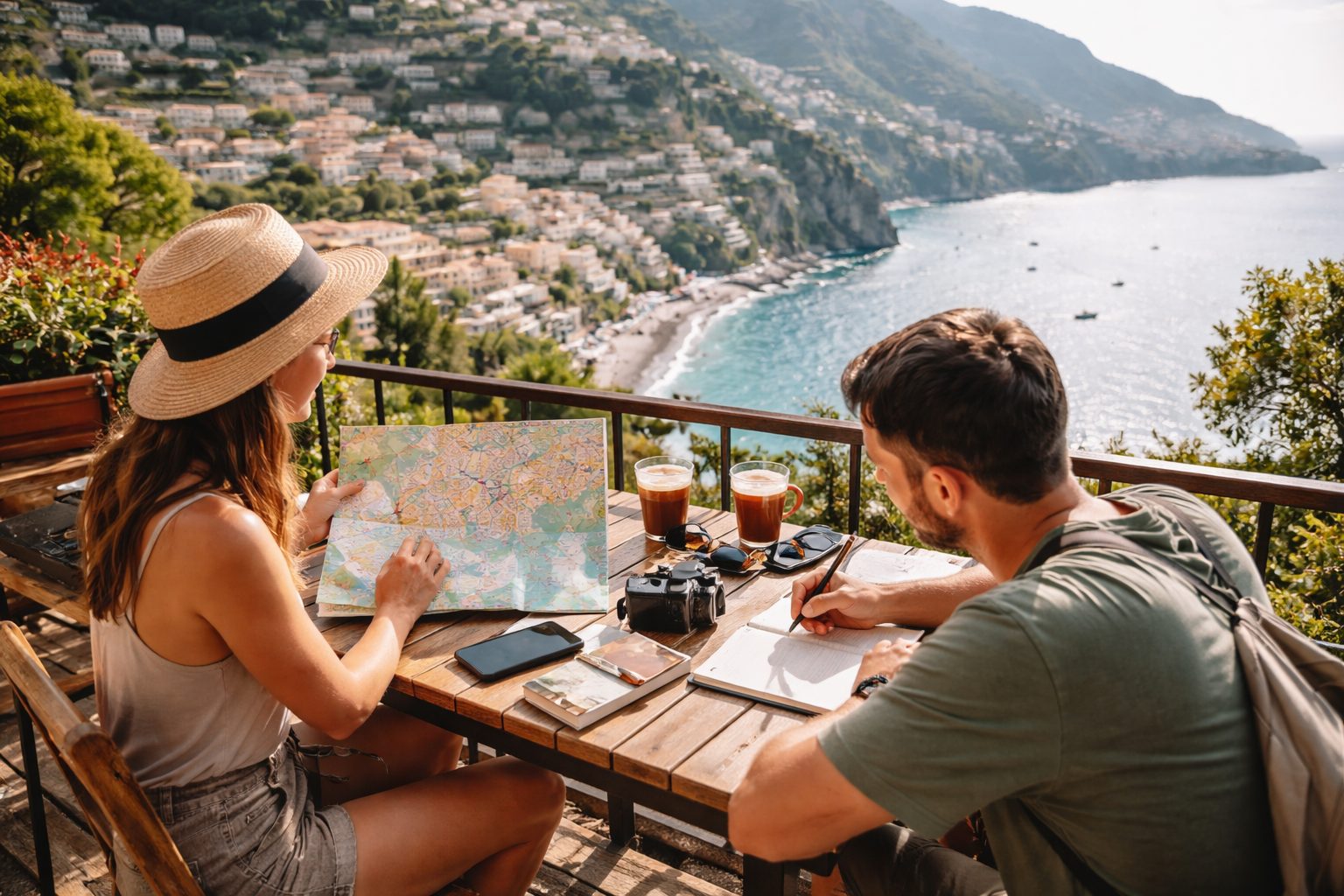
Best Times to Visit
Timing affects crowds, weather, prices, and overall experience more than most travelers account for:
- Paris: April to June, September to October. Avoid August.
- Kyoto: March to April (cherry blossoms), November (autumn leaves). Book months ahead.
- New York: April to June, September to November. July and August are hot and crowded.
- Iceland: June to August for midnight sun and accessible roads. September to March for northern lights.
- Machu Picchu: May to September for dry season. Avoid Peruvian school holidays.
- Cape Town: October to April. The winter months (June to August) can be wet and cold.
Shoulder seasons, the periods just before or after peak travel, often offer the best combination of decent weather and manageable crowds. March in Japan before cherry blossoms peak, or October in Greece before the season closes, often hit that sweet spot.
Essential Packing Tips
What you pack depends on your destination, but some items consistently prove their worth:
- A good travel adapter and a portable battery pack
- Lightweight, quick-dry clothing for warm destinations
- Layers for destinations with variable temperatures (Iceland, mountain areas)
- Comfortable walking shoes that you’ve broken in before the trip
- A small day pack that fits under your airplane seat
- Physical copies of important documents, stored separately from originals
The biggest packing mistake I see is overpacking. It limits your mobility, adds baggage fees, and means you’re dragging around weight you don’t need. A well-chosen carry-on for most trips under two weeks is entirely achievable.
Budgeting for Your Trip
Budgeting realistically means accounting for more than flights and hotels:
- Flights: Book 6 to 8 weeks out for domestic, 2 to 3 months for international.
- Accommodation: Research neighborhoods before booking. Location affects your daily transport costs significantly.
- Food: Budget restaurants near tourist sites charge tourist prices. Walk a few minutes away.
- Activities: Museums, national park fees, guided tours, and experiences add up. Identify your priorities in advance.
- Transport: Urban passes, airport transfers, and car rentals in destinations like Iceland or New Zealand are major line items.
- Buffer: Add 15 to 20 percent to whatever number you calculate. Something always comes up.
Some destinations are naturally expensive (Scandinavia, Switzerland, Australia) while others offer excellent value (Portugal, Vietnam, Peru, Mexico). If budget is a real constraint, destination choice matters as much as frugality at the destination.
Frequently Asked Questions (FAQ)
What are the best places to see in Europe?
Europe’s highlights are densely packed. Paris, Rome, Lisbon, the Amalfi Coast, the Scottish Highlands, and the Dolomites each offer something distinct. For a first trip to Europe, I’d recommend picking two or three countries in geographic proximity rather than trying to cover the entire continent.
How do I find hidden gems when traveling?
Talk to locals rather than checking only travel apps. Hotel staff, restaurant owners, and taxi drivers often know spots that haven’t made it onto popular lists. Also, walking away from the main tourist areas for fifteen minutes in almost any destination reveals a more authentic version of the place.
What are the best places to see for solo travelers?
Japan, Portugal, New Zealand, and most of Western Europe rank consistently high for solo travel due to safety, infrastructure, and English accessibility. Southeast Asia, particularly Thailand, Vietnam, and Bali, is popular with solo travelers for affordability and social ease in backpacker-friendly areas.
How to plan a trip to multiple best places to see?
Start with geography and time. Cluster destinations that are near each other geographically to minimize transit time. Build in at least one or two buffer days for delays, unexpected discoveries, or simply resting. And resist the urge to over-schedule: some of the best experiences happen when you have unplanned time and the freedom to follow what interests you.
Travel rewards those who show up prepared and curious. The world’s best places to see are accessible to more people than ever, and the effort to get there almost always proves worth it. Pick somewhere that pulls at you, plan well enough to feel confident, and then leave room for the unexpected.