Sri Lanka is one of those rare destinations that genuinely rewards you no matter when you show up, but knowing the best time to visit Sri Lanka makes the difference between a good trip and a brilliant one. The island sits just north of the equator, which means it has a tropical climate year-round, but two distinct monsoon systems create dramatically different conditions across different regions at different times of year. I’ve spent time researching and talking to travelers who’ve been there in every season, and the honest truth is that timing matters more here than in almost any other destination in South Asia.
The island is small enough to drive across in a day, yet its geography creates microclimates that can leave you sunbathing on the east coast while the west coast is drenched in rain. That’s the fascinating paradox of Sri Lanka. Understanding it is the key to planning a trip that actually works.
Understanding Sri Lanka’s Climate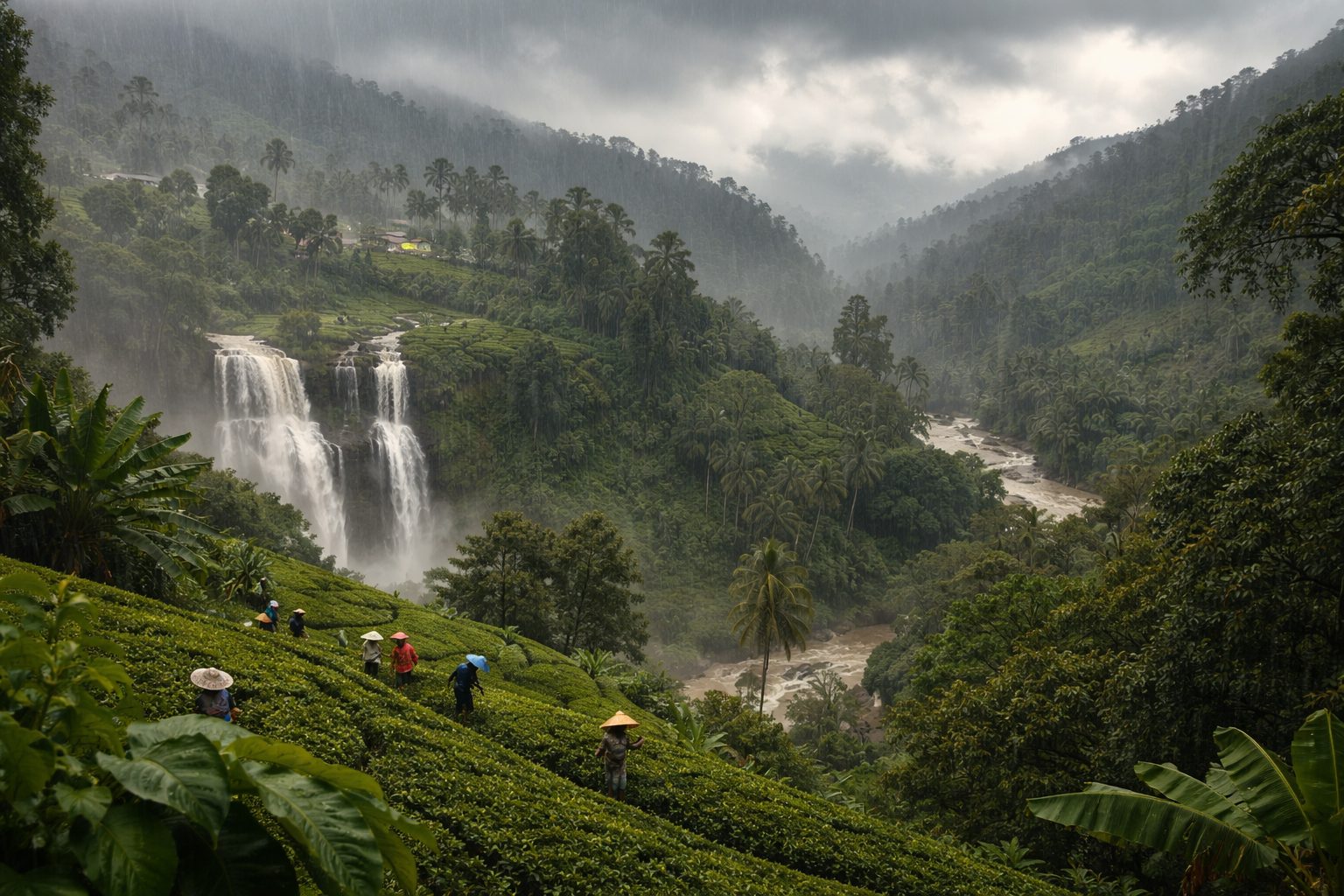
Overview of Sri Lanka’s Weather Patterns
Sri Lanka’s weather is governed by two monsoons. The southwest monsoon, known locally as Yala, runs roughly from May to September and brings heavy rainfall to the western, southern, and central parts of the island. The northeast monsoon, called Maha, runs from October to January and primarily affects the north and east.
What this means in practice is that the island is never entirely off-limits. While one coast gets battered, the other is usually sunny and dry. Temperatures across the island stay warm throughout the year, typically ranging between 27 and 32 degrees Celsius on the coast. In the hill country around Kandy and Nuwara Eliya, it’s noticeably cooler, sometimes dropping to around 15 degrees at night.
The dry season on the south and west coasts runs from December to March, which is why those months attract the highest number of international visitors. But calling other months bad would be misleading. They’re just different.
Seasonal Variations in Different Regions
Sri Lanka is essentially divided into three climate zones when it comes to planning a visit. The southwest coast, which includes Colombo, Galle, and Mirissa, is best visited from November to April. The east coast, covering Trincomalee and Arugam Bay, flips the script and is most pleasant from May to September. The cultural triangle in the north-central interior, home to Sigiriya and Polonnaruwa, stays relatively accessible year-round but is most comfortable from May to September.
The hill country has its own rhythm. Nuwara Eliya and the tea plantation region are gorgeous during the inter-monsoon periods, particularly in January to March and again in August. Rain in these highlands tends to come in short, sharp bursts rather than all-day downpours, so it’s rarely as disruptive as you might expect.
Understanding these regional patterns is what allows smart travelers to island-hop between zones and stay one step ahead of the rain.
Best Time to Visit Sri Lanka for Wildlife Enthusiasts
Peak Safari Seasons in National Parks
For anyone chasing leopards, elephants, or sloth bears, Sri Lanka punches well above its weight. Yala National Park is consistently rated as one of the best places in the world to spot leopards in the wild, and the dry season from February to July gives you the best odds. Water sources shrink during this period, which concentrates wildlife around the remaining watering holes and makes sightings far more predictable.
Udawalawe National Park is excellent year-round thanks to its resident elephant herds, but the drier months of May to September offer clearer sightlines and less dense vegetation. Minneriya and Kaudulla national parks in the north-central region host the famous elephant gathering, a natural spectacle that peaks between August and October when hundreds of elephants congregate around the reservoir.
A few things worth knowing before booking a safari:
- Yala’s block one closes periodically for conservation, usually from September to mid-October
- Early morning and late afternoon game drives consistently outperform midday ones
- Wilpattu in the north is worth visiting from February to October and tends to be much less crowded than Yala
- Private jeeps give you more flexibility than shared vehicles if budget allows
Best Months for Whale Watching
Mirissa on the south coast is the main launching point for whale watching in Sri Lanka, and blue whales pass through these waters in remarkable numbers. The season runs from November to April, with January to March considered the sweet spot. Blue whales are the main draw, but sperm whales and occasional pods of blue whales alongside dolphins make for genuinely memorable mornings out on the water.
Trincomalee on the east coast offers a secondary whale watching season from March to August, which is a useful option if you’re already planning to explore the east. The boats here go out into the bay where conditions can be calmer than the open ocean off Mirissa.
Sea conditions matter a lot for comfort. Check wind forecasts before booking and don’t be afraid to ask operators about wave height. Choppy days are common, and motion sickness is a real consideration on longer trips.
Best Time to Visit Sri Lanka for Beach Lovers
Ideal Seasons for Coastal Destinations
The south and west coasts, including the famous stretches around Unawatuna, Hikkaduwa, Mirissa, and Bentota, are at their best from late November through to early April. The water is calm, visibility for snorkeling is good, and the days are reliably sunny. This is when Colombo’s beach resort strip fills up and prices climb across the board.
The east coast beaches around Trincomalee and Passikudah are a different world. They come alive from May to September when the southwest monsoon leaves them almost untouched. Passikudah in particular has shallow, warm, turquoise water that’s genuinely as beautiful as anything in the Maldives. Arugam Bay, further south on the east coast, draws surfers from around the world during this same window.
A quick breakdown of the best beach months by location:
- Unawatuna, Hikkaduwa, Mirissa: November to March
- Bentota and the west coast resorts: December to April
- Trincomalee and Passikudah: May to September
- Arugam Bay: June to October, peak surf season in August and September
Comparing East Coast vs. West Coast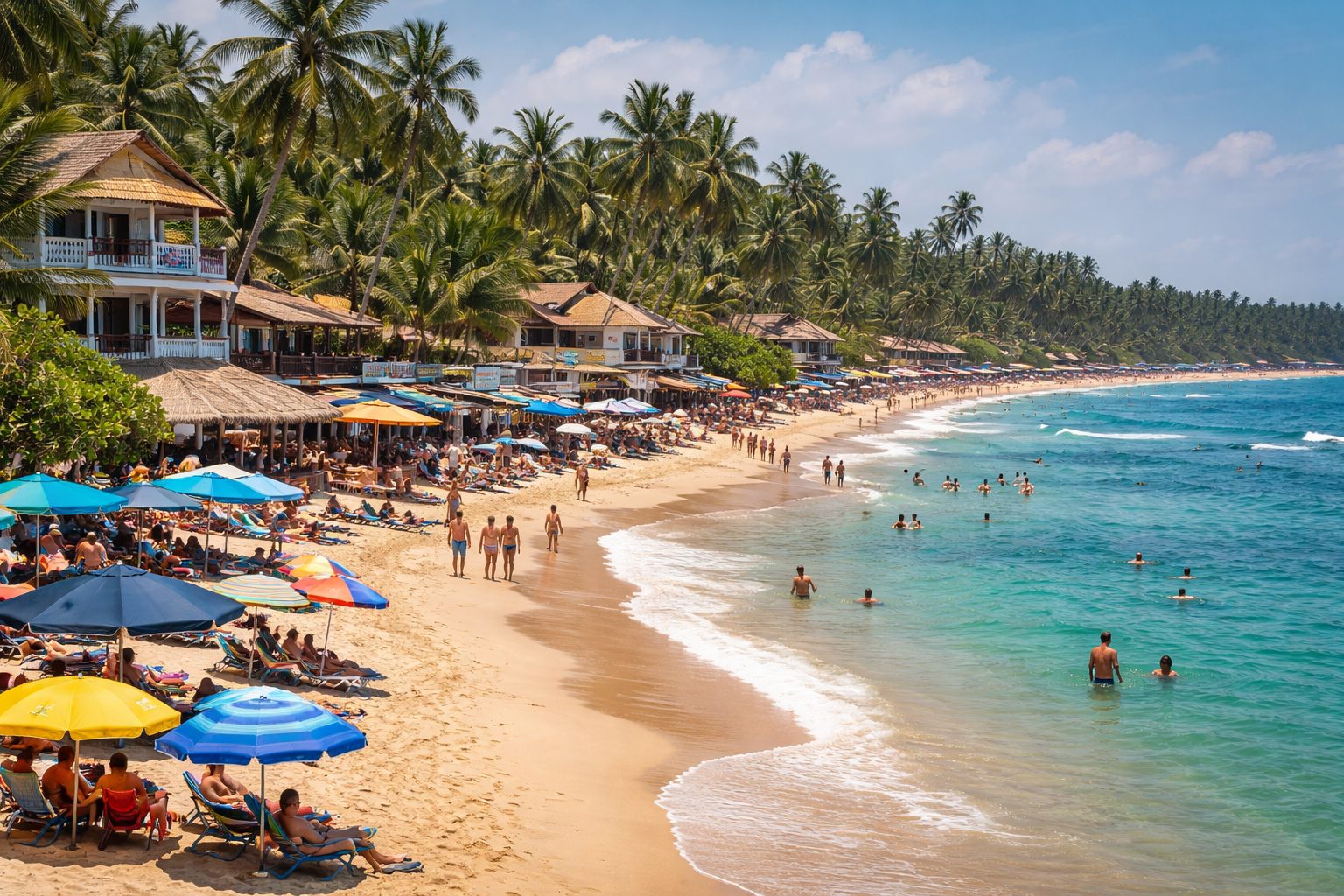
The west coast is more developed, easier to reach from Colombo, and historically more popular with international tourists. You’ll find a wider range of accommodation, more dining options, and better transport links. The downside is that it gets significantly more crowded between December and February.
The east coast is rawer, quieter, and increasingly interesting to travelers who’ve already done the western circuit. Infrastructure has improved substantially over the last decade following the end of the civil conflict, but it still feels more adventurous and less commercialized. For a beach holiday that includes a bit of discovery rather than pure comfort, the east coast between May and September is hard to beat.
The honest comparison: west coast for polish and convenience, east coast for space, authenticity, and better surfing.
Cultural Festivals and Events in Sri Lanka
Major Festivals and Their Dates
Sri Lanka has a rich calendar of festivals that span Buddhist, Hindu, Muslim, and Christian traditions. The most visually spectacular is the Kandy Esala Perahera, a grand procession held in Kandy every July or August during the full moon of the Esala month. It involves beautifully decorated elephants, traditional dancers, drummers, and fire performers, and it draws huge crowds. If you’re anywhere near the Cultural Triangle during this period, it’s worth building your schedule around it.
Other festivals worth knowing:
- Vesak Poya (May full moon): celebrates the birth, enlightenment, and passing of the Buddha. Lanterns light up towns and cities across the island
- Thai Pongal (January): a Tamil harvest festival celebrated mainly in the north and east
- Navam Perahera (February): a large procession from the Gangaramaya Temple in Colombo
- Sinhala and Tamil New Year (April 13-14): a national celebration with traditional games, sweets, and family gatherings
- Deepavali (October/November): the festival of lights, celebrated with oil lamps and fireworks across Hindu communities
How Festivals Influence Travel Plans
The Kandy Esala Perahera is one of those events where accommodation needs to be booked months in advance. The same applies to the Sinhala and Tamil New Year in April, when domestic travel surges and buses, trains, and guesthouses fill up fast. If you’re visiting during these periods, book everything early and expect prices to be higher than usual.
Vesak in May is a different experience. It transforms towns into something genuinely beautiful, with handmade lanterns and dioramas lining the streets. Hotels are in demand in Colombo and Kandy, but the atmosphere more than compensates for any inconvenience. I’d argue Vesak is one of the best reasons to visit during what’s traditionally considered shoulder season.
Aligning your trip with a festival adds enormous depth to the experience, but it requires planning. Spontaneous travel during major festivals often means overpaying and under-experiencing.
Best Time to Visit Sri Lanka for Adventure Activities
Best Seasons for Hiking and Trekking
The hill country around Ella, Nuwara Eliya, and the Horton Plains plateau offers some genuinely rewarding trekking. The most iconic hike is Adam’s Peak, a steep climb to a sacred summit at 2,243 meters. The season for this runs from December to May, with January to March being ideal due to clear skies and manageable crowds. Earlier in the season the steps can be icy at the summit before dawn.
Horton Plains National Park and the famous World’s End cliff are best visited in the dry season, which in the hill country means roughly January to March and August. Morning visits are essential regardless of season because cloud cover rolls in from around midday and obscures the views entirely.
For hiking in general:
- January to March: best for south, west, and hill country trails
- August: excellent for Horton Plains and the central highlands
- May to September: best for any trekking in the north and east
- Avoid peak monsoon months for elevation hikes due to slippery conditions
Water Sports Timing Considerations
Surfing at Arugam Bay on the east coast runs from June to October, with August being the most consistent month for quality waves. Hikkaduwa on the west coast has a longer surfing window from November to April, and it’s more beginner-friendly in terms of wave size and surf school availability.
Kitesurfing is growing rapidly in Sri Lanka, particularly in Kalpitiya in the northwest. The best conditions here come during the southwest monsoon from May to October when strong, consistent winds create ideal conditions.
Diving and snorkeling on the west and south coasts peak from November to April when visibility is high and currents are manageable. The waters around Hikkaduwa reef and the Pigeon Island National Park near Trincomalee are standout spots, with Pigeon Island best visited from May to September to match the east coast calendar.
Budget Considerations for Traveling to Sri Lanka
High Season vs. Low Season Prices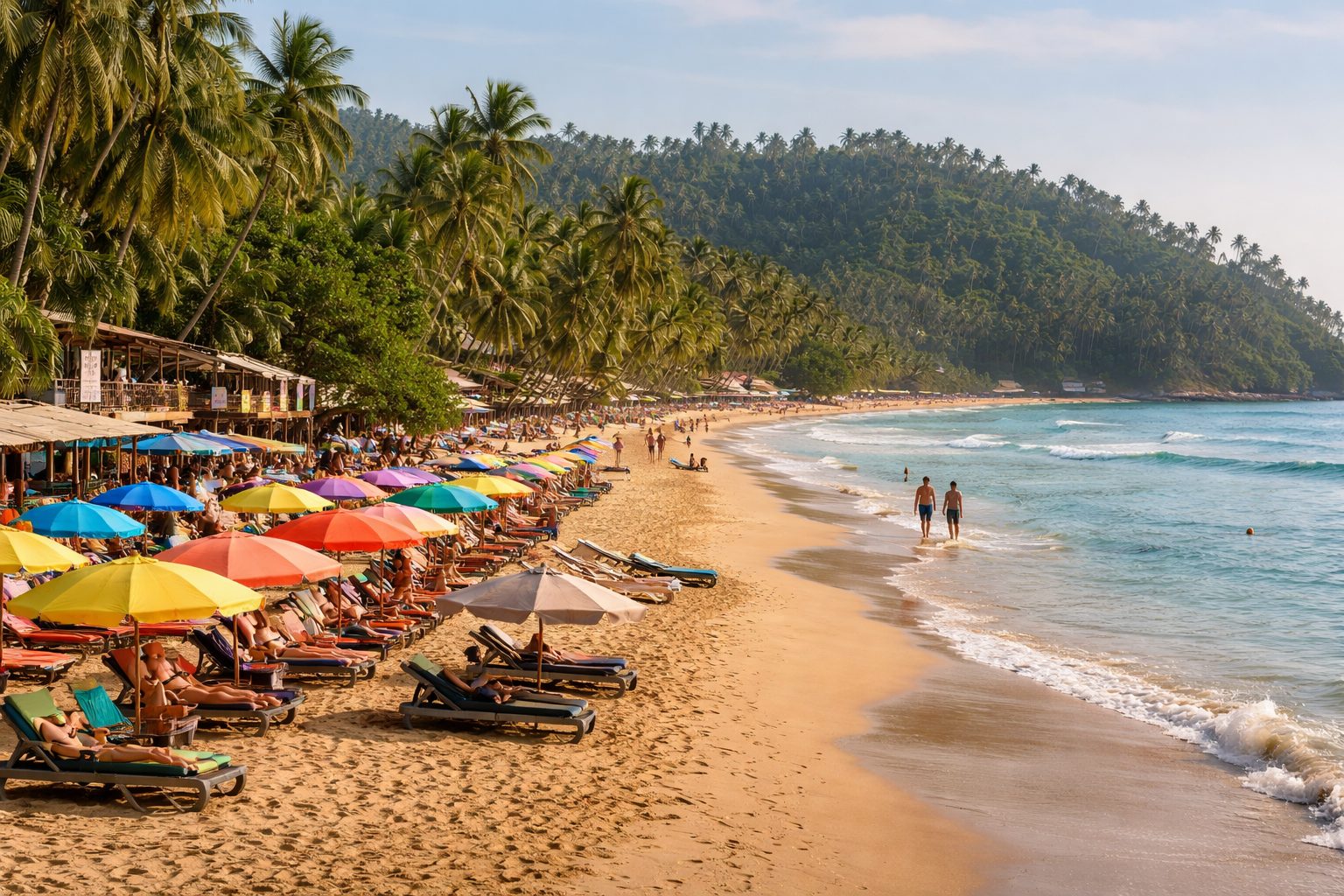
Sri Lanka has become noticeably more expensive over the last few years, but it still offers strong value compared to many Asian destinations. The high season from December to March brings premium prices across accommodation, particularly in popular beach towns like Mirissa, Galle, and Trincomalee. A guesthouse room that costs 30 dollars in October might run 60 to 80 dollars in January.
Here’s a rough seasonal pricing comparison:
| Period | Season | Relative Cost | Conditions |
|---|---|---|---|
| December to March | High (west/south) | Highest prices | Excellent for west coast |
| April | Shoulder | Moderate | Risk of early rains |
| May to June | Low (west), rising (east) | Lower prices west coast | East coast coming alive |
| July to September | Low (west), High (east) | Mixed | East coast peak season |
| October to November | Shoulder/pre-peak | Moderate to high | Transitional |
The cheapest period for the west and south is May to September when the monsoon keeps visitor numbers down. If you can deal with occasional rain and don’t mind packing for both sun and downpours, the savings are real and the crowds are dramatically smaller.
Tips for Budget Travel
A few practical approaches that make a meaningful difference:
- Travel by train wherever possible. The rail network is affordable, scenic, and a genuine experience in itself. The Kandy to Ella route through the tea country is one of the most beautiful train journeys in Asia.
- Eat at local restaurants rather than tourist-facing ones. A rice and curry meal at a local eatery costs a fraction of the price at beach resort restaurants and is usually more authentic.
- Book accommodation directly rather than through third-party platforms when you can. Many smaller guesthouses offer better rates via direct contact or walk-in.
- Consider visiting Yala during shoulder periods and going with a reputable mid-range operator rather than the most expensive safari companies. Wildlife sightings depend more on luck and guide knowledge than on luxury vehicles.
- Travel between cities by bus rather than private tuk-tuk or car unless you’re time-constrained. The intercity bus network is comprehensive and genuinely cheap.
Low season travel on the west coast in May and June can cut your overall budget by 30 to 40 percent compared to peak months, which is worth serious consideration if beach weather isn’t your only priority.
Comparing the Best Times to Visit Sri Lanka
Summary of Seasonal Pros and Cons
Every season has something to offer, but they suit different types of travelers. Here’s an honest breakdown:
December to March:
* Best for: West and south coast beaches, whale watching, wildlife in Yala, Adam’s Peak
* Downside: Highest prices, most crowded, book well in advance
April:
* Best for: Sinhala New Year, cultural experiences, transitional conditions
* Downside: Unpredictable weather, domestic travel surge around the new year period
May to July:
* Best for: East coast beaches, budget travel on the west coast, Kandy Perahera (July)
* Downside: West coast rain, some national park closures
August to September:
* Best for: Elephant gathering at Minneriya, east coast surfing (Arugam Bay), hill country trekking
* Downside: Yala block one closure, monsoon affecting south and west
October to November:
* Best for: Pre-peak pricing, Vesak preparations on the west coast, shoulder season value
* Downside: Transitional weather on both coasts, some unpredictability
Personalizing Your Travel Experience
The best time to visit Sri Lanka ultimately depends on what you’re actually going to do there. If beaches are your priority and you’re flexible about which coast, you can find good conditions almost any month by shifting between east and west. If wildlife is your main goal, the February to July window is the most consistent.
Cultural travelers can honestly visit any time of year. The temples, ancient cities, and hill country railways don’t care about the monsoon. A bit of rain won’t ruin Sigiriya or the Temple of the Tooth in Kandy.
My honest recommendation for a first visit: aim for December through February if budget allows, or September to October if you want fewer crowds, reasonable prices, and the chance to catch the elephant gathering before the season shifts. Either way, you’ll find more than enough to fill the days.
Travel Tips for Visiting Sri Lanka
Essential Packing List Based on Season
Packing for Sri Lanka depends heavily on your itinerary and the time of year, but a few items cross all seasons:
- Lightweight, breathable clothing in neutral colors
- A good quality rain jacket or compact umbrella, even in dry season
- Reef-safe sunscreen, harder to find locally at a reasonable price
- Insect repellent, particularly for evening hours near water and forests
- A light fleece or layer for hill country evenings
- Comfortable walking sandals that can handle wet surfaces
- Modest clothing for temple visits, which means covered shoulders and knees
During monsoon season on the west or east coasts, add:
- A dry bag or waterproof packing cubes for electronics
- Quick-dry clothing rather than cotton where possible
- Waterproof sandals rather than regular ones
For hill country trips in any season, a proper pair of walking shoes with grip makes a real difference on muddy trails and wet stone steps.
Health and Safety Considerations
Sri Lanka is generally a safe and welcoming destination, but a few health considerations are worth taking seriously before you go.
Dengue fever is present year-round and transmitted by daytime mosquitoes. Using repellent consistently and wearing long sleeves in the evenings near standing water is the best protection. There’s no vaccine for dengue, so prevention is the only strategy.
Tap water is not safe to drink throughout most of the country. Carry a reusable bottle with a filter or use bottled water, and be careful with ice at smaller establishments. Stomach upsets are common among first-time visitors and are almost always food-related rather than water-related when eating at beach shacks.
The sun here is genuinely intense, especially at lower elevations. Heatstroke is a real risk for anyone doing outdoor activities in the middle of the day between May and September. Start hikes early, take breaks, and drink water constantly.
Travel insurance that covers medical evacuation is strongly recommended. Hospital standards vary significantly across the island, and Colombo’s private hospitals are far better equipped than rural facilities.
Frequently Asked Questions (FAQ)
What is the best month to visit Sri Lanka?
January is often cited as the single best month because it offers dry, sunny conditions across the south and west coasts, excellent wildlife viewing in Yala, and good conditions for whale watching off Mirissa. If you’re visiting for the first time and want the highest probability of good weather at the most popular sites, January is a reliable choice.
How does the monsoon affect travel plans?
The monsoon doesn’t make travel impossible, but it does shift where you should be and when. The southwest monsoon affects the west and south coasts from May to September, while the northeast monsoon hits the north and east from October to January. Planning your itinerary to follow the dry zones is the most practical approach.
Are there any specific events to plan around?
The Kandy Esala Perahera in July or August is the most spectacular cultural event on the calendar and worth planning a trip around specifically. Vesak in May and the Sinhala New Year in April are also genuinely rewarding experiences if you want cultural depth rather than just good weather.