Thailand is one of those places where the natural world genuinely competes with the cultural one for your attention. And if you’ve spent any time here, you already know how hard it is to choose between ancient temples and ancient forests. Having traveled across much of the country over the years, I can tell you that exploring the best national parks in Thailand is one of the most rewarding things you can do. Whether you’re after jungle treks, cascading waterfalls, rare wildlife, or just a few days completely off the tourist trail, this country delivers in ways that still surprise me.
Thailand has over 150 national parks and protected areas covering roughly 20% of its total land area. That’s a significant commitment to conservation for any country, and it means you have a genuinely impressive range of landscapes to choose from. From cloud forests in the north to mangrove coastlines in the south, the variety is hard to overstate.
This guide covers everything you need: the top parks worth your time, what to do in each one, when to go, and practical tips to make your visit worthwhile.
Introduction to Thailand’s National Parks
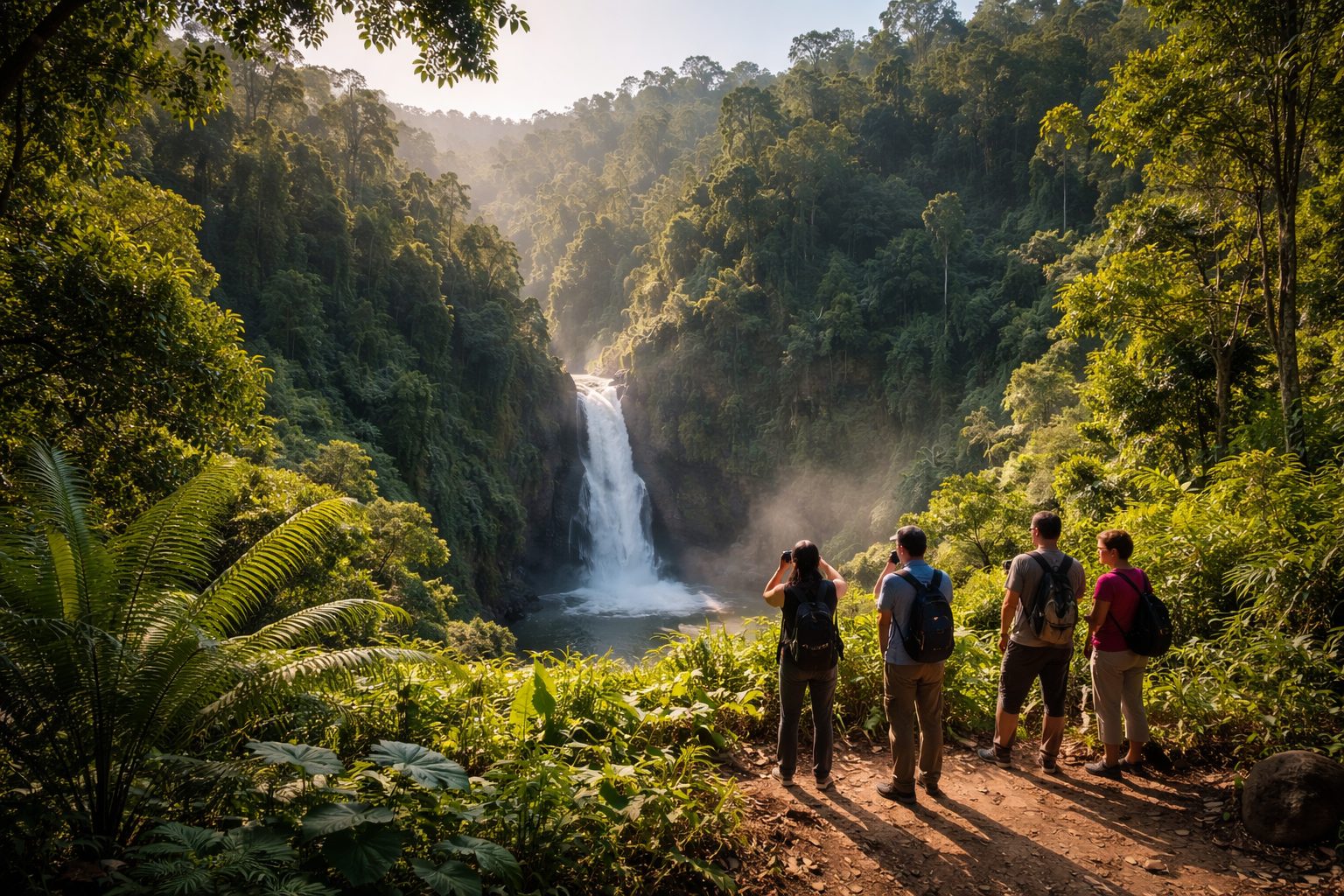
Thailand’s national parks system formally began in 1961 when Khao Yai became the first designated park. Since then, the network has grown steadily into one of Southeast Asia’s most extensive protected area systems. But these aren’t just bureaucratic designations on a map. Many of them protect genuinely critical ecosystems, and some harbor wildlife found nowhere else on earth.
What strikes me most about Thai national parks is how accessible they tend to be. Unlike parks in some countries where serious logistics are required, many here are reachable by public transport or a short drive from major cities. That accessibility has its trade-offs, as some parks struggle with visitor pressure, but it also means more people get to experience wild Thailand firsthand.
The parks range dramatically in character. Some are mountain forests draped in mist. Others are turquoise lagoons edged by limestone karsts. A few protect lowland rainforests that haven’t changed much in millions of years. The best national parks in Thailand reflect that diversity, and no two visits feel quite the same.
Importance of National Parks in Thailand’s Ecosystem
Thailand sits at a critical biodiversity crossroads. The country bridges the Indian subcontinent with the Malay Peninsula and the rest of Southeast Asia, which means its forests serve as corridors for species migration across a massive region. Without protected areas, that connectivity would break down rapidly.
The parks protect some genuinely impressive numbers. Thailand is home to over 10% of the world’s bird species, around 300 mammal species, and thousands of plant species, many of which are endemic. Several large mammals that have disappeared from much of Asia, including Asian elephants, clouded leopards, and Indochinese tigers, still have populations here precisely because protected areas exist.
Beyond biodiversity, the parks protect watersheds that supply water to millions of people. Forests like Kaeng Krachan and Doi Inthanon regulate rainfall patterns and prevent erosion in ways that affect agriculture and urban water supplies downstream. The economic value of that function is enormous, even if it rarely makes headlines.
Overview of Thailand’s Best National Parks
Brief History of National Parks in Thailand
Thailand’s conservation history is relatively short but surprisingly progressive. The National Parks Act of 1961 created the legal framework, and Khao Yai was gazetted the same year. During the 1960s and 1970s, deforestation was accelerating rapidly as logging and agricultural expansion pushed into previously wild areas.
The government’s response was to expand the protected areas network throughout the 1970s and 1980s, designating dozens of new parks. A nationwide logging ban in 1989 following catastrophic flooding was a turning point. It came too late to save much of the lowland forest, but it helped stabilize what remained.
Today, the Department of National Parks, Wildlife and Plant Conservation manages the system. It’s an imperfect institution with real funding challenges, but there are dedicated people within it doing serious conservation work under difficult conditions.
Conservation Efforts in Thai National Parks
Modern conservation in Thailand involves a mix of approaches. Anti-poaching patrols, wildlife corridors, community buffer zones, and ecotourism programs all play a role. Organizations like the Wildlife Conservation Society and WWF work alongside Thai authorities in many parks.
One of the more interesting developments in recent years has been the push to expand tiger habitats in the Western Forest Complex, a cluster of parks in the west that together form one of the largest protected forest blocks in Southeast Asia. Camera trap surveys have recorded steady population increases in areas with active protection.
Elephant management is another ongoing challenge. Wild herds in parks like Kaeng Krachan and Khao Yai sometimes come into conflict with farming communities on the edges. Finding ways to compensate affected farmers and maintain wildlife corridors without creating resentment is genuinely hard work, and it’s ongoing.
Top 10 Best National Parks in Thailand
1. Khao Sok National Park
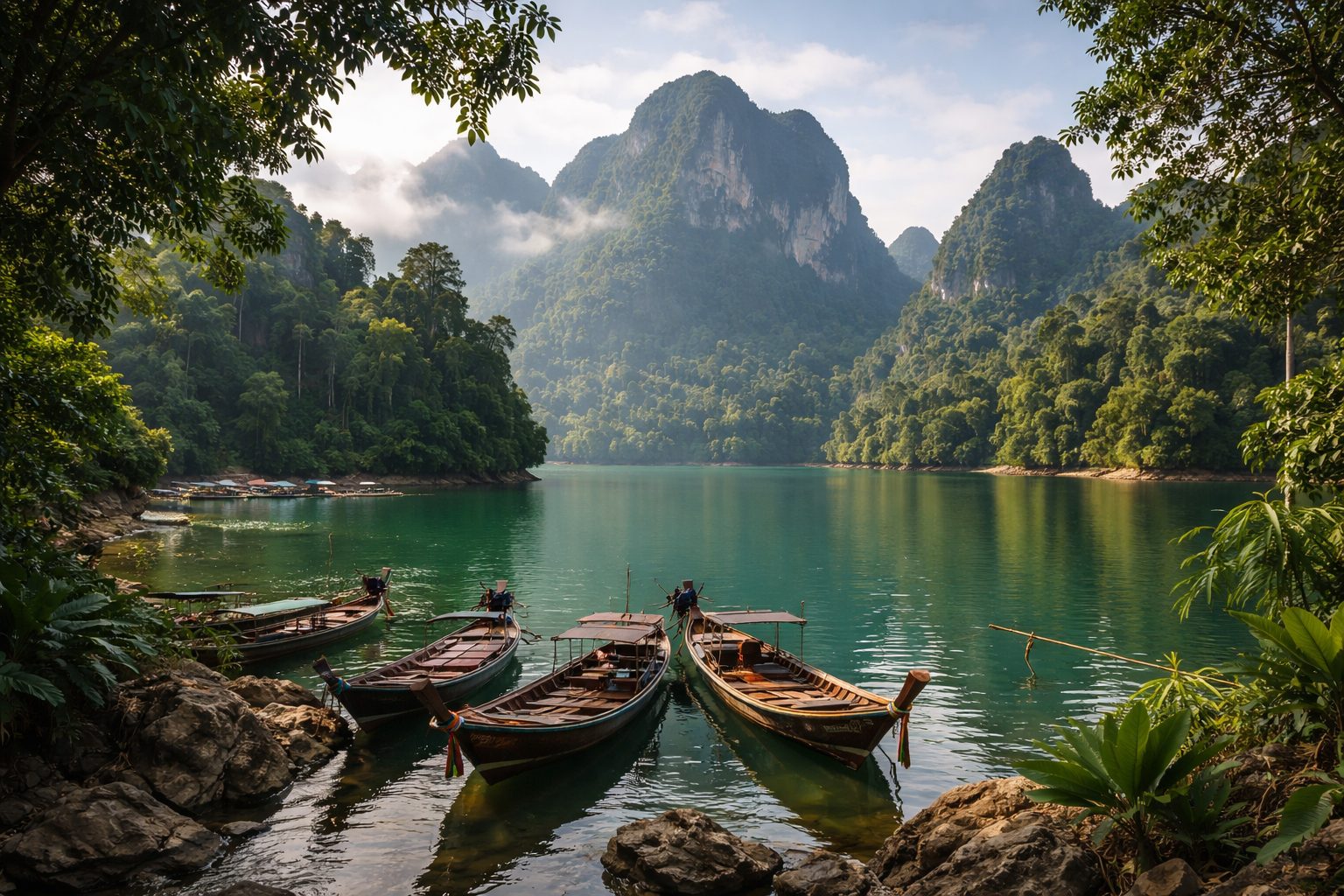
If I had to send someone to just one park in Thailand, Khao Sok would be a serious contender. Located in Surat Thani province in southern Thailand, it protects one of the oldest rainforests in the world, predating even the Amazon by tens of millions of years. The landscape is surreal: massive limestone karsts rise from the jungle, and the Cheow Lan reservoir sits at the park’s heart looking like something from a fever dream.
The wildlife here is exceptional. Wild elephants, Malayan tapirs, gaurs, and gibbons all live in the forest. Birding is outstanding, and the Rafflesia kerrii, one of the world’s largest flowers, blooms here seasonally. Many visitors stay on floating bungalows on the reservoir, which gives you early morning access to the forest before day-trippers arrive.
- Best for: Jungle trekking, wildlife, floating bungalow experience
- Season: November to April (dry season)
- Nearest town: Khao Sok village, Surat Thani
2. Erawan National Park
Erawan is famous for one thing above all others: its seven-tiered waterfall system with pools in shades of green and turquoise that look genuinely implausible in real life. Located in Kanchanaburi province in western Thailand, it’s a popular day trip but also worth staying for.
The water gets its color from calcium carbonate deposits, and it’s clean enough to swim in at most of the tiers. Each level has a distinct character, and the climb between them takes you deeper into the forest. Fish in the lower pools will nibble at your skin, which surprises most first-time visitors.
Beyond the waterfalls, the park has good cave systems and forest trails. It’s not a wilderness destination in the way Khao Sok is, but it’s one of the most visually striking parks in the country.
- Best for: Swimming, waterfall photography, family visits
- Season: Year-round, but best November to May
- Nearest town: Kanchanaburi
3. Doi Inthanon National Park
Thailand’s highest mountain sits inside this park in Chiang Mai province, and the landscape reflects that altitude. The forest transitions through several ecological zones as you climb, from lowland dipterocarp forest to montane forest thick with mosses and epiphytes near the summit.
Birding is the main draw for serious nature enthusiasts. The park has over 360 species and is one of the best places in Asia to find high-altitude specialists like the Rufous-bellied Niltava and Ashy-throated Warbler. The twin royal chedis near the summit are architecturally beautiful and offer views across the range when clouds allow.
Waterfalls are another highlight. Wachirathan and Mae Ya are both impressive, and Mae Ya in particular is one of Thailand’s tallest. Temperatures at the summit can drop below 10 degrees Celsius in winter, which is genuinely cold for Thailand.
- Best for: Birding, highland scenery, photography
- Season: October to February
- Nearest city: Chiang Mai (about 100 km)
4. Khao Yai National Park
As Thailand’s first and arguably most famous national park, Khao Yai carries a lot of weight. It’s a UNESCO World Heritage Site as part of the Dong Phayayen-Khao Yai Forest Complex, and it deserves that recognition. Located about three hours from Bangkok in Nakhon Ratchasima province, it’s the most visited park in the country.
The wildlife viewing here is legitimately excellent by regional standards. Elephants are commonly seen from the roads in the evening. Gibbons call through the forest every morning. Hornbills, particularly Great and Wreathed Hornbills, are a reliable sight. And the park still has a small tiger population, though you’d be extraordinarily lucky to see one.
The forest itself is ancient and diverse, covering over 2,000 square kilometers. Night safaris are popular and often produce sightings of civets, deer, and occasionally leopard cats. It’s a park that rewards patience and multiple visits.
- Best for: Accessible wildlife, family trekking, UNESCO heritage value
- Season: November to June
- Distance from Bangkok: About 200 km
5. Tarutao National Park
Tarutao is one of the least developed major parks in Thailand and that’s exactly why it’s worth the effort to reach it. Located in Satun province near the Malaysian border, the park covers 51 islands including the large main island of Ko Tarutao itself.
Historically, the island served as a prison camp during World War II, and you can still visit the ruins of the old camps in the forest. Today it’s a place where sea turtles nest on quiet beaches, dugongs occasionally feed in the seagrass beds offshore, and the absence of resort development makes the whole experience feel genuinely remote.
Ko Adang and Ko Rawi offer snorkeling on reefs that see far less pressure than more famous sites in Thailand. If you want tropical island experience without the crowds, this is one of the best options in the country.
- Best for: Island hiking, snorkeling, sea turtle nesting (November to March)
- Season: November to April
- Access: Ferry from Pak Bara, Satun
6. Phu Kradueng National Park
Phu Kradueng is a flat-topped mountain in Loei province that requires a real hike to reach the summit plateau. The trail up is about 9 kilometers with significant elevation gain, and you carry your own gear or hire a porter. It’s a commitment, but the plateau itself is unlike anything else in Thailand.
Up top, the climate is noticeably cooler and the forest opens into pine-studded meadows. Wildlife on the plateau includes barking deer, serows, and a good variety of birds. The sunrise views from the cliff edges are superb. Most visitors stay one or two nights in the basic accommodation on the plateau before hiking back down.
The park is closed from June through September due to heavy rains making the trail dangerous. That seasonal closure actually helps maintain the park’s condition, and it’s one reason the ecosystem here is in better shape than in many heavily visited sites.
- Best for: Trekking, highland camping, cool-climate escape
- Season: October to May
- Nearest town: Loei city
7. Kaeng Krachan National Park
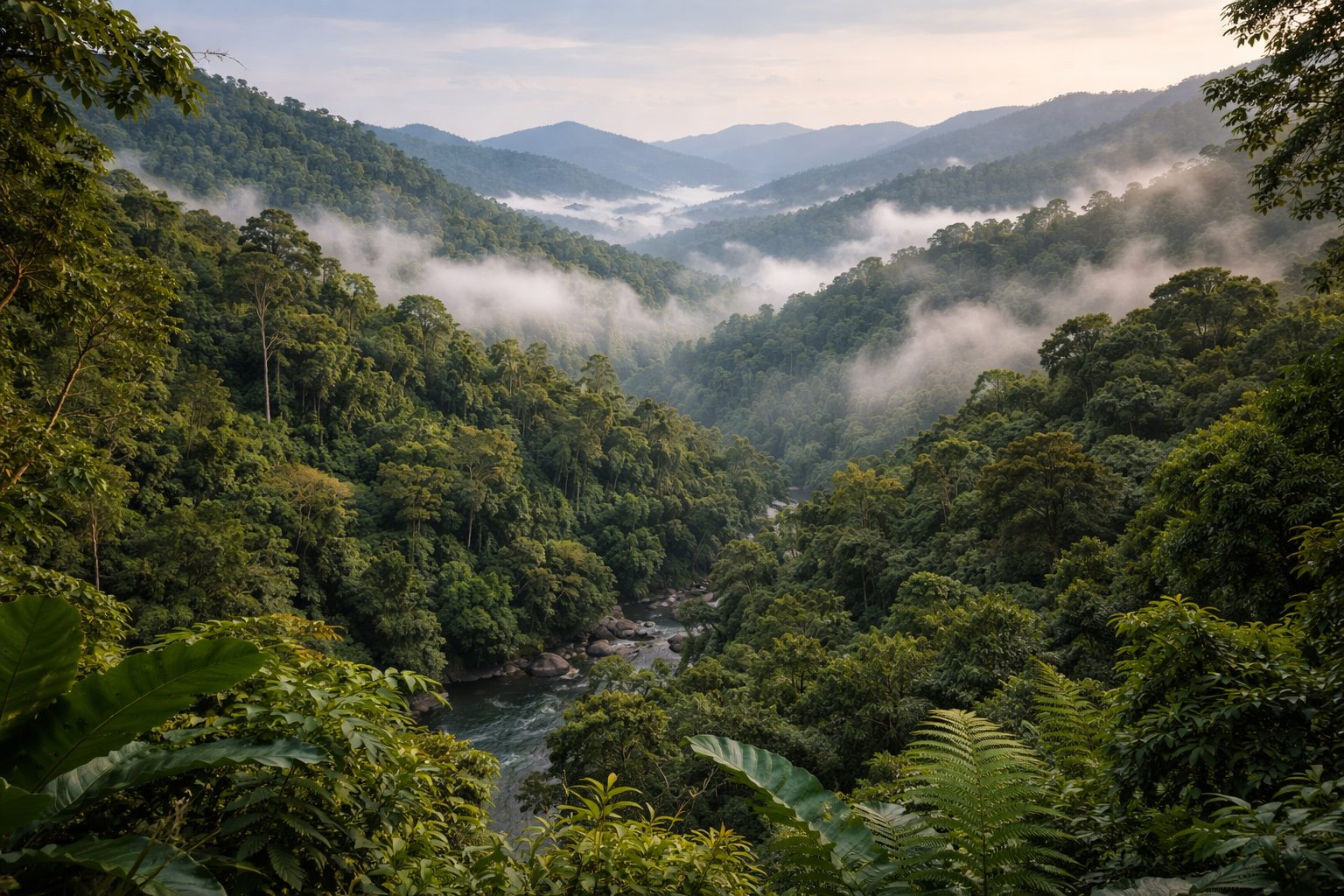
Thailand’s largest national park covers over 2,900 square kilometers of hilly forest in Phetchaburi and Prachuap Khiri Khan provinces. It was designated a UNESCO World Heritage Site in 2021, confirming what birders and wildlife enthusiasts have known for years: this place is exceptional.
The park has over 400 bird species, making it one of the premier birding destinations in all of Asia. In terms of mammals, it holds good populations of leopards, elephants, gibbons, and dholes (Asiatic wild dogs). The Kaeng Krachan reservoir is used by elephants and other large mammals, especially in the dry season when water elsewhere is scarce.
Access to deeper parts of the park requires a permit and is sometimes restricted due to ongoing wildlife protection concerns. But even the accessible zones offer outstanding wildlife experience, and the scenery along the main road through the forest is consistently impressive.
- Best for: Birding, wildlife photography, off-the-beaten-path exploration
- Season: October to April
- Nearest town: Cha-am or Hua Hin
8. Sai Yok National Park
Sai Yok sits in the River Kwai valley in Kanchanaburi province, and it offers a more intimate park experience than some of the larger sites. The park is known for the Sai Yok Noi and Sai Yok Yai waterfalls, both of which fall directly into the Kwai Noi River in a way that’s genuinely unusual.
The park also contains Daowadung Cave, a large cave system accessible to visitors, and it protects a stretch of the Death Railway built during World War II, adding historical dimension to any visit. Wildlife here includes wild boar, deer, monkeys, and one of the world’s smallest mammals, Kitti’s hog-nosed bat, which roosts in limestone caves within the park.
River rafting and bamboo rafting are popular activities, and several raft houses on the river offer accommodation inside the park boundaries. It’s a relaxed and accessible park that works well as part of a Kanchanaburi itinerary.
- Best for: Waterfall visits, cave exploration, historical interest
- Season: Year-round, but less crowded in weekdays
- Nearest town: Kanchanaburi
9. Huai Kha Khaeng Wildlife Sanctuary
Technically a wildlife sanctuary rather than a national park, Huai Kha Khaeng is included here because it’s arguably the most ecologically important protected area in mainland Southeast Asia. Together with adjacent Thung Yai Naresuan, it forms the core of the Western Forest Complex and is a UNESCO World Heritage Site.
Public access is extremely limited, which is intentional. The sanctuary exists primarily to protect wildlife rather than serve visitors, and that prioritization shows in the results. Tiger populations here have actually recovered over the past two decades under intensive anti-poaching programs. Wild cattle, elephants, bears, and at least ten other large mammal species maintain viable populations within these forests.
For most travelers, Huai Kha Khaeng exists as a background achievement of conservation rather than a destination. But for researchers, wildlife professionals, and those with the right permits, it represents Southeast Asia’s best example of functional large mammal ecology.
- Best for: Research access, serious conservation interest
- Access: Restricted, permit required
- Location: Uthai Thani and Tak provinces
10. Sukhothai Historical Park
Including Sukhothai in a list of the best national parks in Thailand might seem unusual, since it’s primarily a historical site rather than a natural one. But it’s managed under Thailand’s protected area system and the combination of ancient ruins, forested grounds, and lotus-filled reservoirs creates an environment that feels genuinely natural in character.
The park protects the ruins of Sukhothai, the first capital of the Thai kingdom, dating to the 13th century. Cycling through the grounds at dawn, with mist still hanging over the ponds and the first light hitting the ancient chedis, is one of those travel experiences that stays with you.
The surrounding landscape includes several smaller historical complexes and traditional villages, making it a destination that blends cultural immersion with outdoor exploration in a way few other sites in Thailand can match.
- Best for: Cultural history, cycling, photography
- Season: Year-round, November to February ideal
- Nearest city: Sukhothai town
Activities to Enjoy in Thailand’s National Parks
Hiking Trails and Nature Walks
Most Thai national parks have well-marked trail systems ranging from short interpretive walks to multi-day backcountry routes. Trail quality varies considerably between parks, and conditions change significantly with the seasons.
Guided treks are worth considering, especially for first-time visitors. Local guides know where wildlife is active, which trails flood in wet season, and how to read the forest in ways that take years to develop independently. In parks like Khao Sok and Kaeng Krachan, a good guide can transform an ordinary walk into something genuinely memorable.
A few practical notes on hiking here:
- Start early. Heat and humidity by midday are significant factors.
- Leeches are common in wet season in many forest parks. Wear appropriate footwear and socks.
- Stay on marked trails. Navigation in tropical forest without a trail is difficult and getting lost is a real risk.
- Register with park staff before longer hikes. Most parks require this for safety.
Wildlife Watching Opportunities
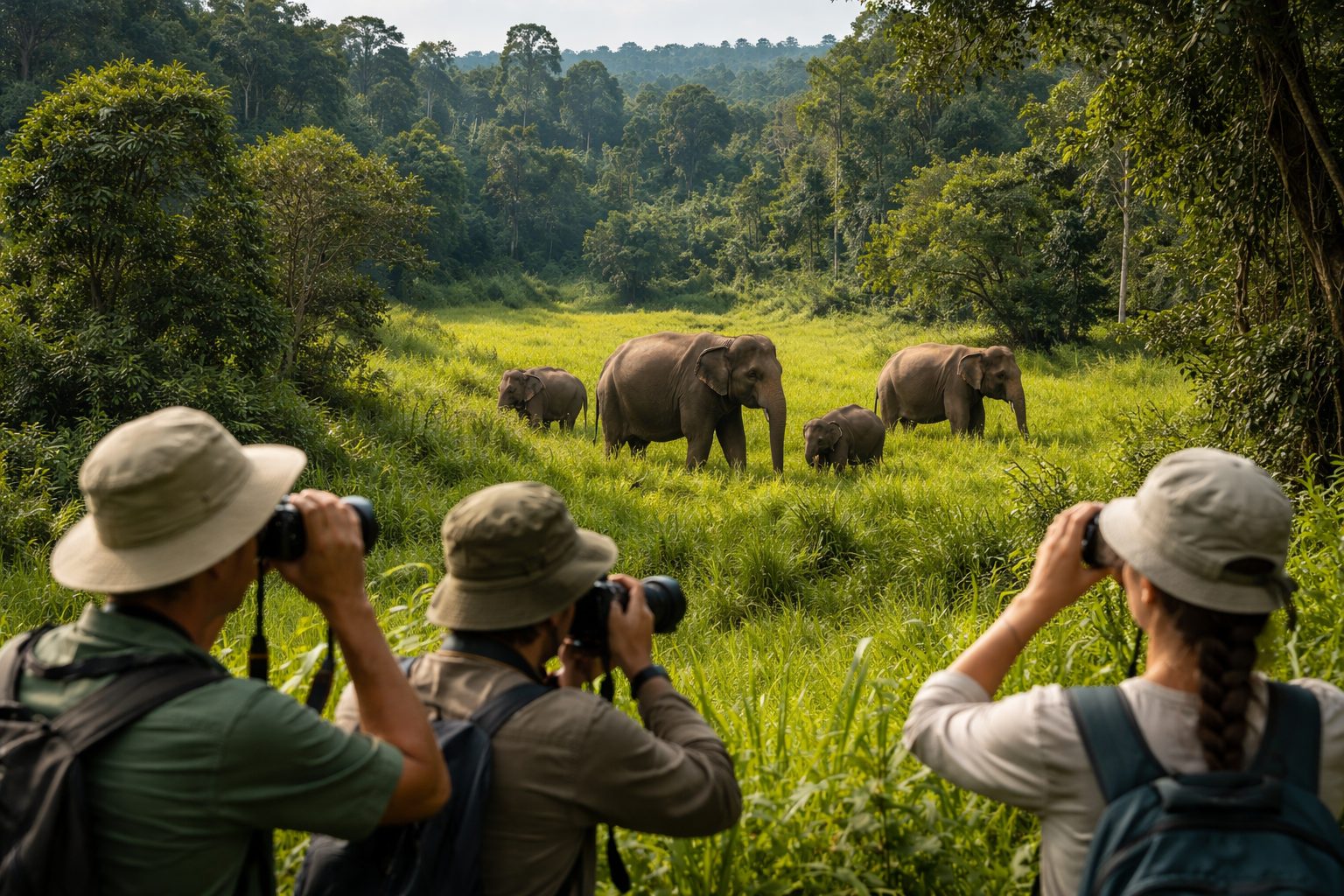
Thailand’s parks offer a range of wildlife experiences from the genuinely accessible to the specialized and challenging. Even casual visitors to parks like Khao Yai or Kaeng Krachan often see elephants, hornbills, and various primates without much effort.
For more targeted wildlife viewing:
- Dawn and dusk are the most productive times. Many mammals are crepuscular and avoid the midday heat.
- Position yourself near water sources during the dry season. Animals concentrate around rivers and reservoirs.
- Use a fixed position and wait rather than walking continuously. Movement disturbs animals.
- Night drives in parks that permit them, particularly Khao Yai, often produce sightings of nocturnal species.
- Hire a specialist wildlife guide for targeted species like hornbills at nesting trees or gibbons on fruiting figs.
Camping and Accommodation Options
Camping is permitted in most Thai national parks at designated campsites. Equipment rental is available at many parks, though quality varies. Bringing your own tent and sleeping mat is generally worthwhile for longer stays.
Beyond camping, accommodation options within parks range from basic bungalows run by the park authority to floating bungalows (at Cheow Lan Lake in Khao Sok) to private lodges on the park periphery. Booking in advance is essential during peak season (November to February) and long Thai holiday weekends, when domestic tourism peaks significantly.
Best Time to Visit Thailand’s National Parks
Thailand’s climate divides broadly into three seasons, and that division matters considerably for park visits. The cool dry season from November to February is the most comfortable and most popular period for most parks, especially in the north and center of the country.
The hot dry season from March to May is manageable but can be genuinely extreme, with temperatures pushing above 40 degrees Celsius in lowland areas. Wildlife viewing can actually improve during this period since animals concentrate around water. But comfort is compromised, and forest fires are a risk in the north.
The wet season from June to October brings heavy rainfall across most of the country. Several parks, including Phu Kradueng, close entirely. Others remain open but access roads can flood, trails become slippery, and leeches are omnipresent. Southern parks like Tarutao follow a reversed pattern, with the wet season arriving later and the best conditions running November through April.
Tips for Planning Your Visit to National Parks in Thailand
Essential Packing List for Nature Enthusiasts
Good preparation makes a real difference in Thai parks. Here’s what I consider essential:
- Lightweight, moisture-wicking clothing (not cotton, which stays wet)
- Long-sleeve shirt and light trousers for leech and insect protection
- Quality insect repellent with DEET
- Sturdy waterproof hiking boots
- Headlamp with extra batteries
- Reusable water bottles and purification tablets or a filter
- Basic first aid kit including blister treatment and antihistamines
- Sun protection: hat, sunscreen, and UV-blocking shirt
- Rain jacket or poncho
- Binoculars for wildlife watching (minimum 8×42 specification)
- Offline maps downloaded to your phone before entering parks
Safety Guidelines and Precautions
Thai national parks are generally safe, but a few risks are worth knowing:
- Wildlife encounters: Give elephants, wild boar, and hornets wide berth. Never approach, feed, or corner wild animals.
- Water: Don’t underestimate the current in rivers and streams after rain, even ones that appear calm.
- Heat: Carry more water than you think you need and recognize signs of heat exhaustion early.
- Snakes: Venomous species are present in most parks. Watch where you put your hands and feet, especially in rocky areas and at night.
- Mobile coverage: It’s often absent inside parks. Tell someone your plans before entering.
Comparison of the Best National Parks in Thailand
Accessibility and Transportation
| Park | Distance from Bangkok | Access | Difficulty Level |
|---|---|---|---|
| Khao Yai | 200 km | Bus + songthaew | Easy |
| Erawan | 220 km | Bus from Kanchanaburi | Easy |
| Kaeng Krachan | 210 km | Car recommended | Easy-Moderate |
| Khao Sok | 650 km | Fly or bus to Surat Thani | Moderate |
| Doi Inthanon | 100 km from Chiang Mai | Car or tour | Easy |
| Phu Kradueng | 520 km | Bus to Loei, then local | Challenging |
| Tarutao | 1,000 km | Fly to Hat Yai + ferry | Moderate |
| Sai Yok | 200 km | Bus from Kanchanaburi | Easy |
Unique Features and Attractions
Each of the best national parks in Thailand brings something distinct to the table. Understanding those differences helps you match destinations to your interests and travel style.
- Khao Sok: Ancient rainforest + floating bungalows on a reservoir. Nothing else in Thailand quite replicates this.
- Khao Yai: Most accessible serious wildlife park, UNESCO status, proximity to Bangkok.
- Doi Inthanon: Thailand’s highest point, premier birding, cool highland climate.
- Erawan: The most visually stunning waterfall system in the country.
- Kaeng Krachan: Largest park, UNESCO status, outstanding birding and mammals.
- Phu Kradueng: Plateau trekking with cool-climate forest. Unique topography.
- Tarutao: Remote islands, sea turtles, historical ruins, minimal development.
- Sai Yok: River valley setting, WWII history, Kitti’s hog-nosed bat.
- Huai Kha Khaeng: Ecologically critical, restricted access, tiger recovery success story.
- Sukhothai: Historical park where culture and landscape overlap in an unusual way.
Frequently Asked Questions (FAQs)
What is the largest national park in Thailand?
Kaeng Krachan National Park in Phetchaburi province is Thailand’s largest national park, covering over 2,900 square kilometers. It was designated a UNESCO World Heritage Site in 2021.
Are national parks in Thailand suitable for families?
Many parks are genuinely family-friendly, particularly Erawan, Khao Yai, and Doi Inthanon. Facilities are reasonable, trails are well-marked, and wildlife sightings keep younger visitors engaged. Phu Kradueng’s steep approach hike is less suitable for young children.
How much does it cost to enter Thailand’s national parks?
Most parks charge foreigners between 200 and 400 Thai Baht for entry, with lower rates for Thai nationals. Some parks charge separately for vehicles and activities like boat trips. It’s worth checking current rates on the Department of National Parks website before visiting.
What wildlife can be seen in Thailand’s national parks?
Thailand’s parks collectively harbor Asian elephants, Indochinese tigers, leopards, clouded leopards, gibbons, macaques, gaurs, tapirs, dholes, and over 1,000 bird species. Sightings depend heavily on which park you visit, the season, and the time of day.
Can you camp in Thailand’s national parks?
Yes, camping is permitted at designated sites in most parks. Some parks rent tents and basic gear on-site, but quality is inconsistent. Booking in advance through the national park reservation system is strongly recommended, especially for weekends and public holidays.