Thailand is one of those destinations that gets under your skin fast. I’ve spent a lot of time exploring Southeast Asia, and every time I land in Bangkok, I feel that same pull — the heat, the noise, the smell of lemongrass and charcoal smoke drifting off a street cart. But before you board your flight, there are genuine things to know about thailand that can make or break your experience. From temple etiquette to hidden transport hacks, knowing a little goes a long way.
This guide covers everything I wish someone had told me before my first trip. It’s practical, honest, and built for real travelers — not tour brochures.
Introduction to Thailand
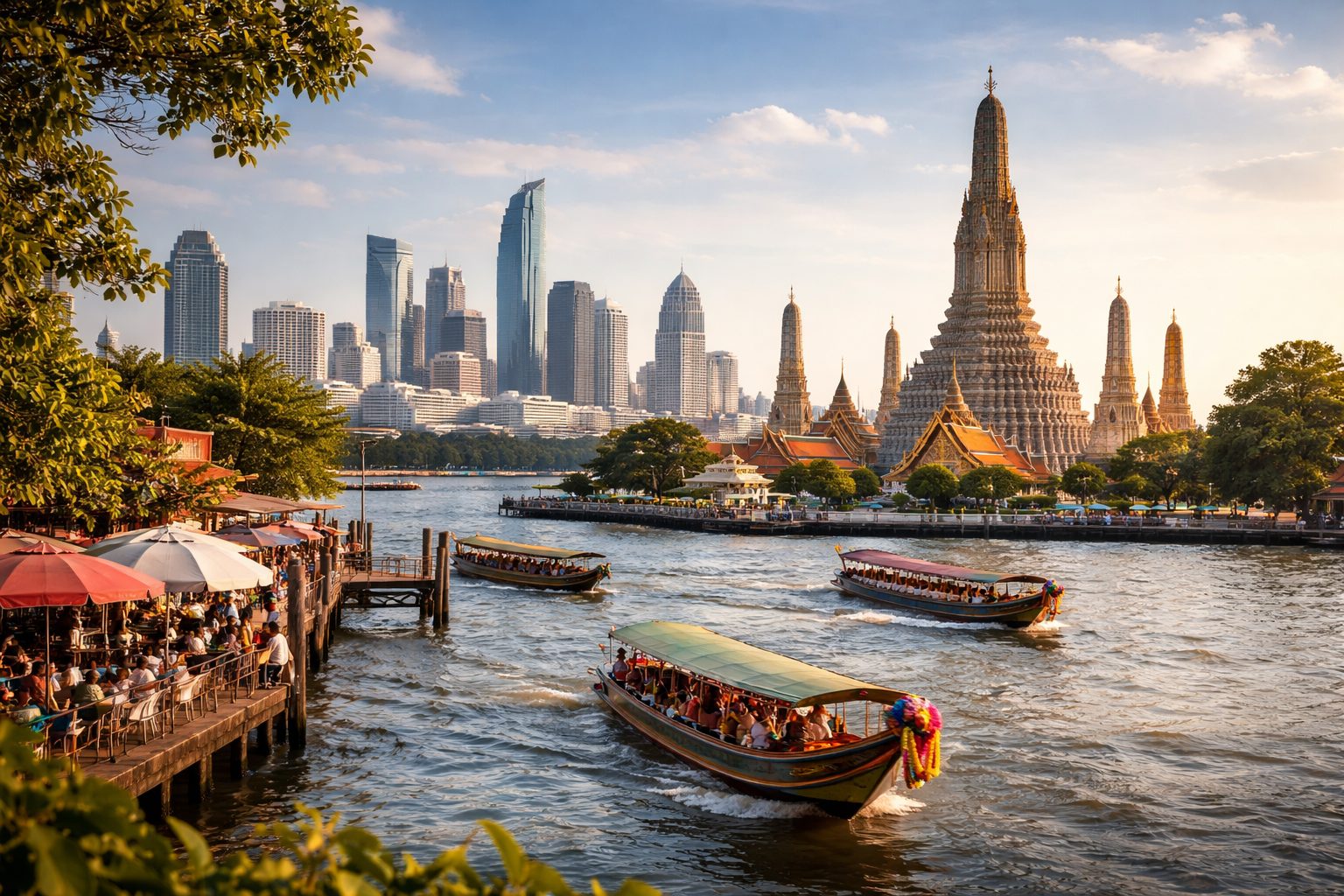
Thailand sits at the heart of mainland Southeast Asia, bordered by Myanmar, Laos, Cambodia, and Malaysia. It’s a country of contrasts: gleaming skyscrapers next to ancient temples, luxury resorts a short tuk-tuk ride from floating markets. Understanding that layering of old and new is part of understanding Thailand itself.
Overview of Thailand’s Culture and History
Thai culture is shaped by centuries of Buddhist tradition, royal influence, and a fierce sense of national identity. Unlike many of its neighbors, Thailand was never colonized by a European power, which has given the Thai people a deep pride in their own heritage and customs. The monarchy is deeply revered, and public expressions of disrespect toward the royal family are not just frowned upon — they’re illegal.
Buddhism is woven into daily life in a way that’s hard to overstate. You’ll see monks collecting alms at dawn, spirit houses outside every building, and golden temples at seemingly every turn. Respect for elders, hierarchy, and collective harmony are core social values. Thai culture rewards patience, politeness, and a sense of humor.
The country has a complex history — from the ancient Sukhothai and Ayutthaya kingdoms to the modernizing Chakri dynasty, which still reigns today. Knowing even a little of this history makes a visit to places like Ayutthaya or Chiang Mai far more meaningful.
Geography and Climate of Thailand
Thailand spans about 513,000 square kilometers, stretching from the mountainous north down to the narrow Kra Peninsula in the south. The geography shifts dramatically depending on where you are. Northern Thailand is hilly and forested; the central plains are flat and fertile; the south is defined by coastlines, islands, and turquoise water.
The country has three broad seasons. The cool season runs from November to February and is widely considered the best time to visit — temperatures are manageable and rainfall is low. The hot season (March to May) can be brutal, with temperatures regularly hitting 38–40°C. Monsoon season (June to October) brings heavy rain, particularly in the south and along the Gulf of Thailand. The timing of your trip matters enormously, depending on where you plan to go.
Thai Cuisine
Thai food is, for many travelers, the highlight of the entire trip. It’s bold, layered, and endlessly varied. The balance of sweet, sour, salty, spicy, and umami in a single dish is something Thai cooks have mastered over generations.
Popular Dishes to Try
Some dishes are non-negotiable. Here’s what to prioritize:
- Pad Thai — stir-fried rice noodles with egg, tamarind, fish sauce, peanuts, and your choice of protein. Simple and satisfying.
- Tom Yum Goong — a hot and sour prawn soup with lemongrass, galangal, kaffir lime, and chilies. It’s fiery and aromatic.
- Green Curry (Gaeng Keow Wan) — coconut milk-based curry with fresh green chilies, Thai basil, and vegetables. Milder than its color suggests.
- Som Tam — a shredded green papaya salad with fish sauce, lime, chilies, and dried shrimp. Street food at its finest.
- Mango Sticky Rice — glutinous rice served with fresh mango and sweetened coconut cream. A must in season.
- Massaman Curry — a rich, slow-cooked curry with Persian and Indian influences. Deeply savory, mildly spiced.
Don’t just stick to tourist menus. Ask locals where they eat. That’s usually where the food is best.
Street Food Culture in Thailand
Street food is not a budget option — it’s a cultural institution. Some of Thailand’s best meals come from a cart on a side street, prepared in minutes by a vendor who’s been doing the same thing for decades. Bangkok’s Yaowarat (Chinatown) and Chatuchak market areas are legendary for street food, but you’ll find excellent stalls in every city and town.
A few practical notes: eat where the locals eat, look for stalls with high turnover (fresh food is safe food), and don’t be afraid to point and order. Many vendors have no English menus, but smiling and gesturing works fine. Prices are low — a solid meal from a street stall typically runs 40–80 Thai Baht.
Traditional Thai Ingredients
Understanding what goes into Thai food helps you navigate menus and dietary restrictions. Key ingredients include:
- Fish sauce (nam pla) — the backbone of Thai savory cooking. It’s salty and pungent.
- Galangal — similar to ginger but earthier and more medicinal in flavor.
- Kaffir lime leaves — used for fragrance in curries and soups.
- Lemongrass — adds citrus aroma to soups and curries.
- Shrimp paste (kapi) — fermented and intensely flavored, used as a base in many dishes.
- Thai basil — distinct from Italian basil, with an anise-like flavor.
If you have dietary restrictions — especially vegetarian or vegan — communicate clearly and directly. Fish sauce and shrimp paste are often invisible ingredients, and “no meat” doesn’t always translate the way you’d expect.
Thai Festivals and Celebrations
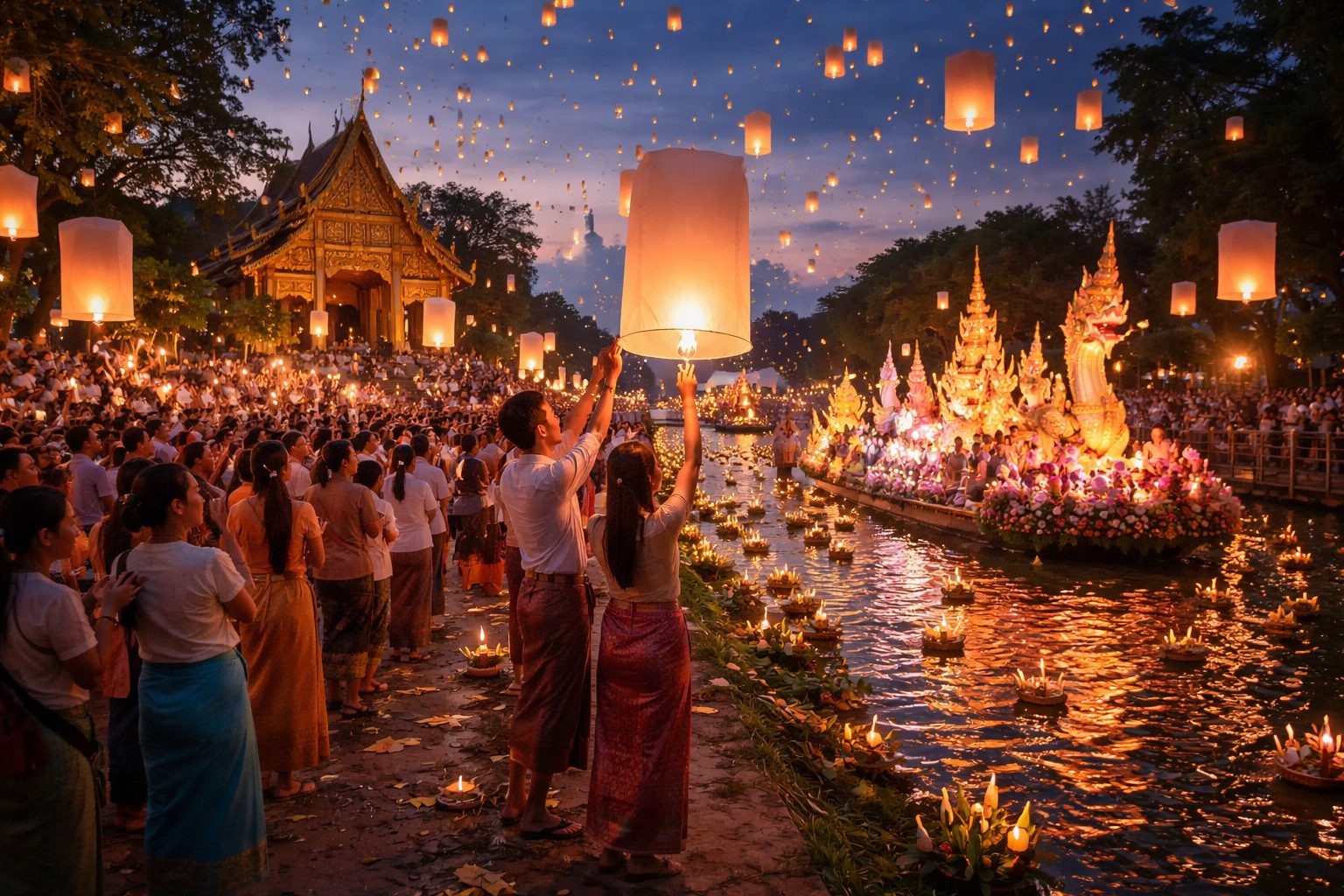
Thailand’s festival calendar is rich and rewards planning around. Some of the most memorable travel experiences I’ve had anywhere in the world happened during Thai festivals.
Major Festivals in Thailand
- Songkran (Thai New Year) — held in April, this is Thailand’s most famous festival. It’s a water festival where people splash water on each other in streets and temples nationwide. It can get extremely wild in tourist zones. More traditional celebrations happen in Chiang Mai and smaller towns.
- Loy Krathong — held in November, this festival involves releasing decorated floats (krathong) onto rivers and waterways to honor the water spirits. In Chiang Mai, it coincides with the Yi Peng lantern festival, where thousands of paper lanterns are released into the night sky. It’s spectacular.
- Vegetarian Festival (Phuket) — a nine-day festival in October where Chinese-Thai communities observe strict vegetarian diets and take part in elaborate rituals. Not for the faint-hearted.
- Makha Bucha — a Buddhist holy day marking a key moment in the Buddha’s life. Temples hold candlelit processions. Quiet and deeply meaningful.
- King’s Birthday / National Day — public celebrations with lights, decorations, and ceremony, especially in Bangkok.
Cultural Significance of Thai Festivals
Thai festivals aren’t just entertainment — they’re expressions of religious devotion, community identity, and historical memory. Songkran, for example, has roots in Buddhist rituals of cleansing and renewal. Loy Krathong is tied to gratitude for water, which sustains life and agriculture.
Participating respectfully is the key. Watch and follow local behavior. Dress modestly at religious events. Ask before photographing rituals. In return, you’ll often be welcomed warmly and shown aspects of Thai life that most tourists never see.
Travel Tips for Thailand
Good preparation separates a frustrating trip from a genuinely transformative one. These are the things to know about thailand before you pack.
Best Time to Visit Thailand
For most travelers visiting Bangkok and Central Thailand, November through February is the sweet spot. For the northern mountains around Chiang Mai and Pai, the same window applies — cool mornings, clear skies, low humidity.
The islands tell a different story. The Gulf of Thailand coast (Koh Samui, Koh Phangan) has its best weather from December to April. The Andaman coast (Phuket, Krabi, Koh Lanta) peaks from November to April, with the shoulder months of May and October often offering good conditions at lower prices.
Here’s a quick comparison:
| Region | Best Months | Avoid |
|---|---|---|
| Bangkok / Central | Nov – Feb | Apr – May (heat), Jun – Oct (rain) |
| Chiang Mai / North | Nov – Feb | Apr (smoke/haze), Jun – Sep (heavy rain) |
| Gulf Islands (Samui, Phangan) | Dec – Apr | Nov (worst storms) |
| Andaman Coast (Phuket, Krabi) | Nov – Apr | May – Oct (monsoon) |
Essential Packing List for Thailand
Keep it light. Thailand is hot, humid, and has excellent shopping if you need anything you forgot. That said, a few items are genuinely essential:
- Lightweight, breathable clothing (linen, moisture-wicking fabrics)
- A lightweight long-sleeve layer or scarf (for temples, air-conditioned spaces, overnight buses)
- Slip-on shoes or sandals — easy to remove at temple entrances
- High-SPF sunscreen — the sun is intense year-round
- Insect repellent with DEET (particularly important outside of cities)
- A dry bag or waterproof phone case for islands and boat rides
- A small first aid kit with basic medications
- Power adapter (Thailand uses Type A, B, and C plugs; voltage is 220V)
Leave room in your bag for things you’ll buy. Markets are full of clothing, bags, and souvenirs at good prices.
Transportation Options in Thailand
Getting around Thailand is generally easy and affordable. Here’s an overview:
- Domestic flights — budget airlines like AirAsia, Nok Air, and Thai Lion Air make it affordable to fly between cities. Book in advance for the best prices.
- Overnight trains — the State Railway of Thailand runs scenic, affordable services between Bangkok and Chiang Mai, and down to the south. Sleeper cabins are comfortable and a real experience.
- Long-distance buses — reliable and cheap, with VIP coaches offering good comfort on longer routes.
- Ferries and speedboats — essential for island access. Routes and operators vary in quality; check current safety ratings.
- Within cities — BTS Skytrain and MRT Metro in Bangkok are excellent. Elsewhere, songthaews (shared pickup trucks), tuk-tuks, motorbike taxis, and Grab (the regional Uber equivalent) are your best options.
Tourist Attractions in Thailand
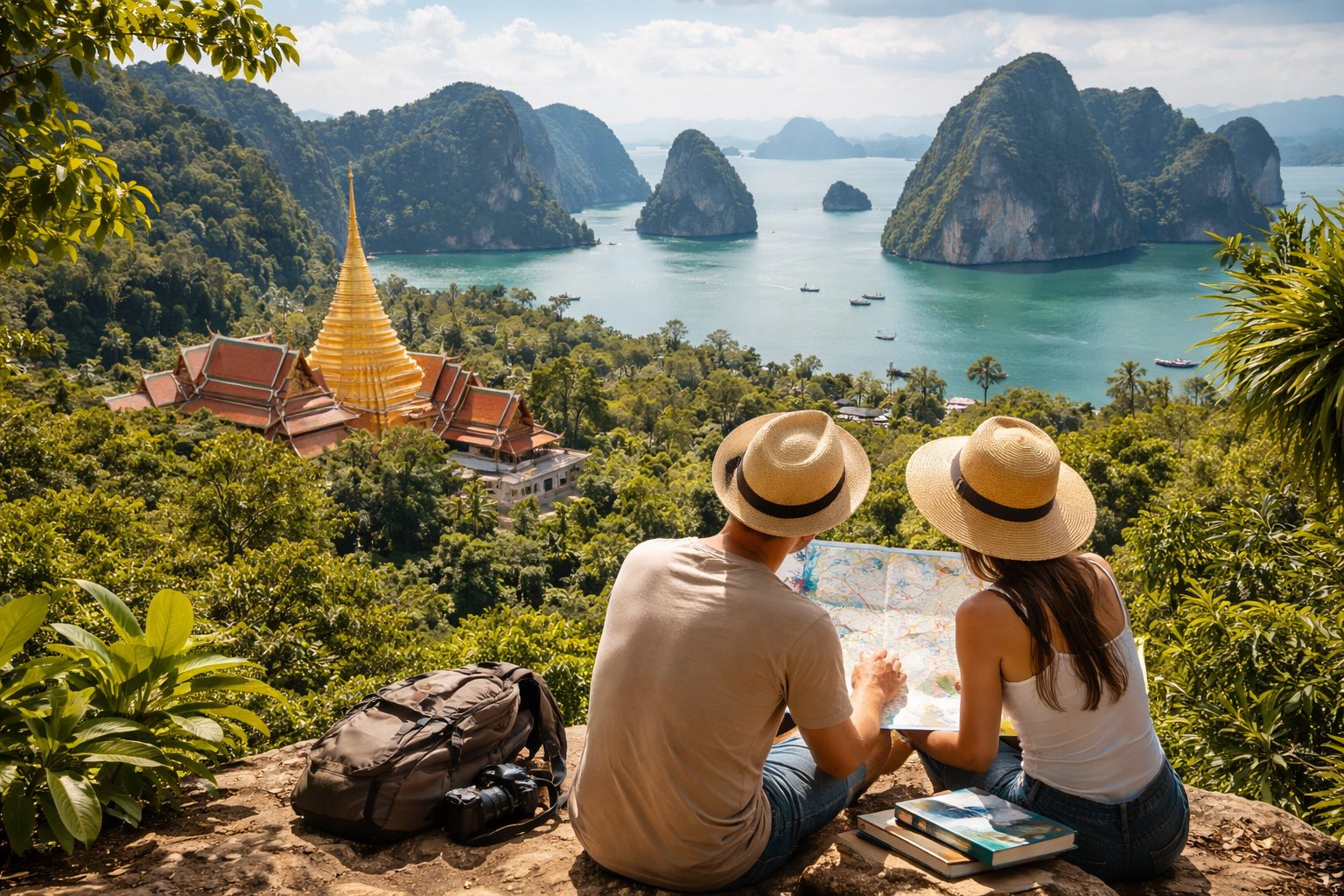
There’s no shortage of things to see. The challenge is deciding what to prioritize.
Must-Visit Cities and Regions
Bangkok is a city that overwhelms and amazes in equal measure. The old town of Rattanakosin is packed with temples, including Wat Phra Kaew (the Temple of the Emerald Buddha) and Wat Pho. Neighborhoods like Ari, Thonglor, and Silom offer excellent food, nightlife, and local culture.
Chiang Mai is Thailand’s northern capital — cooler, slower, and surrounded by mountains. It’s a base for trekking, visiting hill tribe villages, elephant sanctuaries, and exploring the Doi Inthanon National Park. The old city is ringed by a moat and contains dozens of historic temples.
Chiang Rai is quieter than Chiang Mai and home to the extraordinary White Temple (Wat Rong Khun) and the Blue Temple (Wat Rong Suea Ten).
Pai is a small mountain town north of Chiang Mai, popular for its laid-back vibe, hot springs, and waterfalls.
Ayutthaya — a two-hour drive from Bangkok — is one of Southeast Asia’s great ancient cities. The ruins of the former capital are deeply impressive and worth a dedicated day trip.
The southern islands — Koh Samui, Koh Phangan, Koh Tao, Phuket, Koh Lanta, and Koh Phi Phi — offer everything from party beaches to quiet snorkeling retreats. Know what you want before you choose.
Natural Wonders and National Parks
Thailand has more than 100 national parks covering forests, mountains, marine areas, and caves. Some highlights:
- Doi Inthanon National Park — home to Thailand’s highest peak, waterfalls, and rare bird species.
- Khao Yai National Park — a UNESCO World Heritage site with elephants, gibbons, and hornbills. Just a few hours from Bangkok.
- Erawan National Park — famous for its seven-tiered emerald waterfall in Kanchanaburi province.
- Mu Ko Ang Thong Marine National Park — an archipelago of 42 islands near Koh Samui, accessible by boat tour. Stunning snorkeling and kayaking.
- Similan Islands — some of the best diving in Asia, off the Andaman coast.
Historical Sites and Temples
Thailand has thousands of temples (wats), but a handful stand out:
- Wat Phra Kaew (Bangkok) — the most sacred Buddhist temple in Thailand, housing the Emerald Buddha.
- Wat Pho (Bangkok) — home to a massive reclining Buddha and the birthplace of traditional Thai massage.
- Wat Arun (Bangkok) — the Temple of Dawn, with its distinctive Khmer-style tower rising from the Chao Phraya riverbank.
- Wat Chedi Luang (Chiang Mai) — a 15th-century temple with a partially collapsed prang still towering over the old city.
- Sukhothai Historical Park — the ruins of Thailand’s first capital, a UNESCO World Heritage site set in tranquil parkland.
Understanding Thai Customs and Etiquette
This is where things to know about thailand go beyond logistics and into real cultural depth. Getting this right will transform how locals treat you.
Social Norms and Behaviors
The concept of “saving face” is central to Thai social interaction. Avoid public confrontation, raised voices, or displays of anger — even if you feel completely justified. Smiling and staying calm are almost always the more effective approach.
The “wai” greeting — palms pressed together at chest level with a slight bow — is standard. As a visitor, you don’t need to initiate it, but returning one when offered is courteous and always appreciated.
The head is considered the most sacred part of the body. Never touch someone on the head, not even a child playfully. Feet are considered the lowest and least sacred — pointing your feet at a person, a Buddha image, or a monk is considered disrespectful. Sit with your feet tucked under you or to the side in temple settings.
Monks are particularly revered. Women should never touch a monk or hand anything directly to one — objects must be placed on a surface or passed through a male intermediary.
Dress Code Guidelines
Temples require covered shoulders and knees. Many major temples provide sarongs to borrow at the entrance, but it’s easier to carry a lightweight scarf. In beach areas, swimwear is fine on the beach, but cover up before walking into town.
In general, Thais appreciate modesty. Revealing clothing in markets, temples, or smaller towns can attract unwanted attention and marks you as someone who hasn’t done their research. Save the beachwear for the beach.
Health and Safety in Thailand
Thailand is generally a safe destination, but preparation matters.
Vaccinations and Health Precautions
Before traveling, consult a travel health clinic. Standard recommended vaccinations include:
- Hepatitis A and B
- Typhoid
- Tetanus
- Rabies (especially if you’ll be trekking or working with animals)
- Japanese Encephalitis (for extended rural stays or during rainy season)
Dengue fever is present in Thailand and transmitted by mosquitoes that are active during the day — not just at dusk. Use repellent consistently. Malaria risk exists in some border areas and jungle regions, but is low in cities and most tourist areas. Check current advice for your specific itinerary.
Tap water in Thailand is not safe to drink. Stick to bottled or filtered water throughout your trip. Ice from reputable sources (restaurants and hotels) is generally fine — it’s commercially produced. Street stall ice is more variable.
Tips for Staying Safe While Traveling
Most travelers experience no safety issues in Thailand. But common-sense precautions apply:
- Use Grab rather than hailing random taxis — it’s metered, safe, and you have a record of the journey.
- Don’t accept drinks from strangers in bars you’re unfamiliar with.
- Motorbike taxi and tuk-tuk drivers may quote inflated prices — negotiate or use Grab instead.
- Be wary of scams targeting tourists, particularly around Grand Palace in Bangkok (the “palace is closed today” scam is a classic).
- Keep photocopies of your passport and travel insurance separately from the originals.
- Travel insurance that covers medical evacuation is strongly recommended.
Accommodation in Thailand
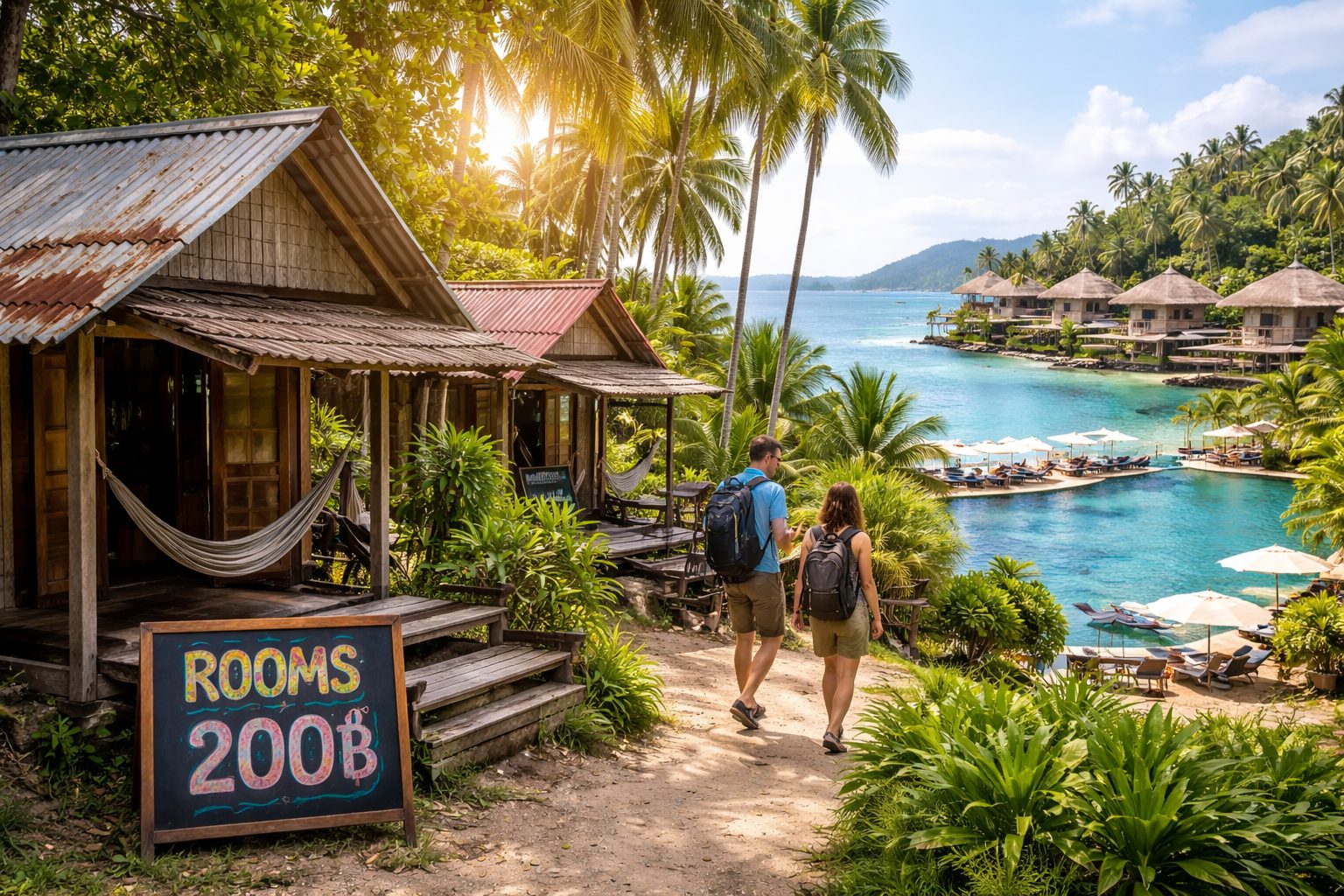
Thailand offers accommodation for every budget, from backpacker guesthouses at 200 Baht a night to six-star resorts at several hundred dollars.
Types of Accommodations Available
- Guesthouses and hostels — abundant throughout tourist areas, usually well-maintained with decent facilities.
- Boutique hotels — particularly strong in Chiang Mai and Bangkok, offering character and local design at mid-range prices.
- Resort hotels — the islands and beach towns have outstanding resorts, often at prices far below equivalent properties in Europe or North America.
- Airbnb and apartment rentals — useful for longer stays in Bangkok, where having a kitchen can be a real advantage.
- Eco-lodges and jungle camps — available around national parks, particularly in the north.
Recommended Areas to Stay
In Bangkok: Sukhumvit (central, convenient to BTS Skytrain), Silom (business district, good transport links), Banglamphu/Khao San Road (backpacker hub, close to Grand Palace), or Ari/Thonglor for a more local feel.
In Chiang Mai: Inside the old city moat for easy temple access, or Nimman Road for cafes, galleries, and a younger crowd.
On the islands: On Koh Phangan, Haad Rin is for Full Moon Party proximity; Thong Sala and the west coast are quieter. On Koh Lanta, Long Beach and Klong Nin are consistently recommended.
Shopping in Thailand
Thailand is a shopper’s destination whether you’re looking for handmade silk, designer knockoffs, or fresh tropical fruit.
Popular Markets and Shopping Districts
- Chatuchak Weekend Market (Bangkok) — one of the world’s largest markets, with over 15,000 stalls selling everything from vintage clothing to live animals to handmade jewelry. Go early, bring cash, and wear comfortable shoes.
- Asiatique the Riverfront (Bangkok) — an evening market in a beautifully restored riverside warehouse district.
- Night Bazaar (Chiang Mai) — centrally located, with handicrafts, clothing, and good food.
- Saturday and Sunday Walking Streets (Chiang Mai) — the best market experiences in the city, with local artisans selling handmade goods directly.
- Phuket Weekend Market (Naka Market) — good for local snacks and affordable clothing.
Unique Souvenirs to Buy
- Thai silk and silk scarves
- Handmade celadon ceramics (especially from Chiang Mai)
- Hill tribe textiles and embroidery
- Traditional lacquerware
- Thai spices, dried herbs, and chili pastes in vacuum-sealed packaging
- Handcarved wooden items
- Silver jewelry from the north
Bargaining is expected at markets. At malls and fixed-price shops, prices are set. Start by offering 50–60% of the asking price and work from there. Always be friendly — aggressive bargaining creates bad energy and rarely leads to better deals.
Language and Communication
Basic Thai Phrases for Travelers
Thai is a tonal language with five tones, which means the same syllable means entirely different things depending on how it’s pronounced. Most travelers don’t achieve fluency, but a few phrases go a long way in showing respect.
- Hello / Goodbye — Sawasdee (krap for men, ka for women)
- Thank you — Khob khun (krap/ka)
- Yes — Chai
- No — Mai
- How much? — Tao rai?
- Too expensive — Phaeng pai
- Delicious — Aroy
- I don’t understand — Mai khao jai
- Excuse me / Sorry — Kho thot
Adding “krap” (male) or “ka” (female) to the end of phrases is a basic politeness marker. Using it consistently signals respect and is always appreciated.
Language Barriers and Solutions
English is widely spoken in tourist areas, major hotels, and Bangkok’s business districts. Outside of those zones, it becomes more limited — though often a phone translation app or simply pointing and smiling bridges the gap effectively.
Google Translate with the camera function is genuinely useful for menus and signs in Thai script. Download the Thai language pack for offline use before you travel. Having your hotel name and address written in Thai is also helpful for showing taxi drivers where you’re going.
Currency and Budgeting
Currency Used in Thailand
The Thai Baht (THB) is the official currency. As of the time of writing, exchange rates fluctuate, but it’s worth checking current rates before you travel. Cash is still king in many contexts — smaller restaurants, markets, and transport often don’t accept cards.
ATMs are widely available, including in smaller towns. Most charge a foreign transaction fee of around 220 Baht per withdrawal. To minimize fees, make larger, less frequent withdrawals. Notify your bank before traveling to avoid your card being flagged or blocked.
Currency exchange booths offer better rates than airport counters — SuperRich Orange is a reputable chain in Bangkok with consistently competitive rates.
Tips for Budgeting Your Trip
Thailand suits a wide range of budgets. A rough daily breakdown:
| Budget Level | Daily Spend (approx.) | What’s Included |
|---|---|---|
| Shoestring | 800–1,200 THB | Hostel dorm, street food, local transport |
| Mid-range | 2,000–4,000 THB | Decent hotel, restaurant meals, some activities |
| Comfort | 5,000–10,000 THB | Boutique hotel, dining out, day trips |
| Luxury | 10,000+ THB | Five-star resort, fine dining, private tours |
Activities add up. Cooking classes, temple tours, scuba certifications, elephant sanctuary visits, and boat trips can range from 500 to 5,000 Baht each. Build activity costs into your budget separately.
Transportation Within Thailand
Public Transportation Options
Bangkok has one of Southeast Asia’s better urban transit systems for a developing country. The BTS Skytrain covers central Bangkok efficiently and cleanly. The MRT Metro connects additional areas including Chinatown and the riverside. The BRT and airport rail link extend coverage further.
For regional travel, overnight trains on the State Railway of Thailand are romantic and practical. Second-class sleeper berths are comfortable enough for most travelers and significantly cheaper than flights when booked in advance.
Renting Vehicles in Thailand
Renting a scooter is popular among travelers, particularly on the islands and in Chiang Mai. It gives flexibility and independence that no other transport option matches. That said:
- Always wear a helmet.
- Check your travel insurance covers motorbike accidents (many policies don’t).
- Drive on the left.
- Carry your international driving license.
- Avoid night riding on unfamiliar roads.
Car rentals are available and practical for touring northern Thailand. Roads are generally good, and an international driving license is required. In cities, driving a car is rarely worth the hassle given traffic and parking.
Frequently Asked Questions about Thailand
What are the entry requirements for Thailand?
Most Western passport holders can enter Thailand without a visa for stays of up to 30 days (some nationalities receive 60 days under current agreements — check your government’s travel portal for the latest). Thailand also has a longer-term tourist visa (TR) and a special tourist visa for extended stays. Requirements do change, so verify current rules before traveling.
Is Thailand safe for solo travelers?
Yes, Thailand is one of the more solo-traveler-friendly destinations in Southeast Asia. Solo female travelers do travel here regularly and report generally positive experiences, though standard urban precautions apply — particularly in nightlife areas. Staying aware of your surroundings and trusting your instincts goes a long way.
How to navigate cultural differences in Thailand?
The most effective approach is observation and humility. Watch what locals do in any given situation and follow their lead. Accept that some things operate differently than you’re used to, and resist the impulse to impose your own cultural expectations. A genuine smile, a patient attitude, and a willingness to learn will take you further in Thailand than any guidebook.
Thailand rewards travelers who arrive with curiosity and leave their assumptions at home. The things to know about thailand that matter most aren’t in a checklist — they’re attitudes. Show respect, stay flexible, eat everything, and you’ll find that this country has a way of becoming one of the most memorable places you’ve ever been.