
Traveling through Southeast Asia taught me one thing early on: Thailand is one of the most rewarding destinations you can visit without spending a fortune. Whether you’re a backpacker stretching every dollar or a mid-range traveler who just wants smart value, thailand on a budget is absolutely doable. The country offers a combination of world-class food, jaw-dropping temples, tropical beaches, and vibrant cities — all at prices that feel almost unreal compared to Europe or North America. I’ve spent months traveling across Thailand on tight budgets, and this guide pulls together everything I wish I’d known from the start.
Introduction to Thailand on a Budget
Why Visit Thailand?
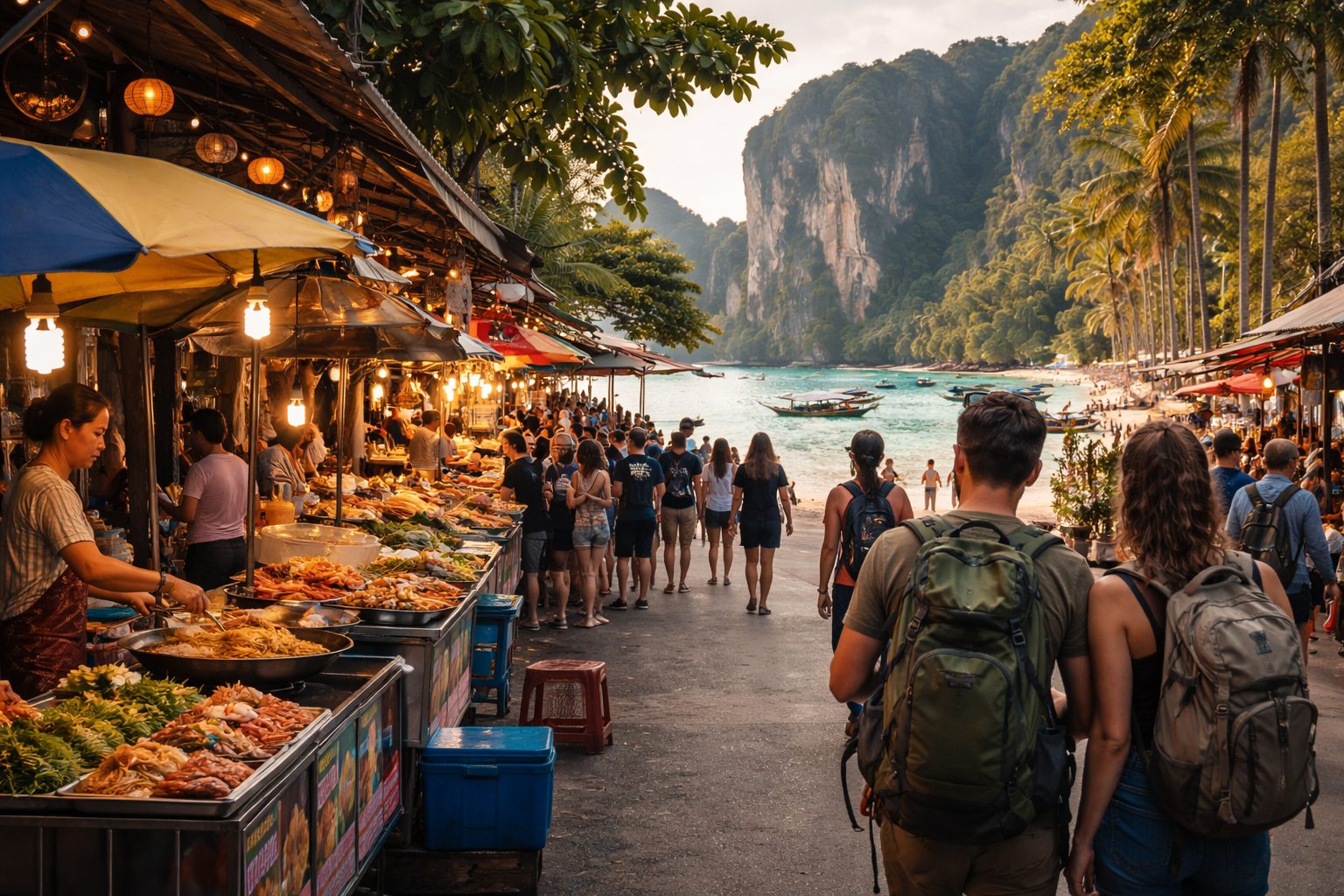
Thailand draws millions of visitors every year, and the reasons are obvious the moment you land. The food is extraordinary. The people are warm. The landscapes range from northern mountain forests to southern island paradise. And unlike many popular destinations, it still manages to feel accessible financially if you know where to look and what to avoid.
The infrastructure for travelers is mature and reliable. You’ll find excellent guesthouses, a well-connected bus and train network, cheap domestic flights, and a street food culture that lets you eat incredibly well for under two dollars a meal. That combination is rare, and it’s what keeps people coming back.
Overview of Budget Travel in Thailand
Traveling thailand on a budget typically means spending somewhere between $25 and $50 USD per day if you’re being thoughtful. That range covers a hostel or basic guesthouse, three meals of real local food, transport between places, and a couple of activities. Drop below that and you’re roughing it a bit. Push toward the higher end and you’re getting private rooms, the occasional tour, and a bit more comfort.
The key is understanding which costs are fixed and which are flexible. Accommodation and transport have wide price ranges. Food is naturally cheap if you eat where locals eat. Entry fees to some temples and national parks are unavoidable, but generally reasonable. Budget travel here is less about suffering and more about making smarter choices.
Best Budget Destinations in Thailand
Bangkok: The Capital on a Budget
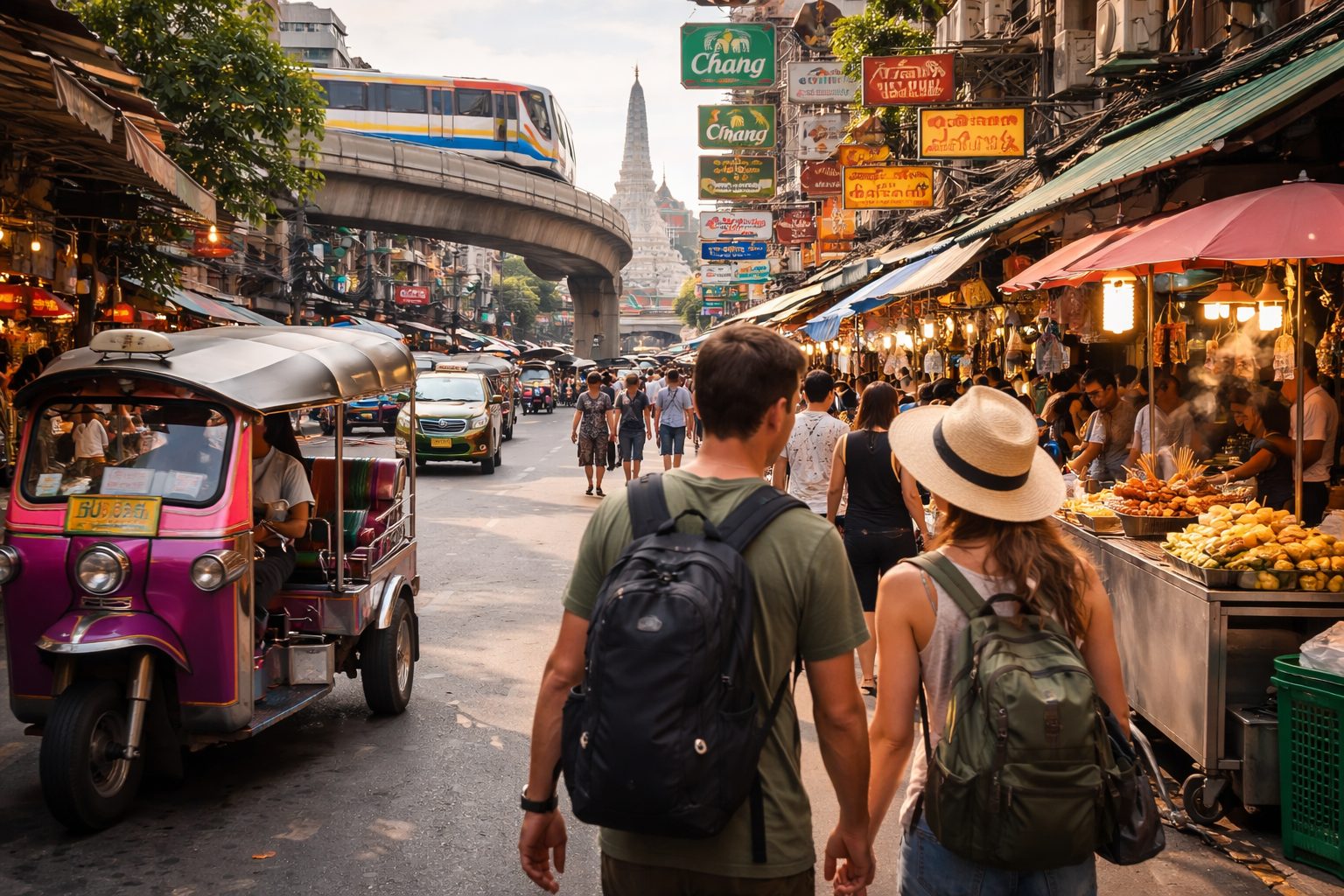
Bangkok is massive, loud, chaotic, and completely brilliant. It’s also surprisingly affordable once you know how to navigate it. The BTS Skytrain and MRT metro make getting around easy and cheap. A single journey rarely costs more than 50 baht (about $1.40 USD), and day passes save money if you’re moving a lot.
Accommodation in Bangkok ranges from $6 dorm beds in Khao San Road area hostels to $15–20 private rooms in well-reviewed guesthouses. The street food along Yaowarat (Chinatown) and the local markets near Victory Monument are some of the best and cheapest eating in the country. Major temples like Wat Pho and Wat Arun have entry fees, but they’re modest, and many temples are free to enter.
Chiang Mai: Culture and Nature on a Budget
Chiang Mai is consistently one of the most affordable cities in Thailand and one of my personal favorites. The Old City is compact, walkable, and packed with temples, markets, and coffee shops. Accommodation here tends to run cheaper than Bangkok, with solid guesthouses in the $10–15 range for a private room.
The Sunday Night Market and Warorot Market are great spots for cheap local food and a look at how the city actually functions. Day trips to Doi Inthanon National Park or elephant sanctuaries are popular, and while the sanctuaries have a price tag (ethical ones especially), they’re worth budgeting for. The overall daily cost in Chiang Mai tends to come in at the lower end of the budget range.
Phuket: Affordable Beaches and Nightlife
Phuket has a reputation for being expensive, and in certain pockets it absolutely is. Patong Beach’s main strip, upscale resorts, and tourist-facing restaurants will drain your budget fast. But stay slightly outside those zones and you’ll find a very different picture.
Rawai and Kata are quieter, cheaper, and still beautiful. Local fresh seafood at the markets is genuinely affordable. Scooter rental — around 200–300 baht per day — gives you freedom to explore without paying for overpriced taxis or tuk-tuks. Phuket isn’t the cheapest island in Thailand, but it’s manageable with a bit of planning.
Krabi: Budget-Friendly Islands
Krabi town itself is budget-friendly, and it serves as the gateway to some of the most spectacular scenery in the country. Railay Beach, Koh Lanta, and the Phi Phi Islands are all accessible from here, with varying price points. Koh Lanta is the most relaxed and affordable of the bunch, with bungalows available from around $15 a night.
The four islands tour run by longtail boats from Ao Nang is a classic budget activity — usually around 450–600 baht per person. Snorkeling gear is included. The landscape here is honestly hard to beat, and the low-key vibe of Krabi town makes it a great base if you want to explore without feeling like you’re in a tourist machine.
Budget Accommodation Options
Hostels and Guesthouses
Hostels are the backbone of budget travel in Thailand. Quality has improved dramatically in recent years, with many Bangkok and Chiang Mai hostels offering clean dorms, air conditioning, free breakfast, and strong social atmospheres. Dorm beds start around $6–10 in most cities and popular beach towns.
Guesthouses are a step up, offering private rooms at prices that would still seem incredibly cheap back home. Many are family-run, which means the service is personal and the local knowledge on offer is often better than anything you’ll find in a guidebook. Look for places slightly off the main tourist strip — even 100 meters can mean a 20–30% price difference.
Budget Hotels and Bungalows
Budget hotels in Thailand often offer more than you’d expect for the price. $15–25 a night can get you a private air-conditioned room with an en-suite bathroom, wifi, and sometimes breakfast. Beach bungalows are a defining feature of Thai island travel — simple wooden structures right on or near the beach, often with fan cooling and basic amenities, at prices that make perfect sense.
Always check recent reviews on Booking.com or Agoda before committing. Standards fluctuate, and the photos don’t always match reality. Direct booking occasionally gets you a small discount, and it never hurts to ask.
Alternative Lodging: Homestays and Airbnb
Homestays are popular in northern Thailand, particularly around Chiang Mai and Chiang Rai. Staying with a local family gives you an insight into daily life that hotels simply can’t replicate, and the cost is usually very reasonable — sometimes including meals.
Airbnb works in Thailand, though it’s less dominant than in Western countries. Prices in Bangkok can actually be competitive for longer stays, especially if you’re staying a week or more. For short stays, traditional guesthouses usually win on both price and convenience.
Affordable Transportation in Thailand
Public Transport: Buses and Trains
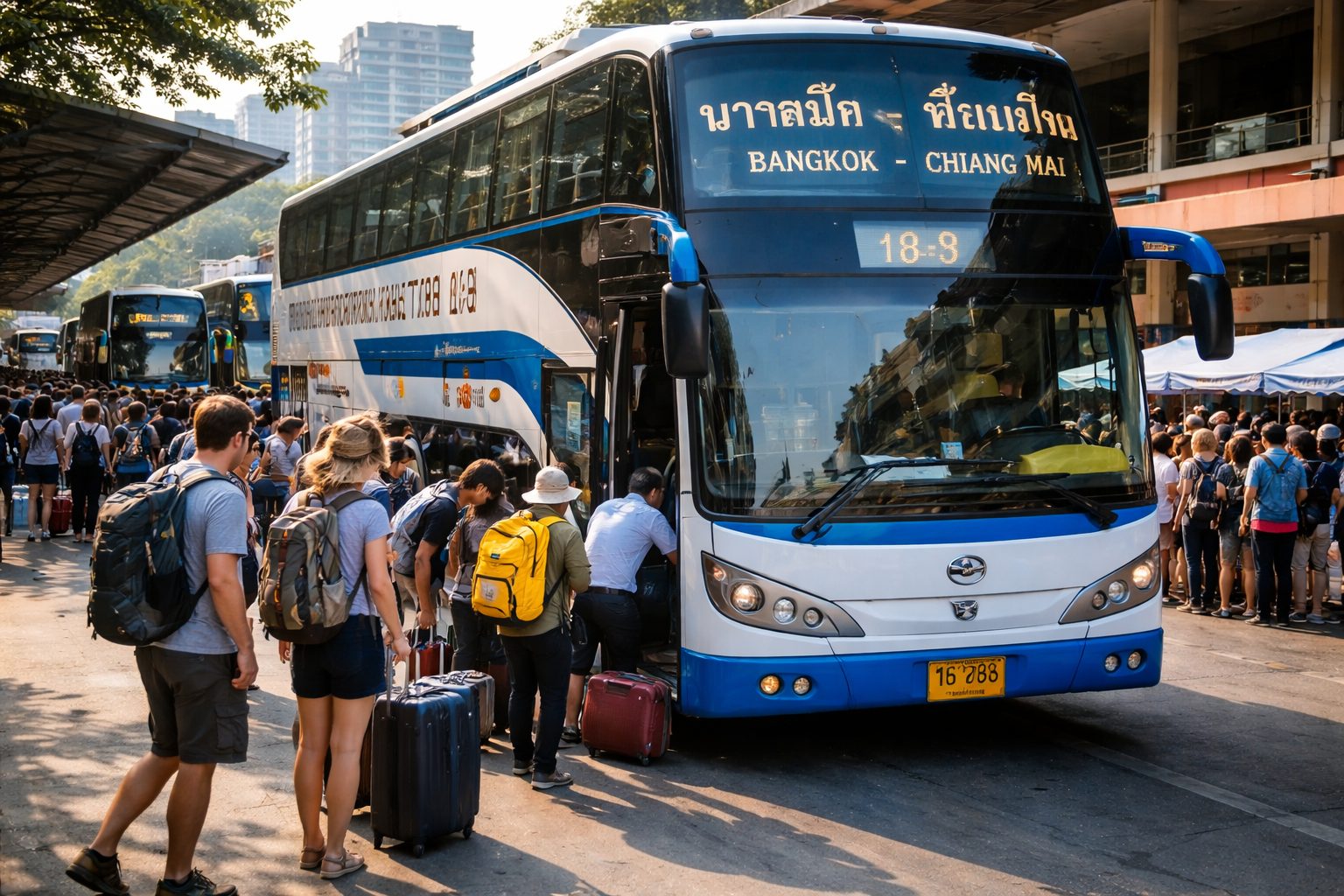
The long-distance bus network in Thailand is extensive and cheap. Overnight buses between Bangkok and Chiang Mai, or Bangkok and Krabi, cost around $10–18 and save you a night’s accommodation. The trade-off is comfort — these are long journeys, and the quality varies by operator.
Trains are slower but more comfortable, and the overnight sleeper train from Bangkok to Chiang Mai is a genuine experience. A second-class sleeper berth costs around $15–20 USD. The scenery rolling through the Thai countryside is beautiful, and arriving fresh after a night’s sleep rather than exhausted from an overnight bus makes a real difference.
Tuk-tuks and Motorbike Rentals
Tuk-tuks are the classic Thai transport icon, but they’re often the worst value in the city. Always agree on a price before you get in, and treat the quoted price as an opening negotiation rather than a fixed offer. In Bangkok especially, they’re more of a tourist novelty than a practical way to get around.
Motorbike rentals are genuinely useful outside major cities and on islands. Costs run around 150–300 baht per day for a basic scooter. If you’re comfortable riding, they open up access to beaches, viewpoints, and local spots that no tour bus will ever take you to. Just wear a helmet, even if you see locals going without.
Domestic Flights: Saving on Travel Costs
AirAsia, Nok Air, and Lion Air operate cheap domestic routes across Thailand. Bangkok to Krabi or Chiang Mai to Bangkok can be booked for $20–40 if you plan ahead and travel light. Budget airlines in Thailand charge for checked luggage, so traveling with only a carry-on is a meaningful money saver.
Book flights two to six weeks out for the best fares. Last-minute domestic flights can still be reasonable, but you lose flexibility. The time saving compared to an overnight bus often makes the math work out, especially for longer routes.
Eating on a Budget in Thailand
Street Food: The Cheap Eats
Thai street food is one of the great culinary pleasures of the world, and it happens to also be the cheapest way to eat. A bowl of pad thai from a street cart costs 40–60 baht. A plate of khao man gai (poached chicken rice) runs 50 baht. Som tam (papaya salad) with sticky rice is a complete meal for under $2.
The quality at good street stalls is exceptional. Look for stalls with high turnover — busy locals are the best indicator of quality and freshness. Don’t overthink hygiene; a stall that’s been running the same cart for fifteen years knows exactly what it’s doing.
Local Restaurants vs. Tourist Traps
Restaurants with English menus and photos on laminated cards are almost always marked up for tourists. That’s not a judgment — it’s just economics. The moment you step away from the main tourist street and into a shophouse restaurant with Thai script on the wall, the prices drop significantly and the food often improves.
Local restaurants serving rice dishes and noodle soups will charge 60–100 baht for a full meal. The same dish positioned for tourists on the main strip might be 150–250 baht. Over a week of eating, that difference adds up fast.
Budget Dining Tips
- Eat breakfast at local coffee shops or market stalls, not at your hotel
- Avoid ordering western food in Thailand — it’s usually overpriced and underwhelming
- Visit wet markets in the morning for fresh fruit, which is cheap and excellent
- Learn a few basic Thai food words — it helps with ordering at non-English menus
- Carry a small bottle of water and refill at machines (1 baht per liter at water vending stations)
Activities and Attractions on a Budget
Free and Low-Cost Attractions in Thailand
Thailand has a surprisingly large number of free attractions. Many Buddhist temples charge no entry fee, and wandering through temple grounds is one of the most rewarding things you can do in any Thai city. The weekend markets in Bangkok (Chatuchak being the largest in the world) are free to browse and endlessly interesting.
Public beaches are free across the country. Hiking trails through national parks require entry fees (typically 200–400 baht for foreigners), but the access to waterfalls, wildlife, and mountain scenery is worth every baht. Sunrise watching at Doi Suthep above Chiang Mai or at a viewpoint on Koh Lanta costs nothing but the effort of getting there early.
Discounts and Passes for Tourists
Some national parks offer passes that cover multiple entries, which can save money if you’re spending a week or more in a specific region. The Bangkok tourist card covers metro rides but is only worth it for heavy users. Student cards (ISIC) occasionally get discounts at museums and attractions.
Always ask at the entrance whether there’s a local or student rate. It doesn’t always work, but Thai temple staff are generally friendly, and sometimes you’ll get a discount just for engaging politely.
Nature and Adventure Activities on a Budget
- Kayaking in Ao Phang Nga: Group tours from Ao Nang run around $25–35
- Rock climbing in Railay: Half-day beginner courses are around 800–1000 baht
- Snorkeling day trips from Koh Lanta or Krabi: 400–600 baht with gear
- Elephant sanctuary visits (ethical): $50–80 USD — budget for this one, it’s worth it
- Waterfall hikes near Chiang Mai: 100–200 baht entry, incredible scenery
These activities represent genuine value compared to similar experiences in Europe or North America.
Money-Saving Tips for Thailand
Budgeting for Your Trip
Set a daily budget before you arrive and track it loosely. Apps like Trail Wallet or just a basic notes app work fine. Most budget travelers in Thailand operate in cash — ATMs are everywhere but charge fees ($5–6 per withdrawal), so withdraw larger amounts less frequently.
Consider opening a Wise or Revolut card before you travel. These offer much better exchange rates than airport currency exchange booths, which consistently offer some of the worst rates you’ll find. Don’t exchange money at airports if you can help it.
Best Times to Travel for Savings
The high season in Thailand runs November through March, when the weather is best across most of the country. Prices for accommodation and tours reflect that demand. The shoulder seasons (April–May and October) offer a good balance of lower prices and still-acceptable weather.
The low season coincides with monsoon, which moves across different regions at different times. Southern islands like Koh Samui and the east coast are drier during this period while the Andaman side gets heavy rain. Understanding these regional patterns lets you save 20–40% on accommodation by timing your trip intelligently.
How to Avoid Tourist Scams
Thailand has a handful of persistent scams that trip up new visitors repeatedly. The gem scam in Bangkok (a friendly stranger convinces you to visit a gem shop) is the most costly. The tuk-tuk tour to a “special temple” that happens to pass several gem shops is a variation. The closed attraction scam — someone tells you a temple is closed today and offers to take you somewhere else — is another classic.
The simple countermeasure for all of these: if someone approaches you unsolicited with a helpful offer, decline politely. Book tours through your guesthouse or a reputable agency. And always agree on prices before getting into any vehicle.
Comparing Thailand to Other Budget Destinations in Southeast Asia
Thailand vs. Vietnam: Which is Cheaper?
| Category | Thailand | Vietnam |
|---|---|---|
| Daily budget | $25–50 | $20–40 |
| Dorm bed | $6–10 | $5–8 |
| Street meal | $1.50–3 | $1–2.50 |
| Local bus | $0.30–1 | $0.20–0.80 |
| Beer (local) | $1–1.50 | $0.50–1 |
| Domestic flight | $20–50 | $20–60 |
Vietnam edges out Thailand on raw cost in most categories, particularly food and beer. But the difference is narrower than many people expect. Thailand often wins on infrastructure quality, English language accessibility, and overall traveler ease — which has its own value.
Thailand vs. Cambodia: Travel Costs Comparison
Cambodia is cheaper in some ways — accommodation in Siem Reap and Phnom Penh can be found for very little, and food at local markets is inexpensive. But the country is smaller, the transport links are less developed, and there are fewer destinations to spread your trip across. Angkor Wat entry alone ($37 for a one-day pass) is a significant fixed cost.
Thailand offers more variety for a slightly higher daily spend. The quality floor on accommodation and food is also higher in Thailand, meaning you’re less likely to have a bad experience at the budget end.
Thailand vs. Indonesia: Affordable Travel Options
Indonesia is vast, and the costs vary enormously by island. Bali can actually be more expensive than Thailand for tourists, particularly for accommodation near Ubud or Seminyak during high season. Java and Lombok are cheaper. The archipelago nature of Indonesia also means internal transport costs add up — flights between islands aren’t always cheap.
Thailand wins on sheer ease of budget travel. The transport network is more connected, the food is cheaper to access in most cities, and the concentration of great destinations along a navigable route makes it easier to keep costs down without sacrificing experience.
Practical Tips for Traveling Thailand on a Budget
Packing Essentials for Budget Travelers
- Lightweight, quick-dry clothing — Thailand is hot and humid year-round
- A small padlock for hostel lockers
- A reusable water bottle (essential for reducing plastic use and saving money)
- Reef-safe sunscreen — you’ll use a lot of it, and it’s expensive at tourist shops
- A basic first aid kit including blister pads and antihistamines
- A day pack for carrying essentials on excursions
- Power bank — long journeys and beach days drain phones fast
Avoid packing too heavily. Most Thai guesthouses offer laundry services at low cost, so you can pack light and wash as you go.
Staying Safe While Traveling on a Budget
Budget travel doesn’t mean unsafe travel, but it does mean being more deliberate. Store your passport and extra cash securely — a small zip pouch worn under clothing is better than a wallet in a back pocket. Use lockers in hostels and don’t leave valuables visible in dorm rooms.
Road safety deserves serious attention. Traffic accidents involving tourists on rented motorbikes are unfortunately common. Wear a helmet, go slowly on unfamiliar roads, and don’t ride at night if you’re not comfortable. Insurance is worth having — check that your policy covers Southeast Asia and adventurous activities if you’re doing them.
Cultural Etiquette and Budget Travel
Understanding Thai cultural norms doesn’t cost anything and makes a real difference to how you’re received. Remove shoes before entering homes and many temples. Dress modestly at religious sites — shoulders and knees covered. Don’t touch people on the head. And never lose your temper in public; Thais find this deeply uncomfortable and it generally makes situations worse, not better.
The wai (palms pressed together, slight bow) is the standard greeting. Using it earns genuine appreciation. These small gestures of cultural respect open doors that money can’t.
Frequently Asked Questions about Thailand on a Budget
Is Thailand Safe for Budget Travelers?
Thailand is generally very safe for travelers at all price points. The main risks are petty theft, traffic accidents, and tourist scams rather than violent crime. Staying alert in busy tourist areas, using common sense with your belongings, and being skeptical of unsolicited offers covers most situations.
How Much Money Do I Need for a Week in Thailand?
A realistic week in Thailand on a budget, covering accommodation, food, transport, and a few activities, typically costs $175–350 USD depending on where you go and how you travel. The north (Chiang Mai region) tends to come in at the lower end; island destinations in the south push costs higher.
What Are the Best Budget Travel Apps for Thailand?
Grab is essential — it’s the dominant ride-hailing app and far more reliable than negotiating with tuk-tuks. Agoda and Booking.com are both strong for accommodation. Google Maps works well for navigation in most cities and towns. Wise is the go-to for currency exchange and ATM use without brutal fees. And a basic translation app with offline Thai language support is genuinely useful when ordering food or navigating markets.
Traveling thailand on a budget rewards people who stay curious, eat locally, and resist the pull of the tourist bubble. The more you engage with the actual country — its food, its temples, its local transport, its market culture — the less money you’ll spend and the better your trip will be. That’s not a contradiction. It’s just the logic of how this place works.