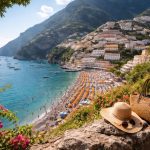
Traveling doesn’t have to drain your bank account. I’ve been exploring the world on a shoestring for years, and I can tell you that some of my most memorable trips cost a fraction of what my friends spend on a single weekend getaway. The secret isn’t deprivation, it’s knowing where to look, when to book, and how to spend wisely. If you’re serious about seeing more of the world without going broke, these best budget travel tips will change how you plan every trip from here on out.
The good news is that budget travel has never been more accessible. Apps, communities, and a global network of affordable options make it easier than ever to stretch your money further. Whether you’re a first-timer or a seasoned traveler looking to cut costs, there’s always room to do it smarter.
Introduction to Budget Travel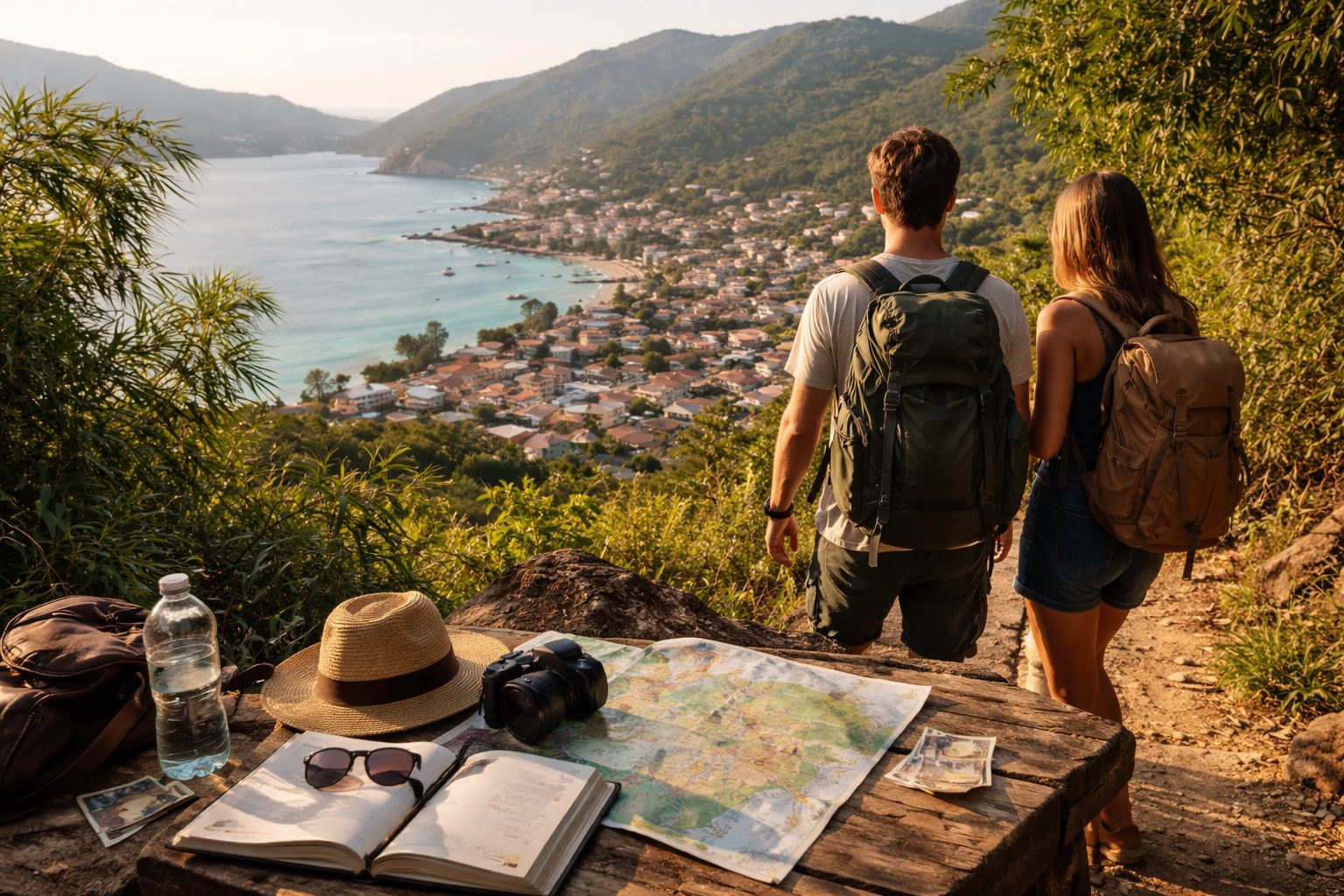
Why Choose Budget Travel?
The honest answer is freedom. When you’re not locked into an expensive resort package or a business-class ticket, you have options. You can stay longer, go further, and change your plans without the anxiety of losing hundreds of dollars. Budget travel forces you to engage with a place more deeply, you eat where locals eat, use the same transport they use, and end up with stories that no five-star hotel can manufacture for you.
There’s also something satisfying about proving that meaningful travel doesn’t require a large income. I’ve met retired teachers and university students who’ve seen more of the world than most executives, simply because they learned how to do it efficiently.
Benefits of Traveling on a Budget
Traveling lean comes with practical and personal advantages that most people overlook.
- You develop sharper planning and decision-making skills.
- You interact more with locals and less with tourist bubbles.
- You can travel more often, not just once a year.
- You build flexibility into your itinerary, cheap destinations tend to be less crowded.
- You return home without debt hanging over the experience.
Budget travel also pushes you out of comfort zones in ways that are genuinely enriching. Navigating a foreign bus system with basic language skills, or finding a great meal by following street food smells, those are the moments people remember.
Planning Your Trip
Setting a Realistic Budget
Before you book anything, you need a number. Not a vague “I’ll try to spend less” intention, but an actual daily spending target. I usually work backwards: figure out the total I can afford, subtract fixed costs like flights and visas, then divide the rest by the number of days.
A daily budget varies wildly depending on the region. Southeast Asia is famously cheap, $30 to $50 a day covers accommodation, food, and local transport comfortably. Western Europe is another story; $80 to $120 is more realistic if you’re being careful. Research average costs for your destination using travel blogs, forums, and budget calculators before committing to any number.
Break your budget into categories: accommodation, food, transport, activities, and a contingency fund of about 10 to 15 percent. That last category isn’t optional, unexpected costs always appear.
Choosing Affordable Destinations
Not all destinations are created equal for budget travelers. Some places simply offer better value, your money stretches further, quality is higher relative to price, and affordable options are everywhere.
Consistently affordable destinations include:
- Southeast Asia: Vietnam, Cambodia, Indonesia, Thailand
- Eastern Europe: Georgia, Albania, North Macedonia, Serbia
- Central America: Guatemala, Nicaragua, Honduras
- South Asia: India, Nepal, Sri Lanka
- Parts of North Africa: Morocco, Egypt
That said, an expensive country can still be budget-friendly if you know where to go within it. Portugal is far cheaper than France. Budapest is a fraction of the cost of Vienna. Within countries, smaller cities and rural areas almost always beat capital cities on price.
Best Time to Travel for Budget Savings
Timing is one of the most underrated tools in budget travel. The difference between peak season and shoulder season prices can be dramatic, sometimes 40 to 60 percent on accommodation alone, not counting flights.
Shoulder season is usually the sweet spot. You get decent weather, smaller crowds, and significantly lower prices. For Mediterranean Europe, that means May or October instead of July and August. For Southeast Asia, the shoulder season varies by country but often falls around April or November.
Avoid school holidays and public holidays in both your home country and the destination. Flights spike hard around Christmas, Easter, and national holidays. Book those specific dates early or reroute your travel to avoid them entirely.
Transportation Tips
Finding Cheap Flights
Flights are usually the biggest single expense in any trip, so getting this right matters. A few principles I follow every time:
- Be flexible with dates. Even shifting a departure by one or two days can save $100 or more.
- Use flight comparison tools and set price alerts, when a route drops, you’ll know.
- Consider flying into secondary airports. Flying into Beauvais instead of Paris CDG, or Stansted instead of Heathrow, is often dramatically cheaper.
- Book one-way tickets for complex routes instead of return fares, mixing airlines can undercut package pricing significantly.
- Look at budget carriers for regional routes. They charge for extras, but the base fare is often hard to beat.
The best time to book varies, but generally, international flights bought six to eight weeks out hit a sweet spot between availability and price. Booking too early or too late usually costs more.
Alternative Transportation Options
Flights aren’t always the answer, even on a budget. Depending on where you’re going, overland or sea travel can be both cheaper and more interesting.
Night trains in Europe are making a comeback and offer a practical way to travel between cities while saving on accommodation, you sleep on the train. Buses across Southeast Asia, Central America, and Eastern Europe are extremely affordable and connect places flights simply don’t reach. Ferry routes in Greece, Croatia, and the Philippines can be scenic and inexpensive.
Ridesharing platforms that connect drivers with passengers doing long-distance trips are popular across Europe and offer a cheaper and more personal alternative to trains. In many countries, minibuses or shared taxis are the local standard and cost a fraction of private transport.
Using Public Transport to Save Money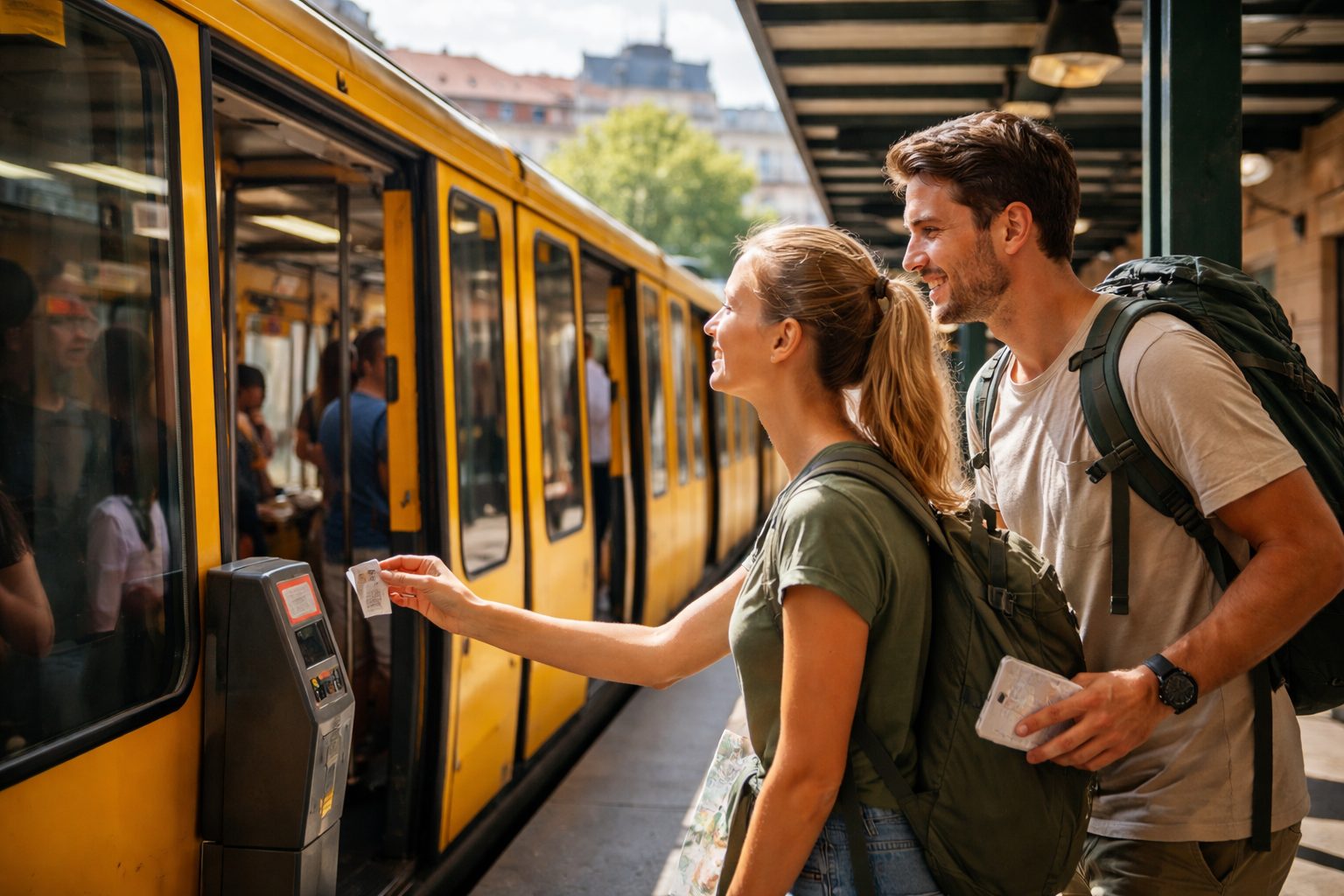
Once you’re at your destination, local public transport is almost always your best financial friend. A metro ticket in Budapest costs less than a dollar. A cross-city bus in Hanoi is even less. The math adds up fast when you compare it to taxis or ride apps.
Before you arrive, look up the local transport options:
- Does the city have a metro or tram system?
- Are there multi-day or weekly transport passes available?
- Is cycling infrastructure good enough to rent a bike?
Apps like Google Maps and Citymapper work in most cities and will route you through local transport options. Walking is free and often the best way to explore a neighborhood, budget for comfortable shoes before you budget for anything else.
Accommodation Strategies
Budget-Friendly Accommodation Options
Accommodation is usually the second-biggest expense after transport, and there’s a wide range of options well below what a standard hotel charges.
| Accommodation Type | Average Cost | Best For |
|---|---|---|
| Hostel dorm | $8-$20/night | Solo travelers, social atmosphere |
| Private hostel room | $20-$45/night | Couples or those wanting privacy |
| Guesthouse | $15-$40/night | Local experience, family-run |
| Apartment rental | $30-$70/night | Groups, longer stays |
| Home exchange | Free | Established travelers with flexibility |
| Couchsurfing | Free | Social travelers, short stays |
| Budget hotel | $30-$60/night | Comfort-focused budget travelers |
The cheapest options require more flexibility and sometimes more planning, but the savings over a two-week trip can easily run to several hundred dollars.
Tips for Finding the Best Deals on Hotels
Even if you prefer a private room, you don’t have to pay full price. Hotels are negotiable more often than people realize, especially for longer stays or during low season.
- Book directly with the hotel when possible, they sometimes offer better rates than booking platforms, and you can negotiate directly.
- Use comparison sites to find the lowest listed price, then call the property and ask if they can match or beat it with a direct booking.
- Look for last-minute deals if your schedule is flexible, hotels would rather fill a room at a discount than leave it empty.
- Check if the hotel has a loyalty program or if your credit card offers hotel benefits.
- Read recent reviews to filter out places that look cheap but deliver a poor experience. Value for money matters more than raw price.
Utilizing Hostels and Home Exchanges
Hostels have genuinely improved over the past decade. Many now offer private rooms alongside dorms, with decent common areas, kitchens, and organized social events. A good hostel in a well-chosen city can be a trip highlight in itself, you meet other travelers, get local recommendations, and spend almost nothing on accommodation.
Home exchanges are underused by most travelers. Platforms connect homeowners who swap residences for a set period, you stay in their home while they stay in yours, for free. It requires planning and an established profile, but for a two-week swap in a European city, the accommodation savings alone can justify months of setup effort.
Food and Dining on a Budget
Eating Cheap While Traveling
Food is where budget travelers either save a lot or waste a lot. The trap is eating in tourist-facing restaurants near major attractions. That meal that costs $20 in the main square costs $6 two streets back.
A few habits that consistently cut food spending:
- Eat the main meal at lunch, not dinner, many restaurants offer lunch specials or set menus at much lower prices.
- Follow locals, not guidebooks. If a restaurant has a menu only in the local language and plastic chairs, that’s usually a good sign.
- Street food is safe in most countries and often the best food available. Do a quick read on which types of street food are considered reliable in each destination.
- Shop at local markets for breakfast and snacks, bread, fruit, cheese, and local produce cost a fraction of café prices.
Best Budget-Friendly Restaurants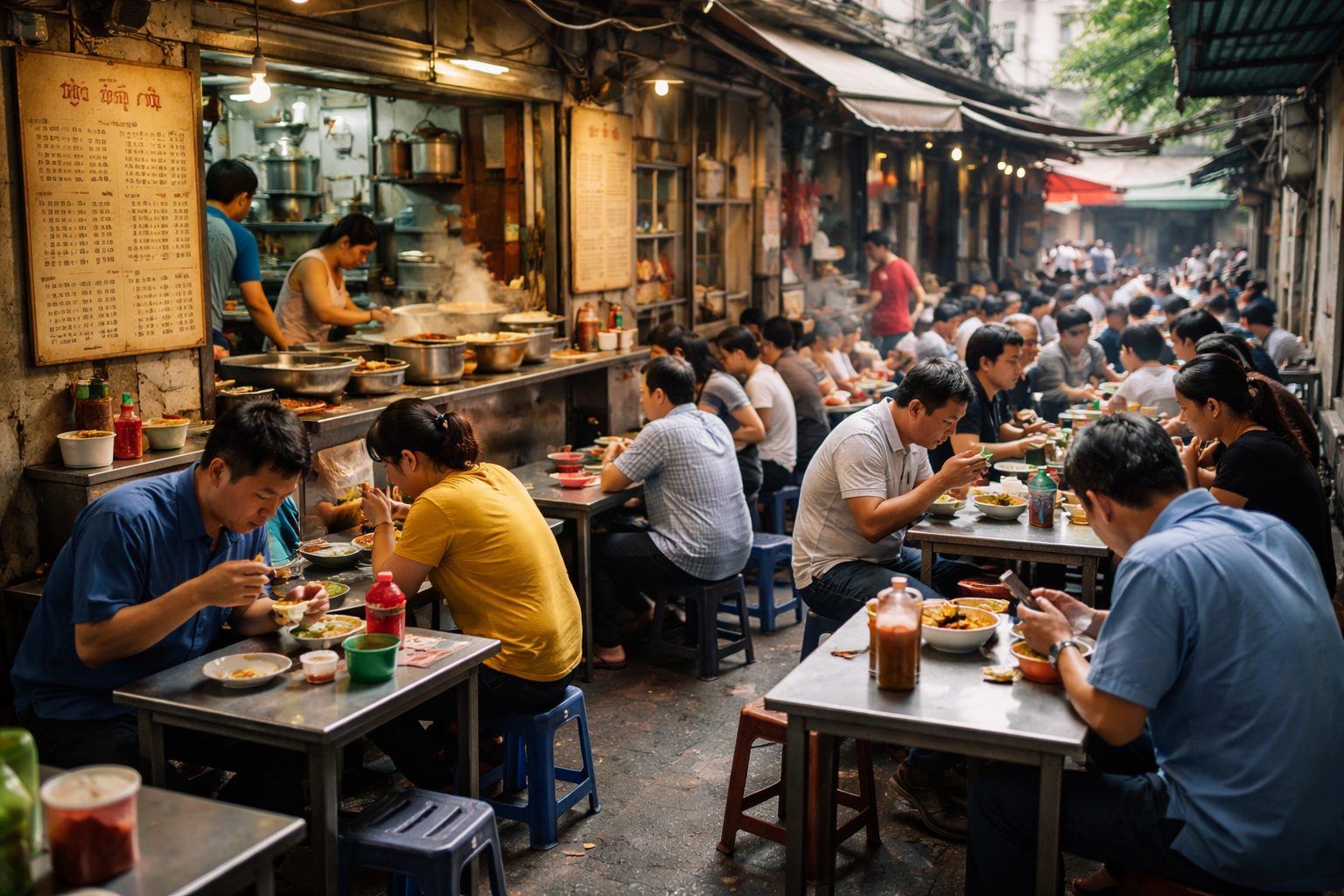
The best cheap restaurants are rarely the ones recommended in mainstream travel guides. They’re the ones workers eat at during their lunch break, the ones with handwritten menus, the ones tucked into side streets with no ambiance but excellent food.
Ask your hostel staff or guesthouse owner where they eat, that answer is almost always better than any app review. In many Asian countries, canteen-style restaurants where you point at pre-cooked dishes are excellent and incredibly affordable. In Latin America, set-menu lunches called almuerzo or comida corrida typically include multiple courses for under $5.
Don’t dismiss supermarkets either. A supermarket dinner of local cheeses, fresh bread, olives, and wine bought from a grocery store in France costs less than a fast food meal back home and tastes significantly better.
Cooking Your Own Meals While Traveling
Having access to a kitchen changes the budget math dramatically, especially on longer trips. Hostels with kitchens, apartment rentals, and guesthouses with shared cooking facilities all make this possible.
Cooking one or two meals a day yourself, breakfast and maybe dinner, while eating out for lunch keeps costs low without sacrificing the experience of eating local food. Shopping at a local market is also a great way to engage with a destination on its own terms. You learn what’s in season, what’s affordable, and what locals actually eat.
Activities and Entertainment
Free and Low-Cost Activities
Some of the best travel experiences cost nothing. Parks, beaches, hiking trails, historic neighborhoods, street markets, religious sites, and public festivals are often completely free or cost very little to access.
- Walk a new city for a full day with no agenda, you’ll find things no tour could show you.
- Many museums have free days or discounted entry on certain days of the week.
- Public beaches and national parks are usually free or low-cost.
- Local libraries sometimes host free cultural events, film screenings, or exhibitions.
- Religious sites, churches, temples, mosques, are often extraordinary and usually free.
Outdoor activities like hiking, swimming, and cycling rarely require paid admission. Some of the most dramatic landscapes in the world are accessible by foot with no cost beyond the transport to get there.
How to Find Discounts on Tours and Attractions
When paid activities are worth it, don’t pay full price. Discount options exist for most popular attractions if you look.
- Check if your destination city has a tourist card that bundles multiple attractions at a reduced rate.
- Book tickets online in advance, many attractions offer early-bird or online-only discounts.
- Look for student, youth, or senior discounts, even if you wouldn’t normally bother to ask.
- Free walking tours operate in most major cities. They’re tip-based, and a tip of $10 to $15 still leaves you far ahead of paying for a guided tour.
- Check group-buying sites and local discount apps before booking activities.
Some of the best tours I’ve done were organized through hostels at a fraction of the commercial rate, ask at reception before booking anything externally.
Utilizing Local Events and Festivals
Local festivals and community events are one of the best-kept secrets of budget travel. They’re free or low-cost, deeply authentic, and often happen to align with the best periods to visit a destination.
Research the local event calendar before you book. A week in Seville during the Feria is extraordinary. Arriving in Japan during Obon or a local matsuri festival gives you access to cultural experiences that money can’t buy. Street parades, harvest festivals, local sporting events, and neighborhood celebrations all happen without any marketing aimed at tourists.
Money-Saving Travel Hacks
Using Travel Reward Programs
If you’re not using a travel rewards credit card, you’re leaving real money on the table. Points and miles earned on everyday spending can translate into free or heavily discounted flights and hotel stays. The key is to be disciplined, use the card for spending you’d do anyway, pay it off monthly, and accumulate without going into debt.
Airline frequent flyer programs and hotel loyalty programs also compound over time. Even a few nights a year at a chain hotel builds toward free stays. If you travel even occasionally, signing up costs nothing and the upside is real.
Some programs offer significant sign-up bonuses worth several hundred dollars in travel credit. Research the current offers and pick one that aligns with airlines or hotels you already use.
How to Avoid Hidden Fees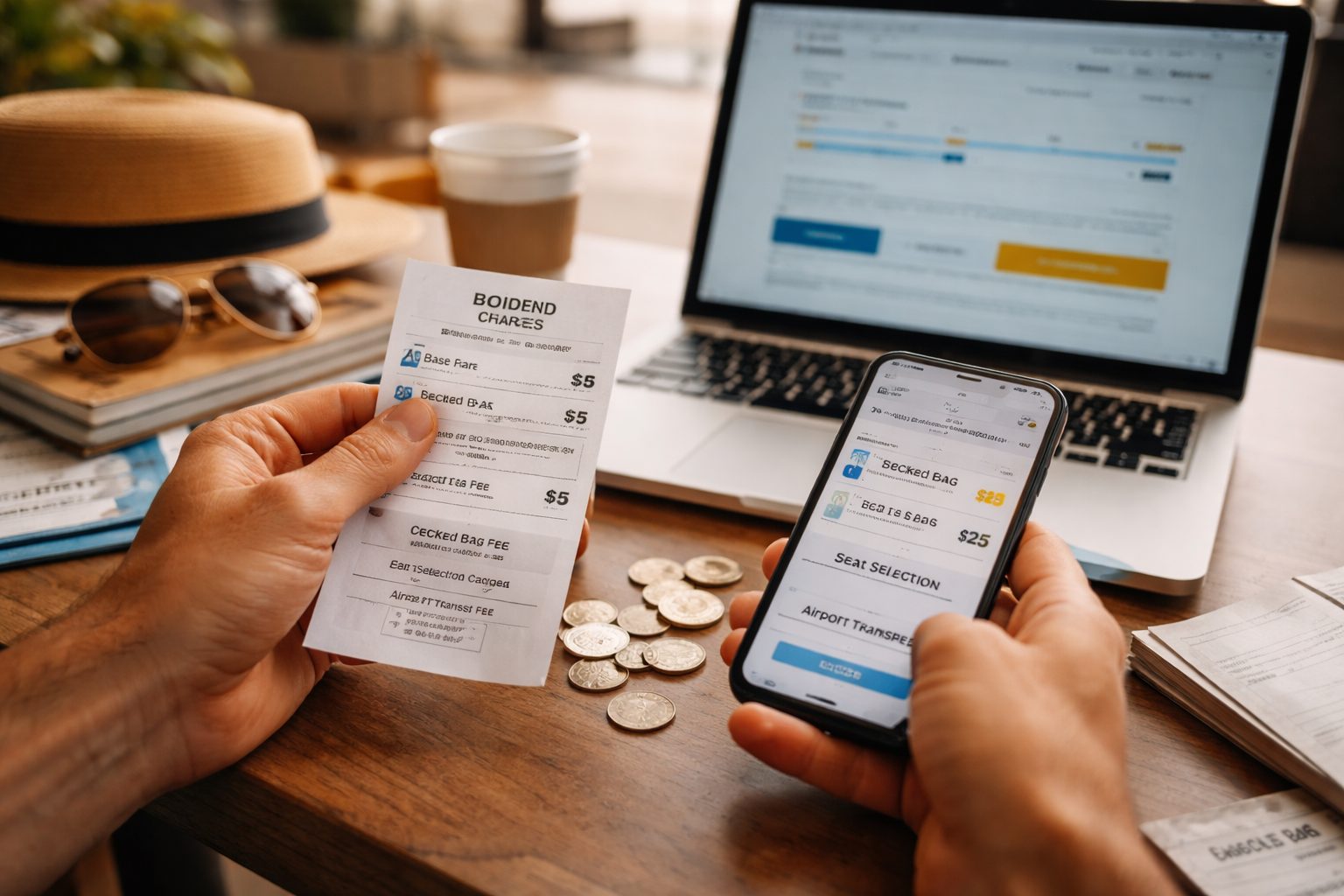
Hidden fees are where budget travel plans fall apart quietly. The cheap flight becomes less cheap once you add a checked bag, seat selection, and airport transfer. The affordable apartment has a cleaning fee and service charge that adds 40 percent to the listed price.
- Read the full breakdown before confirming any booking.
- Pack light enough to use only carry-on luggage, checked bag fees on budget carriers are steep.
- Use a bank card with no foreign transaction fees. Standard bank charges of 2 to 3 percent per transaction add up over two weeks.
- Withdraw cash in larger amounts less frequently to minimize ATM fees.
- Avoid dynamic currency conversion at ATMs or point-of-sale terminals, always choose to pay in the local currency.
Smart Packing Tips to Save Money
Packing smart reduces travel costs more than most people expect. Checking bags costs money. Buying forgotten items abroad costs money. Overpacking means fatigue and inefficiency.
The basics of packing for budget travel:
- One carry-on and one personal item covers almost any trip length if you pack efficiently.
- Quick-dry clothing means you can wash and wear instead of packing duplicates.
- A reusable water bottle saves money in destinations where tap water is safe and cuts plastic waste everywhere else.
- A small first-aid kit and basic medications from home avoid expensive pharmacy runs abroad.
- A universal power adapter lasts years and costs far less than replacing electronics damaged by wrong-voltage outlets.
Traveling with Family on a Budget
Budget Tips for Family Travel
Family travel on a budget takes more coordination but is entirely achievable. The key is thinking in terms of cost per person rather than total cost, strategies that look expensive upfront can work out very economical per head.
Apartment rentals almost always beat hotels for families: more space, kitchen access, and room to spread out without paying for separate rooms. Look for destinations where children eat free or at reduced rates, where family discounts apply broadly, and where outdoor activities dominate the itinerary.
Traveling in low season matters even more with families, school holidays push prices up everywhere, so if you can manage term-time travel, the savings are significant. Packing snacks, drinks, and simple meals for long travel days prevents expensive airport and motorway stop purchases that hit family budgets hard.
Finding Kid-Friendly Activities Without Breaking the Bank
Children are often the best argument for seeking out free activities. They care less about entrance fees and more about space to run, interesting things to look at, and engagement. Beaches, parks, playgrounds, markets, and walking tours all hit those notes at minimal cost.
Many cities offer free children’s museums, science centers, or zoos on specific days. National parks are endlessly entertaining for kids and usually very affordable for families. Look for destinations that are naturally outdoor-focused, mountain towns, coastal areas, and lake regions offer enormous entertainment value for children without any admission cost.
Traveling Solo on a Budget
Budget Tips for Solo Travelers
Solo travel has one significant financial disadvantage: no one to split costs with. Hotels charge per room, taxis per ride, and tours per experience. The workaround is choosing formats designed for solo travelers.
Hostels eliminate the single supplement problem entirely. Shared transport, local buses, rideshares, group tours, distributes cost naturally. Cooking in hostel kitchens instead of dining out every meal cuts per-person food costs significantly.
Solo travelers also have a flexibility advantage: you can move fast when prices are better elsewhere, change plans without negotiation, and optimize your spending in ways that groups can’t. That flexibility is worth real money over the course of a trip.
Safety Tips for Solo Budget Travel
Traveling alone on a budget sometimes means less comfortable situations, late-night arrivals, budget neighborhoods, unfamiliar transport options. Smart preparation reduces risk without adding much cost.
- Research the safety reputation of neighborhoods before booking accommodation, not after.
- Share your itinerary with someone at home and check in regularly.
- Keep a digital and physical copy of important documents separately from originals.
- Trust your instincts, if something feels wrong, it usually is, and leaving a situation early is always worth the cost.
- Use well-reviewed accommodation even on a tight budget, the reviews tell you who stays there and what the atmosphere is like.
Budget travel and safety aren’t in conflict. Some of the safest places I’ve traveled were also among the cheapest.
Common Mistakes to Avoid
Budget Travel Pitfalls
Even experienced travelers make these mistakes. Knowing them in advance saves money and frustration.
- Booking everything too far in advance and losing flexibility when prices drop.
- Not accounting for transport to and from airports, this cost is consistently underestimated.
- Over-planning an itinerary that leaves no room for serendipity or slow days.
- Choosing the cheapest option every single time without checking quality, a $5 bed in a party hostel means no sleep and a wasted next day.
- Ignoring travel insurance to save money, one medical incident abroad can cost more than a year of premiums.
- Converting currency at airports or hotels where rates are worst.
How to Avoid Overspending
Overspending on a trip usually comes from a few predictable sources: eating out every meal, taking taxis by default, impulse souvenir buying, and paying for activities without comparison shopping.
Set a daily spending limit and track it. Not obsessively, just a quick check each evening of what you spent that day. This awareness alone prevents the slow drift that turns a manageable budget into an overspent one by the end of a trip.
Give yourself a small discretionary amount for genuine impulse spending, a great meal, a unique experience, a beautiful item that’s actually worth buying. Building this in consciously is better than pretending you won’t deviate and then feeling guilty when you do.
FAQs About Budget Travel
What are the Best Budget Travel Destinations?
Southeast Asia consistently tops the list, countries like Vietnam, Thailand, Cambodia, and Indonesia offer excellent value for money across accommodation, food, and transport. Eastern Europe, particularly Georgia, Albania, and the Western Balkans, offers similar value with a completely different cultural experience. Central America and parts of South America, especially Bolivia, Colombia, and Peru, are also consistently affordable for travelers on a tight budget.
How Can I Travel Cheaply Without Compromising Experience?
The key is redirecting spending toward experiences that matter and cutting costs on things that don’t. A dorm bed in a well-chosen hostel doesn’t compromise your experience, a mediocre tourist restaurant does. Prioritize food, meaningful activities, and transport comfort where it affects your wellbeing, and cut costs ruthlessly on things like accommodation amenities you won’t use.
What Should I Include in My Travel Budget?
Your travel budget should cover flights, accommodation, food, local transport, activities and entrance fees, travel insurance, visas and entry fees, emergency contingency (10 to 15 percent), and any gear or supplies you need to buy before departure. Many travelers forget insurance and visas until the last minute, building them into the initial budget prevents unpleasant surprises.
Applying these best budget travel tips consistently across your planning and on-the-ground decisions adds up to a dramatically different financial outcome without reducing the quality of your experience. Travel smart, stay curious, and spend where it actually counts.