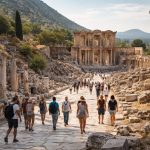
Turkey is one of those countries where the answer to “when should I go?” actually varies quite a bit depending on where you’re headed and what you want to do. The best time to visit turkey for beach holidays on the Aegean is different from the best time to visit turkey for hot air ballooning in Cappadocia, which is different again from the ideal timing for exploring Istanbul’s historic sites without fighting through summer crowds. That variation is worth understanding before you book anything.
I’ve traveled Turkey across different seasons, and the honest summary is this: spring and autumn are the sweet spots for most types of travel, summer is hot and crowded but undeniably lively, and winter offers real rewards for travelers willing to trade guaranteed sunshine for much lower prices and a more local experience.
Overview of Turkey’s Climate
Understanding Turkey’s Diverse Climate Zones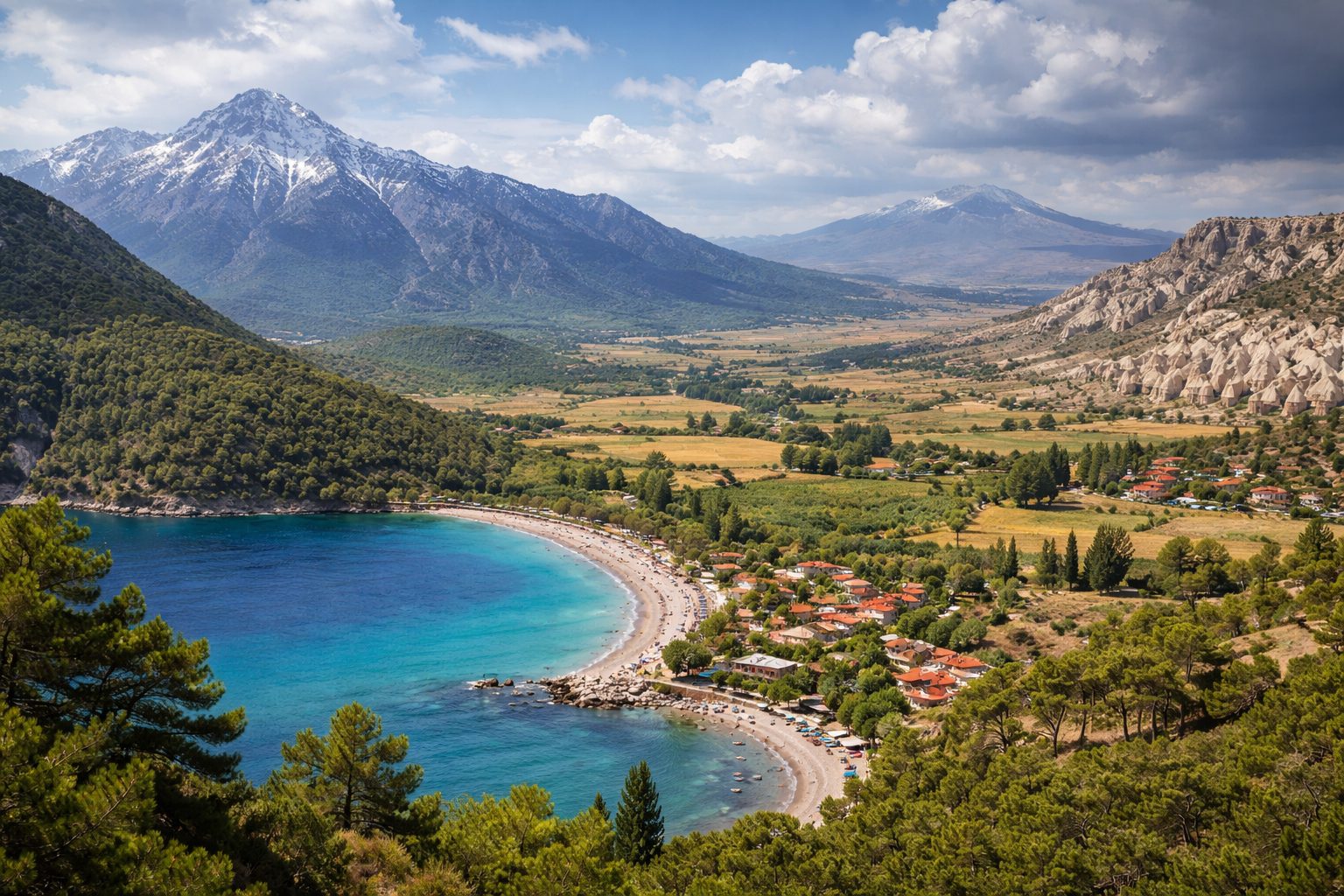
Turkey spans a large geographic area and sits at the meeting point of several different climate systems. What this means practically is that the country doesn’t have a single climate; it has several, sometimes dramatically different, coexisting at the same time.
The coastal zones are the easiest to understand: the Aegean and Mediterranean coasts have a classic Mediterranean climate with hot, dry summers and mild, wet winters. The Black Sea coast, by contrast, is humid and rainy year-round, with the wettest conditions in Turkey. Istanbul and the northwest have a transitional climate, damper and cooler than the Aegean.
The interior and Anatolia are continental: extreme temperature swings between summer and winter, hot and dry summers, cold winters with significant snowfall in central and eastern regions. Cappadocia, in central Anatolia, gets snow in winter and temperatures well above 30°C in summer. Eastern Turkey is even more extreme: the winters around Erzurum and Van are genuinely harsh, with heavy snow from November to March.
Seasonal Weather Patterns in Turkey
A rough guide to what you’ll experience in each season:
Spring (March-May): Mild, pleasant temperatures across most of the country. Rain is still possible but diminishing. Wildflowers bloom across the Aegean and Mediterranean hillsides. Crowds are building but not at peak levels. This is the most comfortable time to visit most of Turkey.
Summer (June-August): Hot everywhere, often extremely hot on the coast and in the interior. The Aegean and Mediterranean see their best beach weather, with very little rain and long sunny days. Istanbul becomes crowded and humid. Eastern Turkey can still be pleasant at this time of year.
Autumn (September-November): Often considered the best season by experienced travelers. Sea temperatures remain warm from summer (ideal for swimming into October). Crowds thin after mid-September. Temperatures moderate and become very pleasant across the whole country. Rain increases in October-November but doesn’t dominate.
Winter (December-February): Cold, often rainy on the coasts. Cappadocia and the interior get snow, which creates beautiful landscapes but limits some activities. Istanbul is grey and cool but has its own appeal at this time of year. Ski resorts in Uludag, Erciyes, and elsewhere are in full operation.
Peak Tourist Seasons
High Season: When to Expect Crowds
July and August represent peak tourism in Turkey, particularly along the Aegean and Mediterranean coasts. This is when:
- Beach resorts reach capacity and prices are at their highest
- Popular sites like Ephesus and Pamukkale are very crowded in the middle of the day
- Istanbul’s major attractions (Hagia Sophia, Blue Mosque, Grand Bazaar) see their longest queues
- Accommodation needs to be booked weeks or months in advance
- Road traffic and transport networks are under maximum pressure
If you’re visiting in peak season, the key strategies are: arrive at popular sites early (by 8 AM), visit the major Istanbul attractions on weekdays rather than weekends, book tours in advance to avoid last-minute scrambles, and be realistic about spending more time waiting in queues.
The upside of summer is the energy and the beach conditions. Everything is open, the social scene is lively, and if you’re going to the coast for swimming and water sports, this is when the sea is at its warmest and the weather is most reliable.
Shoulder Seasons: Balancing Weather and Visitors
April-May and September-October are the shoulder seasons, and they’re genuinely the best time to visit turkey for most purposes.
April and May offer:
* Mild temperatures (15-25°C across most of the country)
* Lower prices than summer at most hotels
* Manageable crowds at major sites
* Beautiful landscape conditions with spring wildflowers
* Comfortable hiking and outdoor activity conditions
September and October offer:
* Sea temperature still warm (24-26°C), good for swimming well into October
* Crowds thinning noticeably after mid-September
* Very pleasant daytime temperatures (20-28°C in most coastal areas)
* Golden light conditions for photography
* Harvest season in the wine regions
October is particularly excellent for the Turquoise Coast; the sea is warm, the light is beautiful, and the crowds of August are a distant memory. I’d put October as my personal recommendation for the best time to visit turkey if you want the full combination of beach, culture, and comfortable temperatures.
Low Season: Pros and Cons of Fewer Tourists
November through March is the low season for most of Turkey, with some exceptions (ski resorts, Istanbul city breaks).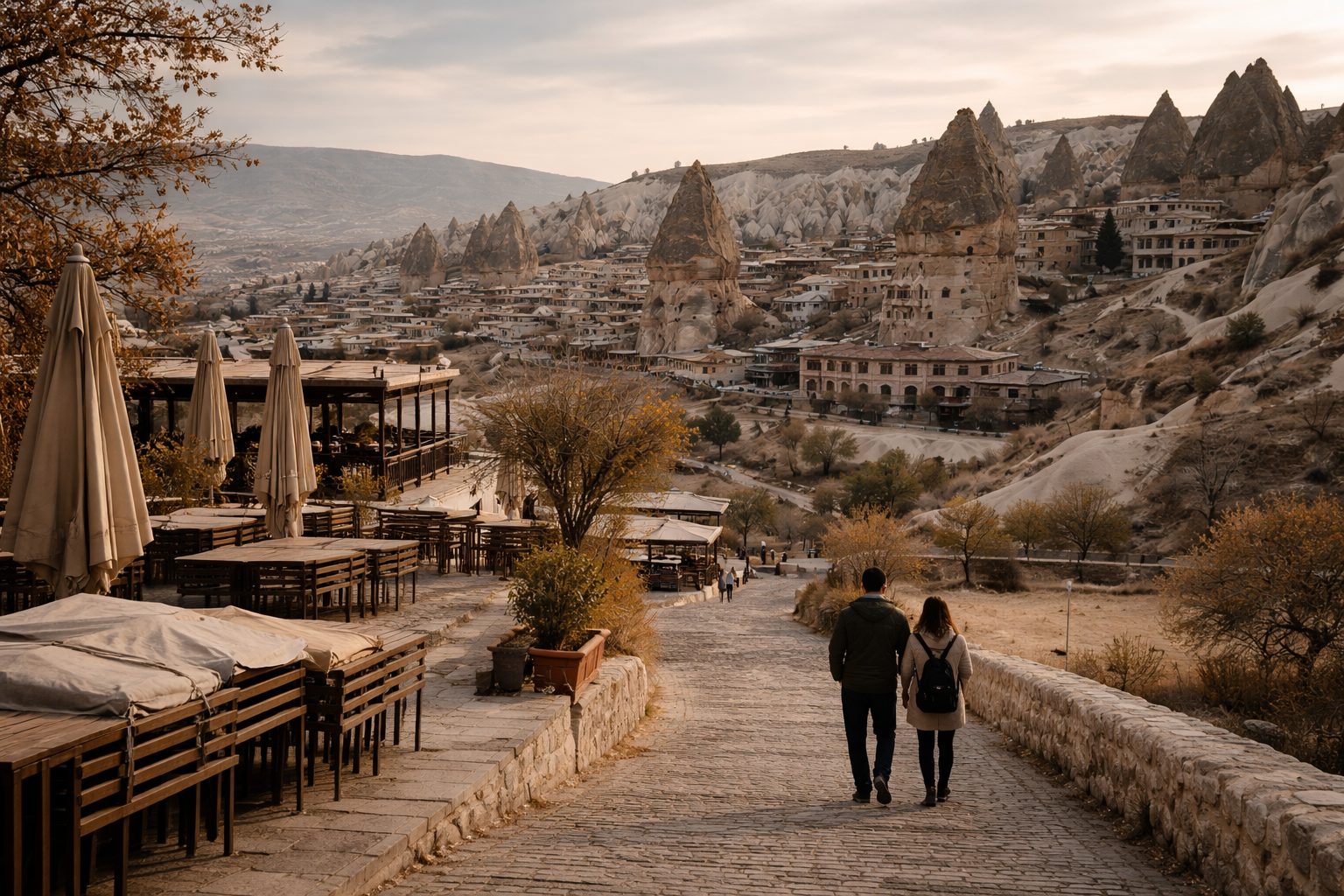
The pros:
* Significantly lower prices on accommodation, often 40-60% less than summer rates
* Major sites virtually to yourself in many cases
* More authentic, local atmosphere with fewer tourists
* Istanbul is particularly good in winter, with its museums, food scene, and misty Bosphorus atmosphere
* Cappadocia in snow is genuinely beautiful and far less crowded
The cons:
* Some coastal hotels and attractions close entirely from November through March
* Weather is cold and often grey on the coasts
* Some boat tours and outdoor activities don’t operate
* Fewer direct flight options from international hubs
If you’re going specifically for cultural tourism in Istanbul or the cultural triangle, winter is actually a very practical time to visit. The queues at Topkapi Palace and the Hagia Sophia are short or nonexistent, and the city has a genuine, lived-in quality that summer crowds can obscure.
Best Time for Specific Activities
Best Time for Historical Site Visits
For visiting ancient sites like Ephesus, Troy, Hierapolis, or the cultural triangle, the ideal months are April, May, October, and November. The key considerations are temperature and crowds.
Ephesus in July at midday is a genuine endurance test: marble ruins radiating heat, sun with no shade, and thousands of fellow visitors. The same site in early May or late October is a completely different experience: comfortable temperatures, manageable crowds, and light that’s actually flattering for photographs.
For inland sites on the Anatolian plateau (Catalhoyuk, Konya’s Seljuk architecture, the ancient city of Hattusha), the shoulder seasons are also ideal. These sites attract fewer visitors year-round, so crowds aren’t the primary concern, but the extreme summer heat of the interior makes comfortable exploration difficult.
Best Time for Beach Holidays
The best time to visit turkey for beach holidays on the Aegean and Mediterranean coasts:
- June through September: peak beach season, sea temperatures warm (24-28°C), sunny conditions virtually guaranteed
- October: still very good, sea remains warm (around 24°C), far less crowded, lower prices
- May: sea is beginning to warm (around 20-22°C), weather is often excellent, resorts are open and less busy
For the Black Sea coast, the beach season is shorter and less reliable, roughly July through September.
If you’re going specifically for beach tourism and don’t mind the crowds and prices, July-August on the Aegean (Bodrum, Cesme, Alaçati) or Mediterranean (Antalya, Kas, Fethiye) coasts is when the scene is at its liveliest. But September on the Turquoise Coast, when the prices drop and the sea is still warm from summer, is where I’d put money.
Best Time for Hiking and Outdoor Adventures
The Lycian Way, the St. Paul Trail, and other long-distance walking routes in Turkey are best hiked in spring (March-May) and autumn (September-November).
The reasoning is straightforward: summer heat in the Mediterranean regions is too intense for sustained walking, and winter brings rain and cold. Spring walking offers wildflowers and fresh green landscapes; autumn walking offers dry conditions, golden light, and cooler temperatures.
For Cappadocia hiking, spring and autumn are again ideal. The otherworldly landscape of fairy chimneys and rock valleys is at its best in April-May and September-October, before the summer crowds and in conditions comfortable for multi-hour walking.
Hot air ballooning in Cappadocia operates year-round, but the best visibility and calmest conditions are typically in spring and autumn. Winter flights do happen and the snow-covered landscape is extraordinary, but weather cancellations are more common.
Best Time for Festivals and Events
Several significant Turkish festivals and events are worth planning around:
- Tulip Festival (Istanbul, April): The city’s parks fill with millions of tulips, a tradition dating to Ottoman times. Emirgan Park has the largest display.
- Kirkpinar Oil Wrestling Tournament (Edirne, July): One of the world’s oldest sporting events, held annually in late June or early July since 1361.
- International Bodrum Ballet Festival (July): High-quality performances in the atmospheric setting of the Bodrum Castle.
- Camel Wrestling (Aegean region, December-March): A distinctive local tradition most common in the Aegean winter season, centered around towns like Selcuk and Kusadasi.
- Harvest festivals in wine regions (September-October): Cappadocia, Thrace, and the Aegean valleys hold various harvest celebrations.
- Republic Day (October 29): National holiday celebrated with parades and events across the country.
Regional Considerations
Best Time to Visit Istanbul
Istanbul is genuinely a year-round destination, but the best time depends on your priorities.
April-May: Excellent conditions. Mild temperatures, manageable crowds, the tulips are out in April, and the city has energy without being overwhelming. This is probably the most consistently recommended window.
September-October: Still very good. Warm enough to enjoy the outdoor tea gardens and Bosphorus ferries, crowds thinning after August peak, and the city in that beautiful autumn light.
December-February: Cold (5-10°C), often grey, but with real advantages. Low prices, virtually no queues at major sites, and Istanbul has an excellent winter identity: warming cups of salep (orchid root drink), cozy meyhane evenings, and the misty Bosphorus atmosphere. If you enjoy cities for their culture rather than their weather, winter Istanbul is worth considering.
July-August: Hot, humid, and very busy. The major sites have their longest queues, prices are high, and the energy is frenetic. Not my first choice unless you have a specific reason to visit in summer.
Best Time to Visit Cappadocia
Cappadocia is a year-round destination with distinct seasonal characters.
Spring (April-May): Best weather, wildflowers, comfortable temperatures for hiking, and good balloon visibility. Busy but not overwhelmingly so.
Autumn (September-October): Similar to spring in quality. September sees lingering summer heat, October is ideal.
Winter (December-February): Snow transforms the landscape into something magical. The fairy chimneys covered in white against the cold blue sky is one of Turkey’s most striking images. It’s cold (below freezing at night), but the crowds are minimal and prices are significantly lower.
Summer (June-August): Very popular, balloons operate reliably, temperatures are high but the plateau elevation keeps it slightly cooler than the coast. Book balloon flights well in advance.
Best Time to Visit the Aegean Coast
The Aegean coast (Bodrum, Cesme, Izmir area) follows the classic Mediterranean pattern. The best time to visit turkey along the Aegean for beach purposes is June through September, with September the smart choice for fewer crowds and lower prices. For cultural tourism (Ephesus, Troy), April-May and October are ideal.
Best Time to Visit the Mediterranean Coast
The Turkish Mediterranean, including the Turquoise Coast (Fethiye, Kas, Antalya), operates on a similar calendar to the Aegean. Summer (June-September) for beaches, spring and autumn for sailing and cultural exploration. The gulet sailing season (traditional wooden yachts) peaks in July-August but is pleasant from May through October.
Tips for Planning Your Visit
How to Avoid Crowds in Peak Season
If you have to visit in summer, crowd management is an essential skill:
- Visit Ephesus at 8 AM when it opens, before the tour buses arrive from the cruise ships
- Book Hagia Sophia tickets online in advance; the timed entry system helps but early morning slots go fast
- Cappadocia hot air balloons are limited in number; book 2-3 months ahead for July-August dates
- Pamukkale travertines are best visited at opening time (8 AM) before the midday rush
- The Grand Bazaar is most manageable before 10 AM and after 4 PM
Consider structuring your itinerary to put the most popular sites on weekday mornings, and use afternoons for things that are less time-sensitive (markets, beaches, food, neighborhoods).
Budgeting for Different Seasons
Turkey’s tourism pricing has significant seasonal variation:
| Season | Hotel Prices | Availability | Experience |
|---|---|---|---|
| July-August | Peak (+50-100%) | Very limited for good options | Crowded, lively |
| June, September | High (+20-40%) | Book ahead | Good balance |
| April-May, October | Moderate | Generally available | Excellent |
| November-March | Low (-30-50%) | Easy to find | Quiet, some closures |
The Turkish lira’s fluctuation has also made Turkey increasingly affordable for visitors with euros or dollars in recent years. Budget 2-3 times more per day in summer compared to winter for accommodation, and be aware that coastal restaurants charge significantly more during peak season.
Packing Essentials for Each Season
Spring (April-May): Light layers, a light rain jacket, comfortable walking shoes, sunscreen. Evenings can be cool.
Summer (June-August): Lightweight cotton clothing, high-factor sunscreen, a hat, sunglasses, comfortable sandals, and a light shawl or scarf for mosque visits and cooler evenings.
Autumn (September-October): Similar to spring. September is still warm, October begins to cool. A light jacket for evenings from October.
Winter (November-February): Warm layers, a proper winter coat if visiting Cappadocia or eastern Turkey, waterproof shoes for the coast and Istanbul. Thermal underlayers for colder regions.
Year-round: Modest clothing (covered shoulders and legs) for mosque visits. A small bag or backpack. Good walking shoes.
Frequently Asked Questions (FAQs)
What is the best month to visit Turkey?
October is my consistent recommendation for a single month that offers the best combination of factors: warm sea temperatures remaining from summer, significantly reduced crowds compared to July-August, very pleasant daytime temperatures across most of the country, and prices well below peak season. May is a close second, especially for cultural site visits and inland hiking.
How does the weather vary across Turkey?
Dramatically. Coastal Turkey in July might be 38°C and sunny while eastern Anatolia has thunderstorms at 20°C. Istanbul gets significant rain between November and March. The Black Sea coast is wet almost year-round. Central Anatolia bakes in summer and freezes in winter. Understanding this variation is important for planning a trip that covers multiple regions.
Are there any national holidays to consider?
Key Turkish public holidays that affect travel planning:
- Republic Day (October 29): National celebration, some sites may be crowded or have altered hours
- Eid al-Adha (Kurban Bayramı) and Eid al-Fitr (Ramazan Bayramı): Dates shift each year following the lunar calendar. During these periods, domestic travel surges and accommodation in resort towns fills quickly with Turkish vacationers.
- New Year (January 1): Popular holiday for Istanbul breaks, hotels fill.
What are the best travel tips for first-time visitors?
A few things that make a real practical difference for first-time visitors to Turkey:
- Download an offline Turkish phrase guide; English is widely spoken in tourist areas but less so outside them.
- Get an Istanbulkart (transit card) on arrival in Istanbul; it works on metro, tram, ferry, and bus.
- Carry cash in Turkish lira for small purchases, street food, and local markets; cards are widely accepted in hotels and restaurants.
- Book Cappadocia hot air balloon flights well ahead of arrival, particularly in summer.
- Understand the mosque visiting etiquette: remove shoes, women cover hair, no shorts for men or women inside.
- Negotiate prices at the Grand Bazaar and similar markets; the first quoted price is rarely the final one.
- Don’t dismiss Turkish domestic airlines for longer journeys; flights between Istanbul and Cappadocia, Bodrum, or Trabzon are cheap and save enormous amounts of time compared to bus travel.