
Tokyo is one of those cities that makes it genuinely difficult to plan your time. There’s so much to see that you end up doing less than you intended, running between neighborhoods and missing things entirely. But if there’s one category of attraction where Tokyo absolutely delivers, it’s museums. The best museums in tokyo cover everything from ancient samurai armor to cutting-edge contemporary art, from dinosaur skeletons to hand-drawn animation cels. I’ve spent a lot of time in this city, and I keep coming back to its museum scene because it’s consistently impressive, well-organized, and far deeper than most visitors expect.
What makes Tokyo’s cultural institutions stand out isn’t just the collections. It’s the care. The curation is thoughtful, the facilities are clean and modern, and most places invest heavily in accessibility for international visitors. If you’re planning a trip and wondering how to structure your days, building your itinerary around a few of these spaces is one of the smartest moves you can make.
Introduction to Tokyo’s Museum Scene
Overview of Cultural Significance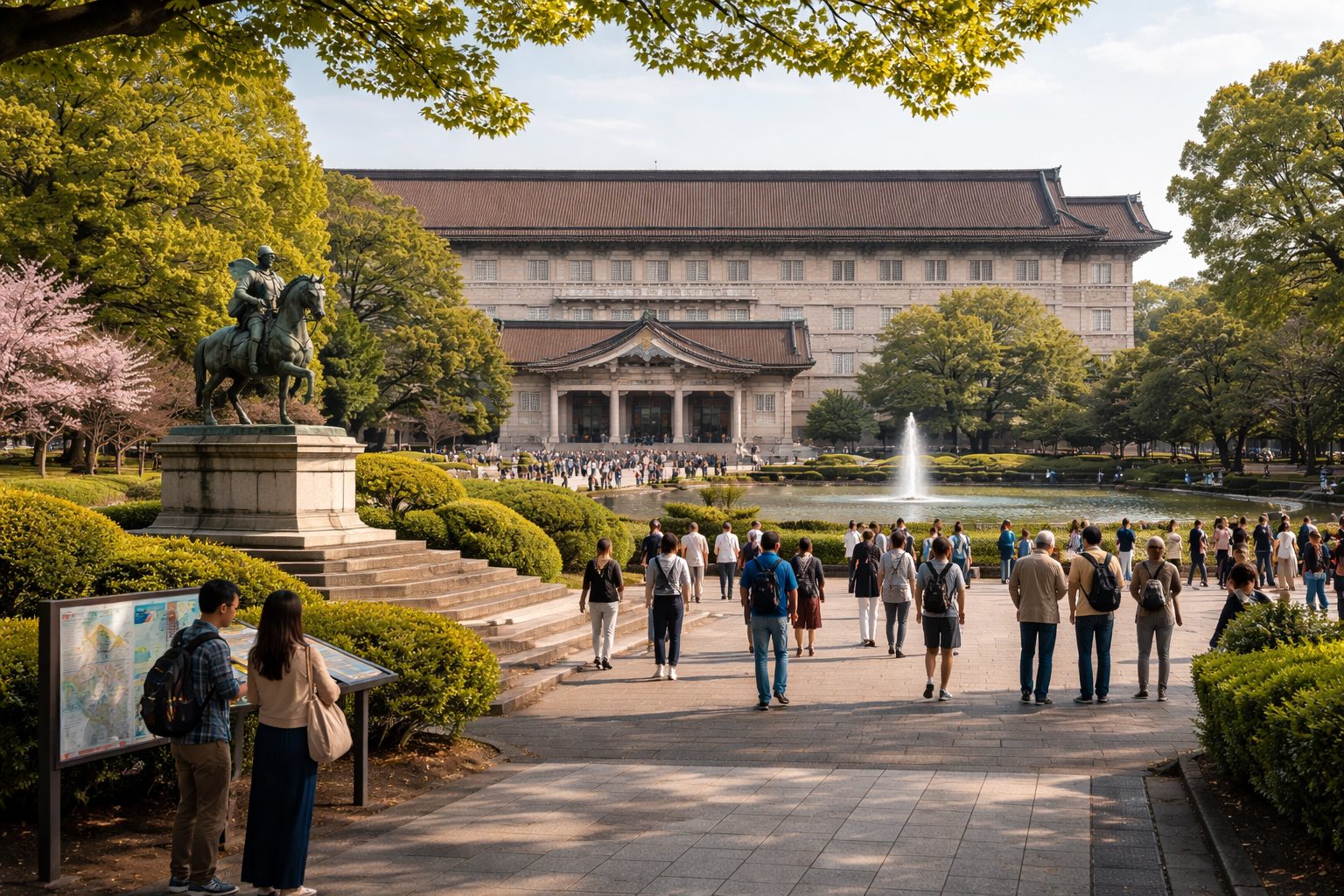
Tokyo functions as Japan’s cultural capital in a way that few cities manage anywhere in the world. It concentrates the country’s artistic, historical, and scientific heritage into a relatively compact metropolitan area, which means world-class institutions sit within a few subway stops of each other. The city’s museums aren’t just repositories for objects. They’re active participants in how Japan understands and presents its own identity.
This matters for visitors because it shapes the kind of experience you get. These aren’t dusty collections gathering interest only from specialists. They’re living spaces that host rotating exhibitions, educational programs, and cultural events throughout the year. Many of them draw local visitors consistently, not just tourists, which tells you something about their quality.
Historical Context of Museums in Tokyo
Japan’s museum culture developed rapidly after the Meiji Restoration in 1868, when the government began systematically documenting and preserving the country’s heritage as part of a broader modernization effort. The Tokyo National Museum, for instance, traces its origins to 1872, making it one of the oldest institutions in Asia. Early museum development was tied directly to nation-building, and that sense of purpose has never really left.
Post-war Japan saw a second wave of institution-building, particularly in the 1950s through 1970s, as the country invested in cultural infrastructure alongside its economic recovery. Many of the buildings you’ll visit today date from this period or from ambitious renovation projects in the 1990s and 2000s. The result is a museum landscape that layers different eras of Japanese institutional thinking, which makes it more interesting than a purely modern or purely traditional scene would be.
Top 10 Best Museums in Tokyo
This list isn’t ranked by prestige or visitor numbers. It’s ordered by the sequence I’d recommend for a first-time visitor, starting with the places that give you the broadest orientation before moving into more specialized territory.
1. The National Museum of Nature and Science
The National Museum of Nature and Science sits in Ueno Park and covers an extraordinary range of subjects under one roof. You’ll find paleontology, botany, zoology, anthropology, and the history of science and technology across two main buildings, the Japan Gallery and the Global Gallery. The Japan Gallery focuses specifically on the natural history of the Japanese archipelago, which is genuinely fascinating given how geologically active and biologically diverse the islands are.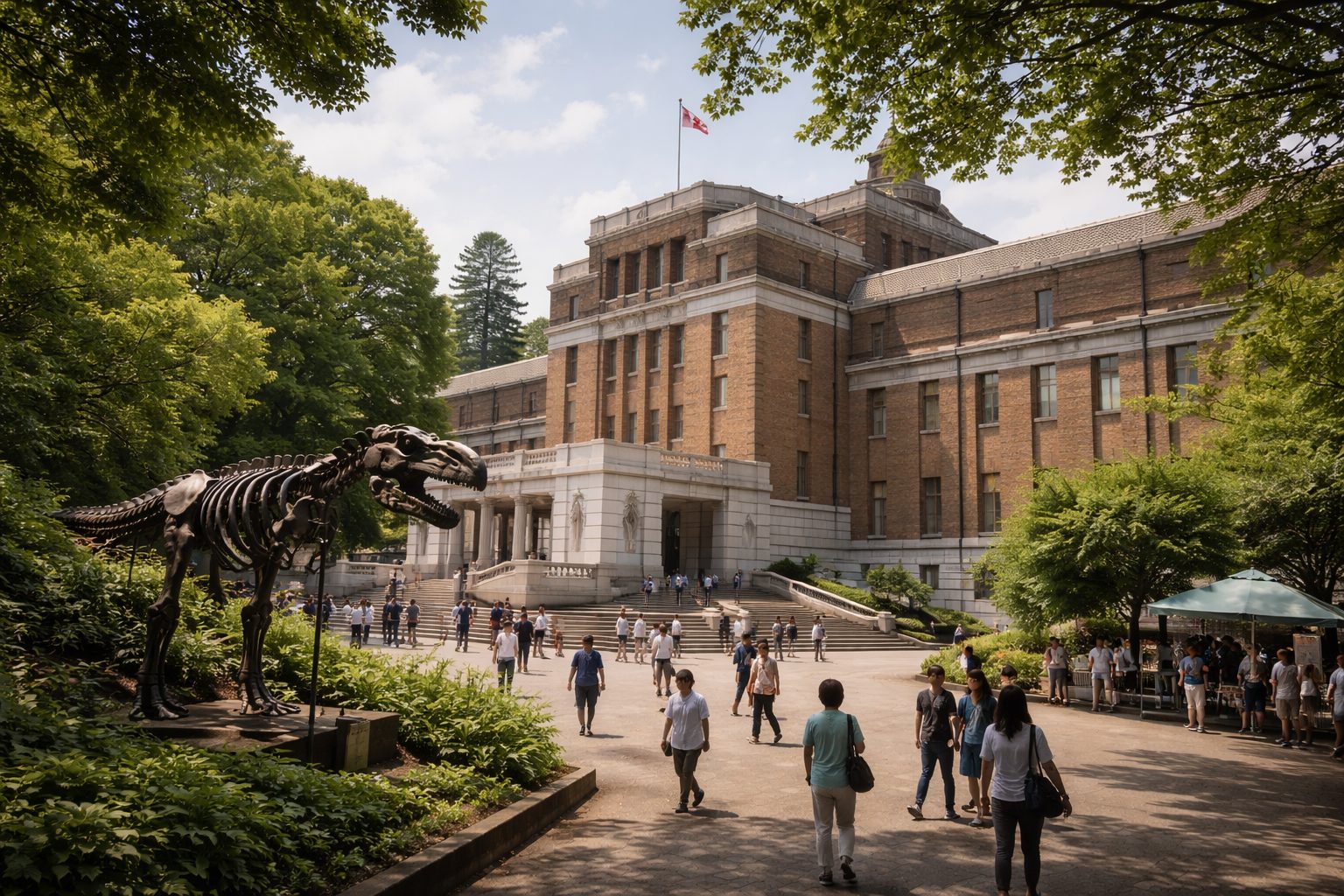
What I like about this museum is that it doesn’t talk down to visitors. The exhibits assume you’re curious and capable of handling detail. The dinosaur displays alone are worth the admission price, and the whale skeleton suspended in one of the halls has a way of stopping people mid-stride.
2. Tokyo National Museum
If you visit only one museum in the city, make it the Tokyo National Museum. It holds the largest collection of Japanese art and archaeological artifacts in the world, spread across several buildings on a spacious campus in Ueno. The Honkan building covers Japanese art from ancient times through the Edo period. The Toyo-kan focuses on Asian art from across the continent. The Heiseikan hosts special exhibitions and has a permanent archaeology section.
The depth here is staggering. You can spend a full day and still feel like you’ve only scratched the surface. I find myself drawn to the sword collection every time, but the textiles, ceramics, and Buddhist sculpture halls are equally rewarding.
3. The National Art Center, Tokyo
The National Art Center in Roppongi is unusual because it has no permanent collection. Instead, the entire building is devoted to temporary exhibitions and rental gallery space for art associations. This makes every visit different, and the exhibition calendar is consistently strong. The architecture alone justifies the trip: Kisho Kurokawa designed the building with a distinctive undulating glass facade that’s one of the more striking pieces of contemporary architecture in the city.
Because it operates on a rental model, you get access to exhibitions that might not fit into a traditional institutional framework. Federation shows, competition exhibitions, and large-scale art association presentations cycle through regularly.
4. Edo-Tokyo Museum
The Edo-Tokyo Museum in Ryogoku documents the city’s transformation from the Edo-period capital through the massive urbanization of the twentieth century. The scale models inside are extraordinary, particularly the replica of the Nihonbashi district as it appeared in the Edo period. Walking across the reproduction of the original Nihonbashi bridge to enter the exhibition floor is a clever bit of spatial storytelling.
Note that as of my writing, the museum has been undergoing a significant renovation. Check current operating status before you plan around it, since the reopening timeline has shifted. The museum is too important to skip entirely, but you may need to adjust your timing.
5. Ueno Zoo and Museum Complex
Ueno Park deserves its own visit entirely, but the zoo and museum complex within it represents a full day of activity on its own. Beyond the National Museum of Nature and Science and the Tokyo National Museum, the park also contains the Tokyo Metropolitan Art Museum, the National Museum for Western Art, and the Tokyo Bunka Kaikan concert hall, all within walking distance of each other.
The Ueno Zoo itself, while not a museum in the traditional sense, connects meaningfully to the natural history displays in the adjacent science museum. For families with children, structuring a day around Ueno gives you flexibility to move between venues based on energy and interest levels.
6. Tokyo Metropolitan Art Museum
The Tokyo Metropolitan Art Museum is one of Japan’s oldest public art museums, with origins going back to 1926. The current building, designed by Junzo Sakakura, dates from 1975 and was renovated in 2012. It hosts a rotating program of major traveling exhibitions alongside smaller shows from local art groups.
The museum has a strong focus on accessibility, with good English signage and audio guide options for major exhibitions. It’s also one of the more affordable major venues in the city, which makes it easy to drop in for a single exhibition without committing to a long visit.
7. Ghibli Museum
The Ghibli Museum in Mitaka is unlike anything else on this list. Designed by Studio Ghibli director Hayao Miyazaki, it’s built to feel like you’ve stepped inside one of his films. The interior is intentionally labyrinthine, encouraging exploration rather than linear movement through galleries. There’s a small original short film shown in the in-house theater, a rooftop garden, a reading room, and a basement children’s area with a giant Cat Bus to climb on.
Tickets must be purchased in advance, often weeks or months ahead for international visitors. The museum limits daily attendance strictly, so there are no crowds inside. This is worth emphasizing: the experience depends entirely on getting tickets before you arrive in Japan. Do not assume you can buy at the door.
8. National Museum of Western Art
The National Museum of Western Art in Ueno is Japan’s only national museum dedicated specifically to Western art. The original building was designed by Le Corbusier and is now a UNESCO World Heritage Site, which makes the architecture itself part of the draw. The permanent collection centers on French art from the nineteenth and early twentieth centuries, with strong holdings in Impressionism and post-Impressionism, as well as a significant collection of Rodin sculptures.
The museum rotates through ambitious temporary exhibitions that often bring major works from European institutions to Japan. If you have any interest in European painting and are visiting Tokyo, this is worth building into your schedule.
9. Sumida Hokusai Museum
The Sumida Hokusai Museum opened in 2016 and focuses entirely on the life and work of Katsushika Hokusai, the woodblock print artist best known internationally for The Great Wave off Kanagawa. Hokusai spent much of his life in the Sumida area, and the museum was built in his old neighborhood. The building, designed by Kazuyo Sejima of SANAA, is a striking aluminum-clad structure that reflects the surroundings in a way that shifts with the light and weather.
The permanent collection includes reproductions and originals, with strong contextual material explaining Hokusai’s techniques and the broader ukiyo-e tradition. The museum is smaller than the major institutions in Ueno, which means you can get through it in two to three hours without feeling rushed.
10. Museum of Contemporary Art Tokyo
The Museum of Contemporary Art Tokyo, known as MOT, reopened in 2019 after a lengthy renovation and has become one of the city’s most exciting art venues. Located in Koto Ward near Kiba Park, it’s a bit further from the main tourist corridors, which means it draws a more local crowd. The permanent collection covers Japanese and international contemporary art from the 1950s onward, with particular strength in post-war Japanese movements.
The temporary exhibition program is adventurous. MOT regularly commissions new work and hosts retrospectives of artists who don’t often get large institutional shows in Japan. The building is spacious and well-lit, with good cafe and shop facilities.
Unique Features of Each Museum
Architectural Highlights
Several of these institutions are architectural destinations in their own right. Le Corbusier’s National Museum of Western Art building is perhaps the most significant internationally, but Kisho Kurokawa’s work at the National Art Center is equally compelling if you’re interested in contemporary Japanese architecture. The Ghibli Museum is architecturally distinctive in a completely different register: it’s deliberately whimsical, with curved surfaces, stained glass, and hidden passages that make the building feel like a piece of storytelling rather than a container for art.
The Sumida Hokusai Museum’s aluminum facade by SANAA is worth examining closely. The panels are angled to create a constantly shifting reflective surface, and the building’s form relates to the surrounding urban fabric in subtle ways.
Special Exhibitions and Collections
Every major institution here runs a parallel program of special exhibitions alongside permanent displays. These rotate several times a year and often bring works from international partner institutions. The Tokyo National Museum in particular runs major exhibitions tied to significant anniversaries, archaeological discoveries, or partnerships with foreign museums. These exhibitions can draw large crowds, particularly during holiday periods.
If you’re visiting during cherry blossom season or Golden Week in late April to early May, expect major exhibitions to be at peak attendance. This isn’t necessarily a reason to avoid them, but factor in longer queues and busier galleries when planning your day.
Visitor Amenities and Accessibility
Tokyo’s museums have invested significantly in accessibility over the past decade. Most major institutions now offer:
- English-language audio guides for permanent collections and major exhibitions
- Multilingual signage throughout the galleries
- Wheelchair access and elevator service
- Coin-operated lockers for bags and coats
- Cafes and restaurants, some of which are worth visiting independently
- Museum shops with high-quality reproductions and design items
The quality of museum shops in Tokyo is genuinely impressive. The Tokyo National Museum shop carries scholarly catalogues, high-quality reproduction prints, and design objects that make meaningful souvenirs.
Best Museums for Specific Interests
Art Enthusiasts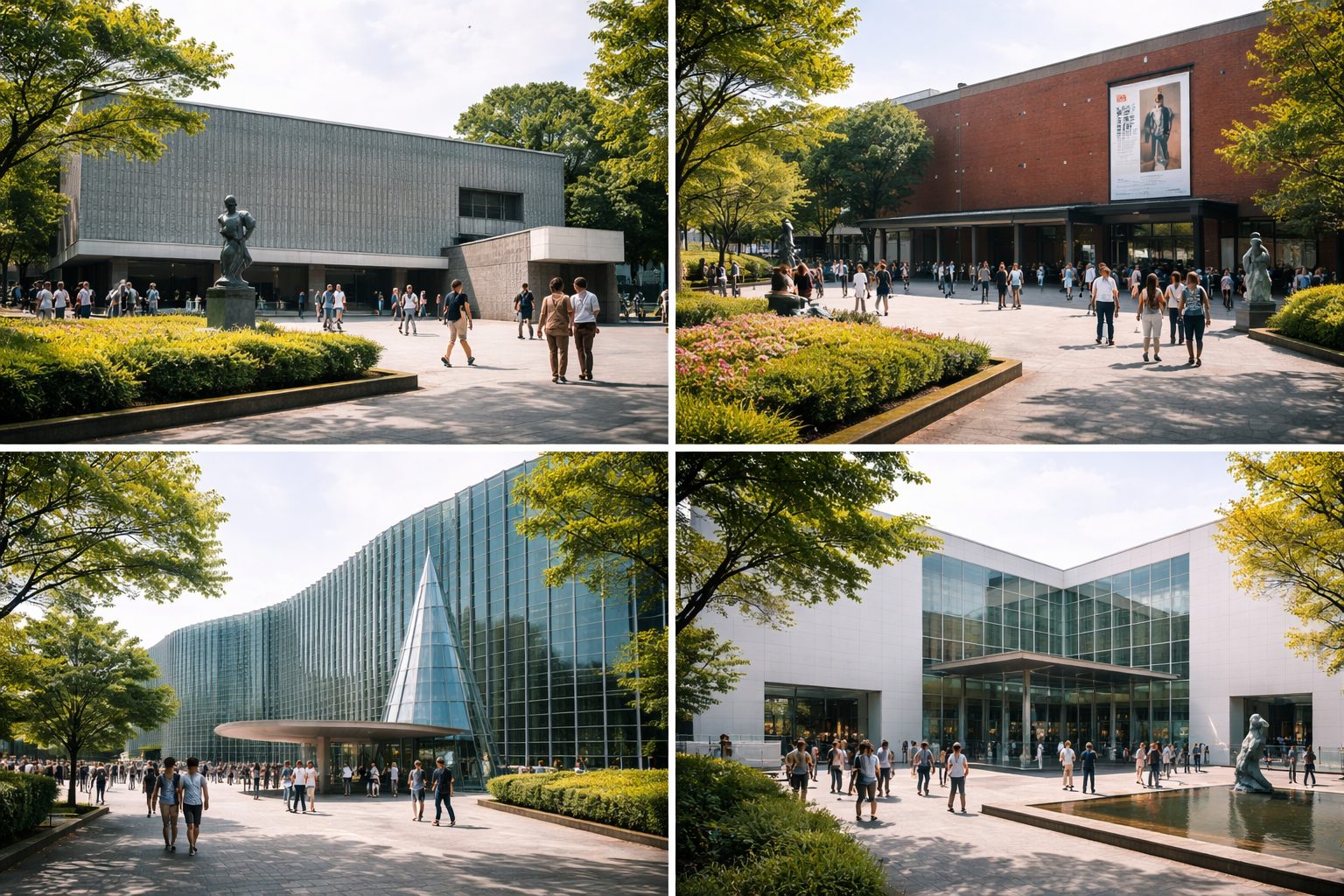
For visitors focused on visual art, the strongest combination is the National Museum of Western Art, the Tokyo Metropolitan Art Museum, the National Art Center, and MOT. This covers Western art history, major traveling exhibitions, and the full sweep of contemporary Japanese and international art. If you have time for only two, I’d choose the National Museum of Western Art for its collection quality and MOT for its energy and ambition.
The Sumida Hokusai Museum is essential for anyone interested specifically in Japanese printmaking. It’s focused and deep in a way that larger institutions can’t be.
History Buffs
The Tokyo National Museum is the obvious starting point. For Edo-period city history specifically, the Edo-Tokyo Museum (when open) is irreplaceable. Together they give you both the artistic and the social dimensions of pre-modern Japan.
If you have time, the Shitamachi Museum in Ueno is a smaller institution that focuses specifically on the working-class neighborhoods of Edo and Meiji-era Tokyo. It’s often overlooked by visitors but has a warm, detailed quality that the larger museums can’t replicate.
Science Lovers
The National Museum of Nature and Science is the clear answer here. It’s one of the best natural history museums in Asia, and its Japan-specific content makes it genuinely different from comparable institutions in other countries. The geology section is particularly strong, given Japan’s complex tectonic situation.
The Miraikan, or National Museum of Emerging Science and Innovation, on Odaiba is worth adding for visitors interested in robotics, space exploration, and technology. It’s a bit of a journey from central Tokyo but has some of the most interactive and forward-looking exhibits in the city.
Anime and Pop Culture Fans
The Ghibli Museum is the obvious answer, but it requires advance planning that many visitors underestimate. Beyond Ghibli, Tokyo has a number of smaller specialty museums covering manga, animation, and game culture. The Suginami Animation Museum in western Tokyo is free and covers the history of Japanese animation with genuine depth. For broader pop culture, Akihabara has several small museums and permanent exhibitions attached to specific franchises, though these vary considerably in quality.
Comparison of Entry Fees and Opening Hours
Cost of Admission
| Museum | General Admission |
|---|---|
| Tokyo National Museum | 1,000 yen (permanent collection) |
| National Museum of Nature and Science | 630 yen |
| National Museum of Western Art | 500 yen (permanent collection) |
| National Art Center, Tokyo | Varies by exhibition |
| Tokyo Metropolitan Art Museum | Varies by exhibition |
| Ghibli Museum | 1,000 yen (adults) |
| Sumida Hokusai Museum | 400 yen (permanent) |
| Museum of Contemporary Art Tokyo | 500 yen (permanent) |
| Edo-Tokyo Museum | 600 yen (when open) |
Prices are approximate and subject to change. Special exhibitions carry additional charges at most venues.
Peak Visiting Times
Cherry blossom season (late March to early April) and Golden Week (late April to early May) bring the highest visitor numbers to central Tokyo. During these periods, the Ueno cluster of museums can have significant entry queues for major exhibitions. Weekday mornings are consistently the quietest time across all venues.
Summer weekends, particularly during school holidays in August, see elevated attendance at family-oriented spaces like the Ghibli Museum and the National Museum of Nature and Science. The Ghibli Museum’s ticketing system controls this effectively since entry is timed, but other venues can feel crowded.
Discounts and Free Admission Days
Several institutions offer free or reduced admission on specific dates:
- The National Museum of Western Art is free on the first and third Sunday of each month
- The National Museum of Nature and Science offers free admission on Science Museum Day in November
- Many museums offer reduced rates for university students with valid ID
- Children under a certain age (varies by institution) are often admitted free for permanent collections
It’s worth checking individual museum websites before your visit, as discount policies change and special promotions are sometimes available for foreign tourists.
Tips for Visiting Museums in Tokyo
Best Times to Visit
I’d recommend planning museum days for Tuesday through Thursday mornings if your schedule allows. Most Tokyo museums are closed on Mondays (or the following Tuesday if Monday falls on a public holiday), and weekends bring noticeably larger crowds. Arriving at or shortly before opening time means you’ll have quieter galleries for the first hour or two, which makes a real difference in a busy city.
If you’re visiting during autumn foliage season (mid-November to early December), the Ueno Park setting adds something to the museum experience that’s worth factoring in. The combination of Ueno’s trees and a visit to the Tokyo National Museum on a clear autumn weekday is one of the better ways to spend a morning in this city.
Must-See Exhibits
Rather than listing specific objects (collections rotate and lending agreements change), I’d suggest prioritizing depth over breadth within each museum. Pick two or three galleries that align with your interests and spend real time there rather than trying to see everything. The Tokyo National Museum’s sword collection, the Honkan building’s textile galleries, and the Heiseikan archaeology section are consistently strong choices in that institution.
At the National Museum of Nature and Science, the Japan Gallery’s second floor, covering the natural history of the Japanese islands, is often less crowded than the more spectacular dinosaur halls and rewards careful looking.
Guided Tours vs. Self-Guided Tours
Most major institutions offer audio guides in English, which are worth renting for your first visit. They cover key objects and provide context that signage alone doesn’t always supply. For the Tokyo National Museum specifically, the audio guide makes a significant difference given the scale and density of the collection.
Guided group tours are available through various operators and are useful if you want interpretive depth beyond what audio guides provide. But Tokyo’s museums are generally well-organized enough for independent visitors, and going at your own pace has obvious advantages when you find something that holds your attention longer than expected.
Combining Museum Visits with Other Attractions
Nearby Parks and Restaurants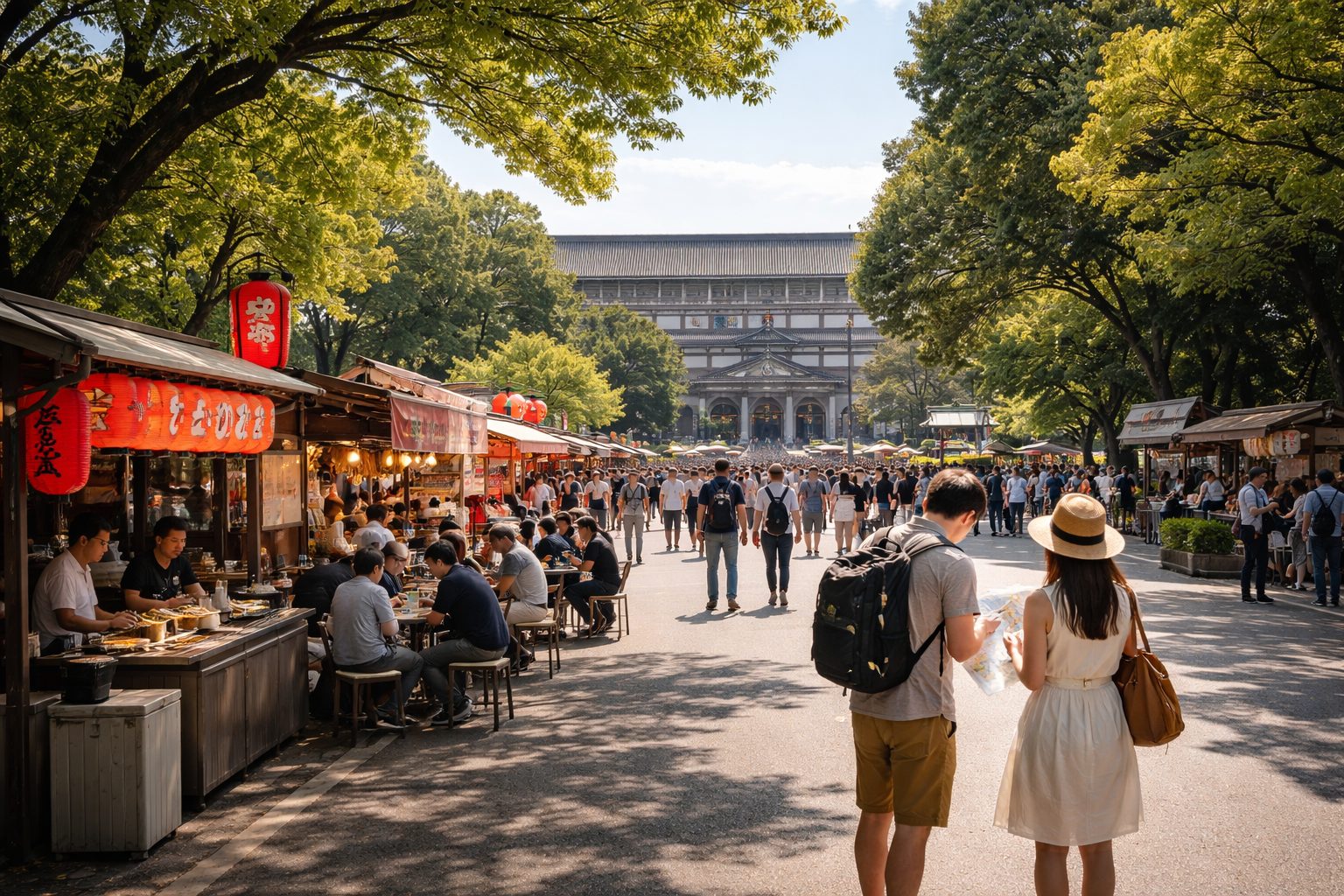
Ueno Park is the obvious anchor for the Ueno museum cluster. The park has several decent restaurants and street food vendors, particularly around the main path through the park, and it’s a pleasant place to rest between museum visits. Yanaka, the old neighborhood immediately northeast of Ueno, is worth exploring after a museum morning. It’s one of the few areas of Tokyo that survived both the 1923 earthquake and the Second World War with its street grid and older building stock largely intact.
For visitors to Roppongi (National Art Center, Mori Art Museum), the neighborhood has a strong restaurant scene at various price points. The Tokyo Midtown complex adjacent to the National Art Center has a range of options from convenience store food to sit-down dining.
Cultural Events and Festivals
Tokyo’s museum district participates in broader cultural programming throughout the year. The Ueno Welcome Passport offers discounted entry to multiple Ueno museums and is worth considering if you plan to visit several institutions in the area over a few days.
Several museums host evening events, lectures, and special opening hours tied to major exhibitions. The Tokyo National Museum occasionally runs evening viewing sessions for special exhibitions, which offer a completely different atmosphere from daytime visits. Check institutional websites for current programming when you’re finalizing your itinerary.
Public Transportation Tips
The Ueno museum cluster is best reached via the JR Yamanote Line or the Tokyo Metro Ginza and Hibiya lines to Ueno station. From there, the park and its museums are a short walk. For the Ghibli Museum, the Chuo Line to Mitaka station is the standard approach, followed by either a short bus ride or a pleasant 15-minute walk through a residential neighborhood.
MOT in Koto Ward is most easily reached via the Tokyo Metro Tojin Line to Kiba station. The Sumida Hokusai Museum is a short walk from Ryogoku station on the JR Sobu Line, which also puts you near the Edo-Tokyo Museum. Planning geographically, grouping museums by neighborhood, saves considerable travel time over the course of a trip.
Frequently Asked Questions (FAQs)
What are the best family-friendly museums in Tokyo?
The National Museum of Nature and Science is consistently excellent for families, with hands-on exhibits, impressive dinosaur displays, and enough visual interest to hold children’s attention for a full morning. The Ghibli Museum is magical for children who know Studio Ghibli films, though ticketing requires significant advance planning.
How can I access special exhibitions?
Most special exhibitions at Tokyo’s major museums require a separate ticket purchased in addition to general admission. You can buy these at the venue on the day (subject to availability) or online in advance through the museum’s official website. For high-profile exhibitions, advance purchase is strongly recommended.
Are there any free museums in Tokyo?
Several institutions offer free entry for permanent collections on designated days. The National Museum of Western Art is free on the first and third Sunday of each month. The Suginami Animation Museum is always free. Some smaller municipal museums have no admission charge at all. It’s worth researching free days when building your itinerary if budget is a consideration.
What is the best way to navigate between museums?
Tokyo’s subway system is the most efficient option. The Ueno cluster is walkable once you’re in the park, but traveling between Ueno, Roppongi, Koto Ward, and Mitaka requires the train. IC cards like Suica or Pasmo, loaded with yen at any station, make fare payment seamless across all transit modes in the city.
Do museums in Tokyo offer audio guides?
Most major institutions do, either as dedicated audio devices rented at the entrance or as smartphone apps. English-language audio guides are standard at the Tokyo National Museum, the National Museum of Western Art, the National Museum of Nature and Science, and MOT. Coverage quality varies by exhibition, but for permanent collections the guides are generally thorough and well-produced.
The best museums in tokyo reward visitors who plan ahead, move slowly, and resist the temptation to see everything at once. Tokyo’s museum culture is rich enough to anchor multiple trips, and the institutions listed here represent only the most prominent layer of a much deeper cultural infrastructure. Whether you’re drawn to ancient Japanese art, natural history, contemporary painting, or the hand-drawn worlds of Studio Ghibli, you’ll find something in this city that exceeds what you expected.