When most people think of Japan, they picture temples, bullet trains, and city streets lined with neon. But beaches in Japan are a world of their own, and once you’ve spent a day on the white sands of Okinawa or watched the sun set from a quiet cove on Shikoku, you start to understand that this country has a coastline worth planning your entire trip around. Japan’s beaches stretch across dramatically different climates and geographies, from subtropical island chains in the south to rugged volcanic shores in the north. I’ve traveled many of them, and I can tell you the variety is genuinely impressive.
The Japanese coast runs for over 29,000 kilometers, making Japan one of the world’s most coastline-rich nations. That means there are beaches suited to every kind of traveler, whether you’re after crystal-clear water for diving, a festive summer atmosphere, or a completely deserted stretch of sand where the only sound is waves.
Overview of Beaches in Japan
Unique Features of Japanese Beaches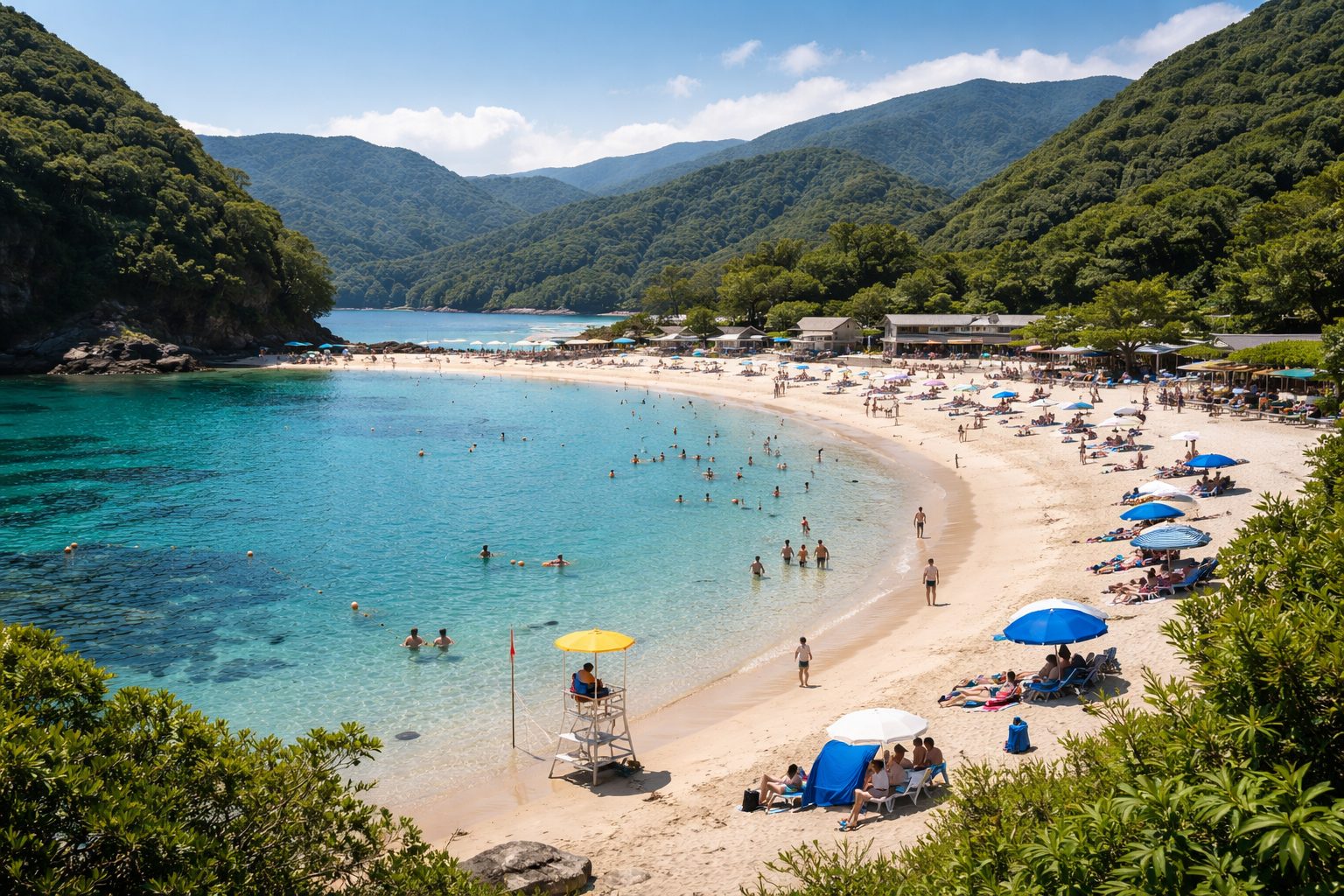
What sets beaches in Japan apart from tropical destinations in Southeast Asia or the Mediterranean isn’t just the scenery. It’s the overall experience. Japanese beaches tend to be exceptionally well-maintained. You’ll often find changing facilities, showers, and clean public restrooms even at relatively remote spots. Garbage is rarely an issue because Japanese beach culture strongly emphasizes taking everything with you when you leave.
The water clarity at many Okinawan beaches rivals anything in the Pacific. Coral reefs sit just meters from shore, and the marine life is extraordinary. On the main islands of Honshu, beaches have a different character: some are rocky and dramatic, others are wide and sandy, but nearly all of them come with a view that feels distinctly Japanese, perhaps framed by pine trees or a distant mountain.
Another thing worth noting is that many beaches in Japan have designated swimming areas marked with buoys and supervised by lifeguards during summer. This isn’t just bureaucracy. It reflects a genuine concern for safety, and it makes family visits much more relaxed.
Cultural Significance of Beaches in Japan
In Japan, the beach is not just a leisure destination. It carries cultural weight. The summer season, roughly July and August, is when Japanese families and young people alike flock to the coast in huge numbers. Beach visits are often tied to Obon holidays, festivals, and summer traditions that go back generations.
Hanabi, or fireworks, are a huge part of beach culture in Japan. Many coastal towns hold evening fireworks festivals throughout summer, and watching them from the beach is considered a quintessential summer experience. The image of two people in yukata watching fireworks by the sea is practically a cultural archetype.
Beaches also appear frequently in Japanese literature, anime, and film as places of emotional significance, whether for romance, nostalgia, or personal transformation. That cultural resonance adds a layer to visiting that you don’t necessarily get at tourist-heavy resort beaches elsewhere in the world.
Top Beaches in Japan
Okinawa Beaches
The beaches in Okinawa are what many people think of when they imagine a tropical Japanese beach, and they live up to the reputation. The Ryukyu archipelago stretches far south into warm Pacific waters, and the result is white coral sand, turquoise shallows, and visibility that regularly exceeds 30 meters.
Nishihama Beach on Hateruma Island is one of the finest beaches I’ve ever stood on. Remote, quiet, and genuinely stunning, it requires some effort to reach but rewards you with something close to perfection. Kondoi Beach on Taketomi Island is more accessible and still beautiful, with shallow water that stays warm well into autumn.
On the main Okinawa island, Emerald Beach inside Ocean Expo Park is popular for good reason. It’s clean, well-facilitated, and set against a backdrop of subtropical forest. Meanwhile, Manza Beach on the western coast offers excellent snorkeling directly from shore and a more resort-oriented atmosphere.
For something quieter, the Kerama Islands, accessible by ferry from Naha, offer some of the best beach and diving in the entire region. Furuzamami Beach on Zamami Island is consistently ranked among the best in Japan and tends to draw a crowd that’s more dive-oriented and less party-focused.
Honshu Beaches
Beaches in Honshu don’t have the tropical clarity of Okinawa, but they have character. The Shonan coast near Kamakura and Fujisawa is the most famous beach zone on the main island, sitting within easy reach of Tokyo. Zaimokuza Beach and Yuigahama Beach get crowded in summer but offer a lively, quintessentially Japanese beach experience with surf shops, seafood stalls, and a view of Enoshima island in the distance.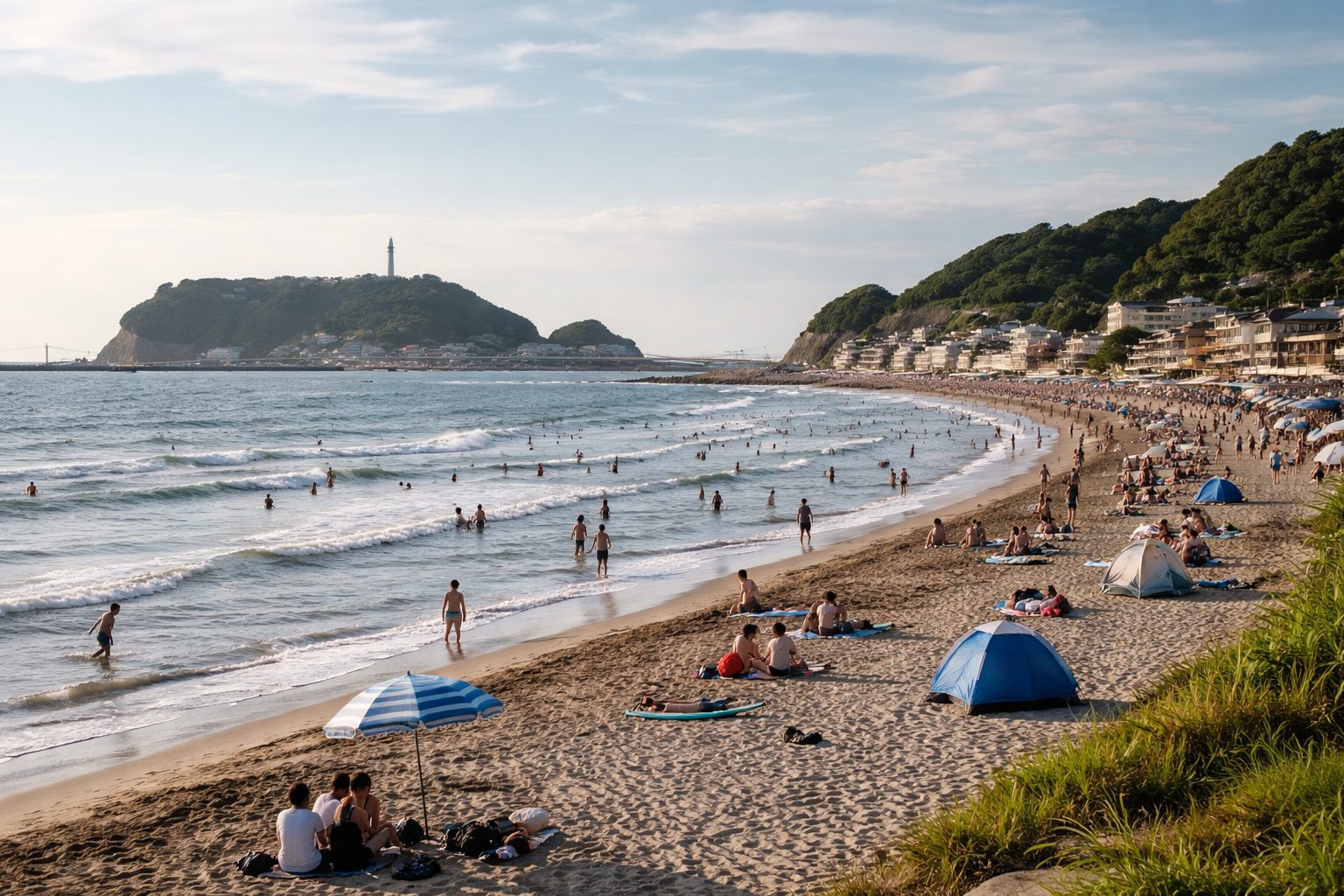
Further west, along the Izu Peninsula, the beaches become quieter and more scenic. Shirahama Beach near Shimoda has fine white sand and clear water by Honshu standards, and the area’s historical connection to Japan’s opening to the West gives it an interesting cultural dimension beyond just sun and sea.
The San’in Coast on the Japan Sea side is dramatically different. Tottori’s beaches are backed by vast sand dunes, some reaching 50 meters high. It’s a surreal landscape that feels nothing like a conventional beach, and it’s worth a visit for that reason alone.
Hokkaido Beaches
Most people don’t associate Hokkaido with beaches, and honestly, swimming there isn’t the main draw. The Japan Sea coast and Pacific shores of Hokkaido are cold, and the summer is short. But the beaches have an extraordinary raw beauty that’s hard to find elsewhere.
Shakotan Peninsula’s cobalt blue water is famous in Japan. The color is striking, almost electric, and while it’s more suitable for looking at than swimming in for most of the year, the scenery is extraordinary. Cape Shakotan and Kamui Cape both offer dramatic cliff views and brilliant blue water below.
Around Hakodate, the beaches along the Oshima Peninsula are quiet, often empty, and framed by forests that come right down to the shore. It’s a very different kind of beach experience, more contemplative than social, and if that’s what you’re after, Hokkaido delivers.
Shikoku Beaches
Shikoku is one of Japan’s most overlooked regions, and its beaches share that underrated status. Kochi Prefecture’s Pacific coast is wild and surf-friendly. Katsurahama Beach near Kochi City is famous more for its scenery and its statue of local hero Sakamoto Ryoma than for swimming, since currents make it unsafe for that. But it’s worth a visit.
For actual swimming, Oma Beach and the Muroto Cape area offer good Pacific-facing options. Ehime Prefecture’s Uchiumi area has calm, sheltered coves that are excellent for families and snorkeling. The pace in Shikoku is slow, the crowds are thin, and the beaches feel genuinely undiscovered compared to Okinawa or Shonan.
Kyushu Beaches
Kyushu’s coastline runs across two very different bodies of water: the Pacific Ocean to the east and the East China Sea to the west. The western coast, particularly the Goto Islands and Amami Oshima, has some legitimately beautiful beaches with clear water and minimal tourist infrastructure.
Tsuyazaki Beach in Fukuoka Prefecture is popular with locals and easy to reach from the city. The Amakusa Islands in Kumamoto offer a mix of scenic coastal drives and small beaches, though you’ll need transport to reach most of them. Yakushima, famous for its ancient cedar forest, also has black sand beaches formed by volcanic rock that are unlike anything else in Japan.
Activities and Attractions at Japanese Beaches
Water Sports and Activities
Beaches in Japan offer a solid range of water activities depending on where you go. Okinawa is the undisputed center for diving and snorkeling, with hundreds of certified dive shops and access to some of the richest coral ecosystems in Asia. The diving around the Kerama Islands, Manza, and the outlying islands like Yonaguni (famous for its mysterious underwater rock formations) is world-class.
Surfing is centered on the Pacific coasts, particularly in areas like:
- Chiba Prefecture’s beaches east of Tokyo, especially Ichinomiya which hosted the 2020 Olympic surf competition
- Miyazaki Prefecture in Kyushu, sometimes called the “Hawaii of Japan” for its consistent waves
- Shizuoka’s Izu Peninsula
- Kochi in Shikoku
Kayaking and stand-up paddleboarding have grown rapidly in popularity. Many beach resorts in Okinawa and the Izu Peninsula now offer SUP rentals by the hour. Jet skiing and banana boat rides are available at most commercial beaches in summer.
Fishing is also a major activity at Japanese beaches. Coastal fishing from rock platforms or jetties is a weekend tradition for many Japanese men, and the variety of fish available varies dramatically by region.
Beachfront Festivals and Events
Summer at a Japanese beach often means festivals. Hanabi taikai, large fireworks displays, are held at beaches throughout July and August. Some of the biggest and most famous include the Omagari Fireworks in Akita and the Sumidagawa Fireworks in Tokyo, but smaller beachside versions happen across the country.
Bon Odori dances, beach barbecue gatherings called “barbekyuu,” and outdoor cinema events are all part of beach culture in summer. Some beaches in Okinawa host traditional Eisa drum festivals that connect modern beach tourism to deep Ryukyuan cultural traditions.
Marine sports competitions, surf contests, and beach volleyball tournaments draw crowds to specific beaches during summer weekends. Checking local event listings before you go can turn a standard beach day into something much more memorable.
Nearby Attractions and Sightseeing
Japanese beaches rarely exist in isolation. Some of the best beach destinations double as rich sightseeing areas. In Okinawa, Shuri Castle (a UNESCO World Heritage Site), the Peace Memorial Museum, and the dense tropical forests of Yanbaru are all worth combining with beach time. The island’s unique Ryukyuan culture means even the local food, music, and crafts are distinct from mainland Japan.
Around Kamakura, the famous Daibutsu (Great Buddha) statue, ancient Zen temples, and the hiking trails of Kamakura Forest are all within walking distance or a short bus ride from the beach. It’s one of the most rewarding day trips from Tokyo precisely because you can combine culture, nature, and sea in a single day.
In Kagoshima, Sakurajima volcano rises from the bay visible from many beach spots. In Hokkaido, the Shakotan Peninsula is close to Otaru, a port town with preserved canal-side architecture and exceptional seafood. Planning your beach trip with these extras in mind makes the whole experience much richer.
Best Time to Visit Beaches in Japan
Seasonal Changes and Weather Patterns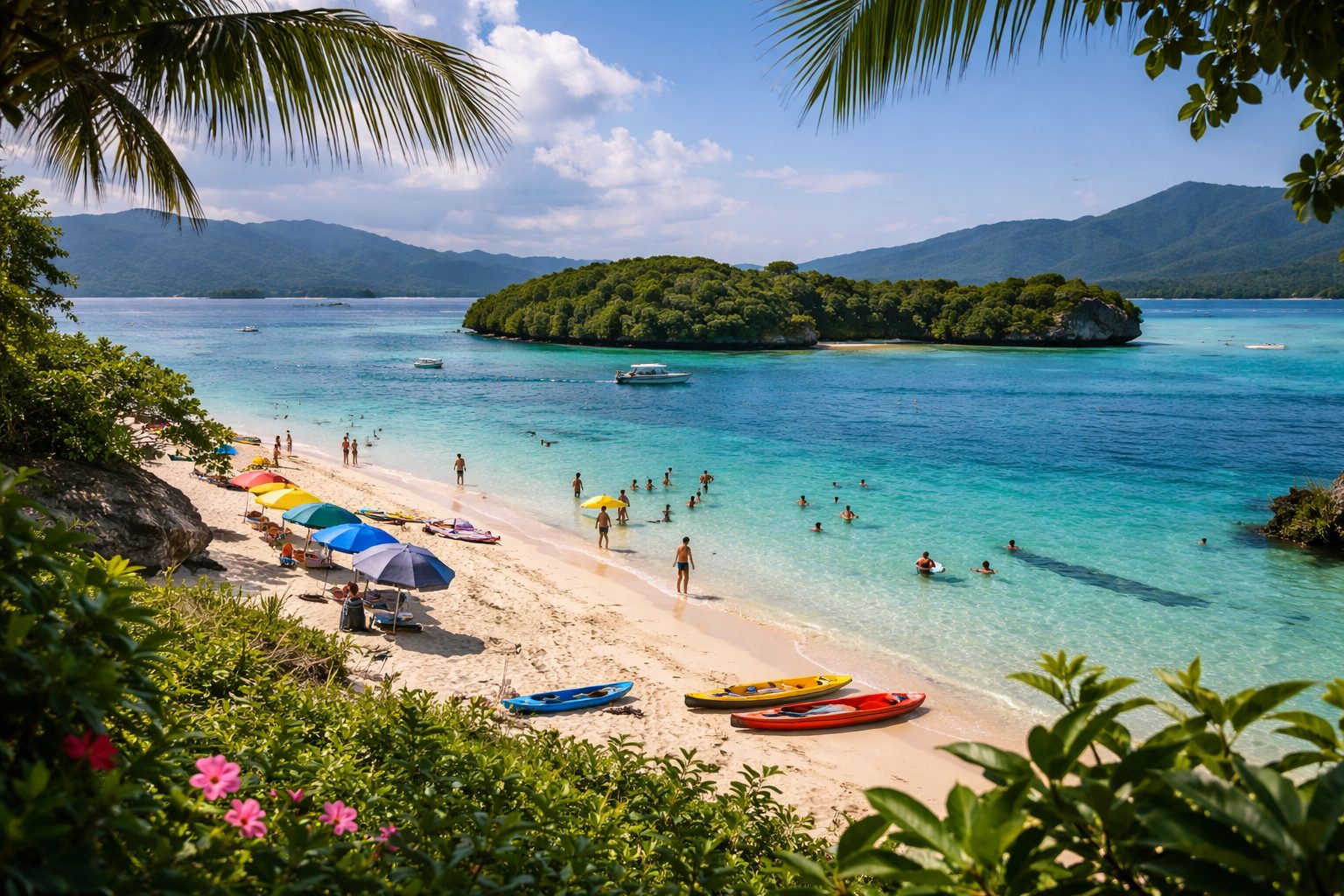
Japan’s climate varies enormously from north to south, which means the best timing for visiting beaches differs depending on where you’re going. Okinawa has a subtropical climate with warm weather from spring through autumn and a rainy season, known as tsuyu, that typically runs from May into early June. The water stays swimmable from around April through October, and typhoon season in late summer is a genuine consideration.
Honshu’s beach season is much shorter and concentrated. Most beaches are only officially open for swimming between July 20 and August 31, a window set partly by tradition and partly by practical considerations like jellyfish season. Outside those dates, facilities may be closed even if the weather is pleasant.
Hokkaido’s beaches are essentially non-swimming from October through June, with the brief warm season in July and August offering some opportunities. The real appeal of Hokkaido’s coast in shoulder seasons is the dramatic landscape rather than recreational swimming.
Popular Beach Seasons
Summer, from late July through mid-August, is peak beach season across Japan. This period coincides with school holidays, Obon, and the hottest temperatures. Beaches near cities get extremely crowded during this window, and accommodation prices rise sharply. If you can visit in late June after tsuyu ends, or in September when temperatures are still warm but crowds thin, you’ll have a noticeably better experience.
In Okinawa, April and May are excellent months to visit. The sea is warm enough for snorkeling, the weather is generally sunny, and the main tourist rush hasn’t started yet. October is also good for similar reasons. The water remains warm from the summer heat, typhoons become less frequent, and many beaches are much quieter.
For surfing destinations on the Pacific coast, autumn and winter can actually produce the best waves, particularly in areas like Chiba and Miyazaki. Surfers visit year-round in wetsuits, treating the off-season as prime time.
Tips for Visiting Beaches in Japan
Essential Packing List for Beach Trips
Japanese beaches in summer are hot, and the UV intensity is high. Sunscreen is absolutely essential, and I’d recommend bringing your own because Japanese sunscreens, while effective, tend toward whiter formulas that can leave a visible residue. SPF 50+ is the standard recommendation.
Here’s what I’d always bring:
- High-SPF sunscreen (minimum SPF 50, preferably water-resistant)
- Reef-safe sunscreen if you’re snorkeling in Okinawa
- A portable cooling towel or fan, since heat in July and August is intense
- Insect repellent for forested beach areas
- Waterproof sandals or aqua shoes, especially for rocky beaches or reef areas
- A dry bag for phones and electronics if you’re doing water sports
- Japanese yen in cash, since many beach vendors and smaller facilities don’t accept cards
- Snacks and water, as beach food stalls can be expensive and not always available outside peak hours
Beach Etiquette in Japan
Beaches in Japan come with a set of unwritten rules that locals follow instinctively and visitors often don’t know about. Taking time to understand these will make your visit smoother and earn you genuine goodwill.
A few key points:
- Do not bring glass bottles to the beach. Many beaches prohibit them outright, and breakage on sand is a serious hazard.
- Take all your garbage with you. Trash bins are often absent or limited, and leaving litter is considered seriously rude.
- Respect designated swimming zones. The buoyed areas exist for safety, and swimming outside them is generally discouraged and sometimes prohibited.
- Avoid barbecues on beaches unless they’re in designated areas. Open fires and grills are heavily regulated at most beaches.
- Keep music at a reasonable volume. Loud speakers that disturb others nearby are frowned upon.
- If you’re visiting a beach in a residential area or near a sacred site, dress modestly when leaving the beach and entering the town.
Safety Tips for Beachgoers
Japan’s beaches are generally safe, but there are real hazards to be aware of. Jellyfish are a serious issue in summer, particularly box jellyfish in Okinawa, which can cause severe stings. Many beaches put up nets in swimming zones to reduce the risk, but you should always check local advisories.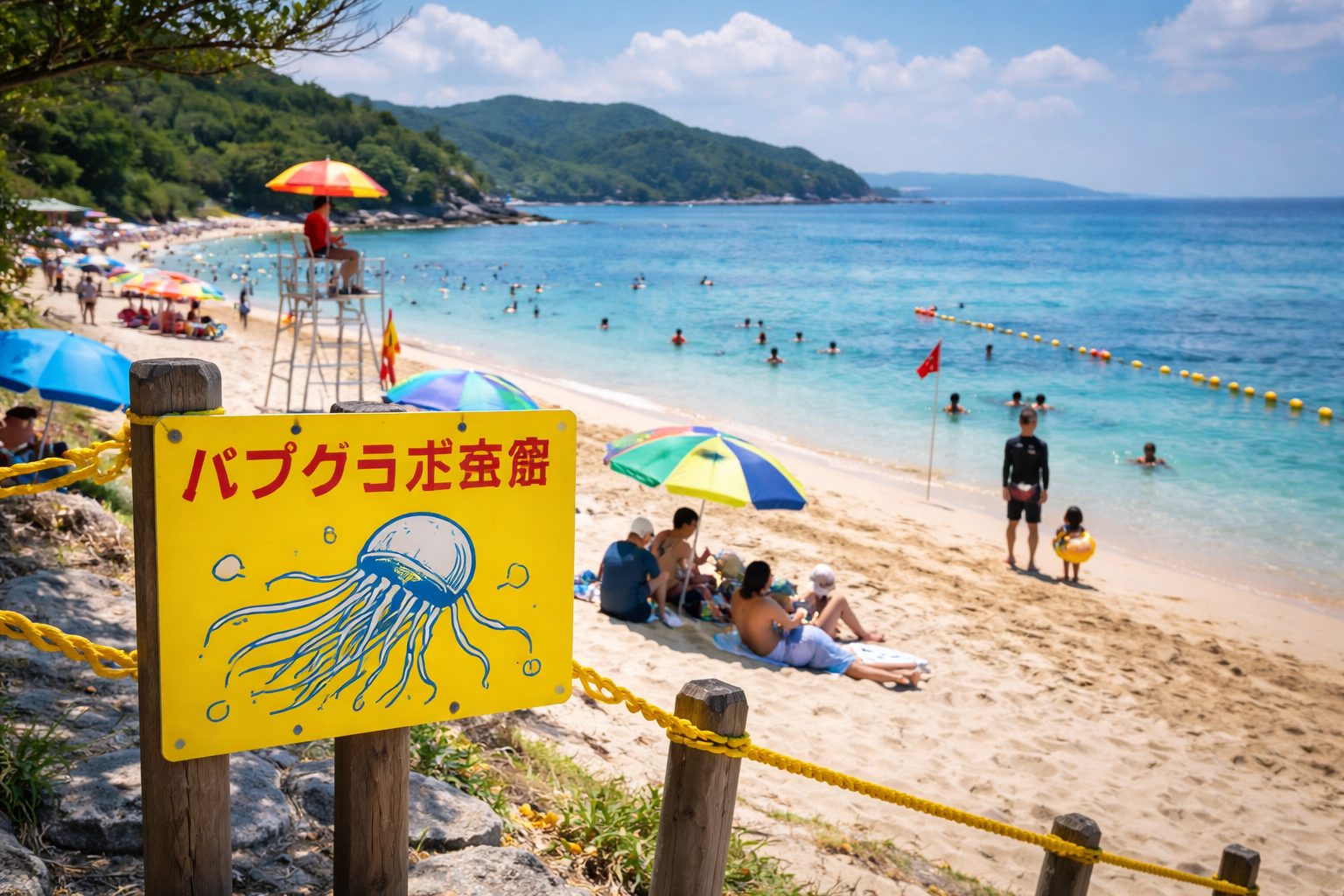
Rip currents exist at Pacific-facing beaches, especially those with surf. If you’re caught in one, swim parallel to the shore until you’re out of the current rather than fighting it directly. Currents at rocky beaches can be unpredictable, and areas marked as unsafe for swimming should be taken seriously.
Sunstroke is a genuine risk in Japanese summer. Hydrate constantly, take shade breaks in the middle of the day, and don’t underestimate how quickly the heat can affect you. Children and older visitors are particularly vulnerable.
- Always swim in areas supervised by lifeguards when possible.
- Check typhoon forecasts before traveling to southern beaches in August and September.
- Be cautious with coral. It’s fragile and cuts from coral can get infected quickly in warm water.
- Wear aqua shoes if you’re entering the water at rocky beaches or reef areas.
- Tell someone where you’re going if you’re heading to a remote or isolated beach.
Comparison of Popular Beaches in Japan
Okinawa vs. Honshu Beaches
The difference between Okinawa and Honshu beaches is substantial enough that they really are two different kinds of trips. Here’s a practical breakdown:
| Feature | Okinawa Beaches | Honshu Beaches |
|---|---|---|
| Water clarity | Exceptional (tropical, coral reefs) | Moderate (varies widely) |
| Swimming season | April to October | Late July to August |
| Crowd level | High in summer, manageable in shoulder season | Very high in August near cities |
| Marine life | Rich coral ecosystems, tropical fish | Fewer species, no coral |
| Facilities | Well-developed at major beaches | Generally good near cities |
| Scenery | Tropical, white sand, turquoise water | More varied: rocky, pine-backed, dramatic |
| Access | Flights from mainland (1.5 to 3 hours) | Easy from Tokyo, Osaka, Nagoya |
| Best for | Diving, snorkeling, tropical relaxation | Day trips, surfing, cultural combination |
Okinawa wins on water quality and marine activity. Honshu wins on accessibility and the ability to combine a beach day with urban or cultural travel.
Family-Friendly vs. Adventure Beaches
Not all beaches in Japan suit the same kind of traveler. Families with young children want calm water, lifeguard supervision, good facilities, and nearby food options. Emerald Beach in Okinawa, Shirahama in Shirakami, and Yuigahama near Kamakura all fit that profile well. These are beaches where you can rent equipment, find changing rooms, buy lunch nearby, and feel reasonably safe letting kids into the water.
Adventure seekers want something different. Yonaguni Island, with its diving ruins, extreme ocean currents, and hammerhead shark sightings in winter, is not for the faint-hearted. The Muroto Cape coast in Kochi is raw and exposed. The Shakotan Peninsula in Hokkaido requires some hiking to reach the best viewpoints. For surfers, the breaks at Ichinomiya, Miyazaki, or the more remote spots in Wakayama and Tosa Bay offer real challenge and genuine waves.
The key is matching the beach to what you actually want from it, rather than just picking the most famous name.
Frequently Asked Questions about Beaches in Japan
What are the cleanest beaches in Japan?
The consistently cleanest beaches in Japan are in the Kerama Islands of Okinawa, particularly Furuzamami and Ama Beach on Zamami Island. These are protected as part of Kerama Quasi-National Park, and the water quality is carefully monitored. Nishihama Beach on Hateruma Island is another top contender, with pristine sand and almost no development nearby.
Are there any nude beaches in Japan?
Nude beaches are essentially nonexistent in Japan. Japanese beach culture is conservative by international standards, and public nudity is generally prohibited at all official beaches. Some very remote coastal spots might be used informally, but there are no designated naturist beaches, and attempting nude swimming at public beaches would be inappropriate and likely illegal.
How to access remote beaches in Japan?
Access to remote beaches in Japan varies widely. Many of the best beaches in the Ryukyu Islands require ferry travel from Naha or other hub ports, and schedules are limited. Renting a scooter or car is often the most practical way to reach quieter coastal spots on larger islands. For Hokkaido’s Shakotan Peninsula, a rental car is essentially required. Always check ferry and bus schedules in advance, since rural transport in Japan is infrequent and doesn’t always align with tourist expectations.
Spending time at beaches in Japan is genuinely one of the country’s underrated pleasures. The combination of natural beauty, cleanliness, safety, and cultural depth makes Japanese beach travel different from anywhere else. Whether you’re after world-class diving in Okinawa, a classic summer day near Tokyo, or a solitary walk along a volcanic Kyushu shore, the coastline here has something real to offer. It just takes a bit of planning to find exactly what suits you.