
Planning a trip to Japan is exciting, but navigating the visa process can feel overwhelming if you’re not sure where to start. Japan is one of the most visited countries in the world, and for good reason. The culture, food, landscapes, and cities are genuinely unlike anywhere else. But before you pack your bags, you need to understand japan visa requirements, and they vary quite a bit depending on where you’re from and why you’re going. This guide breaks everything down clearly so you know exactly what to expect and how to prepare.
Understanding Japan Visa Requirements
Japan’s visa system is structured, well-documented, and generally straightforward, as long as you know what applies to your situation. The requirements aren’t designed to be difficult. They’re designed to ensure that visitors have legitimate purposes and sufficient means to support themselves during their stay.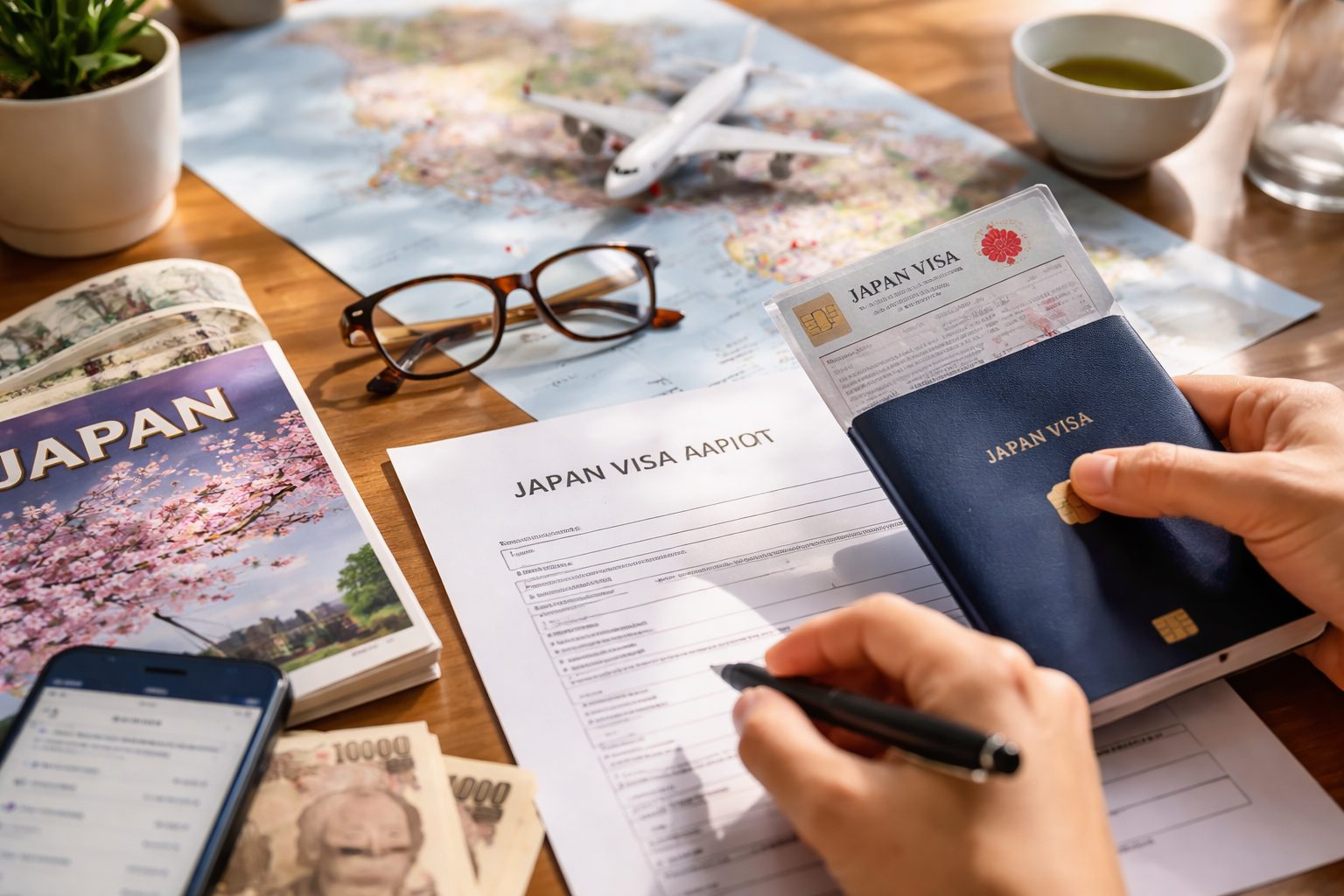
What is a Japan Visa?
A Japan visa is an official authorization issued by the Japanese government that allows foreign nationals to enter the country for a specific purpose and duration. It’s stamped or affixed into your passport before travel and must align with what you intend to do while in Japan.
There are short-stay visas and longer-term visas, each with distinct conditions. Overstaying or misusing a visa category can result in serious consequences, including bans on future entry. So understanding what type of visa you need and what it permits is essential.
Importance of Visa for Traveling to Japan
If you’re from a visa-exempt country, you might be wondering why any of this matters to you. But even for exempt travelers, there are conditions. You still need to meet entry requirements, carry sufficient funds, and hold onward travel documentation.
For everyone else, applying for the correct visa is the first and most critical step. Japan takes its immigration rules seriously. Getting this right means your trip goes smoothly from day one.
Types of Japan Visas
Japan offers a range of visa categories, each tied to a specific purpose of visit. Understanding which one applies to you is the foundation of a successful application.
Tourist Visa
The tourist visa, also called a temporary visitor visa, is the most common type for travelers. It’s designed for leisure travel, sightseeing, visiting friends or family, and short cultural or recreational activities.
It does not allow you to work or earn income while in Japan. Most tourist visas are issued for 15 or 30 days, though some applicants from certain countries may receive a multiple-entry visa valid for several years.
Business Visa
A business visa covers activities like attending meetings, conferences, trade shows, or short-term business negotiations. It does not permit you to take up employment or receive a salary from a Japanese company.
If you’re visiting Japan for work discussions, signing contracts, or representing your company at events, this is the right category. You’ll typically need an invitation letter from the Japanese business partner you’re visiting.
Student Visa
If you plan to study in Japan for more than 90 days, you’ll need a student visa. This applies to language schools, universities, vocational training programs, and similar educational institutions.
You’ll need to be enrolled at an approved institution before applying. The school usually plays an active role in your visa application by issuing the necessary documents.
Work Visa
Japan’s work visa system covers a wide variety of occupations and skill categories. These include engineering, teaching English, skilled labor, research, and specialized business roles, among others.
You generally need a job offer from a Japanese company before applying. The employer often assists with the paperwork, including obtaining a Certificate of Eligibility from Japanese immigration authorities.
Family Stay Visa
The family stay visa is for people who want to visit close relatives living in Japan on a long-term basis. It’s distinct from the dependent visa, which is for spouses or children of visa holders residing in Japan.
This visa allows for longer stays than a standard tourist visa in some cases, depending on the circumstances. Documentation from your family member in Japan, proving their status and residence, is a key part of the application.
General Japan Visa Requirements
Regardless of which visa type you’re applying for, there’s a standard set of requirements and processes you’ll need to work through. Getting familiar with them saves time and reduces mistakes.
Application Process Overview
Visa applications for Japan are submitted to a Japanese embassy or consulate in your home country or country of legal residence. In many cases, you cannot apply from a country where you’re not a legal resident.
The process typically involves gathering documents, filling out the application form, submitting everything in person or through an authorized travel agency, and then waiting for a decision. Some countries have additional steps, like scheduling an interview, though this is not common for short-stay visas.
Required Documents for Visa Application
The exact documents required depend on your visa type, but here’s what most applicants will need: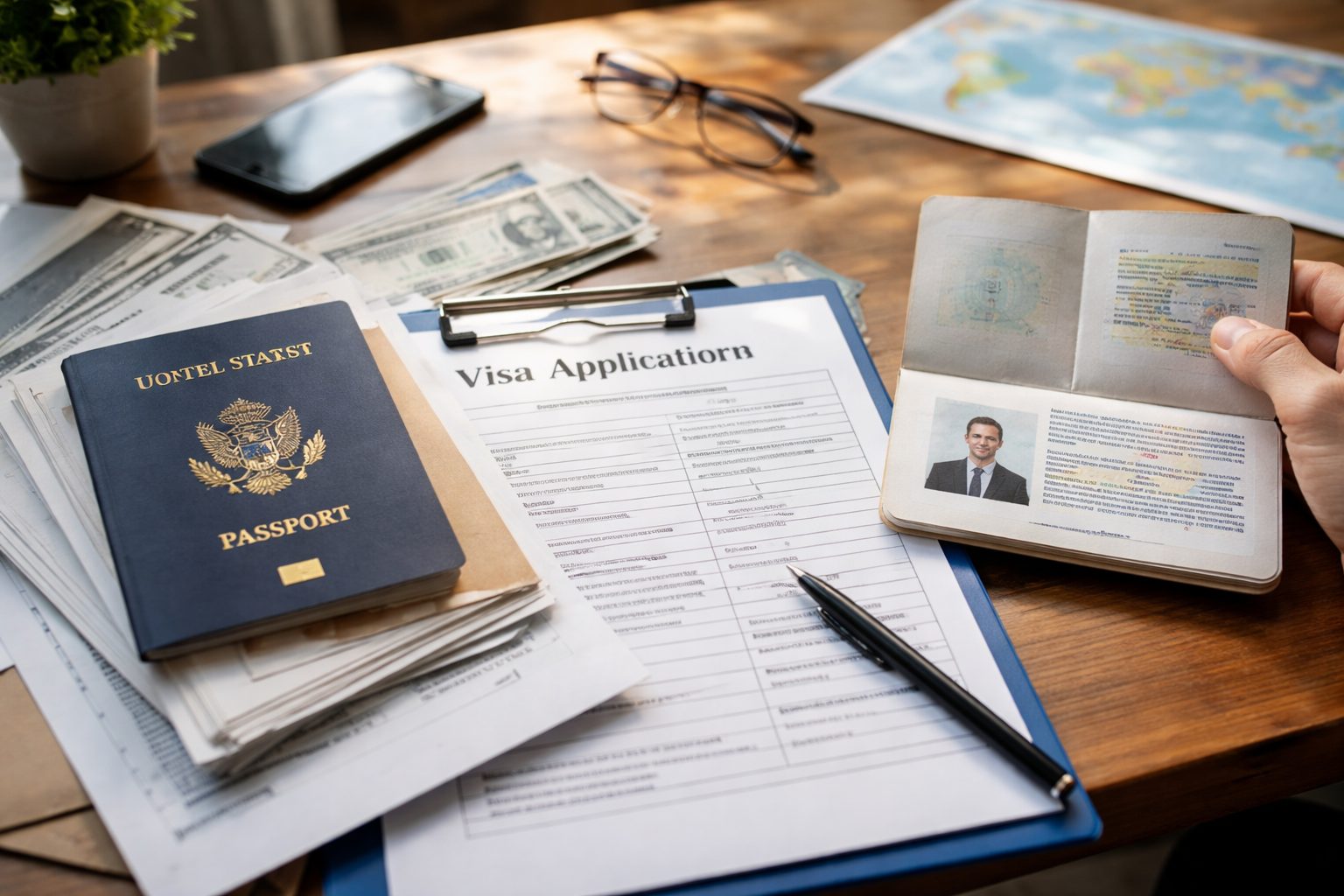
- A valid passport with at least six months of validity beyond your intended stay
- Completed visa application form
- One recent passport-sized photograph meeting Japanese specifications
- Copy of your flight itinerary or booking confirmation
- Proof of accommodation in Japan (hotel bookings, host invitation letter, etc.)
- Bank statements or financial documents showing you can support yourself
- Proof of employment, study, or your ties to your home country
- Fee payment (varies by visa type and country)
Some applicants may be asked for additional documents, especially for longer-stay or work-related visas. Always check the specific requirements on the official website of the Japanese embassy in your country.
Visa Fees and Processing Time
Visa fees and processing times vary depending on your nationality and visa type. Here’s a general overview:
| Visa Type | Typical Fee | Processing Time |
|---|---|---|
| Single-entry short stay | $15 to $30 USD equivalent | 5 to 7 business days |
| Double-entry short stay | $30 to $45 USD equivalent | 5 to 7 business days |
| Multiple-entry short stay | $60 to $90 USD equivalent | 5 to 10 business days |
| Single-entry long stay | $30 to $45 USD equivalent | 5 to 10 business days |
| Work or student visa | Varies | 1 to 4 weeks |
These are approximate figures. Fees can change, and some nationalities may pay different amounts based on bilateral agreements. Always confirm the current fee at your local Japanese embassy.
Specific Requirements by Visa Type
Each visa category comes with its own set of documentation beyond the standard requirements. Here’s what you’ll need for each type.
Tourist Visa Requirements
For a tourist visa, the key documents are:
- Proof of your travel itinerary (flights, accommodation)
- Bank statements showing sufficient funds for the trip
- A personal letter explaining the purpose of your visit
- Employment verification or proof of student status from your home country
Japan wants to see that you have reasons to return home after your trip. Strong ties to your home country, like a stable job or family, improve your chances of approval.
Business Visa Requirements
Business visa applicants typically need:
- An invitation letter from the Japanese company you’re visiting
- A letter from your employer explaining the purpose and duration of your trip
- Business card or documentation proving your professional role
- Proof of company registration in some cases
The invitation letter should be on company letterhead and clearly state the nature of the visit, the dates, and who is responsible for your costs during the stay.
Student Visa Requirements
Student visa applicants need to secure enrollment before applying. Required documents include:
- Certificate of Enrollment or Acceptance from the Japanese school
- Financial documents showing you can cover tuition and living expenses
- Academic transcripts or proof of Japanese language study
- Statement of purpose explaining why you want to study in Japan
In many cases, the school will provide a Certificate of Eligibility, which makes the visa process considerably smoother.
Work Visa Requirements
Work visa applications are more complex and involve cooperation between you and your Japanese employer. Key documents include:
- Certificate of Eligibility issued by Japanese immigration authorities (sponsored by your employer)
- Employment contract or offer letter
- Your educational and professional qualifications
- Passport and photographs
The Certificate of Eligibility is essentially a pre-approval from Japanese immigration confirming your employment is legitimate. Once you have it, obtaining the visa itself becomes much more straightforward.
Family Stay Visa Requirements
For a family stay visa, you’ll need:
- A written invitation from your family member in Japan
- Proof of the family relationship (birth certificate, marriage certificate)
- Copy of your family member’s residence card or visa
- Financial documents showing they can support your stay
This visa is processed with close attention to the documentation proving your relationship and the legitimacy of your stay.
Special Considerations
There are a few situations that don’t fit neatly into the standard categories. These are worth knowing about before you apply.
Visa Exemptions for Specific Countries
Japan has visa exemption agreements with over 60 countries. Citizens of these countries don’t need to apply for a visa in advance for short-stay visits, typically up to 90 days. Countries with exemptions include the United States, United Kingdom, Canada, Australia, most EU nations, South Korea, Singapore, and many others.
Even without a visa, you’re still expected to have a valid passport, a return ticket, sufficient funds, and no intention to work illegally. These conditions aren’t just formalities. They can be checked at the border.
Japan Visa for Dual Nationals
Japan does not officially recognize dual nationality, but this mainly affects Japanese citizens. For foreign nationals who hold two passports, you should apply for the Japan visa using the passport you intend to travel with.
If one of your passports is from a visa-exempt country, you can generally travel to Japan without a visa on that passport. Just make sure all your travel documents are consistent and that you use the same passport throughout your entire trip.
Japan Transit Visa Requirements
If you’re passing through Japan en route to another destination and your layover involves leaving the airport or staying overnight, you may need a transit visa. There’s a specific short-stay transit visa for this purpose.
However, travelers from many countries can transit through Japanese airports without a visa if they remain in the international transit area. Check with your airline and the Japanese embassy to confirm what applies to your specific situation and nationality.
Applying for a Japan Visa from Different Countries
The process for applying varies somewhat depending on where you’re applying from. Here’s what travelers from major countries need to know.
Japan Visa Requirements for US Citizens
US citizens are exempt from needing a visa for tourist and business visits of up to 90 days. You can enter Japan on a valid US passport without any advance visa application.
If you plan to stay longer or work, study, or live in Japan, you’ll need to apply for the appropriate visa at a Japanese consulate in the US. There are several Japanese consulates across the country, including in Los Angeles, New York, Chicago, and Houston.
Japan Visa Requirements for UK Citizens
UK citizens are also visa-exempt for short stays of up to 90 days for tourism or business. Post-Brexit, this exemption has remained in place under a bilateral agreement between Japan and the UK.
For longer stays or visa-requiring purposes, UK citizens apply through the Japanese Embassy in London or one of the consulates in Edinburgh or Manchester.
Japan Visa Requirements for Indian Citizens
Indian citizens are not visa-exempt for Japan and must apply in advance. This is one of the more detailed application processes, as Japan requires Indian applicants to provide thorough documentation including bank statements for the past three to six months, income tax returns, and a detailed travel itinerary.
Applications are submitted at the Japanese Embassy in New Delhi or consulates in Mumbai, Kolkata, Chennai, Bengaluru, or Osaka. Depending on the applicant’s profile, multiple-entry visas may be granted to frequent travelers with a clean history of Japan visits.
Japan Visa Requirements for Australian Citizens
Australian citizens are visa-exempt for stays of up to 90 days for tourism or business. Australia and Japan have a long-standing bilateral agreement that covers short-term visits.
For working holiday visas, Australia is one of the countries with a dedicated bilateral working holiday arrangement with Japan. Australian citizens aged 18 to 30 (or 35 in some cases) can apply for this special visa, which allows them to work and travel in Japan for up to one year.
Common Challenges and Solutions
Even when you’ve done everything right, visa applications don’t always go smoothly. Knowing where things tend to go wrong helps you avoid the same mistakes.
Common Reasons for Visa Denial
Japan’s rejection rate is relatively low, but denials do happen. The most common reasons include:
- Incomplete or inconsistent documentation
- Insufficient proof of financial means
- Weak ties to your home country, suggesting you might overstay
- Previous immigration violations in Japan or other countries
- Mismatched information between your application and supporting documents
- Criminal history that triggers a red flag
Most denials come down to documentation issues, not suspicious intent. Being thorough and honest in your application is the best prevention.
How to Appeal a Visa Denial
Japan doesn’t have a formal appeals process for visa denials. The decision is generally final. However, you can reapply with stronger documentation if your circumstances have changed or if you can address the reason for the previous denial.
If your application was denied, it’s worth reaching out to the consulate to understand why, though they’re not always able to share detailed reasons. In some cases, speaking with an immigration lawyer or consultant who specializes in Japanese immigration can help you figure out the best path forward.
Tips for a Successful Japan Visa Application
Here’s what consistently works for applicants who get approved:
- Apply well in advance. Don’t wait until two weeks before your trip.
- Be completely honest. Inconsistencies between documents and your application form are a common red flag.
- Organize your documents clearly. Consulate staff process hundreds of applications. Make it easy for them to verify your information.
- Provide strong financial evidence. Bank statements, pay stubs, or tax records all help demonstrate you can support yourself.
- Show your intention to return home. Employment letters, property ownership, family ties, or enrollment in school back home all help.
- Use an authorized travel agency if you’re unsure. In some countries, visa applications must go through accredited agencies rather than directly to the consulate.
Taking these steps seriously makes a real difference in the outcome.
Frequently Asked Questions (FAQs)
How long can I stay in Japan on a tourist visa?
Most tourist visas allow stays of 15 or 30 days, depending on your nationality and the specific visa issued. Some nationalities may receive a 90-day visa-exempt entry. Check the stamp in your passport when you arrive, as it specifies the exact allowed duration.
Can I extend my stay in Japan?
Extensions are possible but not guaranteed. You must apply at a regional immigration office in Japan before your permitted stay expires. Extensions are more commonly granted for humanitarian or unavoidable circumstances, not simply because you want more time to travel.
Do I need to apply for a visa if I am transiting through Japan?
If you’re staying in the international transit area of a Japanese airport and not going through immigration, no visa is generally needed. But if you plan to leave the airport, even briefly, a transit visa or entry visa is required unless your nationality qualifies for visa-free entry.
What should I do if my visa application is delayed?
Contact the Japanese embassy or consulate where you submitted your application. Processing times can vary, especially during peak periods or national holidays. If your travel date is approaching and you haven’t received a decision, reach out promptly to check the status.
How can I check the status of my Japan visa application?
In most countries, you can check your application status by contacting the consulate directly by phone or email, or through the authorized travel agency that submitted your application. There is no universal online tracking system, so the process varies by location.
Planning ahead and understanding the full scope of japan visa requirements before you apply saves a lot of stress. Whether you’re headed to Tokyo for a week or relocating for work, the process is manageable once you know what’s expected of you. Take your time, gather the right documents, and give yourself enough runway before your intended travel date.