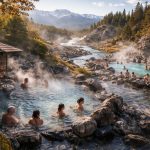
Figuring out where to travel in winter can feel overwhelming. There are so many options, so many conflicting opinions, and so many “best destination” lists that all seem to say something different. I’ve been traveling in the colder months for years, and I can tell you that winter trips are often the best ones. Fewer crowds, lower prices, and a completely different atmosphere in places you might have only visited in summer. Whether you’re chasing snow or sunshine, there’s a destination out there that fits exactly what you’re looking for.
Winter travel is genuinely underrated. People talk about summer vacations like they’re the only option, but the reality is that some of the most memorable experiences happen between December and February. This guide covers everything from choosing the right destination to packing smart and booking strategically. Let’s get into it.
Top Winter Destinations Around the World
The world doesn’t shut down in winter. If anything, it opens up in ways that summer crowds prevent. Some destinations peak in winter, others empty out and become surprisingly accessible. Knowing the difference between the two is half the battle when deciding where to travel in winter.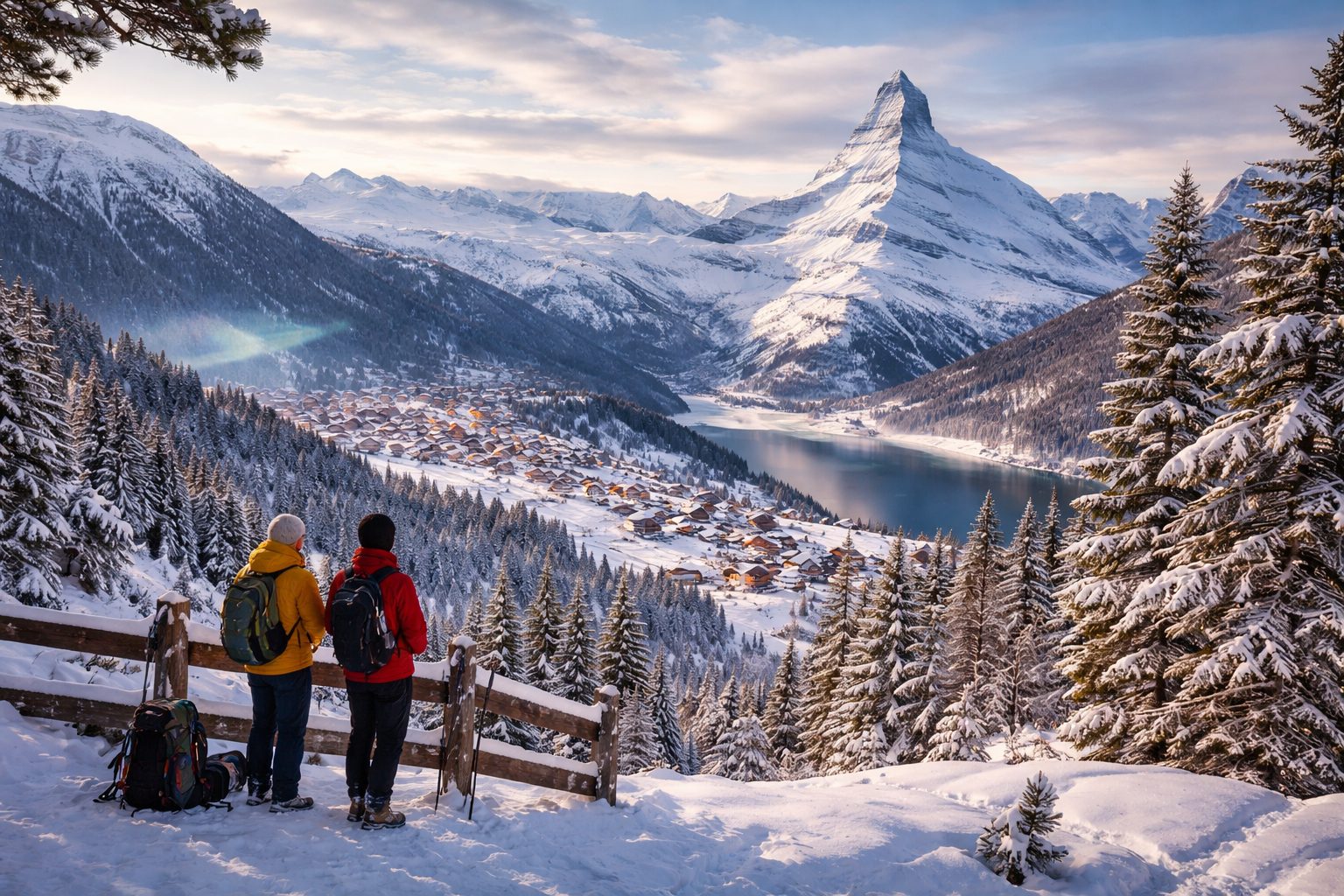
Popular Winter Getaways
Certain destinations consistently rank as top winter picks, and for good reason. They deliver reliable weather, solid infrastructure, and experiences that are genuinely worth the trip.
- Bali, Indonesia is a classic for a reason. The dry season runs through most of the winter months in the northern hemisphere, making it warm, sunny, and perfect for beach days, temple visits, and rice terrace walks.
- Thailand offers a similar appeal. Chiang Mai in the north has cool, dry air in December and January, while the southern islands like Koh Lanta see their best beach weather during this period.
- Costa Rica peaks in winter for visitors from North America and Europe. It’s the dry season across much of the country, wildlife is abundant, and you can combine rainforest, volcano, and beach experiences in a single trip.
- The Canary Islands sit off the coast of northwest Africa and stay mild all winter. Tenerife and Gran Canaria especially are popular with Europeans escaping the grey cold of the continent.
- Japan in winter is a completely different country from Japan in cherry blossom season. Snow-covered temples in Kyoto, ski resorts in Hokkaido, and far fewer tourists at every major site.
These destinations aren’t secrets, but they’re popular for real reasons. If you’ve been unsure where to start, any of these will deliver.
Hidden Gems for Winter Travel
Beyond the obvious picks, there are destinations that tend to fly under the radar during winter but offer exceptional experiences.
- Georgia (the country) in the Caucasus is remarkable in winter. Tbilisi has a charming old town, excellent wine culture, and nearby ski resorts that are far cheaper than anything in the Alps. The food alone is worth the trip.
- Morocco in December and January is ideal. The extreme heat is gone, the medinas in Marrakech and Fes are more comfortable to explore, and the Sahara desert nights are cold and absolutely spectacular for stargazing.
- Sri Lanka has two coastlines with different weather patterns. While the west coast gets hit with monsoon rains in winter, the east coast from Trincomalee to Arugam Bay has its best conditions from December through April.
- Oman is a country that many travelers haven’t seriously considered, but winter is the only season when the heat is genuinely manageable. Muscat, the desert canyons, and the fjord-like coastline of Musandam are all worth exploring.
- Mexico’s Pacific Coast offers spots like Puerto Vallarta and Oaxaca’s coast that see almost no rain from November through March, with warm but not brutal temperatures.
These places reward a bit of research and a willingness to step off the standard tourist track.
Best Cities to Visit in Winter
Some cities are actually better in winter, not just tolerable. The seasonal shift changes everything from the pace to the aesthetic.
New York City transforms in December. The holiday decorations, the ice skating rinks, the overall energy of the city in the weeks before Christmas is genuinely special even for someone who lives there. After the holiday rush, January is one of the quietest and most affordable times to visit.
Vienna and Prague are two European cities that feel tailor-made for winter. The Christmas markets are excellent, but even in January and February, these cities have a particular atmosphere when snow is falling over baroque architecture. Museums are uncrowded, coffee houses feel essential rather than optional, and you can move through iconic sights without fighting tour groups.
Amsterdam in winter loses its summer circus and becomes a real city again. The canals, the museums, the brown cafes, the cycling culture, it all feels more authentic when you’re not navigating tourist bottlenecks.
Buenos Aires in the southern hemisphere summer (December through February) is buzzing. The weather is warm, the cultural calendar is full, and the city has an energy that’s hard to match anywhere in the world during those months.
Winter Activities to Enjoy
Skiing and Snowboarding Locations
If you’re choosing where to travel in winter specifically for snow sports, the options are extensive and genuinely varied in terms of price, experience, and terrain.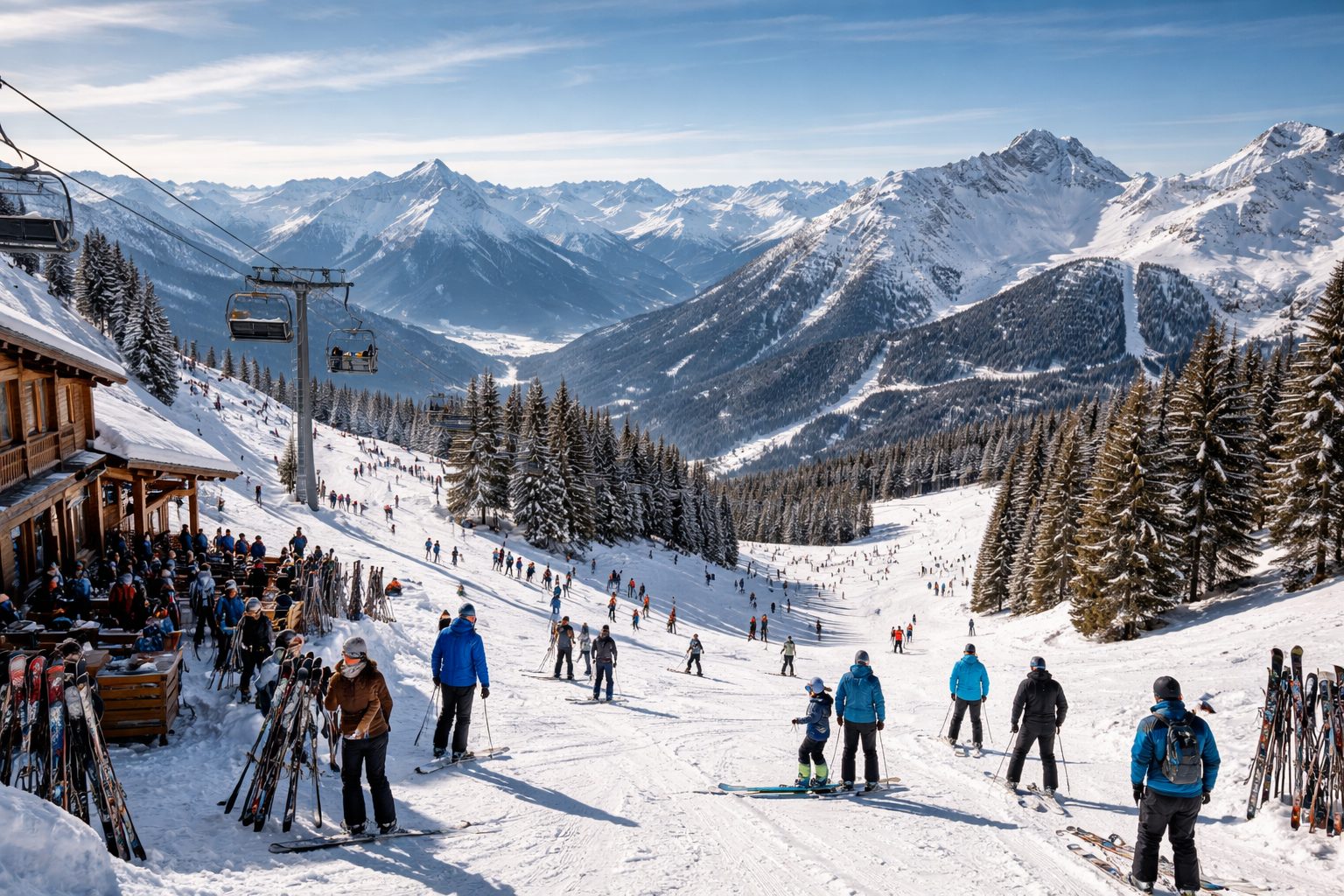
The Alps remain the benchmark. France, Switzerland, Austria, and Italy all have world-class resorts with serious vertical drops, excellent infrastructure, and a culture around ski holidays that’s hard to replicate elsewhere. Chamonix in France, St. Anton in Austria, and Zermatt in Switzerland are the standout names. They’re not cheap, but the experience is legitimate.
North America competes well. Colorado resorts like Vail, Aspen, and Breckenridge have reliable snow and excellent facilities. Utah’s Wasatch Range, particularly Park City and Alta, is known for exceptional powder. In Canada, Whistler Blackcomb in British Columbia regularly ranks among the best ski resorts in the world.
Japan’s Hokkaido island has developed a serious reputation for powder skiing. Niseko in particular draws expert skiers from around the world for its consistent snowfall and deep, light powder. It’s genuinely different from alpine skiing in a way that makes the long journey worthwhile.
For budget-conscious skiers, Bulgaria’s Bansko, Romania’s Poiana Brasov, and Serbia’s Kopaonik offer solid skiing at a fraction of Western European prices. The resorts are smaller but more than adequate for most skill levels.
Winter Festivals and Events
One of the best arguments for winter travel is the concentration of festivals and events that simply don’t happen at other times of year.
- Carnival in Rio de Janeiro technically peaks in February or early March, but the buildup starts in January. If you want to experience one of the world’s great spectacles, this is it.
- Ice and Snow Festival in Harbin, China runs from January through February. The scale of the ice sculptures is genuinely breathtaking, and there’s nothing quite like it anywhere else.
- Tromsø Northern Lights in Norway peak in January and February. The Aurora Borealis is not guaranteed, but the odds are as good as they get during these months.
- Up Helly Aa in Shetland, Scotland happens every January and involves a thousand torch-bearing Vikings burning a full-sized longship. It’s wild, it’s spectacular, and it’s free to watch.
- Venice Carnival runs for about two weeks before Ash Wednesday, typically in February. The costumes, the masked balls, and the general theatricality of it all is unlike anything else in Europe.
- Sundance Film Festival in Park City, Utah brings independent cinema, celebrity sightings, and mountain scenery together in late January. Even without tickets to screenings, the town atmosphere is worth experiencing.
These events give winter travel a focus and energy that purely weather-driven trips sometimes lack.
Cozy Retreats and Spa Destinations
Not every winter trip needs to involve movement, culture, or adventure. Sometimes the right answer is a deliberate slowdown.
Iceland combines dramatic landscapes with excellent geothermal spa culture. The Blue Lagoon is the obvious choice, but the country has dozens of natural hot springs and smaller geothermal pools. Soaking in warm water while surrounded by snow and possibly under the northern lights is one of those experiences that genuinely lives up to its reputation.
Scandinavia in general does winter retreats well. Finnish Lapland offers reindeer farms, ice fishing, sauna culture, and remote wilderness lodges with glass-roofed cabins designed specifically for northern lights viewing. It’s peaceful in a way that feels restorative rather than boring.
The Swiss and Austrian Alps have perfected the concept of the winter wellness retreat. Many spa hotels in small mountain villages offer thermal baths, steam rooms, and treatment menus alongside ski access. You don’t have to ski at all to appreciate a week in this environment.
Closer to home for North Americans, the hot springs regions of Colorado and Montana offer a more accessible version of the same idea. Towns like Steamboat Springs and Missoula have evolved their wellness infrastructure significantly over the past decade.
Factors to Consider When Choosing a Winter Destination
Climate and Weather Patterns
Weather is the obvious starting point, but it’s more nuanced than “warm vs. cold.” What you actually want depends on what kind of trip you’re planning.
If you’re chasing warmth to escape a cold home climate, you need to look beyond just average temperatures. Humidity matters. A 30-degree day in Southeast Asia feels different from a 30-degree day in the Canary Islands. Rainy season timing is critical. Some tropical destinations that look appealing in winter still have unreliable weather, while others hit their absolute peak.
For snow-focused trips, snowfall consistency matters more than cold temperatures. A ski resort with inconsistent snow cover is frustrating regardless of how charming the village is. Look at historical snowfall data, not just temperature charts.
For city trips, consider what “winter” actually means in that location. Winter in Lisbon is mild and occasionally rainy. Winter in Budapest is cold but manageable. Winter in Moscow is serious business. All three are technically “European winter cities” but they require completely different planning.
Travel Costs and Budgeting for Winter Trips
Winter is both expensive and cheap depending on which winter you’re talking about. The holiday period from mid-December through early January is peak pricing for most popular destinations. The shoulder weeks before and after, and the deep winter period from mid-January through February, are often the best value of the entire year.
A few specific patterns worth knowing:
- Caribbean and beach destinations charge peak rates from December through April. If budget matters, shoulder months around November and late April into May often deliver similar weather at lower prices.
- European cities generally hit their lowest prices in January and February. Hotels, flights, and even museum entry lines reflect this. Paris and Rome in February are genuinely good deals.
- Ski resorts follow their own pricing logic. Christmas through New Year is peak. February school holidays in Europe are a secondary peak. Early December and late March can offer real discounts with reasonable snow conditions.
- Long-haul destinations like Southeast Asia, Japan, and South America have more stable pricing throughout winter, with spikes only around major holidays.
Setting a realistic budget before choosing a destination is smart. Some places look affordable until you calculate the cost of getting there.
Accessibility and Transportation Options
Where to travel in winter also depends on how easy it is to get there and move around once you arrive.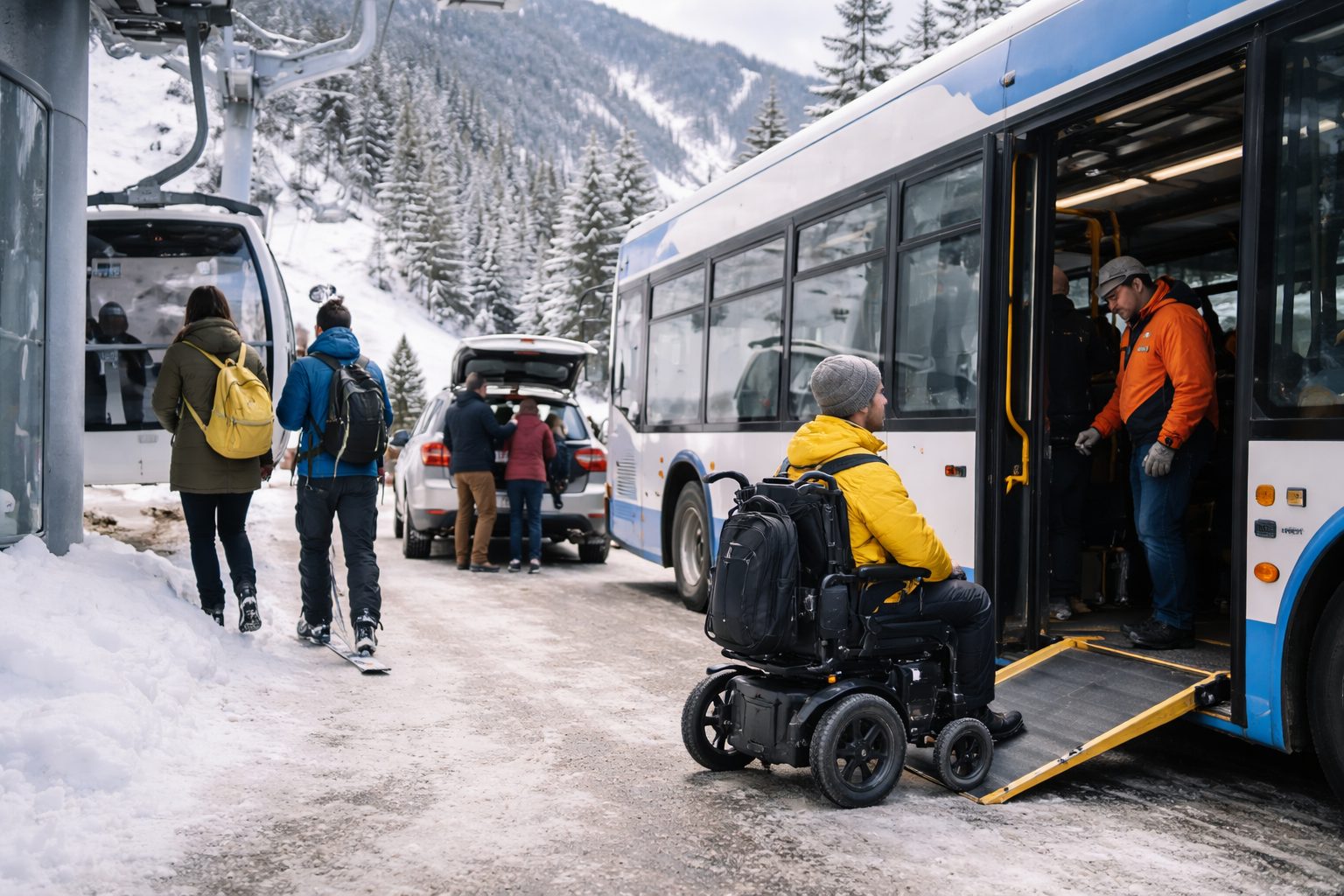
Direct flight availability makes a significant difference in both cost and travel time. A destination that requires two or three connections can add a full day to each end of a trip. During winter, connection risks also increase because winter weather disrupts hub airports more frequently.
In-destination transportation matters too. Driving in mountain regions requires snow tires or chains, and rental companies don’t always provide these automatically. Public transportation quality varies enormously between destinations. Japan and Switzerland have exceptional rail networks that make car-free travel easy. Many otherwise appealing destinations require a rental car to access properly.
Visa requirements are a practical consideration that affects where you can realistically go. Many popular winter destinations are visa-free for common passport holders, but some require advance applications. Timing these correctly, especially during the busy holiday period when consulate wait times extend, is worth checking early.
Comparing Popular Winter Travel Destinations
Europe vs. North America for Winter Travel
| Factor | Europe | North America |
|---|---|---|
| Best beach/warm weather options | Canary Islands, Malta, Southern Spain | Caribbean, Mexico, Florida |
| Ski destinations | Alps (France, Austria, Switzerland, Italy) | Rockies (Colorado, Utah), Whistler |
| City culture | Vienna, Prague, Amsterdam, Lisbon | New York, Montreal, Quebec City |
| Budget range | Mid-range to luxury, varies widely | Wide range, good budget options |
| Flight costs from North America | Higher | Lower (for North Americans) |
| Flight costs from Europe | Higher | Lower (for Europeans) |
| Winter festival culture | Christmas markets, Carnival | Sundance, New Orleans Mardi Gras |
| Visa requirements | Mostly visa-free for major passports | Mostly visa-free for major passports |
The honest answer is that neither continent is objectively better for winter travel. It depends on where you’re coming from, what you’re looking for, and what you’re willing to spend. For pure ski terrain, both regions have world-class options. For cultural city experiences, Europe edges ahead simply through historical depth and density of options. For warm winter escapes, both have excellent choices at different price points.
Best Destinations for Families vs. Couples
Family winter travel has different requirements from a couple’s trip, and the overlap is smaller than most travel guides admit.
For families, key considerations include:
- Kid-friendly activities and not just “museums”
- Reasonable flight duration to avoid exhausted children at the destination
- Accommodation with space and kitchen access
- Destinations where children are genuinely welcomed in restaurants and public spaces
Top family picks tend to be Japan (extremely family-friendly, safe, fascinating for kids), Costa Rica (wildlife and outdoor adventure at accessible difficulty levels), and ski destinations with strong children’s ski schools. Caribbean resorts with all-inclusive options are a practical choice for families with younger children.
Couples’ winter travel can lean into experiences that would be impractical with kids. Romantic city weekends in Vienna, Prague, or Paris. Adventure travel in Patagonia or Iceland. A week in a remote Japanese ryokan with kaiseki dinners and private hot spring baths. These experiences require flexibility, quieter environments, and often early morning or late evening activities that don’t work with children’s schedules.
Adventure Travel vs. Relaxation Retreats
Some people want to fill every day with activity. Others need a vacation that involves doing less, not more. Winter amplifies this distinction because the season itself can be either an adventure or a backdrop for rest.
Adventure winter travel looks like:
- Ski touring in the backcountry in the Alps or Rockies
- Ice climbing in Rjukan, Norway or Ouray, Colorado
- Dog sledding in Lapland or the Yukon
- Snowmobiling and glacier hiking in Iceland
- Winter mountaineering in Patagonia or the Himalayas
Relaxation winter travel looks like:
- A week in a Thai beach town with a good book and minimal plans
- Geothermal spa culture in Iceland or Finland
- A slow wine region trip through Mendoza or Burgundy
- Long lunches and afternoon walks in Lisbon or Porto
- A wellness retreat in the Austrian Alps with minimal skiing
Most trips end up somewhere in the middle, which is fine. But being honest about which end of the spectrum genuinely appeals to you will help you choose the right destination and avoid the disappointment of being in an adventure destination when what you actually needed was rest.
Practical Tips for Traveling in Winter
Packing Essentials for Winter Vacations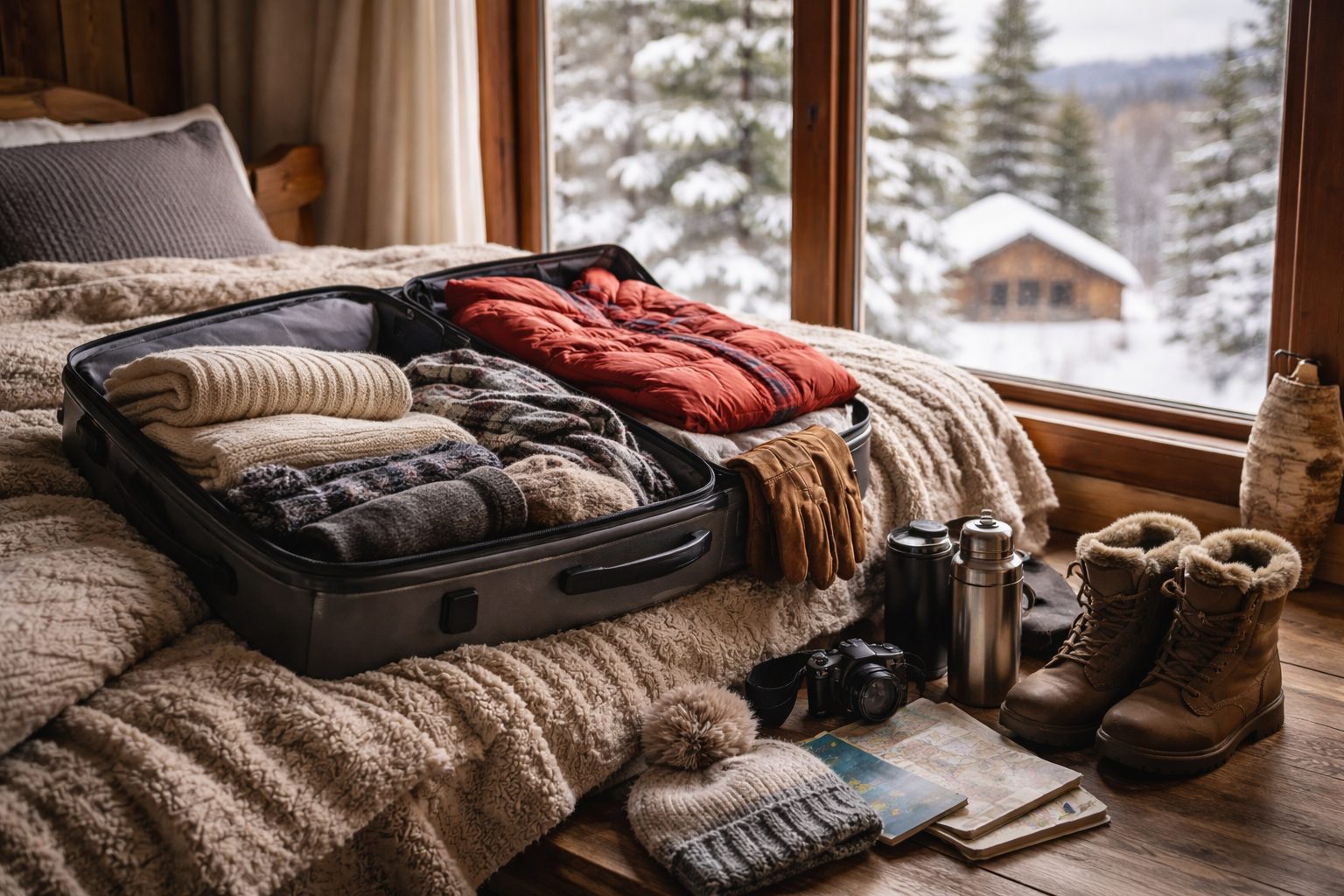
Packing for winter travel depends enormously on the destination, but a few principles apply broadly.
Layering is the core system for cold-weather travel. A moisture-wicking base layer, an insulating mid-layer, and a windproof and waterproof outer shell cover most conditions from urban walking to mountain exposure. Merino wool base layers work exceptionally well because they regulate temperature, resist odor, and are comfortable against the skin for long periods.
For warm winter destinations, packing light is genuinely easier. The temptation to overpack “just in case” is real but usually counterproductive. A few versatile pieces for warm weather, a light layer for air-conditioned interiors, and good walking shoes cover most beach and tropical city trips.
Specific items that make a real difference:
- Waterproof walking shoes or boots for wet winter cities
- Packable down jacket that compresses into its own pocket
- Wool or fleece hat and gloves even for mild destinations (mountain excursions can be cold even in warm countries)
- High-quality sunscreen for snow destinations (UV exposure increases significantly at altitude and with snow reflection)
- A power bank for cold weather, which drains phone batteries significantly faster
- Reusable water bottle with insulation for keeping drinks warm in cold conditions
Booking Strategies for Winter Travel Deals
Getting good value on winter travel is very achievable if you’re strategic about timing and flexible about dates.
For the holiday peak period (mid-December through early January), early booking genuinely matters. Prices for flights and accommodation at popular destinations start rising months in advance. If you know you want to travel during this window, booking four to six months ahead typically secures better options than waiting.
For the shoulder winter period (late January through February), the dynamic reverses. Last-minute deals are more available because demand is lower. Airlines and hotels that haven’t filled their inventory often discount aggressively in the final two to three weeks. This approach works better for flexible travelers without strict date requirements.
A few specific strategies that work:
- Set price alerts for flights to your target destination and check them weekly rather than obsessively daily
- Consider flying on Christmas Day or New Year’s Day itself, when most people are at their destination already. Prices on these specific dates are often lower
- Look at nearby airports and overland connections. Flying into a smaller airport an hour from your destination can save significantly
- For ski trips, midweek stays cost less than weekend stays at most resorts. Even shifting arrival to Sunday and departure to Friday changes the pricing significantly
- For accommodation, consider apartments or vacation rentals for trips of a week or more. They typically cost less per night than hotels for similar quality and add kitchen access
Safety Tips for Winter Travel
Winter adds specific safety considerations that don’t apply in other seasons. Taking these seriously doesn’t mean being anxious, it means being prepared.
Travel insurance is genuinely important for winter trips in a way that it isn’t always during summer. Flight cancellations and delays due to weather are far more common. Ski injuries are a real possibility. Medical emergencies in remote mountain regions can involve evacuation costs that dwarf the cost of the trip itself. Buy insurance early, read what it actually covers, and confirm that it includes the specific activities you’re planning.
For mountain and ski environments:
- Never ski or hike in the backcountry alone
- Check avalanche forecasts for any off-piste activity
- Dress appropriately even for short outdoor sessions. Hypothermia develops faster than most people expect
- Know the signs of altitude sickness if your destination is at elevation
- Carry a charged phone and have an offline map downloaded
For cold urban environments:
- Watch for ice on sidewalks and roads, especially in the morning when overnight freeze is common
- Be aware of the increased risk of pickpocketing in areas where everyone is wearing heavy coats and carrying bags
- Keep valuables close and in interior pockets when possible
For warm winter destinations:
- Sun protection is frequently underestimated by visitors coming from cold climates who aren’t thinking about UV exposure
- Water safety around ocean swimming, rip currents especially, is genuinely important and worth understanding before you arrive
- Check travel advisories for any destination you haven’t visited before
Frequently Asked Questions (FAQs)
What are the best places to travel in winter?
The best places depend on what you’re looking for. For warmth and beaches, Thailand, Costa Rica, and the Canary Islands consistently deliver. For snow and skiing, the Alps and Colorado Rockies are hard to beat. For cultural city experiences with fewer crowds, Vienna, Prague, and Tokyo are excellent winter destinations. The “best” place is the one that matches your specific interests and budget.
How to find affordable winter travel options?
Flexibility is your biggest asset. Traveling in late January or February rather than the holiday peak period cuts costs significantly on most routes. Setting price alerts through flight search tools helps you catch drops without monitoring prices obsessively. For accommodation, booking apartments or vacation rentals for longer stays, and considering destinations in Eastern Europe or Southeast Asia rather than Western Europe or the Caribbean, makes a meaningful difference to the overall budget.
What should I pack for a winter vacation?
Pack based on your specific destination, not a generic “winter” list. For cold destinations, focus on a good layering system with a quality waterproof outer layer and insulating mid-layer. For warm destinations, keep it light with versatile pieces and don’t forget sun protection. Regardless of destination, a packable down jacket, waterproof shoes, a portable power bank, and good travel insurance documentation should be in every winter bag.
Winter is one of the best times to travel, and figuring out where to travel in winter comes down to knowing what you actually want from a trip. Whether that’s powder snow, warm beaches, vibrant cities, or complete quiet, there’s a destination that delivers it. The key is matching the destination to the experience rather than booking whatever looks popular and hoping it fits. With the right choice, winter travel consistently outperforms the summer alternative in value, atmosphere, and memory-making potential.