
Porto has a reputation that often surprises first-time visitors. People ask whether is porto portugal safe before they book, and the honest answer is: yes, it generally is, and quite comfortably so. I’ve spent time walking its hilly streets, riding its rattling trams, and exploring neighborhoods from the riverfront to the outer residential zones. Porto ranks as one of the safer mid-sized cities in Southern Europe, and the day-to-day experience backs that up. That said, “safe” doesn’t mean “without any risk,” and knowing where to pay attention makes the difference between a smooth trip and an avoidable headache.
Overview of Safety in Porto
Porto is Portugal’s second-largest city and sits in the northwest of the country along the Douro River. It’s a working city with a strong local character, less tourist-saturated than Lisbon, and that grounded quality tends to contribute to a calmer street atmosphere. Visitors generally move around freely, day and night, with reasonable confidence.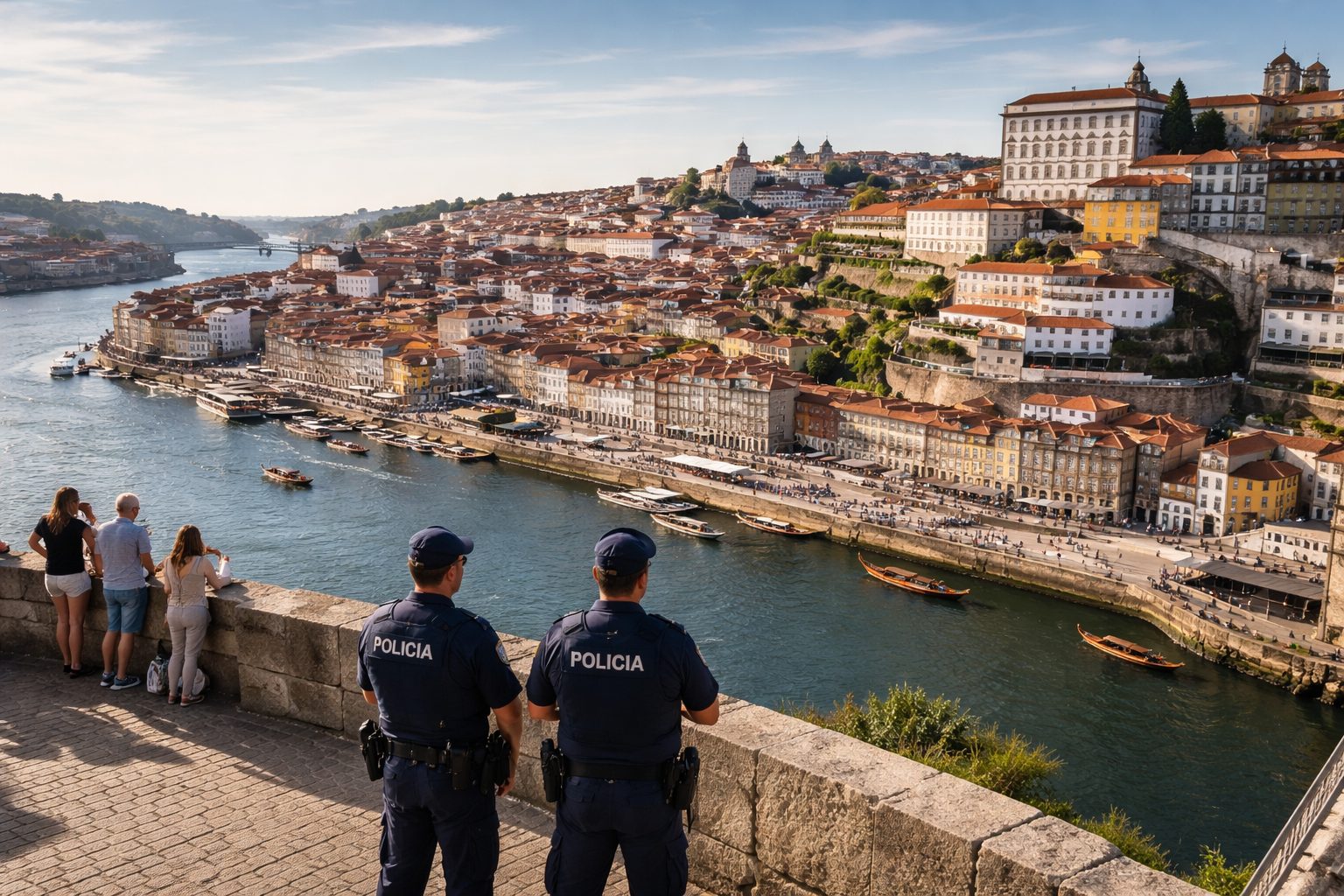
General Safety Statistics
Portugal as a whole consistently ranks among the top ten safest countries in the world on the Global Peace Index. Porto specifically benefits from low rates of violent crime. The city sees far fewer incidents involving weapons, assaults, or serious street violence than comparable urban centers in France, Italy, or Spain.
The overall crime rate in Porto sits below the European average for cities of its size. Most incidents that do get reported fall into the petty theft and pickpocketing category, which is worth knowing but shouldn’t dominate your planning. Feeling unsafe on Porto’s streets is uncommon, and many travelers report feeling more relaxed here than in other major European destinations.
Crime Rates in Porto
Petty theft is the primary concern for visitors in Porto. Pickpocketing occurs in crowded tourist areas, particularly around Ribeira, the Clérigos Tower, and on the iconic Tram 22 route. These aren’t dangerous situations in the traditional sense, just opportunistic theft targeting distracted or loaded-down travelers.
Violent crime is low. Incidents involving tourists and serious violence are rare and tend to make headlines when they happen precisely because they’re so unusual. Drug-related activity exists in certain neighborhoods, but this doesn’t typically translate into danger for visitors moving through. Porto doesn’t have the gang-territory dynamics or high-crime housing estates that you find in some larger European cities.
Personal Safety Tips for Travelers
Good safety habits in Porto are no different from what you’d use anywhere else in Europe. A few consistent practices keep most travelers out of trouble without limiting how much they enjoy the city.
Best Practices for Staying Safe
The most effective thing you can do is manage your belongings actively. Pickpockets work crowds, and Porto’s tourist zones get busy, especially in summer.
- Use a crossbody bag with a zipper and keep it in front of you in crowds.
- Don’t leave bags on chairs at outdoor cafes or hanging on the backs of seats.
- Keep your phone in a pocket rather than held loosely in your hand while walking.
- Split cash between different locations so a single theft doesn’t wipe you out.
- Stay aware of your surroundings in narrow alleys, especially in Ribeira at night.
- Avoid displaying expensive cameras, jewelry, or gadgets unnecessarily in crowded areas.
Street sense is mostly about not making yourself an easy target. Porto’s thieves are opportunists, not professionals running sophisticated operations. Basic precautions remove you from the equation quickly.
Emergency Contacts and Resources
Know the numbers before you need them. Portugal’s emergency number is 112, which covers police, fire, and medical services. This works throughout the country including Porto.
- PSP (Polícia de Segurança Pública) is the city police force for Porto. Their main station is on Rua Augusto Rosa.
- The tourist police unit, operating under the PSP, speaks multiple languages and handles complaints involving visitors.
- For non-urgent police matters, the nearest PSP station works fine.
- Your country’s embassy or consulate in Lisbon can assist with serious situations, lost passports, or legal issues.
It’s worth taking a photo of your passport and keeping it stored somewhere accessible offline, separately from the physical document.
Transportation Safety in Porto
Getting around Porto is straightforward and generally safe. The city has a decent mix of public transport, and private options are easy to access.
Public Transportation: Buses and Trams
Porto’s public transport system is run by STCP and includes buses, trams, and the metro network. The metro is clean, reliable, and covers most areas a tourist would want to reach. Buses are similarly safe during the day and into the evening.
The historic Tram 22 is worth mentioning specifically because it’s a well-known pickpocketing location. The tram gets packed, moves slowly, and attracts tourists carrying bags and phones. Stay alert on this route and keep your valuables secured before you board. The same applies to Tram 18.
- Metro stations are well-lit and monitored.
- Night buses run after the metro closes but are less frequent.
- Validate your transport card before each journey to avoid fines.
- Avoid empty carriages late at night if possible.
Taxis and Ride-Sharing Services
Taxis in Porto are metered and generally reliable. Official taxis are beige and display a green roof light when available. Using the taximeter is standard practice, and most drivers are professional. Scams involving taxis exist in some Portuguese cities but are not a major issue in Porto.
Uber and Bolt operate widely in Porto and are often the preferred option for tourists because of price transparency and the ability to track the route. Both apps work well in the city center and most neighborhoods. For airport runs, ride-sharing is competitively priced and avoids any fare ambiguity.
Neighborhood Safety Comparisons
Porto’s neighborhoods vary significantly in character, and understanding this helps you make better choices about where to stay and where to walk at night.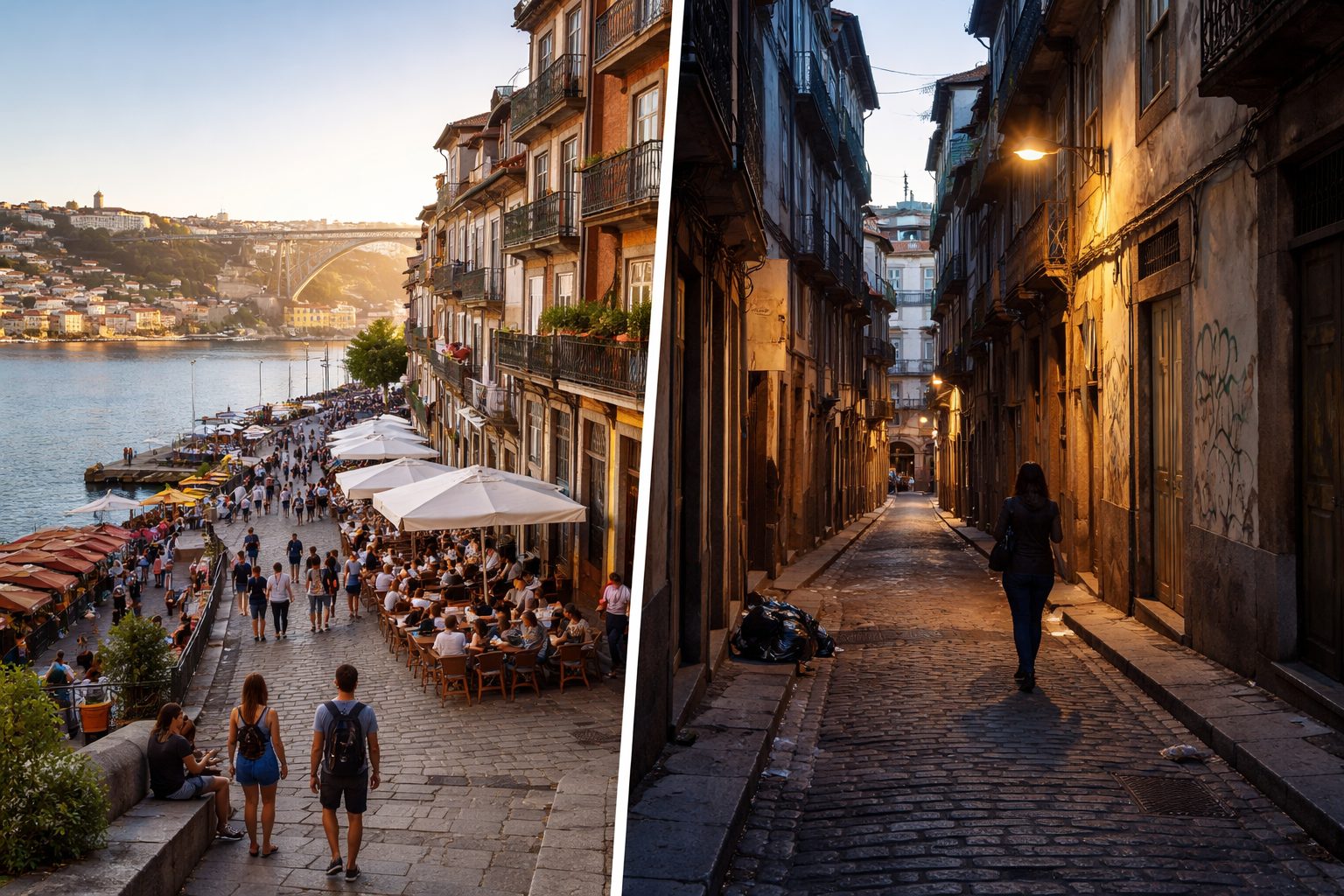
Safe Areas to Stay in Porto
Most central neighborhoods are safe and comfortable for tourists. Here’s a quick comparison of popular areas:
| Neighborhood | Character | Safety Level | Notes |
|---|---|---|---|
| Baixa / Centro | Dense, commercial | High | Very busy, some petty theft |
| Ribeira | Historic riverfront | High | Popular with tourists, watch belongings |
| Boavista | Upscale, residential | Very High | Calm, fewer tourists |
| Foz do Douro | Coastal, relaxed | Very High | Quiet, great for families |
| Bonfim | Up-and-coming | High | Trendy, safe for walking |
| Cedofeita | Bohemian, artsy | High | Good restaurants, safe streets |
| Paranhos | University area | High | Student neighborhood, lively but calm |
Foz do Douro and Boavista are consistently among the most comfortable areas. They’re quieter, more residential, and attract less opportunistic crime simply because there are fewer crowds.
Areas to Avoid in Porto
Porto doesn’t have genuinely dangerous no-go zones for tourists. That said, a few areas deserve more awareness, particularly at night.
Bairro do Aleixo was historically known as a troubled social housing estate, but large parts have been demolished and redeveloped. It’s less of a concern now than it once was, but it’s not a tourist destination.
Some parts of Campanha and Contumil, in the eastern parts of the city, are less polished and more working-class. They’re not dangerous, but they’re also not particularly welcoming or useful for tourists.
The advice I’d give is simple: if a street feels empty, poorly lit, and you’re not sure why you’re there, trust that instinct and find another route. Porto rarely puts you in that position, but the rule holds.
Health and Medical Safety
Portugal has solid public healthcare infrastructure, and Porto specifically has good hospital facilities. Getting sick or injured here doesn’t carry the same logistical stress as it might in some other parts of the world.
Access to Healthcare Services
Porto’s main hospital is Hospital de São João, one of the largest hospitals in Portugal, located in the Paranhos district. Centro Hospitalar Universitário de São João handles serious emergencies and has an A&E department that operates around the clock.
For non-emergency situations, pharmacies in Porto are widely available and pharmacists are generally well-trained and willing to help with minor ailments. Many speak at least basic English in tourist-heavy areas. Private clinics like CUF Porto and Hospital da Luz offer faster service if you have travel insurance and prefer to avoid public hospital wait times.
EU citizens should carry their European Health Insurance Card (EHIC) or its current equivalent. Non-EU visitors should carry comprehensive travel insurance that includes medical coverage. Out-of-pocket costs for private care can add up quickly.
Health Precautions While Traveling
Portugal doesn’t require any vaccinations for entry, and the water in Porto is safe to drink from the tap. Food hygiene standards are generally high across the city, though street food stalls at festivals deserve the same common sense you’d apply anywhere.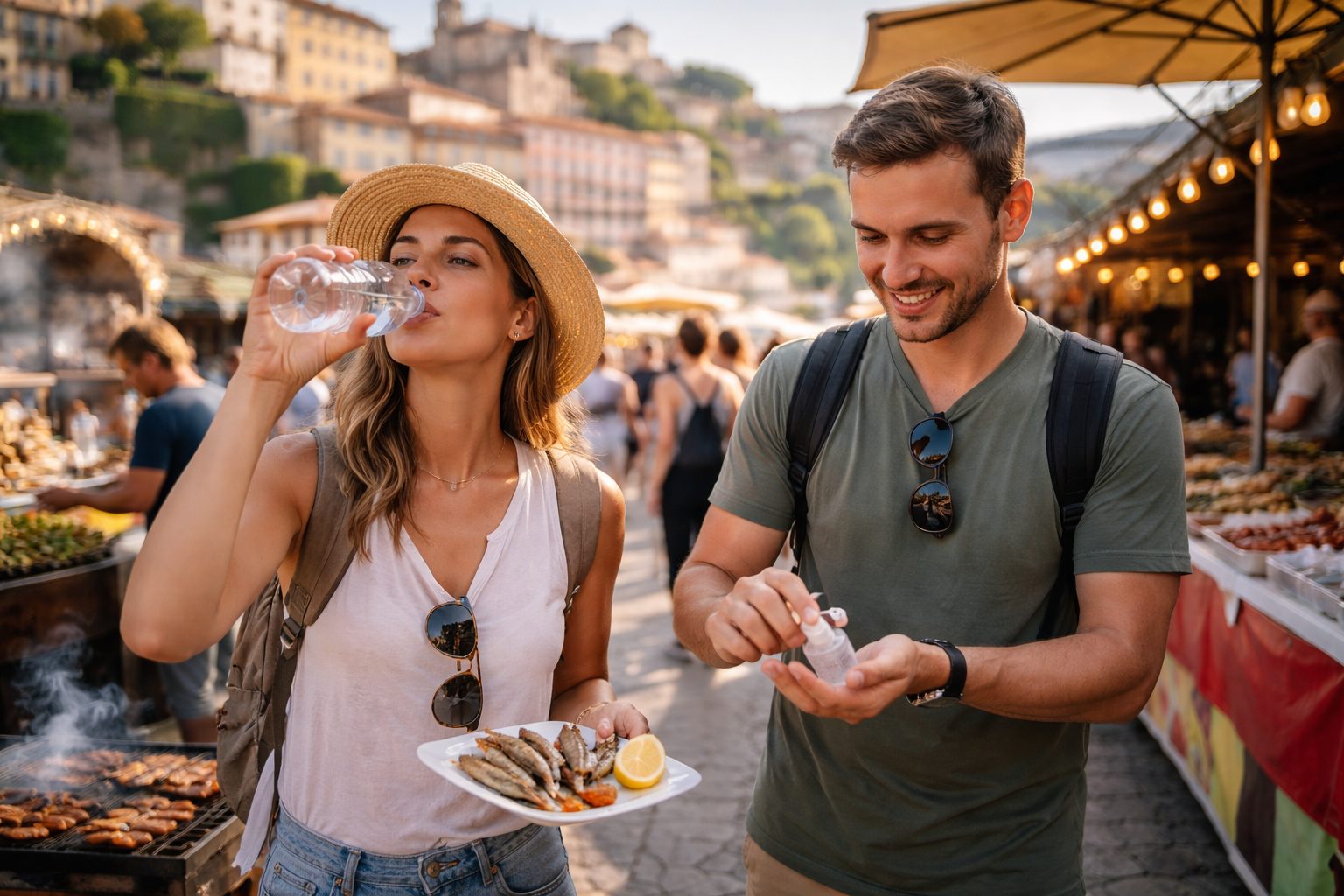
- Sunscreen matters more than many northern Europeans expect. Porto gets strong sun in summer and the humidity can disguise how much UV exposure you’re getting.
- Comfortable walking shoes are a health issue here, not just a comfort one. Porto’s hills and cobblestones are brutal on flat-soled shoes and ankles.
- Carry any prescription medication in original packaging with documentation to avoid issues at customs.
- Tap water is fine, but bottled water is cheap if you prefer it.
Travel insurance covering medical evacuation is worth having, even if you never use it.
Cultural Considerations for Safety
Understanding local culture contributes to safety in ways that aren’t always obvious. Getting it wrong can lead to confrontations or uncomfortable situations that are easy to avoid.
Understanding Local Customs
Portuguese people, and Porto residents in particular, tend to be reserved but friendly once approached. They’re not unfriendly, just less immediately effusive than some southern European cultures. Respecting this goes a long way.
Public behavior norms are fairly conservative in residential areas. Loud, disruptive groups late at night generate resentment and occasionally conflict. Porto has had tension in some neighborhoods over tourism-related noise, and being mindful of that context is just good manners.
Tipping is appreciated but not mandatory. The practice is less embedded in Portuguese culture than in the US, so there’s no social pressure or consequence to it. But tipping fairly reflects well on you as a visitor.
Respecting Portuguese Laws and Regulations
Portugal has some specific legal points worth knowing. Drug possession for personal use was decriminalized in 2001, which often surprises visitors. However, decriminalization is not legalization. Possession above personal-use thresholds is still a criminal matter, and dealing is illegal and taken seriously.
Smoking is prohibited in enclosed public spaces. Drinking alcohol in certain public areas has restrictions depending on the zone and the time of year. During festivals and large events, there are sometimes temporary rules about outdoor drinking.
Traffic laws are enforced, and pedestrians in Portugal don’t automatically have right of way the way they might in some northern European countries. Watch for cars at crossings even when you have a green light.
Solo Travel in Porto
Solo travel in Porto is genuinely comfortable for most people. The city’s walkable center, accessible public transport, and generally low-key atmosphere make it a reasonable choice for independent travelers.
Tips for Solo Female Travelers
Women traveling alone in Porto generally report a positive experience. Street harassment is far less common here than in some Mediterranean cities. The city doesn’t have a pervasive culture of persistent male attention toward solo female visitors.
That said, standard solo travel awareness applies:
- Let someone know your itinerary and check in regularly.
- Avoid walking alone in poorly lit areas late at night, particularly in quieter residential streets.
- Trust your gut if a situation or person makes you uncomfortable and move away.
- The Ribeira waterfront at night is lively and populated, which actually makes it safer than empty streets. Populated areas with bar crowds tend to be safer for solo walkers than deserted shortcuts.
- Have your accommodation address saved and accessible offline in case you lose signal.
Most solo female travelers find Porto genuinely relaxed and come back with good experiences. The main risks remain petty theft rather than personal safety incidents.
Safety for Solo Male Travelers
Solo male travelers face fewer specific concerns in Porto. The main risks are the same across genders: pickpocketing, occasional scams aimed at tourists, and getting into unnecessary late-night trouble.
Porto has a decent bar and club scene, and alcohol-fueled situations can arise as they do anywhere. Keeping your wits and not escalating conflicts is the obvious but important advice. Portuguese police presence in nightlife areas increases on weekends, which acts as a deterrent.
If you’re visiting for football (Porto FC is a major club), match days can bring charged atmospheres around the stadium. Fan culture in Portugal is passionate but serious incidents involving visiting tourists are rare.
Family Travel Safety in Porto
Porto works well for families. It’s got enough history and visual character to hold adults’ attention while offering enough activity and open space to keep children engaged without constant effort.
Kid-Friendly Activities and Safety
The city’s main tourist zones are well-maintained and relatively safe for children. Ribeira is a great riverside area where kids can watch the boats, throw a stone in the river (supervised), and eat pastries without much danger. Jardins do Palácio de Cristal offers open green space with views and is a good option for letting kids run around.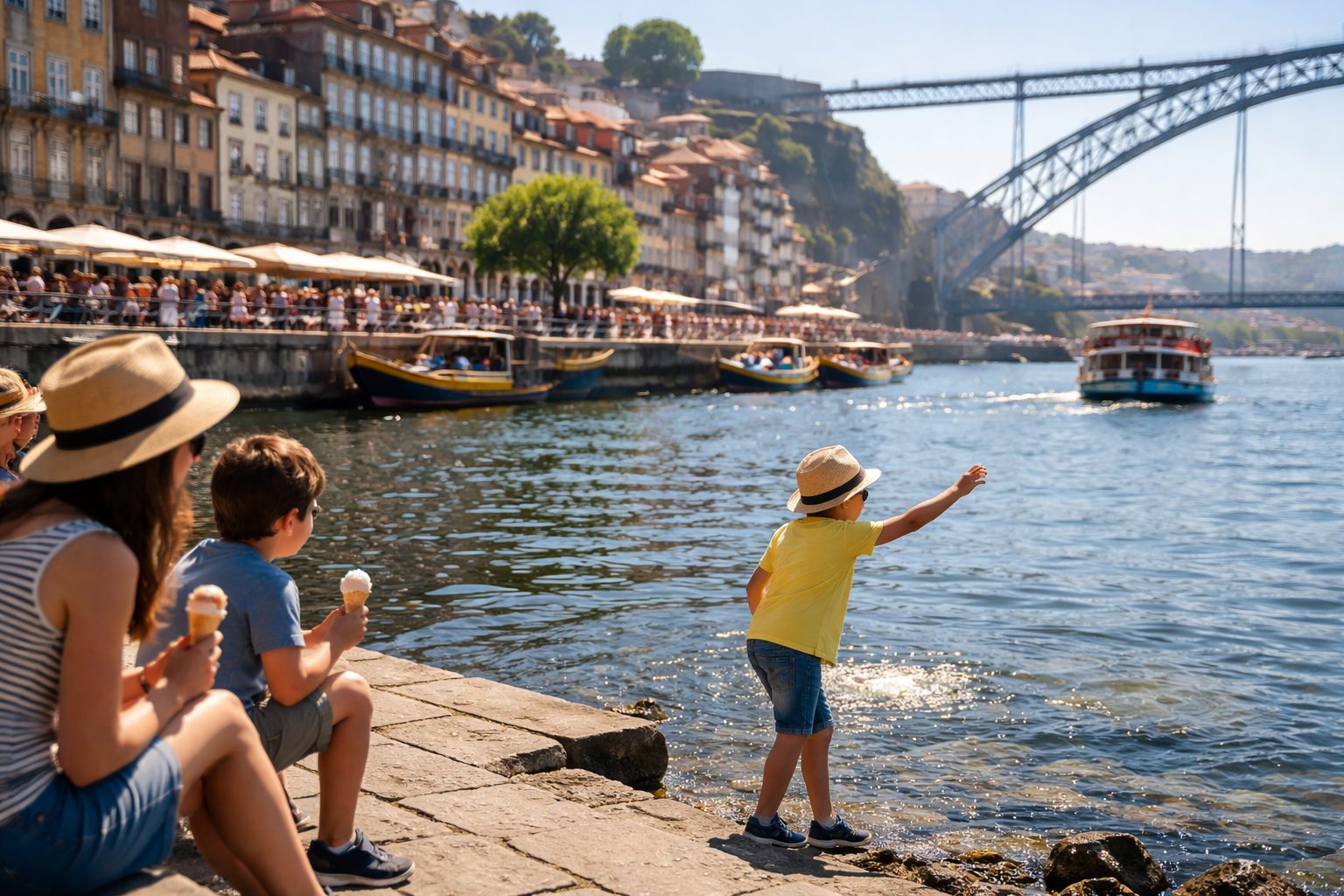
- The beaches at Foz do Douro and Matosinhos are accessible by public transport and well-supervised in summer.
- Public toilets exist but can be inconsistent outside the main tourist areas. Plan accordingly with young children.
- Porto’s cobblestones are challenging for strollers. A structured carrier is often more practical in the historic center.
- Keep children close in Ribeira and crowded market areas where pickpockets operate, though children are rarely targeted directly.
Traffic is the practical safety concern families encounter most often. Porto’s streets are narrow and drivers can be assertive.
Tips for Traveling with Children
Preparation makes family travel in Porto easier:
- Book accommodation close to the metro or in a central walkable area to reduce transport stress.
- Plan for midday rest. Porto is warm in summer and the walking is hilly.
- Have a simple meeting point established with older children in case you get separated in crowds.
- Carry basic first aid supplies including blister plasters for cobblestone walks.
- Portuguese restaurants are very family-friendly and kitchens generally accommodate children’s preferences without fuss.
The practical risks are manageable and Porto’s overall calm character means families rarely encounter serious problems.
Nightlife Safety in Porto
Porto’s nightlife is a real draw. The city has a concentrated bar scene, a decent number of live music venues, and a distinct local energy that’s different from Lisbon’s more internationally known club circuit.
Safe Areas for Nightlife
The main nightlife zones are Galerias de Paris and the surrounding streets in Baixa, the Ribeira waterfront, and the Boavista area for more upscale options. Galerias de Paris specifically is packed on weekends with a mix of locals and tourists, which creates a lively but reasonably well-policed atmosphere.
Rua Galeria de Paris and Rua Cândido dos Reis form the core of the busiest nightlife strip and are generally safe. Police patrols increase here on weekends. The energy is social rather than aggressive.
- Stick to established bar zones rather than wandering off into quieter streets late at night.
- Foz do Douro has a cluster of bars close to the beach that’s popular with a slightly older, more local crowd and tends to be calmer.
- Matosinhos, just north of Porto, has a good seafood and late-night bar scene that’s very local and relaxed.
Tips for Enjoying Nightlife Responsibly
Nightlife safety is mostly about decisions made at the start of the evening carrying through to the end.
- Arrange your return transport before you go out, whether that’s a taxi, Uber, or a clear metro plan.
- Keep your phone charged. A dead battery at 2am in an unfamiliar city is an avoidable problem.
- Drink spiking is rare but not unheard of in busy tourist bars. Don’t leave drinks unattended.
- Portuguese bars serve large measures. What feels like a moderate night can accumulate quickly.
- Walk back to accommodation in groups when possible, or use a ride-sharing app rather than walking unfamiliar routes alone.
Porto’s nightlife doesn’t carry the edge that some major European party cities do. It’s more about bars and conversation than hard-partying club culture, which keeps the general atmosphere more grounded.
Frequently Asked Questions
Is Porto Safe for Tourists?
Yes, Porto is considered one of the safer European city destinations for tourists. Violent crime involving visitors is rare, and the main concerns are petty theft in crowded areas, which is manageable with standard precautions.
What Should I Do in Case of an Emergency?
Call 112 for police, medical, or fire emergencies. For non-urgent police matters, visit the nearest PSP station or the tourist police unit. Contact your embassy in Lisbon for serious issues involving lost travel documents or legal problems.
Are there any travel advisories for Porto?
Most Western governments issue standard low-level travel advisories for Portugal covering normal travel precautions. There are no elevated warnings for Porto specifically. It’s wise to check your government’s current travel advisory page before any international trip.
How does Porto compare to other European cities in terms of safety?
Porto compares favorably to cities like Barcelona, Rome, Paris, and Marseille for tourist safety. Pickpocketing is a shared issue across all of those cities, but Porto has significantly lower rates of violent crime and is ranked more highly on overall safety indices than most of those destinations.
What are the safest neighborhoods for tourists in Porto?
Foz do Douro, Boavista, and Bonfim are consistently considered the safest and most comfortable residential neighborhoods. For central tourist areas, Baixa and Ribeira are busy but well-policed and safe with reasonable awareness.
Knowing whether is porto portugal safe is one of the first questions travelers ask, and it’s a reasonable one to ask before any trip. The practical answer is that Porto is a safe city by any meaningful European benchmark. Petty theft requires attention, a few neighborhoods deserve more awareness at night, and standard travel sense applies throughout. But serious crime is genuinely uncommon, the atmosphere is calm and welcoming, and most visitors leave without having experienced anything more stressful than a cobblestone blister. For solo travelers, families, and everyone in between, Porto delivers a travel experience where safety is something you maintain with awareness rather than something you fight against constantly.