
Traveling by rail in India is one of those experiences that genuinely changes how you see the country. The moment you step onto a platform, you’re surrounded by a cross-section of Indian life that no highway or airport can replicate. Trains in India carry over 13 million passengers every single day, connecting remote hill towns with sprawling megacities, and quiet coastal villages with industrial heartlands. Whether you’re a first-time visitor trying to figure out your route or a seasoned traveler looking to understand the system more deeply, this guide covers what you actually need to know.
Overview of Trains in India
History of Indian Railways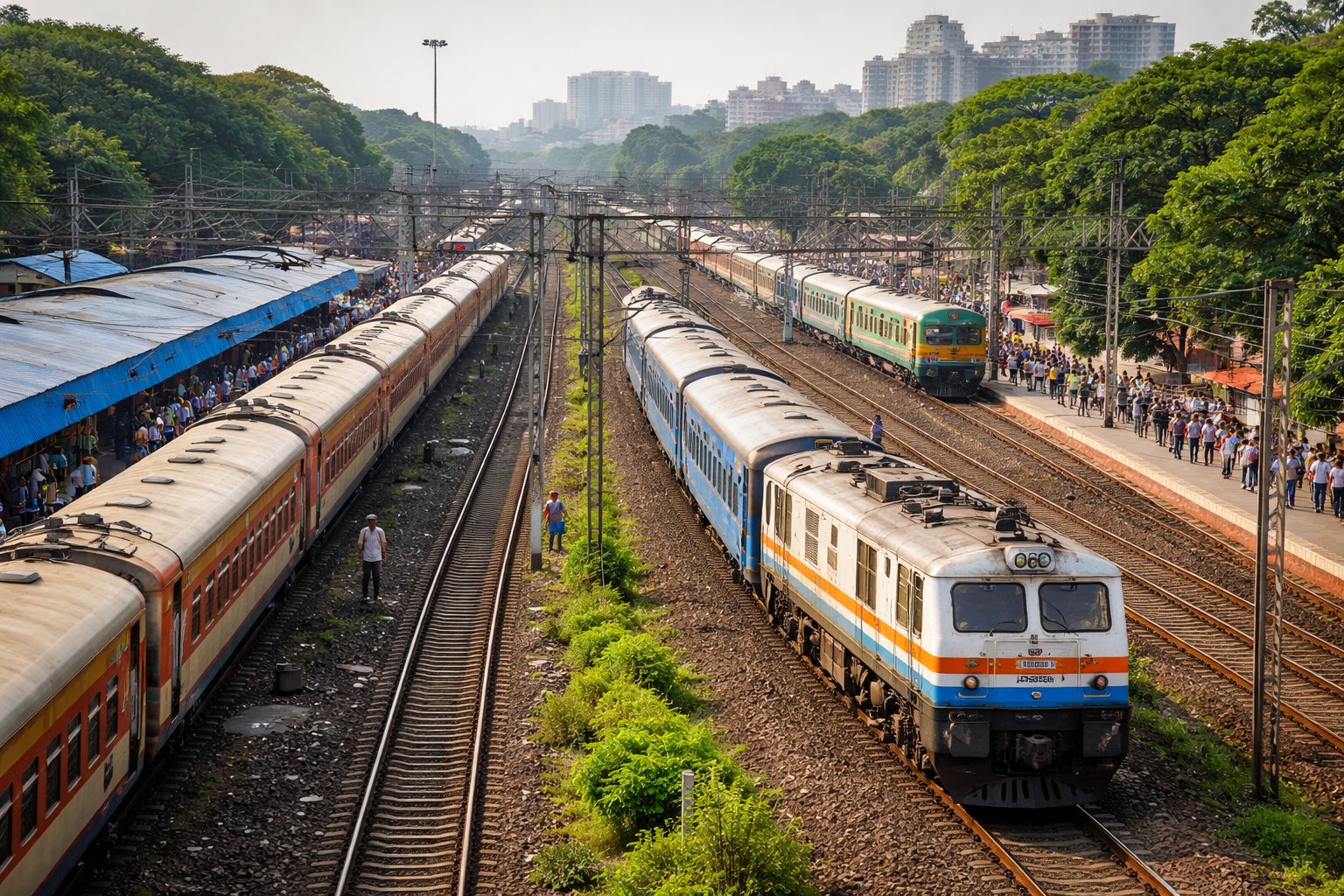
Indian Railways has one of the longest and most consequential histories of any rail network in the world. The first passenger train ran on April 16, 1853, from Bombay (now Mumbai) to Thane, covering just 34 kilometers. That modest journey launched what would become one of the largest railway systems on the planet.
The British colonial administration built the early network primarily to move goods and troops efficiently across the subcontinent. But over time, the rail network became something the British hadn’t entirely planned for: a tool of national integration. By the time India gained independence in 1947, there were 42 separate railway systems operating across the country, often running on different gauges and under different administrations.
Post-independence, the Indian government nationalized the railways and unified them under a single entity: Indian Railways. The conversion of narrow and meter-gauge lines to broad gauge, a project that took decades, gradually created the seamless national network that exists today. The system now spans over 67,000 kilometers of track and connects more than 7,000 stations.
Importance of Trains in India’s Transportation Network
It’s difficult to overstate how central trains in India are to daily life. For hundreds of millions of people, the railway isn’t a convenience, it’s a lifeline. Farmers send produce to urban markets by train. Students commute hundreds of kilometers for education. Families travel across the country for weddings and festivals in ways that would simply be unaffordable by any other means.
The railway also plays a structural role in the economy. Indian Railways is one of the world’s largest employers, with over 1.3 million employees. It moves about 3 billion passengers per year and handles a massive share of the country’s freight traffic, from coal and steel to automobiles and containers.
For a traveler, understanding this context matters. You’re not just using a transport service. You’re participating in a system that has been shaping Indian society and geography for over 170 years.
Types of Trains in India
The Indian rail network runs many different categories of trains, each designed for a specific purpose, distance, or class of traveler. Knowing the difference before you book can save you time and money.
Passenger Trains
Ordinary passenger trains are the most basic and slowest category. They stop at almost every station along a route and carry the most affordable tickets. These trains are used primarily by daily commuters and travelers on very tight budgets.
They’re not comfortable for long journeys and don’t offer reserved seating in most cases. But they give you an unfiltered look at everyday Indian life on the rails. I’d recommend them only for short hops between nearby towns when you have the time and the curiosity.
Express Trains
Express and superfast trains form the backbone of long-distance rail travel. Names like Rajdhani Express, Shatabdi Express, Jan Shatabdi, and Duronto Express fall into this category, and they run between major cities at significantly higher speeds with fewer stops.
- Rajdhani Express: Premium overnight trains connecting state capitals with New Delhi. Meals are included in the ticket price.
- Shatabdi Express: High-speed day trains for distances up to 700 km. Also includes meals.
- Duronto Express: Non-stop or minimal-stop trains between major cities, faster than most alternatives.
- Garib Rath: Air-conditioned express trains at lower fares, designed for budget travelers.
Superfast trains are a notch below Rajdhani and Shatabdi in prestige but often a more practical option for mid-range routes. They cover ground quickly and offer multiple class options.
Freight Trains
Freight trains handle a separate but critical side of Indian Railways. They carry bulk commodities like coal, iron ore, cement, grain, and petroleum products across the country. The Dedicated Freight Corridor, currently being developed in phases, is a massive infrastructure investment aimed at separating freight and passenger traffic to improve both.
As a traveler, you won’t interact with freight services directly. But knowing they exist explains why passenger train delays happen. On shared tracks, freight and passenger trains compete for priority, and freight often has to give way, sometimes causing cascading delays.
Luxury Trains
For travelers who want something entirely different, India has a small but remarkable set of luxury tourist trains. These are basically moving hotels with curated excursions, fine dining, and elaborate interiors.
- Palace on Wheels: Covers Rajasthan’s heritage circuit, including Jaipur, Jodhpur, and Udaipur.
- Maharajas’ Express: One of Asia’s most awarded luxury trains, with five itineraries across India.
- Deccan Odyssey: Focuses on Maharashtra and nearby heritage sites.
- The Golden Chariot: Covers South India, including Karnataka, Goa, and Tamil Nadu.
These trains are expensive by any standard, but they offer an immersive experience that’s genuinely hard to replicate. If you’re celebrating something significant or want to experience the subcontinent in a completely different register, they’re worth looking at.
Popular Train Routes in India
India’s rail map is enormous, and certain routes stand out for their scenic beauty, historical significance, or pure practicality. Here’s a breakdown by region.
Northern India Train Routes
Northern India has some of the most traveled rail corridors in the country, largely because of the density of population and the cultural weight of cities like Delhi, Agra, Varanasi, and Amritsar.
- New Delhi to Agra: One of the most popular routes for tourists. The Gatimaan Express covers it in under two hours, making it entirely feasible as a day trip.
- New Delhi to Varanasi: The Kashi Vishwanath Express and Vande Bharat Express are strong options for this 12 to 13 hour journey.
- New Delhi to Amritsar: The Shatabdi Express makes this corridor comfortable and efficient.
- Kalka to Shimla: A UNESCO World Heritage narrow-gauge line that winds through the Himalayan foothills. Slow, but genuinely beautiful.
Southern India Train Routes
Southern India’s rail network is extensive and well-maintained. The region has a strong culture of rail travel, and many of its intercity trains run reliably.
- Chennai to Bengaluru: Multiple trains cover this route daily. The Shatabdi Express does it in under six hours.
- Chennai to Coimbatore: The Nilgiri Express connects to the famous mountain railway up to Ooty.
- Bengaluru to Mysuru: A short and straightforward route with frequent services.
- Thiruvananthapuram to Mangaluru: The coastal Kerala route offers stunning scenery along the Western Ghats.
Eastern India Train Routes
Eastern India’s rail connections link Kolkata, the Ganges plains, and the northeastern states. The terrain becomes more complex as you move further east, and trains are often the most practical option.
- Howrah to Patna: A heavily used corridor for travelers between West Bengal and Bihar.
- Howrah to Darjeeling: You take a regular train to New Jalpaiguri, then connect to the Darjeeling Himalayan Railway, another UNESCO narrow-gauge heritage line.
- Howrah to Bhubaneswar: Several express trains cover the Odisha capital comfortably overnight.
Western India Train Routes
Mumbai is the hub of western India’s rail network, and some of India’s most iconic long-distance trains originate here.
- Mumbai to Pune: The Deccan Express and Intercity trains cover this route frequently, though the route also includes a spectacular stretch through the Western Ghats.
- Mumbai to Goa: The Konkan Railway is one of the engineering marvels of modern India, cutting through coastal terrain with dozens of tunnels and bridges. The journey is genuinely beautiful.
- Mumbai to Ahmedabad: Covered by the Shatabdi and several superfast trains. A route that will soon host India’s first high-speed rail line.
- Jodhpur to Jaisalmer: A route through the Thar Desert that feels like traveling into a different century.
Booking Trains in India
Getting your tickets right is where most first-time travelers run into trouble. The system is manageable once you understand how it works.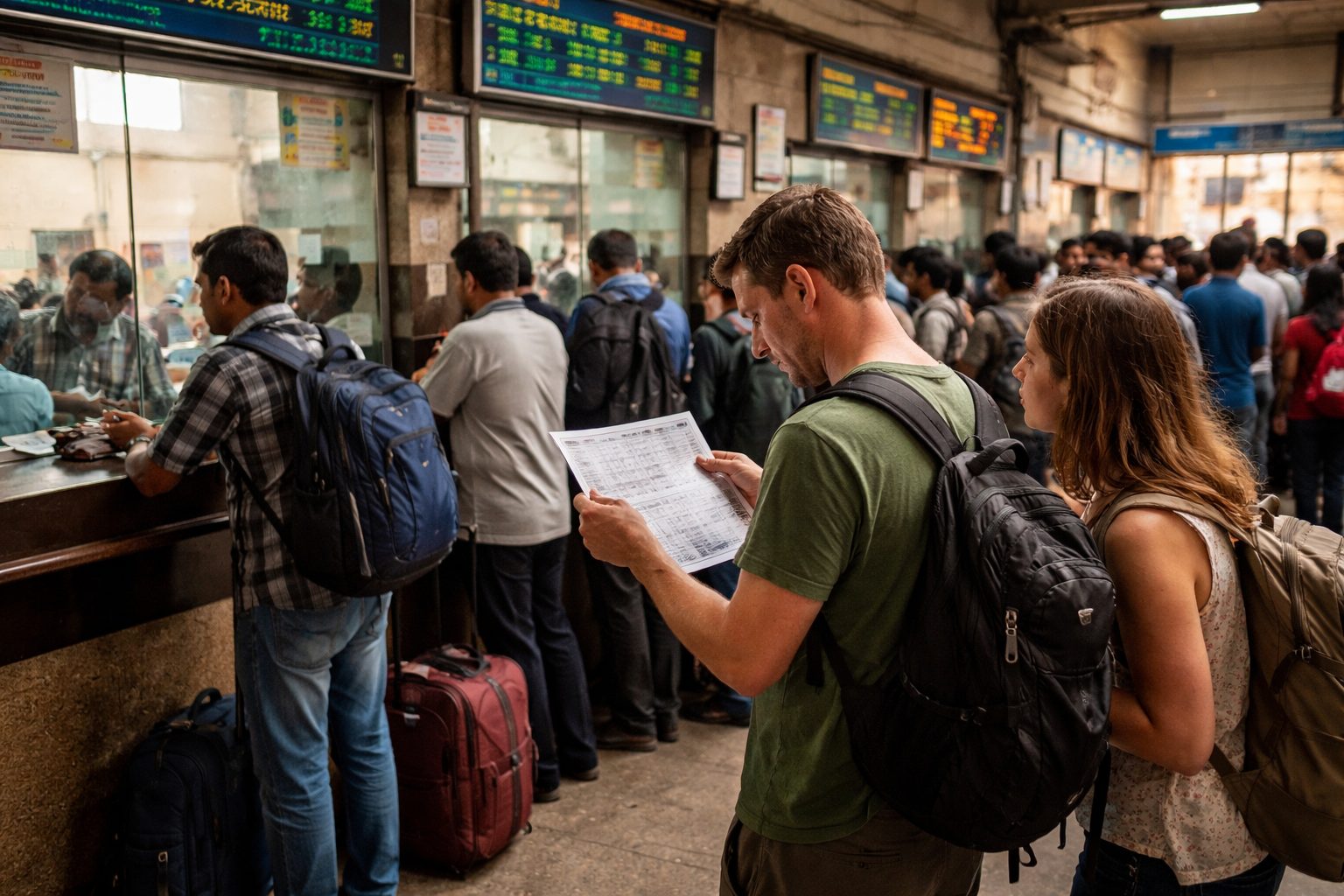
How to Book Train Tickets Online
The Indian Railways official booking platform is the IRCTC website and its mobile app. You’ll need to create an account, which requires a valid email address and mobile number. Foreign nationals can also register and book through the same portal.
A few things to know before you start:
- Check availability for your train and date first. Use the “Train Search” function with your departure and arrival stations.
- Choose your class. Options range from sleeper class (unreserved berths, very affordable) to 1A (first-class air conditioning, most expensive).
- Look at the waitlist situation. Indian Railways operates a waitlist system. Tickets marked WL (waitlist) or RLWL (remote location waitlist) may or may not get confirmed before departure.
- Select your berth preference. Lower, middle, upper, or side berths are available in most sleeper and AC classes.
- Pay and receive your PNR number. Keep this number. You use it to check your ticket status right up to the date of travel.
IRCTC can be slow and crash during peak booking windows, especially for popular trains on festival dates. Try booking at least 30 to 60 days in advance for long-distance journeys.
How to Book Train Tickets Offline
If the online system defeats you, every railway station in India has a booking counter. Queues can be long, but the staff at major stations generally speak English and are used to helping foreign travelers.
There’s also a dedicated Tourist Reservation Bureau (TRB) at major stations like New Delhi, Mumbai CST, and Chennai Central. These counters handle tourist bookings specifically and are far less chaotic than the general queues.
Indrail Pass is another option worth knowing about. It’s a pass for unlimited rail travel over a set number of days, available to foreign nationals. It’s not always the most economical choice for planned itineraries, but it gives flexibility if your plans are loose.
Understanding Train Class and Seats
Indian trains offer a range of travel classes that affect price, comfort, and the type of journey you’ll have.
| Class | Code | Description |
|---|---|---|
| First Class AC | 1A | 4-berth private coupe, highest comfort |
| Second Class AC | 2A | 4-berth side-locked compartment, curtains |
| Third Class AC | 3A | 6-berth open layout, most popular for long trips |
| AC Chair Car | CC | Day trains, reclining seats, air-conditioned |
| Sleeper Class | SL | Non-AC, 8 berths per compartment, very affordable |
| Second Sitting | 2S | Non-AC chair car, cheapest option |
| Executive Chair | EC | On Shatabdi trains, wide reclining seats |
For overnight journeys, 3A is the sweet spot for most independent travelers: affordable, reasonably comfortable, and air-conditioned. For budget travel, Sleeper Class works fine if you’re not too sensitive to heat and noise.
Train Services and Amenities
Onboard Services in Indian Trains
What’s available on any given train depends entirely on the category and class. Premium trains like Rajdhani and Shatabdi include meals in the ticket price and have pantry cars serving fresh food throughout the journey. AC coaches have functioning lights, fans, and charging points.
Sleeper class is more basic. There are no air conditioning, curtains, or individual charging points in older coaches. But even here, bedding is provided on overnight trains in reserved coaches (though you often need to ask for it).
Most long-distance trains have a pantry car where you can buy food, tea, and snacks. The quality varies significantly from train to train and route to route. I’ve had genuinely good meals on some routes and mediocre ones on others.
Food Options on Trains
Food on Indian trains runs the full spectrum. At one end, you have the catered meals on premium trains, which are decent and occasionally quite good. At the other end, you have vendors who board at major stations and sell samosas, chai, biryani, and local snacks.
The IRCTC also operates an e-catering service on many trains, where you can pre-order food from local restaurants to be delivered at your seat at specific stations. It works surprisingly well if you’re on a train with the service active and you have a working internet connection.
My honest advice: carry some snacks of your own, especially on journeys over 12 hours. Platform food is part of the experience, but having something reliable in your bag means you’re never in trouble between stations.
Facilities for Differently Abled Passengers
Indian Railways has been expanding accessibility provisions, though the implementation is uneven. Dedicated coaches for passengers with disabilities exist on most major trains. These are usually labeled “Divyangjan” coaches and are positioned near the front of the train for easier boarding.
- Lower berths are reserved for elderly and disabled passengers.
- Wheelchair ramps are available at many major stations.
- Accessible toilets have been added to newer coaches.
- Concession tickets are available for various categories of disability.
The reality is that older stations and legacy rolling stock still present challenges. But the situation has improved noticeably over the past decade, and the improvements are continuing.
Safety and Security in Indian Trains
Train Safety Measures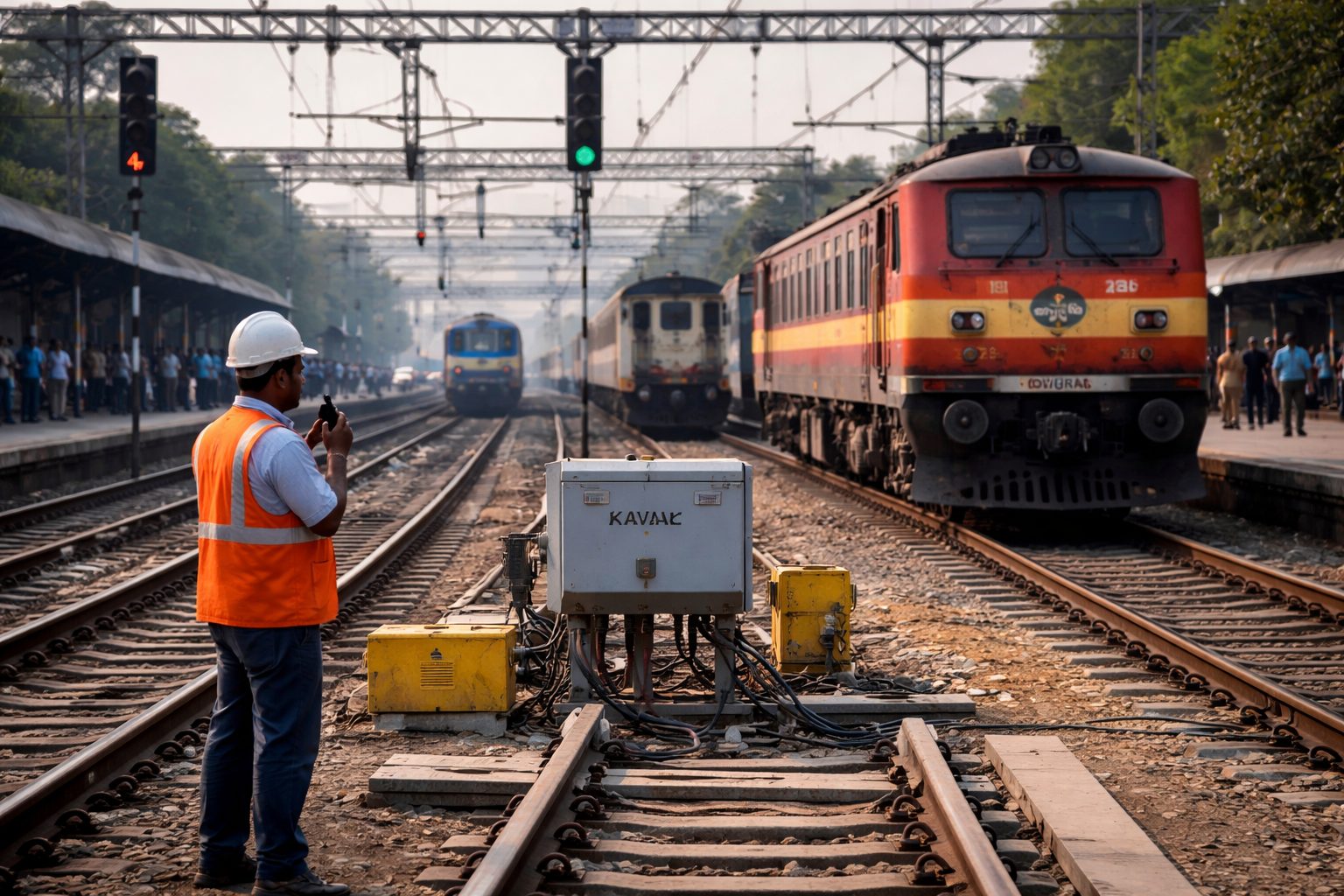
Indian Railways has invested heavily in safety technology over the past decade. The Kavach anti-collision system, an automatic train protection mechanism, is being deployed progressively across the network. It prevents trains from colliding by applying brakes automatically when signals are violated.
Other safety measures in place include:
- Linke Hofmann Busch (LHB) coaches, which are structurally safer than older ICF coaches in the event of a derailment.
- Automatic fire detection systems in newer coaches.
- Emergency chain-pulling mechanisms in every coach, with penalties for misuse.
- Real-time GPS tracking of trains accessible through the official apps.
Accidents do happen on the Indian rail network, and when they do, they’re serious because of the scale of trains operating simultaneously. But the overall safety record has improved substantially over the years as older infrastructure gets upgraded.
Security Personnel and Monitoring
The Railway Protection Force (RPF) is the official security body of Indian Railways. Their personnel travel on passenger trains, patrol stations, and respond to passenger complaints and incidents. You’ll see them in uniform, particularly on platform boundaries and at the entry points of reserved coaches.
For passengers, the most useful security features are:
- The RPF helpline (139) for reporting incidents, harassment, or theft.
- CCTV cameras now installed in most major stations and increasingly in coaches.
- Senior citizen and female passengers can request RPF escort assistance at stations.
At night, it’s sensible to keep your bags secured. Most experienced train travelers use a small lock and chain to secure luggage to the luggage rack beneath the seat. It’s a simple precaution that removes most of the risk.
Comparing Trains in India
Trains vs. Flights in India
India’s domestic aviation sector has grown dramatically, and for pure speed, flights win easily. But the comparison is more nuanced than it first appears.
| Factor | Train | Flight |
|---|---|---|
| Price | Often 60-80% cheaper | Higher base fare, variable |
| City center access | Central stations, walk or short cab | Airports usually far from city |
| Baggage allowance | Generous, no extra fees | Strictly limited, fees for excess |
| Journey experience | Scenic, social, relaxed | Efficient, sterile |
| Delays | Common, unpredictable | Weather/congestion dependent |
| Carbon footprint | Significantly lower | Much higher |
| Best for | Distances under 1,000 km | Distances over 1,200 km |
For routes like Mumbai to Goa or Delhi to Agra, trains are often the better choice even if you have money to spare. For something like Mumbai to Chennai or Delhi to Kolkata, a night train is genuinely competitive with flying when you factor in airport time, check-in, and the cab rides on both ends.
Trains vs. Buses in India
Buses and trains serve overlapping but distinct purposes in India. Buses reach places trains don’t, especially hill stations and smaller towns off the rail network. But for comparable routes, trains win on comfort and safety for any journey over four to five hours.
- Buses are cheaper on some routes and more frequent on short intercity hops.
- Trains are safer statistically and more comfortable for overnight travel.
- State bus corporations vary wildly in quality. Private luxury buses can be competitive on comfort for certain corridors.
- Trains have fixed timetables and PNR tracking. Buses are less predictable.
If your destination is accessible by rail, trains are almost always my first choice. Buses fill the gaps where the network doesn’t reach.
Environmental Impact of Trains in India
Sustainability of Train Travel
Rail travel is inherently one of the most energy-efficient modes of transport available at scale. Trains move large numbers of people using a fraction of the fuel per passenger-kilometer compared to private vehicles or aircraft. In the Indian context, this matters enormously given the scale of passenger movement.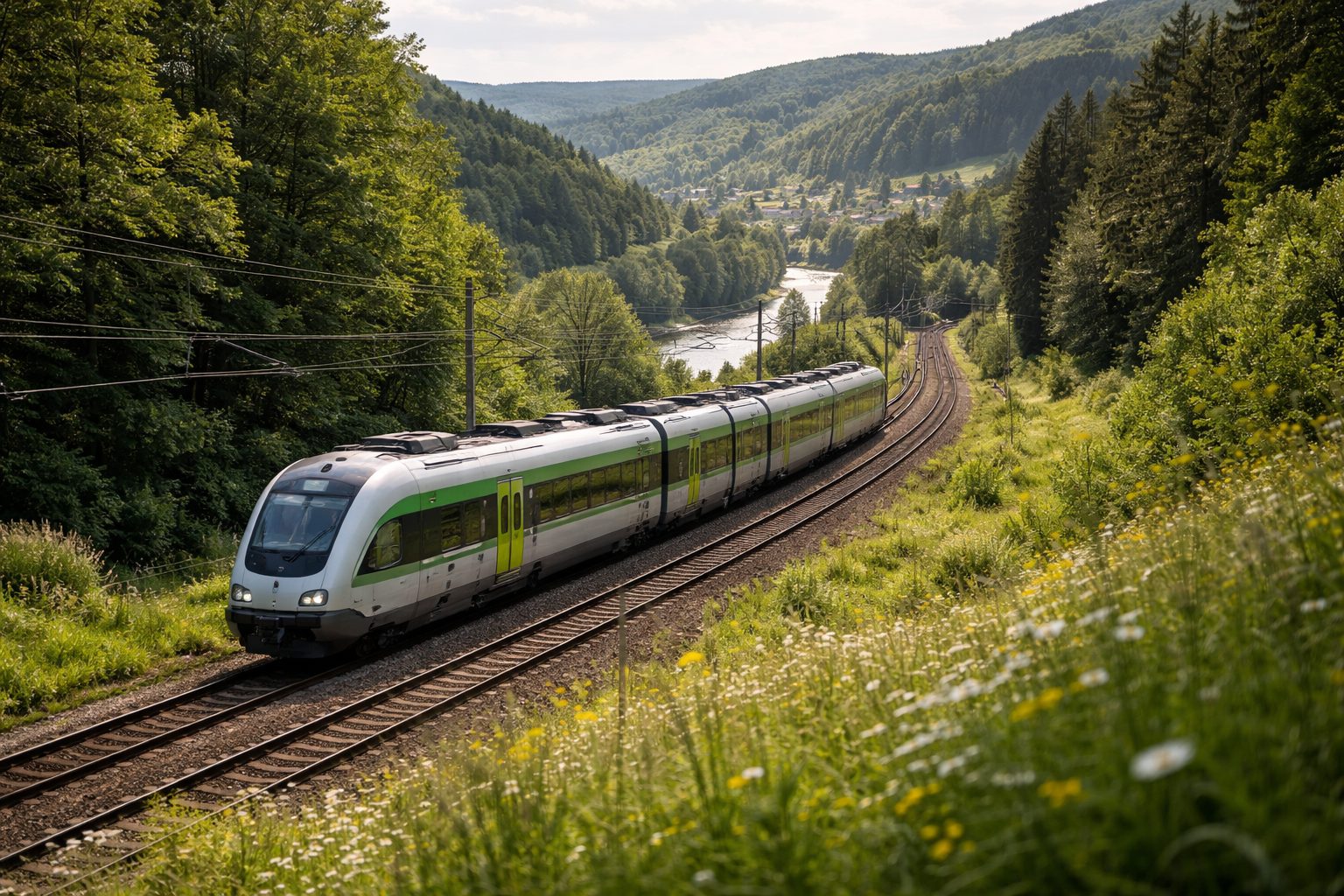
Indian Railways has set an ambitious goal: achieve net zero carbon emissions by 2030. That target is backed by several concrete initiatives that are already underway, not just aspirational language in a press release.
The shift to electric traction is central to this effort. As of 2024, over 94% of the Indian Railways network has been electrified. Running trains on electricity instead of diesel reduces direct emissions significantly, and as the electricity grid itself decarbonizes, the environmental benefit compounds.
Efforts to Reduce Carbon Footprint
Beyond electrification, Indian Railways has been pursuing several sustainability initiatives:
- Solar panels installed on station rooftops and train coach roofs to offset electricity consumption.
- LED lighting across stations and coaches, replacing older fluorescent systems.
- Bio-toilets replacing discharge toilets in coaches, eliminating direct track contamination.
- Water recycling systems at major stations for carriage washing.
- Afforestation drives along railway land to increase green cover.
The scale of these efforts is significant. Indian Railways operates thousands of stations. Even incremental improvements in energy efficiency across that network translate into substantial absolute reductions in resource use.
From a traveler’s perspective, choosing the train over a flight for a 600-kilometer journey makes a real difference. It’s not symbolic environmentalism. The carbon arithmetic actually works out.
Future of Trains in India
Upcoming Train Projects
India is in the middle of a significant period of railway investment. Several projects that were long discussed are now under active construction or preparation.
The most high-profile is the Mumbai to Ahmedabad High Speed Rail project, modeled on Japan’s Shinkansen system. It’s being developed with Japanese technical assistance and financing. When complete, it will cover 508 kilometers in around two hours at speeds up to 320 km/h. The timeline has shifted several times, but construction is genuinely progressing.
The Dedicated Freight Corridor (DFC) is another major transformation. Two corridors, one connecting Delhi and Mumbai, the other connecting Ludhiana and Dankuni, are being built specifically for freight traffic. Separating freight from passengers will dramatically improve reliability on existing passenger lines.
Vande Bharat Express trains represent the modernization of the existing network. These semi-high-speed trains, manufactured entirely in India, are designed to run at 160 km/h and have already been deployed on dozens of routes. The government has committed to rolling out hundreds more across the country.
Innovations in Train Technology
Beyond the big infrastructure projects, Indian Railways is introducing technology changes that directly affect the passenger experience.
- Vande Metro: A shorter version of the Vande Bharat platform designed for suburban and regional corridors.
- Hydrogen-powered trains: Pilot projects are underway to test hydrogen fuel cell technology on heritage routes.
- Automatic train protection: Kavach is being deployed to prevent signal-passing accidents on the busiest corridors first.
- Advanced passenger information systems: Newer stations and coaches have real-time information displays integrated with the central tracking system.
- IRCTC app upgrades: The booking experience is improving, with better waitlist prediction tools and real-time coach position information.
The pace of change has been faster in the last five years than in the previous two decades. There’s genuine momentum behind modernizing trains in India, and the results are beginning to show on the ground.
Frequently Asked Questions (FAQs)
What are the best trains for long-distance travel in India?
Rajdhani Express and Duronto Express are the top choices for overnight routes connecting major cities, offering AC classes with meals included. For daytime travel on shorter distances, Shatabdi and Vande Bharat Express provide speed and comfort. The right choice depends on your specific route, but these categories cover the vast majority of popular corridors.
How to track train schedules in real-time?
The official NTES (National Train Enquiry System) website and the “Where is My Train” app both provide live tracking for most trains running on the Indian network. Enter your train number or name to get current position, expected arrival times, and delay information. The “Where is My Train” app is particularly useful because it works even in areas with limited connectivity by using GPS and offline data.
What should I carry while traveling by train in India?
Bring a padlock and a short chain to secure your bag to the luggage rack under your seat, especially for overnight journeys. Pack a small towel and basic toiletries since not all trains provide them. Carry some cash for station food vendors and a portable charger since power outlets aren’t universally available in older coaches. A light jacket helps even in summer, as AC coaches can get cold on overnight routes.