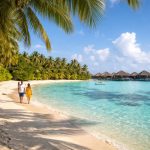
Planning a trip to the Maldives means confronting one genuinely difficult question: which island do you actually go to? There are over 1,000 islands spread across 26 atolls, and the best island in Maldives for you depends entirely on what you want from the trip. I’ve spent time researching this archipelago thoroughly, and what I can tell you is that there’s no single right answer. But there are definitely better and worse choices depending on your priorities, budget, and travel style.
Introduction to the Maldives
The Maldives sits in the Indian Ocean, southwest of Sri Lanka, straddling the equator. It’s one of the lowest-lying countries on Earth, with an average ground level of just 1.5 meters above sea level. That geographic reality gives the islands their defining feature: endless shallow lagoons, coral reefs, and that impossibly clear turquoise water you see in every travel magazine.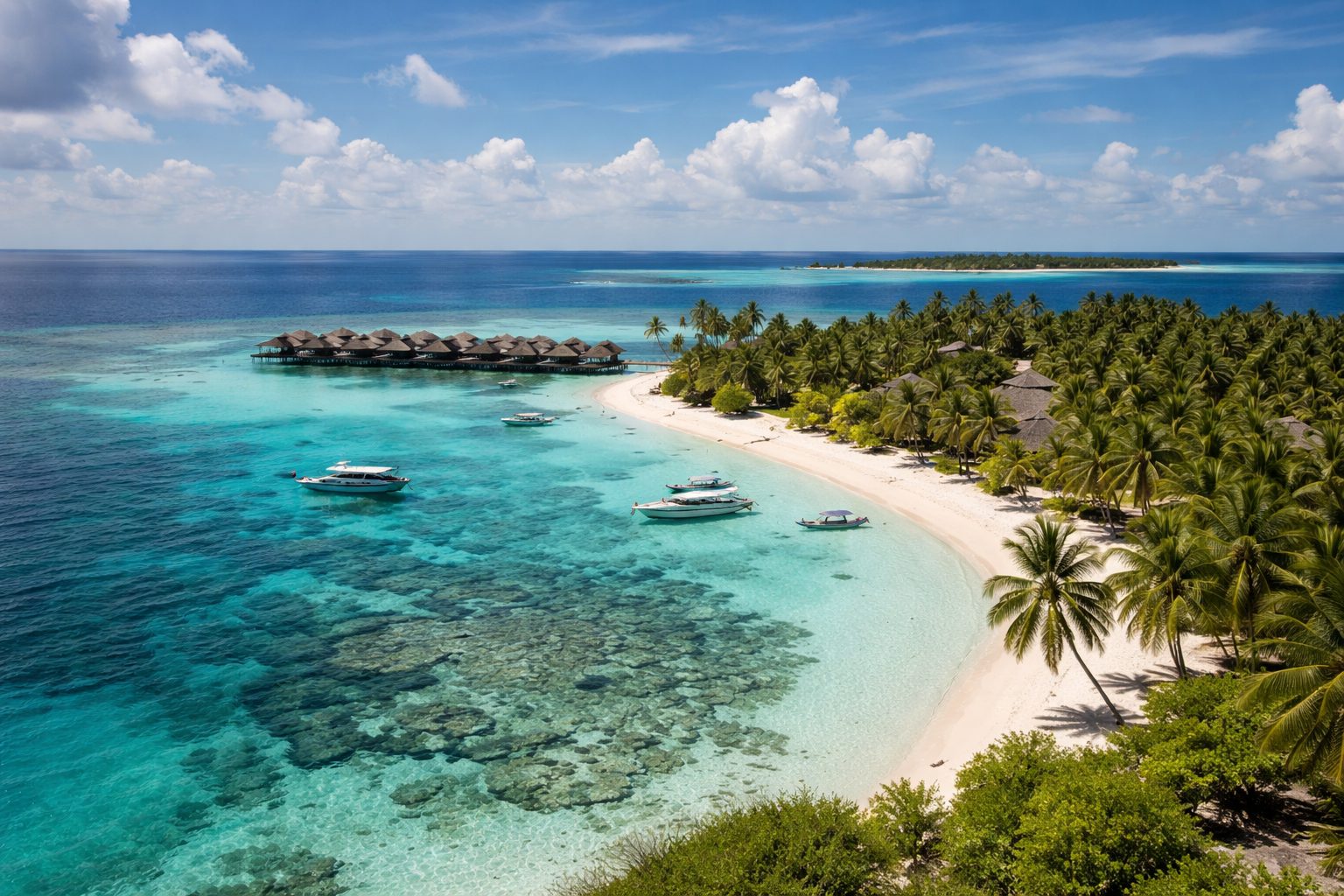
The country is made up of 26 natural atolls, though administratively it’s divided into 20 regions. Around 200 of those islands are inhabited by locals, roughly 130 are exclusively resort islands, and the rest are uninhabited or used for agriculture. That structure matters a lot when you’re planning a trip because where you stay determines almost everything about your experience.
Unlike most beach destinations, the Maldives doesn’t work like a typical island getaway where you book a hotel and then explore the surrounding area. Most resort islands are private and self-contained. You arrive, you’re on the island, and that island becomes your entire world for the duration of your stay. So picking the right one matters more here than almost anywhere else.
Why Choose the Maldives for Your Next Vacation?
Honestly, if you want pure ocean beauty and the feeling of being genuinely isolated from the rest of the world, there’s nowhere quite like it. The water clarity alone is remarkable. Visibility in the lagoons can exceed 30 meters on a calm day, which makes snorkeling and diving experiences that are hard to match anywhere in the world.
Beyond the water, there’s a real peacefulness to the islands that’s difficult to find in crowded beach destinations. Most resorts limit their guest numbers deliberately, so you’re rarely competing for space on a beach or at a restaurant. That sense of quiet is part of what people pay for, and in that respect, the destination delivers.
There are also practical appeals. The Maldives has a well-developed tourism infrastructure, English is widely spoken across the resort islands, and the weather window for visiting is predictable and long. It’s not cheap, but compared to other luxury destinations, the value is often surprisingly good when you factor in what’s included.
Overview of Maldives Islands
The atolls vary considerably in character, accessibility, and the type of experience they offer. Some are close to the capital Male and easy to reach by speedboat. Others require a domestic flight and then another boat transfer, adding hours and cost to your journey but often rewarding you with more remote, less-visited reefs.
North Male Atoll and South Male Atoll are the most accessible and most developed. Baa Atoll is a UNESCO Biosphere Reserve known for manta ray gatherings. Ari Atoll is one of the largest and most famous for dive sites. Noonu and Thaa atolls are further out, less commercial, and generally quieter.
The inhabited local islands are a different category altogether. Places like Maafushi, Thulusdhoo, and Fulidhoo offer a more affordable, community-based experience. You stay in a guesthouse, eat local food, and get a genuine sense of Maldivian daily life. It’s a completely different type of trip from the overwater villa experience, but it’s the best island in Maldives context for budget travelers who want real immersion.
Criteria for the Best Island Selection
When I think about how to evaluate islands here, a few factors consistently matter most:
- Reef health and marine life diversity
- Accessibility and transfer time from Male
- Range of accommodation options
- Crowd levels and exclusivity
- Activities available beyond swimming
- Value for money relative to experience
The best island for a honeymooning couple who wants complete privacy looks nothing like the best island for a family with two teenagers who want dive certifications and watersports. And the best island for someone on a moderate budget is a completely different conversation from the best for someone willing to spend $2,000 per night on a villa.
What I’ll do in the sections below is break down the top atolls and then specifically address who each one suits best. That way, rather than giving you a single answer that might be wrong for your situation, you’ll have enough information to make a genuinely informed choice.
Top Islands in the Maldives
1. Male Atoll
North Male Atoll is the gateway to the Maldives. Most visitors pass through Male, the capital island, without staying, but the atoll surrounding it contains some of the country’s most established and well-regarded resorts. The proximity to the airport is a genuine advantage because you can arrive and be at your resort within 30 to 45 minutes by speedboat, with no domestic flight required.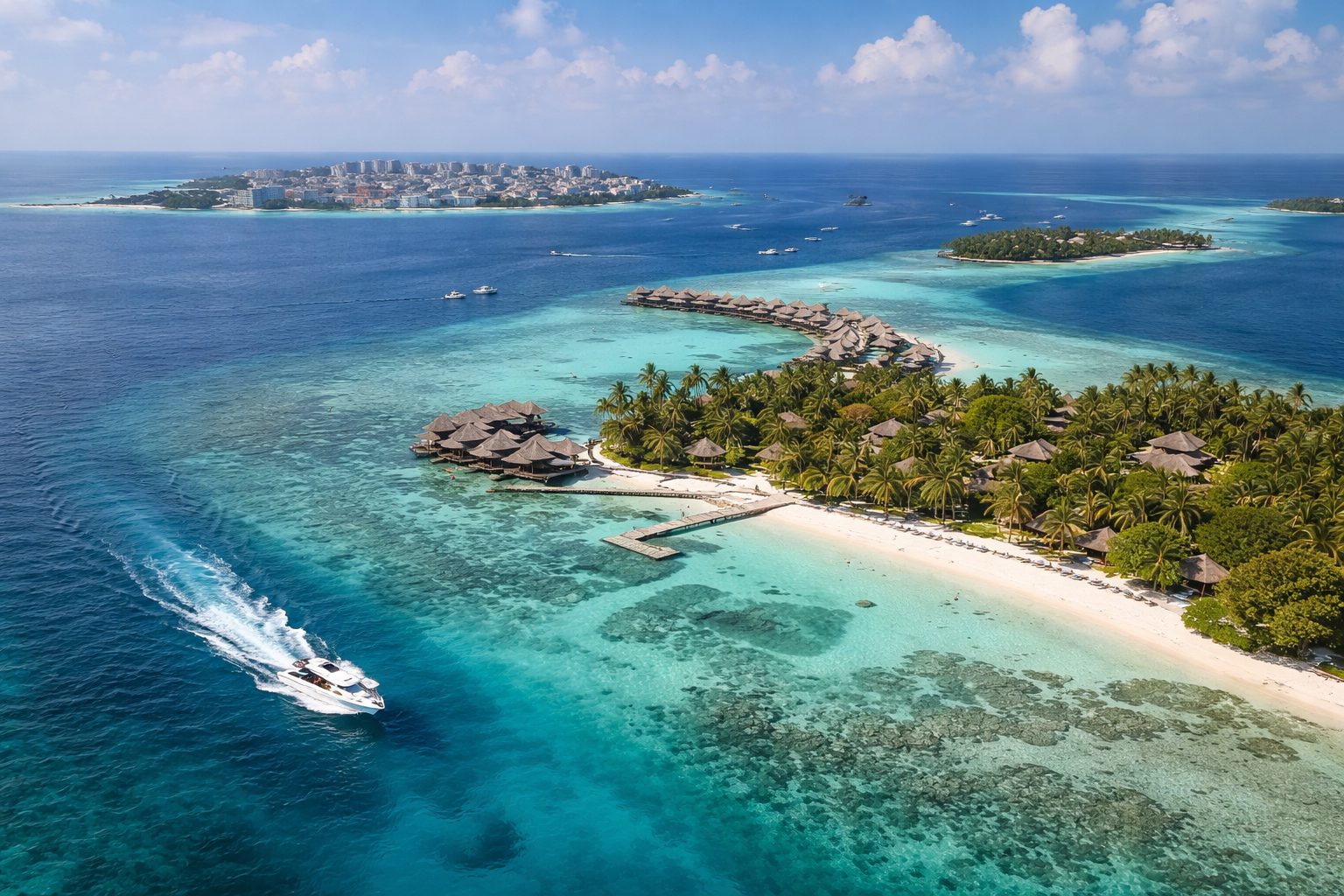
The reef system in this atoll is well-known and explored, which is a double-edged sword. It means dive operators are experienced and well-equipped, and the sites are documented in detail. But it also means the sites have seen a lot of traffic over the years, and the reefs show some signs of that pressure compared to more remote atolls.
South Male Atoll, just south of the airport, has some excellent resorts and offers slightly better reef conditions than the northern side in some areas. The transfer distances are similar. If you want the most convenient access to the Maldives without sacrificing quality, this broader Male Atoll region is the logical starting point.
2. Baa Atoll
Baa Atoll is where you go if marine encounters are your primary motivation. It’s home to Hanifaru Bay, a UNESCO-protected marine area that becomes a feeding ground for manta rays and whale sharks during the southwest monsoon season, roughly June through November. I’ve spoken to divers who say witnessing the feeding aggregations here is one of the most memorable wildlife experiences of their lives.
The atoll requires a domestic flight to Dharavandhoo Airport, which adds around 30 minutes of flying time and some cost, but many people consider it completely worth it. The resorts here range from mid-range to ultra-luxury, with some of the most architecturally impressive overwater bungalow properties in the country.
Outside of Hanifaru Bay season, Baa Atoll still offers excellent snorkeling and diving, along with the general peace and beauty you’d expect. It’s just that during peak manta season, it becomes genuinely hard to beat.
3. Ari Atoll
Ari Atoll, located west of Male, is the largest atoll in the Maldives and arguably the most famous for diving. The sheer number and variety of dive sites here is exceptional. You’ll find steep drop-offs, coral gardens, wreck dives, and regular encounters with whale sharks year-round, which is unusual since most sites only see them seasonally.
The atoll is served by domestic flights to Maafaru and Mathiveri airports, or by seaplane transfers depending on which part of the atoll you’re heading to. South Ari Atoll, in particular, is well-known for whale shark sightings around the protected marine area, and the density of resorts here means there’s a wide range of price points available.
For serious divers, Ari Atoll is probably the single best island region in the Maldives to base yourself. The variety and consistency of the marine life sightings, combined with well-established dive operations, makes it hard to argue against.
4. Noonu Atoll
Noonu Atoll is further north and considerably less visited than the central atolls. It’s accessed by seaplane or a domestic flight to Maafaru Airport followed by a boat transfer. The added distance means it’s often overlooked, but that’s exactly what gives it an edge for travelers who want true remoteness.
The reefs here are in noticeably better condition than in more trafficked areas, and the dive sites are less crowded. Several luxury resorts have established themselves in Noonu precisely because of this combination of pristine environment and exclusivity. If you’re the type of traveler who finds it frustrating to share a dive site with twenty other divers, this atoll is worth the extra travel time.
Accommodation options are more limited than in Ari or Male atolls, and the price point skews higher, but the experience feels genuinely different from the more commercial parts of the country.
5. Thaa Atoll
Thaa Atoll is one of the most remote and least developed of the well-known atolls. Located in the southern central part of the Maldives, it requires a domestic flight and boat transfer, and the tourism infrastructure is less polished than in the north. But that’s part of the appeal.
The marine life in Thaa Atoll tends to be exceptional precisely because the sites are rarely dived. Tiger sharks and hammerheads are spotted more regularly here than in the busier atolls, which draws experienced divers willing to make the effort. The local islands in this atoll also offer some of the most authentic glimpses of Maldivian life outside of Male.
For travelers who have already done the standard Maldives experience and want something more off the beaten path, Thaa Atoll is the direction to look.
Comparison of Top Islands
Here’s a breakdown of the top atolls across key criteria to help you compare at a glance:
| Atoll | Accessibility | Diving Quality | Best For | Price Range |
|---|---|---|---|---|
| North/South Male | Very easy | Good | First-timers, convenience | Budget to ultra-luxury |
| Baa | Moderate | Excellent (seasonal) | Manta rays, eco-tourism | Mid to ultra-luxury |
| Ari | Moderate | Outstanding | Divers, whale sharks | Budget to ultra-luxury |
| Noonu | Moderate-hard | Excellent | Exclusivity, remote luxury | Luxury to ultra-luxury |
| Thaa | Hard | Outstanding | Experienced divers, remote travel | Mid to luxury |
Best Island for Luxury Resorts
Noonu Atoll edges ahead here, along with select properties in North Male Atoll. Some of the most architecturally striking and consistently high-rated resorts in the world are located in these areas. The overwater villa concept reaches its most refined expression in properties where the lagoon color and reef accessibility combine with exceptional service standards.
That said, Baa Atoll has several properties that compete for the very top tier, particularly for guests who want the combination of luxury accommodation and exceptional wildlife experiences. It’s difficult to go wrong in any of these atolls at the premium end.
Best Island for Budget Travelers
The local island guesthouses around North Male Atoll, and specifically on islands like Maafushi and Thulusdhoo, represent the most accessible entry point to the Maldives. You can stay in a decent guesthouse for $60 to $120 per night, eat local food, and have the beach experience without the resort price tag.
South Ari Atoll also has some competitively priced resort options, particularly at smaller properties that don’t have the marketing budget of the big names. Budget travelers who are flexible about amenities and willing to stay at simpler resorts will find better value here than in the Male-adjacent atolls.
Best Island for Diving and Snorkeling
Ari Atoll is the clear choice for diving, particularly South Ari with its whale shark protection zone. Year-round sightings, multiple site varieties, and well-developed dive operations make it hard to argue against.
For snorkeling specifically, Male Atoll has some excellent house reefs directly accessible from the beach or jetty at many resorts. And for those who want both a reliable snorkeling experience and the chance for extraordinary marine encounters, Baa Atoll during manta season is a legitimate contender for the best island in Maldives experience for water activities.
Best Island for Family Vacations
North and South Male Atolls work well for families because of the shorter transfer times. When you’re traveling with children, adding a 45-minute seaplane flight plus a boat transfer on top of an international flight can make a long day into a genuinely difficult one. Staying close to the airport in a resort with well-developed kids’ facilities and a calm, protected lagoon simplifies things considerably.
Ari Atoll is also good for families interested in marine life and diving. Some resorts there have junior dive programs, and the whale shark area is accessible for snorkelers, not just divers. The combination of family amenities and genuinely impressive marine encounters is hard to beat.
Best Island for Honeymooners
Privacy and intimacy are the primary requirements for a honeymoon, and Noonu Atoll delivers those better than anywhere else. The low resort density, pristine environment, and ultra-luxury properties create the kind of experience where you genuinely feel removed from the world.
Baa Atoll is also a strong contender, particularly for couples who want the extraordinary wildlife encounters alongside the luxury experience. Watching manta rays feed at sunset from a private beach is the kind of memory that defines a honeymoon. Several Baa Atoll resorts are designed specifically with couples in mind and offer overwater villas with private plunge pools and direct ocean access.
Unique Experiences on the Best Islands
Beyond diving and beach time, there are some experiences specific to the Maldives that you won’t find in the same form anywhere else: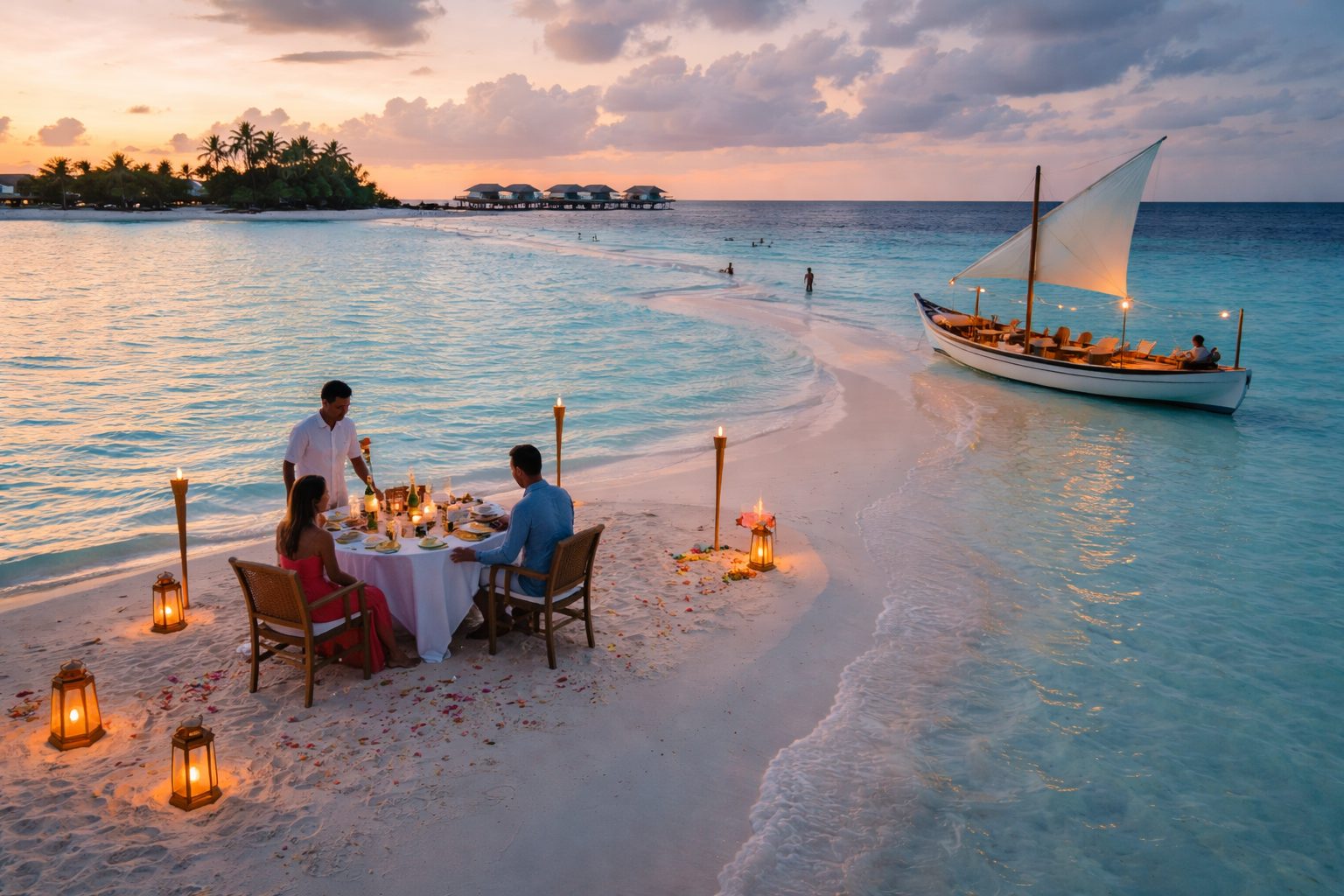
- Underwater dining at restaurants built below the lagoon surface, where you eat surrounded by fish and coral visible through glass walls
- Dolphin cruises at sunset, particularly common around Male and Ari atolls where spinner dolphins frequently feed in the evenings
- Bioluminescence swimming, where the planktonic organisms in the water glow blue at night when disturbed, creating a genuinely surreal experience
- Sandbank picnics on uninhabited sandbars where a resort sets up a private lunch or dinner with no other guests in sight
- Local island day trips from resort islands, which give you a genuine sense of Maldivian community life, local markets, and traditional fishing culture
The underwater post office on Enboodhoo Island in Male Atoll is a curiosity that some visitors enjoy. You can get a waterproof postcard stamped underwater by a diver. It’s a gimmick, but it’s a memorable one.
Staying on a local island, even for one night during a longer trip, changes your perspective on the country in a useful way. The resort experience is extraordinary but also somewhat insulating. Getting out to see how most Maldivians actually live adds context.
Practical Tips for Visiting the Best Islands
Best Time to Visit
The dry season runs from November through April, when the northeast monsoon brings calm seas, low humidity, and consistent sunshine. This is when the Maldives is at its most picturesque and most expensive. Peak season is December through March.
The wet season, May through October, is the southwest monsoon period. It’s wetter and can be rougher, but “wet season” in the Maldives is relative. You still get plenty of sunny days, the marine life changes in interesting ways, and prices drop considerably. June through November is also when Baa Atoll’s manta aggregations peak, so for that specific experience, the shoulder or wet season is actually better.
If cost is a factor, visiting in May, October, or early November can save 30 to 50 percent on accommodation compared to peak season, with only a moderate increase in cloud cover and rain.
Transportation Options
Getting to the Maldives means flying into Velana International Airport in Male. From there, you have three main options for reaching your resort:
- Speedboat transfer: Practical for resorts within 45 minutes to an hour of Male. Affordable, fast, and the boat ride through the atolls is scenic.
- Domestic flight: Required for resorts in distant atolls like Baa, Noonu, and Thaa. Flights are short (20-45 minutes) but add cost.
- Seaplane: The most scenic transfer method, with views of the atolls from above. Seaplanes only operate in daylight, so late evening arrivals can mean an overnight in Male before transferring. Typically $300-$500 per person round trip.
Some resorts offer private yacht transfers for long-distance journeys, which can be an experience in itself for guests staying at ultra-luxury properties.
Accommodation Choices
The overwater bungalow is the iconic Maldives accommodation, but it’s not the only option and not necessarily the best for everyone.
- Beach villas offer more privacy and easier beach access, and are generally less expensive than overwater options
- Overwater villas provide direct ocean access and the classic Maldives look, but the experience varies hugely by lagoon depth and reef quality beneath the villa
- Local island guesthouses are affordable and culturally rich but require respecting local Islamic customs, including modest dress on public beaches
If budget is a primary constraint, look for beach villa options at smaller resorts in Ari or Male atolls, rather than overwater villas at premium properties. The quality of the experience often comes down to the reef and lagoon more than the villa type.
Some resorts include meals in the rate, others don’t. Given that food and drink at resort restaurants is extremely expensive, an all-inclusive or half-board package often represents better value than paying per meal, particularly for stays of five nights or more.
Frequently Asked Questions
What is the best island in Maldives for relaxation?
Noonu Atoll consistently delivers the best conditions for pure relaxation due to its remoteness, limited guest numbers, and pristine environment. If complete quiet and privacy are your goals, look at resorts there. For slightly easier access with similar vibes, South Male Atoll has several properties with excellent house reefs and calm lagoons.
Which island is best for adventure activities?
Ari Atoll is the top choice for underwater adventure, particularly diving and whale shark snorkeling. For surfing, the Male Atoll area and specifically the breaks around Thulusdhoo and the nearby surf camps offer the best conditions, particularly during the southwest monsoon season from March through October.
How do I get to the best islands in Maldives?
You fly into Male’s Velana International Airport, then transfer to your resort by speedboat, domestic flight, or seaplane depending on which atoll you’re staying in. Male-adjacent resorts are accessible by speedboat in under an hour. More remote atolls require a domestic flight or seaplane, adding 30 to 90 minutes and significant cost to the journey. Your resort will arrange all transfers once you’ve booked.
The honest answer to which is the best island in Maldives is that it depends on what you value most. But if I had to choose one region for a first visit that balances accessibility, marine life quality, accommodation variety, and overall experience, Ari Atoll would be my recommendation. And for a second visit, when you want something quieter and more remote, Noonu is where I’d point you.