India is one of those destinations that genuinely rewards you for thinking before you go. The country is vast, climatically diverse, and packed with festivals, wildlife, beaches, mountains, and ancient cities. Knowing the best time to visit India can make the difference between a dream trip and a frustrating one. I’ve traveled across the subcontinent in multiple seasons, and I can tell you firsthand that timing matters enormously here. Whether you’re chasing the snows of the Himalayas, the temples of Tamil Nadu, or the beaches of Goa, the right month changes everything.
Understanding India’s Climate
Overview of India’s Diverse Weather Patterns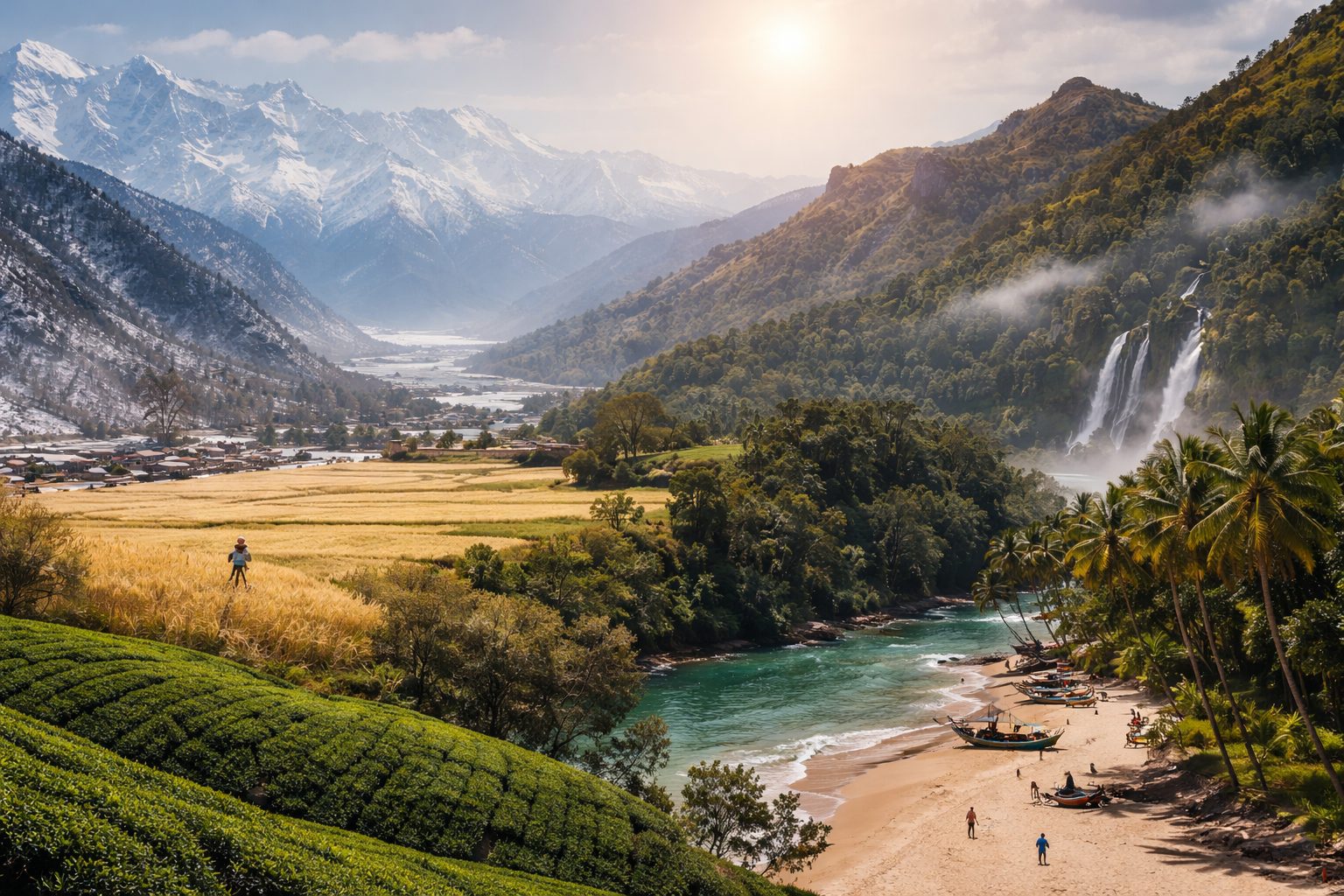
India spans roughly 3,300 kilometers from north to south, and the climate shifts dramatically across that distance. The northern plains bake in summer and freeze in winter. The Western Ghats receive some of the heaviest rainfall on earth during the monsoon. The Thar Desert in Rajasthan stays scorching hot for months. Coastal regions like Kerala and Goa have their own rhythm of wet and dry seasons.
The country experiences four broad climate zones: tropical in the south, arid in the northwest, temperate in the central highlands, and alpine in the Himalayas. So talking about weather in India as if it were uniform is almost meaningless. What you really need is a regional picture.
The monsoon is the single biggest weather force shaping travel across India. It arrives from the southwest around June, sweeps northward through July, and retreats by late September. This cycle defines everything, from agricultural patterns to travel calendars to hotel pricing.
Seasonal Changes Across Different Regions
In the north, including Delhi, Rajasthan, and Agra, summers run from April to June and are genuinely punishing. Temperatures regularly hit 45°C. Winters from December to February are cool and pleasant, often dipping close to freezing at night in places like Jaipur. The brief post-monsoon window in October and November is arguably the most comfortable time in the north.
South India operates differently. Chennai and Kerala stay warm and humid year-round. Kerala’s famous backwaters are lovely from October through March. The northeast, including Assam and Meghalaya, is wet during the monsoon but lush and breathtaking right after. The Himalayan states like Himachal Pradesh and Uttarakhand are only accessible in the warmer months for high-altitude trekking.
Understanding these regional shifts is what makes planning a multi-destination trip in India genuinely complex. Most travelers pick one or two regions and time their visit around those specific climates rather than trying to cover everything at once.
Best Time to Visit India by Season
Winter Season (December to February)
This is the peak tourist season across most of India, and for good reason. Temperatures are comfortable almost everywhere except the far north and the high mountains. Delhi, Rajasthan, and Agoa are all at their best. Visibility at the Taj Mahal is often clearest on winter mornings. Goa fills up with international tourists, and the beaches are genuinely enjoyable.
Expect higher hotel prices and bigger crowds at popular attractions. Christmas and New Year bring a particular surge in Goa and Rajasthan. Booking well in advance is essential if you’re traveling in December or January.
Kerala and Tamil Nadu also shine in winter. Cochin, Munnar, and the hill stations of the Western Ghats are green and cool after the retreating monsoon. The Kerala backwaters in January are calm, clear, and far less humid than summer.
The downside of winter is that the far north, including Leh in Ladakh and Spiti Valley in Himachal Pradesh, shuts down almost entirely. Roads freeze, mountain passes close, and only the most prepared cold-weather travelers attempt these regions.
Summer Season (March to June)
Summer in India is brutal across most of the plains. North India gets the worst of it, with Delhi, Agra, and Rajasthan all becoming uncomfortably hot by April. Travel here in May or June and you’re dealing with temperatures that make sightseeing genuinely unpleasant and sometimes dangerous.
But summer opens up the mountains. This is the best season for trekking in the Himalayas, visiting Leh-Ladakh, and exploring Himachal Pradesh and Uttarakhand. The roads are clear, the skies are blue, and the mountain landscapes are stunning. If your priority is high-altitude adventure, plan for May through early July.
South India in summer is hot and humid but manageable if you stay near the coast. Hill stations like Ooty, Kodaikanal, and Coorg in Karnataka attract domestic tourists escaping the heat. These spots are pleasant but crowded, especially around Indian school holidays in May and June.
The pre-monsoon weeks in late May and June bring dramatic thunderstorms to many parts of the country. Mangoes hit peak season, and certain wildlife parks remain open for a final few weeks before the rains arrive.
Monsoon Season (June to September)
The monsoon gets a bad reputation among tourists, and I think that’s partly unfair. Yes, travel is harder. Roads flood, some areas become inaccessible, and outdoor sightseeing can feel miserable. But India during the monsoon is also deeply alive, lush, and atmospheric in a way that no other season captures.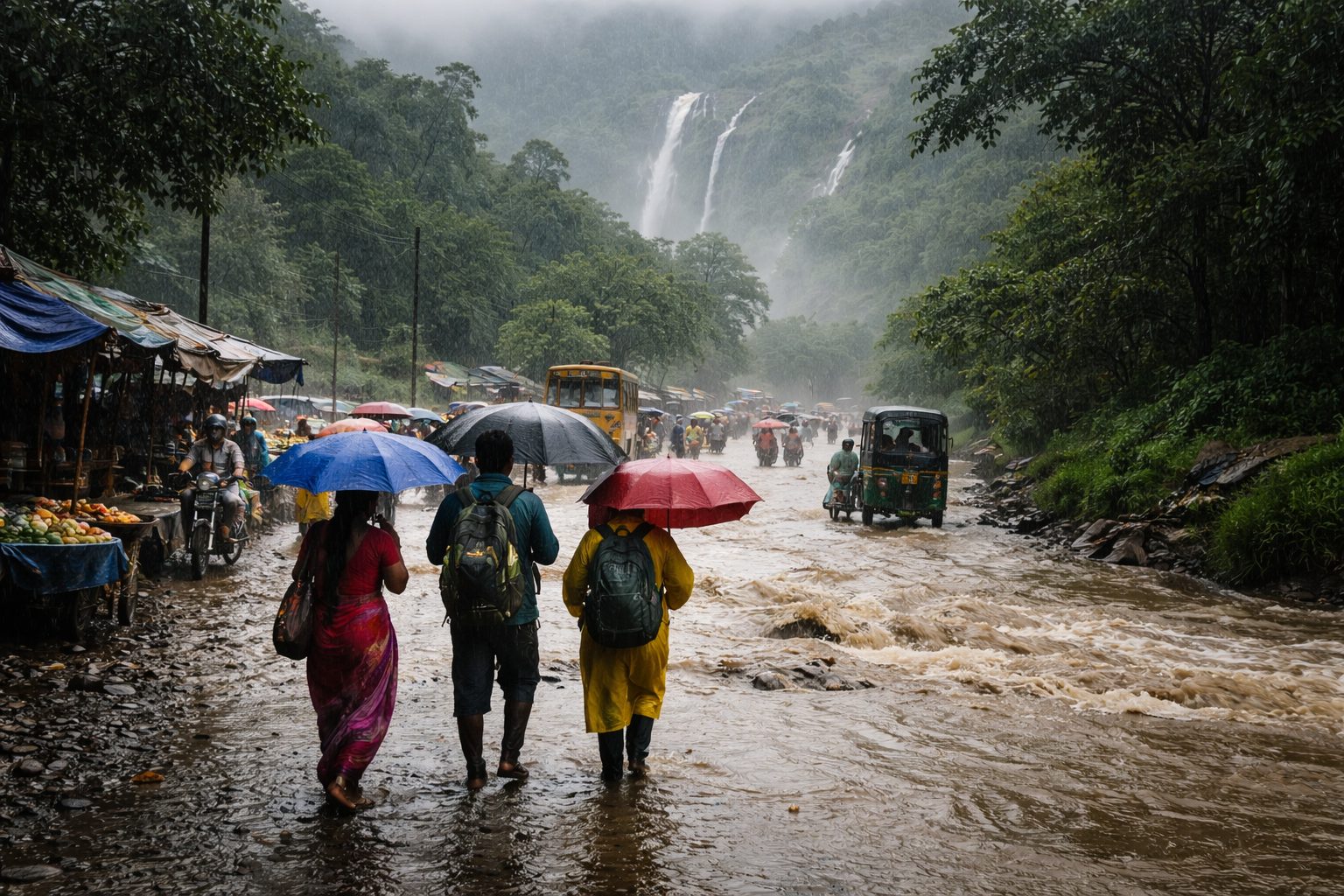
Kerala in particular is extraordinary during the monsoon. Ayurvedic resorts specifically market this period as ideal for treatments, and the landscape turns an intense, vivid green. The famous Kerala Ayurveda season runs from June to September. Prices drop significantly at resorts and hotels.
Wildlife parks across central and northern India close in June and reopen in October or November. Rajasthan and the Thar Desert are not pleasant during the monsoon. The northeast, however, is beautiful if you can handle the rain and want to see Meghalaya’s living root bridges without the tourist crowds.
The monsoon is also when airfares and hotel rates hit their lowest. If you’re budget-conscious and flexible, traveling in August or early September to places like Goa or Kerala can be surprisingly rewarding, as long as you accept that rain will be part of the experience.
Post-Monsoon Season (October to November)
This is my personal favorite window to travel in India. The rains have cleared, the landscape is still green, temperatures drop to comfortable levels, and the peak tourist surge hasn’t arrived yet. October and November sit in a sweet spot.
Rajasthan opens up beautifully in October. The light is golden, the air is dry, and the desert forts feel less oppressive without the summer heat. Kerala’s backwaters are at their best from October onwards. Wildlife parks reopen in October, making this a prime time for tiger safaris in Madhya Pradesh and Uttarakhand.
Festivals cluster heavily in October and November. Dussehra and Diwali typically fall in this window, and experiencing either of them in Varanasi, Jaipur, or Delhi is something genuinely memorable. Prices are moderate, crowds are building but not yet overwhelming, and the weather cooperates almost everywhere.
Best Time to Visit Popular Destinations
Best Time to Visit North India
North India includes Delhi, Agra, Jaipur, Varanasi, and the Himalayan states. The golden window for the plains is October through March. October and November offer pleasant temperatures and post-monsoon freshness. December and January are the peak tourist months, with cool days and cold nights. February and March see temperatures rising but remain comfortable.
For Ladakh specifically, the accessible season runs from June to September. The annual Hemis Festival in July is a highlight. Spiti Valley is best from June to October. Uttarakhand for trekking is ideal from May through June and again from September through October.
Avoid the plains from April through June unless you have no choice. Varanasi is particularly challenging in summer heat. The Taj Mahal in July or August means navigating rain and humidity along with the usual crowds.
Best Time to Visit South India
South India is a year-round destination in most respects, though the timing of local monsoons matters. Tamil Nadu and Andhra Pradesh receive rain from the northeast monsoon, which runs from October to December. This means that while the rest of India is dry and pleasant in October, Chennai can be quite wet.
Kerala is best from October through March. The hill stations of the Western Ghats are enjoyable year-round but most comfortable from September to April. Hampi in Karnataka is best visited from October to February. Mysore during the Dasara festival in October is one of the great Indian travel experiences.
Avoid the very tip of South India, including the Andaman Islands, from May through September during the southwest monsoon if you want clear water and beach weather.
Best Time to Visit West India
West India covers Rajasthan, Gujarat, Maharashtra, and Goa. Rajasthan is best from October through March. The Pushkar Camel Fair in November draws enormous crowds to a desert town that’s worth experiencing at least once. Jaisalmer and Jodhpur are most atmospheric in winter.
Goa has two distinct personalities. From October to May it’s the beach paradise everyone imagines. June through September it’s a rainy, quiet, cheaper version of itself that some travelers prefer. The international tourist peak is December and January.
Mumbai is a year-round city, but October through February is the most comfortable. The monsoon in Mumbai from June to September is intense, with the city occasionally flooding during heavy rains.
Gujarat is excellent from October to March. The Rann of Kutch, famous for its white salt desert, hosts the Rann Utsav festival from November to February. This festival alone makes Gujarat worth the trip during winter.
Best Time to Visit East India
East India includes Kolkata, West Bengal, Odisha, and the northeastern states of Assam, Meghalaya, Sikkim, and Arunachal Pradesh. Kolkata is best from October through February. The Durga Puja festival in October transforms the city into something extraordinary, with elaborate temporary temples on every corner.
Assam and the northeastern states are most accessible from October through April. The Kaziranga National Park, home to the Indian one-horned rhinoceros, is best visited from November through April. Meghalaya, despite being one of the wettest places on earth, is most accessible in the dry winter months from October to April.
Sikkim is beautiful year-round but clearest from October through May. The rhododendron blooms in April are stunning. Darjeeling is best from March through May and again from September through November, when the views of Kanchenjunga are clearest.
Odisha, with its temples at Bhubaneswar and Puri, is best visited from October to March. The famous Rath Yatra festival at Puri in July draws millions of pilgrims, though the monsoon weather makes it a challenging time for most tourists.
Activities and Festivals to Experience
Best Time to Experience Indian Festivals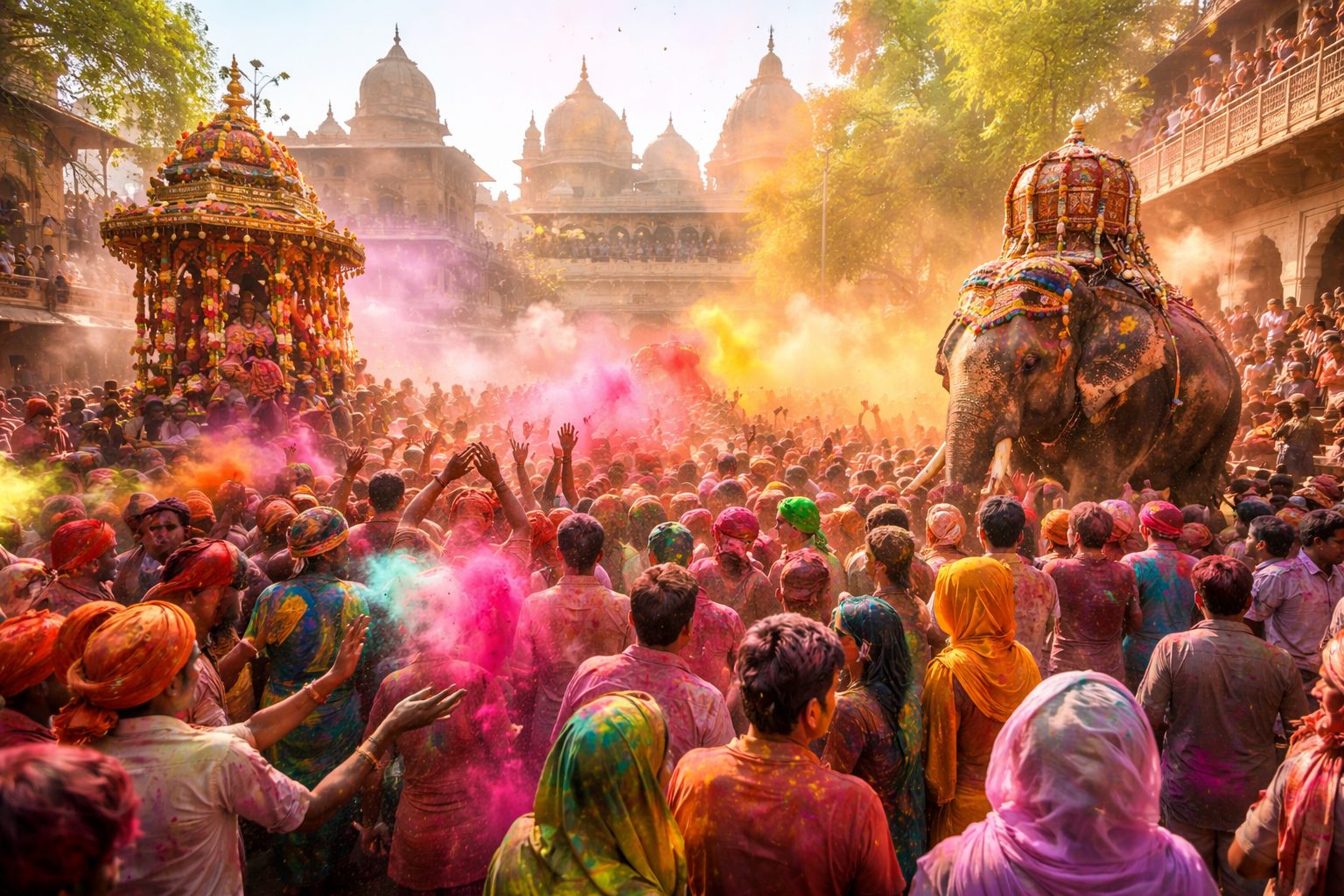
India’s festival calendar is one of the richest in the world, and timing your trip around a major festival can turn a good trip into an unforgettable one. Here’s a quick overview of major festivals by season:
- Diwali (October or November): The festival of lights. Celebrated nationwide but especially spectacular in Varanasi, Jaipur, and Amritsar. Streets are lit with oil lamps, and fireworks fill the night sky.
- Holi (March): The festival of colors takes place at the full moon of March. Mathura and Vrindavan near Agra celebrate it most intensely. Expect to be covered in colored powder.
- Durga Puja (October): Kolkata shuts down and transforms. This is the city’s defining cultural event.
- Pushkar Camel Fair (November): A massive gathering in Rajasthan blending religious pilgrimage with a traditional livestock fair.
- Onam (August or September): Kerala’s harvest festival, celebrated with boat races and elaborate flower arrangements called pookalam.
- Navratri and Dussehra (October): Nine nights of dance and music across India, culminating in the burning of demon effigies.
Traveling during major festivals means booking accommodations months in advance. Prices spike dramatically in festival cities during peak events.
Best Time for Wildlife Safaris
India’s national parks follow a clear seasonal logic. Most parks in central and northern India close during the monsoon, typically from July to September, and reopen in October or November. The best safari months are:
- October to November: Parks reopen, vegetation is lush, animals gather near water sources.
- February to May: Vegetation thins out, making animals easier to spot. This is peak tiger viewing season.
- April and May: Dry heat concentrates animals around remaining waterholes. Tiger sightings at Ranthambore, Bandhavgarh, and Kanha peak in these months.
For bird watching, the winter months from November to February bring migrating species from Central Asia and Siberia to wetlands at Bharatpur in Rajasthan and Sultanpur near Delhi. The Chilika Lake in Odisha is also spectacular for migratory birds in winter.
Avoid safari planning in June and July for most parks. Corbett National Park in Uttarakhand typically closes from June 15 to November 15, and Ranthambore closes from July to September.
Best Time for Beach Vacations
India has thousands of kilometers of coastline, but each stretch follows its own seasonal rhythm. Here’s a practical breakdown:
| Beach Destination | Best Season | Avoid |
|---|---|---|
| Goa | October to May | June to September |
| Kerala (Kovalam, Varkala) | October to March | June to August |
| Andaman Islands | October to May | May to September |
| Odisha (Puri) | October to February | June to September |
| Lakshadweep | October to May | June to September |
| Tamil Nadu (Marina Beach) | January to March | October to December |
The southwest monsoon hits Goa, Kerala, and the Andamans hardest. The northeast monsoon affects Tamil Nadu’s coast in October and November. So if beaches are your primary goal, the overlap window from December through March covers almost every coastal destination in India simultaneously.
Travel Tips for the Best Experience
Packing Essentials for Different Seasons
Packing for India varies enormously depending on the season and regions you’re visiting. A few practical guidelines:
For winter travel (October through February):
* Light layers for daytime sightseeing in the south
* A warm jacket or fleece for north Indian nights, which can drop to 5 to 8°C
* Comfortable walking shoes for historical sites
* Sunscreen remains essential even in cool months
For summer travel (March through June):
* Loose, breathable cotton or linen clothing
* Sun protection: hat, sunglasses, high-SPF sunscreen
* A light scarf for temple visits and dusty afternoons
* Electrolyte sachets for hot-weather hydration
For monsoon travel (June through September):
* Waterproof jacket or a compact umbrella
* Quick-dry clothing
* Waterproof sandals or shoes
* Waterproof bags or dry bags for electronics
Across all seasons, modest dress is appreciated at temples and religious sites. Carrying a lightweight shawl is always useful.
Best Time to Book Flights and Accommodations
International flights to India are cheapest in the monsoon months from June to September and in late January and February after the post-Christmas rush clears. Peak pricing hits around December, New Year, and major festival dates.
For domestic flights within India, book at least three to four weeks in advance during the October to February peak season. Last-minute bookings in December and January can be expensive. Budget airlines like IndiGo and Air India Express connect most major cities at reasonable prices if you book ahead.
Hotels in popular destinations like Jaipur, Udaipur, and Goa fill up fast for Christmas and New Year. For festival periods like Diwali in Varanasi or Pushkar Camel Fair in November, book accommodations three to six months in advance. I’ve made the mistake of leaving Pushkar too late and ended up paying triple the usual rate for a mediocre room.
Hostels and guesthouses throughout India rarely require advance booking outside of peak season, but the better ones still fill up. It’s worth reserving at least your first and last night in each city.
Tips for Avoiding Crowds
India’s most iconic sites, including the Taj Mahal, Amber Fort in Jaipur, and the ghats of Varanasi, attract huge numbers of visitors. A few strategies help: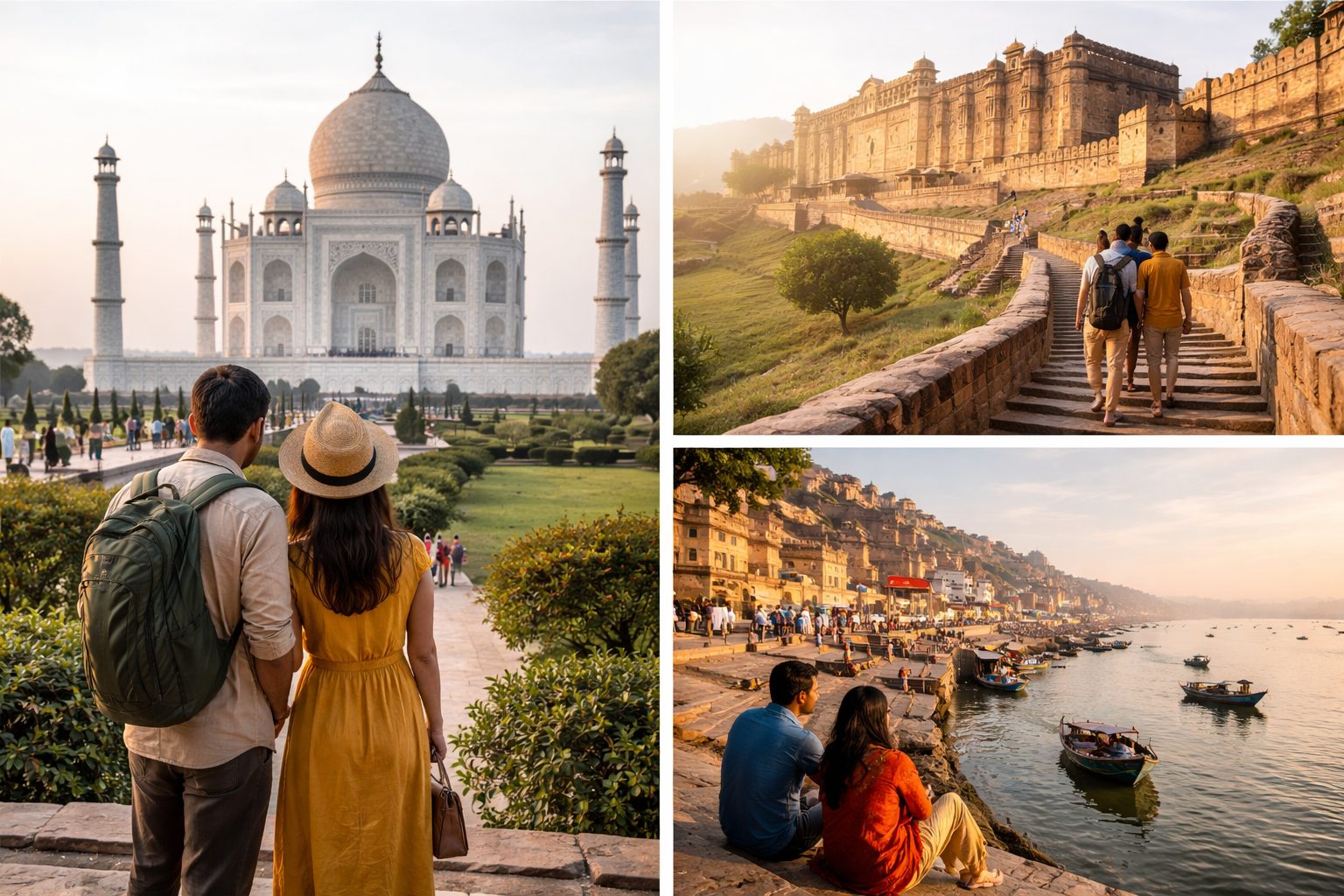
- Visit the Taj Mahal at opening time, around 6 AM. The light is beautiful and the crowds haven’t arrived yet.
- For Rajasthan, travel in October or early November before the main winter rush.
- Avoid Indian school holidays in late May, early June, and the October-November Diwali period for domestic tourist hotspots.
- Lesser-known sites nearby major attractions are often spectacular and nearly empty. Fatehpur Sikri near Agra, for example, draws far fewer visitors than the Taj but is architecturally remarkable.
- Consider visiting Varanasi in February or early March rather than October or November, when it’s still pleasant but significantly quieter.
The early morning rule applies almost universally across India. Most tourists arrive mid-morning and leave by early afternoon. Being at a site at 7 AM versus 11 AM can completely change the experience.
Comparing the Best Times for Different Travelers
Best Time for Solo Travelers
Solo travel in India works best from October through February. The weather cooperates across most regions, transport runs more reliably, and the tourist infrastructure is at its most active. Goa, Rajasthan, and Kerala all have well-established solo traveler networks, with hostels, group tours, and social hubs.
If you’re on a budget and comfortable with some uncertainty, the monsoon offers low prices and a more authentic experience. The crowds thin dramatically, locals have more time to interact, and the countryside is at its most beautiful. Goa in July, for example, is a fraction of the December price and has a completely different, quieter character.
Solo travel during the peak festival season requires more planning but can be extraordinarily rewarding. Joining Holi celebrations in Mathura or witnessing Durga Puja in Kolkata as a solo traveler often leads to spontaneous invitations from locals celebrating at home.
Best Time for Families
Families with school-age children typically need to fit India into school holiday windows. The Christmas to New Year period works well but is expensive and crowded. A better option for families is late October through mid-November, which falls after most international schools’ autumn break and before the full winter surge.
For families with young children, the south is more manageable than the north. Kerala’s relatively compact geography, excellent roads, and gentler pace suit families better than the sprawling distances of Rajasthan. Wildlife safaris at parks like Kabini in Karnataka or Periyar in Kerala offer accessible adventures without requiring long desert drives.
Avoid traveling with children during the peak summer months of May and June in the north. Heatstroke is a real risk, and the practical difficulties of keeping children comfortable in extreme heat while visiting outdoor historical sites make the trip genuinely hard.
Best Time for Adventure Seekers
India offers adventure across every season, but the specific timing depends entirely on what you’re pursuing:
- Himalayan trekking: May through June and September through October are the classic windows. The Markha Valley Trek in Ladakh, the Valley of Flowers in Uttarakhand, and the Roopkund Trek all operate in these windows.
- White water rafting in Rishikesh: September through November and February through May are the best periods. The Ganges flows fast and clear in these months.
- Surfing in the Andamans: November through April when the seas are calm.
- Desert camping in Rajasthan: October through February for bearable temperatures.
- Rock climbing in Hampi: October through February, when the heat is manageable.
- Paragliding in Bir Billing, Himachal Pradesh: March through May and October through November.
The monsoon actually opens up some adventure opportunities. Canyoning and waterfall rappelling in Meghalaya and Goa are at their most dramatic during and just after the rains.
Frequently Asked Questions (FAQs)
What is the best month to visit India?
October and November are the most universally recommended months. The rains have cleared, temperatures are pleasant across most of the country, wildlife parks reopen, and major festivals like Diwali and Dussehra take place. December and January are equally good but come with higher prices and larger crowds.
How does the weather vary across India?
India’s climate ranges from alpine cold in Ladakh and the high Himalayas to tropical heat in the southern plains and humid monsoon conditions in the northeast. The southwest monsoon brings heavy rainfall to the western coast from June to September, while the northeast monsoon affects Tamil Nadu from October to December. No single month is ideal for every region simultaneously.
Are there any safety concerns during certain seasons?
Flooding during the monsoon can disrupt travel in flood-prone areas including parts of Assam, Bihar, and low-lying coastal regions. Extreme heat in May and June across the northern plains poses real health risks, particularly for young children and older travelers. Heatstroke, dehydration, and heat exhaustion require attention. The hills and mountains remain safe refuges during these months.
What should I know about traveling during the monsoon?
Expect road closures, landslides in hilly areas, and flight delays. Carry waterproof bags for electronics, wear quick-dry clothing, and build flexibility into your schedule. Avoid planning tight connections. The upside is dramatically lower prices, fewer tourists, and lush landscapes. Coastal areas like Goa and Kerala are still navigable but not ideal for beach activities.
How do festivals affect travel plans in India?
Festivals drive major spikes in accommodation prices and occupancy in their host cities. They also mean spectacular experiences that are impossible to replicate at other times. Book months in advance for Diwali in Varanasi, Pushkar Camel Fair in November, or Durga Puja in Kolkata. Local transport can be chaotic around major festivals, so build extra time into your plans.
India rewards travelers who take the time to understand its rhythms. The best time to visit India is ultimately the time that aligns with your own interests, whether that’s crisp winter mornings at the Taj Mahal, monsoon-fresh backwaters in Kerala, or a tiger sighting in the dry April heat of Madhya Pradesh. Match the season to the destination and the experience you’re after, and India will deliver something extraordinary.