
There’s no single way to describe food in India, and that’s exactly the point. This is a cuisine that spans thousands of years, dozens of languages, and hundreds of distinct culinary traditions. When I first started exploring Indian cooking seriously, I thought I understood it. I didn’t. The more you dig in, the more you realize just how vast and layered it really is. From the rich, slow-cooked gravies of the north to the light, fermented creations of the south, food in India reflects geography, religion, history, and the everyday lives of over a billion people.
Introduction to Indian Cuisine
Overview of Indian Food Culture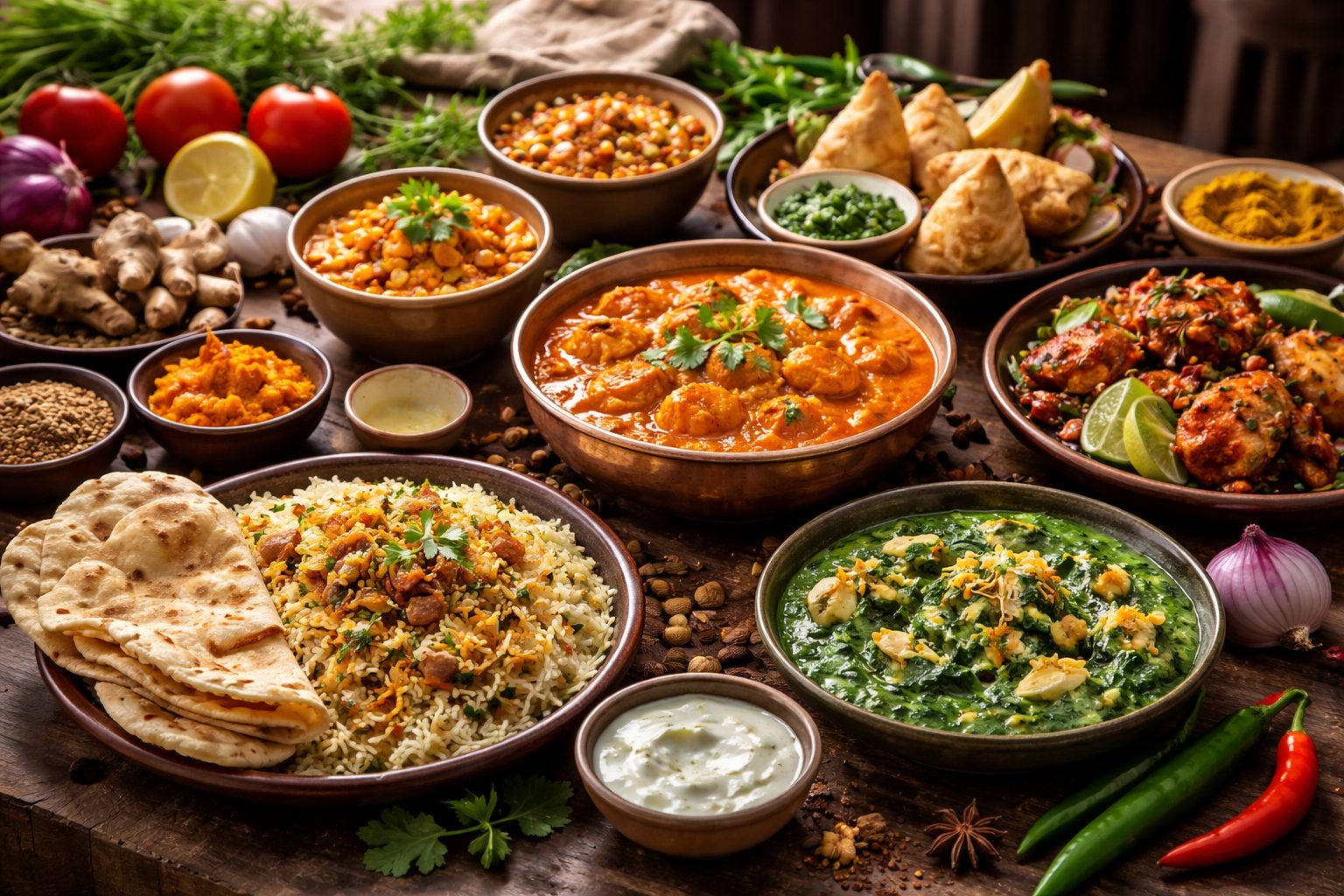
Indian cuisine is one of the most diverse and complex culinary traditions in the world. It isn’t a single cuisine at all. It’s a collection of regional cooking styles, each shaped by local ingredients, climate, trade history, and cultural practices. The food changes dramatically as you move from state to state. What’s served in Kashmir looks almost nothing like what you’d find on a plate in Tamil Nadu or Goa.
The unifying threads are spices, technique, and an almost philosophical relationship with flavor. Indian cooks have always understood that food is about balance. Sweet, sour, salty, bitter, pungent, and astringent. These six tastes, rooted in Ayurvedic tradition, show up in everything from street food to festival feasts.
Importance of Food in Indian Society
Food in Indian culture goes far beyond nutrition. It’s woven into religion, ritual, hospitality, and identity. Offering food to a guest is a sacred act in many Indian households. Refusing it can feel like an insult, even today. Meals are tied to the rhythms of daily life, the seasons, and the religious calendar.
Temples distribute prasad, or blessed food, to devotees. Weddings have entire menus shaped by community and caste traditions. Festivals trigger specific dishes that families make together every year. Food is memory, and in India more than almost anywhere else, eating is a communal act.
Regional Variations of Food in India
North Indian Cuisine
North Indian food is what most people outside India picture when they think of the cuisine. Lush, cream-heavy curries. Flatbreads baked in tandoor ovens. Slow-cooked dals. The cooking style here owes a lot to Mughal influences, which introduced rich meat preparations, dried fruits in savory dishes, and the tandoor itself.
Staples include:
- Wheat-based breads like roti, naan, and paratha
- Rice dishes like biryani and pulao
- Dairy-heavy preparations using paneer, ghee, and yogurt
- Legume-based dishes like dal makhani and chole
The flavors tend toward warmth rather than fire. Spices like cardamom, cinnamon, cloves, and saffron feature prominently, especially in celebratory dishes.
South Indian Cuisine
The south operates on completely different principles. Rice is the grain of choice here, and fermentation plays a central role. Dosas, idlis, and uttapams all rely on fermented rice and lentil batters. The flavors are sharper, more acidic, and often hotter.
Coconut is everywhere, whether as coconut oil, grated fresh coconut, or coconut milk. Tamarind brings sourness. Curry leaves, mustard seeds, and dried red chilies form the foundation of most tempering (a technique called tadka or chaunk) in Tamil Nadu, Kerala, Karnataka, and Andhra Pradesh.
South Indian food also includes some of the most elaborate vegetarian traditions in the world. A traditional Tamil sadya, served on a banana leaf during festivals, can include over twenty dishes.
East Indian Cuisine
East India, particularly West Bengal and Odisha, has a cuisine built around fish, rice, and mustard. Bengali food is often described as subtle, which surprises people expecting bold spices. The heat level is gentler, and the focus shifts to complex layering of flavor rather than sheer intensity.
Mustard oil is the cooking fat of choice, giving dishes a characteristic sharpness. Panch phoron, a blend of five spices, is used whole in tempering. Fish curries, slow-cooked lamb preparations, and delicate vegetable dishes define this tradition. Bengali sweets are in a category of their own, which I’ll touch on later.
West Indian Cuisine
Western India covers a huge range. Rajasthan is landlocked and semi-arid, so its cuisine relies heavily on dried lentils, preserved vegetables, and dairy. Gujarat produces one of the world’s great vegetarian traditions, with a remarkable balance of sweet, sour, and savory flavors in a single meal. Goa, shaped by Portuguese colonialism, has a love for pork, vinegar-based marinades, and seafood that makes it unlike anywhere else in India.
Maharashtra is in there too, with its own set of bold flavors, street food culture centered on Mumbai, and a mix of coastal and inland cooking styles. West India resists easy categorization. It’s too varied for that.
Popular Indian Dishes
Iconic Indian Starter Dishes
Indian cooking has a rich tradition of appetizers and snacks that often outshine the main course. Some dishes that appear as starters in restaurants started as street food or home snacks before becoming menu staples.
- Samosa: Deep-fried pastry filled with spiced potato and peas. Simple, satisfying, and found across the country.
- Pakora: Vegetables or paneer dipped in a spiced chickpea batter and fried. Best eaten hot with green chutney.
- Kebabs: Seekh kebab (minced meat on skewers), galouti kebab (a melt-in-your-mouth Lucknow specialty), and reshmi kebab all have devoted followings.
- Pani puri: Hollow crisp shells filled with spiced water, tamarind chutney, and potato. Hard to eat without making a mess.
Famous Main Course Dishes
The main course in Indian cooking is where the real complexity lives. These are some of the most recognized dishes, both inside India and internationally.
- Butter chicken (murgh makhani): A creamy, tomato-based chicken dish from Delhi. Mild and rich, it introduced a lot of people abroad to Indian flavors.
- Biryani: A layered rice dish with spiced meat or vegetables, cooked together so the flavors meld. Every region has its own version, and people argue passionately about which is best.
- Rogan josh: A slow-cooked lamb curry from Kashmir, deep red and aromatic with whole spices.
- Dal tadka: Yellow lentils finished with a hot tempering of garlic, cumin, and dried chilies. Humble but extraordinary.
- Fish curry: A broad category that varies wildly. Goan fish curry uses coconut and tamarind. Bengali versions use mustard paste.
Traditional Indian Desserts
Indian sweets have a reputation for being intensely sweet, and it’s mostly earned. Most are based on reduced milk, sugar, and fragrant additions like saffron, cardamom, or rose water.
- Gulab jamun: Soft milk-solid dumplings soaked in rose-flavored sugar syrup. Found at almost every celebration.
- Rasgulla: Spongy paneer balls in light syrup, a Bengali classic with a regional rival tradition in Odisha.
- Kheer: Rice pudding slowly reduced with milk, sugar, and cardamom. The most common homemade dessert.
- Jalebi: Fermented batter piped into spirals and fried, then soaked in hot syrup. Eaten warm, preferably with rabri (reduced sweetened cream).
- Halwa: A dense, fudgy preparation made from semolina, vegetables like carrot (gajar halwa), or lentils.
Spices and Ingredients Used in Indian Cooking
Common Spices in Indian Cuisine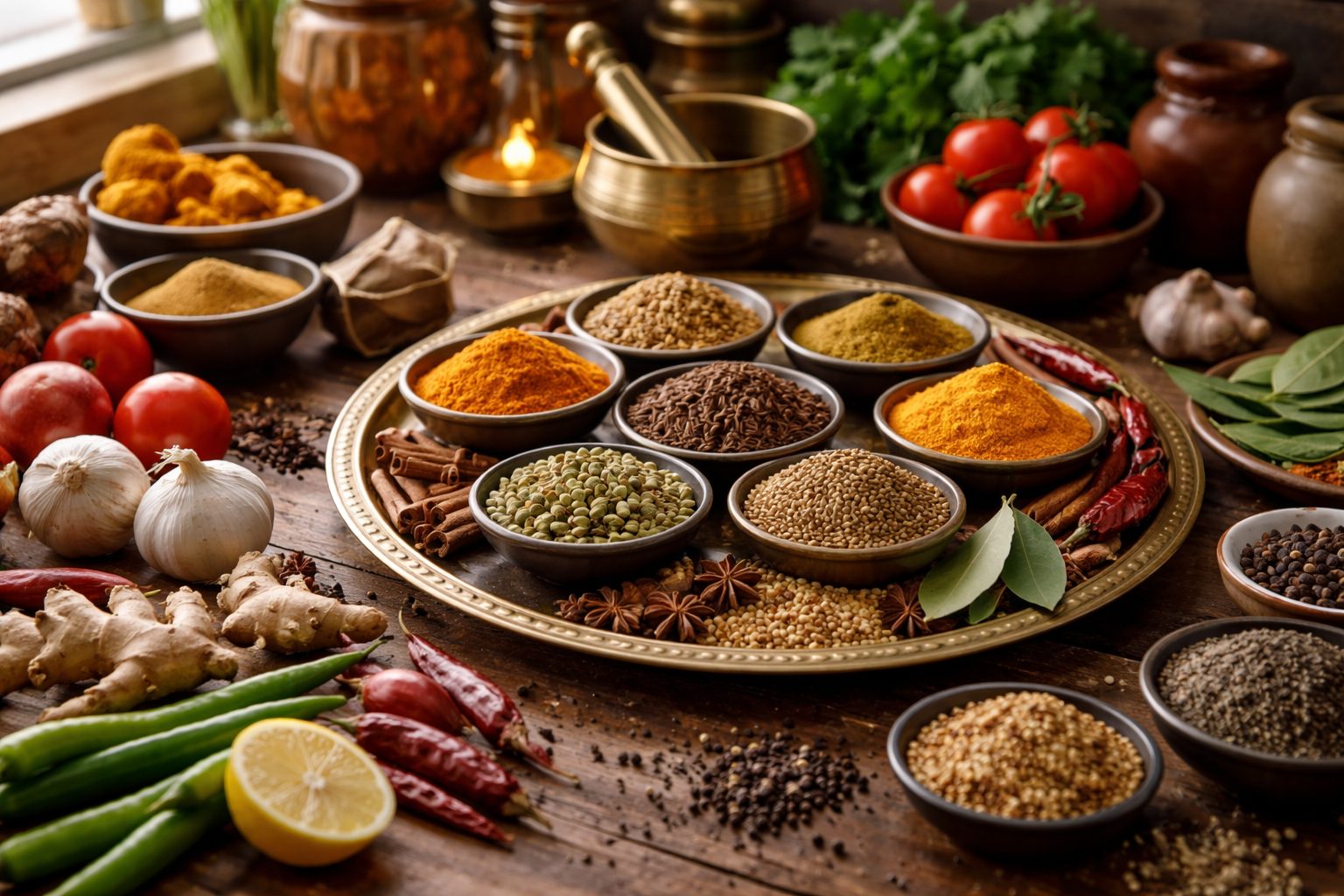
Spices are the engine of Indian cooking. Not just for heat, but for aroma, color, and flavor depth. The skill lies in knowing which spices to use whole, which to grind, and in what combinations.
| Spice | Form | Primary Use |
|---|---|---|
| Turmeric | Ground | Color, anti-inflammatory base for curries |
| Cumin | Whole or ground | Earthy base note, tadka, rice dishes |
| Coriander | Ground | Body and warmth in masalas |
| Cardamom | Whole pods or ground | Desserts, rice, chai, biryanis |
| Mustard seeds | Whole | South Indian tempering |
| Fenugreek | Seeds or leaves | Bitterness, north Indian breads and curries |
| Chili (red and green) | Whole, ground, or fresh | Heat |
| Black pepper | Whole or ground | Heat with more complexity than chili |
Garam masala, a blend that varies by region and household, is the finishing spice in most north and central Indian cooking. It’s added at the end, not the beginning.
Essential Ingredients for Indian Dishes
Beyond spices, certain base ingredients define Indian cooking at the structural level.
- Ghee: Clarified butter with a nutty flavor. Used for finishing, frying, and as a cooking fat.
- Onion, garlic, and ginger: The holy trinity of most Indian cooking. Almost everything starts with these three.
- Tomatoes: Relatively recent but now essential, particularly in north Indian gravies.
- Lentils and legumes: Dal is a daily staple. Red lentils, chana dal, urad dal, masoor, moong, and more.
- Coconut: Dominant in southern and coastal cuisines.
- Yogurt: Used in marinades, sauces, raitas, and directly as a cooling side.
- Fresh herbs: Cilantro (coriander leaves) finishes most dishes. Mint is common in chutneys and biryanis.
Vegetarian and Vegan Options in Indian Food
Overview of Vegetarianism in India
India has the largest vegetarian population of any country in the world, estimated at around 30 to 40 percent of the population. This isn’t just preference. For many, it’s tied to religious practice. Hinduism, Jainism, and certain forms of Buddhism all emphasize non-violence toward living beings, which shapes what goes on the plate.
The result is centuries of culinary innovation around plant-based ingredients. Indian vegetarian cooking is not a subset of Indian cuisine. In some regions, it is the cuisine.
Popular Vegetarian Dishes
- Palak paneer: Spinach puree with cubes of fresh cheese. Rich, nutritious, and deeply comforting.
- Aloo gobi: Dry-cooked potato and cauliflower with mustard seeds and turmeric. A weeknight standard.
- Chana masala: Chickpeas in a thick, tangy tomato and onion gravy. Protein-dense and deeply flavorful.
- Baingan bharta: Roasted eggplant mashed with spices and tomatoes. The smoky depth is the whole point.
- Rajma: Kidney beans in a robust onion-tomato sauce. Served over rice, it’s pure comfort food.
- Dosa with sambar: A fermented crepe served with a lentil-vegetable stew. South India’s daily workhorse meal.
Vegan Alternatives in Indian Cuisine
A lot of Indian food is accidentally vegan. Many dishes that appear vegetarian on menus can easily be made dairy-free with minor adjustments. The main dairy components in Indian cooking are ghee, yogurt, cream, and paneer.
Substituting coconut oil for ghee works well in southern-style dishes. Coconut milk replaces cream in almost any context. Many south Indian dishes are already dairy-free by default. Dals and legume dishes, most street foods, and vegetable-based curries typically need no adjustment at all.
Indian Street Food
Overview of Street Food Culture
Street food in India is its own universe. It operates outside restaurants, outside formality, and often outside any written recipe. Vendors pass down their techniques through families. Regulars have their order memorized. The food is fresh, fast, and built for flavor.
Cities each have a street food personality. Mumbai’s chaat culture is frantic and layered. Kolkata’s food is quieter but fiercely regional. Delhi is chaotic and generous. Chennai offers things you won’t find anywhere else, even within south India.
Must-Try Street Foods in Major Cities
Delhi:
* Chole bhature: Puffy fried bread with spiced chickpeas. A full meal in two hands.
* Paranthe wali gali parathas: Stuffed flatbreads from a century-old lane in Old Delhi.
Mumbai:
* Vada pav: A spiced potato fritter in a bread roll with dry coconut chutney. The city’s soul food.
* Pav bhaji: Buttery vegetable mash on a griddle, served with soft rolls. Best eaten late.
Kolkata:
* Kathi rolls: Egg-coated flatbread wrapped around spiced meat or paneer. Kolkata invented them.
* Jhalmuri: Puffed rice tossed with mustard oil, onion, green chili, and spices. Eaten from a paper cone.
Chennai:
* Idli with sambar and chutneys at any street stall. Not fancy. Reliably good.
* Sundal: Boiled legumes tossed with grated coconut and spices. Often found near beaches.
Indian Festivals and Their Special Foods
Major Indian Festivals and Associated Dishes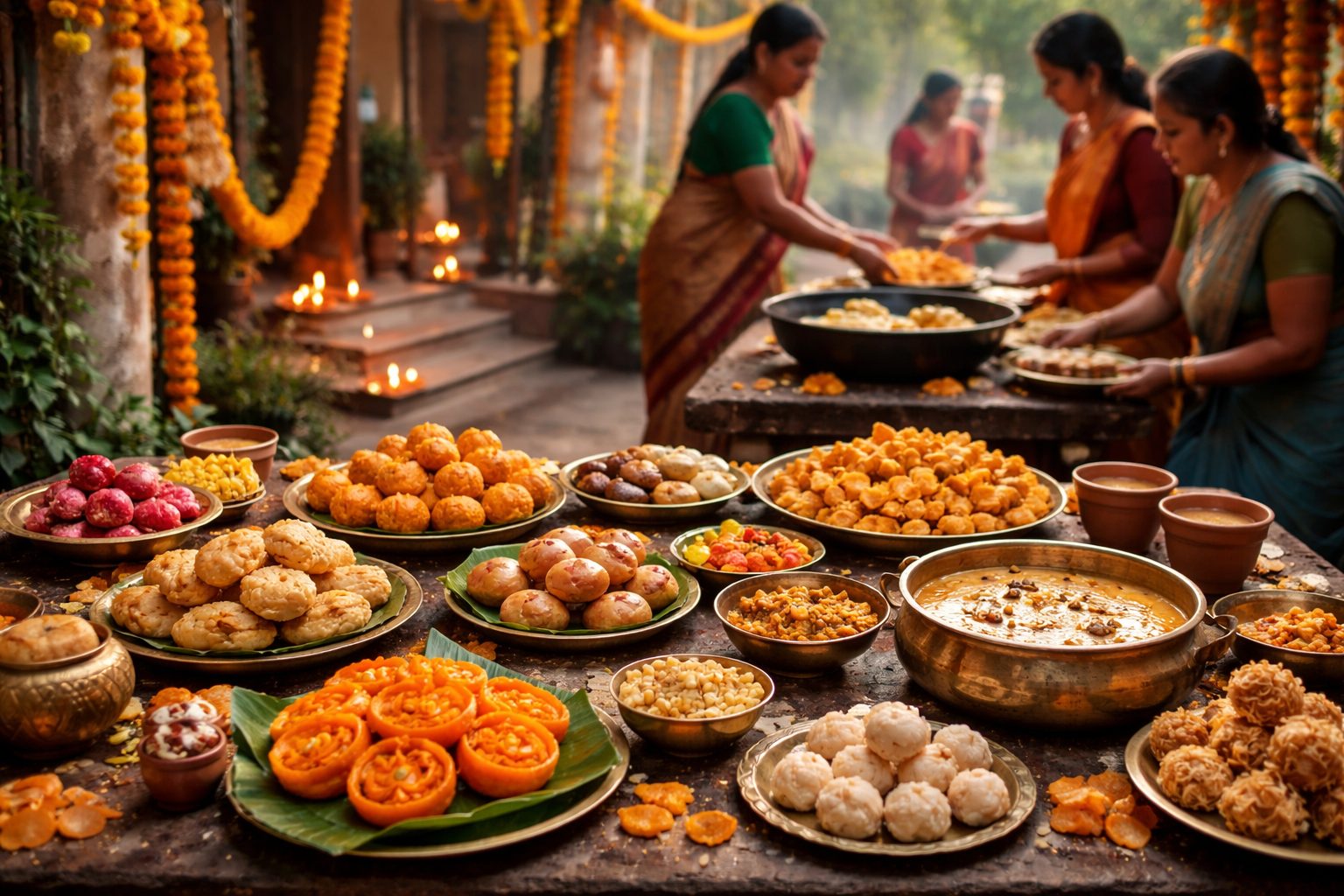
Food is inseparable from celebration in India. Most festivals have dedicated dishes, and the preparation is part of the event itself.
- Diwali: Mithai (sweets) are gifted and made at home. Kaju katli (cashew fudge), laddoos, and barfi are essentials.
- Eid al-Fitr: Seviyan (sweet vermicelli pudding with milk and nuts) and biryani mark the breaking of Ramadan.
- Holi: Thandai (a spiced cold drink), gujiya (sweet fried dumplings with khoya filling), and puran poli are traditional.
- Pongal: The harvest festival in Tamil Nadu is celebrated with the dish pongal itself, a sweet rice and lentil preparation cooked outdoors.
- Ganesh Chaturthi: Modak, a steamed sweet dumpling filled with coconut and jaggery, is offered to the deity and eaten by everyone.
Regional Celebrations and Traditional Foods
Beyond national festivals, every state and community has its own food calendar.
Kerala’s Onam feast, the sadya, is one of the most elaborate vegetarian meals in existence. Served on a banana leaf, it includes rice, sambar, avial (mixed vegetables in coconut and yogurt), pickles, pappadum, and multiple desserts including payasam.
Bengali Durga Puja is as much about food as it is about the goddess. Kosha mangsho (slow-cooked mutton curry), luchi (fried puffed bread), and a parade of sweets mark the celebration.
Baisakhi in Punjab and Harvest festivals across Maharashtra each bring out regional specialties that connect people to seasons and land.
Health Aspects of Indian Food
Nutritional Benefits of Indian Cuisine
Indian food often gets a reputation for being heavy, but a well-balanced Indian diet is genuinely nutritious. The traditional diet is high in fiber from legumes, whole grains, and vegetables. Spices like turmeric, ginger, and garlic have documented anti-inflammatory and antimicrobial properties.
A daily dal offers substantial plant protein. Fermented foods like idli, dosa, and yogurt support gut health. Ghee, used in moderation, contains fat-soluble vitamins. The Ayurvedic principle of including all six tastes in a meal naturally leads toward dietary balance.
The problems come when cooking shifts toward heavy restaurant-style preparations with excess butter, cream, and fried snacks as daily staples. That’s a restaurant thing, not a traditional diet thing.
Common Misconceptions About Indian Food
A few myths come up constantly.
All Indian food is very spicy. Not true. Heat varies enormously. Kashmiri cooking is aromatic and mild. Gujarati food leans sweet. Many south Indian breakfast dishes are gentle. You can build intensity to your preference.
Indian food is always greasy. Traditional home cooking uses moderate amounts of fat. The indulgent dishes exist but aren’t representative of everyday eating.
Indian food takes hours to make. Some dishes do. Many don’t. A dal, tadka, rice, and vegetable stir-fry is a 30-minute meal.
It’s all vegetarian. India has rich meat traditions. Chicken, mutton, and fish are central to the cuisines of Kashmir, Bengal, Goa, Hyderabad, and Kerala, among others.
Cooking Techniques in Indian Cuisine
Traditional Cooking Methods
Indian cooking developed a sophisticated toolkit over centuries, much of it still in use today.
- Tadka (tempering): Heating oil or ghee and adding whole spices to release their volatile oils. The aromatic base of countless dishes.
- Dum cooking: Slow cooking in a sealed vessel, often with a dough seal. Used for biryani and slow-cooked meats. The steam does the work.
- Tandoor cooking: Clay oven fired with charcoal or wood. Reaches extreme temperatures. Produces the char and texture that’s impossible to replicate otherwise.
- Bhunao: Continuous stirring and frying of masala at high heat to develop deep flavor. The technique behind good north Indian curries.
- Baghar: Similar to tadka, used primarily in Bengali and Hyderabadi cooking.
Modern Adaptations in Indian Cooking
Modern Indian kitchens have adapted without losing the core. Pressure cookers shortened dal and bean cooking from hours to minutes. Blenders replaced stone grinding for wet masalas. Gas stoves and induction cooktops replaced wood fires.
At the restaurant level, Indian chefs have pushed the cuisine into new territory. Progressive Indian restaurants in cities like Mumbai, Delhi, Bangalore, and London now plate traditional flavors in unfamiliar forms. Ancient regional dishes that were disappearing are getting rediscovered. Fermentation, foraging, and grain diversity are part of serious conversations about what Indian food can be.
Food Trends in India
Current Trends in Indian Culinary Scene
The urban food scene in India has changed dramatically in the past decade. A few trends stand out.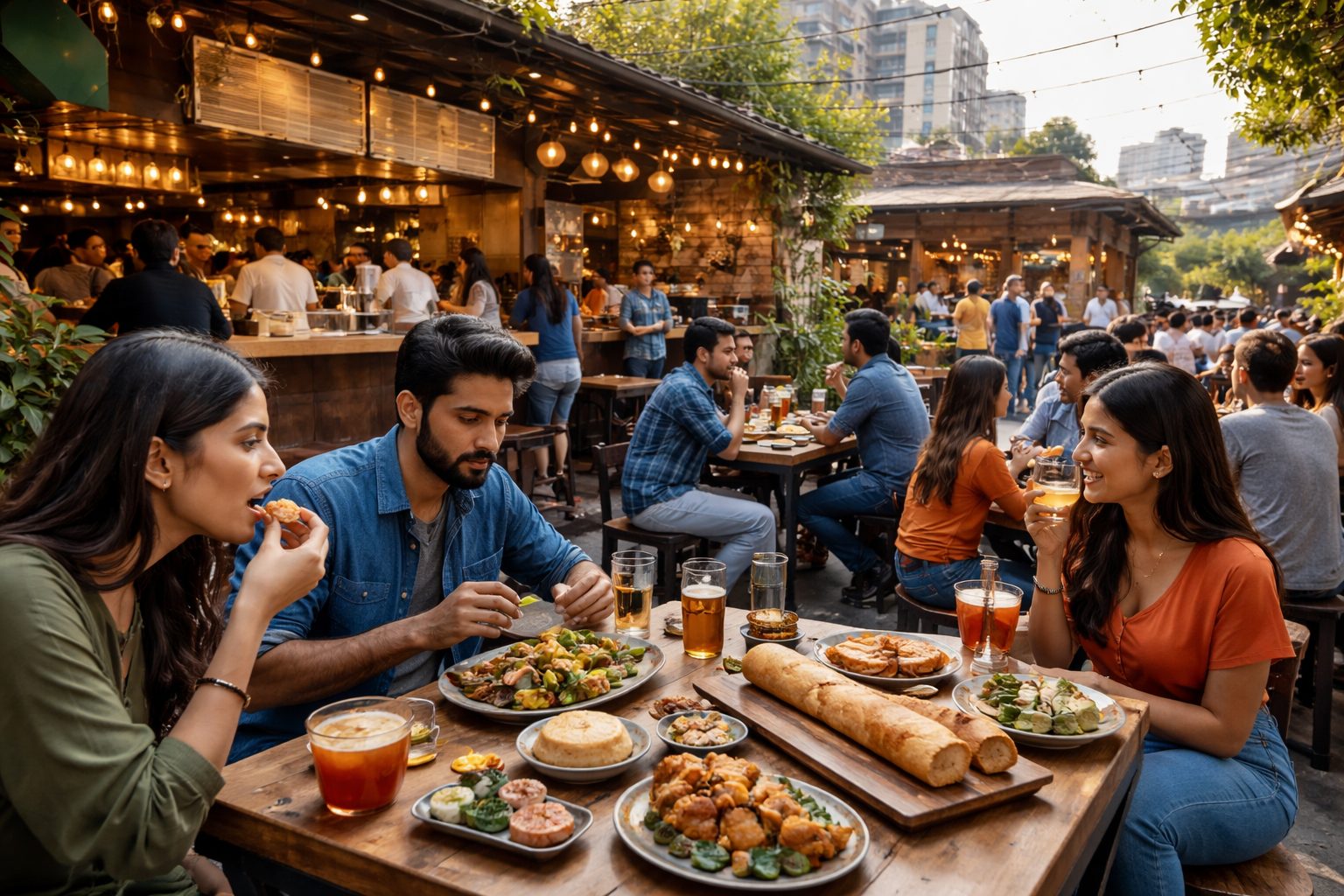
- Regional cuisine revival: Dishes from smaller communities and lesser-known regions are finding audiences in big cities. Coorg, Chettinad, Assamese, and Malvani cuisines are moving from home kitchens to restaurant menus.
- Health-conscious eating: Millets are back. Ragi (finger millet), jowar (sorghum), and bajra are being repositioned as superfoods after decades of being treated as poor man’s grains.
- Plant-based products: Vegan alternatives modeled on Indian classics are appearing in urban supermarkets.
- Cloud kitchens and delivery: The delivery economy has changed how people eat, particularly in metros.
- Craft beverages: Artisanal versions of traditional drinks like nimbu pani, kanji, kokum sherbet, and aam panna are showing up alongside fermented drinks and local spirits.
Influence of Global Cuisine on Indian Food
India has always absorbed outside influences. The Portuguese brought chili peppers, tomatoes, and potatoes, all now considered fundamentally Indian. The British colonial period left its mark on everything from biscuits to tea culture.
Today’s influences come through travel, social media, and a growing middle class with exposure to global food. Pizza, pasta, and Chinese food have been thoroughly Indianized. Fusion dishes appear on menus everywhere. Korean fried chicken with Indian spice blends, Italian pastas with masala bases, Mexican-Indian tacos.
The best of this isn’t novelty. It’s creative cooks using global techniques on local ingredients and flavors, which has always been how Indian cuisine evolved.
Tips for Cooking Indian Food at Home
Essential Kitchen Tools for Indian Cooking
You don’t need a professional kitchen to cook Indian food well. But a few tools make a real difference.
- Heavy-bottomed kadai or wok: The curved sides and even heat distribution make it ideal for tempering, frying, and stir-frying.
- Pressure cooker: Essential for lentils, chickpeas, and tougher cuts of meat. Saves serious time.
- Tawa: A flat or slightly concave griddle for roti, dosa, and parathas.
- Mortar and pestle: For grinding small quantities of fresh spices. The texture is different from a blender and worth it.
- Spice grinder (dedicated coffee grinder): For grinding toasted whole spices. Don’t share it with your coffee beans.
Common Mistakes to Avoid When Cooking Indian Dishes
- Not cooking the onions long enough. Raw or undercooked onions leave a sharp, unfinished flavor. You need patience here.
- Adding spices to cold oil. Spices bloom in hot fat. If the oil isn’t hot, the tadka won’t work.
- Using pre-ground spices that are years old. Ground spices go stale faster than most people realize. Replace them.
- Skipping the bhunao stage. Frying the masala properly before adding liquid builds the foundation of the dish. Rushing this step shows.
- Not tasting as you cook. Indian food is calibrated by taste. You can’t just follow a recipe and expect perfect results. Adjust salt, acid, and spice throughout.
- Overcrowding the pan when frying. Whether it’s pakoras or potatoes, crowding drops the oil temperature and you get steamed, soggy results instead of crisp ones.
FAQs About Food in India
What are the staple foods in India?
Rice is the primary staple in most of south, east, and coastal India. Wheat-based flatbreads dominate in the north. Lentils (dal) are eaten daily across the country regardless of region. Vegetables, yogurt, and pickles round out a typical meal.
How is Indian food different from other cuisines?
The use of layered spice combinations, fermentation techniques, and the explicit balancing of multiple taste profiles sets it apart. Most cuisines work with a narrower flavor range. Indian cooking also has a much stronger tradition of meatless cooking than most other major culinary traditions.
What are some popular Indian snacks?
Samosas, pakoras, murukku, chakli, bhujia, chivda, and various chaat preparations are among the most widely eaten. Regional snacks vary significantly, and many are tied to local festivals or ingredients.
Is Indian food healthy?
A traditional, home-cooked Indian diet is quite balanced. It tends to be high in fiber, plant protein, and beneficial spices. The restaurant versions of Indian food often use more fat and sugar than home cooking, which skews perceptions of the cuisine.
How can I make Indian food less spicy?
Use less chili, obviously. But also add dairy. Yogurt, cream, or ghee all cut heat. Coconut milk does the same in southern-style dishes. Serving food with plain rice and yogurt on the side helps too. Most Indian recipes are flexible on chili quantity, so reduce it and build up from there.
Food in India will keep surprising you if you let it. There are dishes I’ve eaten dozens of times that still reveal something new. The cuisine is old enough to have real depth, diverse enough that no single person can claim to know all of it, and alive enough to keep evolving. Whether you’re cooking at home, exploring a local Indian restaurant, or traveling through the subcontinent itself, the best approach is simple: stay curious, eat widely, and trust your palate.