When people ask me whether is japan expensive, I always say: it depends entirely on how you travel. Japan has a reputation built over decades of being one of the priciest destinations in Asia, and for a long time, that reputation was well-earned. But things have shifted. The yen has weakened considerably against the dollar and euro in recent years, and travelers from Western countries are now finding Japan far more accessible than they expected. That said, you still need to understand where your money goes, because the cost structure here is genuinely different from most places.
I’ve spent time in Japan across multiple trips, watched prices shift with exchange rates, and talked to dozens of travelers about what actually hit their wallets. The honest answer is that Japan can be both surprisingly affordable and unexpectedly expensive, often within the same day. Let me break it all down so you can plan with real numbers.
Understanding the Cost of Living in Japan
Overview of Japan’s Economy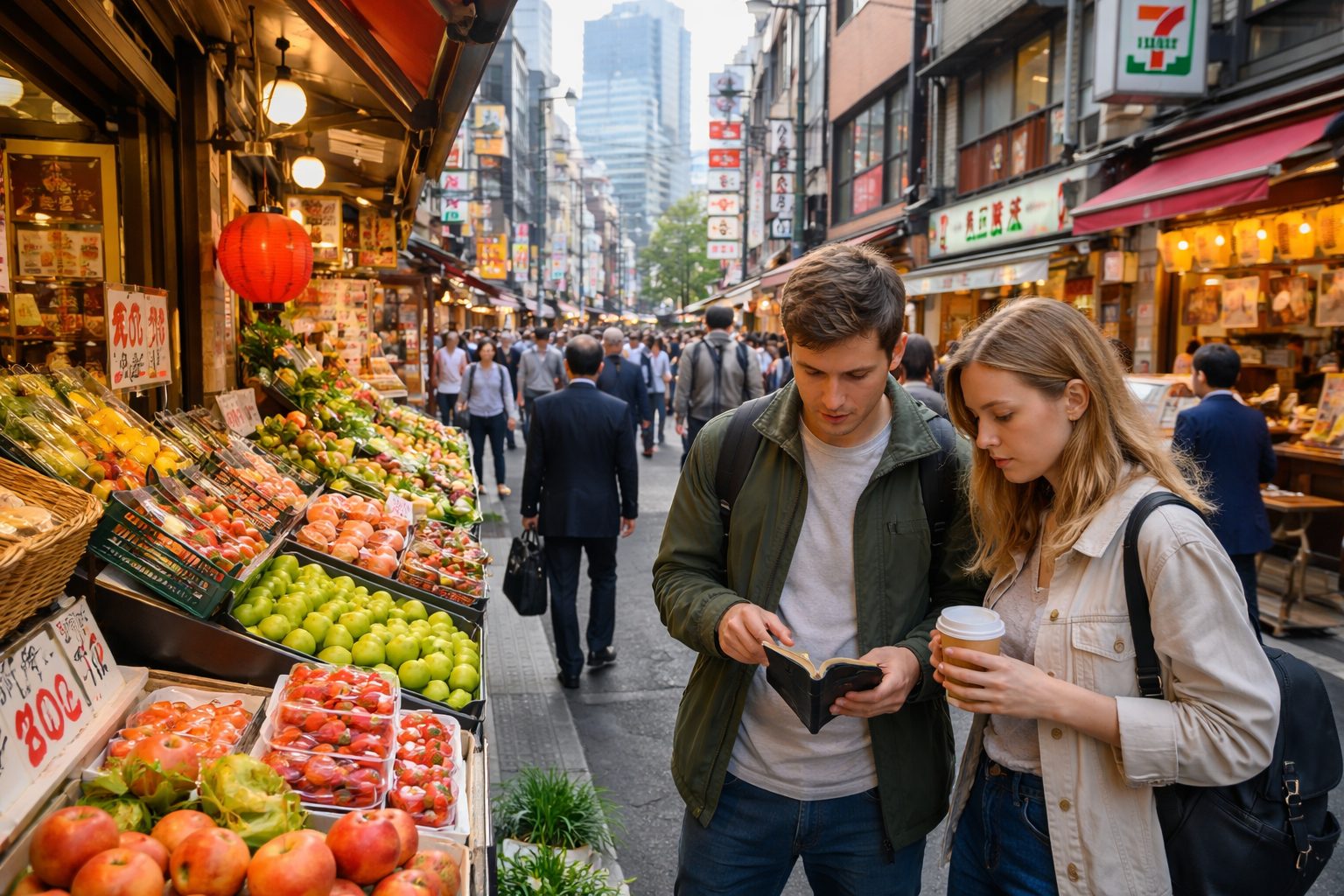
Japan is the fourth-largest economy in the world by GDP, and it functions with a high level of efficiency. Wages are relatively high by Asian standards, and the service industry maintains quality that most countries simply don’t match. When you pay for something in Japan, you’re generally getting excellent value for that specific transaction. The problem for travelers isn’t that Japan rips you off. It’s that the baseline cost for everything from transport to accommodation reflects a high-income, high-standard society.
For residents, the cost of living in Tokyo sits comfortably between major European cities and places like New York or London. Rent is the main budget strain for locals, and healthcare is subsidized through the national system. For tourists, the picture is different because you’re not accessing those structural benefits. You’re paying retail prices in a market designed for people who earn Japanese salaries.
What I find interesting is how Japan balances quality and cost. A 600-yen convenience store meal from 7-Eleven or Lawson can honestly be better than a 15-dollar meal at a mid-range restaurant in many Western cities. So while asking is japan expensive is a fair starting point, the better question is whether you’re spending your money on the right things.
Currency and Exchange Rates
The Japanese yen is the currency you’ll be dealing with, and the exchange rate makes a massive difference to your experience. In 2022 and 2023, the yen dropped to its weakest levels in decades, hovering around 150 yen per US dollar. That’s an extraordinary development for travelers because it effectively made Japan a 30 to 40 percent cheaper destination than it was in 2019, when rates were closer to 105 to 110 per dollar.
As of 2024 and heading into 2025, the yen has recovered slightly but remains on the weaker side historically. European travelers with euros and Americans with dollars are both in a strong position. The practical impact is real: a bowl of ramen that costs 1,000 yen used to cost you about 9 to 10 dollars but now comes in closer to 6 to 7 dollars. Multiply that across two weeks of meals and transport, and the savings add up meaningfully.
One thing worth noting: Japan is a cash-heavy society. ATMs at 7-Eleven and Japan Post Bank reliably accept foreign cards. Always withdraw in yen rather than letting the ATM convert to your home currency on the spot. The bank rates are nearly always better.
Average Costs in Major Cities
Tokyo: The Capital’s Price Tag
Tokyo is consistently ranked among the most expensive cities in the world, and that’s not wrong. But it’s also a city where you can control costs remarkably well if you know how it works. The highest expenses for most travelers are accommodation and transportation within the city. A mid-range hotel in a central ward like Shinjuku or Shibuya typically runs between 12,000 and 25,000 yen per night (roughly 80 to 170 USD at current rates). Budget guesthouses and capsule hotels can get you down to 4,000 to 7,000 yen.
Food costs in Tokyo are genuinely flexible. A standing ramen bar or a conveyor belt sushi restaurant can fill you up for 800 to 1,500 yen. A sit-down lunch at a mid-level restaurant runs 1,000 to 2,500 yen. Dinner at a nice izakaya with drinks might come to 3,000 to 6,000 yen per person. Fine dining is available at any price point you can imagine, but it’s entirely optional.
Daily costs in Tokyo for a budget traveler hover around 7,000 to 12,000 yen. A mid-range traveler spending on reasonable accommodation, sit-down meals, and a few attractions can expect 15,000 to 25,000 yen per day. That’s roughly 100 to 165 USD, which is not cheap but is competitive with major Western cities.
Osaka: Affordability in the Kitchen
Osaka has a well-earned reputation as Japan’s most food-friendly city, both in terms of quality and price. The local culture genuinely prizes eating well without overspending, and the range of street food, casual restaurants, and food halls reflects that. Takoyaki from a street stall runs 400 to 600 yen for six pieces. A bowl of kushikatsu at a standing bar might cost you 1,500 to 2,000 yen with a couple of drinks.
Accommodation in Osaka skews slightly cheaper than Tokyo, particularly in neighborhoods like Namba, Shinsaibashi, and around Umeda. Budget travelers can find clean guesthouses and business hotels in the 5,000 to 9,000 yen range. The city is also compact enough that you can walk or take short metro rides between most major areas, which keeps transport costs down.
If the question is japan expensive enough to avoid is what you’re asking, Osaka is probably the city that will change your mind. I’ve consistently spent less there per day than in Tokyo while eating better. That’s a combination you don’t often find in major cities anywhere.
Kyoto: Balancing Tradition and Expense
Kyoto occupies an interesting middle ground. It’s smaller than Tokyo and Osaka but historically significant, which means tourist infrastructure is built around cultural attractions rather than everyday commuter convenience. Accommodation in Kyoto can run higher than expected, particularly during peak seasons like cherry blossom in spring (late March to early April) and autumn foliage in November. Traditional ryokan stays, which include dinner and breakfast, often cost 20,000 to 50,000 yen per person per night, but those are designed as full experiences rather than just a bed.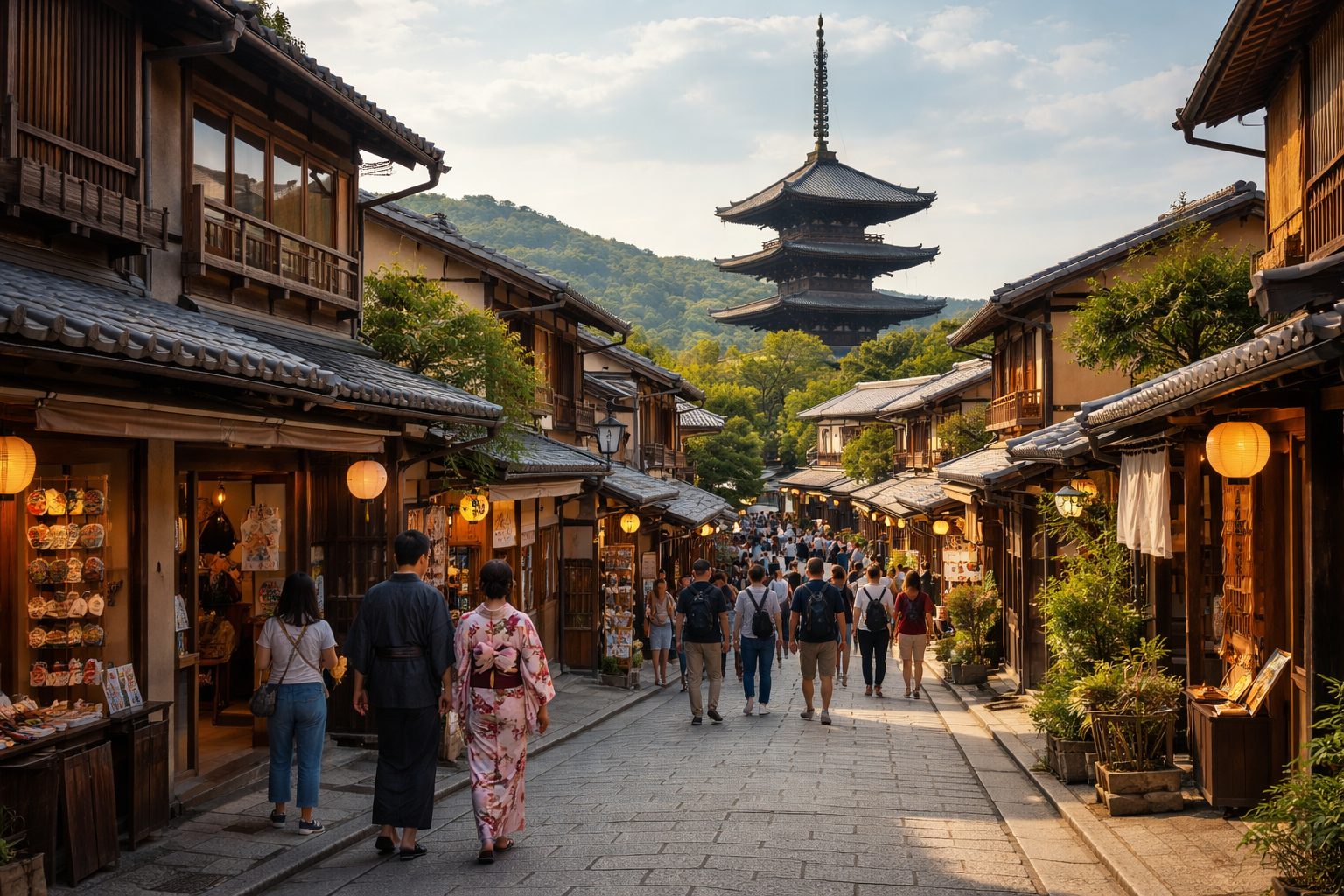
Standard hotels and guesthouses in Kyoto sit in a similar range to Osaka. The city is walkable in parts but requires buses or the metro to cover distances between neighborhoods like Gion, Arashiyama, and Fushimi. A single bus ride costs 230 yen; a day pass is 600 yen, which makes sense if you’re moving around extensively.
Where Kyoto costs creep up is in cultural admission fees. Major temples charge between 500 and 1,000 yen per entry. If you’re visiting four or five sites in a day, that’s 3,000 to 5,000 yen before you’ve had lunch. But the quality of those experiences tends to justify the price, particularly at places like Kinkaku-ji, Fushimi Inari, or the bamboo grove in Arashiyama.
Comparing Costs: Japan vs. Other Countries
Japan vs. South Korea: A Price Comparison
South Korea, particularly Seoul, is the most direct competitor to Japan for travelers asking whether the region is worth the cost. In general, Seoul is cheaper than Tokyo but comparable to Osaka for most day-to-day expenses. The table below gives a rough comparison using approximate USD values at mid-2024 exchange rates.
| Expense Category | Tokyo (Japan) | Seoul (South Korea) |
|---|---|---|
| Budget hotel (per night) | $45-65 | $35-55 |
| Mid-range hotel (per night) | $90-160 | $70-130 |
| Casual meal (lunch) | $7-15 | $6-12 |
| Public transport (single ride) | $1.50-3 | $1.20-2 |
| Beer at a bar | $5-9 | $4-7 |
| Museum entry | $5-10 | $4-9 |
The differences are real but not dramatic. South Korea tends to come out slightly cheaper across most categories, with food being the most noticeable gap. Korean street food and casual restaurants often beat Japan on price-to-portion ratio. But Japan’s transport efficiency, safety, service quality, and sheer variety of experiences keep it in strong competition.
Japan vs. Western Nations: Is It Worth the Cost?
Compared to major Western cities, Japan looks genuinely affordable right now, particularly for Americans and Europeans. London, Paris, New York, Sydney, and Zurich all benchmark higher than Tokyo on most cost comparisons. A mid-range restaurant dinner in London easily runs 40 to 60 GBP per person with drinks. In Tokyo, a comparable quality meal is often 3,000 to 6,000 yen, which is roughly 20 to 40 USD.
Where Japan can exceed Western prices is in specific categories:
- Long-distance travel within Japan (bullet train fares are significant)
- High-end accommodation, particularly traditional ryokan
- Imported goods and alcohol
- Tourist-specific experiences like tea ceremonies or kabuki theater
But for everyday expenses like food, local transport, and convenience items, Japan generally comes out cheaper than most major Western European or North American cities. If you’re used to traveling in Europe and wondering is japan expensive by comparison, the honest answer is usually no, not significantly.
Travel Expenses in Japan
Transportation: Getting Around Japan
Transport is the category that catches most travelers off guard because the costs are real and unavoidable. The Shinkansen (bullet train) network is fast, punctual, and impressive, but it’s not cheap. A single Tokyo to Osaka ticket on the Nozomi service costs around 13,000 to 14,000 yen each way. Tokyo to Kyoto runs similar prices.
Within cities, transport is more manageable. Tokyo’s metro system charges based on distance, typically between 170 and 320 yen per ride. An IC card like Suica or Pasmo makes this frictionless and works on buses, metros, and many JR lines. Load it up and tap in and out without ever needing to figure out fares in real time.
For intercity travel, the math on a Japan Rail Pass depends entirely on your itinerary. The pass covers most Shinkansen routes (with some exceptions) and is sold only to foreign tourists. If you’re planning three or more long-distance journeys in a two-week window, it often pays for itself.
Accommodation: Hotels vs. Hostels
Japan’s accommodation range is wider than almost anywhere else in the world. At the top end, you have luxury hotels and traditional ryokan with full board. In the middle, you have business hotels like Dormy Inn, Toyoko Inn, and APA Hotel chains that are clean, reliable, and priced between 6,000 and 12,000 yen per night. At the budget end, capsule hotels and guesthouses offer beds from around 3,000 yen.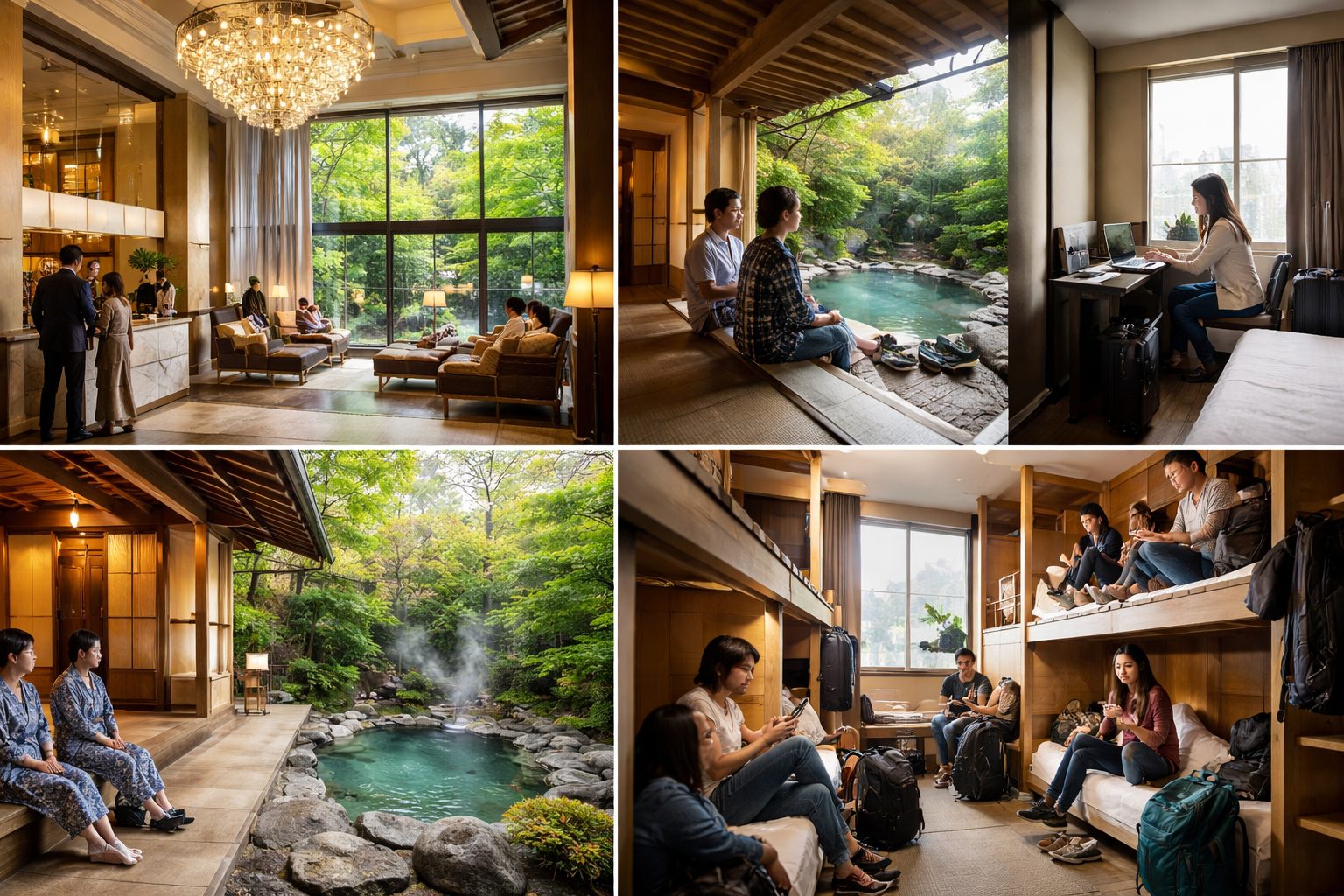
A few things worth knowing:
- Business hotels in Japan are generally excellent value. Small rooms, but spotless and well-designed.
- Capsule hotels are a legitimate option, not just a novelty. The facilities (shared baths, lounges, lockers) are often better than hostel dorms.
- Ryokan are genuinely special but should be budgeted as a splurge, not a daily stay.
- Airbnb and short-term rentals operate under stricter regulations in Japan, so availability is lower than in many other countries.
Booking accommodation three to six months in advance during peak season (cherry blossoms, Golden Week in early May, autumn foliage) is not optional. It’s necessary if you want reasonable prices and availability.
Food and Dining: Eating Out in Japan
Food is where Japan rewards you the most. The country has an extraordinary depth of food culture, and you don’t need to spend much to eat incredibly well. Convenience stores here are genuinely good. Onigiri, sandwiches, hot foods near the register, fresh sushi, and prepared bento boxes all clock in under 500 yen for a complete meal.
At a proper restaurant, lunch is often the best value. Many places offer set lunches (teishoku) that include a main dish, rice, miso soup, and pickles for 800 to 1,200 yen. These same restaurants charge 2,000 to 4,000 yen for dinner. Eating the main meal at lunch is one of the most effective ways to experience good Japanese cooking without overspending.
Specialty experiences like omakase sushi, teppanyaki, or kaiseki (multi-course traditional Japanese cuisine) sit at a different price level entirely. A proper omakase dinner at a respected restaurant can run 20,000 to 50,000 yen per person. Those are splurge experiences, not daily dining, but they exist if you want them.
Tips for Budgeting Your Trip to Japan
Finding Affordable Accommodation
The key to finding reasonable accommodation in Japan is flexibility on location and timing. Major chains like Toyoko Inn offer consistent quality at predictable prices and have properties near train stations in most cities. Booking directly through their website often gives slightly better rates than third-party platforms.
Consider these options:
- Business hotels: Toyoko Inn, APA Hotel, Super Hotel all offer clean rooms from 5,000 to 9,000 yen
- Capsule hotels: Good for solo travelers, especially in cities like Tokyo, Osaka, and Kyoto
- Guesthouses: Social atmosphere, shared facilities, typically 2,500 to 5,000 yen per night
- Manga cafes: Not comfortable for long stays, but a legitimate overnight option for under 2,000 yen in emergencies
Avoid the peak periods if cost is a priority. Golden Week (late April to early May), Obon (mid-August), and the cherry blossom window all see prices spike by 30 to 50 percent while availability drops sharply.
Eating on a Budget: Local vs. Tourist Spots
The single most important food rule in Japan is to eat where locals eat. In tourist districts like Asakusa in Tokyo, Dotonbori in Osaka, or around Kiyomizudera in Kyoto, restaurants know their audience and price accordingly. Walk two blocks off the main tourist drag and you’ll often find the same food at half the price with a shorter queue.
Practical tactics that work:
- Eat lunch as your main meal at sit-down restaurants
- Use convenience stores for breakfast and snacks
- Visit depachika (department store basement food halls) in the late afternoon when discounts appear on prepared foods
- Look for restaurants with plastic food displays and photo menus near the entrance, which tend to target local office workers rather than tourists
- Try standing soba or ramen bars, which are genuinely fast, cheap, and often excellent
Budget entirely from convenience stores and you could eat adequately for 1,500 to 2,000 yen a day. Add in a sit-down lunch and a casual dinner and that rises to 3,000 to 5,000 yen. Neither figure is unreasonable for a major city.
Transportation Hacks: Using Japan Rail Pass
The Japan Rail Pass is worth calculating carefully. As of recent pricing updates (the pass increased substantially in price in late 2023), it makes financial sense only for travelers covering significant distances. A 7-day pass costs around 50,000 yen, a 14-day pass around 80,000 yen, and a 21-day pass around 100,000 yen.
To justify a 7-day pass, you need roughly three or more long-distance Shinkansen trips in that window. Tokyo to Kyoto and back plus one more journey typically covers the cost. If you’re staying primarily in one city or region, skip the pass and buy individual tickets.
Other transport savings to consider:
- IC cards (Suica/Pasmo) give slight discounts on some routes and eliminate the need to calculate fares
- Highway buses between cities cost significantly less than the Shinkansen, though the journey takes longer
- Domestic flights occasionally offer very low fares, particularly on budget carriers like Peach or Jetstar Japan
- Renting a car makes sense in rural areas like Hokkaido or parts of Kyushu where train coverage is limited
Experiences That Justify the Cost
Cultural Attractions: Value for Money?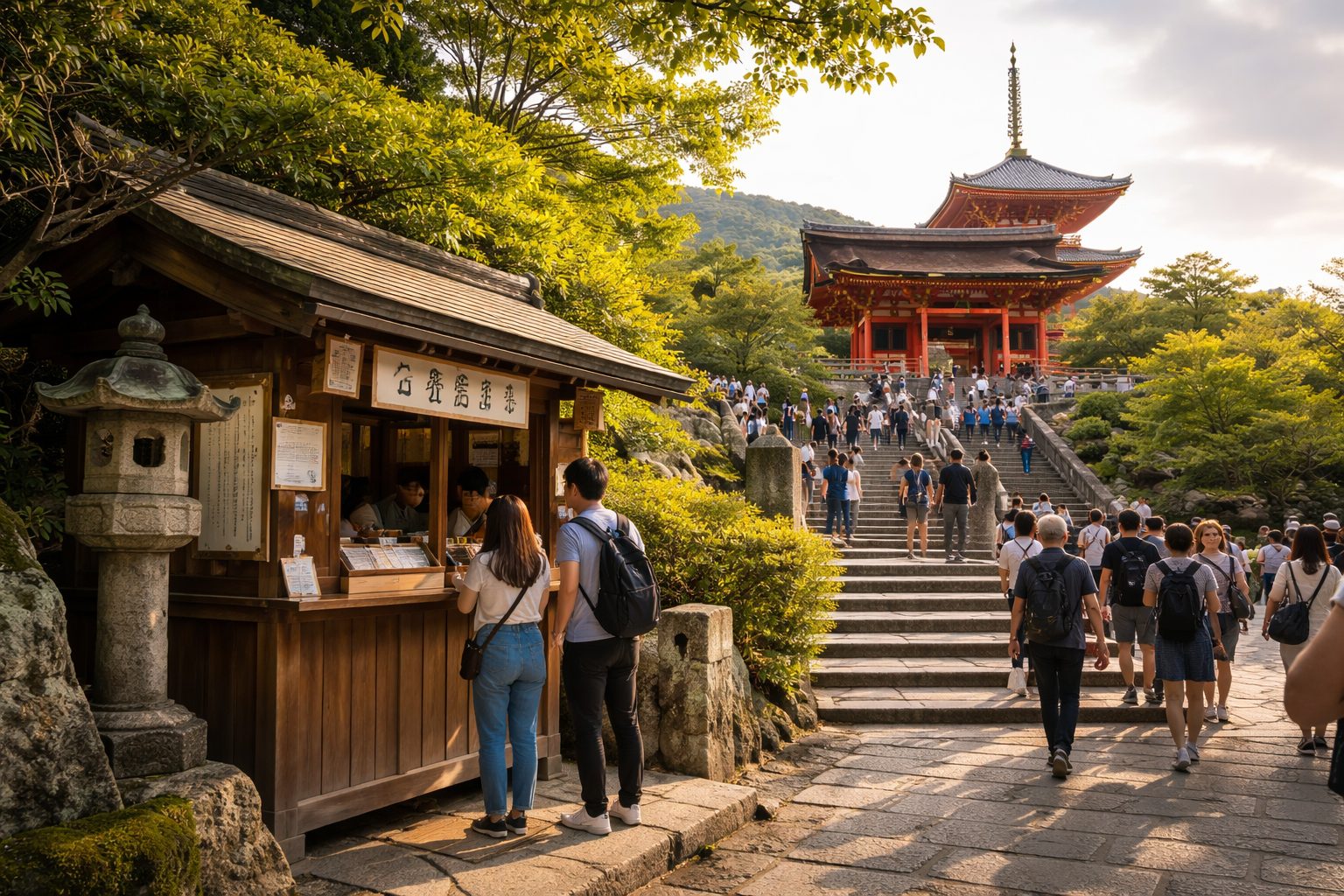
Japan’s cultural attractions are genuinely remarkable, and most of them are priced fairly. Major temples and shrines in Kyoto charge 500 to 1,000 yen, which is modest for what you’re experiencing. National museums in Tokyo often charge 600 to 1,000 yen for permanent collections, with special exhibitions running higher.
Some experiences are outright free: most Shinto shrines, many city parks, traditional neighborhoods like Gion in Kyoto, Yanaka in Tokyo, and most castle grounds (though the keep itself usually charges admission). The famous Fushimi Inari Shrine in Kyoto has no admission fee and can be hiked at any hour. That’s one of the most photographed places in Japan and costs nothing to visit.
When you’re evaluating whether is japan expensive from a cultural standpoint, the value calculation is usually favorable. The quality of preservation, the depth of history, and the sheer number of significant sites within a small geographic area means you’re accessing centuries of culture at relatively modest per-entry costs.
Nature and Outdoor Activities: Worth the Price?
Japan’s natural landscape is extraordinary and, in many cases, free or very low-cost to access. Mount Fuji attracts climbers from around the world, and the climbing fee (which covers trail maintenance and conservation) is around 2,000 yen per climber during the official season. National parks like Nikko, Hakone, and the Japanese Alps charge no general admission, though specific attractions within them may have fees.
Hot spring resorts (onsen) are one of Japan’s great experiences, and day-use rates at public bathhouses start from around 500 to 1,000 yen. Ryokan with private onsen are more expensive, but public sento facilities in cities offer a genuine local experience for under 500 yen in most cases.
Winter sports are significant in Japan, particularly in Hokkaido and the Nagano Alps. Ski resort day passes run 5,000 to 8,000 yen at major resorts, which is competitive with European and North American ski areas. Niseko in Hokkaido has become internationally recognized and prices there have risen accordingly, but alternatives in Tohoku and Nagano offer similar snow quality at lower costs.
Festivals and Events: Unique Experiences in Japan
Japan’s festival calendar is dense and remarkable. Most matsuri (traditional festivals) are free to attend. Gion Matsuri in Kyoto, one of Japan’s most celebrated festivals, runs for the entire month of July, with the main processions in mid-July. Admission is free; you simply show up. The same applies to Awa Odori in Tokushima in August, Tanabata celebrations across the country, and countless local neighborhood festivals throughout the year.
Ticketed events do exist. Sumo tournaments charge between 2,000 and 50,000 yen depending on seat quality. Traditional theater forms like Kabuki and Noh have performances in the 2,000 to 15,000 yen range. Baseball games at Koshien stadium or the Tokyo Dome start from around 1,500 to 2,000 yen for outfield seats, which is genuinely affordable for a live professional sports event.
The combination of free cultural immersion at festivals and reasonably priced paid events means your entertainment budget in Japan can be as large or small as you choose. This flexibility is part of what makes the country work for travelers at different spending levels.
Frequently Asked Questions (FAQs)
Is Japan cheaper than Europe?
For most day-to-day expenses, Japan is currently cheaper than major Western European cities like London, Paris, or Amsterdam, particularly given the weakened yen. Food, local transport, and convenience items tend to come out lower in Japan. Long-distance travel within Japan (Shinkansen fares) is the main category where costs can exceed European equivalents.
How much should I budget for a week in Japan?
A budget traveler can manage on roughly 50,000 to 70,000 yen per week (around 350 to 500 USD) covering accommodation, food, local transport, and some attractions. A mid-range budget of 100,000 to 150,000 yen per week gives you more comfortable accommodation and dining flexibility. Neither figure includes long-distance Shinkansen travel.
Are there free attractions in Japan?
Yes, many of Japan’s most iconic sites are free. Most Shinto shrines, public parks, temple grounds (often distinct from the main hall admission), traditional neighborhoods, and festivals cost nothing to visit. Fushimi Inari in Kyoto, Meiji Jingu in Tokyo, and the Philosopher’s Path in Kyoto are all free to access.
What is the average meal cost in Japan?
A casual lunch at a local restaurant typically runs 800 to 1,500 yen. Dinner at a mid-range izakaya or restaurant is usually 2,000 to 4,000 yen per person including drinks. Convenience store meals can cover a full meal for 400 to 700 yen. High-end dining has no upper limit.
Is shopping expensive in Japan?
It depends on what you’re buying. Electronics, domestically produced goods, and local brands are often priced competitively or lower than Western markets. Imported goods, luxury brands, and certain specialty items can be expensive. Tax-free shopping for tourists (on purchases over 5,000 yen at participating stores) helps reduce costs on larger purchases.
Ultimately, whether is japan expensive comes down to your travel style and what you compare it to. Japan will punish you financially if you stay in tourist-zone hotels, eat only at visible restaurants, and move between cities without planning. But approach it with even basic awareness of how the system works, and you’ll find a destination that delivers exceptional quality at prices that, right now, are genuinely favorable for foreign visitors. The yen’s current weakness has opened a window that serious travelers shouldn’t ignore.