If you’ve ever tried to book a train in Japan during late April or early May and found everything sold out weeks in advance, you’ve already felt the gravitational pull of Golden Week. This stretch of consecutive public holidays is one of the most significant events on the Japanese calendar, bringing the country to a simultaneous standstill and frenzy at the same time. Understanding what is golden week in japan goes well beyond memorizing a list of dates. It’s about grasping how deeply this period shapes Japanese society, travel patterns, consumer behavior, and cultural identity. Whether you’re planning a trip, doing business with Japanese partners, or just curious about Japanese life, knowing this period inside out will serve you well.
Overview of Golden Week
Definition of Golden Week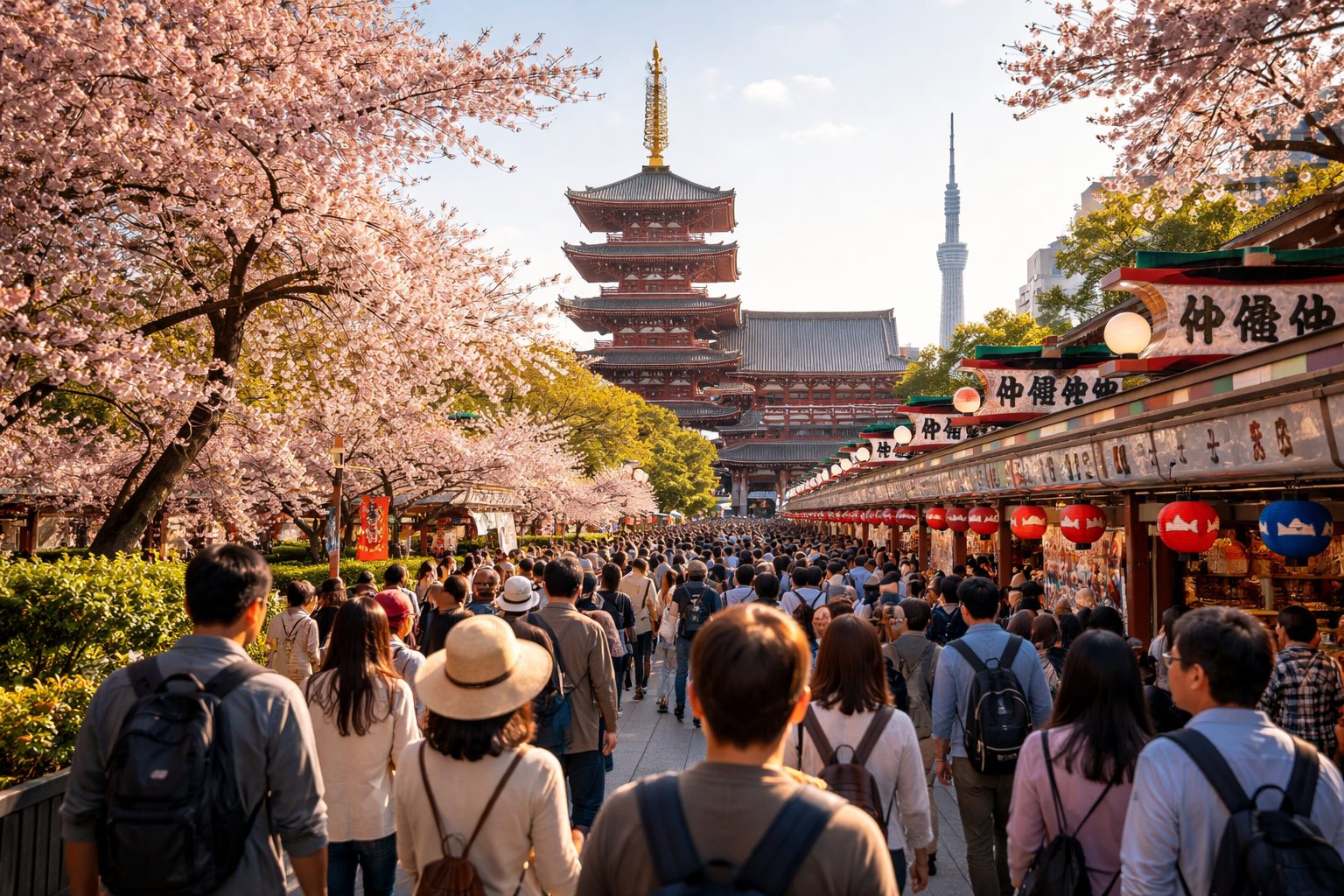
Golden Week refers to a cluster of four national public holidays that fall within seven days at the end of April and the beginning of May each year. When these holidays align with weekends, the resulting break can stretch to ten days or more. Japanese workers typically use this period as their primary opportunity for extended travel and family time, since vacation culture in Japan tends toward shorter, less frequent breaks compared to many Western countries.
The name itself is borrowed from the broadcasting industry. In the 1950s, film studios noticed that cinema attendance spiked dramatically during this period, surpassing even the New Year holiday season. The phrase “golden week” stuck, and it eventually came to describe the entire holiday cluster rather than just its commercial implications.
Historical Background of Golden Week
The individual holidays that make up this period were established under Japan’s Public Holiday Law of 1948, passed during the post-war American occupation. The law created several new national holidays intended to promote democratic values, cultural identity, and the welfare of citizens recovering from wartime hardship.
Each holiday was assigned a specific civic or cultural purpose. Over time, the coincidence of these dates clustering together created the extended break we know today. The government formally recognized the economic and social value of this concentrated leisure period, and it has remained structurally unchanged for decades, even as Japan has adjusted other labor and holiday policies.
Importance of Golden Week in Japanese Culture
In a country where many workers feel social pressure not to use their full vacation entitlement, Golden Week serves a crucial function. It gives people permission to stop working without guilt or professional consequence, because everyone stops at once. This collective pause is deeply significant in a culture that values harmony and group cohesion.
Families reunite, shrines and temples overflow with visitors, and the roads out of major cities clog with cars heading to rural hometowns or tourist destinations. It’s one of the few times each year when Japan collectively exhales. For many Japanese people, Golden Week marks the transition from spring to early summer, and it carries a distinct emotional quality tied to renewal and rest.
Dates and Holidays in Golden Week
List of Holidays Observed During Golden Week
Golden Week spans from April 29 to May 5, though the practical holiday period often extends on both ends depending on the calendar year. The four official national holidays observed during this window are:
- Showa Day (Showa no Hi) on April 29
- Constitution Memorial Day (Kenpo Kinenbi) on May 3
- Greenery Day (Midori no Hi) on May 4
- Children’s Day (Kodomo no Hi) on May 5
Japan also has a rule called the Substitute Holiday Law (Furikae Kyujitsu), which moves a holiday to the following Monday when it falls on a Sunday. Additionally, under the Sandwiched Day Rule, a weekday that falls between two public holidays automatically becomes a public holiday as well. This rule frequently turns April 30 and May 2 into de facto holidays, extending the break further.
In years where the alignment is favorable, workers who take a few additional days off can enjoy a continuous break of nine to ten days. This happens more often than you’d think, and when it does, the entire country feels the effect.
The Significance of Each Holiday
Each holiday in this cluster carries a distinct meaning, and they’re worth understanding individually rather than treating them as interchangeable days off.
Showa Day commemorates Emperor Hirohito, who reigned during the Showa era from 1926 to 1989. The day is dedicated to reflecting on the turbulent events of that era, including wartime recovery and Japan’s postwar transformation into an economic powerhouse. It’s a day for historical reflection rather than celebration in the traditional sense.
Constitution Memorial Day marks the enactment of Japan’s postwar constitution on May 3, 1947. This constitution, largely drafted under American guidance during the occupation, established Japan as a parliamentary democracy and famously renounced war as a means of settling international disputes. Government buildings and institutions sometimes hold events to promote civic awareness.
Greenery Day was originally tied to Emperor Hirohito’s birthday, given his known love of nature and botany. After his death, the date was shifted and renamed to honor nature and the environment more broadly. In practice, it’s often experienced simply as a pleasant spring day outdoors.
Children’s Day is perhaps the most visually festive of the four. Families display carp-shaped streamers called koinobori outside their homes, symbolizing strength and perseverance. The holiday celebrates the health and happiness of children and historically had a stronger association with boys, though it’s now framed as inclusive of all children.
How Golden Week is Celebrated
Traditional Celebrations and Events
Traditional celebrations during this period vary by region and family custom, but several patterns emerge consistently across Japan. Visiting family is central for many people, particularly those who have moved from rural areas to major cities for work. Bullet trains and highways fill with urbanites heading back to their hometowns, a migration pattern that Japan’s transportation infrastructure handles with impressive efficiency, if not comfort.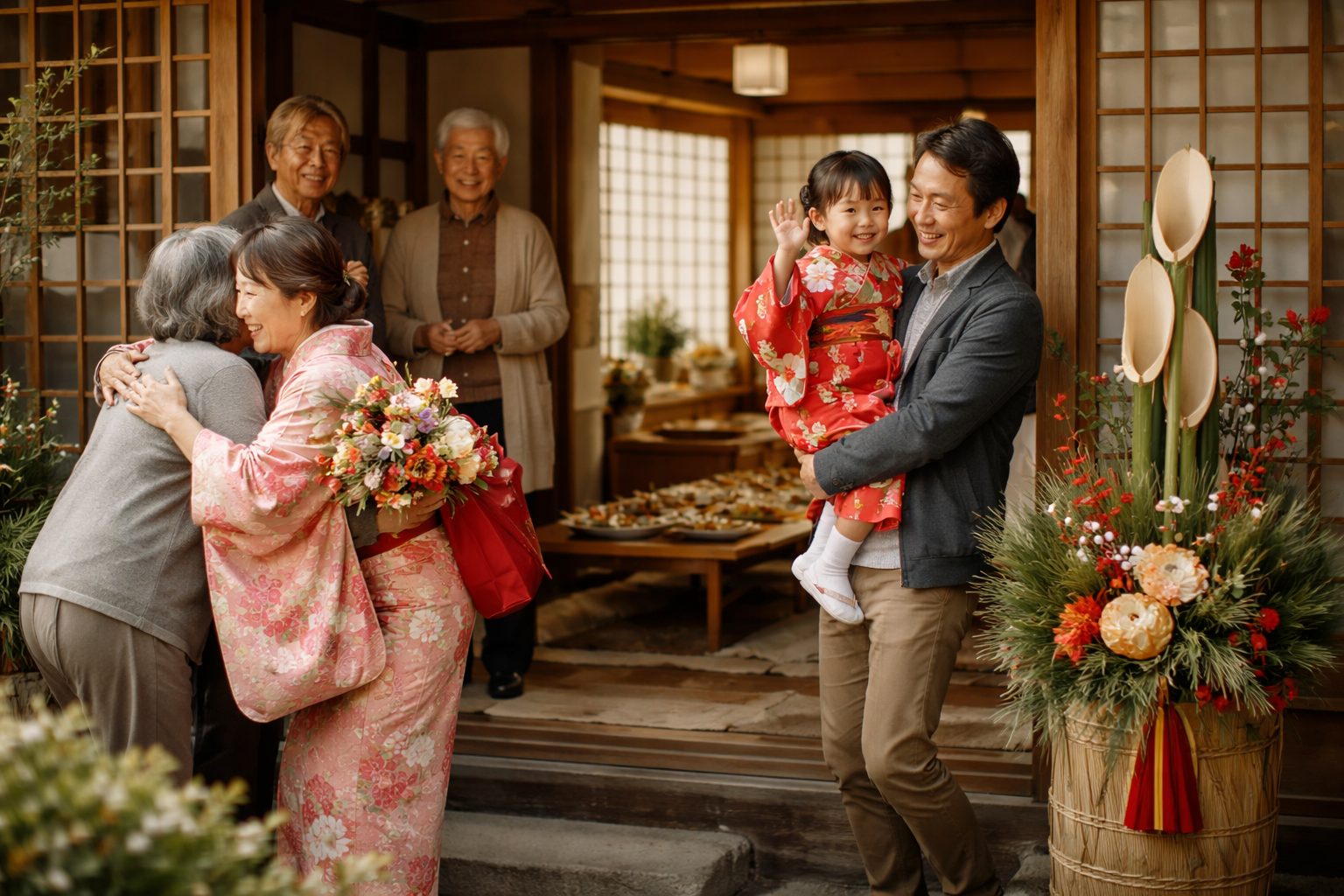
Shrines and temples see enormous visitor numbers throughout the week. Spring cherry blossoms have usually passed by late April, but the azalea season peaks during Golden Week in many parts of Japan, making outdoor visits genuinely beautiful. Local festivals, called matsuri, are common during this period, with portable shrines carried through neighborhood streets and traditional food stalls lining festival grounds.
Modern Festivities and Activities
Modern celebrations are more diverse and commercially driven. Theme parks, particularly Tokyo Disneyland, Universal Studios Japan in Osaka, and various regional parks, experience their highest visitor numbers of the year. Wait times at popular attractions can stretch beyond two hours for a single ride, which is worth knowing if you’re planning around this.
Shopping centers and department stores run major sales events designed to capture consumer spending during the extended break. Travel abroad has also become popular among Japanese tourists during Golden Week, with Southeast Asian destinations, Hawaii, and European cities being consistent favorites for those who prefer to escape the domestic crowds.
Sports events, concerts, and cultural performances are heavily scheduled during this window. Many entertainment venues deliberately cluster their biggest shows here, knowing audiences have both the time and the motivation to attend.
Regional Variations in Celebrations
Japan’s regional diversity shows itself clearly during Golden Week. Kyoto’s temples and gardens become almost impenetrably crowded, but the experience of seeing the city at full bloom is hard to replicate. Okinawa’s beaches draw visitors looking for subtropical warmth. Hokkaido offers cooler temperatures and outdoor activities for those avoiding the heat of the main islands.
Smaller cities and rural areas often hold their most significant local festivals during this period, precisely because their residents who’ve moved away to larger cities return home. These local matsuri can be more intimate and authentic than the large urban events, and they’re often overlooked by international visitors who gravitate toward Tokyo and Kyoto.
Some prefectures have their own regional holidays that coincide with or extend Golden Week. Local governments frequently organize cultural events, outdoor markets, and community activities to engage both residents and tourists.
Travel and Tourism During Golden Week
Popular Destinations in Japan During Golden Week
Certain destinations pull enormous crowds every year, and their popularity is self-reinforcing. Domestic travelers tend to cluster in familiar, well-marketed places, which means a handful of spots absorb most of the country’s holiday traffic.
The most visited domestic destinations during this period include:
- Kyoto for its temples, gardens, and traditional atmosphere
- Tokyo Disneyland and DisneySea for family entertainment
- Hakone and the Fuji Five Lakes area for mountain scenery
- Okinawa’s main island and the Kerama Islands for beaches
- Universal Studios Japan in Osaka
- Nikko in Tochigi Prefecture for its ornate shrines and forest hiking
- The Ise Grand Shrine in Mie Prefecture for cultural pilgrimage
International tourists also flood Japan during Golden Week, attracted by spring weather and the cultural intensity of the period. This creates a layered crowd dynamic: domestic visitors returning to hometowns, domestic tourists heading to leisure destinations, and international visitors arriving without fully grasping what they’re walking into.
Travel Tips for Visiting Japan During Golden Week
If you’re thinking about traveling to Japan during this period, some practical knowledge goes a long way toward making it enjoyable rather than exhausting.
- Book everything at least two to three months in advance. Train tickets, hotel rooms, and popular restaurant reservations are not things you can leave until the last minute.
- Consider less obvious destinations. While everyone heads to Kyoto, places like Kanazawa, Matsumoto, Nara’s less-visited areas, or small onsen towns in Tohoku offer genuine Japan experiences without the crush.
- Travel during off-peak hours. Early morning trains are significantly less packed than midday services, even during Golden Week.
- Accept the crowds as part of the experience. Fighting against the energy of Golden Week is tiring. Understanding that you’re witnessing Japan in a uniquely concentrated form can reframe what might otherwise feel like a logistical nightmare.
- Budget more than usual. Prices for accommodation and some services go up during peak periods, and impulse spending at festivals and markets adds up quickly.
Impact of Golden Week on Transportation and Accommodation
The strain on Japan’s transportation network during Golden Week is extraordinary by any standard. The Shinkansen bullet train network operates at near-maximum capacity for days at a time. Highway traffic jams stretch for tens of kilometers on major arteries out of Tokyo, Osaka, and Nagoya. Domestic airlines run full flights with premium pricing.
| Transportation Type | Typical Daily Passengers | Golden Week Peak |
|---|---|---|
| Shinkansen (all lines) | ~450,000 | ~750,000+ |
| Domestic Flights | ~250,000 | ~380,000+ |
| Highway Traffic | Varies | 30-50km jams common |
| Urban Subway | High but managed | Noticeably denser |
Accommodation prices in major tourist areas can double or triple compared to off-peak rates. Budget options fill up months in advance, and even mid-range hotels in cities like Kyoto, Tokyo, and Osaka become difficult to find at reasonable prices within a few weeks of the holiday period. Capsule hotels, which normally offer affordable flexible options, often apply Golden Week surcharges and require advance booking.
Economic Impact of Golden Week
Influence on Retail and Consumer Spending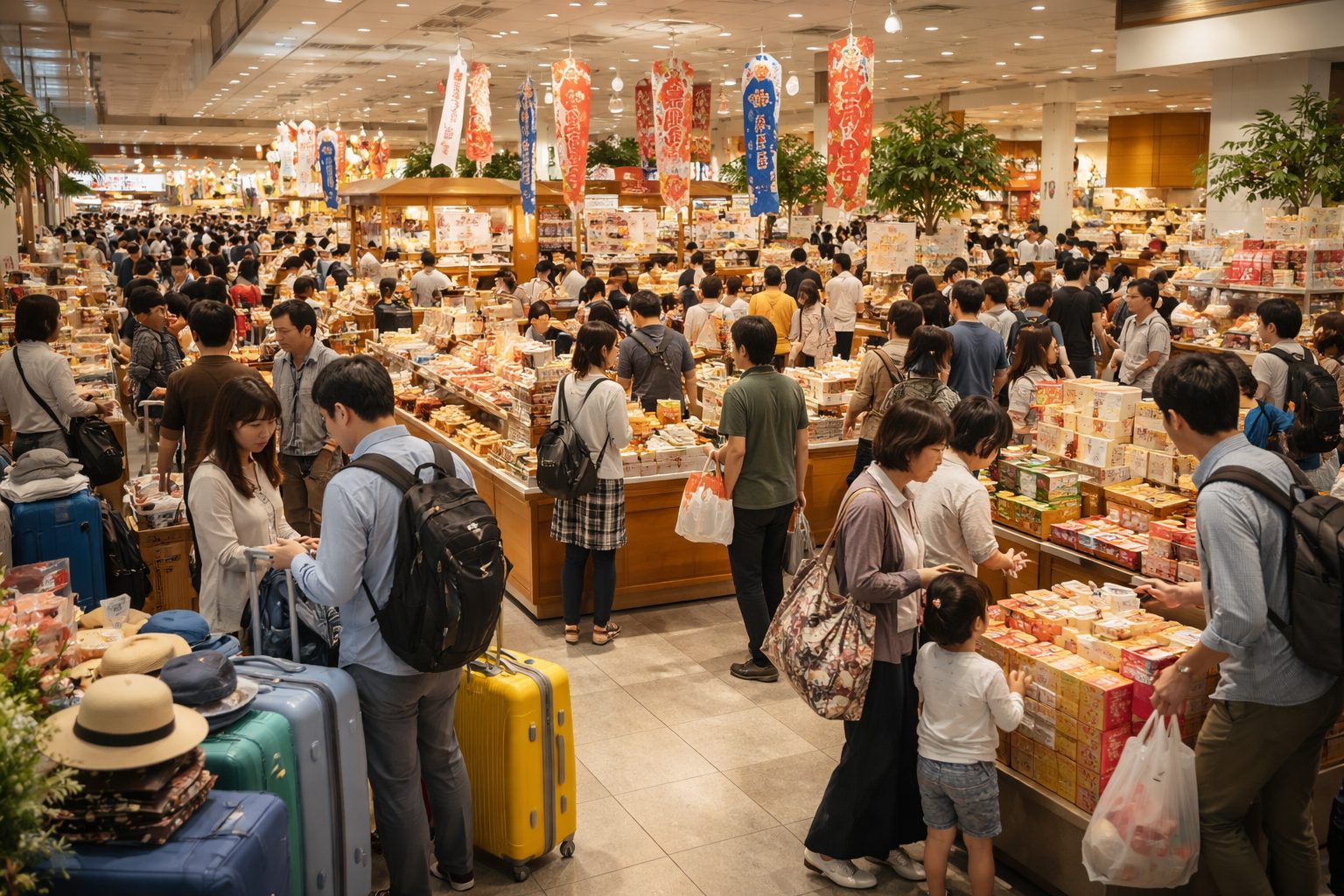
Golden Week is a significant event for Japan’s domestic economy. Retail spending spikes sharply as people shop for travel goods, gifts for relatives, festival food, and entertainment. Department stores in major cities run coordinated sales campaigns, and convenience stores stock seasonal products specifically for the holiday period.
Consumer electronics, clothing, and food categories see the strongest sales increases. Japanese consumers who’ve been deferring purchases sometimes time major buys for Golden Week sales events. The phenomenon isn’t entirely unlike Black Friday in the United States, though it’s spread across multiple days and tied to experiential spending rather than purely product discounts.
Travel-related spending is the largest single economic driver. Train bookings, hotel stays, car rentals, airline tickets, theme park admissions, and restaurant meals collectively generate billions of yen over the week. The Japan Tourism Agency and various economic research institutions publish annual estimates of Golden Week spending, and the figures consistently rank among the highest of any comparable period in the calendar year.
Effects on Local Businesses and Tourism Industry
For businesses in tourist-heavy areas, Golden Week can represent a disproportionately large share of annual revenue. A ryokan (traditional inn) in a destination like Hakone or Nikko might earn 15 to 20 percent of its annual income during this single week. Restaurants, souvenir shops, and activity providers in popular destinations plan their entire year around maximizing Golden Week performance.
The flip side is that businesses in office districts and urban commercial centers see dramatic drops in trade. When Tokyo empties of its white-collar workforce, the lunch restaurants and dry cleaners that serve them operate at a fraction of normal volume. This creates an interesting internal redistribution within Japan’s economy, shifting spending from everyday urban services toward leisure and tourism sectors.
For the hospitality industry, staffing Golden Week is a perpetual challenge. Hotels and restaurants need significantly more staff during the peak but can’t justify permanent hires for a single annual surge. Part-time and seasonal workers, along with aggressive scheduling of regular staff, bridge the gap, though burnout is a recognized issue for hospitality workers at this time of year.
Challenges and Considerations
Crowds and Overcrowded Travel
The crowds during Golden Week are not a minor inconvenience. They are a defining feature of the period, and anyone who hasn’t experienced them firsthand tends to underestimate their intensity. Standing in a queue for ninety minutes to enter a popular temple is entirely normal. Trying to find a seat on a bullet train without a reservation is genuinely difficult, and platforms can feel dangerously packed during peak departure times.
The term used in Japanese media for the Golden Week traffic phenomenon is “Oshokuji Jiko” or simply “Holiday Traffic Chaos,” and it features prominently in news coverage each year. Road cameras broadcasting live highway congestion reports are a fixture of Japanese television during this period. Some expressways report stop-and-go conditions lasting more than twelve hours.
Beyond transportation, public spaces in tourist areas become uncomfortably dense. Sidewalks in Kyoto’s Gion district, the paths around Mt. Fuji’s fifth station, and popular beaches in Okinawa can feel more like urban rush hour than a holiday destination. Patience is not just recommended; it’s a prerequisite.
Tips for Avoiding the Rush
Avoiding the worst of Golden Week crowds is possible with some strategic thinking, and the rewards for doing so are significant. Japan outside the famous spots is still extraordinary, and the crowds thin dramatically once you move even slightly off the beaten path.
- Choose less-famous destinations in the same region. For every Kyoto, there’s a Nara side-street or a Shiga lakeside town that offers comparable beauty with a fraction of the visitors.
- Stay put in one city rather than traveling between multiple destinations during peak days. The travel itself is where the worst congestion occurs, not necessarily the destinations.
- Front-load or back-load your trip around the actual holiday dates. Arriving a few days before April 29 or leaving before May 3 can mean dramatically different travel conditions.
- Book night trains or early-morning departures. The 6am Shinkansen from Tokyo to Osaka during Golden Week is a different experience than the 11am train.
- Visit major attractions on weekday mornings, if the calendar allows. Some Golden Week years have weekdays embedded in the middle, and these days see noticeably lighter crowds at popular sites.
- Consider staying in a rural town and making day trips rather than basing yourself in the most popular city. An onsen town within commuting distance of Kyoto gives you space and comfort without sacrificing access.
Frequently Asked Questions (FAQs)
What is the Origin of Golden Week?
The term originated in the Japanese film industry in the early 1950s, when studios observed that box office revenue during this cluster of holidays rivaled or exceeded the traditional peak of the New Year season. The name caught on and expanded to describe the entire holiday period. The individual holidays themselves were established under the 1948 Public Holiday Law.
How Long is Golden Week?
The core holiday period runs from April 29 to May 5, covering seven days. Depending on how the days fall on the calendar in any given year, and with the application of substitute holiday rules and the sandwiched day provision, the break can extend to nine or ten consecutive days. Workers who add a few personal vacation days can sometimes achieve a two-week break.
Are All Businesses Closed During Golden Week?
No. Convenience stores, supermarkets, many restaurants, theme parks, department stores, and major tourist attractions remain open throughout Golden Week. In fact, many businesses in retail and hospitality operate their longest hours of the year during this period. Government offices, banks, and some smaller local businesses do close on the official public holidays, but the country doesn’t shut down entirely.
What Activities Can Tourists Enjoy During Golden Week?
The options are genuinely broad. Attending a local matsuri festival, visiting temples and shrines, exploring national parks, enjoying beach resorts in Okinawa, hiking around Mt. Fuji, visiting theme parks, and experiencing traditional onsen are all popular choices. The cultural energy of the period is itself an attraction. Outdoor events, concerts, and food festivals are clustered deliberately during Golden Week to take advantage of the audience.
How to Plan a Trip to Japan During Golden Week?
Start planning at least three months in advance, ideally more. Book the Shinkansen first, since reserved seats sell out well before accommodation does. Identify your primary destinations and book accommodation immediately after. Build flexibility into your itinerary, and don’t attempt to cover too much ground during peak travel days. Accepting that crowds are part of the experience makes the trip significantly more enjoyable than fighting against them at every step.