Planning a trip to Thailand is exciting, but getting the timing right makes a real difference. The best time to visit Thailand depends on where you’re going, what you want to do, and how much you’re willing to spend. I’ve seen travelers arrive during monsoon season expecting paradise and spend half their trip watching rain from a guesthouse. I’ve also seen people hit Thailand in peak season and wonder why every beach is packed and every guesthouse costs twice as much. Knowing what you’re walking into changes everything.
Thailand has a lot going for it year-round, but it’s not a destination where “any time works” is honest advice. The climate varies significantly between regions, and what’s perfect weather in Chiang Mai can coincide with flooding in the south. This guide breaks it all down so you can match your travel style and expectations with the actual conditions on the ground.
Overview of Thailand’s Climate
Understanding Thailand’s Weather Patterns
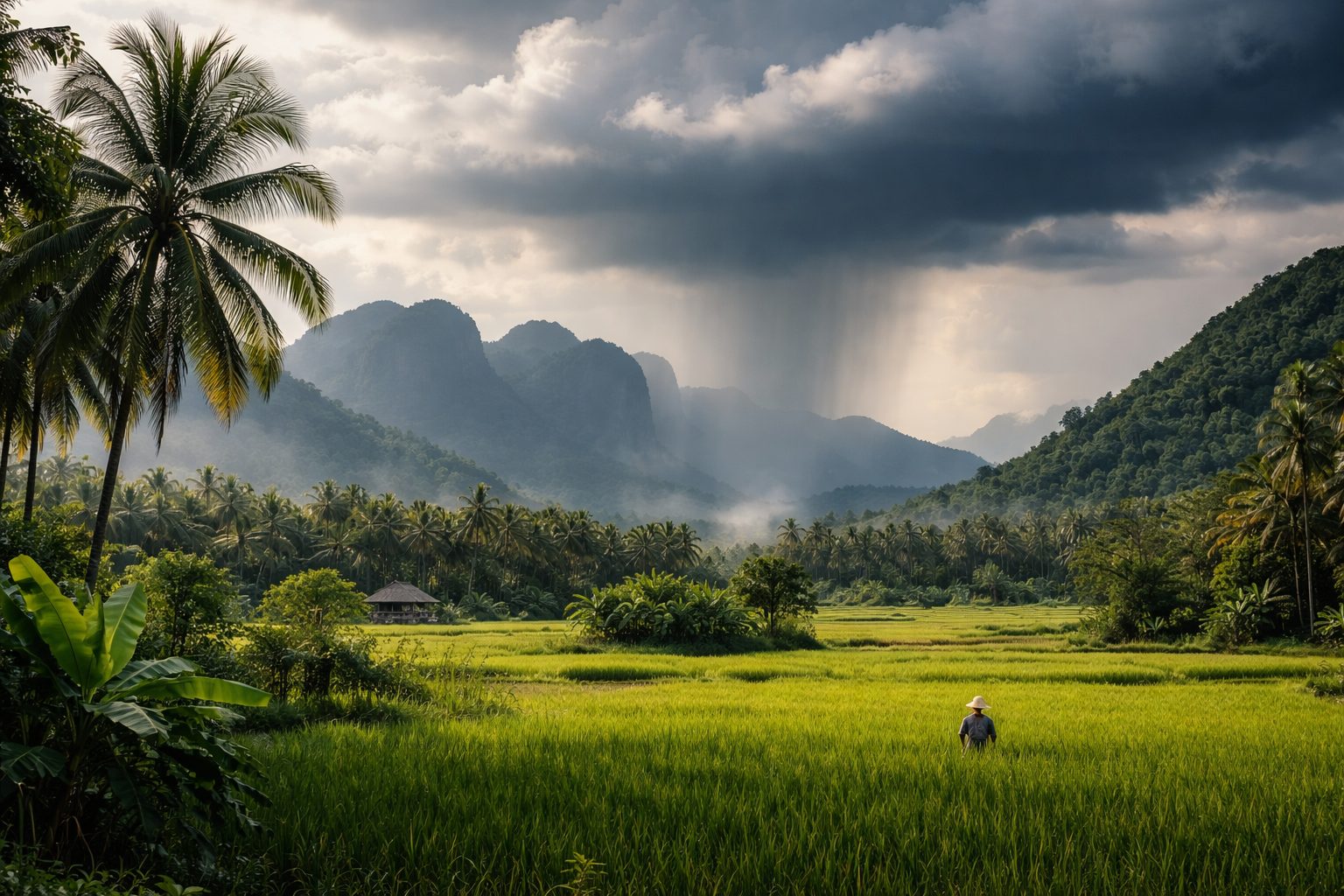
Thailand sits in Southeast Asia and is heavily influenced by monsoon systems. The country experiences two main monsoon winds: the southwest monsoon, which brings rain from roughly May to October, and the northeast monsoon, which delivers drier, cooler conditions from November through February. These wind patterns affect different parts of the country in different ways, which is why timing matters so much depending on which region you plan to visit.
Temperatures across most of Thailand stay warm year-round, rarely dipping below 20°C even in the coolest months. Humidity is the variable that shapes comfort more than temperature. During the wet season, high humidity combined with heat can feel draining, especially if you’re not used to tropical climates. The dry season brings that humidity down noticeably, making outdoor activities and sightseeing far more pleasant.
Seasons in Thailand: An Overview
Thailand has three broadly recognized seasons rather than four:
- Cool and dry season: November to February
- Hot and dry season: March to May
- Wet season (monsoon): June to October
These aren’t perfectly clean divisions. March already feels hot in Bangkok, and October can still see significant rain in parts of the country. But this framework gives you a solid starting point for planning. The transition months, particularly November and May, often offer a sweet spot of lower crowds, manageable weather, and better prices.
Best Time to Visit Thailand for Tourism
Peak Tourist Season: December to February
If you want the most reliable weather, December through February is the best time to visit Thailand. Skies are mostly clear, temperatures are cooler (around 25–30°C), and humidity is lower than any other period. This is when Thailand looks like the travel brochures. Beaches are postcard-perfect, hiking trails in the north are comfortable, and the air in Chiang Mai is clear enough to actually see the mountains.
The trade-off is crowds and cost. Hotels book out weeks in advance, popular spots like Phi Phi Islands and the Grand Palace in Bangkok get genuinely overwhelming, and accommodation prices are at their annual peak. If you’re traveling during Christmas or New Year, expect a surcharge on nearly everything and book as far ahead as possible.
That said, peak season exists for good reason. The weather during these months is genuinely excellent across almost all regions of Thailand. If your schedule is flexible but your weather tolerance isn’t, this is your window.
Shoulder Seasons: March to May and September to October
March to May is the hot season. Temperatures push toward 38–40°C in some areas, particularly in Bangkok and the central plains. It’s not the most comfortable time to be walking around temples for hours, but it’s also when you’ll see fewer tourists and pay less for accommodation. Songkran, Thailand’s water festival and one of the most exhilarating events in the country, falls in mid-April, which draws large crowds specifically for that celebration.
September and October sit on the tail end of monsoon season. Rain is still possible, but conditions start improving, especially in the north. The Gulf of Thailand coast (Koh Samui, Koh Phangan) is actually getting wetter at this point due to the northeast monsoon, so timing there requires a separate calculation. But for Bangkok and northern Thailand, October offers a transition period with lower prices and thinning crowds.
Low Season: June to August
June through August is officially the wet season across most of Thailand. Rain doesn’t typically fall all day, but afternoon downpours are common and can disrupt plans. The Andaman Sea coast, including Phuket and Krabi, takes the brunt of the southwest monsoon. Some smaller islands effectively shut down, with boat services suspended and many guesthouses closed.
That said, this period isn’t a write-off. Bangkok and the interior remain very much open and functional. Waterfalls are at their most impressive. Landscapes are lush and green. And if you’re on a tight budget, this is when prices drop the most. Accommodation can cost 30–50% less than peak season. Just come prepared and build flexibility into your itinerary.
Regional Considerations for Visiting Thailand

Best Time to Visit Northern Thailand
Northern Thailand, anchored by Chiang Mai, operates on a slightly different timeline than the coast. The cool season from November to February is genuinely comfortable here, with temperatures sometimes dropping to 15°C at night, especially in the hill tribes areas. This is the best time for trekking, cycling, and exploring the region’s temples and markets.
March and April bring heat and, unfortunately, smoke season. Agricultural burning across the region creates a haze that blankets the valleys and can make air quality poor, sometimes significantly so. If you have respiratory sensitivities, avoid this window. By May, the first rains start clearing the air, and while it gets wetter through the monsoon months, northern Thailand remains accessible and enjoyable.
Best Time to Visit Southern Thailand
Southern Thailand has two coastlines and they don’t follow the same weather calendar. This is the single most important regional distinction to understand.
- The Andaman Coast (Phuket, Krabi, Koh Lanta): Best from November to April. The southwest monsoon hits this coast hard from May to October.
- The Gulf of Thailand Coast (Koh Samui, Koh Phangan, Koh Tao): Best from December to September. The northeast monsoon brings rain to this side from October to December.
The practical implication is that Thailand almost always has a sunny coast available if you know where to look. Koh Tao, for example, is often sheltered enough to remain good even when Phuket is getting hammered. Understanding which coast you’re visiting is essential before locking in dates.
Best Time to Visit Central Thailand
Central Thailand, which includes Bangkok, Ayutthaya, and the surrounding plains, is accessible year-round. The wet season here brings manageable rain rather than the heavy monsoon impact felt on the coasts. Bangkok can flood during peak wet season, particularly in October, but major tourist sites remain open and functional for most of the year.
The most comfortable time in Bangkok is November through February. Walking around outdoor markets or historical sites in 27°C weather beats doing the same in 40°C April heat by a considerable margin. If Bangkok is your primary destination, aim for the cool season. If you’re passing through on the way elsewhere, don’t stress the timing.
Activities and Events by Season
Festivals and Events to Experience
Thailand’s festival calendar is one of the best reasons to think carefully about when to visit. Some events are genuinely worth planning a trip around:
- Songkran (April 13–15): The Thai New Year water festival. Streets turn into massive water fights. Chiang Mai and Bangkok are the epicenters. Expect crowds, but it’s one of the most joyful experiences in Southeast Asia.
- Loi Krathong (November, full moon): Floating lantern festival held on waterways across the country. Chiang Mai’s version, Yi Peng, involves thousands of paper lanterns released into the night sky. It’s stunning.
- Vegetarian Festival (October, Phuket): Nine days of processions, street food, and rituals. Unusual and memorable.
- King’s Birthday / National Day (December 5): Public celebrations in Bangkok, including light displays and cultural performances.
- Chiang Mai Flower Festival (February): The city’s public parks and streets fill with elaborate floral arrangements. Low-key but charming.
Timing a trip around Loi Krathong in November is genuinely one of the best decisions you can make, because it also aligns with the start of peak season and excellent weather.
Best Time for Beach Activities in Thailand
For beach holidays, the best time to visit Thailand depends almost entirely on which coastline you’ve chosen. For the Andaman side, December through April gives you the calm seas, good visibility for snorkeling and diving, and reliable sunshine. Similan Islands diving, one of Thailand’s best underwater experiences, is only accessible from October to May when the marine park is open.
The Gulf side offers good conditions for most of the year, with October through December being the exception. Koh Tao is famous for diving and tends to have decent visibility from March to September. Koh Samui is at its best from January to September, peaking in the early months of the year.
Best Time for Cultural Tours and Activities
Cultural touring, visiting temples, exploring cities, and doing cooking classes or craft workshops, works best during the cool season. November through February keeps you comfortable during those long hours on foot. That said, Thailand’s cultural attractions are largely indoor or shade-covered, so the shoulder months are also very manageable.
If you want smaller crowds at places like Ayutthaya or Sukhothai, consider September or October when the wet season keeps some tourists away. Major sites remain open, and you’ll often have them nearly to yourself. The trade-off is occasional rain, but afternoon showers rarely last more than an hour or two.
Weather Considerations and Travel Tips
How Weather Affects Your Travel Plans
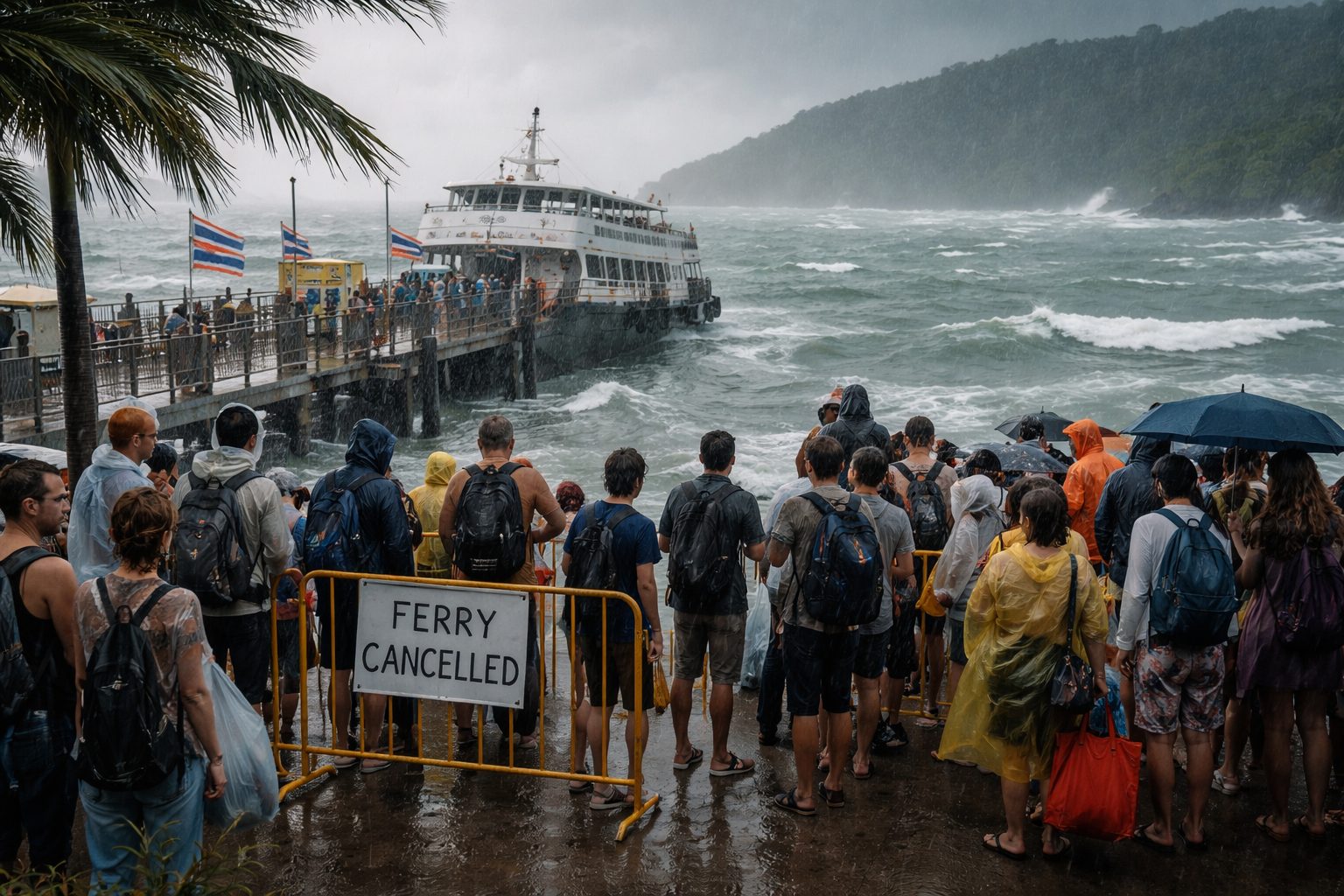
The biggest practical impact of weather on travel in Thailand is transportation. Ferries to smaller islands get cancelled during rough sea conditions, which happens most frequently from June to October on the Andaman coast. If you’re island-hopping, build in buffer days and don’t book onward transportation too rigidly.
Flooding is another consideration, particularly in Bangkok and parts of the north. The 2011 floods were extreme, but localized flooding around temples and streets during heavy wet season rain is routine. It’s rarely a disaster, but it can make getting around inconvenient.
Heat in March and April affects how much you can realistically do in a day. Early morning sightseeing (before 10 am) and late afternoon activity (after 4 pm) becomes a practical strategy for staying functional. Midday becomes rest time.
Packing Tips for Different Seasons
For cool season travel (November to February):
- Light layers for northern Thailand evenings
- Sunscreen is still essential, UV is strong year-round
- A light rain jacket, because even dry season gets occasional showers
- Comfortable walking shoes for temple visits
For hot season travel (March to May):
- Loose, breathable fabrics
- High-factor sunscreen
- Reusable water bottle, staying hydrated matters more than most travelers realize
- Electrolyte tablets if you’re doing active travel
For wet season travel (June to October):
- A compact, packable rain jacket or poncho
- Dry bags for electronics and valuables
- Quick-dry clothing
- Flip flops or sandals that can handle wet ground
Budget Considerations for Visiting Thailand
Cost Implications of Seasonal Travel
Prices in Thailand follow demand, and demand follows weather. Peak season accommodation on major islands like Phuket or Koh Samui can easily cost three times what the same room goes for in low season. Bangkok is less extreme, but still shows a meaningful difference. Budget travelers planning to visit popular beach destinations will find the most value from June to October.
Flights follow the same pattern. December and January flights from Europe, Australia, and North America to Bangkok often cost significantly more than equivalent trips booked for September or October. The shoulder months, particularly May and October, often hit a sweet spot of acceptable weather and lower prices.
Tours and activities also fluctuate. Elephant sanctuaries, cooking classes, and diving packages frequently offer low-season discounts. It’s worth checking directly with operators rather than booking through agencies, since direct bookings sometimes unlock additional off-peak reductions.
Best Time for Budget Travelers
If cost is your primary constraint, May through October is when Thailand stretches a budget furthest. May is particularly interesting because the rains haven’t started in earnest yet across the north, the worst of the Andaman coast monsoon is still building, and prices have already dropped from peak levels.
October is another strong option, especially for travelers heading to Bangkok and northern Thailand. Weather is improving, prices are still in low-season territory, and the Loi Krathong festival at the end of October or early November gives you a genuine cultural highlight without the full peak-season price tag.
That said, budget travel in Thailand is possible year-round. Even at peak season prices, Thailand remains affordable by global standards. The savings from low-season travel are real but not life-changing unless you’re doing extended stays.
| Month | Weather | Crowds | Cost |
|---|---|---|---|
| December | Excellent | High | High |
| January | Excellent | High | High |
| February | Excellent | High | High |
| March | Hot | Medium | Medium |
| April | Very Hot | Medium (Songkran spike) | Medium |
| May | Hot, some rain | Low | Low |
| June | Rainy (Andaman) | Low | Low |
| July | Rainy (Andaman) | Low | Low |
| August | Rainy (Andaman) | Low | Low |
| September | Improving | Low | Low |
| October | Mixed | Low-Medium | Low-Medium |
| November | Good | Rising | Medium |
Conclusion: Choosing Your Ideal Time to Visit Thailand
There’s no single answer to the best time to visit Thailand because the country is too large and too varied for one-size-fits-all advice. But there are clear patterns that should guide your decision. If you want the most reliable weather across all regions, December through February is your window. If you’re watching costs or want fewer crowds, May, September, and October offer genuine value. If you’re chasing a specific experience, a festival or a dive season or a mountain trek, then let that anchor your dates and plan around it.
I’d always recommend being honest with yourself about your weather tolerance. Some travelers genuinely don’t mind rain and find low-season Thailand atmospheric and relaxed. Others get frustrated when a beach day gets washed out. Neither reaction is wrong, but knowing which kind of traveler you are helps you pick the right window. Thailand rewards good planning, and understanding when to go is the first real decision in making that trip work.
FAQs about Visiting Thailand
What is the best month to visit Thailand?
November is arguably the strongest single month for most travelers. The cool season is beginning, prices haven’t fully spiked yet, and Loi Krathong falls during this period. December is close behind if budget is less of a concern.
When are the least crowded times to visit Thailand?
June through September sees the fewest tourists, particularly on the Andaman coast. September is especially quiet and offers improving conditions in many areas without the heaviest monsoon rains.
How does the rainy season affect travel in Thailand?
Rain in the wet season is usually limited to afternoon downpours rather than all-day rainfall. The main practical impacts are ferry cancellations to smaller islands and occasional street flooding. Most major attractions remain open and accessible.
What are the best outdoor activities by season in Thailand?
Trekking in the north suits November through February. Diving on the Andaman coast peaks from December to April. Gulf coast diving is good from March through September. Waterfall visits are best from July to October when water levels are highest.
Are there any travel restrictions during certain times of the year?
The Similan Islands marine park closes from May to October for conservation reasons, which affects diving in that area. Some smaller island resorts close during low season due to low demand, so it’s worth confirming access before booking remote destinations.