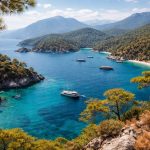
Planning a turkey itinerary is one of those tasks that can feel simple until you start adding up what you want to see and discover how large the country actually is. Turkey is not a destination you can do justice to in a long weekend, but even a week reveals enough to understand why it consistently ranks among the most visited countries in the world. A well-structured turkey itinerary balances the unmissable with the realistic, and respects the fact that traveling between Turkish cities takes time.
I’ve built itineraries across Turkey for different trip lengths and different interests, and what I’ve learned is that the country rewards depth more than breadth. Spending three days in Cappadocia instead of one transforms the experience from “I saw the fairy chimneys” to “I understand this place.” That principle should inform how you structure any turkey itinerary you create.
Introduction to Turkey
Overview of Turkey’s Geography and Culture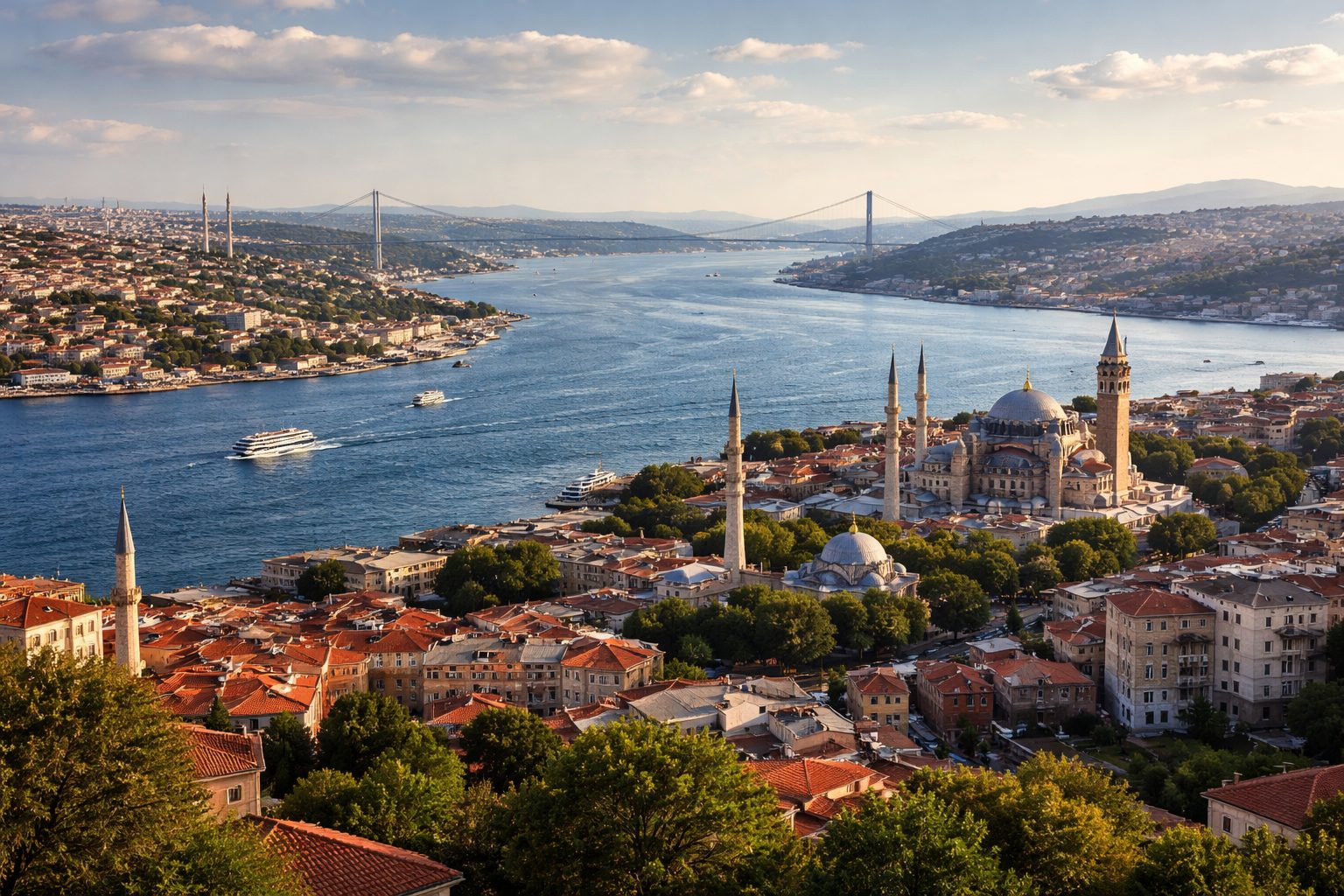
Turkey straddles two continents: most of the country lies in Asia (Anatolia), while a small northwestern section (Thrace) is geographically European. Istanbul, the country’s largest city, spans both continents across the Bosphorus strait. This geographical position has shaped the country’s culture, history, and identity in profound ways.
Anatolia is one of the most historically layered regions on earth. Civilizations have built upon each other here for 10,000+ years: Hittite, Phrygian, Lydian, Greek, Persian, Roman, Byzantine, Seljuk, and Ottoman cultures have all left their mark. The physical evidence of this succession is everywhere in the landscape, from prehistoric sites like Göbekli Tepe to the UNESCO World Heritage Cities of Istanbul and the ancient ruins of Ephesus.
The culture today is secular Muslim in formal terms (the state has been constitutionally secular since Atatürk’s reforms in the 1920s), deeply hospitable by tradition, and intensely proud of its history and culinary heritage. Traveling in Turkey means encountering warmth toward guests as a cultural value, excellent food at almost every level of the market, and a country that feels both familiar and distinctly itself.
Why Visit Turkey?
Turkey offers a combination that’s genuinely hard to find elsewhere: outstanding ancient ruins, beautiful and varied coastline, unique natural landscapes (Cappadocia is unlike anywhere else on earth), world-class food and hospitality culture, a cosmopolitan and historically layered city in Istanbul, and all of this at prices that remain lower than comparable Western European destinations.
The diversity is the real draw. A well-planned turkey itinerary can take you from a hot air balloon over volcanic fairy chimneys at dawn to ancient Roman streets to a beach on the Aegean in the same week. That range is rare.
Planning Your Turkey Itinerary
Best Time to Visit Turkey
The best time for most turkey itineraries is April-May (spring) or September-October (autumn). Both offer mild temperatures, manageable crowds compared to summer, and pleasant conditions for outdoor exploration.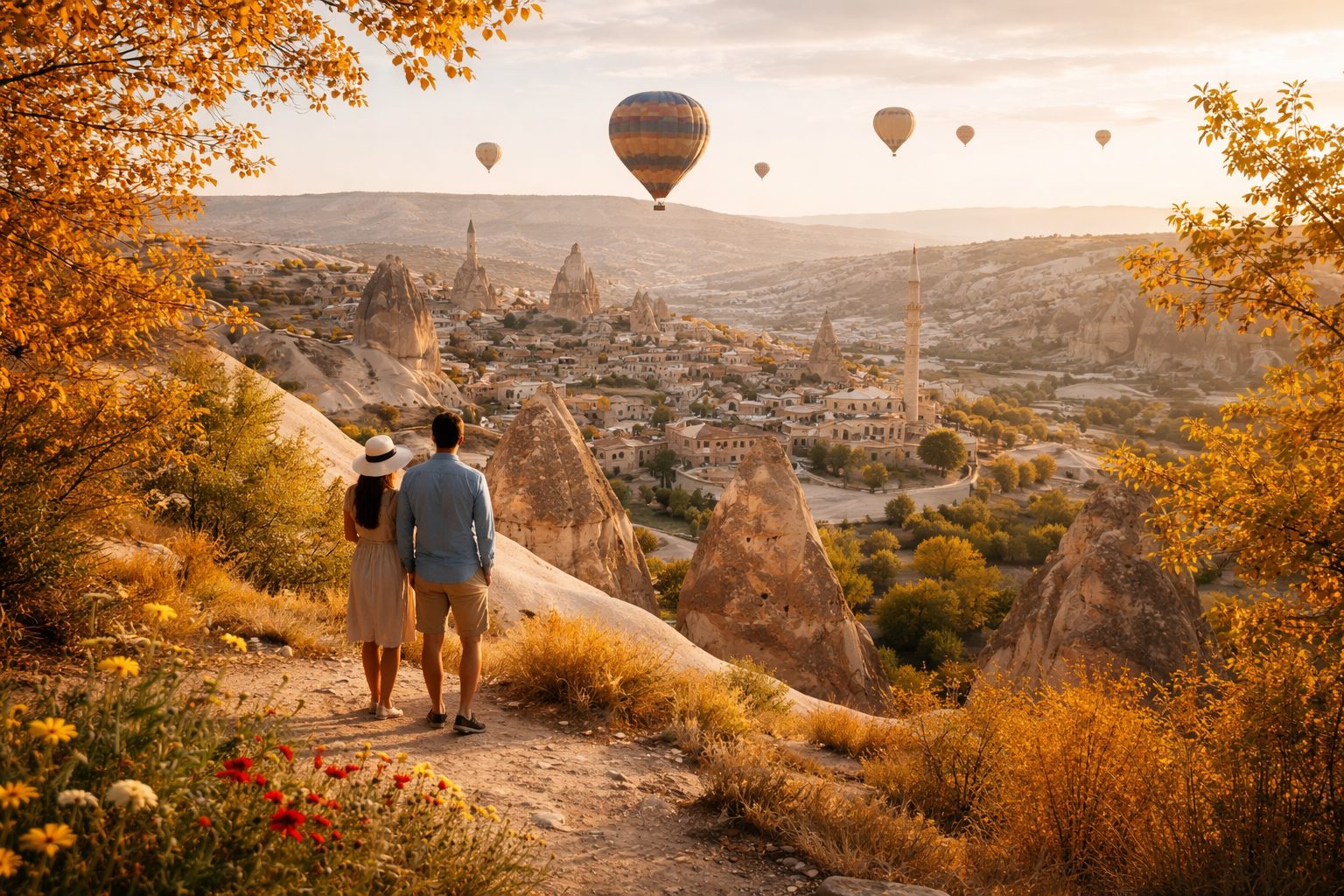
April-May specifics:
* Wildflowers across Aegean and Mediterranean hillsides
* Sea temperature too cool for swimming at the start of April but warming by May
* Istanbul before peak crowds
* Cappadocia with good balloon flying conditions
September-October specifics:
* Sea still warm (25°C+) from summer, excellent for swimming through October
* Crowds thinning noticeably after mid-September
* Beautiful autumn light
* Harvest season in wine regions
July-August is the most popular time but also the hottest and most crowded. If you must visit in summer, the beach focus of coastal resorts justifies it; the heat at ancient sites becomes a significant issue.
December-February is least popular but has genuine appeal: Istanbul is atmospheric in the cold, Cappadocia is stunning in snow, and prices are significantly lower.
Duration of Stay: How Many Days in Turkey?
For a first visit:
* One week (7 days): Istanbul (3 days) + Cappadocia (2-3 days) + one additional destination (Ephesus/Pamukkale, Antalya coast, or Bodrum) is realistic but fast.
* Ten days: The above with more breathing room, or an extension to the Turquoise Coast.
* Two weeks: The ideal for a first visit. Istanbul + Cappadocia + Aegean coast (Ephesus, Pamukkale, Bodrum) or Turquoise Coast + one more beach or cultural destination.
* Three weeks or more: Allows for the east (Gaziantep, Göbekli Tepe), Black Sea coast, or southeastern Turkey.
The temptation to overload a turkey itinerary is real; the country has extraordinary density. Resist it. Time spent in transit between cities is time not spent at destinations.
Budgeting for Your Turkey Trip
Turkey remains excellent value compared to Western Europe. The Turkish lira’s depreciation in recent years has made the country affordable for visitors with euros, dollars, or pounds.
Rough daily budget ranges:
* Budget traveler (hostel, local food, public transport): €30-50 per day
* Mid-range (guesthouse or 3-star hotel, mix of restaurant types): €70-120 per day
* Comfortable (boutique hotels, good restaurants, private transport): €150-250 per day
* Luxury (cave hotels in Cappadocia, fine dining, private tours): €300+ per day
Major additional costs to budget for:
* Domestic flights (Istanbul-Cappadocia return: approximately €80-150)
* Entry fees for major sites (Ephesus, Topkapi Palace, Hagia Sophia, etc.)
* Hot air balloon in Cappadocia (€150-200 per person)
* Gulet sailing if doing the Turquoise Coast
Must-See Destinations in Turkey
Istanbul: The Cultural Capital
Istanbul is one of the great cities of the world and the essential starting point for any turkey itinerary. The city has been a world capital for 1,700 years, first as Constantinople (capital of the Roman and then Byzantine Empire) and then as Istanbul (capital of the Ottoman Empire). The accumulated history, architecture, food scene, and sheer urban energy make it a destination that rewards multiple visits.
For a first visit, the priorities:
The Historic Peninsula (Sultanahmet): Hagia Sophia, Blue Mosque, Topkapi Palace, Basilica Cistern, and the Hippodrome. This is 2,000 years of monumental architecture concentrated in an area you can walk.
The Grand Bazaar and Spice Bazaar: Two of the world’s oldest and most atmospheric covered markets. Shopping is secondary; the architectural and sensory experience is primary.
Beyoğlu and Galata: The 19th-century European-influenced neighborhood across the Golden Horn, with the Galata Tower, İstiklal Avenue, independent galleries, and Istanbul’s best restaurant scene.
A Bosphorus ferry: Taking the public ferry between the European and Asian sides gives you a perspective on the city’s geography that no other experience provides. The Bosphorus views are extraordinary.
The Asian side (Kadıköy): The authentic, residential counterpoint to the tourist-heavy European historic peninsula. Better food markets, lower prices, and a sense of daily Istanbul life.
Allow minimum 3 days, ideally 4, for Istanbul. One day in Istanbul is enough to see what’s famous; several days are what it takes to start feeling the city.
Cappadocia: A Fairy Tale Landscape
Cappadocia is one of those places that looks like it was designed by someone’s imagination rather than geological processes. The volcanic landscape of central Anatolia, shaped by millions of years of eruption and erosion, created thousands of “fairy chimneys”: tall, narrow columns of soft volcanic tuff, often topped with harder rock caps, rising from valleys of extraordinary color and scale.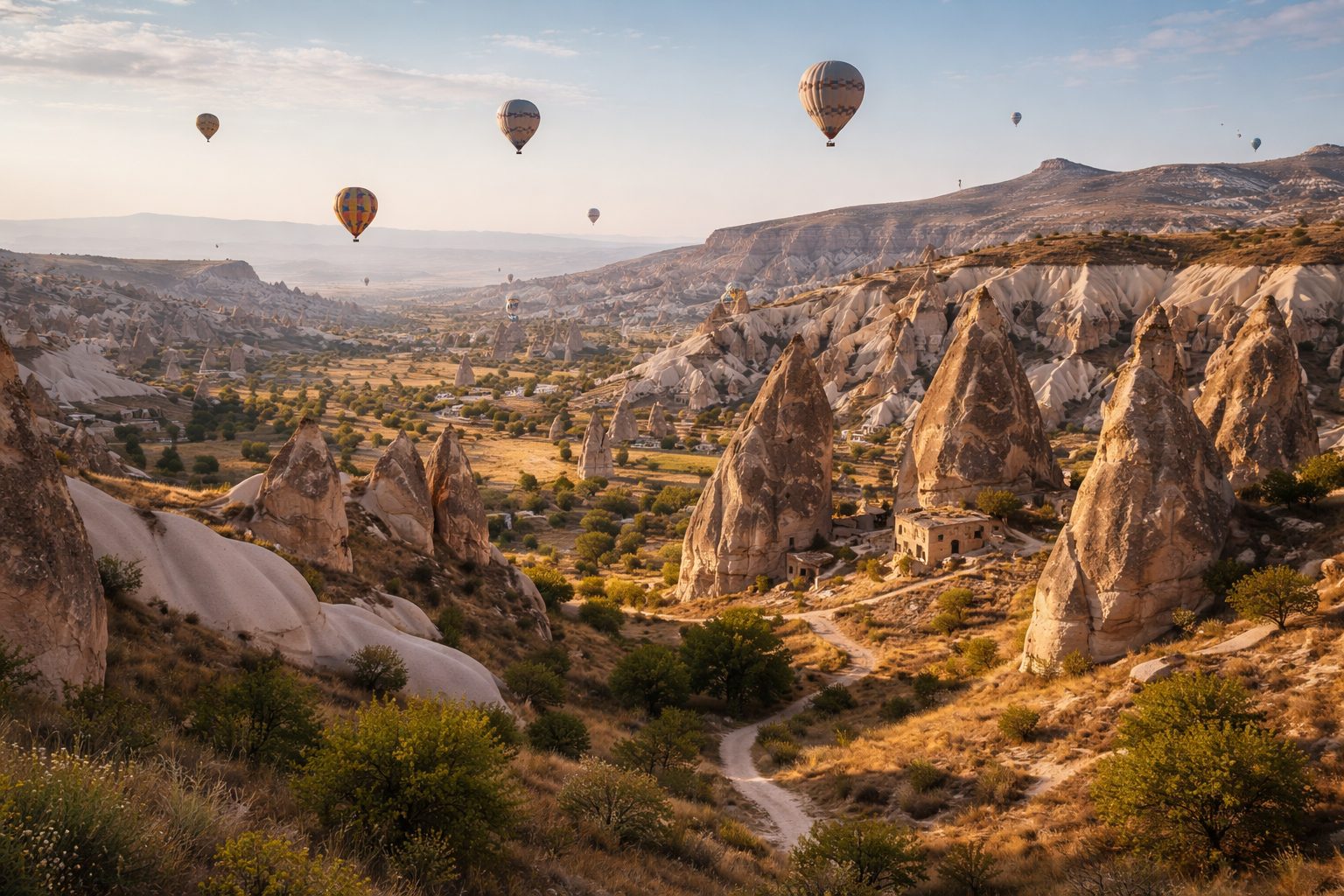
The landscape alone would be exceptional. Combined with early Christian rock-cut churches, Byzantine frescoes, underground cities, and a tourism infrastructure that includes some of Turkey’s finest accommodation, Cappadocia becomes one of the world’s truly distinctive destinations.
Essential experiences:
Hot air balloon at sunrise: The classic and genuinely extraordinary experience. Around 100 balloons typically float above the valleys at dawn. The combination of the landscape below and the near-silence of the flight is genuinely moving. Book well in advance and accept that weather cancellations happen.
Valley walks: The Rose Valley, Red Valley, Pigeon Valley, and Love Valley all offer multi-hour hikes through the fairy chimney landscape. These walks, particularly in the golden hour light of evening, are the best way to actually understand the scale and variety of the landscape.
Göreme Open Air Museum: The concentration of Byzantine rock-cut churches in this UNESCO site, particularly the Dark Church with its exceptional preserved frescoes, is the best introduction to this chapter of Cappadocian history.
Underground cities: Derinkuyu or Kaymakli, multi-level underground cities carved into the volcanic rock as refuges, give a completely different and genuinely impressive experience.
Cave hotel stay: The boutique cave hotels carved into the rock of Uçhisar or the village of Göreme are genuinely unique accommodation and worth the splurge for at least one night.
Allow minimum 2 nights, ideally 3. A day trip from Istanbul to Cappadocia wastes what the place has to offer.
Pamukkale: Nature’s Wonder
Pamukkale, whose name translates as “cotton castle,” is a hillside covered in cascading white calcium carbonate terraces formed by thermal spring water. It looks impossible and it’s real. The white terraces against the green and brown of the surrounding landscape are visually arresting from a distance and extraordinary up close.
Combined with the ruins of Hierapolis, the Roman spa city built above the terraces, and the ancient pool with its submerged marble columns still heated by thermal springs, Pamukkale is one of Turkey’s genuinely unmissable natural and historical experiences.
Pamukkale works as a day trip from Bodrum (about 2.5 hours) or a night stop en route between the Aegean coast and Cappadocia.
Sample 7-Day Turkey Itinerary
This turkey itinerary covers the three most essential destinations for a first visit and is achievable without excessive rushing.
Day 1: Arrival in Istanbul
Arrive at Istanbul Airport (IST) or Sabiha Gökçen (SAW). Transfer to your hotel in Sultanahmet (the historic peninsula) or Beyoğlu depending on preference and budget.
If you arrive with energy, walk along the Bosphorus waterfront at Eminönü and take the public ferry across to Kadıköy on the Asian side for dinner. The ferries run until late and the crossing gives you an immediate sense of Istanbul’s geography.
If arriving late, eat near your hotel; Sultanahmet has good options in the streets around Divan Yolu.
Day 2: Exploring Istanbul’s Historic Sites
Begin early at the Hagia Sophia before the crowds build (arrive at opening, 9 AM). Budget 1-1.5 hours here; the architecture and scale reward careful attention.
Walk to the Blue Mosque (Sultan Ahmet Camii), a working mosque open to visitors in appropriate dress between prayer times. The interior is impressive but the exterior is what makes it globally famous.
Topkapi Palace: Allow 2-3 hours. Prioritize the Treasury section and the harem complex; both are extraordinary.
Afternoon: The Basilica Cistern (underground 6th-century water storage, atmospheric and cool), then walk to the Grand Bazaar (close by late afternoon).
Evening: Cross the Galata Bridge on foot to Beyoğlu for dinner. The Asmalımescit area has excellent meyhane (traditional tavern) restaurants.
Day 3: Day Trip to Cappadocia
Take the first morning domestic flight from Istanbul to Kayseri or Nevşehir (about 1.5 hours). This is the day the turkey itinerary diverges from a city break into something more memorable.
On arrival, arrange a transfer to Göreme, which serves as the base for most visitors. Check in, drop bags, and immediately join an afternoon tour of the Göreme Open Air Museum and a valley walk (either guided or independent).
Evening: The sunset viewpoints above Göreme looking out over the valley are exceptional. Dinner in Göreme village.
Note: This is a tight day because you’re flying in the morning. Consider flying the evening of Day 2 instead and starting fresh in Cappadocia on Day 3.
Day 4: Discovering Pamukkale
Take the morning domestic flight from Kayseri/Nevşehir to Denizli, or if flexibility allows, the full Cappadocia experience benefits from another full day here. If staying a second Cappadocia day, do the hot air balloon (pre-booked) in the early morning, followed by a valley hike and underground city visit.
If following the Day 4 Pamukkale plan: fly to Denizli, transfer to Pamukkale village, and arrive by early afternoon. Visit the white travertine terraces in the late afternoon light (the most flattering time), then the Hierapolis ruins. Swim in the Cleopatra Pool if you haven’t booked a full-day, and stay overnight in Pamukkale for the following morning.
Day 5: Ephesus and its Ancient Ruins
From Pamukkale, take a bus or hire a car to Selçuk (Ephesus), approximately 2.5-3 hours. Arrive and go directly to the Ephesus site in the afternoon.
Alternatively: check into a guesthouse in Selçuk and do a full morning at Ephesus on Day 6 before heading onward.
Ephesus is best with 3-4 hours: the lower city (Library of Celsus, Great Theatre, Curetes Street), the Terraced Houses if you bought the ticket, and a walk through the upper city.
The Ephesus Museum in Selçuk town is outstanding and provides context for what you see at the site. It’s worth combining if time allows.
Day 6: Relaxing on the Turquoise Coast
From Selçuk/Ephesus, travel south toward Bodrum or continue along the Aegean coast. Bodrum is the main hub for the Turkish Riviera and provides access to boat trips and beach time.
Alternatively, take a gulet boat day trip from Bodrum exploring the bays and coves of the peninsula: the Blue Voyage. The combination of turquoise water, ancient ruins visible from the water, and late afternoon sea swimming is one of the better days Turkey offers.
This is a deliberately rest-focused day after the intensity of the first five.
Day 7: Return to Istanbul and Departure
Fly from Bodrum Milas Airport back to Istanbul for your international connection, or continue to another Turkish city if your itinerary extends.
If your international flight departs from Istanbul with a long layover, use it for a final lunch in Kadıköy (the Asian side food market is excellent) or a last coffee on a Bosphorus terrace.
Alternative Itineraries for Different Interests
Adventure Itinerary: Hiking and Outdoor Activities
A 10-day adventure-focused turkey itinerary:
Day 1-2: Istanbul (minimum visit, logistics focus)
Day 3-5: Cappadocia (valley hiking, balloon flight, Ihlara Valley walk)
Day 6-10: Lycian Way section walk (Fethiye to Patara or Kas to Olympos)
This focuses the coastal portion on the 500km marked trail rather than beach resort time. The Lycian Way walking season is October-April; summer heat makes extended hiking dangerous.
Cultural Itinerary: Museums and Historical Sites
For those primarily interested in history and archaeology, an extended turkey itinerary might include:
- Istanbul (4 days): Full engagement with historical peninsula, Archaeological Museum, Topkapi, Galata area
- Bursa (1 day): Ottoman capital, Green Mosque, Silk Road bazaars
- Pergamon and Ephesus (2-3 days): Based in Selçuk with day trips
- Pamukkale/Hierapolis (1-2 days)
- Cappadocia (2-3 days): Rock churches focus, underground cities
- Konya (1 day): Seljuk architecture, Rumi’s tomb and museum
- Optional extension: Gaziantep and Göbekli Tepe for prehistoric significance
This itinerary prioritizes depth over coastal tourism and suits travelers for whom archaeological and historical content is the primary motivation.
Culinary Itinerary: Food Tours and Local Cuisine
Turkey has one of the world’s great culinary traditions, and a food-focused turkey itinerary would prioritize:
- Istanbul: Morning food market in Kadıköy, Spice Bazaar, evening meyhane in Beyoğlu, cooking class, balık ekmek from the Galata Bridge boats
- Gaziantep (2-3 days): The culinary capital of Turkey, home of the world’s best baklava, an extraordinary copper bazaar, and a food culture that’s been UNESCO-recognized
- Cappadocia (1-2 days): Local wine tasting (volcanic soil varietals), pottery cooking demonstrations, local breakfast at small family guesthouses
- Return via Istanbul: Final high-end Turkish restaurant experience
Tips for Traveling in Turkey
Transportation Options in Turkey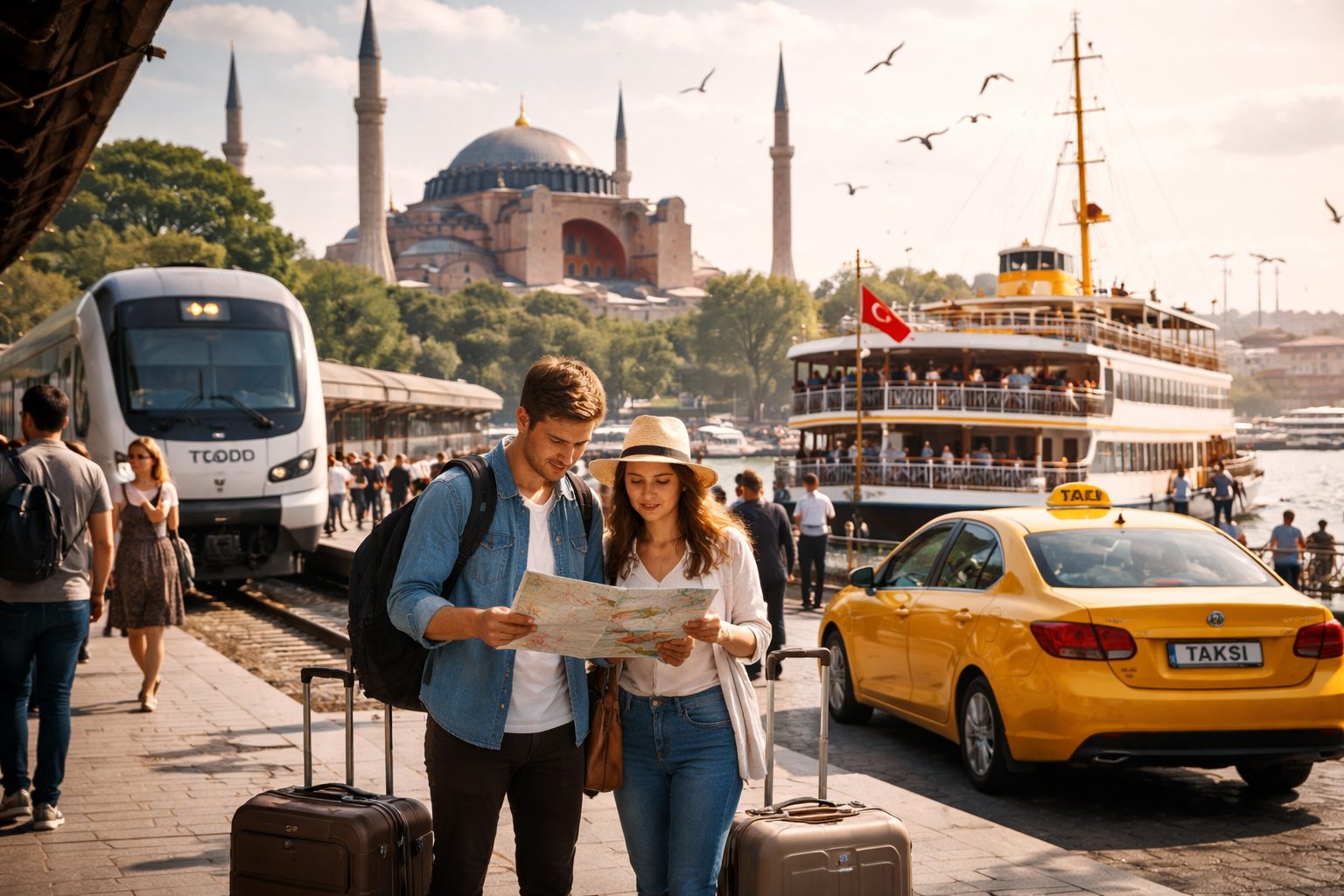
The strategic transportation decisions in any turkey itinerary:
-
Fly domestically for the longest distances: Istanbul to Cappadocia is the single most time-efficient choice (1.5 hours vs 12 hours by bus). Turkish Airlines and Pegasus both serve this route affordably.
-
Use high-speed trains where available: Istanbul to Ankara (4 hours), Ankara to İzmir (3.5 hours), and Ankara to Konya (1.5 hours) are competitive with flying when airport transfer time is included.
-
Long-distance buses for medium distances: The intercity bus network is extensive, affordable, and comfortable on major routes. Good for Selçuk to Bodrum, Bodrum to Fethiye, etc.
-
Rental car for coastal exploration: The Turquoise Coast and Aegean driving is genuinely rewarding with your own vehicle. The scenery from the mountain roads above the Mediterranean is outstanding.
-
Istanbul Istanbulkart for urban transit: Non-negotiable for efficient city travel.
-
Domestic flights to and from the east: Traveling to Gaziantep or eastern regions, flying saves enormous amounts of time.
Cultural Etiquette and Local Customs
Turkey is a largely Muslim country, and some cultural awareness improves the travel experience:
- Mosque visiting: Remove shoes, dress modestly (covered shoulders and legs for both genders, head covering for women), speak quietly, and don’t visit during prayer times. Most mosques are open to non-Muslim visitors outside prayer.
- Hospitality: If invited for tea or coffee, accepting is culturally appropriate. Turks take hospitality seriously and a decline can be read as rude, though a polite explanation is understood.
- Ramadan: If visiting during the holy month (dates shift annually), be respectful of daytime fasting. Restaurants in tourist areas mostly operate normally; neighborhood restaurants may not.
- Bargaining: Expected at bazaars and carpet shops, not at restaurants or modern retail.
- Greetings: “Merhaba” (hello) and “teşekkür ederim” (thank you) are always well-received. Turks appreciate effort with language even if your pronunciation isn’t perfect.
Frequently Asked Questions (FAQs)
What visa do I need to travel to Turkey?
Citizens of many countries can obtain an e-Visa online through the official Turkish government site (evisa.gov.tr) before travel. The process takes a few minutes and typically costs around €50-60 USD. Some nationalities can enter visa-free. Check the current requirements for your specific passport nationality before booking travel, as policies change periodically.
Is it safe to travel to Turkey?
Turkey is generally safe for tourists, and millions of visitors travel there without incident every year. The main tourist circuits (Istanbul, Cappadocia, Aegean and Mediterranean coasts) have minimal security concerns beyond normal urban precautions. The southeastern border regions adjacent to Syria require different consideration and current official travel advisories should be checked for those areas. The main practical safety issues are road accidents (drive defensively), petty theft in very crowded tourist areas, and the occasional scam targeting tourists in Istanbul’s tourist districts.
What is the local currency in Turkey?
The Turkish Lira (TRY) is the official currency. Credit and debit cards are widely accepted at hotels, restaurants, and shops in tourist areas and cities. Cash is needed for street food, small market vendors, and rural areas. ATMs are widely available and generally the best way to obtain local currency at favorable rates. Avoid airport and hotel currency exchange desks; street exchange offices in Istanbul’s tourist areas and banks typically offer better rates. As of 2024-2025, the Turkish lira has depreciated significantly, making Turkey excellent value for visitors with hard currencies.
How to communicate in Turkey?
English is widely spoken in tourist areas, hotels, restaurants, and transport hubs. Outside these contexts, particularly in rural areas, smaller towns, and among older generations, English is much less common. Basic Turkish phrases (merhaba for hello, teşekkür for thank you, hesap for the bill) are always appreciated. Google Translate’s camera function works well for reading menus and signs in Turkish. A Turkish SIM card or international roaming plan ensures you can use navigation apps throughout the trip, which makes a significant practical difference.