The Maldives sits in the middle of the Indian Ocean like a scattered handful of gems. I’ve traveled to a lot of places, but there’s something about this destination that genuinely stands apart. Whether you’re drawn to crystal-clear lagoons, vibrant coral reefs, or the kind of silence you can only find far from city noise, things to do in maldives cover an astonishing range for such a small piece of land. Spread across 26 atolls, the islands offer a mix of luxury, adventure, culture, and natural beauty that few places on earth can match.
Introduction to Maldives
Overview of Maldives as a Tourist Destination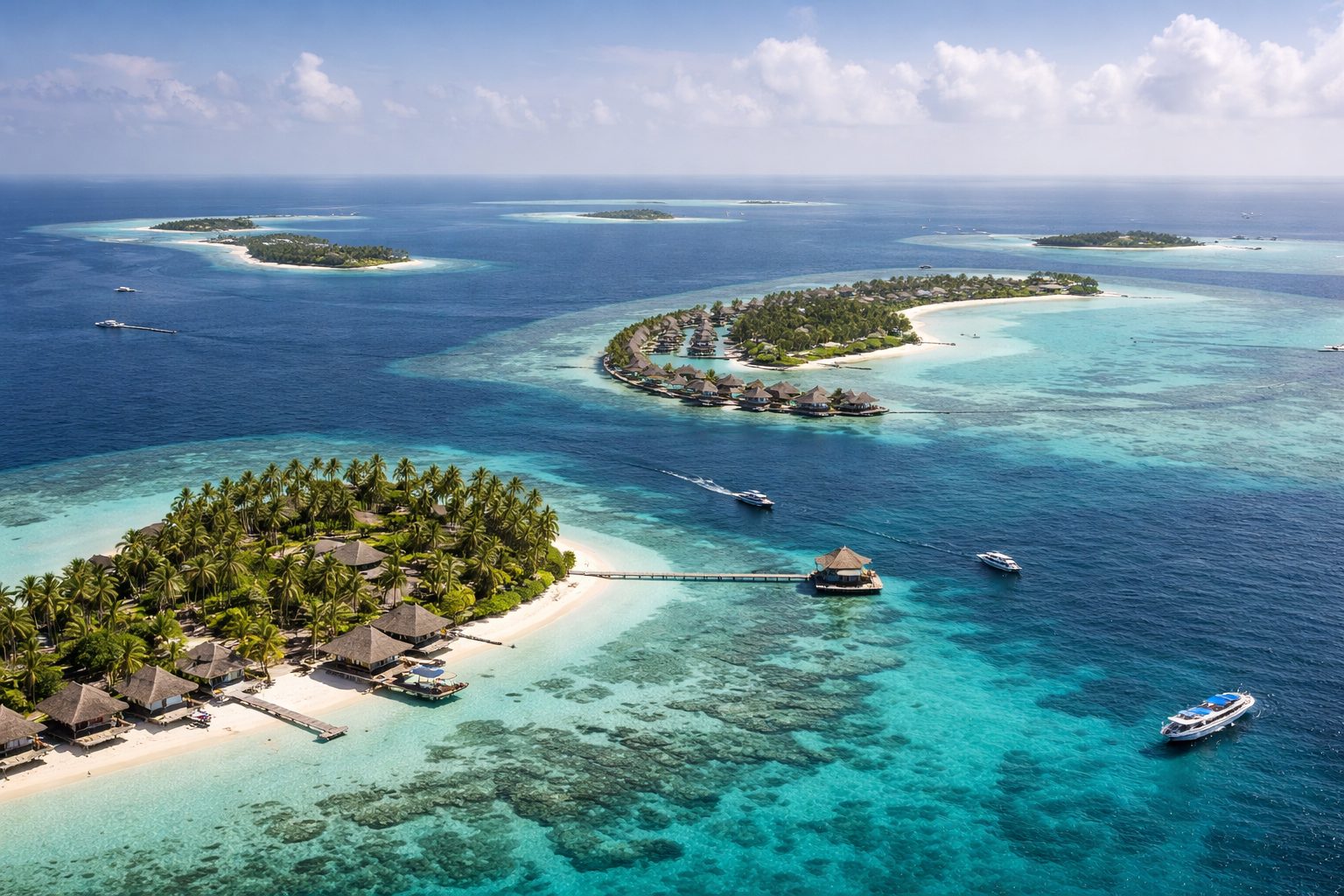
The Maldives is an archipelago nation sitting just above the equator in the Indian Ocean, southwest of Sri Lanka. It’s made up of 1,200 small coral islands grouped into atolls, and only around 200 of those are inhabited. The total land area is barely 300 square kilometers, making it one of the smallest countries in Asia by land. But what it lacks in size, it makes up for in sheer visual impact.
Tourism has been the backbone of the Maldivian economy for decades. The country draws visitors looking for overwater bungalows, pristine white-sand beaches, and underwater encounters that rival anything in the world. Infrastructure is developed enough to cater to every type of traveler, from backpackers staying in guesthouses on local islands to honeymooners dropping serious money on exclusive private island resorts.
The underwater world here is genuinely exceptional. The coral atolls support biodiversity that marine biologists still study actively. You’ll find whale sharks, manta rays, sea turtles, reef sharks, and more species of tropical fish than you can reasonably count. That underwater richness is what drives most first-time visitors to come back.
Best Time to Visit Maldives
The Maldives has two main seasons. The dry season runs from November through April, and this is peak time for most visitors. Skies are clear, seas are calm, and visibility underwater reaches up to 30 meters in good conditions. It’s ideal for snorkeling, diving, and general beach activities.
The wet season, from May through October, brings more rain and rougher swells. But it also comes with lower prices and fewer crowds. Surfers actually prefer this period because the swells pick up significantly. And even during the rainy season, it rarely rains all day. Most showers pass quickly.
My personal preference is late November through February. The weather is at its most stable, the water temperature is perfect, and you avoid the intense heat of March and April. If budget matters to you, consider visiting in June or July when you’ll save considerably on accommodation.
Popular Activities in Maldives
Snorkeling in the Coral Reefs
Snorkeling in the Maldives requires almost no effort to be spectacular. You can wade out from many beaches and find yourself above a thriving reef within minutes. The clarity of the water means you’ll see far more than you expect even with basic gear.
The house reef adjacent to most resort islands is often the easiest starting point. These reefs are protected and typically teeming with life. Parrotfish, triggerfish, and clownfish are common sights. But the real highlight is the chance to snorkel alongside sea turtles, which are frequent visitors to many of the atolls.
For something more memorable, book a guided snorkeling excursion. These trips take you to known aggregation points for manta rays, particularly in North Malé Atoll and Baa Atoll. Baa Atoll’s Hanifaru Bay is one of the few places in the world where you can snorkel with dozens of manta rays feeding simultaneously. It’s the kind of experience that stays with you for life.
A few practical notes:
* Use reef-safe sunscreen to protect the coral
* Avoid standing on or touching the coral
* Early morning snorkeling often means calmer water and more fish activity
* Bring your own mask if you want a good fit, as rental gear varies in quality
Scuba Diving Adventures
The Maldives ranks among the best scuba diving destinations on the planet. This isn’t just marketing speak. The combination of warm water, extraordinary visibility, and diverse marine life creates conditions that are genuinely world-class.
The country has diving opportunities for all experience levels. Beginners can take Open Water certification courses at most resort dive centers and be exploring shallow reefs within a few days. Advanced divers can target sites like Shark Point in Rasdhoo Atoll, the Fish Head in Ari Atoll, or the infamous Manta Point near South Malé Atoll.
Drift diving is a specialty here. Many of the best sites involve riding a current through a channel where marine life congregates. These dives deliver sightings of large pelagic species, including whale sharks, hammerheads, and schools of eagle rays. The technique takes a bit of getting used to, but once you’re comfortable with it, drift diving in the Maldives is addictive.
Dive seasons vary slightly by atoll. The eastern atolls see better visibility from November to April, while the western atolls tend to be better from May to October. This matters if you’re targeting specific species like whale sharks or mantas.
Island Hopping Tours
Most visitors stay on one resort island and don’t venture far. That’s a missed opportunity. Island hopping gives you access to a completely different side of the Maldives: local life, traditional villages, less polished beaches, and the kind of authentic encounters that all-inclusive resorts filter out.
A typical island hopping day trip will take you to two or three islands. You might visit a working fishing village, stop at an uninhabited sandbank for swimming, and explore a local market before heading back. Speedboat transfers between islands take anywhere from 20 minutes to over an hour depending on the distance.
Some useful stops to consider:
* Maafushi Island: one of the most visited local islands, with good guesthouses and a lively beach area
* Dhigurah Island: known for whale shark sightings and a long natural beach
* Fulidhoo Island: quieter, more traditional, with great snorkeling nearby
* Ukulhas Island: well-regarded for its commitment to sustainable tourism
If you’re staying on a local island rather than a resort, island hopping is even easier to arrange and generally much cheaper.
Luxury Experiences in Maldives
Staying in Overwater Bungalows
Overwater bungalows have become synonymous with the Maldives, and honestly the hype is deserved. Waking up with a glass floor beneath your bed, stepping directly into a private lagoon from your deck, and watching the sun set over open ocean from your own terrace is hard to replicate anywhere else.
The range of overwater accommodation is wide. Some bungalows are relatively simple with direct lagoon access and a hammock. Others are full villa suites with private infinity pools, butler service, outdoor bathtubs, and personal chefs. The price gap between these options is enormous, so it’s worth clarifying exactly what you’re paying for before booking.
Things to look for when choosing an overwater villa:
* Lagoon depth and color directly beneath the structure
* Privacy from neighboring villas
* Sun orientation (east-facing for morning light, west-facing for sunsets)
* Whether there’s a house reef accessible from the villa
Some of the most talked-about properties for overwater stays are located in North Malé Atoll and Baa Atoll, partly because of easy seaplane access from Velana International Airport.
Private Yacht Charters
Chartering a yacht is a genuinely different way to experience the Maldives. Instead of being anchored to one island, you move with the current and the tides. You anchor in isolated spots that resort guests never reach. You eat breakfast on deck while watching reef sharks circle below. It’s exploratory travel in the truest sense.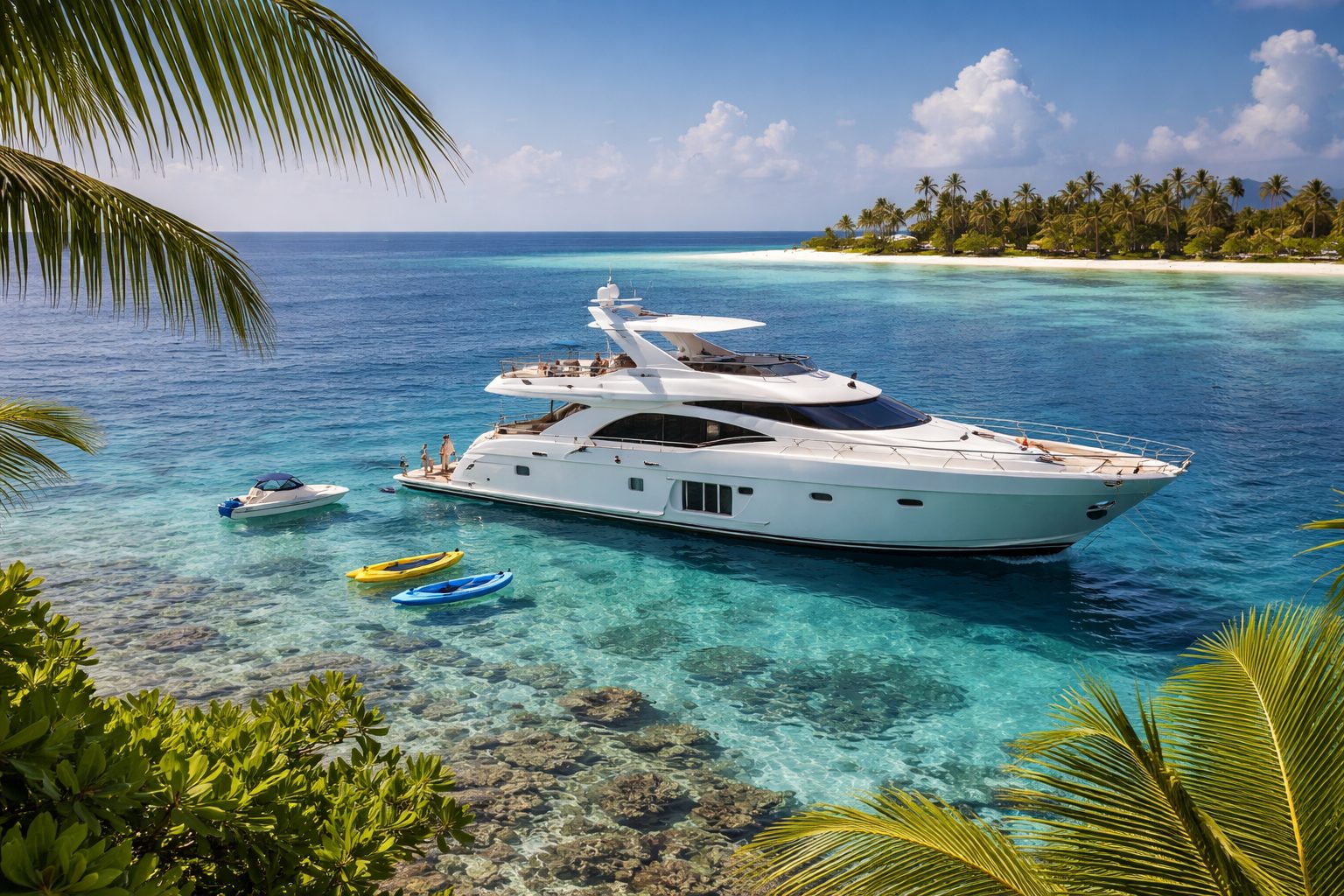
Liveaboard boats are the most common version of this. These are purpose-built vessels that carry a small group of divers or snorkelers on multi-day routes through the atolls. A well-run liveaboard will have an experienced dive crew, good equipment, and routes timed to catch the best marine conditions. A week on a liveaboard typically covers more dive sites than a month of day trips from a resort.
Private yacht charters are a step up in cost but offer complete flexibility. You set the itinerary, you choose your company, and the boat is yours. For a group of friends or a family, splitting the cost of a private charter can actually be comparable to resort pricing when you factor in what’s included.
Exclusive Spa Treatments
Spas in the Maldives tend to be genuinely exceptional rather than generic resort add-ons. The setting contributes to this. Treatments in overwater pavilions with the sound of the ocean underneath you, outdoor massage areas on wooden decks surrounded by tropical vegetation, and Maldivian-inspired treatments using local ingredients like coconut, sea salt, and native herbs create an experience that’s hard to replicate elsewhere.
Many high-end resorts have invested heavily in their wellness programs. Some offer multi-day wellness retreats combining yoga, detox menus, and a rotating schedule of treatments. Others specialize in Ayurvedic therapies or traditional Maldivian healing practices.
If you’re visiting for a honeymoon or anniversary, a couples spa package is worth considering. These usually include a private pavilion, champagne, a combination of massage and body treatments, and sometimes a floating breakfast or private beach setup as part of the package.
Cultural and Historical Attractions
Visiting Malé City
Malé is one of the most densely populated capital cities in the world. Roughly 150,000 people live on an island barely 6 square kilometers in size. The contrast between the sprawling luxury resorts a short speedboat ride away and this compact urban environment is striking.
Most visitors pass through Malé briefly during transit, but it’s worth spending at least half a day exploring. The Friday Mosque (Hukuru Miskiy), built in 1658 from coral stone, is the oldest mosque in the country and genuinely beautiful. The National Museum houses artifacts from the Maldives’ pre-Islamic history, including royal regalia and traditional crafts.
The waterfront area near the fish market is lively in the early morning when the catch comes in. You’ll see the traditional dhoni fishing boats unloading, and the energy is completely different from anything you’ll find on a resort island. The local cafes serving short eats (traditional Maldivian snacks) and tea are a good way to spend an hour or two.
Exploring Traditional Maldivian Cuisine
Maldivian food is built around fish and coconut. Tuna is the dominant protein, prepared in a range of ways that go far beyond what most visitors expect. Mas riha (tuna curry) and garudhiya (clear tuna broth served with rice, lime, chili, and onion) are the defining dishes of the local kitchen. The flavors are bold and aromatic without being excessively spicy.
Short eats are a daily staple. These small snacks, typically served with tea, include items like bajiya (a pastry filled with tuna and coconut), gulha (fish balls), and fihunu mas (grilled fish). You’ll find them at tea shops throughout local islands and in Malé.
Eating locally is not just cheaper than resort dining. It’s actively better for understanding the culture. Many guesthouses on local islands offer dinner on request, and these home-cooked meals are often the most memorable food experiences in the Maldives. Interacting with the families who prepare them adds genuine context to the trip.
Local Markets and Handicrafts
Shopping in the Maldives is best done on local islands or in Malé rather than at resort gift shops. The prices are dramatically different and the quality is often comparable or better.
The main market in Malé near the waterfront sells dried fish, local produce, and household goods. It’s not particularly set up for tourists, which is exactly what makes it interesting. The Local Market is a short walk from there and sells more tourist-friendly goods including lacquerwork, woven mats, and traditional clothing.
Lacquer work is the traditional Maldivian craft. Artisans in the Baa and Raa Atolls are known for producing the best pieces, which involve applying layers of lacquer to wooden or coconut shell bases in geometric patterns. Authentic pieces take considerable time to make and are worth paying a fair price for. The woven mats called thundu kunaa, made on Suvadive Atoll, are another traditional item worth picking up if you find them.
Adventure Sports and Water Activities
Surfing the Best Waves
The Maldives has a legitimate surf culture that’s been attracting wave riders since the 1970s. The surf here breaks over shallow coral reefs and produces fast, powerful waves that challenge experienced surfers. North Malé Atoll is the hub of Maldivian surfing, with a cluster of breaks within reach of speedboat transfers.
The most famous break is Cokes (named after the Coca-Cola factory that once stood nearby), a consistent right-hander that works well in a range of swell conditions. Pasta Point, accessible only to guests at one exclusive surf resort, is considered among the best right-handers in the Indian Ocean. Chickens and Sultans are other reliable breaks in the area.
The surf season runs roughly from March to October, peaking from April to September when the southwest swell produces the most consistent waves. During this period, the breaks can get crowded, especially the more accessible ones. If you’re serious about surfing here, arriving in shoulder season or heading to less-visited atolls pays off.
One honest note: surfing in the Maldives is not ideal for beginners. The reef breaks are shallow and unforgiving. If you’re learning to surf, wait until you’ve built solid skills in beach break environments before attempting the Maldivian reef.
Jet Skiing and Water Skiing
Water sports centers on most resort islands offer jet skiing and water skiing as standard activities. Jet skiing is straightforward, fun, and gives you a completely different perspective of the lagoon and surrounding waters at speed. Most resorts operate jet skis on marked routes around the island to protect the reef and avoid snorkelers.
Water skiing and wakeboarding are available at the bigger resorts with proper motorboat equipment. These activities are better suited to people with some prior experience, though instructors are available for complete beginners. Banana boat rides and towable inflatables are the easier, more family-friendly alternatives that the same water sports centers typically offer.
One thing to check before booking water sports: some resorts restrict motor activities in their main lagoon during snorkeling hours. This is actually a good policy, but it means your window for jet skiing may be limited to certain times of day.
Windsurfing and Kitesurfing
The Maldives is increasingly well-regarded in the windsurfing and kitesurfing community. The conditions are good, the water is warm, and the flat lagoons inside atolls are ideal for learning or practicing technique before heading into open water.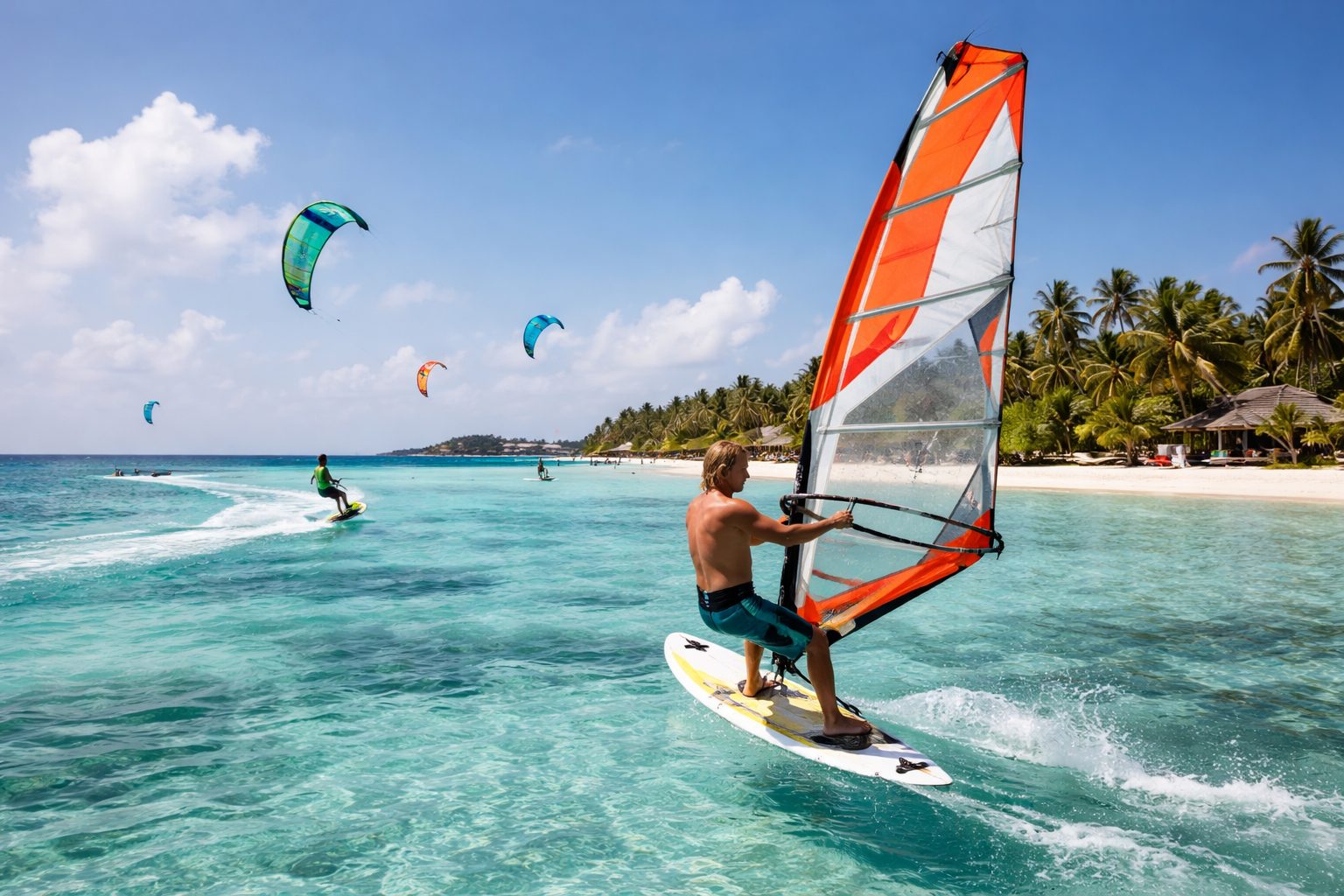
The wind is most reliable from December through April, with southeast trades picking up strength from May onward. Kitesurfers often target the eastern sides of atolls where the wind is steadier and the fetch allows for longer runs. Some resorts have invested in dedicated kitesurfing zones to keep kites away from swimmers and other water users.
Equipment rental and instruction are available at most larger resorts. If you’re serious about kitesurfing, it’s worth booking a resort that specifically caters to this activity rather than relying on a general water sports center. Specialized operations will have better equipment, instructors with proper certification, and a better understanding of local conditions.
Family-Friendly Activities
Dolphin Watching Tours
Dolphin watching is one of those activities that genuinely delivers in the Maldives. Spinner dolphins are particularly common in these waters and they have a habit of following boats in large groups, spinning through the air repeatedly in ways that consistently surprise people who’ve seen dolphins before.
Most resorts and local island operators offer sunset dolphin cruises. The timing matters because dolphins are most active in the late afternoon as they feed before nightfall. A good trip will take you to a known channel or feeding ground and wait for the action to come to you rather than chasing animals aggressively around the water.
For families with young children, this is often the most memorable activity of the trip. The combination of a boat ride at sunset, spinner dolphins leaping around the vessel, and the general magic of being on the open Indian Ocean tends to land differently for kids than adults.
Marine Parks and Aquariums
The Maldives has several designated marine protected areas and reef conservation zones that effectively function as marine parks. These protected sites are typically richer in marine life than unprotected areas because fishing is restricted and human disturbance is controlled.
Hanifaru Bay in Baa Atoll Biosphere Reserve is probably the most famous of these. From May to November, plankton blooms attract massive aggregations of manta rays and whale sharks. Visitor numbers are limited and a guide is required, which keeps the experience from being overwhelming for the animals or the people in the water.
The Maldives doesn’t have traditional land-based aquariums in the way that larger countries do. But some resorts have developed marine education centers where children and adults can learn about the species they’ve been seeing in the water. A few conservation-focused resorts run guided reef walks at low tide, which give close-up views of intertidal species without getting into deep water.
Kid-Friendly Resorts
Not all Maldivian resorts are geared toward families. Some are explicitly adults-only, and many luxury resorts are designed primarily for couples. But a significant number have made genuine investment in family facilities, and the experience at these properties is excellent.
What to look for in a family resort:
* A kids’ club with age-appropriate programs and qualified staff
* Shallow lagoon areas suitable for young children
* Interconnected villa options so families aren’t spread across multiple structures
* Non-motorized water sports equipment sized for kids
* A dining menu that accommodates children without forcing everyone onto the same food
A few of the family-oriented resorts have built genuinely impressive marine education programs for children, including junior ranger courses, snorkeling lessons, and participation in reef monitoring activities. These turn what might otherwise be a passive beach holiday into something more educational and memorable.
Romantic Things to Do in Maldives
Sunset Cruises
Sunset cruises are one of the most consistently enjoyable things to do in maldives for couples. The traditional Maldivian dhoni, the wooden boat with the distinctive curved hull, is the ideal vessel for this. The pace is slow, the lines are beautiful, and there’s something about watching the sun drop below the horizon from a traditional wooden boat that feels right.
Most resorts offer sunset cruises as a standard excursion. These typically include drinks and light snacks and last around 90 minutes. Some of the better-organized cruises stop at a sandbank for swimming before heading back as the last light fades. If you want more privacy, ask whether a private dhoni cruise is available. The cost difference is real but manageable for a special occasion.
What makes these cruises genuinely work is the quality of light in the Indian Ocean at sunset. The sky often turns extraordinary shades of orange, pink, and purple, and the reflection on calm water is the kind of thing that photographs well but still feels better in person.
Candlelit Beach Dinners
Private beach dinners are a signature of Maldivian resort hospitality. The format varies, but the typical experience involves a table set on an isolated stretch of beach or on a sandbank, lit by candles and torches, with a personal butler or server handling everything from arrival drinks to dessert.
The food quality at these dinners is generally high. Resorts put care into these experiences because they understand they’re creating a memory rather than just serving a meal. Fresh seafood, local ingredients, and well-considered wine pairings are standard at the better properties.
One thing I’d suggest: communicate clearly about dietary preferences and the level of formality you want. Some couples want a formal multi-course experience. Others want something more relaxed and casual. Most resorts can accommodate either approach if you ask in advance rather than just showing up.
Couples Spa Retreats
Spa retreats for couples go beyond a single treatment session. Many resorts offer structured multi-day programs combining yoga, meditation, therapeutic treatments, and nutrition-focused menus into a coherent wellness experience. These work particularly well when both people are genuinely interested in slowing down rather than packing in activities.
The physical setting of these programs matters enormously. A couples treatment in an overwater pavilion with ocean views is a different experience from the same treatment in a basement wellness center. The Maldives gets this right almost universally because the natural environment makes minimalism effective.
Treatments worth seeking out specifically in the Maldives include coconut oil massages using locally produced oil, marine clay body wraps, and traditional Maldivian healing practices that incorporate elements from neighboring Indian and Sri Lankan therapeutic traditions. These aren’t just marketing labels, they reflect actual distinctions in technique and ingredients.
Eco-Tourism in Maldives
Conservation Projects and Volunteering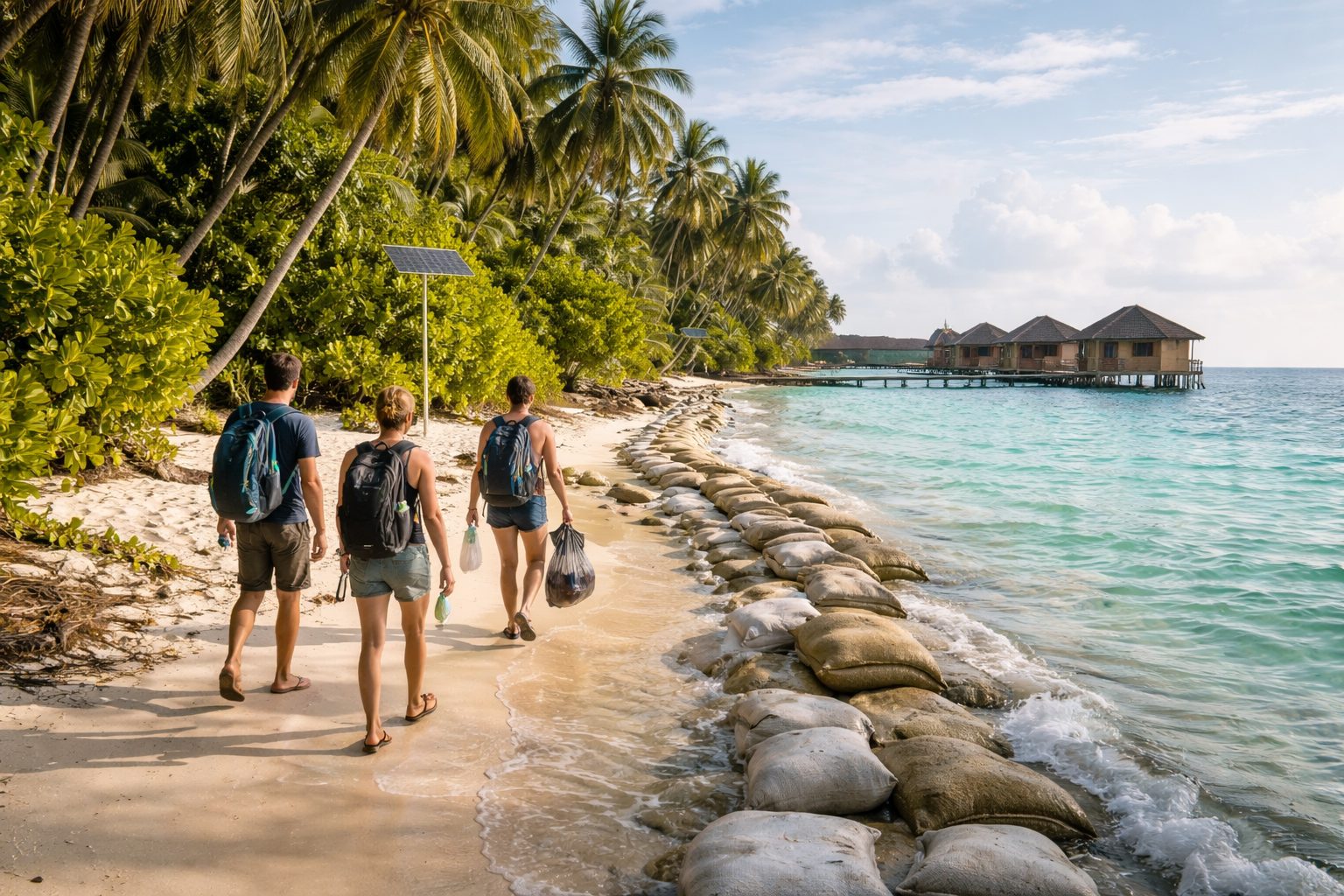
The Maldives is on the front line of climate change. The average elevation is about 1.5 meters above sea level, making it one of the most vulnerable nations in the world to sea level rise. That vulnerability has generated genuine commitment to conservation and sustainability, and several organizations actively involve visitors in their work.
Some resorts partner with marine research organizations and offer guest participation in coral planting programs, reef surveys, and turtle monitoring. These aren’t token activities. The data collected is used by researchers and shared with conservation agencies. Spending a morning on a guided reef survey or helping plant coral fragments on a restoration frame is meaningful participation in something that matters.
For those who want to go further, longer-term volunteer programs exist through organizations working on island conservation, sea turtle research, and community development in the outer atolls. These programs typically require a commitment of several weeks and some prior experience in related fields.
Exploring Protected Marine Areas
Beyond Hanifaru Bay, the Maldives has established a network of protected marine areas where fishing is restricted and development is controlled. These sites represent some of the best-preserved reef systems in the country.
The South Ari Atoll Marine Protected Area is one of the most important for divers. This zone has year-round whale shark sightings, and the density of whale sharks here is exceptional. Unlike the migratory aggregations you find in other parts of the world, the whale sharks in Ari Atoll appear to be resident, meaning encounters are reliable throughout the year.
Diving and snorkeling within these protected areas requires working with licensed operators who understand the regulations. There are restrictions on how close you can approach certain species, how many people can be in the water at once at sensitive sites, and what equipment can be used. These rules exist to protect the ecosystems, and they’re worth respecting.
Eco-Friendly Resorts
The concept of eco-friendly resort in the Maldives has evolved considerably. Early claims were largely cosmetic, involving towel reuse programs and a few solar panels. The better properties today have made substantive commitments to sustainable operation.
Genuine markers of a sustainable resort include desalination using renewable energy, coral restoration programs with measurable targets, zero single-use plastic policies implemented throughout the property, on-site organic gardens supplying the kitchen, and partnerships with local fishing communities. Some resorts have achieved carbon neutrality through a combination of energy reduction and offset programs.
A comparison of approaches:
| Feature | Basic Resort | Eco-Focused Resort |
|---|---|---|
| Energy source | Diesel generators | Solar with battery storage |
| Water supply | Bottled water | On-site desalination, glass bottles |
| Plastic policy | Some reductions | Near-complete elimination |
| Food sourcing | Majority imported | Significant local and on-site production |
| Marine program | Reef monitoring | Active restoration with guest participation |
| Waste management | Basic recycling | Composting, minimal landfill waste |
Choosing a genuinely eco-conscious resort takes some research, but the options have expanded significantly in recent years.
Practical Tips for Visiting Maldives
Transportation Options between Islands
Getting around the Maldives requires either flying or sailing. There’s no road network connecting islands. The main airport is Velana International Airport (VIA) in Malé, and from there you’ll reach your destination by seaplane, domestic flight, or speedboat depending on the distance and your resort’s location.
Seaplanes are the primary way to reach remote resorts. The flights are short, typically 20 to 45 minutes, and the aerial views of the atolls are genuinely spectacular. The main limitation is that seaplanes only fly during daylight hours, which can create complications if your international flight arrives late. Some resorts handle this with overnight stays near the airport.
Speedboats cover shorter distances and can operate at any hour. Journey times vary from 20 minutes to over two hours. For local island guesthouses, public speedboat transfers are an affordable option that also gives you the chance to experience how locals actually travel between islands.
Domestic flights operate from Velana to several hub airports in the outer atolls. These are useful for reaching very remote destinations without the cost of a seaplane. From the domestic hub, a shorter speedboat transfer completes the journey.
Currency and Costs
The official currency is the Maldivian Rufiyaa (MVR), but US dollars are accepted almost universally in tourist areas, and many transactions are quoted in dollars from the start. Credit cards are widely accepted at resorts, though local island shops and smaller guesthouses often prefer cash.
The Maldives spans an enormous price range. Budget travelers staying on local islands can manage on $80 to $150 per day including accommodation, meals, and activities. Mid-range resort stays typically run $300 to $600 per night. Luxury and ultra-luxury resorts start around $800 and can reach several thousand dollars per night at the top end.
A few cost considerations:
* Resort transfer costs (seaplane, speedboat) are often not included in the room rate and can add $300 to $600 per person round trip
* Dining on resort islands has no competition, so prices are high. Local island dining is dramatically cheaper
* Alcohol is not available on local islands (the Maldives is a Muslim country), only at licensed resort islands
* Most resorts add a 10% service charge and 16% GST to all bills
Local Customs and Etiquette
The Maldives is a Muslim nation with conservative social norms outside of resort islands. Understanding this prevents problems and demonstrates basic respect for local culture.
On local islands and in Malé, dress modestly. Cover shoulders and knees in public areas, avoid swimwear away from designated swimming beaches, and be aware that public displays of affection are inappropriate. Friday is the main prayer day, and many shops close for Friday prayers. Alcohol consumption is strictly prohibited on local islands.
During Ramadan, eating, drinking, and smoking in public during daylight hours is not permitted out of respect for those fasting. If you’re visiting during Ramadan, be aware of this and plan accordingly. Some tourists actually find Ramadan an interesting time to visit because of the evening atmosphere when the fast breaks.
Photography is generally welcomed by locals, but always ask before photographing individuals. Mosques require modest dress and removing shoes before entry. Visiting a mosque outside of prayer times is typically fine if you’re dressed appropriately and respectful about it.
FAQs about Things to Do in Maldives
What are the must-see islands in Maldives?
Malé is worth a half-day for its historical mosques and local market atmosphere. Maafushi is the most accessible local island for budget travelers and has good snorkeling. Hanifaru Bay in Baa Atoll is essential if manta rays are on your list. For remote, less-visited islands, the outer atolls like Addu and Fuvahmulah offer completely different experiences with less tourist infrastructure and some of the most diverse marine life in the country.
How do I plan a budget-friendly trip?
Stay on local islands rather than resort islands and the cost drops dramatically. Guesthouses on islands like Maafushi, Dhigurah, and Ukulhas offer clean, comfortable accommodation at a fraction of resort pricing. Book transfers through local operators rather than resorts. Eat at local restaurants and tea shops. Travel during the wet season (May to October) when accommodation prices are significantly lower across the board.
Are there any restrictions for tourists?
Import of alcohol, pork products, and religious materials (non-Islamic) is restricted. Alcohol is only available at licensed resort islands and the airport transit hotel. Swimming in bikinis or swimwear is only permitted on resort beaches or designated bikini beaches on local islands. Visiting mosques requires modest dress. Drone operation requires prior permit from the Civil Aviation Authority. Fishing without a license is not permitted.
What activities are suitable for solo travelers?
Solo travel in the Maldives works particularly well when based on local islands. The guesthouse community is social, and activities like diving, snorkeling excursions, and island hopping tours naturally bring solo travelers together. Liveaboard dive boats are an excellent option for solo travelers since the small-group format and shared passion for diving creates easy connections. Most water sports activities can be enjoyed solo, and many excursion boats combine small groups in ways that make solo participation completely normal.
How to choose the right resort for my needs?
Start by identifying your priorities. If diving is the main reason you’re going, choose a resort with a serious in-house dive center rather than one that outsources diving. If it’s a family trip, verify the kids’ club and family facility details before booking. If budget is the main constraint, consider a local island guesthouse over a resort. For a honeymoon, look at villa privacy, sunset orientation, and what romantic experiences are included or available. Reading recent reviews rather than relying on marketing material is the most reliable approach across all categories.
The things to do in maldives range from world-class underwater experiences to cultural explorations, adventure sports, and genuine luxury that’s hard to match anywhere on earth. Whatever draws you there, give yourself enough time to move beyond the resort bubble and engage with the broader destination. The Maldives rewards curiosity and repays that attention with memories that hold up for years.