If you’ve ever wanted to experience Japan beyond Tokyo’s neon lights and Kyoto’s temple corridors, nagano japan is where you should be heading. Nestled in the heart of the Japanese Alps, this landlocked prefecture offers a rare mix of mountain wilderness, ancient spiritual traditions, and a laid-back pace that the major cities simply can’t match. I first visited during a winter trip and came back in summer just to confirm my suspicion that it’s equally stunning year-round. Spoiler: it is.
Nagano isn’t a hidden gem in the way that phrase gets overused. It’s well-known to outdoor enthusiasts and history buffs. But it remains refreshingly undervisited compared to its fame. That gap between reputation and footfall is exactly what makes it worth prioritizing.
Overview of Nagano Japan
Nagano prefecture sits in central Honshu and is one of Japan’s largest prefectures by area. It’s also one of the few that doesn’t touch any coastline. Despite that, or maybe because of it, the landscape here feels intensely dramatic. You’ve got towering peaks, dense forests, clear rivers, and a string of traditional towns that have held onto their character for centuries.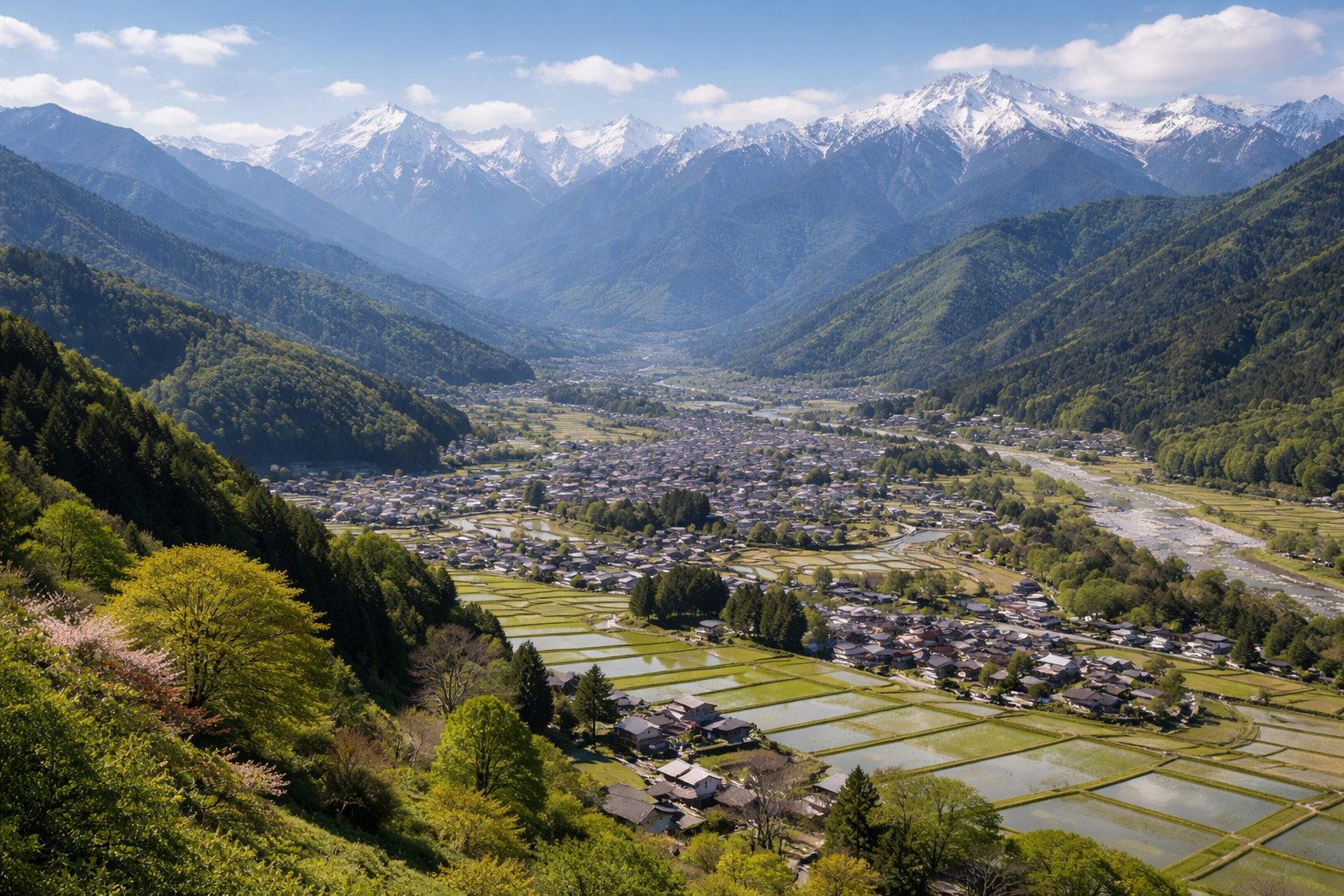
The prefecture became internationally recognized when it hosted the 1998 Winter Olympics. That event put nagano japan on the global map in a way that tourism campaigns rarely manage. The infrastructure built for those games still serves visitors well today, including some of the best ski resorts in Asia.
What strikes most first-time visitors is how much variety is packed into one region. You can be meditating in a centuries-old Buddhist temple in the morning and riding a gondola over alpine meadows in the afternoon. That range is what keeps people coming back.
Geographic Location and Climate of Nagano
Nagano is surrounded by mountains on nearly every side. The Northern, Central, and Southern Japan Alps all converge in or around this prefecture, and the result is a landscape that looks like it was designed for postcards. The highest peaks here exceed 3,000 meters, and many are accessible to hikers of varying experience levels.
The climate varies significantly by elevation and season:
- Winters are cold and snowy, especially at altitude. Snow can be heavy from December through March.
- Spring arrives gradually, with lower elevations warming up while mountain passes stay cool well into May.
- Summers are mild compared to lowland Japan. The mountains offer real relief from the heat that suffocates Tokyo.
- Autumn is arguably the most visually spectacular season, with foliage turning from mid-October through early November.
If you’re sensitive to cold, aim for late spring through early autumn. If you’re a snow lover or a skier, the window from late December to early March is when nagano japan really shines.
History and Cultural Significance of Nagano Japan
The history of this region stretches back thousands of years. Archaeological sites scattered across the prefecture show that humans have lived here since prehistoric times. But the cultural identity of nagano japan took shape more distinctly during the Edo period, when the region became an important stop along historic trade and pilgrimage routes.
Zenko-ji Temple, which I’ll cover in more detail shortly, has been drawing pilgrims for over 1,400 years. That kind of continuity isn’t just historical trivia. It shapes the atmosphere of the place. Entire communities grew up around serving travelers making the journey to that temple.
The samurai period left its mark too. Matsumoto Castle, one of Japan’s most impressive original castles, was constructed in the late 16th century during a period of intense feudal conflict. Walking through it, you can feel how seriously people took defense in that era.
During the Meiji era, when Japan opened to Western influence, Nagano became a silk production hub. The old silk-road towns still exist, and some have been remarkably preserved. Karuizawa, now a resort town, became a fashionable retreat for Western missionaries and diplomats during that period, which added an unusual layer to its character.
Major Attractions in Nagano Japan
The prefecture has no shortage of things to see. But a few landmarks stand out as genuinely unmissable, regardless of how much time you have.
Zenko-ji Temple: A Spiritual Landmark
Zenko-ji is one of the most important Buddhist temples in Japan, and it’s been at the center of Nagano city’s identity since the 7th century. The temple is non-sectarian, which means it welcomes visitors from all Buddhist traditions. In practice, it also welcomes millions of non-Buddhist visitors who simply come for the atmosphere and history.
The main hall houses what’s said to be the first Buddhist image ever brought to Japan. You can’t actually see it. The statue is hidden from public view and only exhibited in a special ceremony that happens once every seven years. But you can walk through a pitch-dark underground passage beneath the main hall and, according to tradition, touch a sacred key that connects you to the hidden deity. It sounds gimmicky. It isn’t.
The approach to the temple, lined with lanterns and stone statues, is worth the visit on its own. Go early in the morning if you want the full meditative effect before tour groups arrive.
Nagano Olympic Museum: Celebrating the 1998 Winter Games
The 1998 Winter Olympics left a physical and cultural legacy that nagano japan still draws on today. The Nagano Olympic Museum sits adjacent to the M-Wave speed skating arena and documents the games in impressive detail.
Even if you’re not a sports fan, the museum offers a fascinating window into what it means for a mid-sized Japanese city to host a global event. Exhibits cover the planning, the athletes, the cultural exchange, and the aftermath. There are equipment displays, medal showcases, and interactive sections that kids especially seem to enjoy.
If you visit in winter, some of the Olympic venues, including the bobsled and luge track at Spiral in Iizuna, are still in use and open to the public for tours or actual rides.
Matsumoto Castle: A Historical Marvel
Matsumoto Castle is about an hour from Nagano city by train and is consistently rated among the most impressive original castles remaining in Japan. Unlike many Japanese castles, which were reconstructed from concrete after wartime destruction, Matsumoto is the real thing. The main tower dates to the late 16th century.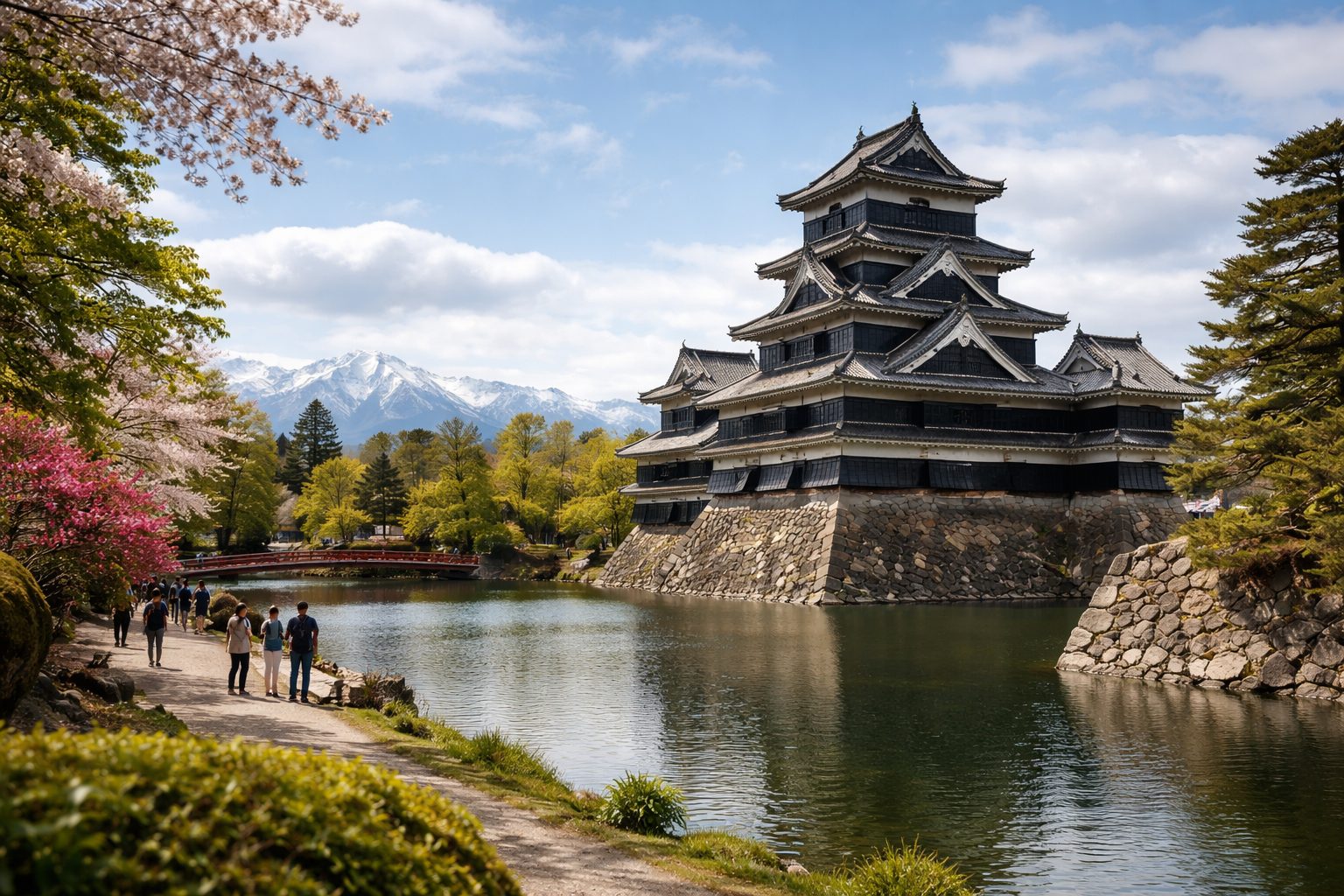
The castle is nicknamed “Crow Castle” for its striking black exterior. It sits surrounded by a moat, and on clear days the Japanese Alps form the backdrop behind it. That view is one of those images that genuinely delivers in person.
Inside, the castle is steep and narrow by modern standards. The original wooden staircases are almost vertical in places. But that’s part of what makes exploring it feel genuine rather than staged. The castle also houses a well-curated collection of firearms, armaments, and artifacts from the feudal period.
Matsumoto city itself is worth a full day. The old town district around the castle has excellent craft shops, sake breweries, and soba restaurants.
Outdoor Activities in Nagano Japan
The outdoors is what many people come to nagano japan for first. The mountains here offer something for almost every interest and fitness level.
Skiing and Snowboarding in the Japanese Alps
Nagano’s ski resorts are among the best in Asia. The snow quality is genuinely exceptional. Powder days are frequent, and the vertical drops at places like Hakuba Valley rival major Alpine resorts in Europe.
Key ski areas in the Nagano region:
- Hakuba Valley: A collection of interconnected resorts that hosted the 1998 Olympic alpine events. Good variety from beginner slopes to serious backcountry.
- Nozawa Onsen: A small village resort with excellent snow and a traditional atmosphere. The combination of skiing and onsen bathing here is particularly satisfying.
- Shiga Kogen: Japan’s largest interconnected ski area. Expansive and well-organized, with options for all levels.
- Madarao Kogen: Quieter and less crowded than the bigger names. Good choice if you want fewer people on the slopes.
The ski season typically runs from December through March, with the best snow from January through February. Lift pass prices are generally lower than European or North American equivalents for comparable terrain.
Hot Springs (Onsen) Experience in Nagano
Nagano has an unusually high concentration of onsen. This isn’t surprising given the volcanic geology of the Japanese Alps. What is surprising, at least to first-time visitors, is how varied the experiences are.
Jigokudani Monkey Park near Yamanouchi is one of the most photographed onsen scenes in Japan. Japanese macaques descend from the surrounding mountains to soak in the hot spring pools during winter. It’s one of those things that sounds too strange to be real, but it’s completely genuine and strangely moving to watch.
Beyond the monkey park, Yamanouchi and Shibu Onsen offer more traditional onsen towns where you can walk between baths in a yukata robe. Nozawa Onsen village has free public baths called soto-yu that are managed by the local community. They’re authentic in a way that resort spas rarely manage.
Hiking Trails and Nature Parks
Summer and autumn bring a completely different crowd to nagano japan: hikers. The trails here range from easy valley walks to demanding multi-day alpine routes.
Some of the most accessible and rewarding options:
- Kamikochi Valley: A protected high-altitude basin in the Northern Alps. Vehicle access is restricted, so the atmosphere is genuinely serene. Walking between the valley’s landmarks takes two to three hours at a comfortable pace.
- Tateyama Kurobe Alpine Route: This isn’t entirely in Nagano, but the approach from the Nagano side through Omachi is a classic. The snow corridor in late spring, where walls of snow tower over the road, is extraordinary.
- Kirigamine Plateau: An easier option for families or less experienced hikers. Rolling highland terrain with wildflowers in summer.
- Kiso Valley: A historic trail through cedar forests connecting the old post towns of Narai and Magome.
Local Cuisine and Dining in Nagano Japan
The food culture here is distinct and often underappreciated. Nagano’s cuisine reflects its mountain geography and agricultural traditions.
Traditional Dishes to Try
Soba noodles are probably what Nagano is most famous for in culinary terms. The prefecture’s buckwheat-growing tradition dates back centuries, and the quality of the noodles reflects that. Nagano soba tends to be darker and more intensely flavored than the Kyoto style. Eating a cold zaru soba with a simple dipping sauce at a traditional restaurant is one of those experiences that tastes better for its simplicity.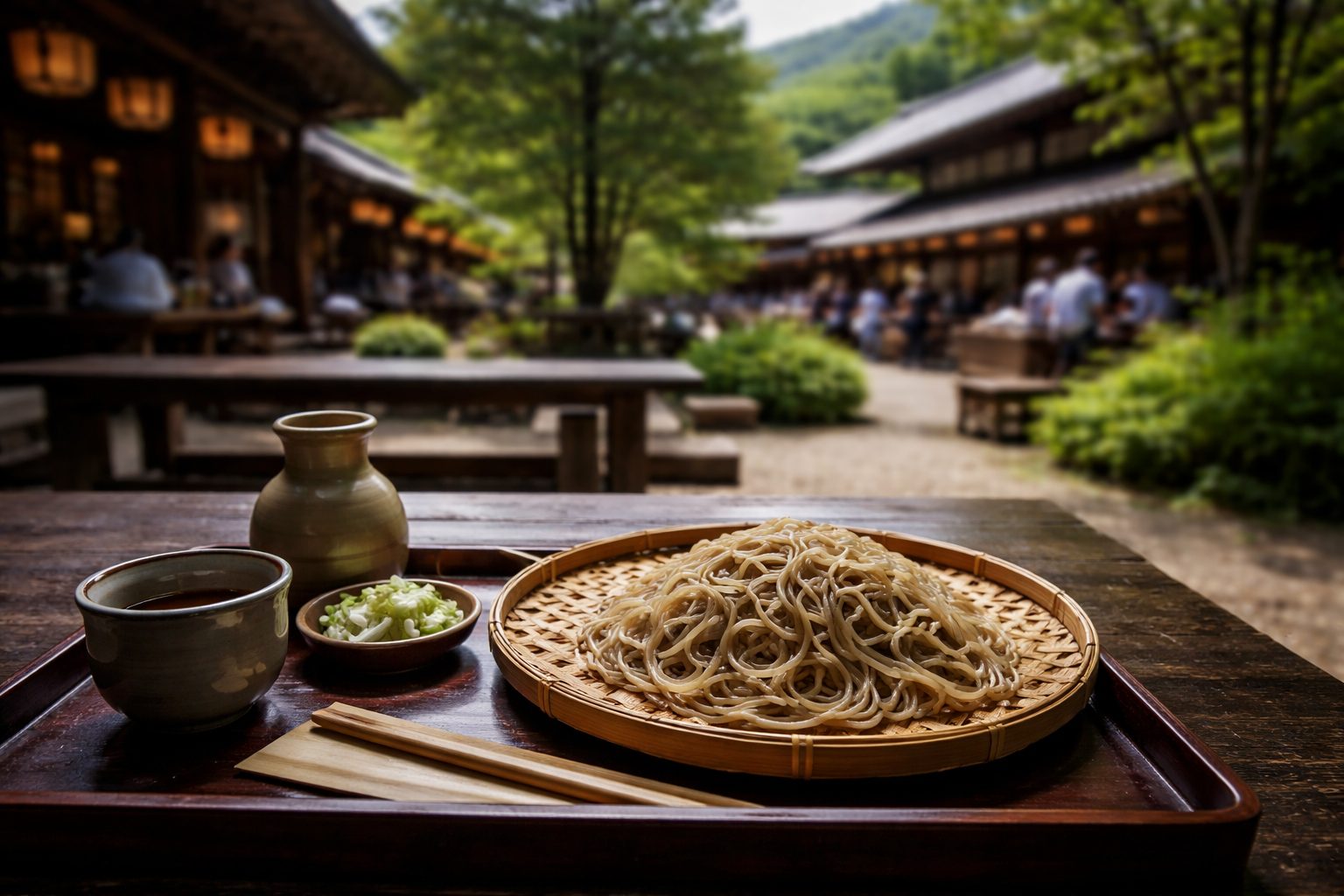
Other dishes worth seeking out:
- Oyaki: Stuffed dumplings made from buckwheat or wheat dough, filled with vegetables, beans, or pickled greens. A traditional mountain snack that you’ll find at roadside stalls and temple shops.
- Shinshu miso: Nagano produces some of Japan’s finest miso, with a distinctive light, slightly sweet flavor. It shows up in soups, glazes, and sauces across the prefecture.
- Sanzoku-yaki: A chicken dish, marinated and fried, that’s become a regional specialty. Heartier than typical Japanese chicken preparations.
- Horse meat (basashi): This one isn’t for everyone, but it’s a genuine Nagano specialty. Usually served raw as sashimi. Worth trying at least once if you’re open to it.
- Walnuts and wild vegetables: The mountain forests supply a variety of foraged ingredients that appear in local cooking through the seasons.
Recommended Restaurants and Cafes
In Nagano city, the area around Zenko-ji is well-supplied with traditional soba restaurants. Fujiki-an and Kanda Chaya are longtime favorites that do the basics exceptionally well.
In Matsumoto, the streets around the castle have a good selection of craft cafes and local sake shops. Marumo, a traditional sake brewery that also serves light food, is worth visiting both for the product and the historic building.
Nozawa Onsen village has a small main street with a handful of izakayas that serve local mountain vegetables and sake. The atmosphere in winter, after a day on the slopes, is exactly what you’d hope for.
Festivals and Events in Nagano Japan
The prefecture’s calendar is full of events that reflect local traditions. Some are deeply serious, others are genuinely fun in a more casual way.
The Nagano Snow Festival
Nagano city hosts a snow festival that draws visitors from across Japan during winter, typically in late January or early February. The festival features snow and ice sculptures, illuminations, and performances in the open plazas of the city. It’s more understated than the famous Sapporo Snow Festival, but that’s actually part of its appeal. It feels like a local celebration that’s opened up to visitors rather than a fully commercialized event.
The Nozawa Onsen Dosojin Fire Festival, held on January 15th, is one of the most intense traditional events in the region. Young men from the village defend a towering wooden structure against attackers carrying torches. The ceremony commemorates a Shinto deity and has been performed continuously for centuries. It’s loud, chaotic, and genuinely memorable.
The Matsumoto Castle Cherry Blossom Festival
Matsumoto Castle in spring is one of the most photographed scenes in all of Japan. When the cherry blossoms reach full bloom, usually in late April, the castle grounds hold a dedicated festival with performances, food stalls, and illuminated evening viewings.
The timing of cherry blossoms varies year to year, so it’s worth checking forecasts if you’re planning specifically around the flowers. The Matsumoto City Tourism Office publishes updates as the season approaches. Even outside the festival itself, the castle in bloom is worth going out of your way to see.
Other notable events include:
- Matsumoto Bon Bon Dance: A summer street dance festival held in August, where thousands of participants dance through the city center.
- Zenko-ji Gokaicho: The temple’s major exhibition, held once every seven years. The next occurrence is something to plan around if the timing aligns with your travel.
Accommodation Options in Nagano Japan
The lodging scene here covers a wide range, from high-end ryokan to affordable guesthouses and ski lodges.
Hotels and Ryokan in Nagano
A ryokan stay is genuinely one of the better ways to experience nagano japan. These traditional inns typically include a multi-course kaiseki dinner, a communal onsen, and a futon-on-tatami sleeping arrangement. The experience is slower and more immersive than a standard hotel.
Some ryokan to consider:
| Ryokan | Location | Notable Feature |
|---|---|---|
| Shibu Grand Hotel | Yamanouchi | Outdoor onsen with mountain view |
| Kanaguya | Shibu Onsen | Historic building, old-school atmosphere |
| Omachi Onsen Yuyado | Omachi | Good base for Alpine Route visits |
| Tsuruya | Nozawa Onsen | Ski-in convenience, traditional style |
In Nagano city itself, the Hotel Kokusai 21 near Zenko-ji has been a reliable mid-range option for decades. It’s nothing glamorous, but it’s well-located and consistently managed.
Budget-Friendly Stays
Budget travelers aren’t left out. Hakuba and Nozawa Onsen both have hostels and guesthouses that cater to the ski crowd, and many operate year-round. Prices drop significantly outside peak ski season.
Guesthouses like Echoland Pension in Hakuba offer comfortable dorm or private rooms, often with kitchen access, at prices that make a longer stay feasible. In Matsumoto, the backpacker scene is small but functional, with a handful of well-reviewed guesthouses in the old town area.
Camping is another option from late spring through early autumn. The national park areas around Kamikochi have designated sites, and several campgrounds operate in the surrounding highlands.
Transportation and Getting Around Nagano Japan
Getting to Nagano city from Tokyo is straightforward. The Hokuriku Shinkansen connects Tokyo Station to Nagano Station in roughly 80 to 90 minutes. It’s one of the most efficient bullet train routes in the country.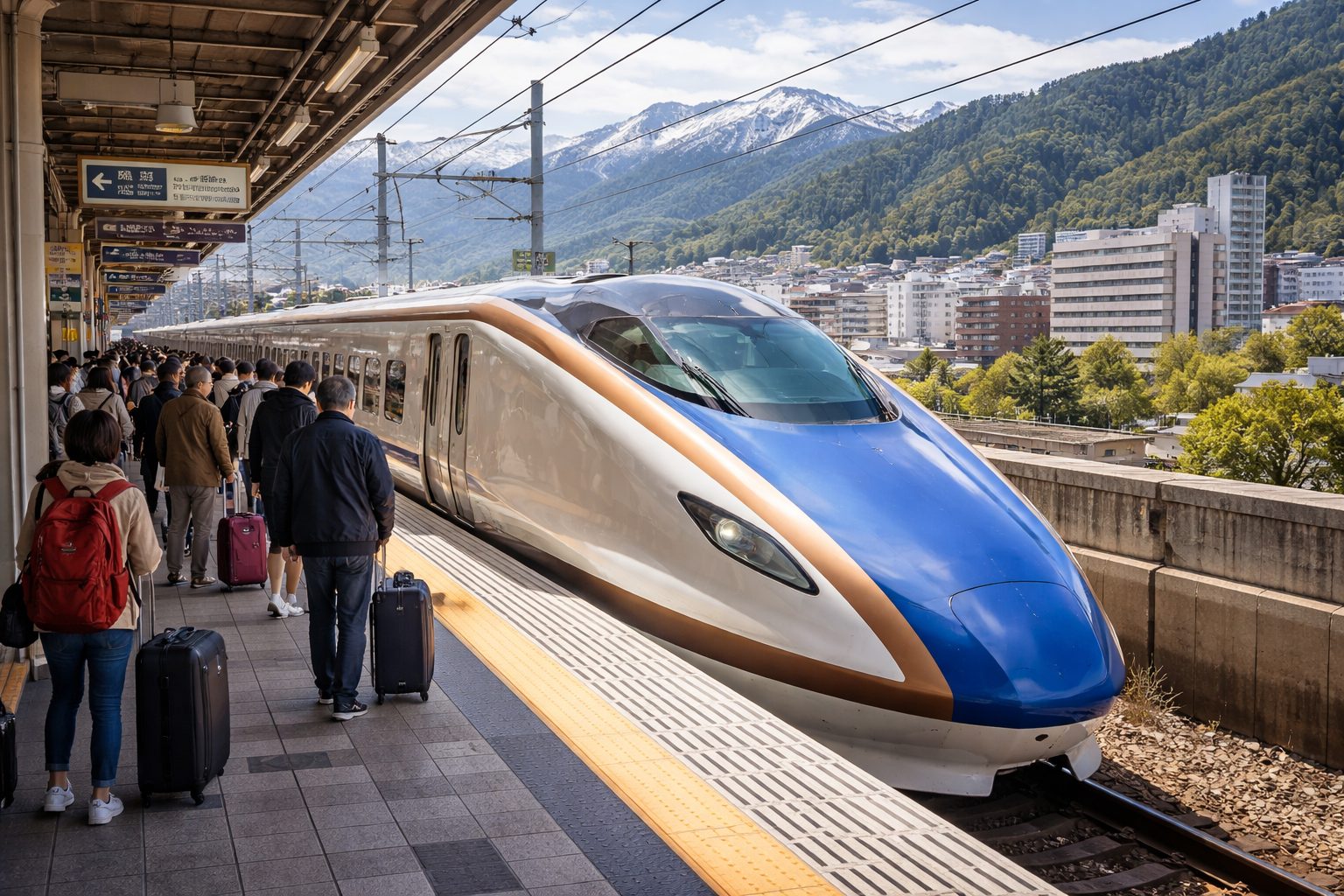
From Nagano Station, the prefecture opens up in a few directions:
- Local trains and buses connect to Matsumoto, Shibu Onsen, and the Jigokudani area.
- Highway buses are the main link to Hakuba Valley and some of the more remote areas.
- Rental cars are the most flexible option, especially if you want to cover multiple areas or travel outside the main transit corridors.
A few practical transport notes:
- The IC card system (Suica or ICOCA) works on local trains and buses in most parts of the prefecture.
- Some rural bus routes are infrequent, especially outside tourist season. Check schedules carefully before planning your day.
- Winter driving in the mountains requires snow tires or chains. Rental companies provide these, but confirm in advance.
- The Matsumoto to Kamikochi route is served by a dedicated bus and tram service. Private vehicles are not permitted in Kamikochi itself.
- Taxis are available in the main towns but expensive. Use them for short gaps when buses don’t line up.
Day Trips from Nagano: Exploring Nearby Areas
The geographic position of nagano japan makes it a natural base for exploring some of Japan’s most interesting regional destinations.
Takayama: A Charming Mountain Town
Takayama sits in Gifu Prefecture, across the mountains from Nagano, and can be reached by highway bus from Matsumoto in about two and a half hours. The town has preserved its old merchant district almost intact. The narrow streets lined with sake breweries, craft shops, and machiya townhouses feel genuine rather than restored.
The Hida Folk Village on the edge of town is an open-air museum of traditional farmhouses relocated from the surrounding mountains. It’s particularly atmospheric in winter with snow on the roofs.
Takayama’s spring and autumn festivals are among the most celebrated in Japan, featuring ornate wooden floats and performances. They draw large crowds, so accommodation should be booked well in advance if you’re visiting during those periods.
Kamikochi: Nature’s Paradise
Kamikochi is technically within Nagano Prefecture but warrants its own mention as a day trip destination from Nagano city or Matsumoto. The valley sits at around 1,500 meters altitude and is one of Japan’s most scenic natural areas.
The landscape centers on the Azusa River, which runs clear and cold through a wide valley floor surrounded by peaks. Walking the main trail from Kappa Bridge to Taisho Pond takes a few hours at an easy pace. The reflections of the mountains in the still water of Taisho Pond are genuinely impressive, not just in photographs.
Kamikochi is open from late April through mid-November. Outside those months, the valley closes entirely. Early season brings snowfields on the surrounding peaks; late season brings deep red and gold foliage. Either is worth the visit.
Tips for Visiting Nagano Japan
After several trips to the region, a few practical lessons come up repeatedly:
- Book accommodation early for peak periods. The ski season, cherry blossom season, and autumn foliage period all sell out well in advance, especially in smaller towns.
- Learn a few words of Japanese. English is less widely spoken here than in Tokyo or Kyoto. Even basic greetings and please/thank you go a long way.
- Cash is still important. Many rural restaurants, smaller ryokan, and temple shops don’t accept cards. Keep enough yen on hand.
- Layer your clothing. Temperature swings between valley towns and mountain elevations can be dramatic, sometimes 10 degrees Celsius or more.
- Respect onsen etiquette. Tattoos are prohibited in many public baths. Shower before entering. Keep noise down. These aren’t suggestions; they’re expectations.
- Buy a Nagano tourism pass if you’re staying for several days. Some passes cover trains, buses, and museum entry at a meaningful discount.
- Allow time to simply wander. The most memorable moments in nagano japan often come from walking without a fixed plan, finding a small shrine, a roadside soba stall, or a mountain viewpoint that wasn’t in any guidebook.
Frequently Asked Questions about Nagano Japan
What is the best time to visit Nagano?
It depends on what you’re after. Winter from December to February is best for skiing and onsen experiences. Late April to early May offers cherry blossoms. Summer from July to August is ideal for hiking. October into early November brings some of the most striking foliage you’ll find anywhere in Japan.
How do I get to Nagano from Tokyo?
The Hokuriku Shinkansen from Tokyo Station reaches Nagano Station in about 80 to 90 minutes. It’s the most efficient option. Highway buses are cheaper and take around three to four hours, but the speed difference makes the train worth the extra cost for most travelers.
What are the must-see attractions in Nagano?
Zenko-ji Temple, Matsumoto Castle, and Jigokudani Monkey Park are the ones most visitors prioritize. If you’re there in summer, add Kamikochi to that list. In winter, a day or more at one of the Hakuba ski resorts rounds out the experience well.