There’s something deeply compelling about a great beach. It’s not just the water or the sand. It’s the combination of light, landscape, and that specific feeling of being somewhere genuinely extraordinary. I’ve spent years traveling to coastlines across five continents, and I can tell you that the 7 most beautiful beaches in the world aren’t beautiful by accident. Each one has a particular quality, a visual signature, that sets it apart from everything else.
This guide covers those beaches in real detail. Where they are, what makes them remarkable, how to get there, and what to expect when you arrive. Whether you’re planning an actual trip or just exploring possibilities, you’ll find concrete, useful information here.
Introduction to the Most Beautiful Beaches
Beauty is subjective, but coastal beauty follows certain patterns. The beaches that consistently rank among the world’s finest share specific characteristics: water clarity, sand quality, natural surroundings, and a sense of place that photographs can’t fully capture.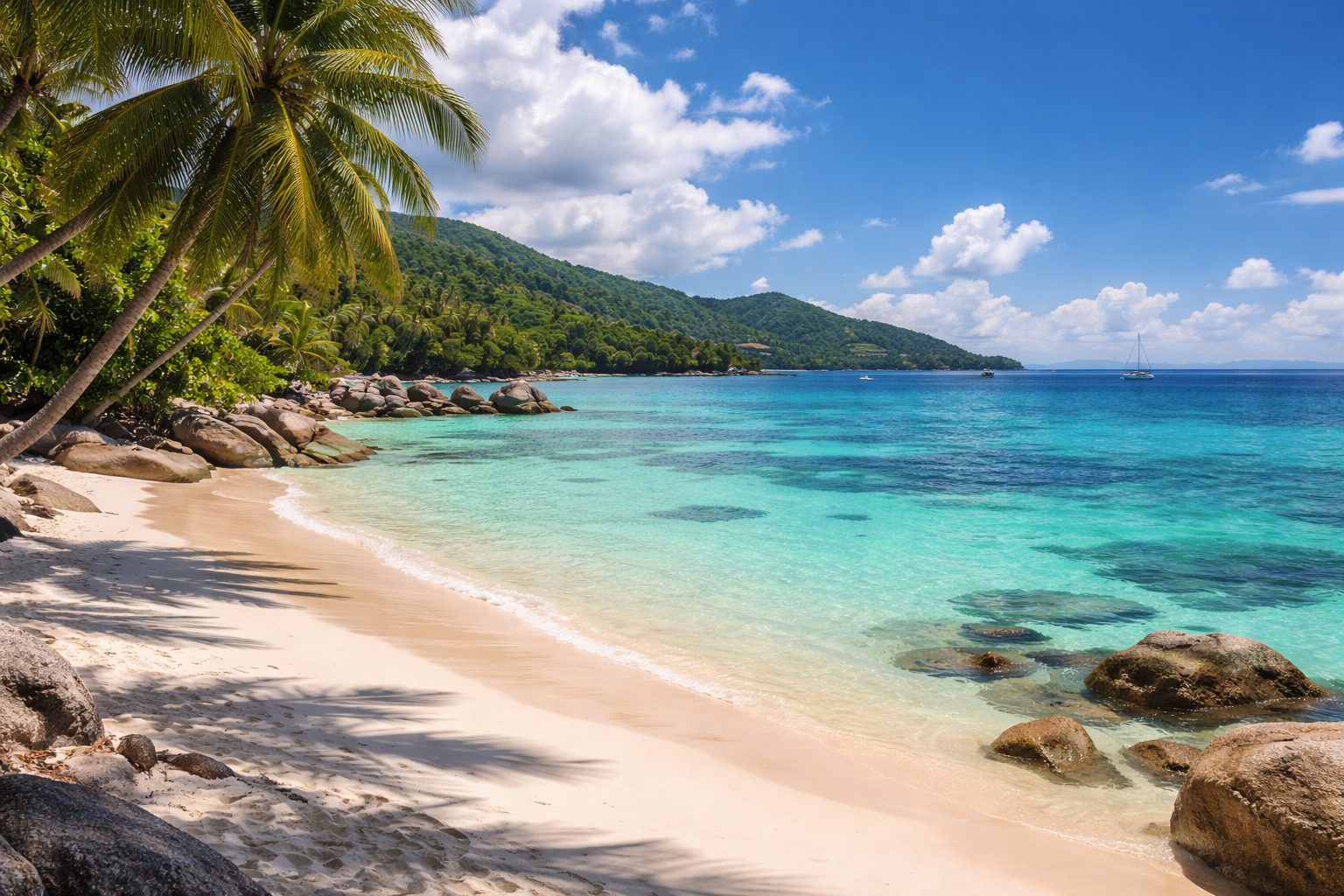
I’ve noticed that the most memorable beaches are rarely the most accessible. Several of the ones I’m covering here require significant travel effort. But that’s part of what protects them. Limited access means lower crowds, and lower crowds means the beach stays closer to its natural state.
What also strikes me is how different these beaches are from each other. We’re talking about locations across Australia, the Indian Ocean, the Mediterranean, the Caribbean, and Southeast Asia. Same category, radically different experiences. That diversity is what makes ranking or comparing them nearly impossible without context.
Criteria for Selecting the Most Beautiful Beaches
I used specific criteria to build this list, not just aesthetic impressions. Here’s what I weighted most heavily:
- Water quality: Color, clarity, and consistency. Turquoise bays formed by coral reef systems score higher than murky coastal waters.
- Sand quality: Texture, color, and composition. Pure silica sand, pink coral sand, and powdery white sand all qualify, but they need to be genuinely distinctive.
- Natural setting: The surrounding landscape. Mountains, cliffs, granite boulders, jungle canopy, all of these amplify a beach’s visual impact.
- Preservation: How intact is the environment? Overcrowded, overdeveloped coastlines lose their character fast.
- Accessibility vs. exclusivity balance: A beach has to be reachable by regular travelers, but not so easy to reach that it gets destroyed by tourism.
I deliberately left off some famous names that no longer justify the hype. Certain Caribbean beaches that appear on every “best of” list have been built up so heavily that the actual beach is almost beside the point. The ones I’ve included hold up.
Overview of the 7 Most Beautiful Beaches in the World
1. Whitehaven Beach, Australia
Whitehaven Beach is located on Whitsunday Island in Queensland, Australia. It stretches about seven kilometers along the island’s eastern side and is widely considered the finest silica beach in the Southern Hemisphere.
What separates Whitehaven from other white sand beaches is the specific quality of its sand. The silica content is around 98%, which means the sand doesn’t retain heat the way most beaches do. It stays cool even in direct sun, and it’s so fine that it squeaks when you walk on it. The color shifts from white to cream to soft grey depending on the light and the tide.
The water here runs in gradients from pale aqua in the shallows to deep cobalt offshore. At low tide, the exposed sandbanks create patterns that are genuinely surreal. The Hill Inlet viewpoint at the northern end of the beach offers a panoramic view of those patterns that looks almost painted.
Getting here requires a boat or seaplane from Airlie Beach or Hamilton Island. Day trips are the most common approach, but camping on Whitsunday Island is possible with a permit. If you go in summer (December to February), be aware of jellyfish stinger season. The shoulder months of April through June and September through November are generally better.
2. Anse Source d’Argent, Seychelles
Anse Source d’Argent is on La Digue, the third largest inhabited island in the Seychelles. It’s the kind of place that looks like someone designed it for maximum visual impact, but it’s entirely natural.
The defining feature here is the granite. Ancient, deeply weathered boulders the color of pale rust and terracotta sit directly on the beach and in the shallows. They’re massive, some several meters tall, and they create a series of small coves rather than one continuous stretch. Each pocket of beach feels private. The sand between and around the boulders is very fine and pinkish-white.
The water is shallow and protected by a reef for much of the year, which keeps it calm and exceptionally clear. You can wade out 50 meters and still see the bottom. The reef also means snorkeling is productive close to shore.
La Digue itself is a small island where most people get around by bicycle. There’s no major resort development on this part of the coast, which is part of why it’s held up well. You get to Anse Source d’Argent by flying into Mahé, taking a ferry to La Digue, and then cycling or walking through a coconut plantation.
3. Navagio Beach, Greece
Navagio Beach, also called Shipwreck Beach, is on the island of Zakynthos in the Ionian Sea. It’s an enclosed cove surrounded on three sides by vertical limestone cliffs that rise over 100 meters. The fourth side opens to the sea.
The centerpiece of the beach is the rusting hull of the MV Panagiotis, a cargo ship that ran aground here in 1980. The wreck sits on white gravel and sand, framed by the cliffs and the intensely blue-green water. The combination of the rust-colored wreck, white rock face, and electric-blue sea creates a color palette that seems almost artificially vivid.
You can only reach Navagio by boat, which keeps visitor numbers manageable. Most people come on day trips from Zakynthos Town or the northern port of Porto Vromi. The boat ride takes 10 to 15 minutes from Porto Vromi. There’s a viewing platform at the top of the cliffs accessible by road, which gives a different perspective down into the cove.
Summer months are busy. The best times are May to early June or September, when the weather is stable, the water is warm, and the crowds are thinner. There’s no shade on the beach itself, so prepare for direct sun.
4. Seven Mile Beach, Jamaica
Seven Mile Beach is in Negril on Jamaica’s western coast. Unlike the other beaches on this list, it isn’t remote or hard to reach. It’s a classic resort beach, and that’s actually part of its value.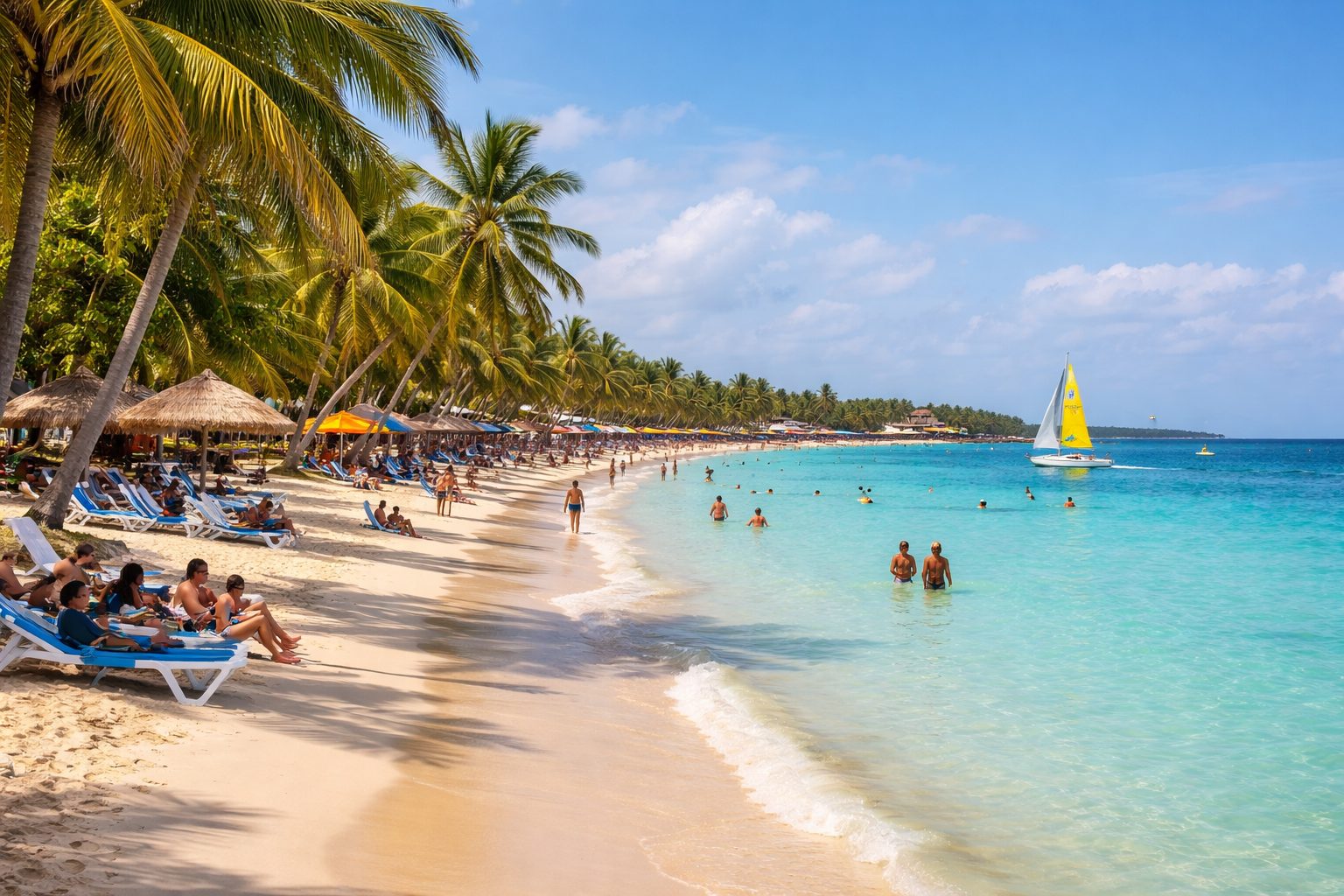
The beach runs in a straight line for roughly seven miles (the actual measurement is closer to six, but the name stuck). The sand is pale gold, soft, and deep. The Caribbean water here has the warm turquoise clarity the region is known for. Sunsets at Negril are famous for a reason. The western-facing orientation means the sky lights up every evening without obstruction.
What makes Seven Mile Beach work is its combination of liveliness and space. There are beach bars, vendors, and activity operators along the length of it, but the beach is wide enough that you can find quiet stretches if you want them. The water is calm, relatively shallow for a good distance out, and consistently warm.
This is the most accessible beach on this list. Direct flights to Montego Bay and a 90-minute drive puts you here. It’s also the most family-friendly option, with shallow water, calm conditions, and good infrastructure.
5. Pink Sands Beach, Bahamas
Pink Sands Beach is on Harbour Island, a small island off the northeast coast of Eleuthera in the Bahamas. The name is accurate. The sand really is pink, ranging from pale blush to deeper rose depending on the light and how wet the sand is.
The color comes from fragments of a small red-shelled foraminifera (a type of marine organism) mixed into the white calcium carbonate sand. The pink tones are most visible in wet sand at the water’s edge and in dry sand in shade. In bright midday sun, it reads more as cream with a warm tint. At sunrise and sunset, it looks genuinely rose-pink.
The beach itself is about five kilometers long and faces the Atlantic, which means the surf is slightly more active than a Caribbean-side beach. The waves are small but consistent, good for boogie boarding and casual swimming. The water is clear, with the typical Bahamian turquoise color that contrasts well with the pink sand.
Harbour Island is a small, low-key destination. You fly into North Eleuthera Airport and take a water taxi to the island. The town of Dunmore Town is charming and well-preserved. There’s no mass tourism here, which keeps the beach experience relatively quiet.
6. Maya Bay, Thailand
Maya Bay is on Phi Phi Leh, a small uninhabited island in southern Thailand between Phuket and Krabi. It became famous worldwide after being used as the main filming location for the 2000 movie The Beach, and that fame nearly destroyed it.
By 2018, the bay was receiving an estimated 5,000 visitors per day. The coral reef was severely damaged, and the Thai government closed it entirely for rehabilitation. It reopened in January 2022 with strict regulations: no overnight stays, limited daily visitor numbers, no anchoring in the bay, and a complete ban on bringing food.
The result is that Maya Bay has largely recovered. The water is clear again, the coral is coming back, and the beach itself, a crescent of fine white sand enclosed by steep limestone karst cliffs, looks the way it was supposed to look. The cliffs on three sides create an almost theatrical backdrop. The water shifts from pale green in the shallows to deep blue toward the bay’s opening.
You visit by joining a regulated boat tour from Phuket, Krabi, or Phi Phi Don. Tours typically run in the morning before visitor limits are reached. The best time to visit Thailand’s southern islands is November through April, during the dry season.
7. El Nido, Philippines
El Nido is a municipality on the northern tip of Palawan island in the Philippines. It’s not a single beach but rather a base for exploring one of the most extraordinary coastal environments anywhere in the world, a network of lagoons, hidden beaches, and limestone cliffs spread across a large island chain.
The most famous beaches around El Nido include the Hidden Beach (accessible only by swimming through a narrow gap in the cliff) and the beaches within the Big and Small Lagoons. The Bacuit Archipelago, which is the island group El Nido sits within, contains dozens of small beaches and coves, each with their own character.
What makes El Nido genuinely special is the scale of the landscape. The limestone karst formations rise vertically from the water, covered in vegetation. The lagoons are enclosed by these cliffs, creating sheltered pools of water in shades of green and blue that seem almost too vivid to be real. The biodiversity in the water is exceptional.
El Nido has grown significantly as a tourist destination, and some of the most popular sites get crowded. But the overall system is large enough that quieter options are always available. You fly into El Nido directly from Manila or Cebu, or you can fly into Puerto Princesa and travel north by road.
Comparison of the 7 Most Beautiful Beaches
Unique Features of Each Beach
| Beach | Country | Signature Feature | Sand Type |
|---|---|---|---|
| Whitehaven Beach | Australia | 98% silica sand, Hill Inlet swirls | Ultra-fine white silica |
| Anse Source d’Argent | Seychelles | Ancient granite boulders | Fine pinkish-white |
| Navagio Beach | Greece | Shipwreck, enclosed limestone cove | White gravel and sand |
| Seven Mile Beach | Jamaica | Long crescent, Caribbean sunset views | Pale gold |
| Pink Sands Beach | Bahamas | Rose-tinted sand from foraminifera | Pink coral sand |
| Maya Bay | Thailand | Limestone karst enclosure, reef recovery | Fine white |
| El Nido | Philippines | Lagoon network, karst formations | Variable by location |
Accessibility and Travel Tips
These beaches vary significantly in how easy they are to reach. Here’s a practical breakdown: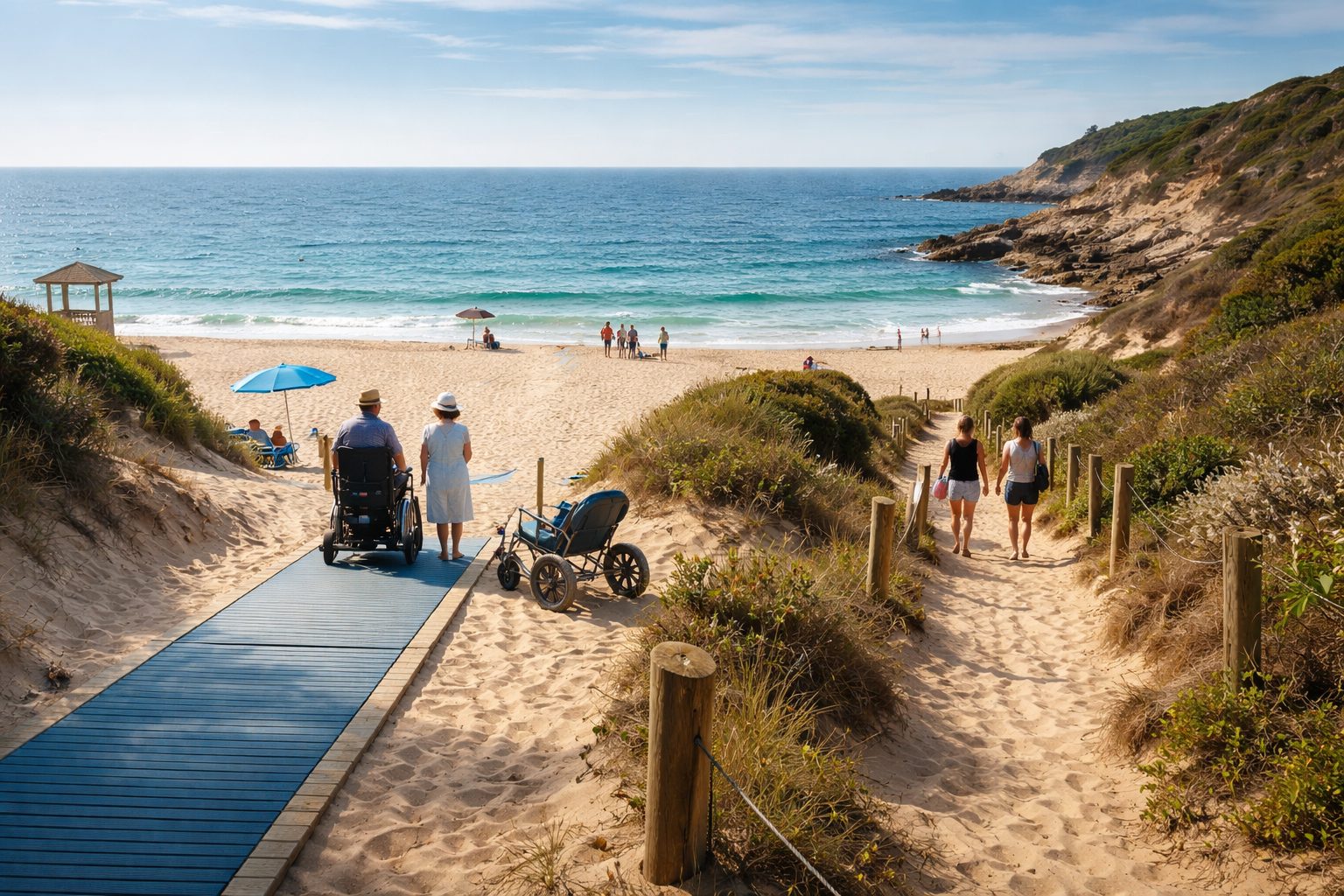
- Easiest to reach: Seven Mile Beach, Jamaica. Well-connected airport, short drive, major resort infrastructure.
- Moderate access: Whitehaven Beach (boat required), Anse Source d’Argent (three-flight connection plus ferry), Pink Sands Beach (small island with limited connections).
- More complex: Navagio Beach (boat only, rough weather can close access), Maya Bay (regulated tours, limited entry), El Nido (remote island, limited flights).
A few practical points that apply across most of these destinations:
- Book accommodation early, particularly for island destinations with limited options.
- Travel insurance that covers water activities is worth having.
- Check seasonal conditions before booking. Most of these locations have distinct wet seasons where conditions deteriorate significantly.
- For places like Maya Bay and El Nido, joining a guided tour is often more practical than trying to arrange independent access.
Best Time to Visit Each Beach
Timing matters more for some of these beaches than others.
- Whitehaven Beach: April to November avoids both cyclone season and stinger season. September and October are particularly good.
- Anse Source d’Argent: April to May and October to November. The Seychelles has two trade wind seasons, and these shoulder periods offer the calmest conditions.
- Navagio Beach: May to June and September. High summer is hot and crowded. Winter sees frequent rough seas that close boat access.
- Seven Mile Beach: December to April is the dry season and peak tourist period. May to November brings occasional tropical weather but lower prices.
- Pink Sands Beach: December to April. Hurricane season (June to November) brings unpredictable weather.
- Maya Bay: November to April, the dry season for southern Thailand.
- El Nido: November to May is the dry season for Palawan. June to October brings the southwest monsoon and regular heavy rain.
Activities to Enjoy at These Beaches
Water Sports and Adventures
Each beach offers different opportunities depending on its geography and reef conditions.
At Whitehaven, the main activity is exploring the beach and Hill Inlet by foot or kayak. The water is relatively calm and great for swimming. At Anse Source d’Argent, the shallow reef provides easy snorkeling. You don’t need equipment beyond a mask and fins.
Navagio is more about the visual experience than activities. The cove is exposed to swells in certain conditions, and the water can be rough. But on calm days, swimming in that water with the cliff backdrop is genuinely memorable.
Seven Mile Beach has the most complete activity infrastructure: paddleboarding, jet skiing, snorkeling tours, cliff jumping at Rick’s Cafe nearby. Maya Bay, post-recovery, is focused on low-impact snorkeling and swimming within the regulated zone. El Nido is probably the best destination on this list for diving, with several sites in the Bacuit Archipelago offering strong marine diversity.
Some specific activities worth noting:
- Kayaking into the lagoons at El Nido, particularly at Small Lagoon
- Snorkeling the reef at Anse Source d’Argent in calm morning conditions
- Sea kayaking around Phi Phi Leh after visiting Maya Bay
- Sunset sailing from Seven Mile Beach
Relaxation and Wellness Options
Not every beach trip needs to be activity-driven. Several of these beaches are genuinely suited to doing very little.
Anse Source d’Argent is built for it. The small coves between the granite boulders feel private and sheltered. You can spend a full day there without feeling like you need to do anything beyond sitting in the shade of a boulder and watching the water.
Pink Sands Beach has the same quality. The beach is long, the wave action is gentle enough to be soothing without being rough, and Harbour Island is quiet enough that you won’t feel rushed. The town has good small restaurants and a relaxed pace.
Seven Mile Beach, despite being more active, also works for relaxation if you position yourself correctly. The northern end toward Long Bay tends to be quieter. Several resort properties with beach access offer spa services directly on or near the beach.
Whitehaven Beach is more of an excursion than a retreat, given the day-trip format for most visitors. But the sheer calm of the environment, no development, no permanent structures, just beach and sea and sky, creates a particular kind of stillness.
Conclusion: Finding Your Perfect Beach Destination
The 7 most beautiful beaches in the world aren’t interchangeable. They suit different kinds of travelers, different kinds of trips, and different ideas about what a beach is supposed to do for you.
If you want remoteness and pristine natural conditions, Whitehaven Beach and Anse Source d’Argent are in a category of their own. If you want active exploration and extraordinary underwater environments, El Nido delivers better than anything else on this list. If you want accessibility combined with genuine beauty, Seven Mile Beach is the practical choice. If you want a beach that feels cinematic, Navagio and Maya Bay are the ones.
What I’d say to anyone planning around this list: pick based on what you actually want from the trip, not based on which beach photographs best. The ones that have stayed with me longest weren’t always the most visually dramatic. They were the ones where I felt most present. That’s harder to plan for, but it’s worth thinking about before you book.
Frequently Asked Questions (FAQs)
What Makes a Beach Beautiful?
A combination of water clarity, sand quality, and natural surroundings. Beaches that score highest on all three tend to be the ones with strong coastal ecosystems like coral reefs or protected coves that limit development and preserve the environment.
How to Choose the Best Beach for Your Vacation?
Match the beach to your priorities. If you want easy access and amenities, Seven Mile Beach makes more sense than El Nido. If you want a remote, visually extraordinary experience, the effort of reaching Whitehaven Beach or Anse Source d’Argent pays off.
Are These Beaches Family-Friendly?
Most are, with some caveats. Seven Mile Beach is the most straightforwardly family-friendly. Whitehaven Beach and Pink Sands Beach also work well for families. Navagio Beach requires a boat trip and has no shade, which limits it for very young children.
What Should I Pack for a Beach Trip?
Reef-safe sunscreen, a good rash guard for extended time in the water, a dry bag for your valuables, quality snorkel gear if you own it (rental equipment quality varies a lot), and a reusable water bottle. For more remote destinations, add a first aid kit and any medications you might need.
How to Get to These Beautiful Beaches?
Each requires a different approach. Whitehaven Beach needs a boat from Airlie Beach or Hamilton Island. Anse Source d’Argent involves flying into Mahé and taking a ferry to La Digue. Navagio needs a boat from Zakynthos. Seven Mile Beach is the simplest, reached by flying into Montego Bay. Pink Sands Beach requires flying into North Eleuthera and taking a water taxi. Maya Bay is accessible via regulated tour boats from Phuket or Krabi. El Nido has direct flights from Manila and Cebu.