Japan is one of those rare countries that genuinely rewards you no matter when you show up. But let’s be honest: timing matters a lot here. If you want cherry blossoms, you need to nail a specific two-week window. If you’re chasing snow festivals, you’re looking at early February. And if you’d rather skip the crowds and save some money, there are smart windows for that too. I’ve spent time in Japan across multiple seasons, and knowing the best time to visit Japan has completely changed how I experience the country each trip. This guide breaks down everything by season, event, activity, and budget so you can plan with real confidence.
Overview of Japan’s Climate and Seasons
Japan stretches across a surprisingly wide range of latitudes, from the subtropical islands of Okinawa in the south to the subarctic terrain of Hokkaido in the north. That range means the country doesn’t follow a single weather pattern. What’s warm and comfortable in Kyoto in March might still be frozen solid in Sapporo.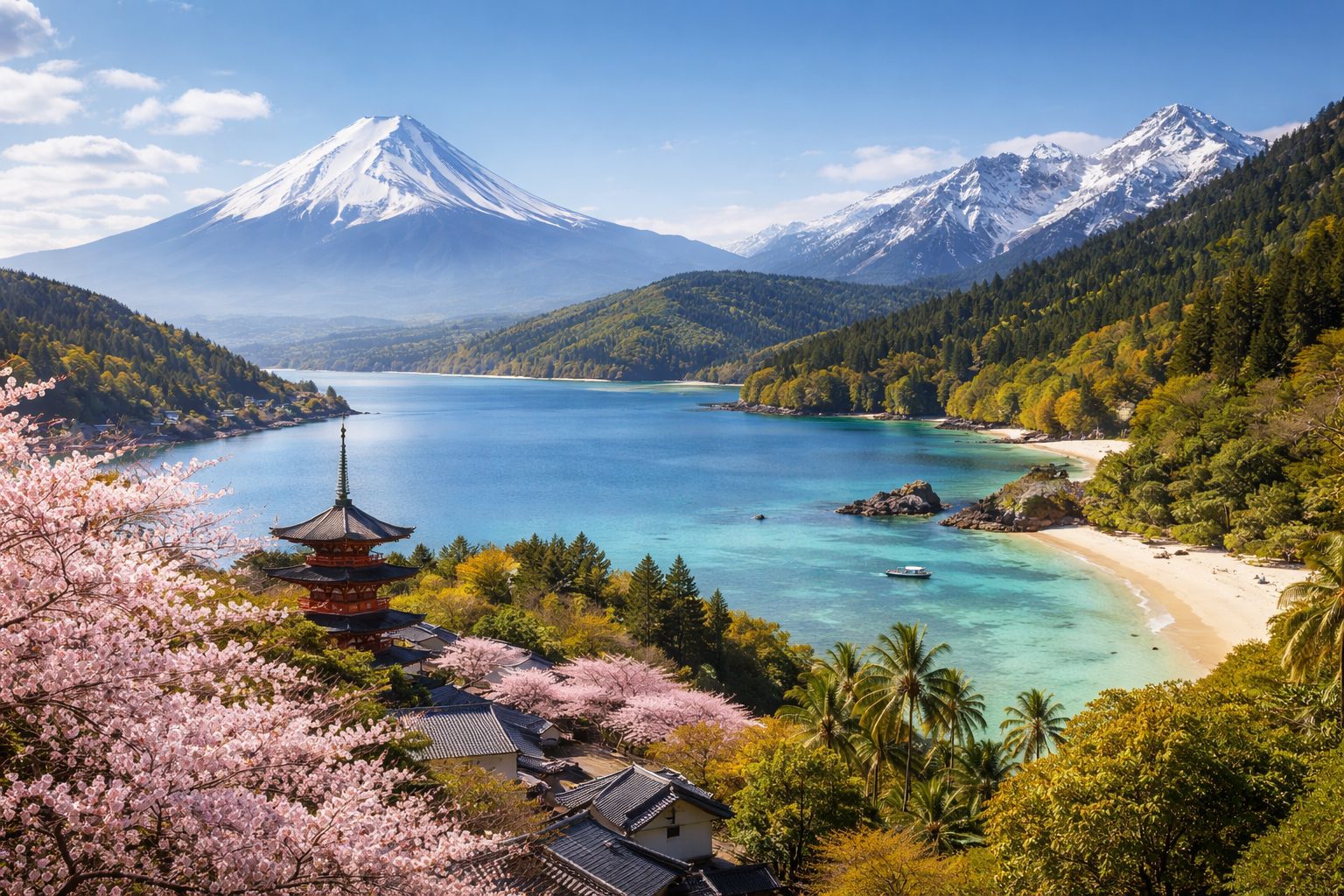
Understanding Japan’s Four Distinct Seasons
Japan’s four seasons are genuinely distinct, and locals take them seriously. There’s a cultural reverence for seasonal change here that influences food, clothing, festivals, and even the way people talk about the weather.
- Spring (March to May): Mild temperatures, blooming flowers, one of the busiest travel periods of the year.
- Summer (June to August): Hot and humid on the main islands, with a rainy season in June and July. Okinawa’s summer starts earlier.
- Autumn (September to November): Often considered the most beautiful season. Clear skies, comfortable temperatures, vivid foliage.
- Winter (December to February): Cold and dry in most of Honshu. Heavy snowfall in the Japan Sea coastal regions and Hokkaido. Tokyo winters are actually quite mild.
Each season has a distinct personality, and choosing the right one depends on what you’re after.
Regional Climate Variations Across Japan
This is where a lot of travelers go wrong. Japan is not one uniform climate zone. The Japan Sea coast (think Kanazawa, Niigata) gets dumped on with heavy snow in winter, while the Pacific coast (Tokyo, Kyoto, Osaka) is mostly dry and sunny in the same months. Hokkaido sees long, harsh winters and relatively cool summers. Okinawa sits in a subtropical zone with warm winters and hot, typhoon-prone summers.
A few key regional points:
- Hokkaido: best avoided from December to March unless you’re going specifically for skiing or the Sapporo Snow Festival.
- Okinawa: excellent from November to April, but typhoon risk runs high from July through September.
- Tokyo and Kyoto: comfortable spring and autumn, oppressively humid in July and August.
- Japan Sea coast: dramatic in winter but travel can be disrupted by snowfall.
Knowing where in Japan you’re going shapes the answer to “when should I go” more than almost anything else.
Best Time to Visit Japan: Seasonal Breakdown
Let me walk through each season plainly, with the real pros and cons. No sugarcoating.
Spring (March to May)
Spring is the most popular time to visit Japan, and the cherry blossoms are the obvious reason. Sakura season typically runs from late March through mid-April, starting in Okinawa in January and moving northward. In Tokyo, peak bloom usually lands around late March to early April. In Kyoto, it’s often a few days behind. In Hirosaki (Aomori), it can be late April to early May.
The weather in spring is genuinely lovely. Temperatures sit comfortably between 10°C and 20°C across most of Honshu. You don’t need heavy coats, and the light is beautiful for photos.
But there are real downsides:
- Golden Week (late April to early May) is one of Japan’s biggest domestic holiday periods. Trains, hotels, and popular sites are packed.
- Accommodation prices spike significantly during cherry blossom season and Golden Week.
- Popular spots like Arashiyama and Philosopher’s Path in Kyoto can feel overwhelming on peak days.
If you can visit in early April and avoid Golden Week, spring is arguably the best time to visit Japan for first-timers.
Summer (June to August)
Summer in Japan gets a bad reputation, and some of it is deserved. The tsuyu (rainy season) runs roughly from early June to mid-July across most of Honshu. It’s not non-stop rain, but expect grey skies, humidity, and regular afternoon showers.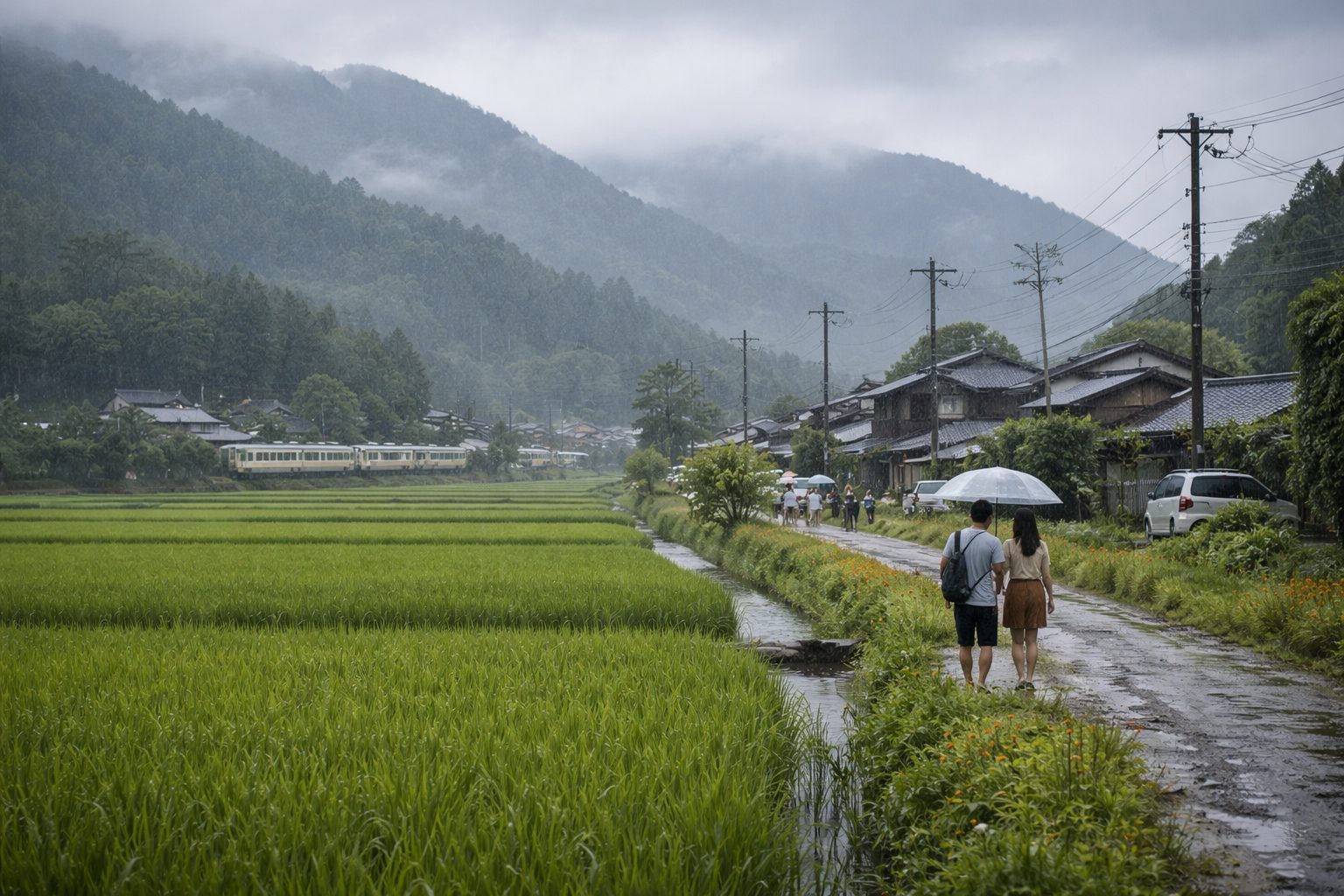
Once the rainy season clears, July and August bring intense heat. Tokyo and Osaka frequently hit 35°C with brutal humidity. That said, summer has its own appeal:
- Massive fireworks festivals (hanabi taikai) happen across the country from July through August.
- Obon season in mid-August brings beautiful lantern festivals and Bon Odori dances.
- Mountain hiking season opens up fully in July and August, with Mt. Fuji officially open from early July to early September.
- Summer festivals are loud, colorful, and deeply local.
Hokkaido is a smart summer escape. Sapporo and the Furano lavender fields are genuinely pleasant in July and August when the rest of the country is sweltering.
Autumn (September to November)
Autumn is my personal favorite. The koyo (autumn foliage) season typically runs from October through November, moving from north to south as temperatures drop. Hokkaido peaks in early October. Nikko and the Japanese Alps peak in mid to late October. Kyoto usually hits peak color in mid to late November.
Temperatures are comfortable, ranging from about 10°C to 22°C across most of Honshu in October. The skies are clear, the food is excellent (matsutake mushrooms, chestnuts, new sake), and the light on those red maple trees is the kind of thing that makes you want to stay forever.
Downsides:
- Autumn is nearly as crowded as spring in popular spots.
- Prices aren’t as extreme as cherry blossom season, but they’re still elevated.
- Late September can still bring typhoons, particularly in southern regions.
Early November in Kyoto is especially beautiful. It’s one of those experiences that’s genuinely hard to describe without sounding hyperbolic, so I’ll just say: go if you can.
Winter (December to February)
Winter is criminally underrated by most Western tourists. Yes, it’s cold. But Tokyo in December is perfectly walkable with a good coat, crowds at major temples thin out dramatically, and prices for flights and hotels drop noticeably.
The real highlights of winter:
- Sapporo Snow Festival (early February): one of Japan’s most famous winter events, with enormous snow sculptures in Odori Park.
- Skiing and snowboarding: Hokkaido has world-class powder, and Nagano and Niigata also offer excellent resorts.
- Onsen season: soaking in an outdoor hot spring while snow falls around you is one of Japan’s great pleasures.
- New Year (Hatsumode): visiting a shrine on January 1st is a deeply traditional experience, though it does draw large local crowds.
Christmas in Japan is surprisingly festive, largely as a commercial event rather than a religious one. The illuminations in Tokyo, Osaka, and Kobe are genuinely worth seeing.
Popular Events and Festivals Throughout the Year
Japan’s festival calendar is relentless in the best way. There’s always something happening somewhere.
Cherry Blossom Festivals in Spring
The hanami (flower viewing) tradition is central to Japanese culture. Parks fill with picnic blankets, convenience stores stock sakura-flavored everything, and the whole country pauses to acknowledge the beauty of impermanence. Major hanami spots include:
- Ueno Park, Tokyo
- Maruyama Park, Kyoto
- Hirosaki Castle Park, Aomori
- Philosopher’s Path, Kyoto
- Chidorigafuchi, Tokyo
The bloom window is short, usually one to two weeks before petals fall. Tracking the sakura forecast from the Japan Meteorological Corporation (or various dedicated apps) is genuinely useful for timing.
Summer Fireworks Festivals
Japan’s fireworks festivals are a different scale than most of what you’ll see elsewhere. These aren’t small-town events. The Sumida River Fireworks in Tokyo and the Nagaoka Fireworks in Niigata draw hundreds of thousands of spectators. The Tenjin Matsuri in Osaka in late July is one of Japan’s three great festivals.
Key summer festival dates worth noting:
- Gion Matsuri, Kyoto: July, with the grand procession on July 17th
- Sumida River Fireworks: late July
- Awa Odori, Tokushima: mid-August
- Obon Lantern Festivals: mid-August, varies by region
- Nagaoka Fireworks: early August
Book accommodation months in advance for these events. Seriously.
Autumn Foliage Events
Many temples and gardens in Kyoto, Nara, and Nikko hold special extended evening illuminations during peak koyo season. Tofuku-ji and Eikan-do in Kyoto are particularly famous for their maple displays. Nikko’s Toshogu Shrine area is stunning in October. These evening events are worth the extra planning.
Winter Snow Festivals
The Sapporo Snow Festival in early February is the flagship event, but there are others worth knowing:
- Sounkyo Ice Waterfall Festival, Hokkaido: January through March
- Yokote Kamakura Festival, Akita: mid-February (snow igloos lit from inside)
- Shirakawa-go, Gifu: winter light-up events when the thatched-roof farmhouses are buried in snow
Shirakawa-go in winter is one of the most photographed scenes in Japan for good reason.
Best Time for Specific Activities
Best Time for Sightseeing and Cultural Experiences
For temples, shrines, and historic districts, spring and autumn are the clear winners. The crowds are real but the conditions are unbeatable. If you want a more contemplative experience at Kyoto’s famous sites, consider going early morning (before 8am) in any season, or visiting in January or February when tourist numbers drop sharply.
Best Time for Outdoor Adventures
- Mt. Fuji climbing: July to early September (the official season)
- Hiking the Japanese Alps: July through September
- Cycling: spring and autumn, particularly the Shimanami Kaido in April or October
- Surfing: autumn along the Pacific coast, particularly Shonan and Chiba
- Skiing and snowboarding: December through March in Hokkaido, Nagano, Niigata
Hokkaido’s powder snow is genuinely exceptional. The Niseko and Furano resorts regularly get some of the best snow conditions in Asia.
Best Time for Food and Culinary Tours
Japan’s food culture follows the seasons closely. Each time of year offers something distinct:
- Spring: fresh bamboo shoots, wild mountain vegetables (sansai), strawberries
- Summer: unagi (eel, traditionally eaten for stamina in heat), cold noodles, kakigori (shaved ice)
- Autumn: matsutake mushrooms, new rice, sanma (Pacific saury), persimmons, new sake
- Winter: hot pot (nabe), fugu (blowfish, in season), oysters, warming ramen
If food is your primary motivation, autumn offers the most variety and the most interesting seasonal menu rotations at restaurants.
Best Time for Shopping and Entertainment
Tokyo is a year-round shopping destination, but a few periods are worth targeting specifically:
- End-of-year sales: late December sees department stores running clearance events.
- New Year fukubukuro (lucky bags): January 1st-2nd, major stores sell sealed “mystery bags” filled with discounted items. Lines form before stores open.
- Summer clearance sales: July and August.
For entertainment, Tokyo, Osaka, and Kyoto always have something on. But if you’re interested in traditional performing arts like Kabuki, the Kabuki-za in Tokyo runs regular programs throughout the year except August.
Comparison of Off-Peak and Peak Tourist Seasons
| Season | Peak or Off-Peak | Crowd Level | Price Level | Weather |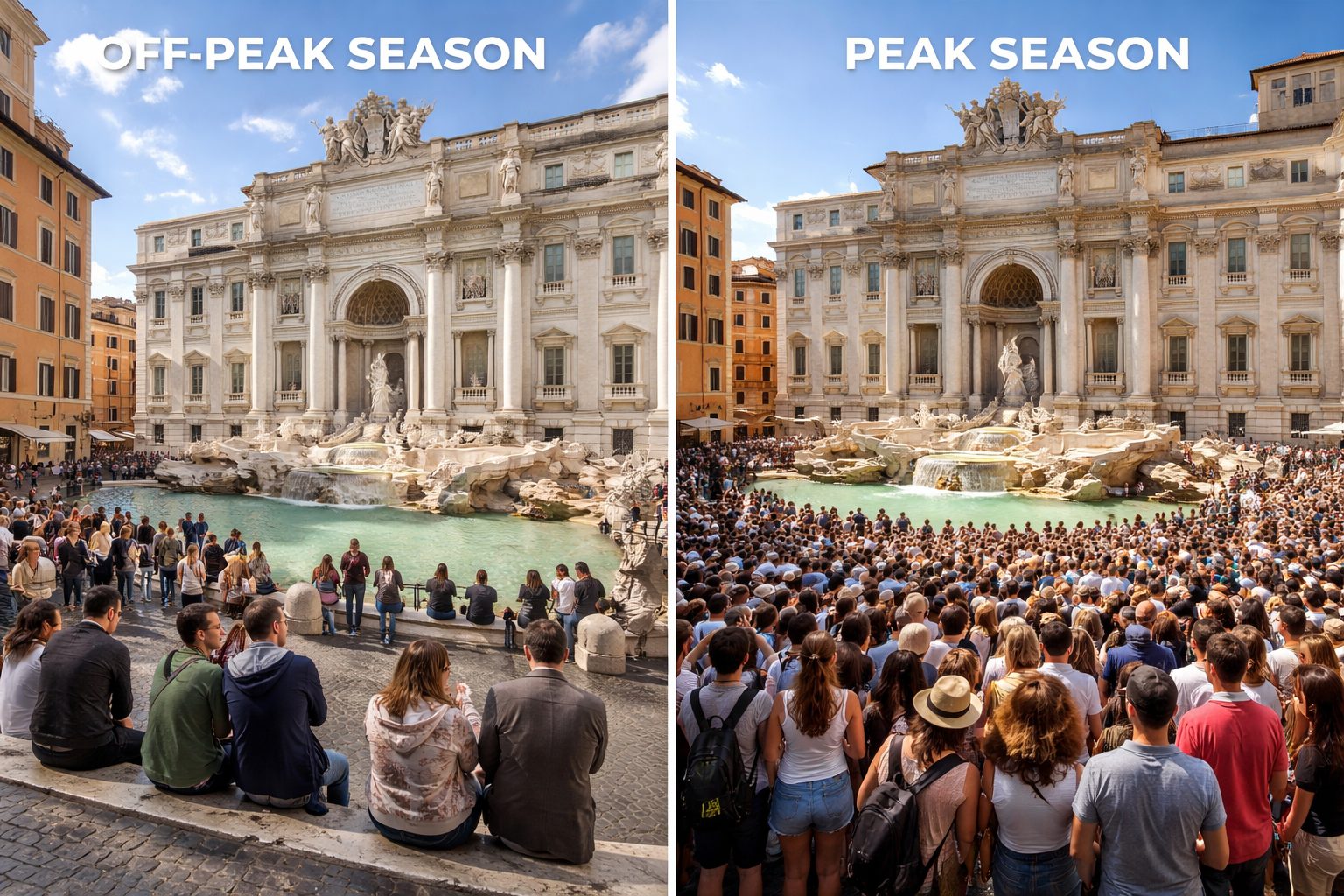
|—|—|—|—|—|
| Late March to Early April | Peak | Very High | Very High | Excellent |
| Golden Week (late April to early May) | Peak | Extreme | Very High | Good |
| June to mid-July | Off-Peak | Low | Low | Rainy/Humid |
| Mid-July to August | Mid-Peak | High | Moderate-High | Very Hot |
| October to November | Peak | High | High | Excellent |
| December (ex. Christmas) | Off-Peak | Low | Low | Cold, Clear |
| January to February | Off-Peak | Low | Low | Cold |
Benefits of Visiting During Off-Peak Seasons
I’ve visited Japan in January and in late June, and both trips had advantages that surprised me. In January, I walked through Fushimi Inari’s famous torii gate path in near-total solitude at 9am. That simply doesn’t happen in April.
Key benefits of off-peak travel:
- Significantly lower prices on flights and accommodation, sometimes 40-60% less than peak periods
- Shorter queues at popular sites
- More authentic interaction with locals, less tourist infrastructure noise
- Easier restaurant reservations at sought-after spots
- Hotel upgrades are more common when properties aren’t fully booked
The rainy season (tsuyu) in June is undervalued. Japan’s hydrangeas are peak in June, temples are quiet, and the misty atmosphere has a quality that’s genuinely beautiful.
Drawbacks of Visiting During Peak Seasons
Peak season isn’t bad, it’s just different. You need to plan more carefully and accept certain realities.
- Popular sites require booking weeks or months in advance
- Shinkansen seats sell out; reservation fees add up
- Restaurant queues at well-known spots can run one to two hours
- The cost of accommodation in Kyoto during cherry blossom season is genuinely shocking
- Some viewpoints and parks feel more like concert crowds than peaceful natural spaces
That said, the energy of Japan during cherry blossom season or autumn foliage is hard to replicate. It’s a collective experience, and there’s something to be said for being part of it.
Practical Tips for Planning Your Trip
How to Choose the Right Time Based on Your Interests
Rather than prescribing a single “best” time, here’s a framework:
- First-time traveler: Mid-October to early November, or early April (avoiding Golden Week). Both offer ideal weather and the most iconic visual experiences.
- Budget traveler: Mid-January to late February, or early June (before rainy season peaks). Prices are lowest, crowds are thin.
- Outdoor adventurer: July to August for hiking and climbing. December to March for skiing.
- Culture and festival focus: Late July for Gion Matsuri, or Golden Week if you want to see Japan in full domestic-holiday mode.
- Food-focused traveler: October and November, when seasonal ingredients are at their peak.
There’s no universally wrong time to go. But matching your interests to the season makes a meaningful difference.
Booking Flights and Accommodations: Timing Tips
A few practical notes from experience:
- Book cherry blossom season trips at least three to four months in advance, especially for Kyoto accommodation.
- Golden Week is best booked six months ahead if you want decent options in major cities.
- Off-peak travel (January, June) can often be booked two to four weeks out without issues.
- The IC card (Suica or Pasmo) is essential for navigating transit and worth loading before you leave home if your card supports it.
- Shinkansen reservations can be made up to one month in advance. On busy travel days like Golden Week, reserve early.
For flights, the sweet spot for booking international tickets to Japan tends to be two to four months before departure for the best combination of price and availability.
Weather Considerations: What to Expect
A few things that catch travelers off guard:
- Japanese summers are more humid than most visitors expect. Even people from hot countries are surprised by how draining Tokyo in August feels.
- Typhoons (September to October) can disrupt travel plans significantly, particularly in southern Japan and Okinawa. Travel insurance with cancellation coverage is worth having.
- Rainy season doesn’t mean constant rain. It means regular grey days with periods of heavy rainfall. You can absolutely still enjoy travel during tsuyu.
- Japan’s winters are drier than many European winters. Tokyo rarely gets more than one or two significant snowfalls per season, and they’re usually gone within a day.
Layering is the consistent advice that holds true for spring and autumn in particular. Temperatures can swing by 10°C between morning and afternoon.
Frequently Asked Questions
When is the best time to visit Japan for first-time travelers?
For most people, mid-October through early November hits the ideal balance: excellent weather, beautiful foliage, and no extreme crowds compared to cherry blossom season. Early April is a close second if you specifically want sakura, as long as you book well in advance and arrive before Golden Week begins.
What are the best months to visit Japan for cherry blossoms?
Late March to mid-April covers most of Honshu, with Tokyo and Kyoto typically peaking in the first two weeks of April. Timing varies year to year by up to a week depending on winter temperatures. Tracking the annual sakura forecast from early February onward is the most reliable approach.
Is it worth visiting Japan during the rainy season?
Yes, with the right mindset. June is one of the quieter months, prices are lower, and hydrangeas are at their peak across the country. The rain isn’t constant, and museums, shrines, and food halls don’t care about the weather. If budget matters and you can tolerate some grey days, June is a genuinely good option.
How does weather affect travel plans in Japan?
Summer heat can make heavy sightseeing days genuinely exhausting. Typhoons in September and October can cause train cancellations and closures at outdoor sites. Winter snowfall on the Japan Sea coast can disrupt local rail services. For most travelers sticking to Honshu’s Pacific coast, weather disruptions are rare and manageable.
What are the best times for budget travel to Japan?
January (after New Year) through mid-February, and the second half of June through early July, represent the clearest budget windows. Flight prices and hotel rates both drop noticeably in these periods, and popular attractions are significantly less crowded. You trade ideal weather for lower costs and more breathing room, which is often a worthwhile trade.
Japan rewards the traveler who plans with intention. Whether you’re chasing sakura, powder snow, autumn maples, or summer festivals, understanding the best time to visit Japan for your specific interests makes the difference between a good trip and a great one. The country is extraordinary in every season. The question is just which extraordinary version fits what you’re looking for right now.