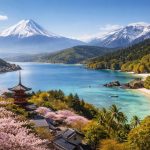
Japan is one of those places that rewrites your expectations the moment you arrive. I’ve traveled to many countries, but the destinations to visit in Japan keep drawing me back in a way few places do. There’s a particular tension here between the ancient and the ultramodern, between noise and silence, between the perfectly familiar and the completely foreign. Within a single day you can stand inside a thousand-year-old temple, eat a bowl of ramen that took a chef 20 years to perfect, and watch a bullet train blur past at 300 kilometers per hour. That combination is genuinely rare on this planet.
This guide covers the full spectrum, from the neon-lit streets of Tokyo to the mountain villages of Takayama, from tropical Okinawa to the snow-heavy streets of Sapporo. Whether you have two weeks or two months, this breakdown will help you decide where to go, what to prioritize, and what to expect when you get there.
Introduction to Japan’s Travel Appeal
Overview of Japan’s Unique Culture and Attractions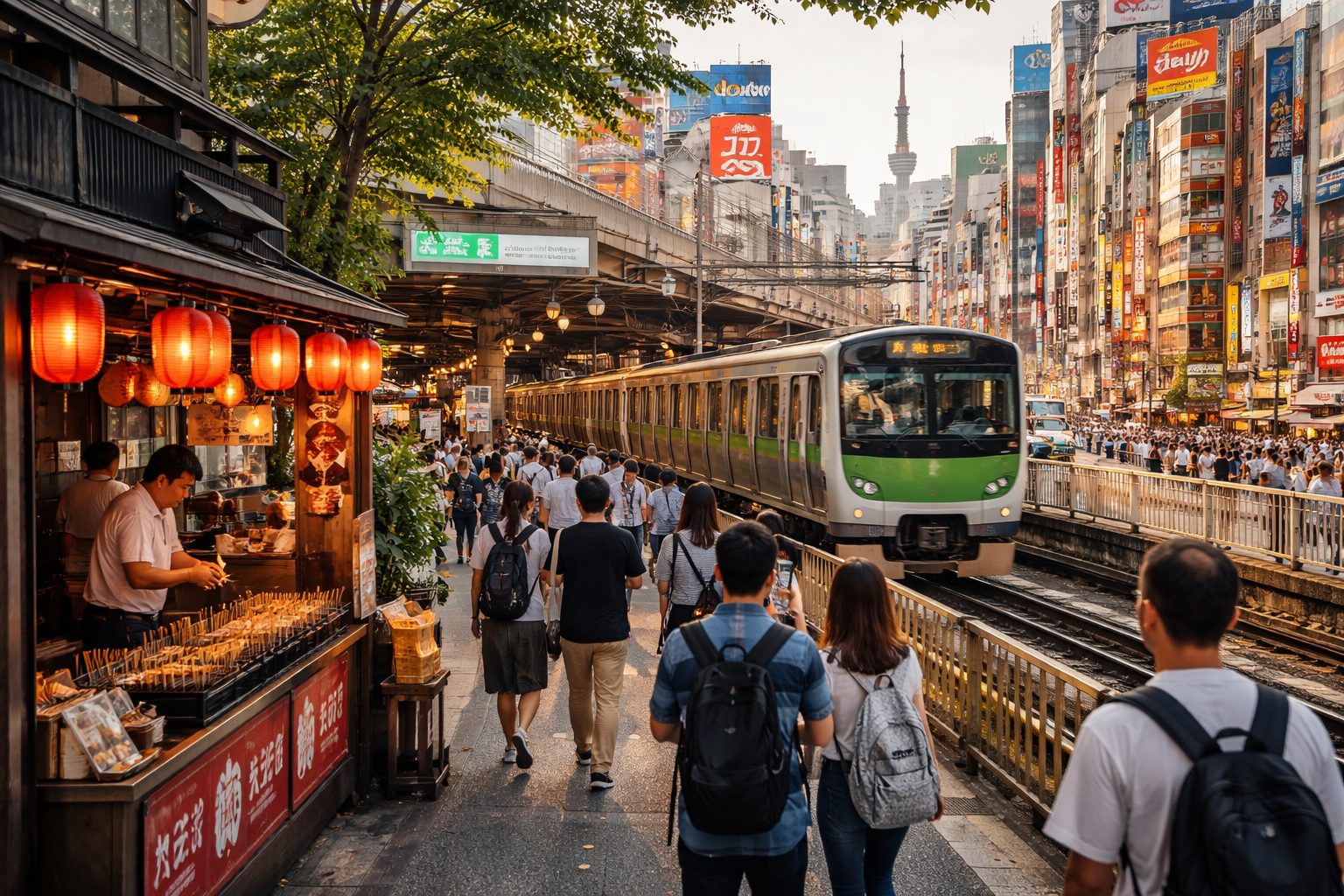
Japan operates on its own internal logic, and once you tune into it, it becomes one of the most legible and navigable countries in the world. The train systems are a masterclass in efficiency. The food is obsessively good at every price point. Public spaces are immaculate. People are genuinely polite, not in a performative way, but in a manner that feels structural to the culture.
What makes Japan compelling to visitors isn’t just the obvious landmarks. It’s the smaller things: the precision in how a department store wraps a gift, the neighborhood shotengai (shopping street) where elderly shopkeepers have been selling the same goods for decades, the feeling of stepping into a shrine courtyard and being entirely alone with just the sound of wind and wooden wind chimes.
Japan’s major draws include:
- Historic temples and shrines representing Shinto and Buddhist traditions
- World-class cuisine across every category imaginable
- Distinctive seasonal events like cherry blossom (sakura) season and autumn foliage
- Cutting-edge fashion, technology, and pop culture in cities like Tokyo and Osaka
- A mountainous interior offering serious hiking and winter sports
- Coastal and island environments ranging from the cold north to the subtropical south
The country also rewards repeat visits in a way that few destinations do. First-timers usually focus on Tokyo and Kyoto. Repeat visitors start going deeper: into smaller cities, rural areas, and seasonal experiences that take on different characters depending on the time of year.
Best Time to Visit Japan for Tourism
The two peak seasons are spring (late March to early May) and autumn (mid-October to mid-November). Spring brings cherry blossoms, which are justifiably famous. Autumn brings fiery red and orange foliage that transforms temple gardens and mountain passes into something almost theatrical. Both seasons come with crowds and elevated hotel prices, so book well in advance.
Summer (June to August) brings humidity and typhoon risk, but it’s also the season for traditional festivals, particularly the Gion Matsuri in Kyoto (July) and the Awa Odori in Tokushima (August). Winter is underrated. Hokkaido becomes a winter sports destination with world-class powder snow, and places like Kyoto and Nara have a quiet, atmospheric quality in the cold months that the crowded spring simply doesn’t offer.
A quick comparison of travel seasons:
| Season | Months | Highlights | Drawbacks |
|---|---|---|---|
| Spring | March-May | Cherry blossoms, mild weather | Crowds, higher prices |
| Summer | June-August | Festivals, greenery | Humidity, typhoon risk |
| Autumn | Oct-Nov | Fall foliage, clear skies | Crowds, higher prices |
| Winter | Dec-Feb | Snow, fewer tourists | Cold, limited hours at some sites |
If flexibility is an option, late autumn and early winter offer some of the best balance between weather, scenery, and manageable crowds.
Top Destinations to Visit in Japan
Tokyo: The Vibrant Capital City
Tokyo is one of the most stimulating cities on earth, and also one of the most functional. It’s home to around 14 million people in the city proper and close to 38 million in the greater metro area, yet it manages to feel organized, safe, and surprisingly quiet in residential neighborhoods. The city is essentially a collection of distinct neighborhoods, each with its own personality.
Shinjuku is dense, dizzying, and home to the world’s busiest train station. Shibuya is younger, louder, and the site of the iconic scramble crossing. Harajuku blends street fashion culture with the elegant Meiji Shrine. Akihabara is the center of electronics and anime culture. Yanaka in the northeast is one of the few neighborhoods that survived the 1923 earthquake and wartime bombing, and it still feels like an older Tokyo of small lanes and traditional shops.
Key things to do in Tokyo:
- Visit Senso-ji Temple in Asakusa early in the morning before the crowds arrive
- Walk through Shinjuku Gyoen National Garden, especially during cherry blossom season
- Explore the teamLab digital art installations for an immersive visual experience
- Browse Tsukiji Outer Market for fresh seafood breakfast
- Take the train to Yanaka and spend a slow afternoon exploring independently
Tokyo doesn’t require a rigid itinerary. Some of the best experiences come from getting slightly lost in a neighborhood, ducking into a ramen shop, and ending up in conversation with a chef who speaks no English but communicates entirely through food.
Kyoto: The Heart of Traditional Japan
If Tokyo represents what Japan is becoming, Kyoto represents what it has always been. The city served as Japan’s imperial capital for over a thousand years, and that history is embedded in almost every street. There are more than 1,600 Buddhist temples and 400 Shinto shrines in the city, along with preserved geisha districts, bamboo groves, and traditional townhouse architecture called machiya.
The Arashiyama district in the west is famous for its bamboo grove, the Tenryu-ji Zen garden, and the Togetsukyo bridge over the Hozu River. The Higashiyama area in the east connects a sequence of temples and cobblestone lanes, including Kiyomizudera, Kodaiji, and Yasaka Shrine. Fushimi Inari, with its thousands of vermillion torii gates snaking up the mountain, is one of the most photographed sights in all of Japan and deserves a half-day visit, ideally starting at dawn.
Gion, Kyoto’s famous geisha district, is worth exploring in the early evening when the streets take on a lantern-lit quality and there’s still a chance of spotting a maiko (apprentice geisha) on her way to an appointment. Don’t follow or photograph them without permission. That’s a basic courtesy the city’s residents appreciate.
Osaka: The Food Capital
Osaka has a different energy from Kyoto and Tokyo. People here are more direct, louder, funnier. The city has a long-standing rivalry with Tokyo and a culinary reputation that is, in my experience, entirely deserved. The local saying is “kuidaore,” which roughly translates to “eat until you drop,” and it describes the culture accurately.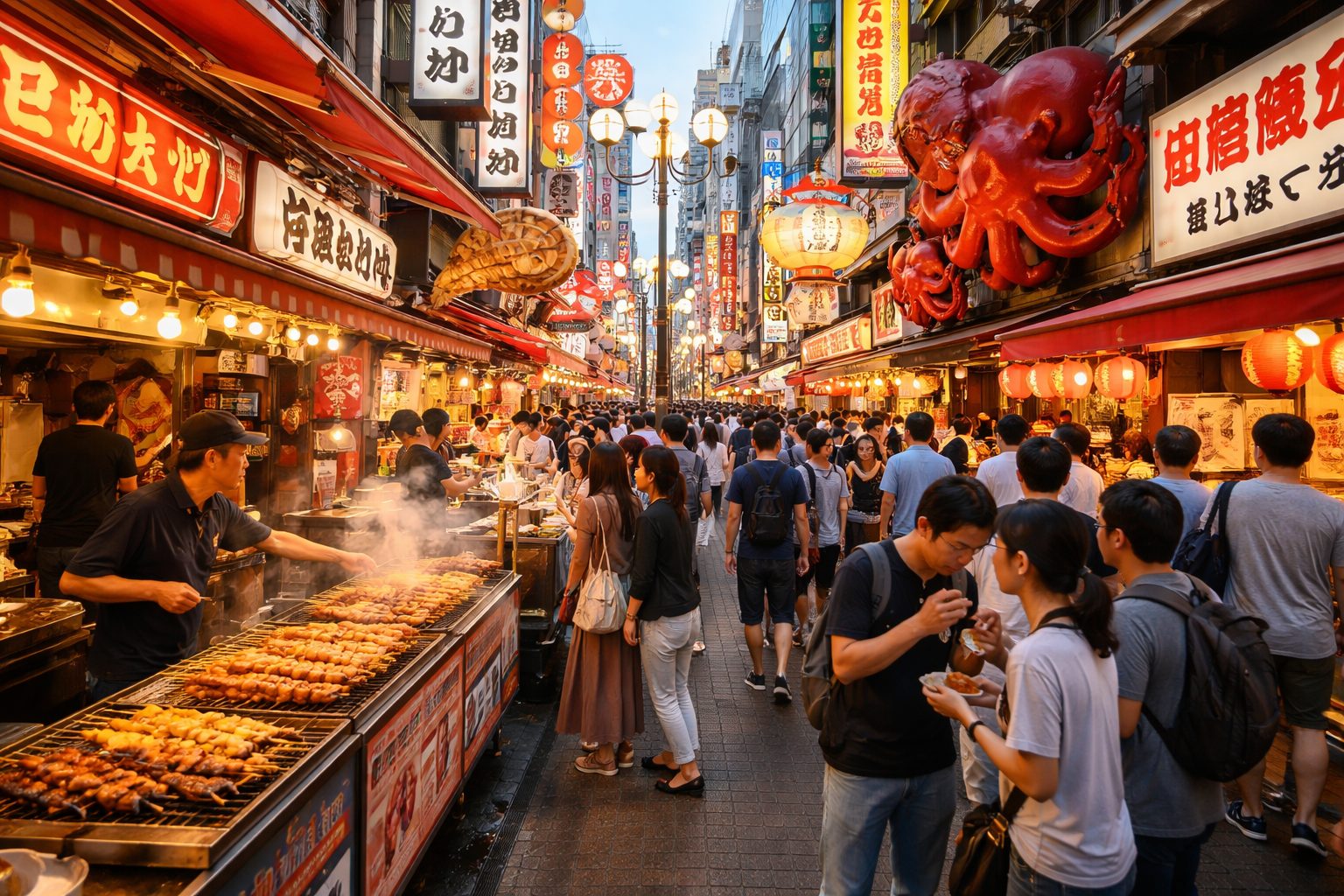
Dotonbori is the obvious starting point for food exploration: takoyaki (octopus balls), okonomiyaki (savory pancakes), and kushikatsu (skewered and deep-fried meats and vegetables) are available on nearly every corner. The Kuromon Ichiba market nearby is one of Osaka’s oldest covered markets and a great place for a breakfast of fresh uni, grilled scallops, or tamagoyaki.
Beyond food, Osaka Castle is one of the most recognizable landmarks in Japan. The surrounding park is excellent for cherry blossom picnics in spring. Dotonbori at night, with its glowing signs and bridge crowds, is one of those quintessentially Japanese urban spectacles that genuinely lives up to the photographs.
Hiroshima: A City of Peace and Resilience
Hiroshima sits about 340 kilometers west of Kyoto on the Shinkansen line and is one of the most emotionally significant destinations to visit in Japan. The atomic bombing of August 6, 1945 is not distant history here. The Peace Memorial Museum is sobering and important, presenting the events with unflinching honesty and a deep focus on human experience. It’s not an easy visit, but it’s a necessary one.
The Peace Memorial Park is built on the site of the old city center and surrounds the Atomic Bomb Dome, the skeletal remains of the Prefectural Industrial Promotion Hall, which survived the blast and has been preserved as a UNESCO World Heritage Site. The overall atmosphere of the park is one of reflection rather than mourning, and the city itself is genuinely vibrant and modern.
A 25-minute ferry from Hiroshima leads to Miyajima Island, one of the most scenic places in the country. The Itsukushima Shrine, with its famous floating torii gate, sits at the water’s edge. At high tide the gate appears to float above the sea. Deer wander freely across the island. It’s exactly as beautiful as you’ve been told.
Sapporo: The Winter Wonderland
Sapporo is the largest city on Hokkaido, Japan’s northernmost main island. In winter it becomes one of the best destinations in the country, particularly for those interested in skiing, snowboarding, and experiencing cold-weather Japan at its most atmospheric. The annual Sapporo Snow Festival in early February draws two million visitors and transforms the city’s parks and boulevards into exhibition spaces for enormous snow and ice sculptures.
The skiing at nearby Niseko is internationally renowned. Deep, light powder snow arrives consistently from November through April, and the infrastructure for international visitors is excellent. Other ski areas on Hokkaido like Furano and Rusutsu are less crowded and equally good.
In summer, Sapporo and the surrounding Hokkaido region offer a completely different appeal. The rolling farmland, lavender fields of Furano, and the volcanic landscapes of Shikotsu-Toya National Park make Hokkaido one of the most compelling destinations to visit in Japan for people who prefer nature over cities.
Exploring Japan’s Natural Wonders
Mount Fuji: The Iconic Symbol of Japan
Mount Fuji is the highest peak in Japan at 3,776 meters and an active stratovolcano that last erupted in 1707. Seeing it from a distance, framed by clouds or reflecting in a lake, is one thing. Climbing it is another experience entirely, and one that I’d recommend only if you’re prepared for it.
The official climbing season runs from early July to mid-September. Most hikers take the Yoshida Trail from the fifth station, reaching the summit in five to seven hours. The descent takes three to four. A popular approach is to start in the evening, climb through the night, and reach the summit for sunrise. It’s cold at the top, windy, and the altitude affects people differently. Go prepared with layers, headlamp, and water.
For those who prefer to admire Fuji rather than climb it, the Fuji Five Lakes region (Fujigoko) offers spectacular views, especially from Kawaguchiko. The town of Hakone, accessible from Tokyo by the Romancecar express train, offers hot spring ryokan accommodations with Fuji views and an open-air sculpture museum that’s genuinely worth the visit.
The Japanese Alps: Hiking and Scenic Views
The Japanese Alps run through the center of Honshu, the main island, and divide it between the Pacific coast and the Sea of Japan side. The range is split into three sections: the Northern Alps (Hida), Central Alps (Kiso), and Southern Alps (Akaishi). These mountains offer serious alpine hiking comparable to European ranges, with well-maintained trail networks and reliable mountain huts (yamagoya).
The Kamikochi valley in the Northern Alps is one of the most scenic valleys in Japan. A flat, forested path follows the Azusa River through mountains that rise steeply on both sides. Access by private vehicle is restricted, which keeps the area quieter than it might otherwise be. The valley is closed in winter but reopens in late April when the snowpack permits.
The Tateyama Kurobe Alpine Route, connecting Toyama on the Sea of Japan coast with Omachi on the eastern side, is one of the most dramatic high-altitude journeys in Japan. In spring, visitors walk through snow walls that can reach 20 meters high. It’s accessible from mid-April to mid-November.
Okinawa: Tropical Beaches and Marine Life
Okinawa is the southernmost prefecture of Japan, consisting of more than 150 islands spread across a 600-kilometer stretch of the East China Sea. The climate is subtropical. Coral reefs surround most of the islands. The culture is distinctly different from mainland Japan, with Ryukyuan traditions, a different dialect, and a cuisine built around pork, bitter melon, and local spirits called awamori.
The diving and snorkeling around Okinawa is world-class. Ishigaki Island in the southern Yaeyama group is a particular standout, with manta ray aggregations at Manta Scramble point that run from roughly October through June. The nearby island of Iriomote is almost entirely covered by subtropical jungle and national park, accessible by a modest hiking network and river tours.
Naha, the prefectural capital on the main island of Okinawa, is worth a day or two. The Kokusai Dori (International Street) has a lively market atmosphere. Shuri Castle, a UNESCO site, was the seat of the Ryukyuan Kingdom and has been carefully reconstructed after a fire in 2019. The surrounding gardens and walls are well preserved.
Historical and Cultural Destinations
Nara: Ancient Temples and Free-Roaming Deer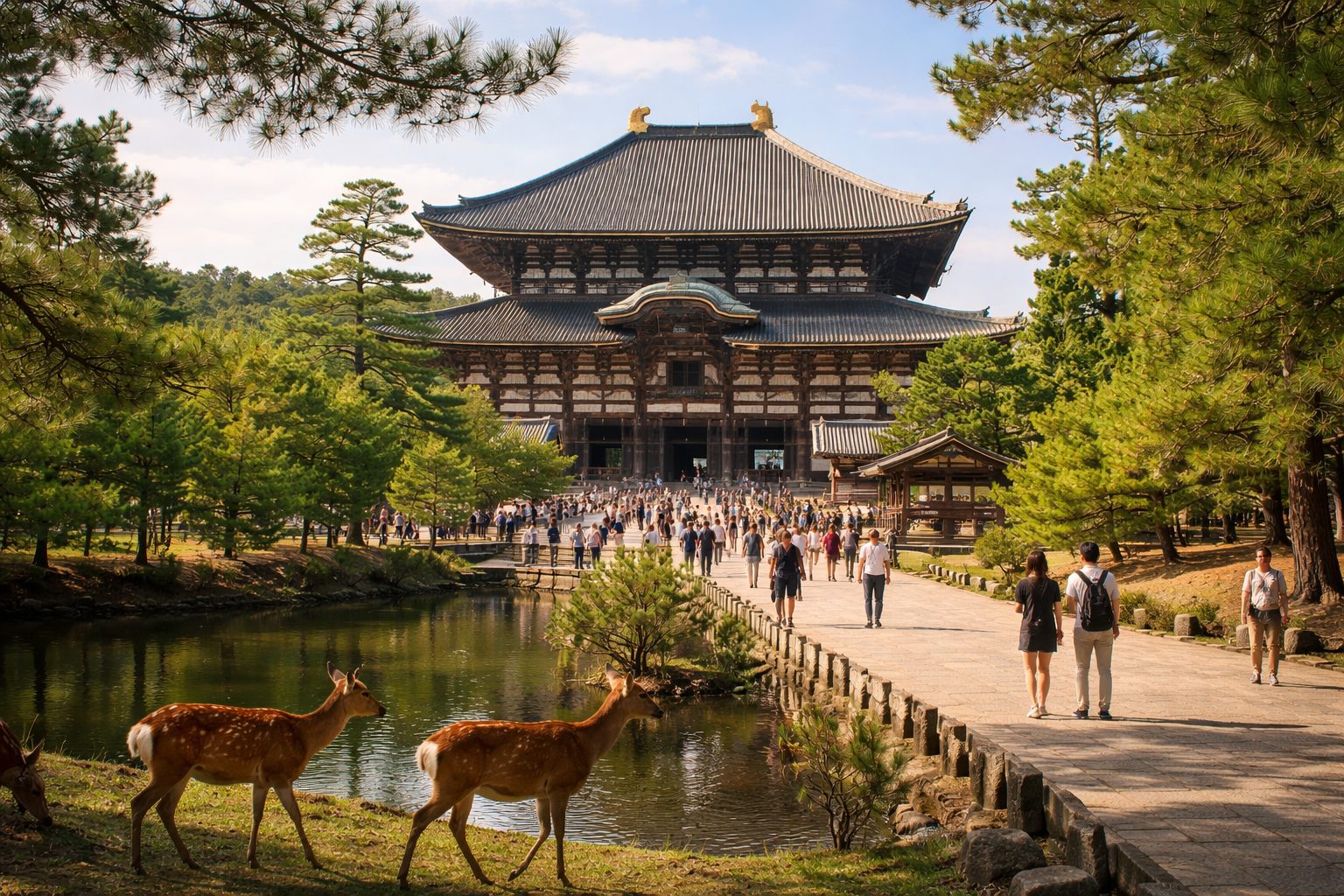
Nara is about 45 minutes south of Kyoto by train and was Japan’s first permanent capital in the 8th century. It’s compact, easily walkable, and home to some of the oldest and largest wooden structures on earth. Todai-ji Temple contains the world’s largest bronze Buddha, at 15 meters tall, inside the world’s largest wooden building. It’s legitimately impressive.
The deer are the other thing Nara is famous for. Around 1,200 sika deer roam freely through Nara Park and are considered messengers of the gods in Shinto tradition. They’ve become accustomed to tourists to the point of being mildly pushy, especially around vendors selling shika senbei (deer crackers). Don’t be surprised if a deer bows at you in anticipation of a cracker. They actually do this.
Beyond Todai-ji, the Kasuga Grand Shrine is one of Japan’s most important Shinto shrines, particularly atmospheric with its thousands of bronze and stone lanterns lit twice a year. The hillside forests behind the park, around Kasugayama, offer peaceful walking trails above the main tourist areas.
Nikko: UNESCO World Heritage Sites
Nikko sits about 140 kilometers north of Tokyo in the mountains of Tochigi Prefecture and is home to an extraordinarily ornate collection of shrines and temples that form a UNESCO World Heritage complex. The Tosho-gu Shrine, built in 1617 to enshrine the first Tokugawa shogun, Ieyasu, is covered in elaborate wood carvings, lacquerwork, and gold leaf to a degree that can feel overwhelming at first glance.
Japanese architecture typically trends toward restraint and natural simplicity. Tosho-gu is the deliberate exception, a conscious statement of power and permanence. The famous carving of the three wise monkeys (“see no evil, hear no evil, speak no evil”) is located here on one of the stable buildings, and is smaller and less prominent than most visitors expect.
The surrounding national park offers waterfalls (Kegon Falls drops 97 meters), lakes (Chuzenji-ko), and seasonal foliage that’s among the best in the Kanto region. Nikko is doable as a day trip from Tokyo, but spending a night allows you to explore the complex in the morning before tour groups arrive.
Himeji Castle: Japan’s Most Beautiful Castle
Himeji Castle stands in the city of Himeji, about 50 minutes west of Osaka on the Shinkansen. It’s widely considered the finest surviving example of Japanese castle architecture and holds UNESCO World Heritage status along with being a designated National Treasure. The castle has never been destroyed in battle, never burned, and survived the Second World War intact, which makes it genuinely rare among Japan’s historical structures.
The complex is enormous, with 83 buildings connected by covered corridors and defensive structures. The white plaster exterior gives it the nickname Shirasagi-jo, “White Heron Castle.” The main keep is seven stories tall inside despite appearing to be five from the outside, a deliberate defensive deception. Visitors can walk through the interior and climb to the top floor.
The approach along the broad tree-lined path from Himeji Station frames the castle directly ahead. It’s a genuinely striking urban approach. The surrounding Kokoen Garden, a reconstructed Edo-period garden, is a quiet counterpoint to the castle crowds.
Unique Experiences and Hidden Gems
Kanazawa: A Blend of Tradition and Modernity
Kanazawa sits on the Sea of Japan coast, about 2.5 hours from Tokyo by Shinkansen since the line extended to the city in 2015. Before that extension, the city was relatively difficult to reach and retained a quality of genuine local life that some of the more trafficked destinations have lost. It’s often compared to Kyoto, but smaller, quieter, and less crowded.
Kenroku-en Garden is one of the three great gardens of Japan and ranks among the most beautiful in any season. The Higashi Chaya historic geisha district is one of three preserved chaya (teahouse) districts in Kanazawa. The 21st Century Museum of Contemporary Art is one of the better contemporary art museums in the country, architecturally and programmatically. The Omicho Market, a covered fresh-produce and seafood market near the city center, is excellent for lunch.
Kanazawa is also the home of Kaga cuisine, a regional culinary tradition that uses local seafood, mountain vegetables, and distinctive lacquerware. It’s a city that rewards slow exploration over checklist tourism.
Takayama: Preserved Edo-Period Town
Takayama sits in the mountains of Gifu Prefecture, surrounded by the Hida range. The old town center, called Sanmachi Suji, consists of three preserved streets of sake breweries, craft workshops, and merchant houses from the Edo period (1603-1868). The buildings are largely intact because the town was under direct control of the shogunate rather than a local lord, which limited development and inadvertently preserved the streetscape.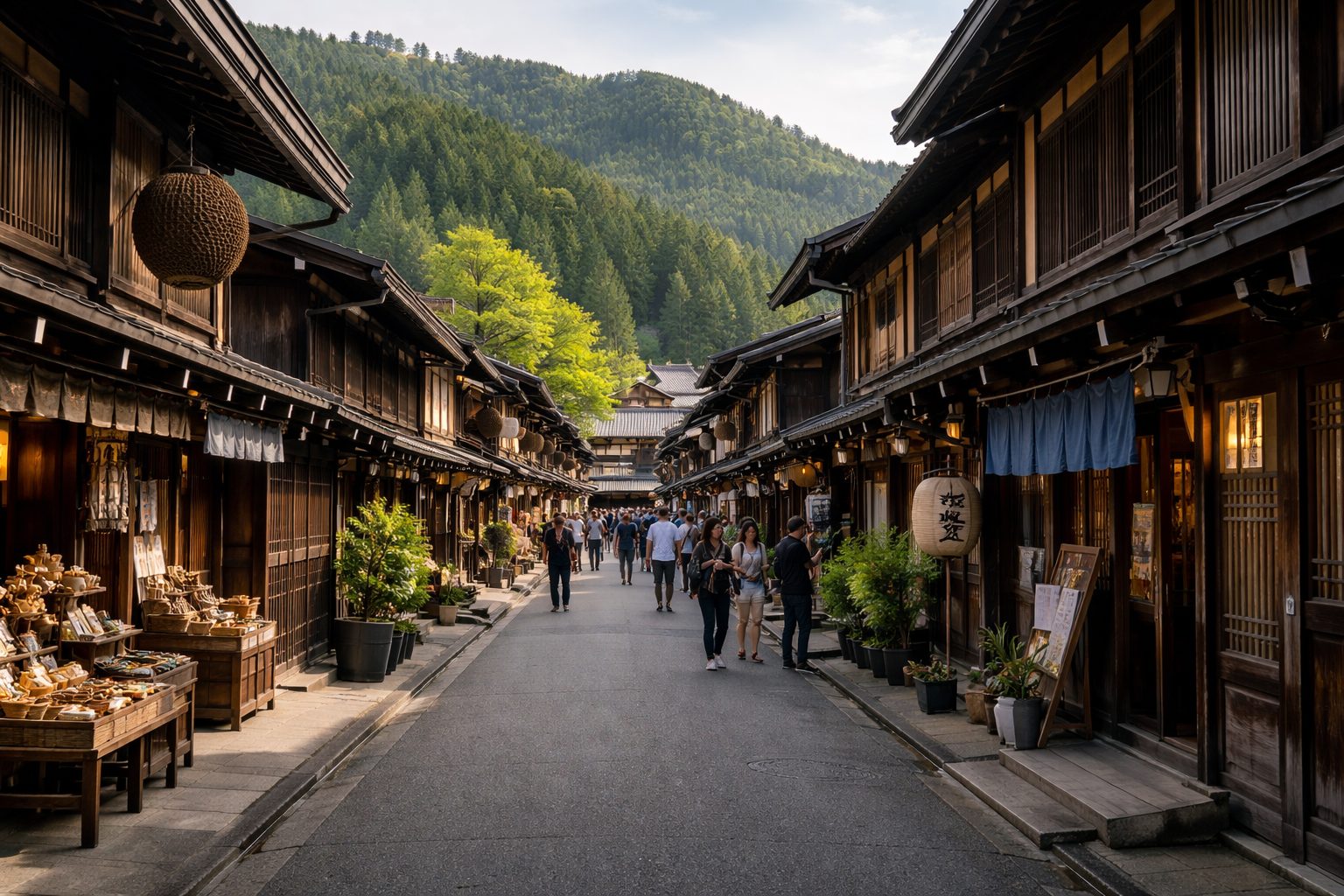
The Takayama Jinya is a former government outpost with well-preserved interiors and a useful exhibition on Edo-period administration. The morning markets (Jinya-mae Asaichi and Miyagawa Asaichi) run daily and sell local vegetables, preserved foods, and crafts. The Hida Folk Village (Hida no Sato) is an open-air museum of traditional thatched farmhouses relocated from surrounding mountain villages.
Takayama also serves as a base for visiting the Shirakawa-go and Gokayama UNESCO villages, famous for their gassho-zukuri farmhouses with steep thatched roofs designed to shed heavy mountain snow. Ogimachi village in Shirakawa-go is the most accessible and most visited, but Gokayama’s smaller hamlets of Ainokura and Suganuma are quieter and similarly striking.
Naoshima: The Art Island
Naoshima is a small island in the Seto Inland Sea, administratively part of Kagawa Prefecture in Shikoku. It became one of the most interesting art destinations in the world over the past few decades through a collaboration between the Fukutake Foundation and architect Tadao Ando. The result is a series of museums, public art installations, and art house projects embedded into the island’s landscape and traditional fishing villages.
The Chichu Art Museum, built almost entirely underground to preserve the surrounding landscape, houses a small permanent collection including Claude Monet’s late Water Lilies paintings in a specially designed space. The Benesse House Museum combines museum space with accommodation. The Art House Project has transformed several abandoned homes in Honmura village into permanent site-specific installations by artists including James Turrell and Hiroshi Sugimoto.
Naoshima is reached by ferry from Uno in Okayama Prefecture or from Takamatsu in Shikoku. It can be combined with visits to neighboring islands Teshima and Inujima, which host additional installations from the same foundation. The Setouchi Triennale, held in spring, summer, and autumn every three years, significantly expands the available work across all three islands.
Practical Travel Tips for Japan
Transportation Options: Trains, Buses, and More
Japan’s rail network is the most practical way to travel between cities. The Shinkansen (bullet train) network covers most of the main island of Honshu, with extensions into Kyushu and, since 2016, as far as Kanazawa on the Hokuriku line and Hakodate in Hokkaido. Speeds range from 260 to 320 kilometers per hour on most lines.
The Japan Rail Pass is a good investment if you’re traveling between multiple cities. It covers all JR trains including most Shinkansen services (excluding the Nozomi and Mizuho super-express trains, which require paying the difference). Calculate whether your planned routes justify the cost before buying. For a two-week trip hitting Tokyo, Kyoto, Hiroshima, and Kanazawa, the pass typically pays for itself.
For getting around within cities:
- IC cards (Suica or Pasmo in Tokyo, Icoca in Kansai) work on subways, local trains, and many buses nationwide
- Google Maps is reliable for transit directions in Japan
- Taxis are metered, honest, and expensive for longer distances
- Bicycles are practical in flat cities and are widely available for rent
- Intercity buses (highway buses) are slower than trains but cheaper, especially at night
Accommodations: Where to Stay in Japan
Japan offers a wider range of accommodation types than most countries, and the choice affects the experience significantly.
- Ryokan: Traditional Japanese inn with tatami-mat rooms, futon bedding, and multi-course kaiseki meals. Hot spring ryokan (onsen ryokan) often include private or shared baths fed by natural spring water. One of the most distinctively Japanese experiences available.
- Business hotels: Highly standardized, efficient, and well-priced. Chains like Dormy Inn, Toyoko Inn, and APA offer clean rooms with consistent quality. Often include onsite baths or onsen.
- Capsule hotels: Original capsule hotels in Tokyo have evolved significantly. Modern versions like the Osaka Shinsaibashi branch of 9h (Nine Hours) are design-forward, practical, and genuinely comfortable.
- Guesthouses and hostels: Good quality in most major cities. Often a better option than hostel equivalents elsewhere in the world.
- Airbnb and private rentals: Regulations tightened in 2018, limiting many listings to officially registered properties. Still available but the inventory is smaller than before.
Book in advance for peak seasons, particularly Golden Week (late April to early May), Obon (mid-August), and cherry blossom season.
Local Cuisine: Must-Try Dishes and Where to Find Them
Japanese food culture runs deeper than most visitors expect even after doing research. The quality of everyday food, from a convenience store onigiri to a bowl of soba at a neighborhood restaurant, is consistently high. That’s not an exaggeration. 7-Eleven Japan is genuinely worth a stop.
Regional variations are significant. Don’t assume that ramen from Sapporo, Fukuoka, and Tokyo will taste similar, because they won’t. Same goes for soba, udon, and most other noodle formats. The difference between Osaka-style and Tokyo-style sushi culture is real.
Essential dishes by category:
- Ramen: regional styles vary; try tonkotsu in Fukuoka, miso ramen in Sapporo, shoyu in Tokyo
- Sushi: omakase counters in Tokyo, conveyor belt sushi (kaiten-zushi) for casual eating everywhere
- Kaiseki: multi-course traditional dinner, best in Kyoto
- Yakitori: grilled chicken skewers, best at small smoky counters under train tracks
- Tempura: light, delicate frying technique; budget counters and expensive restaurants both do it well
- Wagyu beef: available in Kyoto, Kobe, and Tokyo in various formats and price ranges
- Tonkatsu: breaded and fried pork cutlet, served with rice and shredded cabbage
- Onsen tamago: soft-cooked eggs from hot spring water, simple and perfect
For budget eating, department store basement food halls (depachika) are remarkable places to pick up prepared foods, bento boxes, and sweets from regional specialists. Standing soba and udon bars in train stations are fast, cheap, and usually good.
Frequently Asked Questions
What are the must-visit destinations in Japan?
For a first trip, Tokyo, Kyoto, and Osaka form the core itinerary and cover most of the major cultural, historical, and culinary experiences. Adding Hiroshima and Nara extends the range significantly without requiring much extra travel time. Beyond that, choices depend on whether your interests lean toward nature, history, food, or contemporary culture.
How long should I stay in Japan to see the main attractions?
Two weeks is the practical minimum for a meaningful trip that covers Tokyo, the Kansai region (Kyoto, Osaka, Nara), and a few additional stops. Three weeks allows you to add natural destinations like Hokkaido, Hiroshima, or the Japanese Alps without feeling rushed. A month gives you the space to go slower, explore smaller places, and actually settle into the rhythm of the country.
Is it easy to travel around Japan?
For the most part, yes. The train and subway systems are reliable, well-signed in English, and easy to navigate with a transit app. Language barriers are real but manageable. Most train stations, airports, and tourist sites have English signage. Google Maps works well for transit directions. The main challenge is booking accommodation and some restaurants that don’t have English-language reservation systems.
What cultural etiquette should I be aware of while visiting Japan?
Remove shoes when entering homes and many traditional accommodations or restaurants. Don’t tip: it’s considered rude in Japan and will cause confusion or embarrassment. Keep noise down on trains. Tattoos are still restricted in some onsen facilities. Eat and drink while standing or seated, not while walking. Bow when greeting or thanking someone. These aren’t rigid rules but observing them makes interactions smoother and shows basic respect for local norms.
What are the best activities to experience in Japan?
Beyond sightseeing, some of the most memorable experiences are: attending a sumo tournament in Tokyo (held in January, May, and September), participating in a traditional tea ceremony, soaking in an outdoor onsen while it snows, watching a Noh or Kabuki performance, hiking the ancient Kumano Kodo pilgrimage route in Wakayama, or simply spending a full afternoon in a kissaten (old-school coffee shop) with no agenda. Japan rewards unhurried attention. The best moments often arrive when you stop trying to optimize the itinerary.
Planning which destinations to visit in Japan ultimately comes down to your own pace and interests, but the country consistently delivers on its reputation. It’s one of those places where even the planning stages feel rewarding, because there’s always another layer to discover.