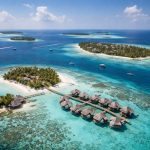
If you’ve ever thought about what it feels like to drift above a coral reef surrounded by hundreds of tropical fish, snorkeling in Maldives is the experience that makes that vision real. The Indian Ocean archipelago sits in a league of its own when it comes to underwater visibility, marine diversity, and sheer beauty. I’ve explored reefs in several parts of the world, and nothing quite compares to what the Maldives offers just a few feet below the surface.
This guide covers everything you need to know before your trip, from choosing the right gear to picking the best spots and understanding what the water conditions are actually like. Whether you’re new to snorkeling or you’ve done it a dozen times before, there’s something here for you.
What is Snorkeling?
Definition and Overview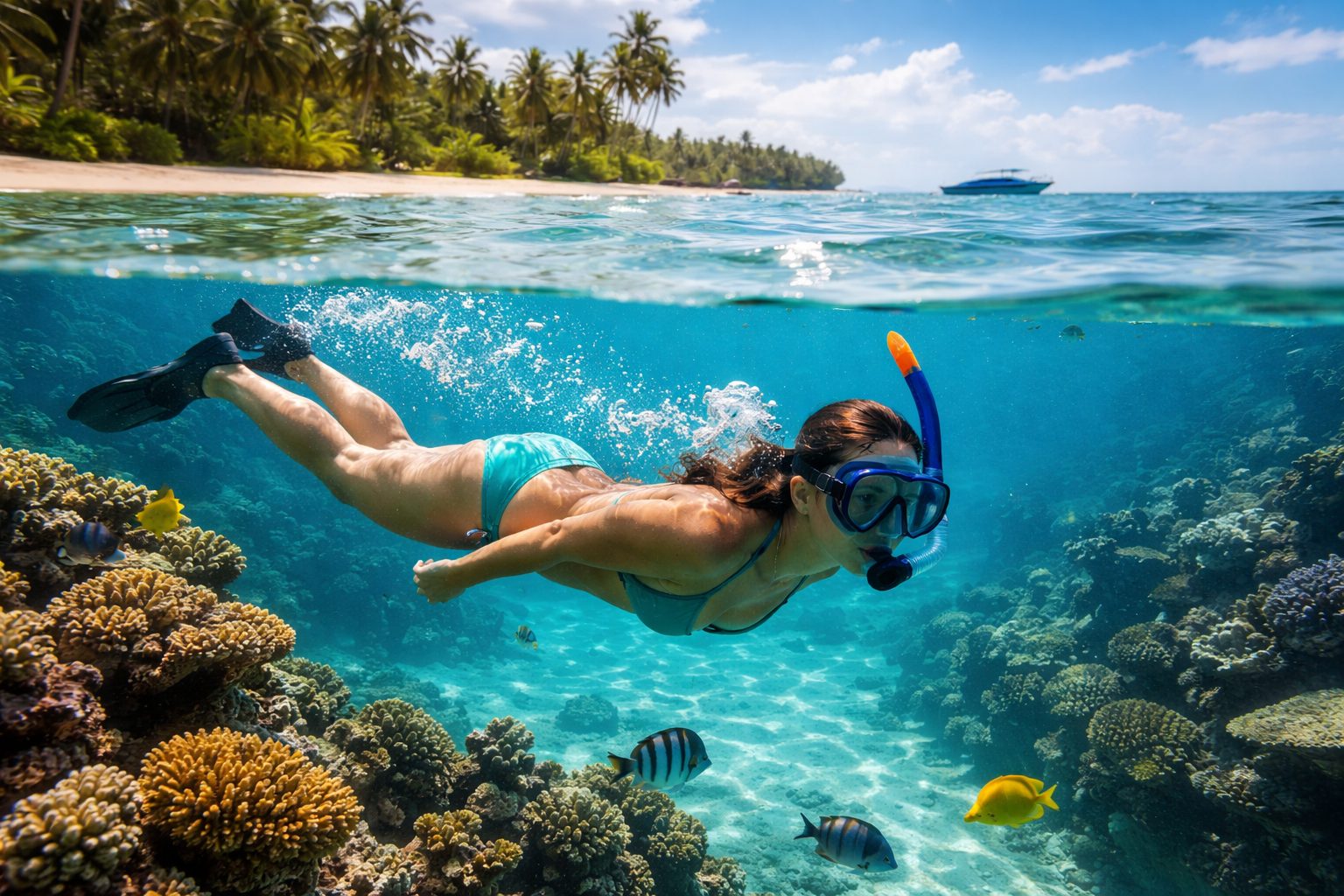
Snorkeling is a surface-level water activity where you float face-down, breathing through a curved tube called a snorkel while wearing a diving mask. Unlike scuba diving, there’s no tank, no certification requirement, and no complex equipment. You stay at or near the surface and observe the underwater world beneath you.
It’s one of the most accessible forms of ocean exploration. Almost anyone can do it, regardless of age or swimming ability, as long as basic safety guidelines are followed. The gear is lightweight, easy to pack, and inexpensive to rent at most beach destinations.
Benefits of Snorkeling
Beyond the obvious joy of seeing colorful fish and coral, snorkeling has several practical benefits worth knowing.
- It’s low-impact and easy on the joints, making it suitable for older adults and people recovering from injury.
- It’s a great way to reduce stress. Being surrounded by calm water and marine life has a measurable relaxing effect.
- Snorkeling improves breath control and builds comfort in water, which is useful if you ever want to progress to freediving or scuba.
- It requires minimal physical conditioning compared to other water sports.
- Kids love it, which makes it one of the better family activities at beach resorts.
And honestly, there’s something meditative about floating in warm, clear water and watching a sea turtle cruise past beneath you. You can’t put that in a list of benefits, but it’s the reason people keep coming back.
Why Choose the Maldives for Snorkeling?
Unique Marine Biodiversity
The Maldives is home to one of the most species-rich marine environments on the planet. The archipelago sits across the Indian Ocean’s main current pathways, which creates ideal conditions for plankton and small fish, which in turn supports larger predators and filter feeders like whale sharks and manta rays.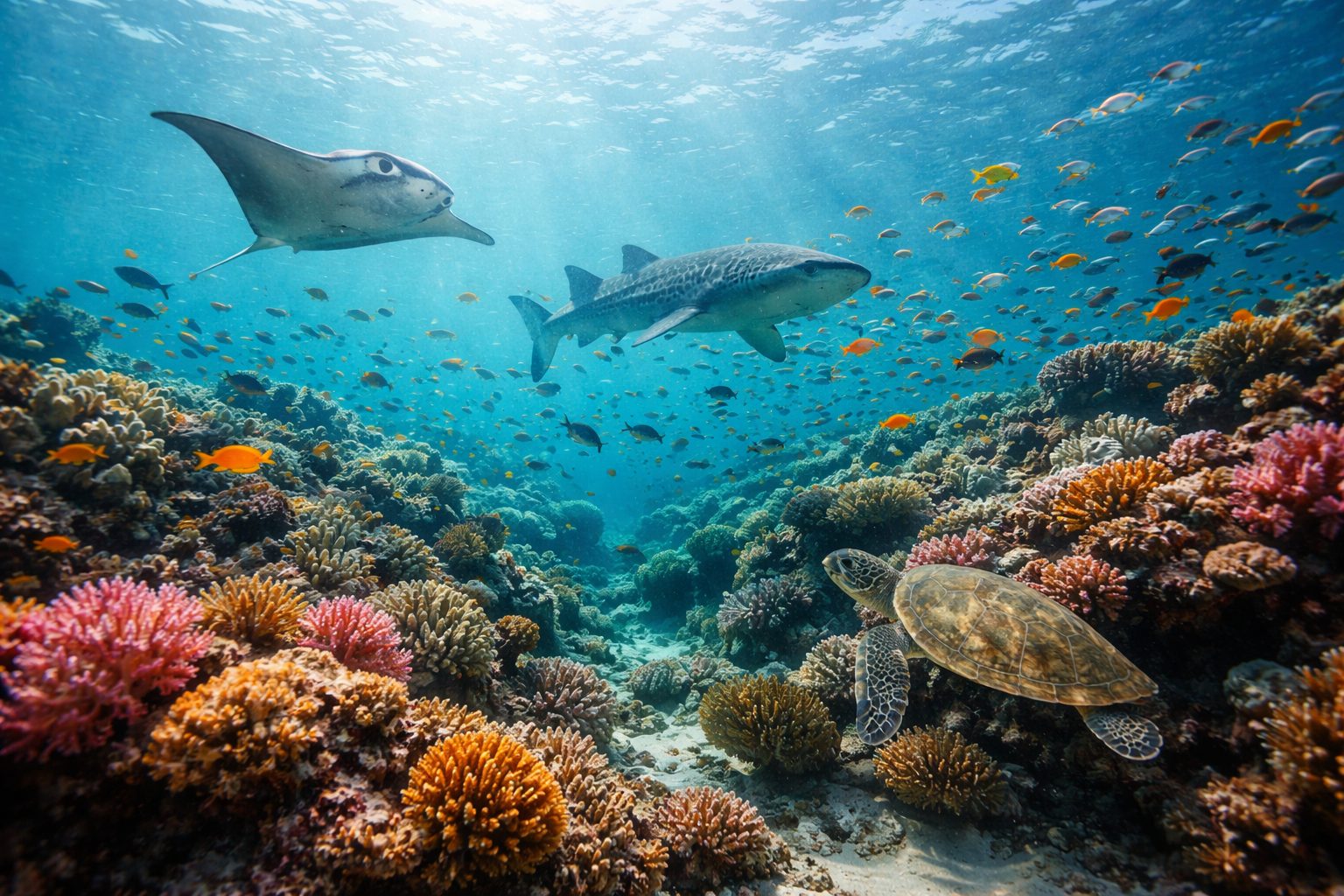
You’ll encounter over 1,000 species of fish, 200 coral species, five species of sea turtle, and an impressive range of reef sharks, eels, rays, and cephalopods. The diversity isn’t just high in absolute numbers. It’s the variety of ecological zones packed into a small area that makes snorkeling in Maldives particularly rewarding. You can drift over a shallow lagoon in the morning and be circled by blacktip reef sharks in the afternoon.
Stunning Coral Reefs
The coral reefs here are genuinely impressive, though like all reefs globally, they’ve faced bleaching events in recent years. The good news is that many areas have shown strong recovery, particularly around protected marine zones and less-trafficked atolls.
Hard coral formations rise in dramatic pillars and shelves, decorated with soft corals in purples, oranges, and yellows. The structural complexity of these reefs creates hiding spots for thousands of species, which means you’re almost always looking at something new no matter which direction you turn.
Ideal Water Conditions
Water temperatures in the Maldives range from 26 to 30 degrees Celsius year-round. That means no wetsuit is typically required, though a thin 2mm suit can help on longer sessions if you tend to get cold.
Visibility is consistently excellent, often exceeding 30 meters on clear days. The lagoons are shallow enough for beginners but connect to deeper drop-offs for those who want more dramatic scenery. Current patterns vary by location and season, but most snorkeling sites are accessible to non-expert swimmers.
Best Time for Snorkeling in Maldives
Seasonal Variations
The Maldives has two primary seasons: the dry northeast monsoon (roughly November to April) and the wet southwest monsoon (May to October). For snorkeling, the dry season is generally considered better, especially between December and March when visibility is at its peak and seas are calm.
That said, the wet season isn’t off-limits. Many atolls remain accessible and conditions can still be excellent. The southwest monsoon actually brings plankton blooms that attract whale sharks and manta rays in larger numbers, especially around the southern atolls. So depending on what you want to see, the wet season has real appeal.
Weather Considerations
Rainfall in the Maldives tends to come in short bursts rather than sustained downpours, especially during the transition months of April and November. A rainy morning can easily give way to calm, sunny afternoon conditions. I wouldn’t let the wet season label put you off entirely.
Wind is the more significant factor for snorkeling. Strong winds create surface chop that makes it harder to keep your face in the water and reduces visibility. Check wind forecasts when planning day trips, not just rain forecasts.
Peak Tourist Seasons
High season runs from December through April, coinciding with the best snorkeling conditions. Expect higher prices, fuller resorts, and more crowded tour boats. Booking ahead is essential if you’re traveling during this window.
Shoulder months like May and October offer decent conditions with noticeably lower costs and fewer tourists. If your priority is value and you don’t mind some variability in conditions, these months deserve serious consideration.
Top Snorkeling Spots in Maldives
Maafushi Island
Maafushi is one of the most popular budget-friendly bases in the Maldives, located in South Male Atoll. The island’s house reef is easily accessible from the beach, and you don’t need to book a boat trip to see turtles, rays, and reef fish. The snorkeling starts in shallow water and drops off gradually, making it beginner-friendly.
Numerous guesthouses here offer guided snorkeling excursions that take you to nearby sandbanks and protected reef sections. It’s a great starting point for snorkeling in Maldives without the resort price tag.
Banana Reef
Located in North Male Atoll, Banana Reef is one of the most famous dive and snorkel sites in the entire country. The reef curves in a banana shape, dropping steeply on one side into open water. At snorkeling depth, you’ll see groupers, moray eels, Napoleon wrasse, and large schools of snappers.
The currents here can run moderate to strong, so it’s better suited to confident swimmers or those on guided tours with safety equipment. The dramatic topography makes it worth the extra effort.
Fish Head
Fish Head, also known as Mushimasmingali Thila, sits in Ari Atoll and is renowned for its resident population of grey reef sharks. The site is typically dived rather than snorkeled due to its depth, but the upper section of the reef comes within snorkeling range during slack tide.
If you get the timing right, you’ll see sharks cruising the current with schools of fusiliers and jacks around them. It’s one of those sites that reminds you just how wild and alive the ocean is beneath the surface.
Manta Point
Located near Ukulhas Island in Ari Atoll, Manta Point is exactly what it sounds like. It’s a cleaning station where manta rays gather to have parasites removed by small wrasse fish. Visiting during the right season (typically May to November when plankton is abundant) gives you a genuine chance of hovering above multiple mantas doing slow, graceful circles.
Mantas can reach 3 to 4 meters in wingspan. Floating above one is one of those experiences that doesn’t fully register until you’re back on the boat. Give them space, don’t chase them, and the encounter is usually long and rewarding.
Coral Garden
Coral Garden near Maafushi is a shallower, more protected site that works well for beginners and families. The coral formations here are dense and colorful, and the fish life includes clownfish, parrotfish, bannerfish, and blue-striped snapper.
Because the site is relatively sheltered, currents are minimal and visibility is reliable. It’s not the most dramatic location in the Maldives, but it consistently delivers a rich snorkeling experience without requiring strong swimming skills or guided support.
Snorkeling Tours and Packages
Group Tours vs Private Tours
Most resorts and guesthouses offer both group and private snorkeling tours. Group tours are cheaper, typically ranging from $20 to $60 per person for a half-day excursion. You’ll share a dhoni (traditional Maldivian boat) with a small group and visit two or three sites.
Private tours cost more, usually $100 to $200 or higher depending on the operator and duration, but give you control over pacing, site selection, and group size. If you’re traveling with family or have specific interests like photographing mantas, the private option is often worth it.
Snorkeling Safaris
Snorkeling safaris are multi-day liveaboard trips that take you to remote atolls far from the main tourist routes. These are typically run on larger vessels and combine snorkeling with diving, fishing, and island visits.
The advantage is access to untouched reefs that day-trippers never reach. The water quality, fish density, and coral health in remote atolls is noticeably better in many cases. If you have a week or more, a safari is one of the best ways to experience snorkeling in Maldives at its most extraordinary.
Eco-Friendly Tours
A growing number of operators in the Maldives focus specifically on sustainable practices. They limit group sizes, avoid anchoring on reefs, brief participants on marine life interaction guidelines, and often support local conservation projects.
Look for operators certified by Maldives Sustainable Tourism or affiliated with reef monitoring programs. Paying a little more for an eco-conscious tour makes a real difference to the long-term health of the reefs you’re visiting.
Essential Snorkeling Gear
Masks and Snorkels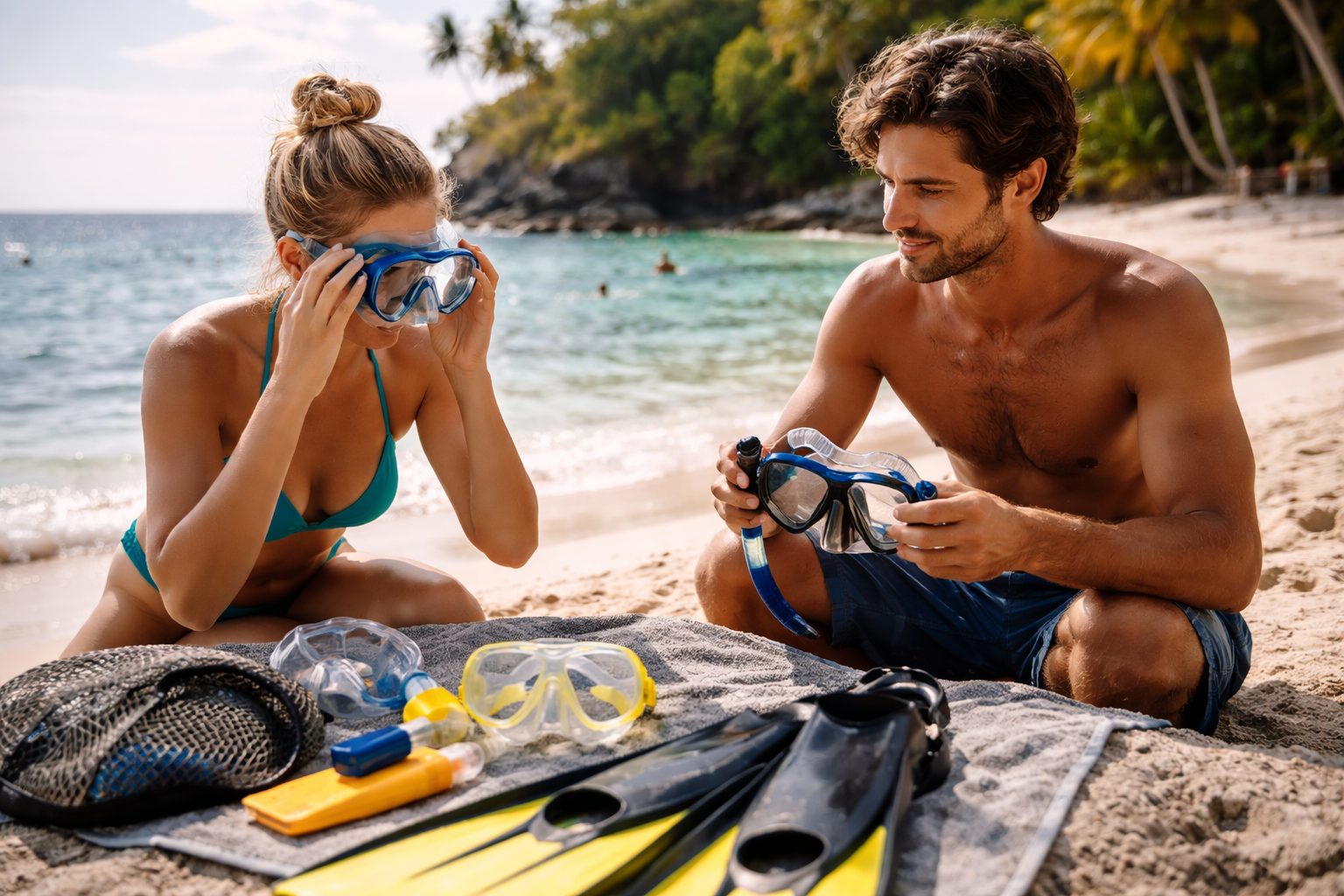
A well-fitting mask is the single most important piece of gear. If it leaks or fogs up constantly, the experience becomes frustrating regardless of how good the reef is. When trying a mask, press it gently against your face without using the strap. If it stays in place with light suction, it’s a good fit.
Full-face snorkel masks have become popular, but traditional split masks offer better control and are easier to clear if water gets in. For serious snorkeling, a low-volume traditional mask is the better choice.
The snorkel itself should have a dry-top valve to prevent water entry from waves and a comfortable mouthpiece. Semi-dry snorkels are a good middle ground between cost and function.
Fins and Wetsuits
Fins aren’t strictly necessary for calm, shallow snorkeling, but they make a significant difference in how efficiently you move and how long you can stay out. Full-foot fins work well in warm water without booties. Open-heel fins give more power but require neoprene socks to fit properly.
In the Maldives’ warm water, a wetsuit is optional for most snorkelers. A thin 2mm shorty or a rash guard provides UV protection and a bit of warmth for longer sessions. If you plan to snorkel for more than an hour at a time, protecting your skin from the sun is more important than thermal insulation.
Safety Equipment
Even in calm conditions, basic safety gear matters.
- A brightly colored surface marker buoy (SMB) or inflatable tow float makes you visible to boat traffic.
- A whistle attached to your vest or mask strap lets you signal for help if you drift away from the group.
- A snorkeling vest or inflatable flotation device is worth using if you’re not a confident swimmer, especially in areas with current.
Always check what safety equipment your tour operator provides and ask about their procedures if a snorkeler drifts or has difficulty.
Snorkeling Tips for Beginners
Safety Precautions
Before getting in the water, take a few minutes to assess conditions. Look for current direction, check if there are boat traffic zones nearby, and ask your guide about any hazards specific to the site.
- Never snorkel alone. Go with a buddy or stay near a guided group.
- Don’t push your limits if you’re feeling tired or uncomfortable.
- Apply reef-safe sunscreen or wear a rash guard to protect your skin.
- Know your entry and exit points before you get in, especially on open-water tours.
- If you feel a current pulling you, don’t fight it directly. Angle across it toward shore or a boat.
How to Clear Your Snorkel
Water enters your snorkel when a wave splashes over or you dip below the surface. Clearing it is simple once you practice. Take a short, sharp breath out through the tube. The pressure pushes water out through the purge valve at the bottom or out the top.
If you inhale before clearing, you’ll get a mouthful of water, which is unpleasant but not dangerous. Just lift your head, spit out the water, and try again. Most beginners get the hang of clearing within the first 15 minutes of snorkeling.
Best Practices for Coral Conservation
The single most important rule is don’t touch the coral. Even brief contact damages coral polyps, and repeated touching by dozens of snorkelers per day causes serious harm. Keep your fins moving gently to maintain horizontal position rather than letting them drag down and kick the reef.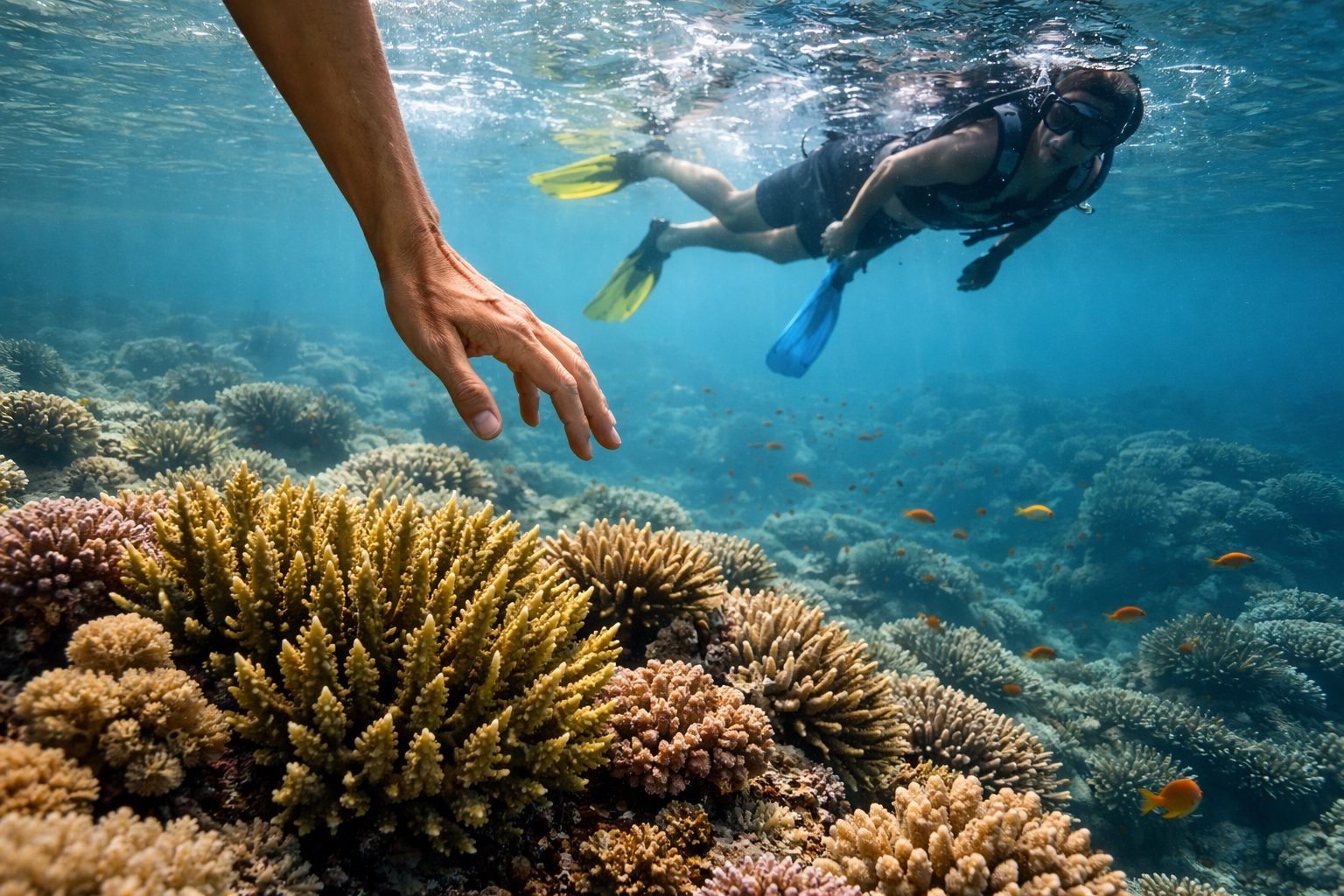
- Don’t stand on coral, even if it looks dead or brown.
- Don’t chase, touch, or ride marine animals.
- Don’t collect shells, fragments, or any living organisms.
- Use reef-safe sunscreen that doesn’t contain oxybenzone or octinoxate.
- Take nothing but photographs, leave nothing but bubbles.
These aren’t just guidelines. In the Maldives, touching coral or harassing marine life can result in fines. More importantly, coral reefs support the entire ecosystem you’re there to enjoy.
What to Expect During a Snorkeling Experience
Marine Life Encounters
The variety of what you’ll see depends on the site, time of day, and season, but even on an average day in the Maldives you can expect to encounter dozens of species. Parrotfish are everywhere, crunching on coral. Butterflyfish move in pairs. Triggerfish patrol their territory aggressively, so give them space especially if they’re near a nest.
Turtles are common around many house reefs and rarely seem bothered by snorkelers as long as you maintain distance and don’t intercept their swimming path. Reef sharks appear frequently in certain zones and are not a concern for surface snorkelers. They’re more curious than threatening and typically ignore people floating at the surface.
Snorkeling Depths and Visibility
The best snorkeling happens between 1 and 5 meters deep, where light penetration is maximum and coral growth is most dense. Visibility in the Maldives regularly exceeds 20 to 30 meters in clear conditions, which means you can see the reef structure dropping away far below you even from the surface.
Some sites have deep walls just a few meters from the surface. The combination of shallow coral and the visual depth beneath creates a dramatic contrast that’s hard to describe until you’ve experienced it. On good days, snorkeling here feels more like flying than swimming.
Guided vs. Independent Snorkeling
Independent snorkeling from house reefs or beaches is perfectly reasonable if you’re comfortable in the water and have a buddy. Many guesthouses mark safe snorkeling zones, provide basic orientation, and are close enough to assist if needed.
Guided snorkeling adds value when visiting more exposed sites, areas with stronger currents, or locations requiring boat access. A good guide knows exactly where to position you to see the most marine life, handles safety, and can identify species you’d otherwise swim past without noticing. For first-timers or when visiting remote sites, guided tours are worth every dollar.
Comparing Snorkeling in Maldives to Other Destinations
The Maldives competes with several world-class snorkeling destinations. Here’s how it stacks up against the three most commonly compared alternatives.
| Feature | Maldives | Great Barrier Reef | Hawaii | Caribbean |
|---|---|---|---|---|
| Visibility | 20-30m | 10-20m | 15-25m | 15-25m |
| Water Temperature | 26-30°C | 22-28°C | 23-27°C | 25-29°C |
| Coral Diversity | Very High | High | Moderate | Moderate-High |
| Marine Life Variety | Exceptional | High | Moderate | High |
| Accessibility | Moderate | Easy | Easy | Easy |
| Budget Range | Mid-High | Mid-High | Mid | Low-Mid |
| Best For | Pelagics, Reefs | Scale, Variety | Turtles, Lava | Beginners, Price |
Maldives vs. Great Barrier Reef
The Great Barrier Reef is larger and more accessible, with more tourism infrastructure and a wider range of price points. But the Maldives offers warmer, clearer water in more compact zones that are easier to explore. The pelagic species encounters (whale sharks, mantas) are more reliable in the Maldives for snorkelers specifically, since many of these animals come into shallower water here than they do off Australia.
Maldives vs. Hawaii
Hawaii has excellent snorkeling, particularly for sea turtle encounters, and the volcanic landscape creates interesting underwater topography. The water is slightly cooler and the reef systems are less diverse in terms of coral species. Hawaii is also significantly easier and cheaper to reach from North America, making it a practical alternative if budget or travel time is a major constraint.
Maldives vs. Caribbean
The Caribbean is the classic beginner’s snorkeling destination. It’s affordable, accessible from the US and Europe, and the reefs are genuinely impressive in many areas. But overfishing and anchor damage have taken a toll on Caribbean reefs over the decades. The Maldives consistently offers better coral health, higher fish density, and more dramatic encounters, though it comes at a higher price point.
Frequently Asked Questions (FAQ)
Is snorkeling safe in the Maldives?
Yes, snorkeling in Maldives is safe for most people when done responsibly. The main risks are sun exposure, mild currents, and occasional jellyfish. Following basic safety guidelines, using a buddy system, and staying within your comfort level minimizes these risks significantly.
Do I need to be a strong swimmer to snorkel?
You don’t need to be a strong swimmer to snorkel, but you should be comfortable in the water. A snorkeling vest or float provides additional support if needed, and most beginner-friendly sites in the Maldives have calm, shallow water. Avoid sites with strong currents if you’re not a confident swimmer.
Can I rent snorkeling gear in the Maldives?
Yes, snorkeling gear is available for rent at virtually every resort, guesthouse, and tour operator in the country. Quality varies, so inspecting the mask seal and snorkel condition before using rental gear is worth a minute of your time. Bringing your own mask if you snorkel regularly is a good investment.
What marine life can I see while snorkeling in the Maldives?
The list is long. Common sightings include green and hawksbill turtles, blacktip and whitetip reef sharks, eagle rays, moray eels, octopus, hundreds of reef fish species, and with the right timing, whale sharks and manta rays. Even on a basic house reef snorkel, you’re likely to see more species in an hour than you’d see in a full day at many other destinations.
How can I protect the coral reefs while snorkeling?
The most important things are not touching coral, not wearing chemical sunscreens that contain harmful compounds, and maintaining good buoyancy control to avoid accidental contact. Choose eco-certified tour operators, follow all site guidelines, and report any signs of reef damage or illegal fishing activity to local authorities or conservation groups.
There’s something about snorkeling in Maldives that stays with you long after you’ve left. It’s not just the fish or the coral. It’s the silence, the light filtering through the water, and the sense of being in a world that operates completely outside human timelines. If you make the trip, spend as much time in the water as you possibly can. The reefs are worth every minute.