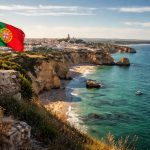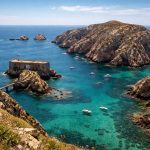
Portugal sits at the western edge of Europe, and it genuinely feels like the continent saved its best weather for last. I’ve spent time here across all four seasons, and my honest take is that there’s no single best time to visit Portugal that works for everyone. It depends on what you’re after: sun-drenched beaches, lively city culture, hiking through green hills, or quiet cobblestone streets without the crowds. What I can tell you is that this country rewards you no matter when you show up, as long as you know what to expect.
The range is surprisingly wide. You can arrive in July to Algarve beaches packed with umbrellas, or walk through Lisbon in February and have whole viewpoints to yourself. Portugal’s compact size also means you can move between dramatically different climates in a few hours. That flexibility is one of its biggest underrated strengths as a travel destination.
Overview of Portugal’s Climate
Understanding Portugal’s Weather Patterns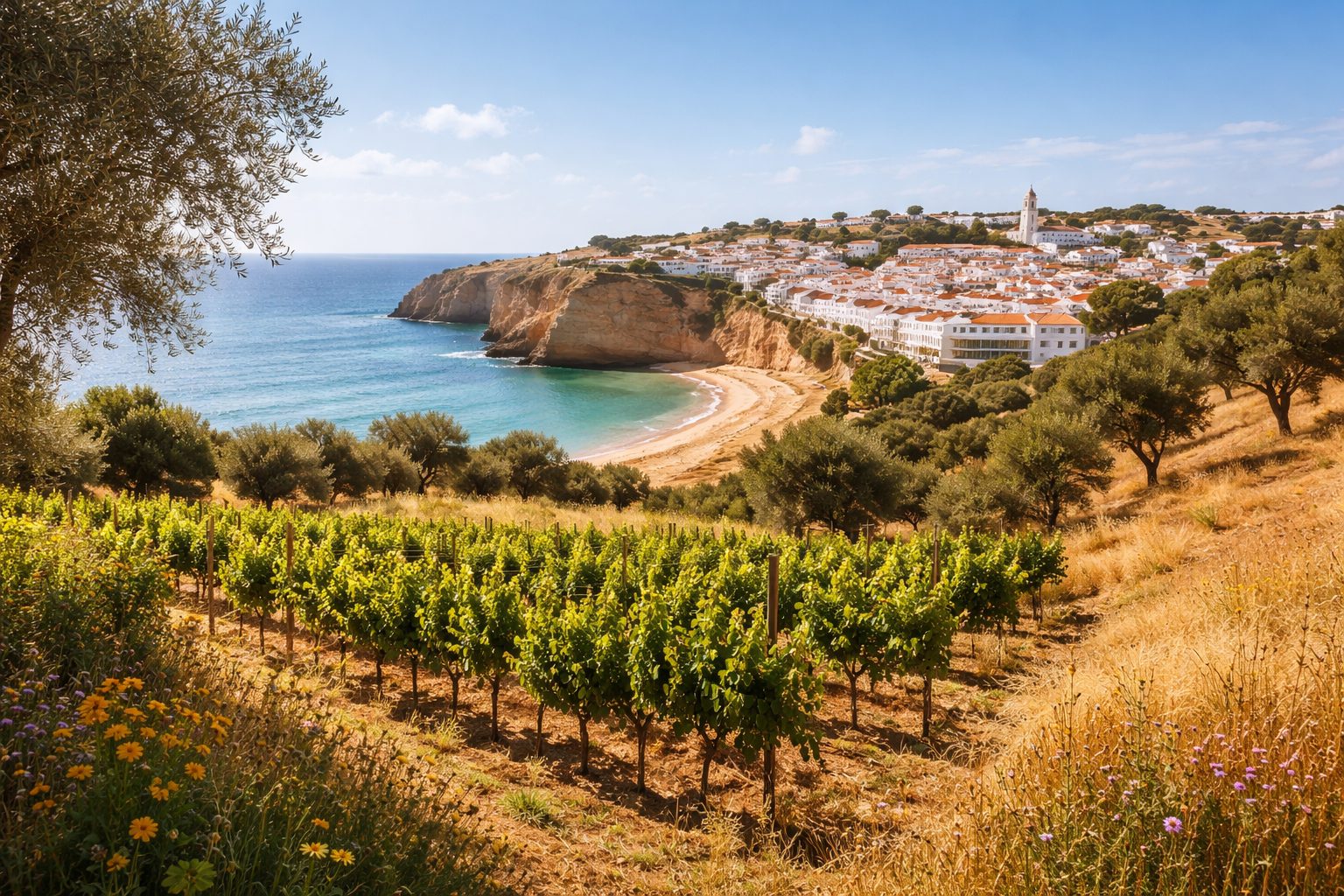
Portugal has a Mediterranean climate along most of its coastline and a more continental one inland. That sounds technical, but in practice it means warm, dry summers and mild, wet winters for most of the country. The Atlantic Ocean plays a huge role here. It keeps temperatures moderate even in summer, which is why Lisbon rarely hits the brutal heat levels you’d find in Madrid or Seville.
The north is wetter and greener. Porto gets noticeably more rainfall than Lisbon, and the Douro Valley wine country is often covered in mist well into spring. The south, particularly Algarve, is the sunniest part of the country and gets very little rain from June through September.
The Azores and Madeira follow their own rules entirely. Madeira is subtropical and pleasant year-round. The Azores are green and lush because they get rain throughout the year, though summers are still quite nice.
Seasonal Changes in Portugal
Spring brings wildflowers across the countryside and mild temperatures ideal for walking. Summer is warm and very dry, especially in the south. Autumn stays comfortable well into October and November, with harvest festivals and far fewer tourists. Winter is mild by northern European standards, though the north gets genuinely rainy and the mountains in Serra da Estrela see real snow.
One thing that catches visitors off guard is the difference in temperature between the coast and the interior. Inland areas like the Alentejo can be scorching in July, sometimes topping 40°C, while the coast stays breezy and manageable. Keep that in mind when planning your itinerary.
Best Time to Visit Portugal by Season
Spring (March to May)
Spring is probably my favorite time to travel in Portugal. The country comes alive with almond blossoms in late February and wildflowers through March and April. Temperatures are genuinely comfortable, usually between 15°C and 22°C along the coast, without the intense heat or the crowds of summer.
What I especially like about spring is the light. The days are getting longer, the landscape is green, and outdoor activities feel effortless. Hiking trails in the Peneda-Gerês National Park and Serra da Arrábida are stunning in April and May.
Key benefits of visiting in spring:
- Mild temperatures across the whole country
- Fewer tourists than summer, especially in April
- Wildflowers and lush landscapes
- Lower hotel and flight prices than peak season
- Outdoor dining is comfortable in the evenings
Easter can bring some crowds and slightly higher prices, particularly around the religious holiday period. But outside of that week, spring is genuinely one of the best windows to visit.
Summer (June to August)
Summer is the most popular time to visit Portugal, and it’s easy to see why. The Algarve is at its most spectacular, beach weather is reliable, and the long days make it easy to pack in a lot. Lisbon and Porto buzz with energy, outdoor festivals happen almost every weekend, and the country is in full swing.
But summer comes with real trade-offs. Prices spike significantly in July and August. Accommodation in the Algarve can be three times more expensive than in October. Tourist attractions get crowded. Lisbon’s famous viewpoints can feel more like rush hour than a peaceful escape.
Temperatures in Lisbon average around 27°C to 29°C in summer, which is warm but not overwhelming. The interior of the country is another story. Évora and the Alentejo region can hit 38°C to 42°C in July and August, which makes sightseeing genuinely unpleasant in the middle of the day.
If you go in summer, June tends to be the sweet spot. Prices are lower than July and August, the weather is already excellent, and the absolute peak crowds haven’t arrived yet.
Autumn (September to November)
Autumn is the second-best time to visit Portugal in my opinion, and it’s arguably underrated. September still feels like summer in the Algarve. Water temperatures are warm, beaches are less packed, and prices drop as the school holiday rush ends. October brings cooler temperatures but remains dry and pleasant in most of the country.
The Douro Valley wine harvest happens in late September and early October. Watching the vendima (grape harvest) from a quinta terrace with a glass of local wine is one of those experiences that’s hard to replicate. The valley turns gold and red in autumn, and the light is extraordinary.
By November, the rain starts picking up in the north, and Lisbon can see grey, wet days. But November is also the month when the city feels most authentically itself, without the tourist overlay of summer. Fado houses are packed with locals, restaurants are back to normal pricing, and you can actually have a conversation with a shopkeeper.
What autumn offers:
- Excellent September beach conditions at lower prices
- Wine harvest experiences in the Douro and Alentejo
- Beautiful autumn foliage in northern Portugal
- Comfortable temperatures for city exploration
- Fewer queues at popular museums and monuments
Winter (December to February)
Winter in Portugal is genuinely underrated as a travel option, particularly for visitors coming from colder climates. Temperatures in Lisbon hover between 10°C and 15°C in December and January. It rains more, but rarely with the intensity of northern European winters. Porto gets wetter, and the north can feel quite cold, but it still rarely drops below freezing on the coast.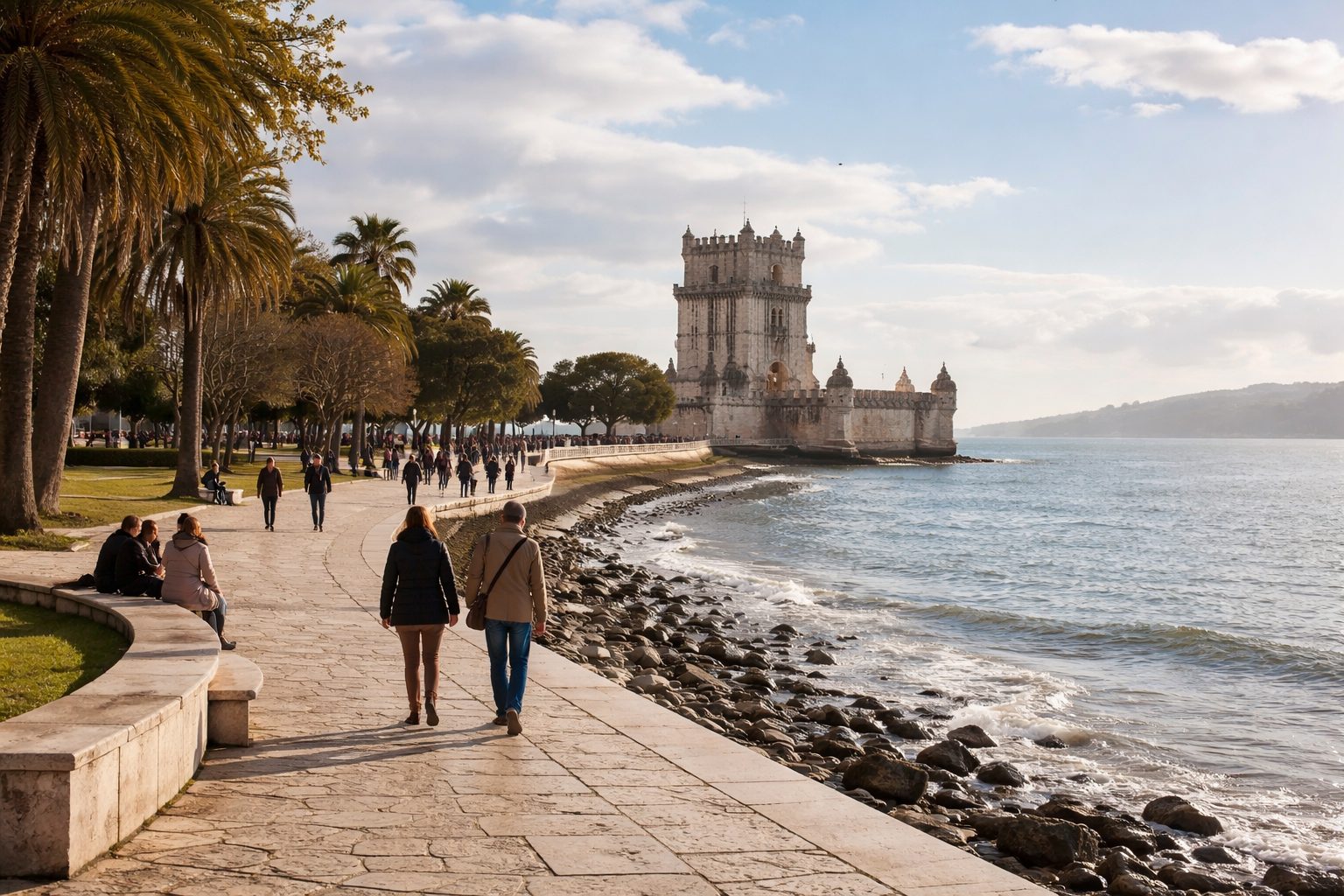
The Algarve is remarkably mild even in winter. Highs of 16°C to 18°C are common, and on clear January days you can sit outside at a café in shorts. It’s not beach weather, but it’s excellent for hiking the cliff paths, exploring medieval villages, or just walking without sweating.
Christmas in Portugal is a cultural experience worth seeking out. Markets appear in city centers, pastry shops fill with seasonal sweets like Bolo Rei, and the cities are beautifully lit without being over-commercialized.
Winter is also the absolute cheapest time to visit. You can find significant savings on flights and hotels compared to summer, and popular destinations feel relaxed and manageable.
Festivals and Events in Portugal
Major Festivals Throughout the Year
Portugal’s festival calendar is packed, and timing your trip around one of these events can transform a good trip into a memorable one.
Some of the most significant events by season:
- Carnaval (February/March) – Particularly vibrant in Torres Vedras and Ovar, with elaborate parades and costumes.
- Semana Santa / Easter (March/April) – Religious processions across the country, especially in Braga.
- Festas de Lisboa (June) – Lisbon’s citywide celebration of Santo António, with sardine grills, paper decorations, and street parties throughout the Alfama and beyond.
- Festa de São João (June 24) – Porto’s biggest night of the year. Locals hit each other with plastic hammers and leeks, eat grilled sardines, and launch sky lanterns at midnight. It’s bizarre, joyful, and completely unmissable.
- Festival Sudoeste and NOS Alive (July) – Major music festivals bringing international acts.
- Vendima (September/October) – Grape harvest celebrations in the Douro Valley.
- Óbidos Medieval Fair (July/August) – The walled town transforms into a medieval market with jousting and period costumes.
Cultural Events and Celebrations
Beyond the big festivals, Portugal has a rich cultural event calendar that runs year-round. Fado concerts happen in both formal venues and small tasca restaurants, and while they’re available every month, winter tends to attract more local audiences.
The Setúbal Orange Festival in March is a good early spring event that’s off the main tourist radar. The Sinterklaas-style Festa de São Martinho in November celebrates new wine with chestnuts and the year’s first taste of água-pé and jeropiga. Literary and film festivals dot the calendar in Lisbon and Porto, particularly in autumn.
For art lovers, the Serralves Festival in Porto in late May or early June is a contemporary arts event held across the stunning Serralves estate grounds. It’s one of the best reasons to visit Porto in late spring.
Regional Considerations for Visiting
Best Time to Visit Lisbon
Lisbon works well almost any time of year, but I’d put April through June and September through October as the sweet spots. The weather is comfortable for walking the city’s hills, the light is beautiful for photography, and the main attractions are manageable without summer’s peak crowds.
Summer in Lisbon is still great, but be prepared for heat and queues. The Belém Tower, Jerónimos Monastery, and Sintra all get very crowded from late June through August. Going early in the morning helps significantly.
Winter in Lisbon is quieter and cheaper, with occasional rainy days but plenty of dry, bright weather too. The city feels more local and less performative in January and February.
Best Time to Visit Porto
Porto is a genuine year-round destination, but autumn is particularly magical here. The city looks incredible in October rain, and the wine cellars in Vila Nova de Gaia are a pleasure to explore without queuing.
June 23 and 24 are unmissable if you can make it. Festa de São João is one of the most joyful street parties I’ve experienced anywhere in Europe. The entire city turns out, the riverfront is packed, and the atmosphere is electric.
Spring in Porto is excellent for walking. The Ribeira district, the university area, and the quiet side streets of Bonfim all feel fresh and alive from March through May. Just know that the city does get real rainfall even in spring, so pack a light jacket.
Best Time to Visit the Algarve
The Algarve is primarily a beach destination, which means most people visit in summer. July and August deliver near-certain sunshine and warm sea temperatures, but prices are high and the most popular beaches like Praia da Marinha and Praia de Benagil can feel genuinely overcrowded.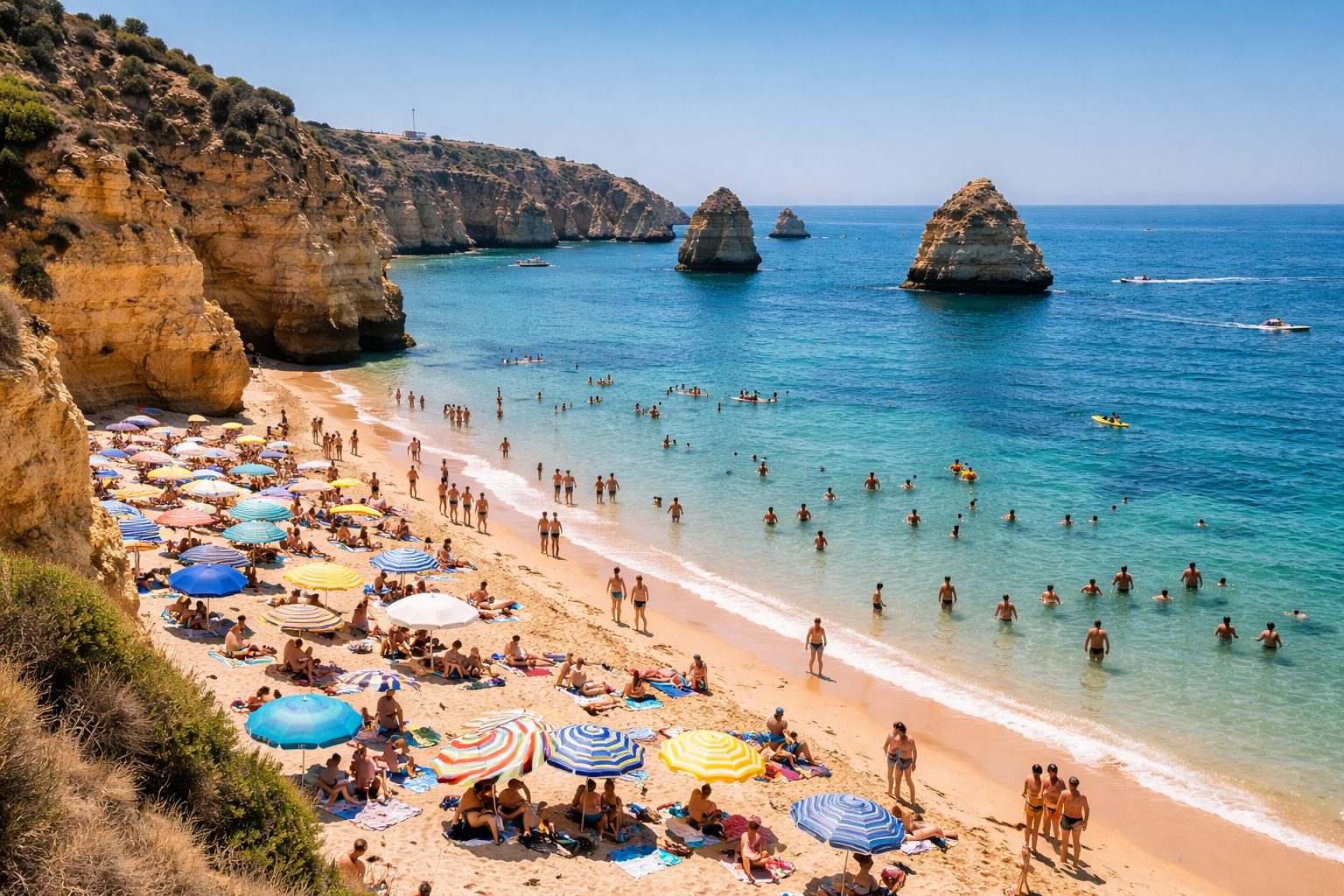
My recommendation for the Algarve is late May, June, or September. The weather is warm, the sea is swimmable, prices are significantly lower, and you can actually find a spot on the sand without stress.
October is the Algarve’s hidden gem month. Temperatures are still around 22°C to 24°C, water is warm from the summer heat buildup, and the coastal walking trails are at their best. Some beach restaurants close by late October, but most of the infrastructure is still running.
Winter in the Algarve is surprisingly pleasant for hiking and sightseeing. The Via Algarviana trail and the Rota Vicentina coastal path are excellent choices from November through March, when temperatures are mild and the paths aren’t crowded.
Outdoor Activities and Attractions
Hiking and Nature in Spring and Autumn
Portugal punches well above its weight for hiking. The country has a national park, several natural parks, and a well-developed network of walking trails. Spring and autumn are ideal for almost all of them.
Top hiking destinations by season:
- Peneda-Gerês National Park (best: April to June, September to October) – Portugal’s only national park, with granite mountains, waterfalls, and wild Garrano ponies.
- Serra da Estrela (best: May to June, September, winter for snow sports) – The highest point in mainland Portugal, with dramatic landscapes and glacial valleys.
- Rota Vicentina coastal path (best: March to May, October to November) – A multi-day coastal trail through the Vicentine Coast Natural Park.
- Sintra hills (best: April to June, September) – Forest trails through a UNESCO World Heritage landscape of palaces and ancient forest.
- Arrábida Natural Park (best: May to October) – Mediterranean scrubland and turquoise sea coves south of Setúbal.
The heat in summer can make hiking uncomfortable in most of Portugal, particularly in the interior. Start early if you’re hiking in July or August, and carry significantly more water than you think you need.
Beach Activities in Summer
Summer is the undisputed season for Portugal’s beaches, and the country has some genuinely world-class ones. The Algarve coast gets the most attention, but there are excellent beaches up and down the Atlantic coast.
Atlantic beaches along the Cascais and Estoril coast west of Lisbon are popular with locals but exposed to the ocean swells, making them excellent for surfing but sometimes rough for swimming. Peniche and Nazaré are famous surfing destinations, with Nazaré hosting some of the world’s biggest wave competitions in winter.
The sheltered coves of the Algarve, particularly around Sagres, Lagos, and Albufeira, are calmer and better for families. The sea temperature in the south reaches around 22°C to 24°C in July and August, which is comfortable for extended swimming.
If you’re visiting the Lisbon area in summer, the beaches at Comporta and Melides in the Alentejo are a less crowded alternative to the Algarve. They’re about two hours from Lisbon and feel genuinely different from the package holiday crowds.
Winter Sports in Northern Portugal
Serra da Estrela is Portugal’s only ski resort, and it’s a genuinely charming option for a low-key winter sports experience. It’s nothing like the Alps, but on good snow years, the resort operates lifts and offers a friendly skiing and snowboarding environment.
The ski season runs roughly from January to March, depending on snowfall. The town of Manteigas at the base of the serra makes a good base for winter visits.
Beyond skiing, winter in northern Portugal offers excellent conditions for birdwatching, particularly in the Tagus estuary and Ria Formosa natural park in the Algarve, where flamingos and migratory birds are plentiful from October through March.
Budget Considerations
| Month | Price Level | Crowds | Weather Quality |
|---|---|---|---|
| January | Low | Low | Mild, some rain |
| February | Low | Low | Mild, some rain |
| March | Low-Medium | Low | Warming, pleasant |
| April | Medium | Medium | Excellent |
| May | Medium | Medium | Excellent |
| June | Medium-High | Medium-High | Very good |
| July | High | High | Hot, dry |
| August | Highest | Highest | Hot, dry |
| September | Medium-High | Medium | Warm, excellent |
| October | Medium | Low-Medium | Good |
| November | Low-Medium | Low | Variable |
| December | Low | Low | Mild |
Off-Peak Travel Benefits
Traveling outside the July and August peak delivers real financial benefits. Hotel prices in Lisbon can drop by 30% to 50% in October compared to August. Algarve villas and apartments see similar drops. Flights from most European hubs are significantly cheaper in the shoulder months.
Beyond the money, off-peak travel gives you a more authentic experience. Restaurants are less rushed, locals are more present in public spaces, and the cities feel less like managed tourist attractions. I’ve had better conversations, better service, and more spontaneous encounters in October than I ever have in July.
Cheapest Times to Visit Portugal
The cheapest months to visit Portugal are January, February, and November. These months offer the lowest accommodation prices, fewest crowds, and most availability. Flights are also typically cheaper during these windows.
March and October sit in a middle ground where prices are still reasonable and the weather is generally good. They represent excellent value options for budget-conscious travelers who want decent weather without the peak season premium.
If you’re flexible on dates, November through early December offers some of the best value in Portugal. The weather in Lisbon and the Algarve is still quite pleasant, and you’ll pay a fraction of summer prices for the same hotels.
Traveling with Family
Best Family-Friendly Seasons
Summer is the most practical season for family travel, mainly because school schedules align with it and beach activities keep children happy. But it’s not the only option.
Spring from April through June is excellent for families. Temperatures are comfortable for walking, kids handle the heat well, and there’s no need to plan everything around midday shade. Theme parks, water parks, and outdoor attractions are all open, and queues are shorter than in August.
September is another strong family option. The sea is at its warmest, beaches are less crowded than in peak summer, and prices drop as soon as European school holidays end in early September. If your family has flexibility on school term dates, early September in the Algarve is a genuinely excellent choice.
Kid-Friendly Activities Throughout the Year
Portugal has strong options for families with children at any time of year.
Year-round activities:
- Lisbon’s Oceanarium (one of Europe’s best) is excellent in any weather
- Sintra’s fairy-tale palaces appeal to children and adults alike
- Zoomarine and Aquashow parks in the Algarve (open spring through autumn)
- The prehistoric cave art at Côa Valley Archaeological Park
- Train journeys along the Douro Valley
Summer-specific options:
- Water parks along the Algarve coast
- Beach rental equipment like kayaks and pedalos
- Boat trips to sea caves and grottos near Lagos and Portimão
Winter options for families:
- Lisbon’s interactive science museums
- Christmas markets in Lisbon, Porto, and Funchal (Madeira)
- Skiing at Serra da Estrela with children
Romantic Getaways
Ideal Seasons for Couples
Autumn is hard to beat for a romantic trip to Portugal. The golden light, the harvest season, the quieter streets, and the cooler evenings create an atmosphere that summer’s heat and crowds don’t quite match. October in particular feels intimate and beautiful across most of the country.
Spring also works beautifully for couples. April in Sintra, with its misty mornings and lush gardens, has a quality that feels genuinely cinematic. A weekend in Porto in May, walking the riverfront and drinking wine in the Bonfim neighborhood, is the kind of trip that people talk about for years.
Winter works well for couples who enjoy a more introspective travel experience. Fado performances in Lisbon’s Mouraria neighborhood, long dinners in candlelit restaurants, and uncrowded museums all feel well-suited to winter visits.
Most Romantic Locations in Portugal
Some places in Portugal have a natural romantic atmosphere that comes across regardless of season.
Sintra, just 40 minutes from Lisbon by train, is almost absurdly picturesque. The royal palaces rising from forested hills, the morning fog, and the elaborate gardens of Monserrate Palace create an atmosphere that’s hard to find anywhere else in Europe.
The Douro Valley rewards couples who make the effort to get there. Staying at a quinta (wine estate) with terraced vineyards dropping to the river below is a genuinely special experience. Autumn brings harvest energy; spring brings blossoms; winter offers complete solitude.
Comporta in the Alentejo coast has developed into a sophisticated low-key destination over the past decade. The long sand beaches backed by rice paddies and pine forests, combined with excellent restaurants and a calm atmosphere, make it excellent for couples at most times of year.
Évora in the Alentejo, with its Roman temple and medieval walled old town, has romantic qualities that are most pleasant in spring or autumn when the temperatures are comfortable for evening walks.
FAQs about Visiting Portugal
What are the peak tourist months in Portugal?
July and August are the peak months, particularly in the Algarve and in Lisbon. Accommodation prices are at their highest and main attractions are at their most crowded. June and September are also fairly busy but noticeably more manageable than the absolute peak.
Is winter a good time to visit Portugal?
Yes, winter is a genuinely good option, especially for city trips and hiking. Lisbon and Porto have mild winters by European standards, and the Algarve stays warm enough for outdoor activity. Prices are at their lowest, crowds are minimal, and you get a more authentic experience of Portuguese daily life.
How does the weather affect travel plans in Portugal?
Weather in Portugal is generally predictable along seasonal lines. Summer is reliably dry and warm, winter brings more rain particularly in the north, and spring and autumn sit comfortably in between. The biggest weather risk is interior heat in summer, which can disrupt outdoor plans if you’re visiting Alentejo or Alentejo. Always have a flexible backup plan if you’re scheduling outdoor activities more than a week in advance.
The honest answer to determining the best time to visit Portugal is that it depends entirely on your priorities. If you want beach weather, July through early September delivers. If you want pleasant conditions without the crowds and high costs, April to June and September to October are excellent. If you want the cheapest possible trip and don’t mind some rain, January and February work well, especially in the south. Portugal is one of those rare destinations that’s genuinely worth visiting any month of the year, and getting the timing right mostly means matching the season to your own travel style.