
There’s something about a great beach that resets everything. The salt air, the sound of waves, the feeling of sand underfoot. I’ve spent years exploring coastlines across the country, and I can tell you that the best beaches in the us offer experiences that go well beyond sunbathing. From Hawaii’s crystalline waters to the rugged shores of Oregon, this country has an extraordinary range of coastal destinations that cater to every kind of traveler.
Whether you’re planning a family vacation, a romantic getaway, or a solo adventure, choosing the right stretch of coastline makes all the difference. The US has over 12,000 miles of coastline, and while that sounds overwhelming, it also means there’s a perfect beach out there for you. This guide breaks down what each major destination offers, compares regions, and gives you practical tips to make the most of your trip.
Introduction to the Best Beaches in the US
Overview of Beach Culture in the US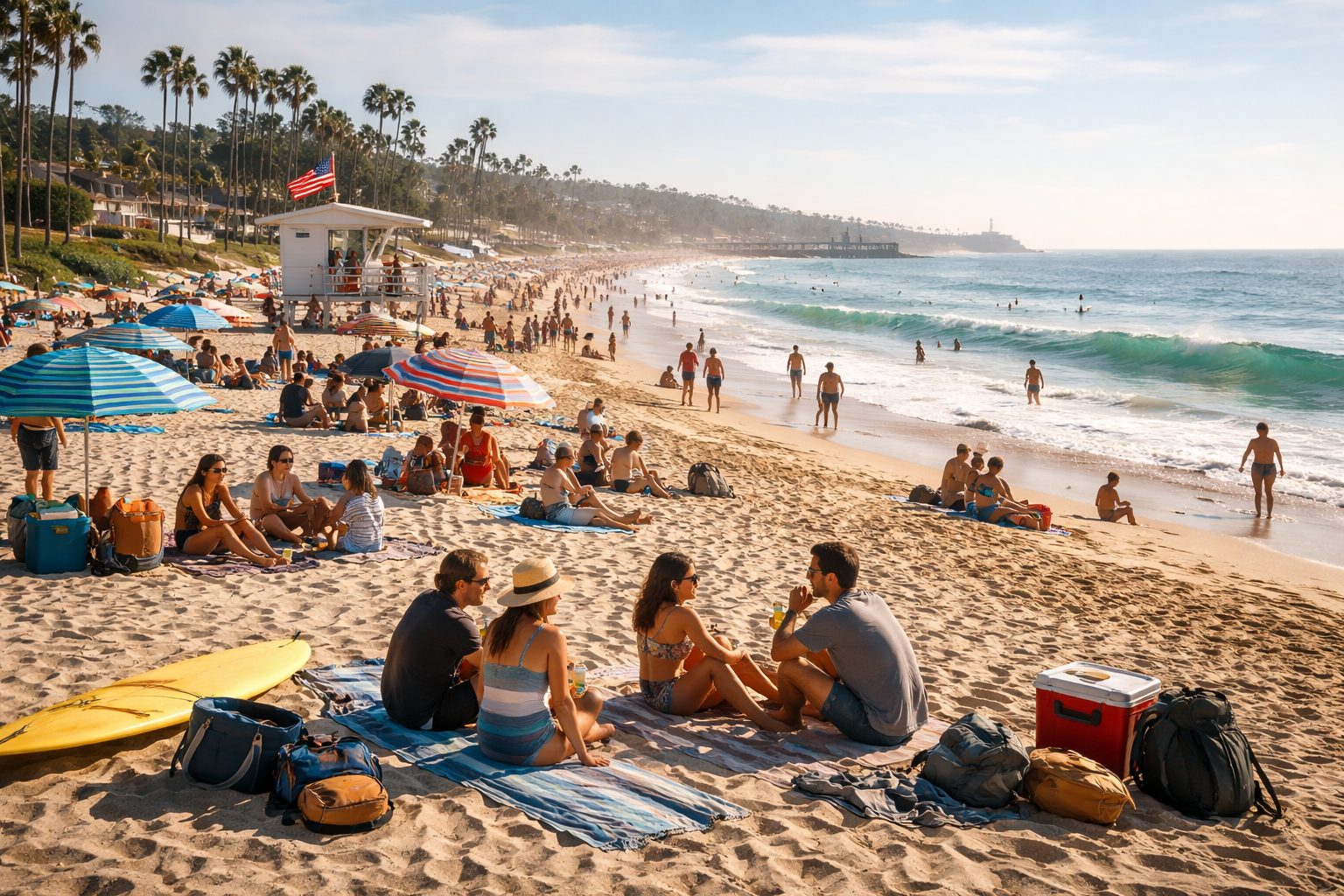
Beach culture in America is deeply woven into the national identity. It’s not just about swimming or tanning. It’s about community, recreation, and a certain kind of freedom that comes with open water and sky. From the laid-back surf culture of Southern California to the boardwalk traditions of the Jersey Shore, each region has developed its own relationship with the coast.
The American beach scene has evolved significantly over the decades. What were once seasonal escapes have become year-round destinations with sophisticated hospitality infrastructure. Cities like Miami, San Diego, and Honolulu have built entire economies around their coastlines. Smaller towns like Cape May or Cannon Beach have preserved a quieter, more intimate character that draws visitors looking to slow down.
Beach culture here also means sport. Volleyball, surfing, paddleboarding, kayaking, and fishing are all part of the picture. So is simple relaxation with a good book and nowhere to be. The range is part of what makes American beaches so compelling.
Importance of Choosing the Right Beach
Not every beach is right for every trip. A beach that’s perfect for a college crowd might be miserable for a family with young kids. A spot famous for big waves might frustrate someone who just wants calm water for a swim. Getting this match right determines whether your trip is memorable for the right reasons.
Think about what you actually want from a beach vacation before you book. Do you want amenities like restaurants and beach bars within walking distance? Or do you prefer somewhere remote where you can have a stretch of sand mostly to yourself? Is water clarity important, or are you more interested in surfing conditions? These questions narrow your choices fast.
I’ve made the mistake of choosing based on reputation alone. A famous beach with huge crowds and mediocre water quality taught me to do my research first. The good news is that once you know what to look for, finding the right match is straightforward.
Top 10 Best Beaches in the US
The list below represents the best beaches in the us across different regions, types, and experiences. Each one earns its place for distinct reasons.
1. Clearwater Beach, Florida
Clearwater Beach consistently ranks among the top beaches in the country, and the reputation is earned. The sand here is powdery white and stays cool even in summer heat, thanks to its high quartz content. The Gulf waters are warm, calm, and typically clear enough to see your feet in waist-deep water.
The strip along Clearwater Beach Road is well-developed with hotels, restaurants, and shops, but it doesn’t feel overdone. Pier 60 is the social hub, especially at sunset when local performers and artisans set up along the pier. It’s lively without being chaotic. Families love it here because the gentle surf is safe for small children, and there’s always something to do nearby.
Parking can be a challenge in peak season, so arriving early or using the park-and-ride options from downtown Clearwater is worth considering.
2. Waikiki Beach, Hawaii
Waikiki is one of the most recognized beach destinations in the world. The backdrop of Diamond Head crater, the long stretch of beach fronting Honolulu’s hotel row, and the reliable surf conditions have made it iconic. It’s busy, sometimes very busy, but the experience still delivers.
What makes Waikiki work is the infrastructure around it. Surf lessons are easy to arrange for beginners, and the waves near the middle of the beach are genuinely learnable. The surrounding neighborhood is walkable, with good food options at every price point. If you stay near the beach rather than further inland, you can be in the water before most tourists have had breakfast.
The trade winds keep temperatures comfortable even in summer, which is something you appreciate after a few hours in the sun.
3. South Beach, Miami
South Beach is more than a beach. It’s a scene. The Art Deco architecture along Ocean Drive, the neon lights at night, the mix of cultures, the energy level that stays high from morning to late evening. It’s not the right choice if you want quiet, but if you want to be in the middle of something vibrant and distinctly American, it delivers.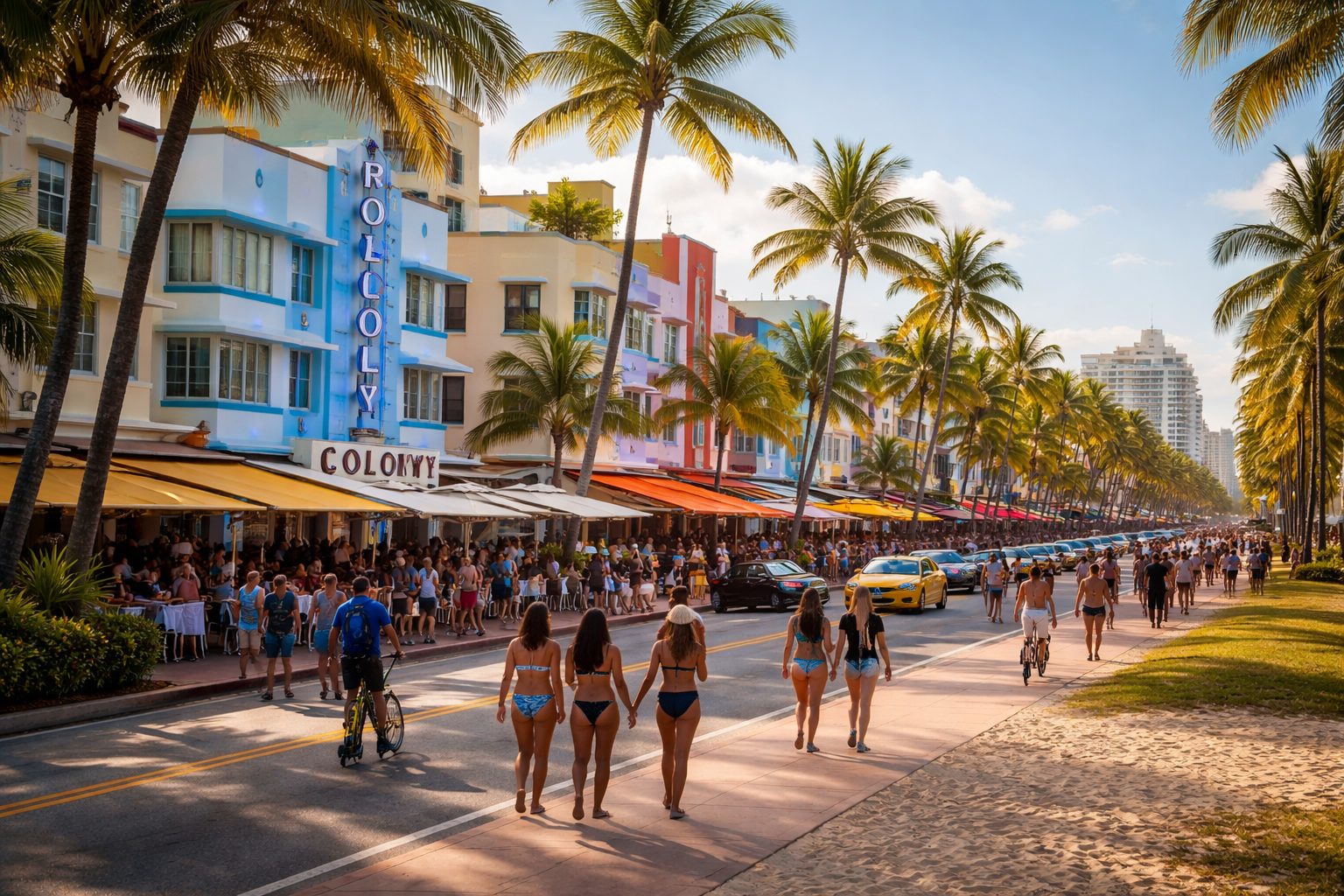
The water along South Beach is warm and inviting. The beach itself is wide and well-maintained. Lifeguard towers painted in bright colors have become a symbol of the place. Early mornings are the best time to actually enjoy the sand and surf without the crowds that build through the day.
South Beach is a destination where the beach is one part of a larger experience. If you’re only going for the sand and water, there are quieter spots in the Miami area worth considering.
4. Malibu Beach, California
Malibu is not one beach but a collection of them spread along 27 miles of Pacific coastline. Zuma Beach is the most accessible and family-friendly. Surfrider Beach draws experienced surfers and those who want to watch them. El Matador is dramatic and rocky, with sea caves and natural formations that feel genuinely wild.
The water temperature here is cooler than Florida or Hawaii, typically in the mid-60s Fahrenheit even in summer. That affects how you use the beach. Wetsuits are common, and long swims are less appealing than they are in warmer water. But the scenery is hard to match. Santa Monica Mountains rising behind the shore, the clarity of the light, the sense of space.
Malibu traffic can be brutal on summer weekends. Going midweek makes a significant difference.
5. Cape May, New Jersey
Cape May sits at the southern tip of New Jersey and has a character unlike anything else on the East Coast. The Victorian architecture of the town, the relative calm of Delaware Bay on one side and the Atlantic on the other, and a strong birding culture give it a distinctive identity.
The beach itself is clean and well-managed. The water is warmer than you’d expect from a New Jersey beach because of the geographic position at the convergence of two bodies of water. In July and August, swimming is genuinely comfortable. The crowds are real but not overwhelming, and the town itself is pleasant to explore on foot.
Cape May is a good choice for travelers who want beach time combined with history, architecture, and a slower pace.
6. Outer Banks, North Carolina
The Outer Banks is a long chain of barrier islands off the North Carolina coast, and it offers some of the best beaches in the us for people who want space, natural scenery, and a connection to American history. This is where the Wright Brothers flew their first airplane at Kitty Hawk. It’s also where wild horses roam the northern end of the island chain near Corolla.
The beaches are wide and often uncrowded, especially if you drive north or south away from the main towns of Nags Head and Kill Devil Hills. The surf can be strong, which is good news for surfers and something to be aware of if you’re swimming with kids. Rentals of beach houses are popular here, and staying a week gives you time to explore the full length of the islands.
The drive onto the Outer Banks via the bridges is part of the experience. Something shifts when you cross over and see open water on both sides.
7. Myrtle Beach, South Carolina
Myrtle Beach is unabashedly commercial, and for a certain kind of vacation, that’s exactly right. The Grand Strand stretches for 60 miles of beach with an enormous variety of accommodations, restaurants, miniature golf, amusement parks, and entertainment options. It’s built for families and groups who want a full itinerary.
The beach itself is wide and the water is warm in summer. Conditions for swimming are generally good. What makes Myrtle Beach work for families is the density of options within walking or short driving distance. You’re never more than a few minutes from something to do, eat, or see.
If you’re looking for tranquility or natural beauty, this isn’t the right choice. But if you want a high-energy beach vacation with plenty of activities and a festive atmosphere, Myrtle Beach delivers consistently.
8. Cannon Beach, Oregon
Cannon Beach is one of the most photographed beaches in the country, largely because of Haystack Rock, a 235-foot sea stack rising from the surf just offshore. The setting is cinematic. But the beach is more than a backdrop.
The Pacific Northwest coast is genuinely dramatic. The water here is cold, the fog rolls in regularly, and the landscape has a wild, untamed quality that’s different from anything in the South or Hawaii. People don’t come to Cannon Beach to swim. They come to walk, to watch the tidal pools, to see birdlife, and to experience a coast that feels ancient and unmodified.
The town of Cannon Beach itself is small, artsy, and well worth exploring. Galleries, good restaurants, and independent shops fill the blocks near the beach. It’s the kind of place that rewards slow travel.
9. Siesta Key, Florida
Siesta Key’s sand is made of 99 percent pure quartz crystal, giving it an almost unnaturally white appearance and a cool, soft texture underfoot. The beach has won multiple national awards, and it’s easy to see why. The Gulf water here is typically calm, clear, and warm, ideal for swimming.
What separates Siesta Key from Clearwater Beach is the slightly quieter atmosphere and the strong community of locals who use the beach regularly. It doesn’t feel quite as tourist-oriented, which some visitors prefer. The main beach area has good facilities including restrooms, picnic areas, and volleyball courts.
Getting here requires navigating the bridges onto Siesta Key island, and parking is limited. But once you’re there, the beach more than justifies the effort.
10. Lanikai Beach, Hawaii
Lanikai is on the windward side of Oahu, away from the crowds of Waikiki. The beach is small, only about half a mile long, but the quality of what’s here is exceptional. The water is a shade of turquoise that looks almost artificial. The Mokulua Islands sit just offshore, and kayaking out to them is one of the best activities on the island.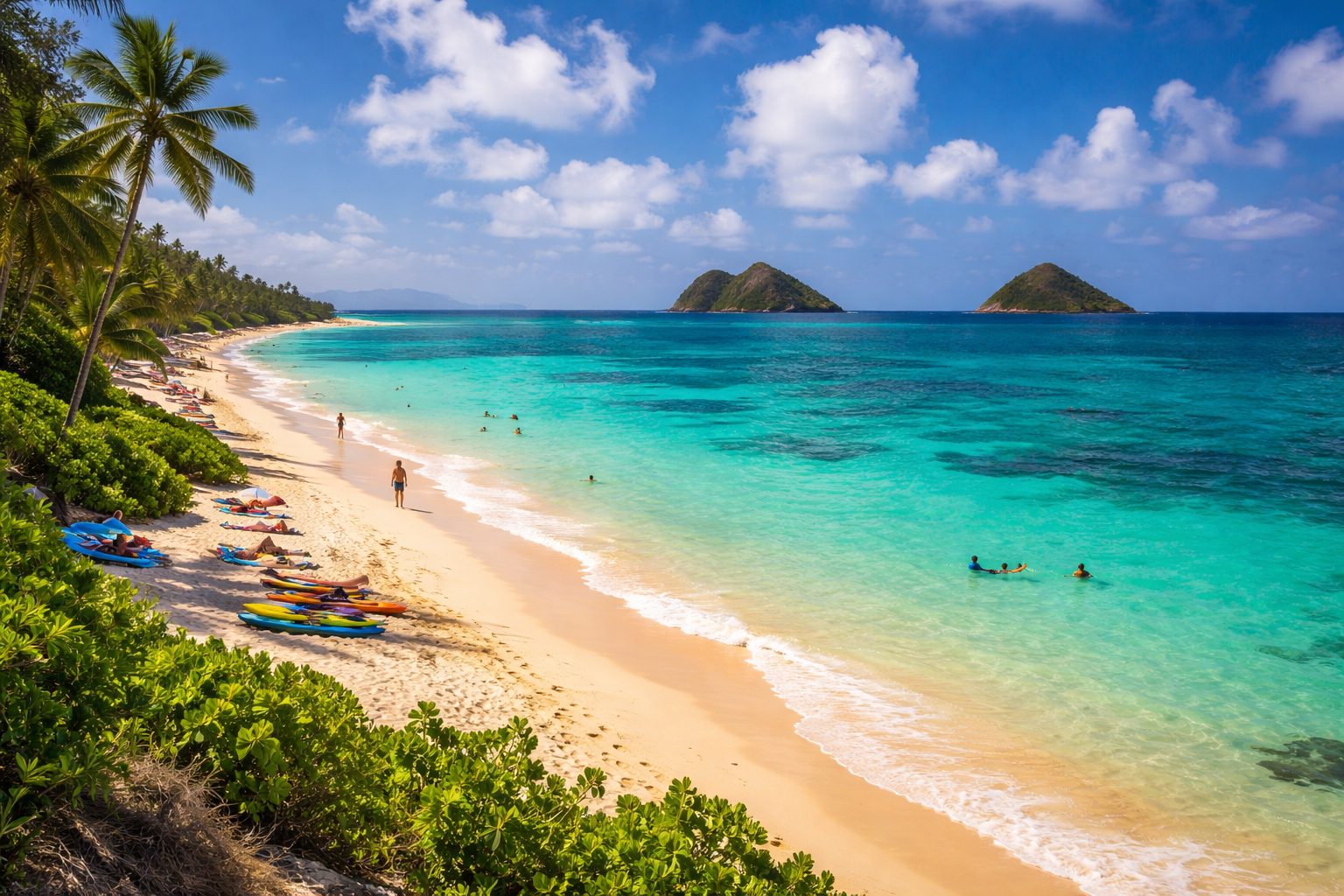
Access to Lanikai is through a residential neighborhood, and parking is limited by design. This keeps the crowds manageable. The beach has no facilities, no vendors, no lifeguards. You bring what you need and take everything with you. That simplicity is part of the appeal.
If you’re staying on Oahu and want to experience the best beaches in the us at their most pristine, making the drive to Lanikai is worth every minute.
Unique Features of Each Beach
Family-Friendly Amenities
Not all beaches are created equal when it comes to families with children. The best options for family travel combine calm water, good facilities, and nearby services.
Clearwater Beach and Siesta Key both rank highly here. The Gulf of Mexico’s typically gentle surf is well-suited to kids who are still building confidence in the water. Both beaches have restroom facilities, lifeguard coverage during peak hours, and parking accessible enough to manage with gear. Myrtle Beach adds entertainment infrastructure that keeps older kids occupied when the beach isn’t enough.
Key things to look for when assessing family-friendliness:
- Shallow, gradual entries into the water
- Lifeguard presence during peak hours
- Clean restroom and shower facilities
- Nearby food options
- Parking that can handle beach gear
Cape May and the Outer Banks are also solid family choices, particularly for families with older children who are more independent at the beach.
Water Sports and Activities
For people who want to be active in the water, the range of options across these beaches is broad.
Waikiki is unmatched for learn-to-surf programs. The instructors there have been teaching beginners for generations, and the break is genuinely well-suited to first-timers. South Beach has a strong paddleboarding and kitesurfing scene. Malibu’s various breaks serve surfers of different skill levels well.
Popular water sports by location:
- Surfing: Waikiki, Malibu, Outer Banks
- Paddleboarding: Waikiki, South Beach, Siesta Key
- Kayaking: Lanikai, Outer Banks, Cape May
- Kitesurfing: South Beach, Outer Banks
- Snorkeling: Lanikai, Clearwater Beach
- Fishing: Outer Banks, Myrtle Beach, Cape May
The Outer Banks has a particularly strong fishing culture, both surf fishing and charter boat fishing offshore. If fishing is central to your trip, it’s one of the best options in the country.
Natural Beauty and Scenery
Beauty at a beach comes in different forms. Some places offer turquoise water and white sand. Others offer dramatic geology or wildlife that makes the landscape feel alive.
Cannon Beach is exceptional for coastal scenery, with Haystack Rock dominating a shoreline backed by green headlands. Lanikai’s combination of turquoise water, white sand, and the offshore islands is in a different class for tropical beauty. The Outer Banks offers something quieter but no less compelling, with wide open skies, marsh and dune ecosystems, and the presence of wild horses in the north.
El Matador in Malibu rewards those willing to climb down to it with sea caves, arches, and a sense of remoteness that’s hard to find this close to Los Angeles. And Siesta Key’s quartz sand has a visual quality that genuinely surprises first-time visitors.
Comparison of Beaches by Region
East Coast vs. West Coast Beaches
The differences between East and West Coast beaches go deeper than geography. They represent genuinely different experiences shaped by ocean temperature, prevailing weather patterns, coastal geology, and cultural history.
| Feature | East Coast | West Coast |
|---|---|---|
| Water temperature | Warmer in summer (65-80°F) | Cooler year-round (55-68°F) |
| Wave type | Generally milder, more variable | Consistent, often larger |
| Sand quality | Variable, from fine to coarse | Often fine, varied by location |
| Beach culture | More social, boardwalk traditions | More active, surf-oriented |
| Season length | June through September | More year-round activity |
| Coastal scenery | Barrier islands, estuaries, dunes | Cliffs, sea stacks, headlands |
East Coast beaches from Florida to New Jersey have warmer water and generally more developed tourist infrastructure. They’re accessible for swimming across a longer portion of summer. West Coast beaches offer more dramatic scenery and a stronger outdoor-activity culture, but cooler water limits swimming for most people.
Northern vs. Southern US Beaches
Geography within the coasts also creates significant differences. Northern beaches, whether on the East or West Coast, have shorter usable seasons and cooler water. Southern beaches tend to be warmer longer and attract a more tourist-oriented development pattern.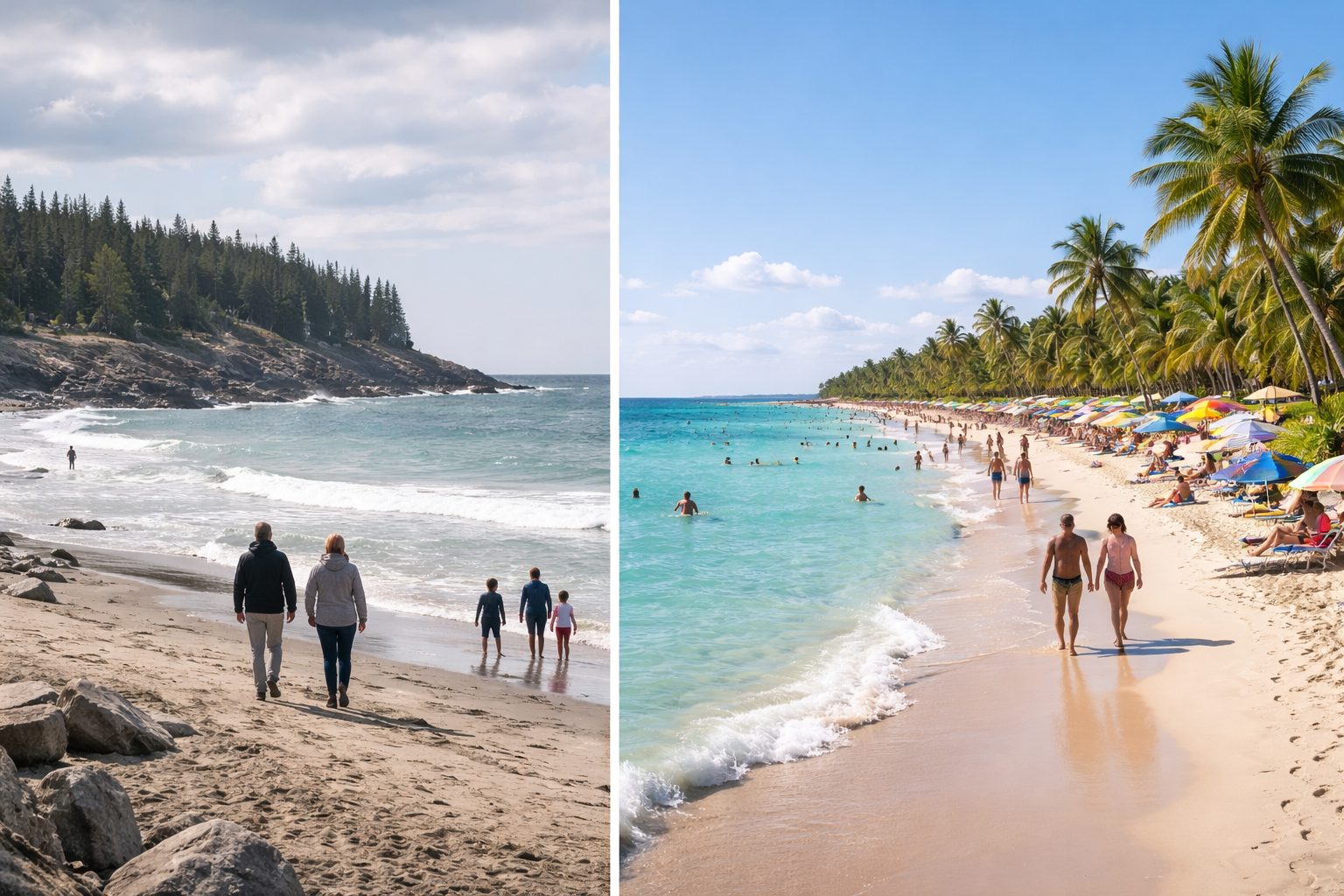
Southern Florida beaches like Clearwater and Siesta Key are genuinely warm from April through October. The Gulf Coast stays swimmable longer than the Atlantic side because the Gulf heats up more quickly and retains warmth later into fall.
Northern beaches like Cape May and Cannon Beach have their own strengths. They’re less crowded, often more affordable, and offer natural environments that haven’t been developed as heavily. The tradeoff is obvious in terms of swimming season length.
For families planning a summer vacation, southern beaches offer the most reliably warm water. For those prioritizing natural scenery and a quieter experience, northern options are worth the cooler temperatures.
Practical Tips for Visiting the Best Beaches
Best Times to Visit
Timing your visit affects everything from crowd levels to water temperature to cost.
For Florida’s Gulf Coast beaches, late September through early November is a sweet spot. Water is still warm from summer, crowds have thinned significantly, and prices drop. Hurricane season runs through November, so keep an eye on weather, but most years the fall shoulder season is excellent.
For Hawaii, spring and early fall offer good conditions with somewhat fewer tourists than peak summer. The shoulder months of April to May and September to October balance good weather, warm water, and manageable crowds.
For the Pacific Northwest, summer is the only real window for beach visits. July and August are the most reliable months, though fog and overcast days are still common.
For East Coast beaches from the Carolinas to New Jersey, June and early July before peak summer is often the best balance of good weather and manageable crowds.
Beach Safety Guidelines
Water safety deserves serious attention regardless of how experienced you are.
- Always swim near a lifeguard when possible
- Check rip current warnings before entering the water
- Swim with a buddy, never alone
- Understand the flag warning system at each beach
- Stay hydrated, sunscreen wears off faster than you think
- Keep children within arm’s reach in the surf zone
- Never swim during lightning or thunderstorm warnings
Rip currents are the primary danger at ocean beaches. If you get caught in one, don’t fight it by swimming directly back to shore. Swim parallel to the beach until you’re out of the current, then angle back in. This is worth knowing before you need it.
Heat and sun exposure cause more beach injuries than water conditions. In Florida and Hawaii especially, the UV index can be extreme. Reapply sunscreen every 90 minutes, wear a hat, and take shade breaks during peak afternoon hours.
Packing Essentials for Beach Trips
What you bring determines how comfortable your day at the beach will be. Over-packing is as much a problem as under-packing.
Core items for any beach trip:
- Broad-spectrum sunscreen, SPF 50 or higher
- Reusable water bottles for the whole group
- Beach towels and a lightweight beach blanket
- Polarized sunglasses
- A hat with real brim coverage
- Dry bag for phone, wallet, and keys
- Snacks that won’t melt or spoil quickly
- Flip-flops or water shoes
- A basic first aid kit
For families with kids, add a pop-up beach tent or shade umbrella. The difference between a miserable afternoon and an enjoyable one often comes down to having a shaded spot to retreat to.
For active beach days involving water sports, add a wetsuit or rash guard depending on water temperature, and appropriate gear for whatever activity you’re planning. Rentals are available at most major beach destinations if you don’t want to travel with equipment.
Leave the valuables at home or in a hotel safe. Beaches are not secure environments, and theft from unattended bags is common at high-traffic locations.
Frequently Asked Questions (FAQ)
What are the most popular beaches in the US?
Clearwater Beach, Waikiki, and South Beach consistently rank among the most visited beaches in the country based on travel surveys and tourism data. Each attracts millions of visitors annually for different reasons. Clearwater and Waikiki are known for water quality, while South Beach draws visitors as much for its urban culture as its coastline.
How do I choose the best beach for my vacation?
Start by defining your priorities: water temperature, crowd levels, activities, and nearby amenities. If swimming comfort is essential, focus on Gulf Coast or Hawaiian beaches. If scenery and outdoor adventure matter most, the Pacific Northwest or the Outer Banks deserve consideration. Match the beach to your actual goals rather than going by reputation alone.
Are there any beaches with no crowds?
Lanikai Beach in Hawaii stays manageable because access is limited and parking is intentionally scarce. Many of the northern Outer Banks beaches, particularly north of Corolla, are accessible only by four-wheel drive on the beach itself and see very few visitors. Shoulder-season visits to any popular beach also reduce crowds substantially.
What activities can I do at these beaches?
The range is wide depending on location. Surfing, paddleboarding, kayaking, snorkeling, fishing, beach volleyball, hiking coastal trails, wildlife watching, and simply swimming are all available at one or more of these destinations. The Outer Banks is exceptional for fishing. Waikiki for surfing lessons. Lanikai for kayaking. Cannon Beach for tide pool exploration and walking.
How to find accommodations near the best beaches?
Booking directly through hotel websites often gives you flexibility options that third-party platforms don’t. For beach house rentals, platforms specializing in vacation rentals tend to have better inventory for coastal destinations. Booking three to four months in advance for summer travel is standard for popular beach destinations. For shoulder season, two months is usually sufficient.
The best beaches in the us reward travelers who take the time to understand what each destination offers. Whether you’re drawn to the tropical warmth of Hawaii, the classic American character of the Jersey Shore, or the wild drama of the Oregon coast, there’s a stretch of coastline in this country that fits what you’re looking for. Do the research, time your trip well, and you’ll find that an American beach vacation can compete with anything the world has to offer.