San Francisco is one of those cities that somehow crams incredible natural beauty into a dense urban grid. You’d think a place this packed with hills, fog, and famous neighborhoods wouldn’t have room for serious green space, but you’d be wrong. The best parks in san francisco are genuinely world-class, and I say that having spent years exploring them on foot, bike, and more than a few impromptu picnic afternoons. Whether you’re a resident looking for your next go-to spot or a visitor trying to squeeze the most out of a long weekend, the city’s parks will not disappoint.
Introduction to the Best Parks in San Francisco
Overview of San Francisco’s Green Spaces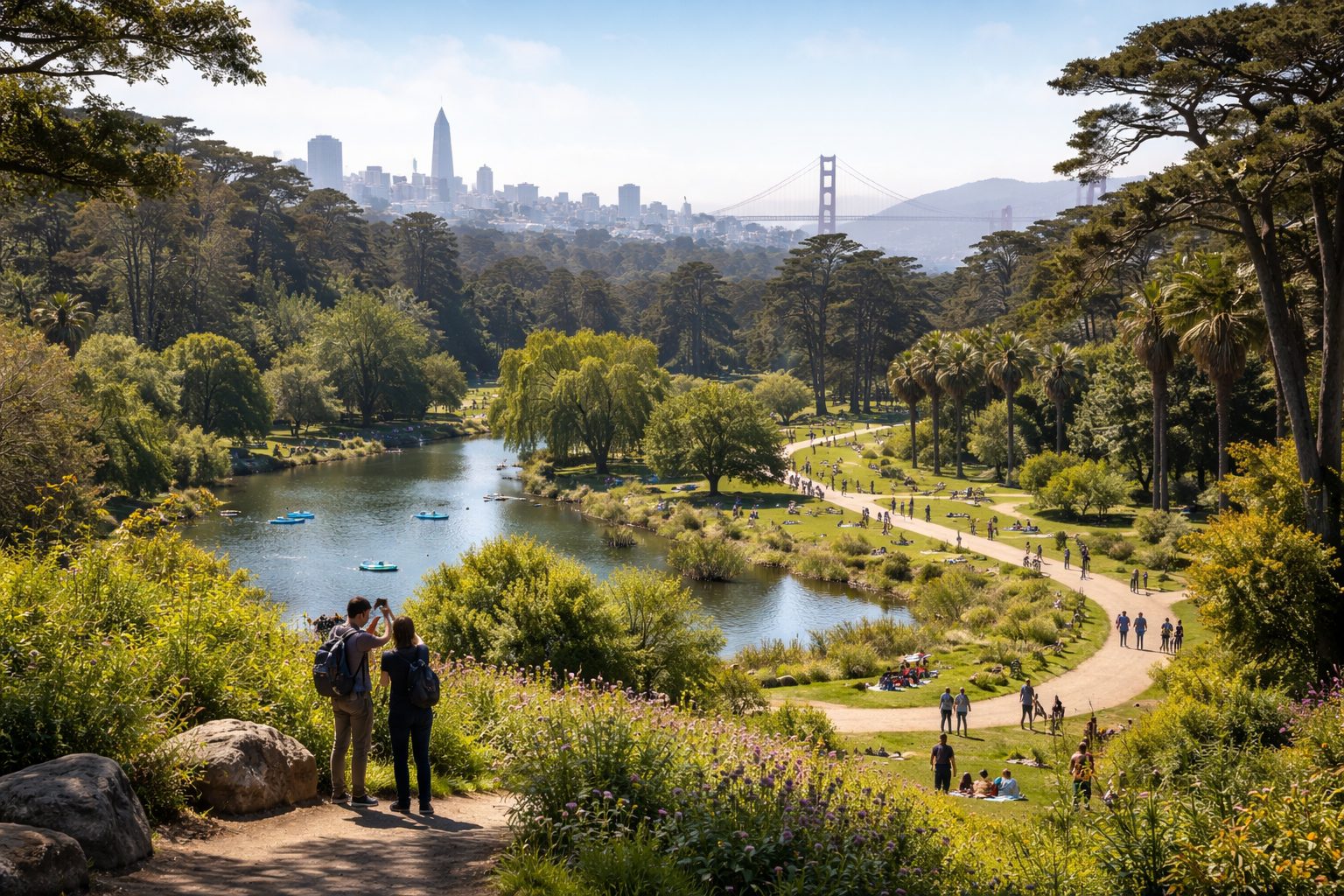
San Francisco covers roughly 47 square miles, and about 20 percent of that is dedicated parkland. That’s a remarkable ratio for any major American city. The San Francisco Recreation and Park Department manages more than 220 parks, playgrounds, and open spaces across the city. Some stretch for hundreds of acres. Others are just a half-block square of grass with a bench and a view. But together, they form a green network that ties the neighborhoods together in a way no road can.
The scale ranges from the massive, 1,017-acre Golden Gate Park to tiny pocket parks tucked between Victorian houses in the Richmond or Sunset districts. Coastal bluffs, wooded hillsides, restored wetlands, manicured lawns, and wild chaparral all coexist here. That variety is what makes exploring San Francisco’s parks so satisfying. There’s something genuinely different around every corner.
Importance of Urban Parks in City Life
Parks aren’t a luxury in a city like San Francisco. They’re a lifeline. The fog and the density and the cost of living can wear on people. A good park gives you space to breathe, to move, to exist without paying for the privilege. I’ve seen impromptu drum circles at Dolores Park that brought strangers together better than any organized event could. I’ve watched families from every corner of the world sharing barbecue pits at Golden Gate Park like old neighbors.
Urban parks also anchor community identity. In San Francisco, where neighborhoods have distinct personalities, the local park often defines the vibe. Noe Valley families gather at a different kind of green space than the Mission crowd does. And that’s a feature, not a bug. The parks reflect the city’s diversity back at you.
Top 10 Best Parks in San Francisco
Golden Gate Park
If you’re only visiting one park in the city, make it this one. Golden Gate Park stretches from the Panhandle near the Haight all the way to Ocean Beach, and its sheer size means you can visit a dozen times and still discover something new. It has a bison paddock. It has three major museums. It has a Japanese tea garden, a botanical garden with plants from six continents, and a windmill built in 1902. On Sundays, the main road closes to cars and the whole thing turns into a massive open-air playground.
The park was built on sand dunes in the late 1800s, which is itself an engineering story worth knowing. It took decades of careful work to establish the grass and trees that now feel ancient and inevitable. Golden Gate Park is the kind of place that rewards slow exploration. Don’t rush it.
Dolores Park
Dolores Park is the heartbeat of the Mission District and one of the most socially alive public spaces I’ve encountered in any city. On a warm Saturday afternoon, every inch of the hill is covered with blankets, friends, and dogs. The views of downtown from the upper section are genuinely stunning. The park was fully renovated in 2012 and the facilities are excellent, including clean restrooms, a renovated playground, and multiple tennis and basketball courts.
It’s also famously dog-friendly, which explains the constant parade of well-dressed San Francisco dogs that passes through. The park sits on a gentle slope, so find a good spot on the upper east side if you want the full panoramic effect.
Alamo Square Park
Alamo Square is most famous for the “Painted Ladies” view, the row of pastel Victorian houses photographed against the downtown skyline. That postcard image is real and it’s worth seeing in person. But the park itself is also genuinely pleasant: a well-maintained hilltop green with picnic tables, a small playground, and a social scene that tends to draw a calmer, more neighborhood crowd than Dolores does.
The park sits at an elevation that makes it breezy even on warm days. Pack a jacket and bring a blanket if you plan to sit for a while. The view gets better the higher up the hill you go.
Mission Dolores Park
This one sometimes causes confusion because locals often just call it “Dolores Park,” and Mission Dolores Park refers to the same place. The park sits adjacent to Mission Dolores, the oldest intact building in San Francisco, built in 1776. That proximity adds a layer of historical weight to what is otherwise a very lively, social urban park.
The combination of history and modern energy is very San Francisco. You can stand in the park, look at a building that predates the United States as a country, and watch someone doing slacklining twenty feet away.
Presidio of San Francisco
The Presidio is a former military base that’s now part of the Golden Gate National Recreation Area, and it’s unlike anything else in the city. Nearly 1,500 acres of forests, coastal trails, historic military buildings, and spectacular bay views. The Golden Gate Bridge emerges from the southern edge of the park like it was placed there specifically for photographs, which, honestly, it was not but it might as well have been.
You can hike for hours here without seeing the same trail twice. The Batteries to Bluffs Trail along the coastal bluff is one of the best short hikes in the Bay Area, full stop. The Presidio also has a golf course, a bowling alley, and a hotel inside old military barracks. It operates as a national park that pays for itself, which makes it a bit of a civic experiment and one that seems to be working.
Crissy Field
Crissy Field is the restored tidal marsh and waterfront promenade that runs along the northern edge of the Presidio. It’s flat and wide and faces the bay directly, which means you get unobstructed views of the Golden Gate Bridge from almost everywhere along its length. The trail is about 1.5 miles one way and is popular with walkers, joggers, cyclists, and kite flyers.
This area was a military airstrip for most of the 20th century and was paved over and ecologically dead by the 1990s. The restoration project that turned it back into a functioning wetland is one of the great urban environmental success stories in American history. The results speak for themselves: birds, native plants, clean water, and thousands of people enjoying it every day.
Lincoln Park
Lincoln Park is one of the city’s most underrated parks, probably because it doesn’t have the social buzz of Dolores or the size of Golden Gate. But the views from the coastal bluffs at the park’s western edge are among the best in the entire city. You’re looking out at the Pacific Ocean, the Marin Headlands, and the Lands End coastline all at once.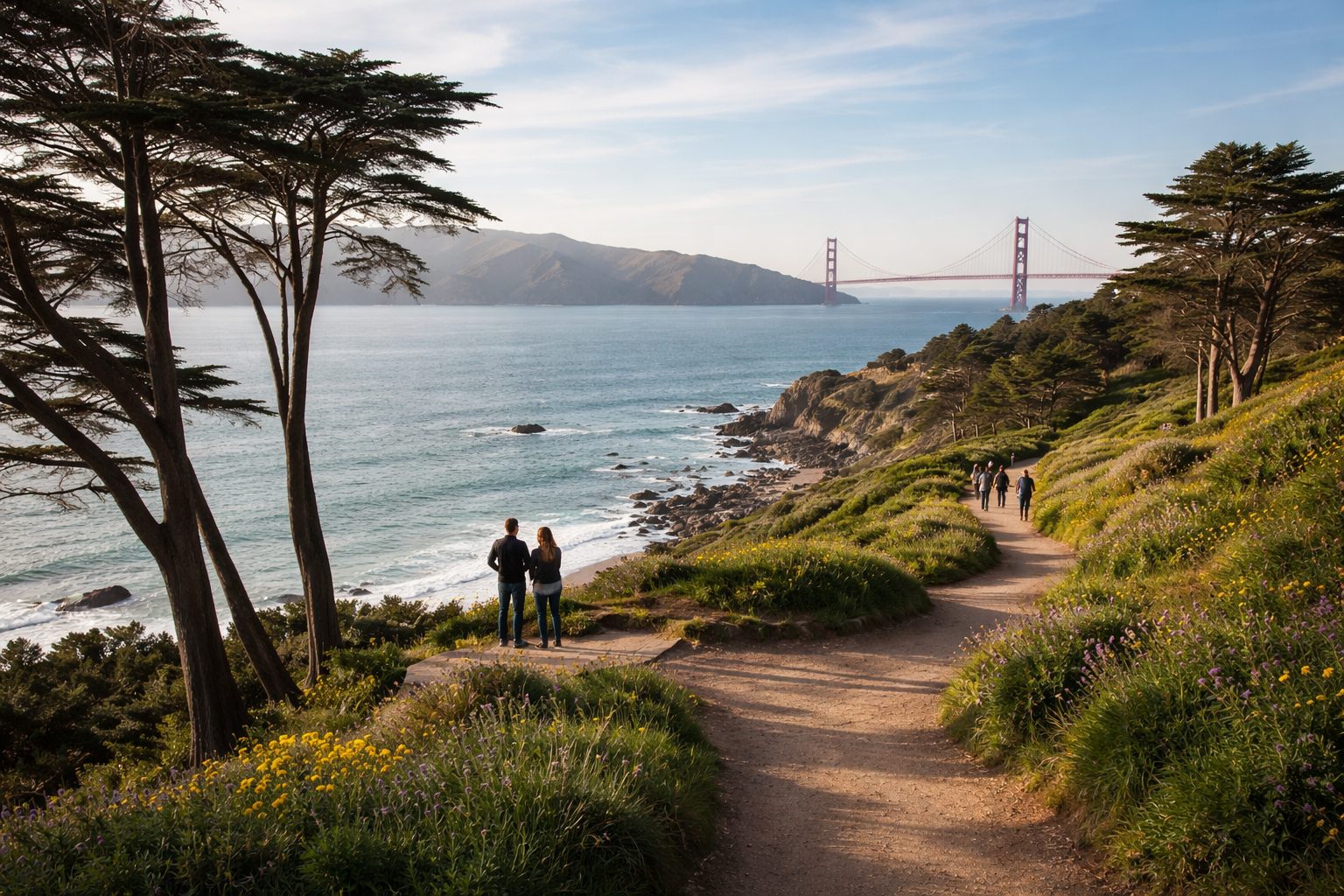
The park also contains the Legion of Honor museum, a Beaux-Arts building housing European art and a very good collection of Rodin sculptures. The hiking trails at Lands End, which connect to the park, wind along the cliffs above the water with hidden coves and the occasional glimpse of old shipwrecks at low tide. Worth every step.
Washington Square Park
Washington Square Park is in North Beach, the city’s old Italian neighborhood, and it still has the feel of a traditional neighborhood park in a European sense. Older residents do tai chi on the lawn in the morning. Families with strollers circle the paths in the afternoon. The park is flanked by Saints Peter and Paul Church on one side, which is beautiful, and surrounded by old-school Italian bakeries and cafes. It’s a calm, civilized park in a part of the city that moves at a slightly slower pace.
The park also has public bocce courts, which are well-used and free. If you’re visiting North Beach, this is your base.
Margaret Hayward Park
Margaret Hayward Park sits in the Western Addition neighborhood and serves a community that doesn’t always make the tourist maps. The park has a competition-grade athletics track, sports fields, a recreation center, and facilities that are used hard by the surrounding neighborhood. It’s a working park in the truest sense.
For visitors, it’s not the most obvious destination, but it’s worth knowing about if you’re staying in that part of the city and want a no-frills, genuinely local park experience.
Fort Mason
Fort Mason is another former military installation turned public space, sitting between the Marina District and Fisherman’s Wharf. The complex includes the Great Meadow, a large open lawn with views of the bay and Alcatraz, as well as a series of historic warehouse buildings that now house arts organizations, restaurants, and event spaces.
The park connects to the Golden Gate Promenade, the waterfront trail that runs all the way to the Golden Gate Bridge. It’s also one of the best spots in the city for watching ferries cross the bay at sunset.
Unique Features of Each Park
Recreational Activities Available
The range of things you can actually do in San Francisco’s parks is wider than most people expect. Here’s a quick breakdown of what’s available across the major parks:
- Golden Gate Park: biking, rowing on Stow Lake, lawn bowling, disc golf, fly fishing, archery
- Dolores Park: sunbathing, tennis, basketball, soccer, dog runs
- Presidio: hiking, mountain biking, golf, historic site exploration
- Crissy Field: windsurfing, kayak launch, beach walks, birdwatching
- Lincoln Park/Lands End: coastal hiking, tide pool exploration, museum visits
- Fort Mason: outdoor concerts, farmers markets, theater performances
Most of these activities are free. Some, like golf and rowing, have small fees. But the basic experience of being in any of these parks costs nothing.
Historical Significance
San Francisco’s parks sit on land with deep and sometimes complicated histories. The Presidio was occupied by Spanish, Mexican, and American military forces for nearly 200 years before being handed over to the public. Crissy Field was an early aviation site where military pilots trained. Mission Dolores Park sits next to the oldest building in the city, which is also the site of a historic cemetery. Lincoln Park contains the site of a former cemetery relocated in the early 20th century to make way for the park.
Even Golden Gate Park has a story: it was built on what locals called the “Outside Lands,” considered too sandy and remote to be worth developing. The park’s creation was a civic bet that paid off enormously.
Scenic Views and Natural Beauty
San Francisco sits on a peninsula surrounded by water on three sides, which means good views are almost unavoidable. But certain parks deliver on a level that genuinely stops you mid-step.
The view from Lands End at Lincoln Park, looking south toward Baker Beach with the Golden Gate Bridge in the background, is one of the best urban vistas in North America. The view from the upper hill at Dolores Park, with the skyline laid out below you, rewards any cloudless afternoon. Crissy Field at dusk, with the bridge turning gold in the last light, is the kind of thing that explains why people make enormous sacrifices to live in this city.
Best Parks for Families
Kid-Friendly Attractions
Families are well-served by San Francisco’s parks. Golden Gate Park alone could occupy a family for an entire day, between the Koret Children’s Quarter (one of the oldest playgrounds in the country), the carousel that has been running since 1912, the bison enclosure, and the California Academy of Sciences natural history museum. Kids don’t tend to get bored at Golden Gate Park unless they’re trying very hard.
Dolores Park has a well-designed playground on its southwest corner with a slide structure that’s become something of a neighborhood landmark. Alamo Square has a smaller playground that works well for toddlers. And the Presidio has family programming through its visitor center, including guided hikes designed for kids.
Some specific highlights:
- The carousel at Golden Gate Park: runs on weekends and holidays
- The Koret Children’s Quarter: climbing structures, slides, and open lawns
- The Conservatory of Flowers: tropical plants in a Victorian glass building that children tend to find fascinating
- Crissy Field beach: not an official swimming beach but great for skipping stones and watching ships
Safety and Amenities for Families
The major parks in San Francisco are generally well-maintained and safe during daylight hours. Golden Gate Park, Dolores Park, and the Presidio all have regular ranger or staff presence. Restrooms are available at all of them, though cleanliness varies.
A few practical notes for families:
- Bring layers. San Francisco fog can roll in fast, even in summer, and a 70-degree afternoon can become a 55-degree evening in under an hour.
- The parks all have water fountains, but bringing reusable bottles is smart.
- Stroller access is good at most parks, though the trails at Lands End and the Presidio can get rough.
- Dogs are everywhere in San Francisco parks. Most are well-behaved and leashed in designated areas, but it’s worth knowing if your kids are not comfortable around dogs.
Best Parks for Outdoor Activities
Hiking Trails and Nature Walks
San Francisco has more serious hiking within city limits than most people realize. The Lands End Trail at Lincoln Park is about 3.5 miles of coastal trail with dramatic views and relatively manageable terrain. The Presidio has a trail network that can string together into a 5-plus mile loop with varied terrain, forest, and coastal sections.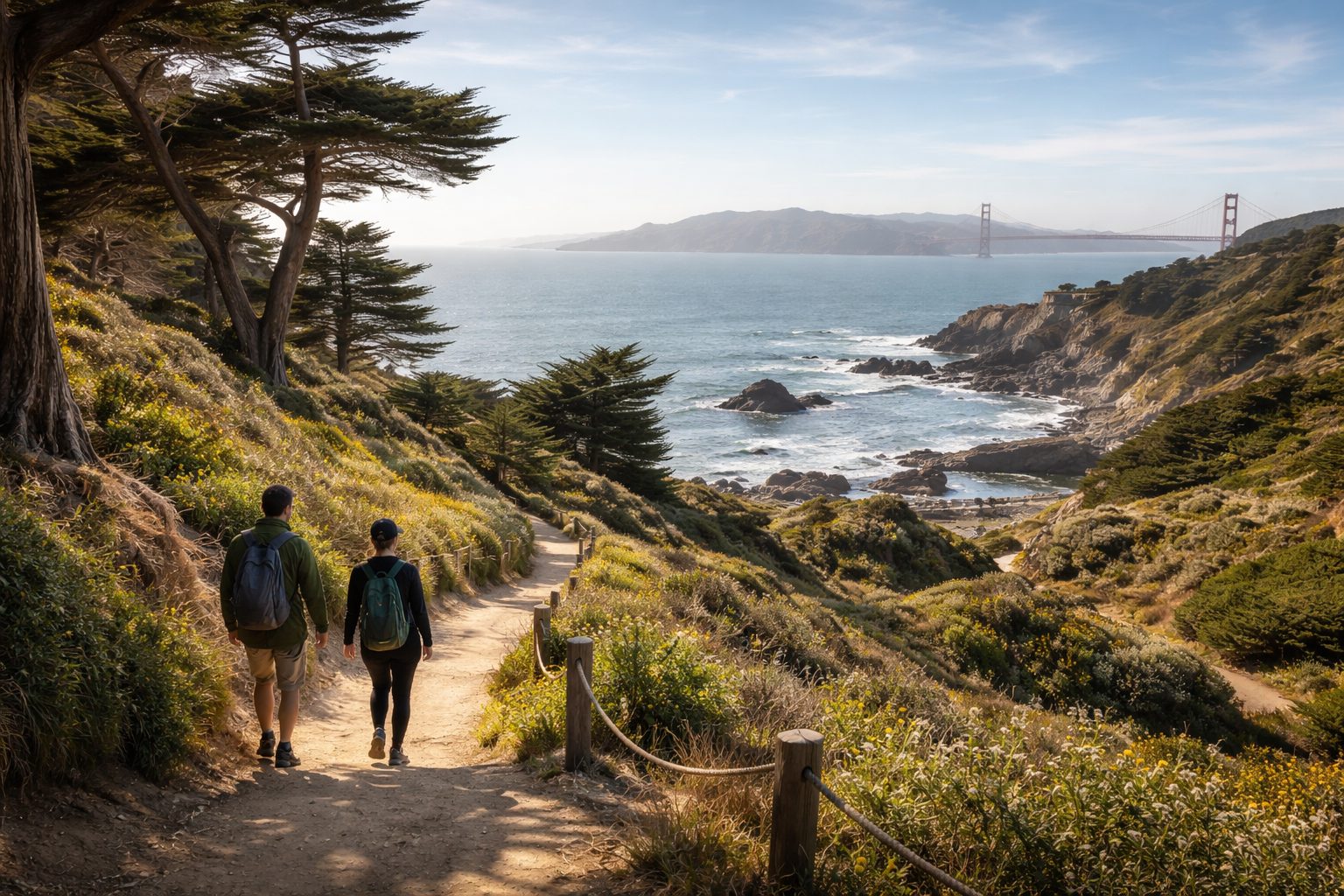
For something more challenging, the Alta Trail through the Presidio gains real elevation and rewards you with views that stretch from the bay to the Pacific. The trails around McLaren Park, often overlooked by visitors, offer genuine seclusion and wildlife sightings within the city limits.
Some good trail options by skill level:
- Easy: Crissy Field waterfront path (flat, paved, 3 miles round trip)
- Moderate: Lands End Trail (coastal, some elevation change, 3.5 miles)
- Moderate: Batteries to Bluffs Trail in the Presidio (cliffside, stairs, 1.5 miles)
- Challenging: Alta Trail to Inspiration Point in the Presidio (elevation gain, 4+ miles)
Sports Facilities and Playgrounds
The city’s parks have a serious amount of sports infrastructure. Golden Gate Park alone has a fly-casting pool, lawn bowling greens, tennis courts, an archery range, a nine-hole disc golf course, and multiple sports fields. Dolores Park has tennis and basketball courts that see near-constant use on weekends.
The Presidio has a golf course, which is technically a pay facility but offers decent rates by San Francisco standards. Washington Square Park has bocce courts, probably the best-used bocce courts in the American West. Margaret Hayward Park has one of the better athletics tracks in the city, with full sprint lanes and a competition-grade surface.
Parks with the Best Views
Iconic Photo Spots
Every park in San Francisco has its share of good photo spots, but a few have become genuinely iconic:
- Alamo Square: the Painted Ladies view with downtown skyline behind is the most reproduced image of a San Francisco park
- Crissy Field: the waterfront walkway with Golden Gate Bridge framed against the Marin Headlands is a classic
- Fort Mason Great Meadow: Alcatraz and the bay from an elevated angle
- Lands End: the rugged coastal trail with bridge views appearing through cypress trees
- Twin Peaks (technically a city viewpoint, but connected to parks): 360-degree panorama of the entire city
Each of these is genuinely worth a visit. The Alamo Square shot has been photographed so many times it risks feeling cliched, but standing there in person, it still impresses.
Panoramic City Views
The parks built on San Francisco’s hills offer a different kind of view: the city itself, spread out below you like a map. Dolores Park’s upper east side gives you the Mission, SOMA, and the downtown towers in one frame. Buena Vista Park, which doesn’t get nearly the attention it deserves, sits atop a wooded hill in the center of the city and delivers a full panorama from the bay to the Pacific on a clear day.
The Presidio’s high trails look out over the bay toward Marin and the East Bay hills. On days when the fog stays low, you can watch it pour through the Golden Gate below you, which is one of the stranger and more beautiful things San Francisco offers.
Seasonal Events in San Francisco Parks
Annual Festivals and Gatherings
The parks host a consistent calendar of events throughout the year. Some of the most notable:
- Hardly Strictly Bluegrass (Golden Gate Park, October): a free three-day music festival with multiple stages and hundreds of thousands of attendees
- Outside Lands (Golden Gate Park, August): a major ticketed music festival
- Carnaval (Dolores Park, May): the city’s annual celebration of Latin American and Caribbean culture
- Pride events (Dolores Park and civic spaces, June): San Francisco Pride is one of the oldest and largest in the world
- Lunar New Year celebrations (civic spaces and Washington Square Park area, January/February)
Hardly Strictly Bluegrass is worth singling out because it’s genuinely free, genuinely excellent, and genuinely unique. There’s no equivalent event I know of in any other American city where top-tier musical acts perform for free to hundreds of thousands of people in an urban park.
Outdoor Concerts and Movies in the Park
Beyond the major festivals, the parks run a lighter calendar of smaller events throughout the warmer months. Golden Gate Park’s Stern Grove Festival runs on Sunday afternoons from June through August, offering free performances by symphony orchestras, jazz bands, and dance companies in a beautiful natural amphitheater surrounded by old eucalyptus trees.
Movies in the Park is another summer series, running outdoor film screenings at various parks across the city. Fort Mason hosts regular outdoor events in its Great Meadow, including seasonal markets and one-off performances. Most of these events are free or very low cost.
Accessibility of Parks in San Francisco
Public Transportation Options
San Francisco’s public transit system, Muni, reaches most of the major parks reliably. Some useful routes: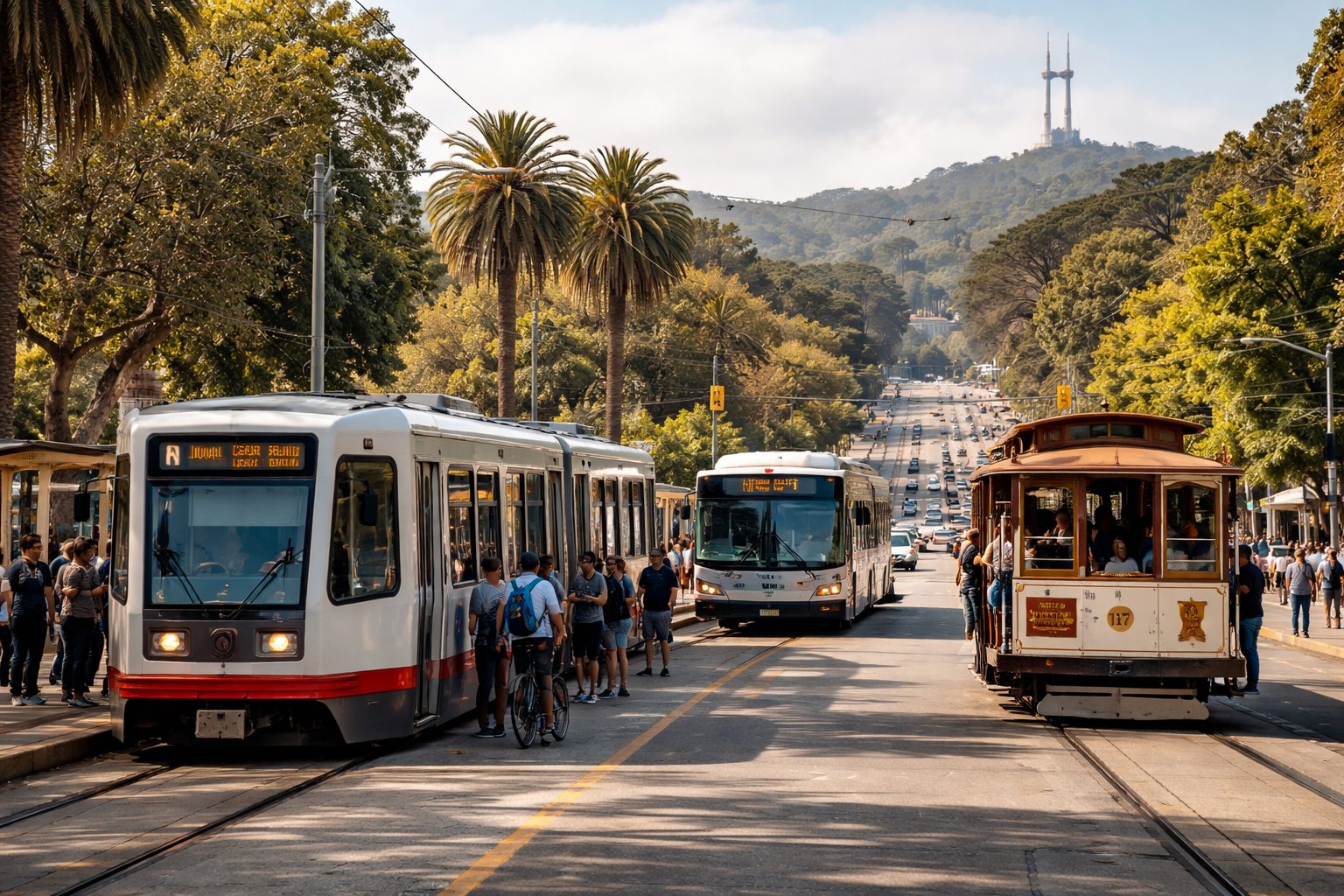
- Golden Gate Park: accessible from multiple bus lines including the 5, 7, 21, and 44, plus the N Judah and L Taraval light rail lines
- Dolores Park: 33 and 22 bus lines, plus J Church light rail stops directly at the park
- Crissy Field and Fort Mason: 28 and 30 bus lines serve the waterfront corridor
- Alamo Square: 21 Hayes bus runs directly by the park
- Washington Square Park: 30 and 45 bus lines
The Presidio has its own free shuttle service called the PresidiGo that connects major sites within the park to public transit hubs at the Palace of Fine Arts and downtown. It’s genuinely useful and easy to use.
Accessibility Features for All Visitors
Most of San Francisco’s major parks have made real progress on accessibility, though terrain sometimes imposes limits. Golden Gate Park has extensive paved paths suitable for wheelchairs and strollers across most of its main areas. Crissy Field’s waterfront path is entirely flat and paved. Fort Mason’s Great Meadow is accessible.
Where things get trickier is on the more rugged trails: Lands End, the Presidio’s hillside trails, and Buena Vista Park’s interior all involve unpaved surfaces and elevation changes that can be challenging. The Presidio Visitor Center and the Golden Gate National Recreation Area have detailed accessibility maps available that are worth reviewing before you visit if mobility is a concern.
Comparing the Best Parks in San Francisco
Size and Space Comparison
Here’s a quick comparison of the major parks by size and type:
| Park | Approximate Size | Primary Character |
|---|---|---|
| Golden Gate Park | 1,017 acres | Urban mega-park, diverse uses |
| Presidio | 1,491 acres | Former military base, wilderness feel |
| McLaren Park | 317 acres | Wooded, local neighborhood park |
| Crissy Field | 100 acres (restored wetland) | Waterfront, linear promenade |
| Lincoln Park | 100 acres | Coastal, museum, trails |
| Fort Mason | 13 acres (Great Meadow area) | Cultural campus, bay views |
| Dolores Park | 16 acres | Social, neighborhood hub |
| Alamo Square | 12.7 acres | Hilltop, Victorian views |
| Washington Square Park | 2.6 acres | Traditional neighborhood square |
| Margaret Hayward Park | 8.5 acres | Athletic facilities, community park |
The Presidio is technically the largest, but much of it is forested and not designed for casual recreation in the way Golden Gate Park is. For sheer usable, walkable, varied green space, Golden Gate Park remains the city’s flagship.
Amenities and Facilities Comparison
- Restrooms: available at all major parks, quality varies
- Food and coffee: on-site at Golden Gate Park (Beach Chalet, Nopalito nearby), Fort Mason, Crissy Field (cafe); limited at Dolores and Alamo Square
- Parking: challenging everywhere; the Presidio and Golden Gate Park have lots but they fill up on weekends
- Bike rentals: available near Golden Gate Park and Crissy Field
- Dog off-leash areas: Golden Gate Park (several designated areas), Crissy Field, Dolores Park, Fort Funston (separate beach park outside the top 10, but excellent for dogs)
Planning Your Visit to San Francisco Parks
Best Times to Visit
San Francisco’s weather is famously counterintuitive. The warmest months for park visits are actually September and October, when the summer fog has usually lifted and the city gets its best sunshine. July and August are often foggy and cool, especially near the coast.
That said, Golden Gate Park and Dolores Park on a warm Sunday are worth any season. If you’re visiting in summer, plan your park time for late afternoon when the fog sometimes burns off, or commit to the fog aesthetic, which has its own kind of moody beauty.
Weekday mornings are the best time for a peaceful park experience. Weekend afternoons at popular parks like Dolores and Golden Gate can get genuinely crowded, especially in good weather.
Tips for Enjoying Your Park Experience
A few practical things I’ve learned from years of using these parks:
- Always bring a jacket. Even in summer, even if it’s sunny when you leave. San Francisco weather changes fast.
- If you’re going to Dolores Park on a weekend, arrive before noon to get a good spot on the hill.
- The eastern end of Golden Gate Park near the museums is more crowded than the western end near the ocean. Walk west for more space.
- The Presidio shuttle makes the park much more accessible if you’re arriving without a car.
- For the best Lands End experience, go on a clear day and time it for low tide if you want to see the old ship ruins on the beach below.
- Washington Square Park is best in the early morning when the tai chi practitioners are out and the tourists haven’t arrived yet.
- Most parks open at dawn and close at dusk. The Presidio trails are accessible longer, but it’s worth checking current hours.
Frequently Asked Questions about San Francisco Parks
What are the most popular parks in San Francisco?
Golden Gate Park and Dolores Park are consistently the most visited. Golden Gate Park draws millions of visitors annually from around the world, while Dolores Park is the preferred spot for locals in the Mission and surrounding neighborhoods.
Are dogs allowed in San Francisco parks?
Yes, dogs are allowed in most San Francisco parks, though rules vary by location. Many parks have designated off-leash areas. Dogs must be on leash in areas without off-leash designation. Golden Gate Park, Crissy Field, and Fort Funston all have well-established off-leash areas.
What activities can you do in Golden Gate Park?
Golden Gate Park supports an enormous range of activities: cycling, jogging, rowing, lawn bowling, disc golf, archery, fly fishing, tennis, soccer, and visiting the Japanese Tea Garden, Botanical Garden, de Young Museum, and California Academy of Sciences. On Sundays, the main road closes to cars for skating and cycling.
How do I get to Dolores Park?
The easiest public transit option is the J Church light rail, which stops directly at the park at 18th Street. The 33 Ashbury and 22 Fillmore bus lines also stop nearby. The park is also very walkable from the BART 16th Street Mission station, about a 10-minute walk.
Are there any entrance fees for San Francisco parks?
Most San Francisco parks are free to enter. Some attractions within parks charge admission: the de Young Museum and California Academy of Sciences in Golden Gate Park, the Legion of Honor in Lincoln Park, the Japanese Tea Garden, and the Conservatory of Flowers all have entry fees. The Presidio golf course charges green fees. Everything else, including trails, beaches, lawns, and playgrounds, is free.
Spending time in the best parks in san francisco is one of the genuine pleasures of this city. They’re not manicured show pieces. They’re working public spaces that belong to the people who use them, maintained well enough to function and left wild enough to feel real. That balance is hard to get right, and San Francisco mostly manages it.