Scotland has a way of getting under your skin. I’ve traveled across a lot of Europe, but there’s something about this country that keeps pulling me back. Whether it’s the dramatic Highland scenery, the whisky-soaked history, or the sheer variety packed into a relatively small landmass, the best places to visit in Scotland offer something for almost every kind of traveler. From ancient castles perched on volcanic rock to remote islands where puffins outnumber people, this country delivers on its promises. If you’re planning a trip and wondering where to start, this guide covers the essential spots and a few surprises along the way.
Introduction to Scotland’s Attractions
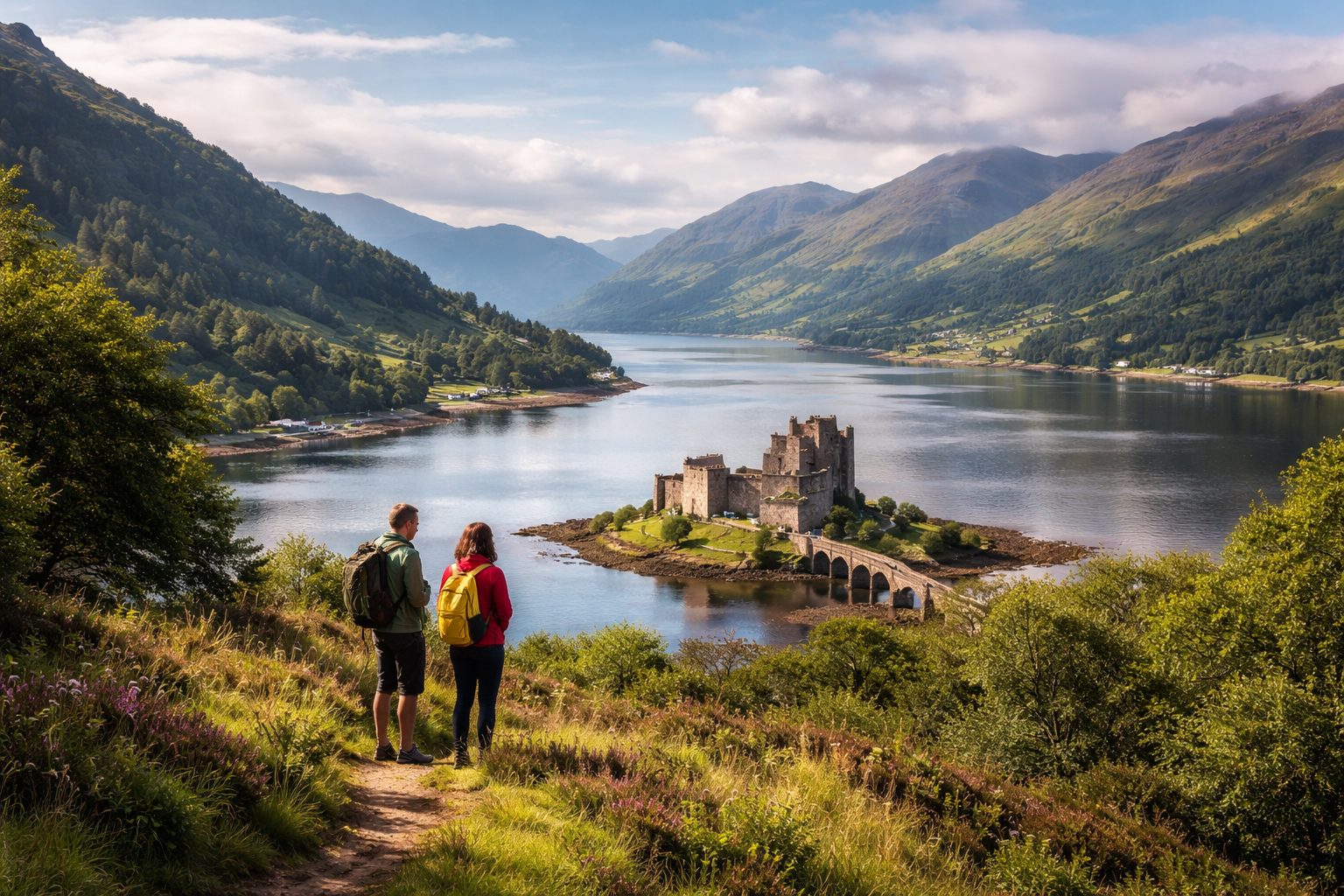
Scotland punches well above its weight when it comes to tourism. It’s a compact country, roughly the size of South Carolina, yet it manages to pack in an extraordinary range of landscapes, cultures, and experiences. Cities here feel genuinely distinct from one another, and the rural areas are unlike anything you’ll find elsewhere in Britain.
Overview of Scotland’s Natural Beauty
The landscape shifts dramatically depending on where you are. In the south, you get rolling green hills and river valleys. Head north and the terrain becomes wilder, with moorland stretching in every direction and mountains that seem to appear from nowhere. The western coastline is deeply indented with sea lochs, making it one of the most complex and beautiful coastlines in Europe.
What makes Scotland’s natural scenery so compelling is that it’s accessible. You don’t need specialist equipment or extreme fitness to experience it. Many of the most jaw-dropping views are within a short drive or walk from a main road.
Historical Significance of Scottish Landmarks
Scotland has been fought over, reformed, and reinvented more times than most countries its size. The evidence is everywhere. You’ll find Neolithic standing stones dating back 5,000 years, medieval castles that changed hands between clans dozens of times, and battlefields where the fate of nations was decided.
The history here isn’t just preserved in museums. It’s visible in the landscape, the architecture, and even in how people speak. Understanding a bit of Scottish history before you visit makes the whole experience richer and more meaningful.
Top 10 Best Places to Visit in Scotland
Narrowing this down is genuinely difficult. But if you want a solid starting point among the best places to visit in Scotland, these ten destinations cover the widest range of experiences and are worth prioritizing.
Edinburgh: The Capital City
Edinburgh is where most visitors begin, and it earns its reputation. The Old Town and New Town together form a UNESCO World Heritage Site, which tells you something about the density of quality here. The Royal Mile connects Edinburgh Castle at the top to the Palace of Holyroodhouse at the bottom, and the walk between them is one of the finest urban strolls in Europe.
Beyond the obvious landmarks, Edinburgh rewards exploration. The closes and wynds leading off the Royal Mile open into hidden courtyards. Grassmarket has a good selection of bars and independent shops. Arthur’s Seat, an ancient volcano in the middle of the city, offers panoramic views with very little effort.
The Edinburgh Festival in August transforms the city completely. If you can handle the crowds, the atmosphere is electric and the quality of performance across comedy, theatre, and music is extraordinary.
- Edinburgh Castle and the Scottish Crown Jewels
- The Royal Mile and Grassmarket
- Arthur’s Seat and Holyrood Park
- The Scottish National Museum (free entry)
- Leith and the Royal Yacht Britannia
Glasgow: A Cultural Hub
Glasgow gets underestimated, and I’ve never understood why. It’s a genuinely exciting city with world-class museums, a thriving music scene, and architecture that ranges from Victorian grandeur to cutting-edge contemporary. The people are famously friendly, and the food scene has improved dramatically over the past decade.
The Kelvingrove Art Gallery and Museum is one of the best free museums in the UK, full stop. The Burrell Collection, recently reopened after a long renovation, is another highlight. And Charles Rennie Mackintosh’s work is woven throughout the city in a way that rewards curious walkers.
Glasgow also works well as a base. You can reach Loch Lomond in under an hour by train, and the Highlands are accessible for day trips if you have a car.
The Highlands: Breathtaking Landscapes
The Scottish Highlands are what most people picture when they think of Scotland. Vast empty moorland, dark lochs, and mountains that seem to belong to another age. This region covers roughly half the entire country and contains some of the most sparsely populated land in Europe.
Driving through the Highlands feels like the landscape is performing for you. The light changes constantly, and what was a dull grey moor twenty minutes ago is suddenly golden and extraordinary. Allow more time than you think you need. The roads are often single-track and the distances deceptive.
Key areas include the Cairngorms National Park, the Torridon mountains in the northwest, and the road to the north coast via Applecross or the Bealach na Bà, one of the highest mountain passes in Britain.
Isle of Skye: A Slice of Paradise
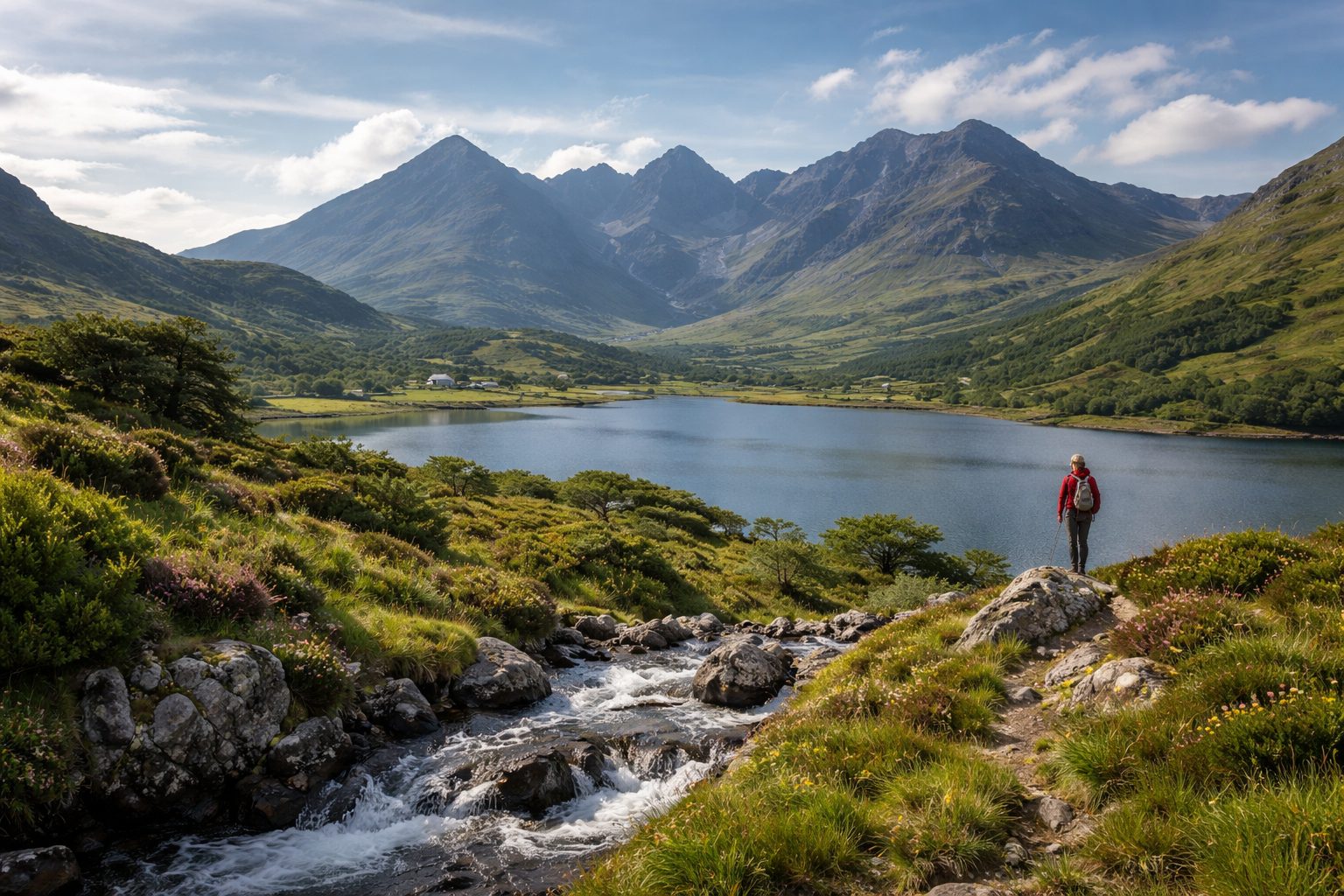
Skye sits just off the west coast and is connected to the mainland by a bridge. It’s the most visited of Scotland’s islands for good reason. The Cuillin mountains are dramatic and technically demanding for climbers, but even casual walkers find plenty of accessible terrain with stunning views.
The Fairy Pools near Glenbrittle are a popular stop, and for good reason. Clear water tumbles through a series of pools and small waterfalls with the Cuillins as a backdrop. The Quiraing and the Old Man of Storr on the Trotternish peninsula are equally photogenic and slightly less crowded if you go early in the morning.
Book accommodation well in advance if you’re visiting between May and September. Skye gets busy and the good places fill up months ahead.
Loch Ness: The Mystery of the Loch
Loch Ness is famous for its monster, but the loch itself is genuinely impressive regardless of your views on cryptozoology. It’s the largest body of fresh water in Britain by volume, and its dark, peaty water makes it feel appropriately mysterious even on a clear day.
The ruins of Urquhart Castle on the western shore are worth visiting. The views up and down the loch from the castle walls are excellent, and there’s a decent visitor center explaining the site’s long history. The Great Glen Way, a long-distance walking route, runs along part of the loch’s shore if you want to experience it at a slower pace.
Fort Augustus at the southern end of the loch is a pleasant stop where you can watch boats negotiate the canal locks that connect Loch Ness to the Caledonian Canal.
Stirling: The Heart of Scottish History
Stirling sits at a historical crossroads between the Highlands and Lowlands, and its strategic importance is written into every stone of the city. Stirling Castle is arguably more historically significant than Edinburgh Castle, having been the seat of the Scottish royal court and birthplace of several monarchs.
The National Wallace Monument nearby commemorates William Wallace of Braveheart fame, though the real history is more complex and interesting than the film suggests. The view from the top of the monument over the Forth Valley and toward the Highlands is exceptional.
Stirling is often overlooked in favor of Edinburgh and Glasgow, which means it’s quieter and the attractions are less crowded. It’s very easy to visit as a day trip from Edinburgh, or as a stop on the way north.
Aberdeen: The Granite City
Aberdeen has a slightly cold reputation, literally and figuratively, but it rewards visitors who spend time there. The city is built almost entirely from local grey granite, which gives it a distinctive uniformity. On a sunny day, the stone sparkles. On a grey day, it looks appropriately severe.
The city has strong connections to the North Sea oil industry, which has funded some impressive cultural facilities. The Aberdeen Art Gallery, after a major renovation, is one of the best regional galleries in Scotland. Dunnottar Castle, a few miles south on a clifftop above the sea, is one of the most dramatically situated ruins in the country.
Aberdeen also works as a gateway to Royal Deeside and the Castle Trail, a series of historic castles spread across Aberdeenshire that includes Balmoral, the royal family’s Scottish residence.
Inverness: The Gateway to the Highlands
Inverness is the unofficial capital of the Highlands and a practical base for exploring the surrounding region. The city itself is pleasant rather than spectacular, with a castle, a cathedral, and a good riverside setting. But its real value is location.
From Inverness you can reach Loch Ness, the Black Isle, the Moray coast, and the Cairngorms within an hour. The Culloden Battlefield, where the last major battle on British soil was fought in 1746, is just outside the city and has an excellent visitor center.
The Inverness Victorian Market, a covered arcade in the city center, is worth a wander. And the train journey from Inverness to Kyle of Lochalsh is one of the great scenic rail routes in Britain.
St Andrews: The Home of Golf
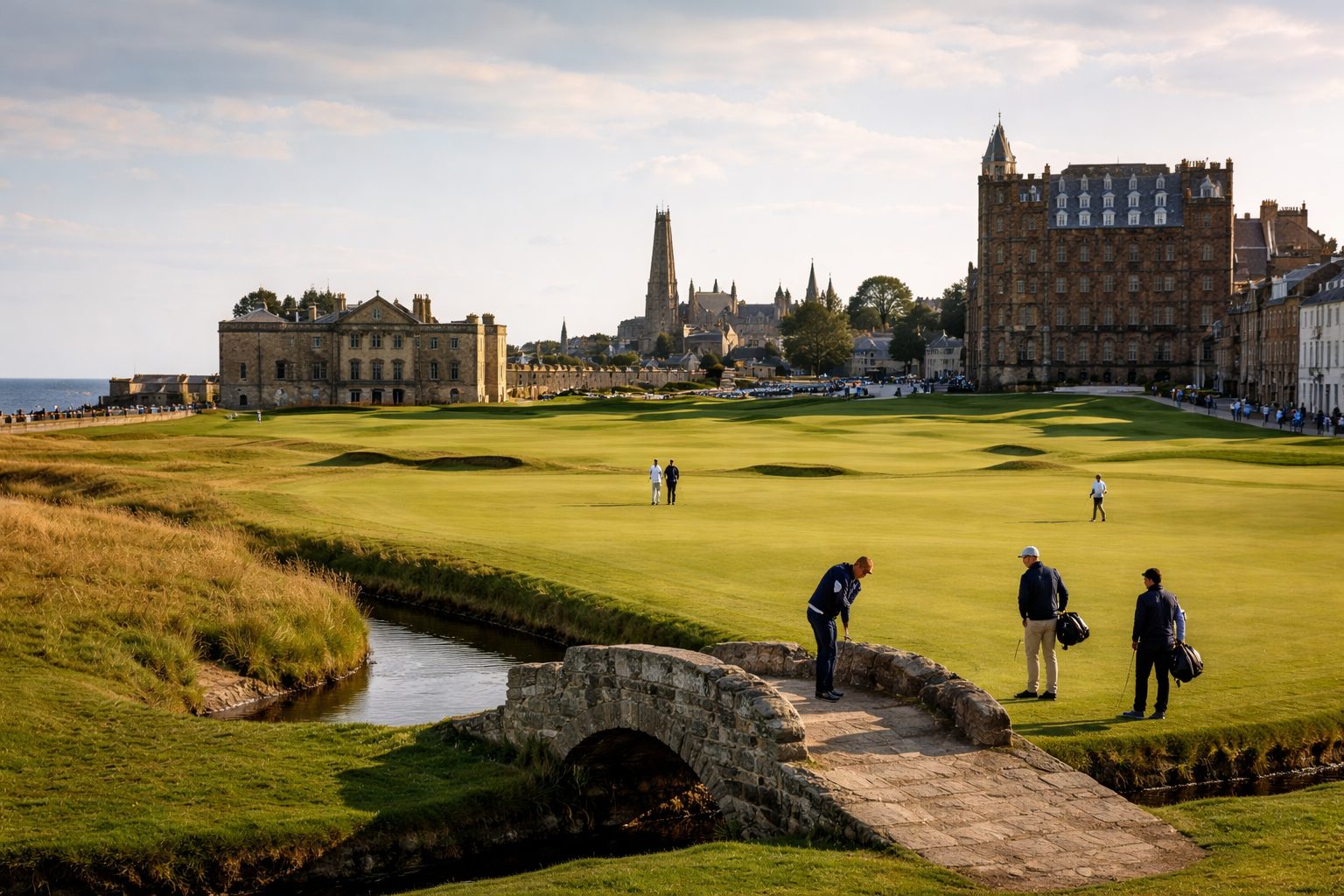
St Andrews is a small university town on the east coast of Fife with an outsized reputation. Golf was codified here in the fifteenth century, and the Old Course remains one of the most famous and sought-after tee times in the world. But you don’t need to play to enjoy the town.
The ruins of St Andrews Cathedral, once the largest church in Scotland, are atmospheric and largely free to explore. The West Sands beach, used in the opening sequence of Chariots of Fire, stretches north of the town and is ideal for a long walk. The town itself is full of good restaurants and independent shops.
If you do want to play the Old Course, be aware that public ballot places are limited and popular. You can walk the course on Sunday evenings when it’s closed to play, which gives you the experience without the queue.
The Orkney Islands: A Unique Experience
Orkney is different from the rest of Scotland in ways that are hard to fully explain until you’ve been there. These islands north of the Scottish mainland have a flat, treeless landscape shaped by Atlantic winds, and they’re home to some of the most significant prehistoric monuments in Europe.
Skara Brae, a Neolithic village preserved under sand dunes for thousands of years, is genuinely extraordinary. The Ring of Brodgar and the Standing Stones of Stenness are other UNESCO-listed sites that predate Stonehenge. The density of archaeology here is remarkable for such a small area.
Orkney also has a strong contemporary arts scene, excellent seafood, and some of the friendliest locals you’ll encounter anywhere. Ferries run from Scrabster near Thurso, and Flybe and Loganair operate flights from several Scottish airports.
Hidden Gems in Scotland
The best places to visit in Scotland extend well beyond the obvious circuit. These spots are worth seeking out even if they take a bit more effort to reach.
The Isle of Mull: Untouched Beauty
Mull is Skye’s quieter neighbor and, in many ways, its equal. The ferry from Oban takes about 45 minutes and deposits you on an island with excellent wildlife watching, including white-tailed eagles, otters, and red deer. Tobermory, the island’s main town, has a row of brightly colored harbor buildings that look like they were designed for a travel poster.
Iona, accessible by a short ferry from Mull’s south coast, is one of Scotland’s most sacred sites. It was here that Christianity spread across Scotland and beyond in the sixth century. The abbey is beautiful and the sense of tranquility genuine.
Glencoe: A Dramatic Valley
Glencoe is about an hour south of Fort William and is perhaps the most scenically dramatic valley in Scotland. The mountains here are steep, dark, and oppressive in a way that feels specifically cinematic. It was used as a filming location for the James Bond film Skyfall and has appeared in countless other productions.
The Glencoe massacre of 1692, when government troops killed members of the MacDonald clan who were sheltering them, adds a dark historical layer to the landscape. The National Trust for Scotland visitor center at the entrance to the glen explains the history well.
Walking here requires some experience and good footwear. The ridgeline of the Aonach Eagach is one of the most technically demanding ridge walks in mainland Scotland. But there are also gentler paths along the valley floor that give you the atmosphere without the danger.
The Borders: Charming Villages and Rolling Hills
The Scottish Borders is undervisited given how good it is. This region south of Edinburgh sits between the Cheviot Hills and the Lammermuirs, and it contains a string of attractive market towns and four ruined abbeys that form a natural touring circuit.
Melrose, Jedburgh, Kelso, and Dryburgh abbeys were all destroyed during the wars with England and left as ruins, but atmospheric ones. Melrose in particular, with its heart said to contain the embalmed heart of Robert the Bruce, is worth a visit.
The Borders also has strong connections to Sir Walter Scott. Abbotsford, his home near Melrose, is open to visitors and gives a vivid picture of the man who invented Scotland’s literary identity for the rest of the world.
Comparing Scotland’s Cities
Edinburgh vs. Glasgow: A Cultural Showdown
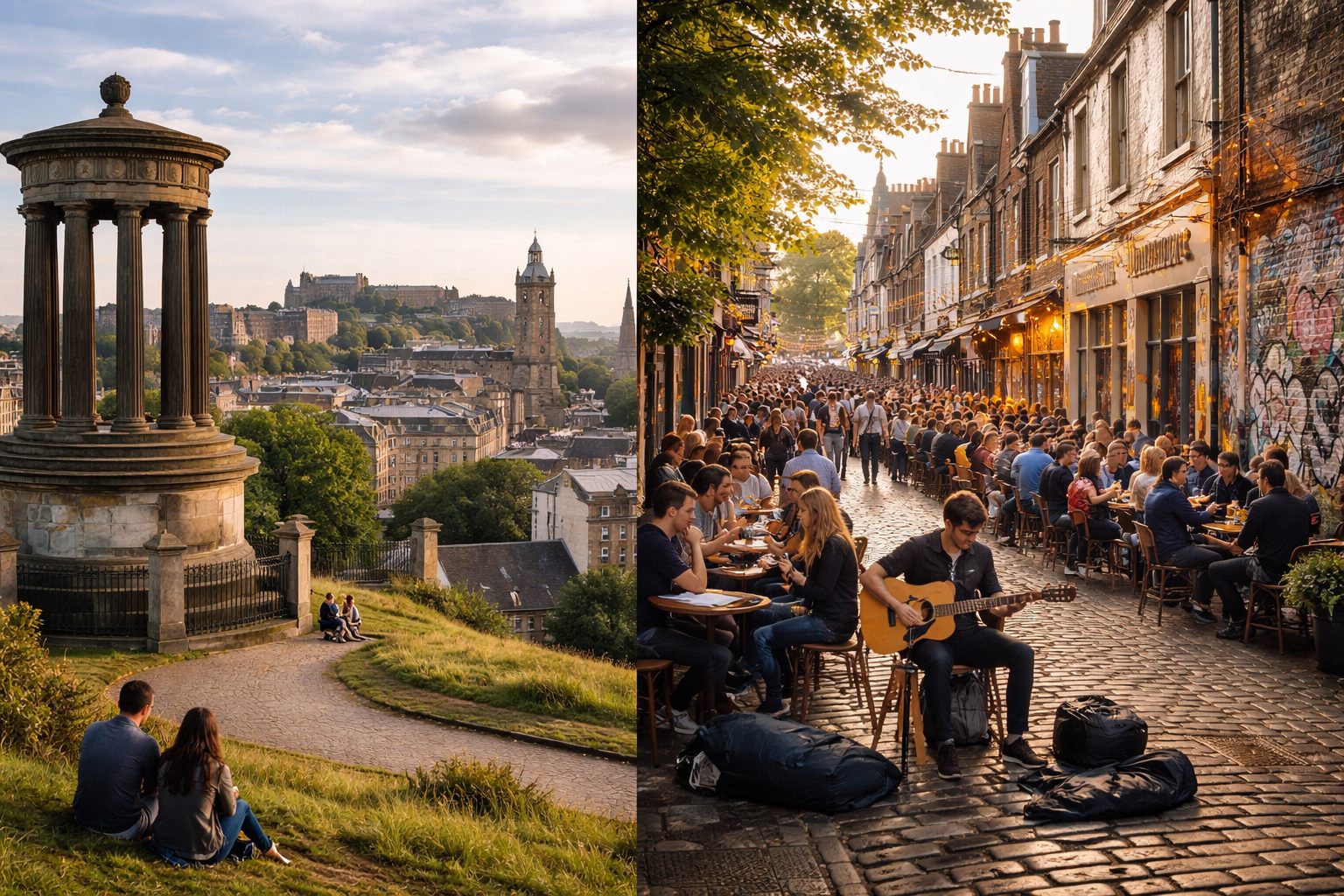
This rivalry is affectionate but genuine. Edinburgh is beautiful, historic, and unambiguously the more photogenic city. Glasgow is grittier, more energetic, and arguably more creative. The cultural offering in Glasgow is outstanding and often underestimated by visitors who only pass through.
| Category | Edinburgh | Glasgow |
|---|---|---|
| Architecture | Georgian and medieval | Victorian and industrial |
| Museums | National Museum, National Galleries | Kelvingrove, Burrell Collection |
| Music scene | Strong but seasonal | Year-round and world-class |
| Food and drink | Excellent, expensive | Excellent, better value |
| Day trips | Stirling, East Lothian, Borders | Loch Lomond, Ayrshire coast |
| Vibe | Elegant, touristy | Urban, local |
Neither city is better. They’re complementary. If you have time, visit both.
Inverness vs. Aberdeen: Northern City Comparison
These two northern cities serve different purposes. Inverness is primarily a gateway to the Highlands and works best as a base for exploration. Aberdeen has more to offer as a destination in its own right, with better museums and a more established city culture.
Aberdeen is also closer to good whisky country, with Speyside just to the west. Inverness has the better transport connections to remote areas in the far north and west. If you’re planning a Highlands road trip, Inverness makes more sense as a starting point. If you want a northern city that can entertain you for a couple of days without driving, Aberdeen is the stronger choice.
Historic Sites: Stirling vs. Edinburgh Castle
Both are outstanding and both deserve a visit if you have the time. Edinburgh Castle is more famous and more visited, which means bigger crowds and higher prices. Stirling Castle is arguably more historically significant to Scottish royal history and is less overwhelmed with visitors.
The views from Edinburgh Castle are more dramatic, looking out over the city in multiple directions. The views from Stirling Castle are broader, taking in the Forth Valley and the mountains beyond. If you can only visit one, it depends on what you’re prioritizing. For history, Stirling. For setting and atmosphere, Edinburgh.
Practical Tips for Visiting Scotland
Best Time to Visit Scotland
Scotland doesn’t have a bad season, but each time of year has its trade-offs.
- May and June offer long days, relatively dry weather, and fewer crowds than summer. The light at this time of year is exceptional.
- July and August are peak season. Expect crowds at major attractions, higher accommodation prices, and midges in the Highlands. Book everything well in advance.
- September and October bring autumn color to the hills and moorland. The crowds thin, prices drop, and the weather can be genuinely lovely.
- November to March is quiet and cold. Some tourist facilities close, but you get a completely different experience of the landscape, particularly if there’s snow in the Highlands.
The midges, small biting insects, are worst in July and August in the western Highlands. A good insect repellent is essential. Smidge is a locally produced brand that works significantly better than standard repellents.
Transportation Options in Scotland
Getting around Scotland requires some planning, particularly outside the central belt.
- Car hire is the most flexible option for the Highlands and islands. Many roads are single-track, so driving experience matters. Petrol stations can be sparse in remote areas.
- ScotRail covers most cities and major towns. The West Highland Line from Glasgow to Fort William and Mallaig is one of the great scenic rail journeys in the world.
- Caledonian MacBrayne (CalMac) operates ferries to most of the western islands. Book ahead in summer, especially if taking a vehicle.
- Citylink buses connect the major towns and are cheaper than trains, though slower.
- Cycling is excellent in the Borders and some other areas. The National Cycle Network covers much of Scotland.
Accommodation Choices: From Hotels to B&Bs
Scotland has a wide range of accommodation from luxury estate hotels to basic bunkhouses. Here’s a rough guide:
- B&Bs are the classic Scottish accommodation option. Quality varies considerably, but at their best they offer excellent breakfast, local knowledge, and genuine hospitality.
- Self-catering cottages make sense for longer stays and groups. They’re particularly good in the Highlands and islands where you might want a base for several days.
- Hostels are widespread and well-run in Scotland. SYHA (Scottish Youth Hostels Association) operates a network of good-quality hostels across the country.
- Boutique hotels have proliferated in Edinburgh and Glasgow and offer good design at a mid-range price.
- Estate hotels in the Highlands, such as Inverlochy Castle near Fort William, are at the luxury end but offer something unique to Scotland.
Booking ahead is important between May and September, especially in popular areas like Skye, Edinburgh, and St Andrews.
Frequently Asked Questions
What are the must-see attractions in Scotland?
Edinburgh Castle, the Isle of Skye, Glencoe, Loch Ness, and Stirling Castle form a solid core itinerary. Add St Andrews or the Orkney Islands if time allows. Don’t limit yourself to the obvious list though; some of the best experiences in Scotland are accidental discoveries.
How many days should I spend in Scotland?
Two weeks gives you enough time to see the main highlights without rushing. One week is workable if you focus on a specific region, such as Edinburgh plus the Highlands, rather than trying to cover the whole country. Ten days is a comfortable middle ground for first-time visitors.
Is Scotland safe for tourists?
Scotland is very safe for tourists. Violent crime affecting visitors is extremely rare. The main risks are practical ones: changeable mountain weather, driving on single-track roads, and the midges. Tell someone your plans if you’re walking in remote Highland areas.
What is the best way to travel around Scotland?
Hiring a car gives you the most flexibility, especially for the Highlands and islands. For a city-focused trip, public transport is perfectly adequate and often preferable in Edinburgh, where parking is expensive and the Old Town is best explored on foot. A combination of train to reach cities and car hire for rural exploration works well for many visitors.