If you’ve ever dreamed of waking up above the clouds, surrounded by layered green hillsides and the sounds of a morning market coming to life, then sapa vietnam is the kind of place that lodges itself permanently in your memory. Tucked into the Hoang Lien Son mountain range in the northwest of the country, this highland town sits at roughly 1,500 meters above sea level and draws travelers who want something more textured than beach resorts and city temples. I’ve spent time here across different seasons, and each visit has felt completely different — which tells you something about how alive this place is.
Sapa isn’t just a destination. It’s an experience that takes some effort to reach and rewards you in ways that are hard to quantify. The ethnic minority communities, the dramatic topography, the fog that rolls in without warning — all of it adds up to something that feels genuinely remote even as tourism has grown considerably over the past decade.
Introduction to Sapa Vietnam
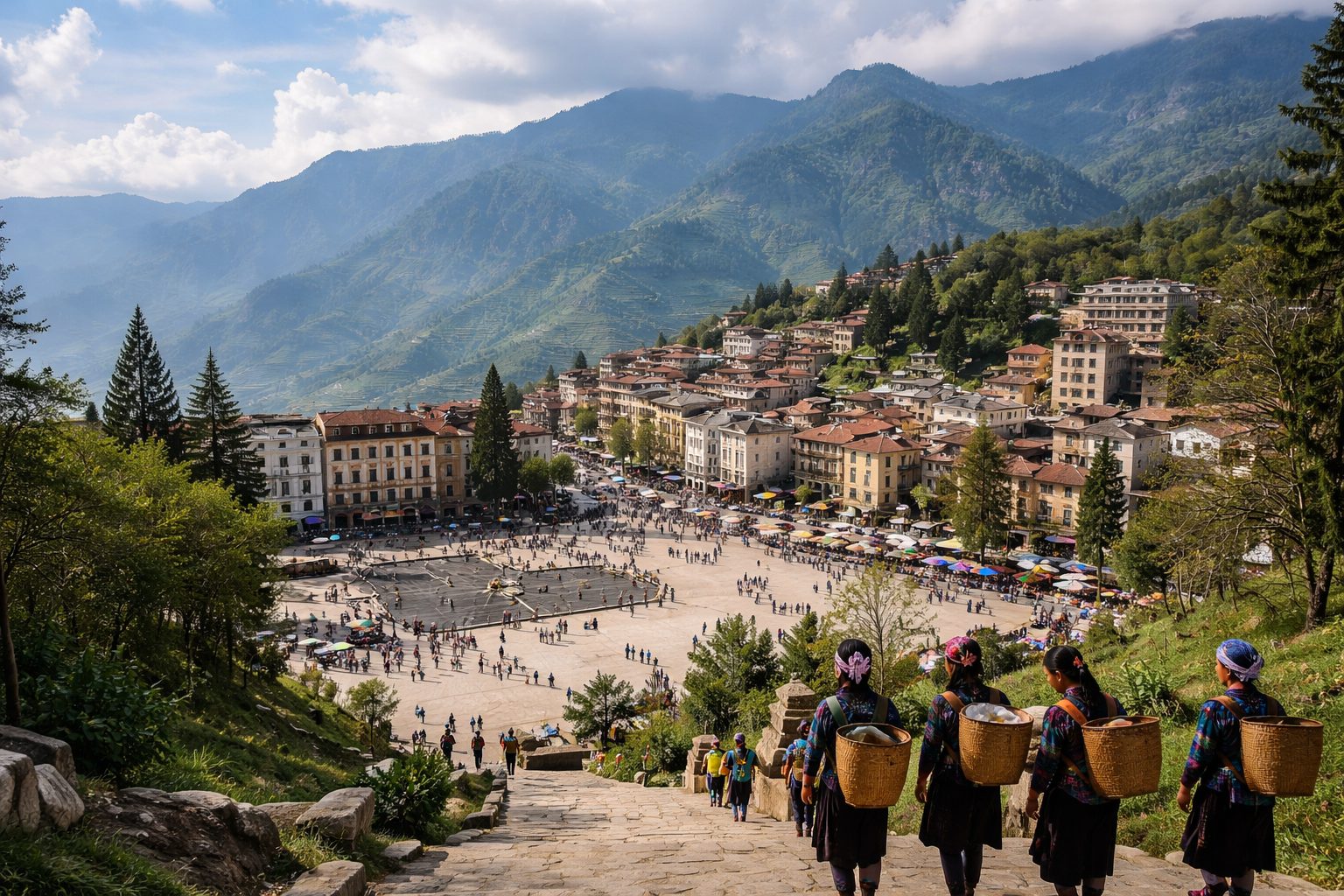
Sapa vietnam sits in Lao Cai Province, about 380 kilometers northwest of Hanoi. The town itself is modest, with a mix of older French colonial buildings, newer hotels, and a central square that fills with vendors and trekkers depending on the time of day. But the real draw isn’t the town — it’s what surrounds it.
The area is home to several ethnic minority groups, most notably the Hmong, Dao (Dzao), Tay, and Giay peoples. Their presence shapes everything from the markets to the food to the trails. You’ll see women in traditional indigo-dyed clothing walking into town to sell handmade goods, and you’ll hear a mix of local languages that have nothing to do with Vietnamese.
The landscape is anchored by Fansipan, the highest peak in Indochina at 3,147 meters. On clear days, it dominates the skyline and reminds you just how high you’ve climbed to get here.
Why Visit Sapa Vietnam?
There are dozens of reasons travelers make the journey, but it comes down to a handful of things that Sapa does better than almost anywhere else in Southeast Asia.
- The terraced rice fields are among the most photographed landscapes in Vietnam, and rightfully so. During the growing season, they glow in shades of green and gold that feel almost artificially vivid.
- The cultural diversity is genuine and accessible. Trekking to a Hmong village isn’t a staged performance — you’re walking into communities that have been here for generations.
- The cooler climate is a relief. If you’re traveling during Vietnam’s hot months, sapa vietnam offers temperatures that actually let you enjoy being outside.
- The trekking options range from easy day walks to multi-day routes that challenge even experienced hikers.
- The food is distinct from the rest of Vietnam, with dishes influenced by the mountain environment and minority culinary traditions.
And honestly, there’s an atmosphere here that’s harder to name. A quality of light in the early morning, the way mist fills the valleys below the town, the sound of a waterfall you can’t quite locate — these things accumulate into something that feels rare.
Best Time to Visit Sapa Vietnam
The question of when to visit sapa vietnam is more complicated than it sounds, because the weather is genuinely unpredictable and each season has a legitimate case.
September to November is widely considered the best overall window. The rice harvest brings brilliant golden terraces, the skies are clearer, and the trails are drier. Temperatures are cool but manageable, usually between 10 and 20 degrees Celsius during the day.
March to May is the second-best period. The rice is being planted, so the fields are lush and intensely green. Flowers bloom on the hillsides, and the weather is mild before the summer heat and rains arrive.
December to February is cold — genuinely cold, sometimes dropping below freezing at night and occasionally bringing frost or even snow to the higher elevations. It’s not ideal for trekking, but the town takes on a quiet, atmospheric quality, and seeing Fansipan dusted in snow is something few travelers experience.
June to August brings the rainy season. Trails become muddy and sometimes impassable, leeches are a real issue in the jungle sections, and fog can settle in for days. That said, the waterfalls are at their most impressive and the terraces are a vivid, saturated green that photographers love.
| Season | Months | Pros | Cons |
|---|---|---|---|
| Autumn | Sep–Nov | Golden rice, clear skies, best trekking | Busiest tourist period |
| Spring | Mar–May | Green fields, mild temperatures | Some rain, haze possible |
| Winter | Dec–Feb | Quiet, possible snow | Cold, some trails difficult |
| Summer | Jun–Aug | Dramatic waterfalls, vivid green | Heavy rain, leeches, mud |
Getting to Sapa Vietnam
Most travelers reach Sapa from Hanoi, and there are a few ways to make the journey.
- Overnight sleeper train from Hanoi to Lao Cai, then a 40-minute bus or taxi up to Sapa town. This is the classic route and genuinely enjoyable — you board in the evening, sleep through the journey, and arrive in the mountains at dawn. Several private train operators run dedicated tourist carriages with decent cabins.
- Direct sleeper bus from Hanoi to Sapa. Faster than the train combination and more direct, but the mountain roads in the final stretch can be rough. Some people find the swaying uncomfortable.
- Private car or minivan, which gives you flexibility and comfort but costs significantly more. Worth it if you’re in a group or have limited time.
- Flying to Lao Cai is possible but connections are limited and the cost rarely justifies the time saved when you factor in transfers.
The train remains my preference. There’s something fitting about arriving in a mountain town at sunrise after a night on the rails.
Top Attractions in Sapa Vietnam
Fansipan Mountain
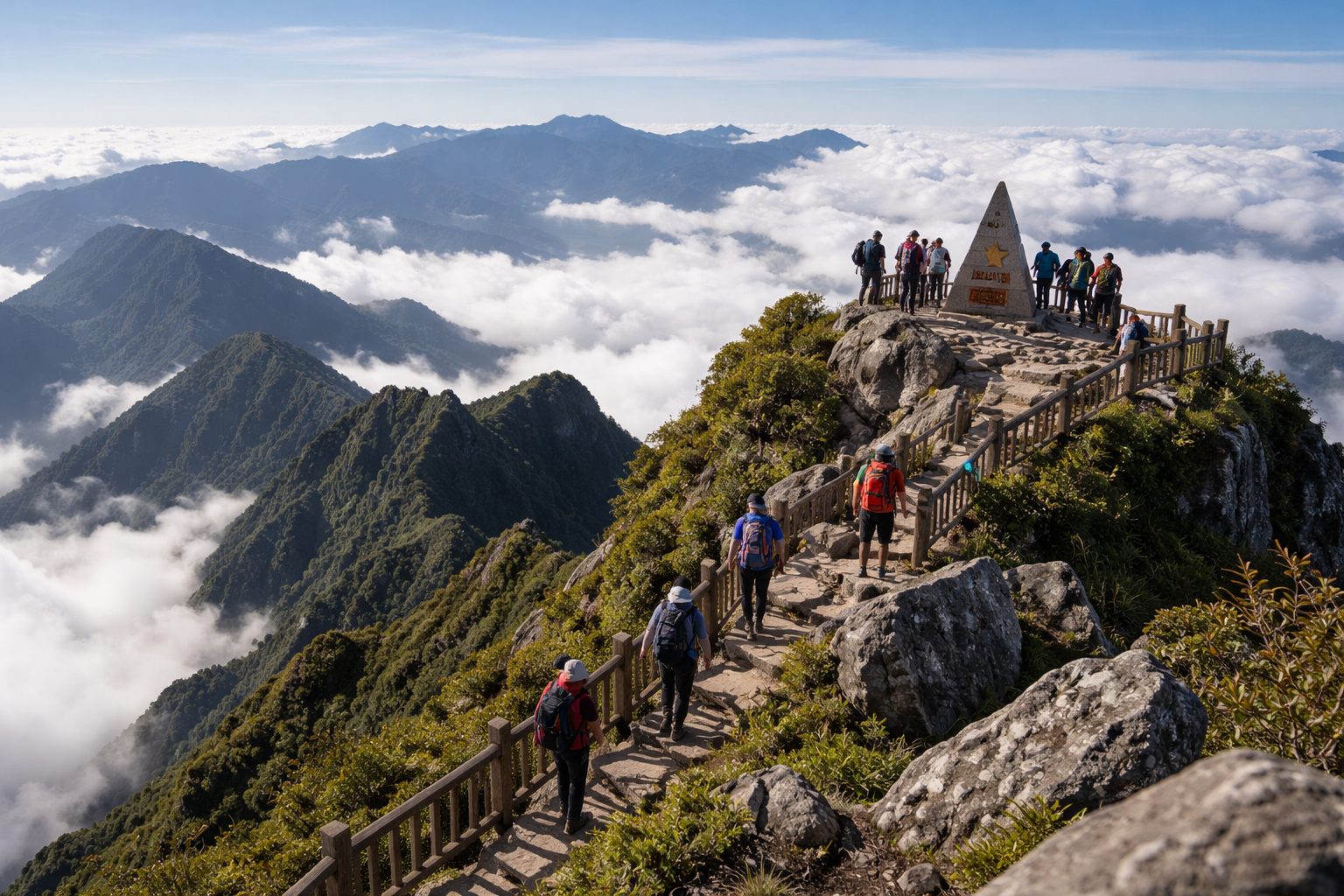
Fansipan is the roof of Indochina, and reaching the summit is the aspiration of many visitors. At 3,147 meters, it’s a serious climb if you do it on foot — typically a two to three day trek through dense jungle, exposed ridgelines, and occasionally treacherous terrain depending on weather. Since 2016, there’s also a cable car that whisks visitors to near the top in about fifteen minutes, followed by a gondola and a climb of a few hundred steps to the summit station.
The cable car has genuinely democratized access to the mountain, and I don’t say that dismissively. Older travelers, families with young children, and people who simply want the view without the physical commitment can now reach the top. Whether it diminishes the experience depends entirely on what you’re after.
For those who want the genuine climbing experience, the trek requires a local guide and proper gear. It’s not technically difficult by Himalayan standards, but the weather changes fast and the terrain is demanding.
Terraced Rice Fields
The rice terraces around Sapa are a feat of agricultural engineering that took generations to build. Carved into almost impossibly steep hillsides by Hmong and Dao communities over hundreds of years, they transform the landscape into something that looks almost architectural.
The most famous views are in Muong Hoa Valley, accessible by road and by foot from Sapa town. The terraces at Ta Van and Lao Chai villages are particularly well-maintained and photogenic. Walking through them — especially in September when they turn gold — is one of those travel experiences that makes you put your phone down and just look.
Sapa Market
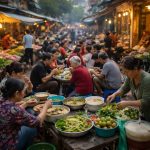
The central market in Sapa town operates daily but comes alive most dramatically on weekends, when vendors from surrounding villages make the journey down. You’ll find fresh produce, live poultry, handmade textiles, silver jewelry, medicinal herbs, and street food that ranges from excellent to adventurous.
The love market, a traditional gathering where young people from Hmong and Dao communities would meet potential partners, has become partially commercialized but still holds cultural significance. If you visit on a Saturday evening, you’ll see elements of it near the main square.
Cat Cat Village
Cat Cat is the closest ethnic minority village to Sapa town, about three kilometers downhill along a well-maintained path. It’s a Black Hmong community, and despite being heavily visited, it retains a working character — people farm here, children go to school here, and traditional weaving and silverwork are still practiced.
The walk down is steep but scenic, passing a waterfall and an old French hydroelectric station. The walk back up is where you earn it. There’s an entrance fee, which some travelers bristle at, but it goes toward village maintenance and local families.
Ta Phin Village
Ta Phin sits about 17 kilometers from Sapa and is home to both Red Dao and Black Hmong communities. It’s less visited than Cat Cat and has a more authentic, quieter atmosphere. The Red Dao women here are known for their distinctive embroidered clothing and their traditional herbal baths, which are offered to visitors and genuinely worth trying after a day of trekking.
The drive or motorbike ride out to Ta Phin passes through beautiful countryside, and many travelers combine it with a stop at the Ta Phin cave.
Activities in Sapa Vietnam
Trekking in Sapa
Trekking is the central activity for most visitors, and the trail network around sapa vietnam is extensive. Routes range from a two-hour loop around the valley to multi-day expeditions that take you deep into the mountains and away from any road or phone signal.
The most popular day treks connect Sapa town to villages in the Muong Hoa Valley — Lao Chai, Ta Van, and Giang Ta Chai are all reachable in a single day. A good guide makes a significant difference here, not just for navigation but for cultural context and access to places you’d otherwise miss.
For longer treks, the route toward Ban Ho and Nam Toong takes you into genuinely remote territory. Some trekkers make it a three-day circuit, staying in villages along the way.
A few practical notes:
- Hire guides through registered agencies or through your accommodation — independent guiding has mixed results
- Wear proper footwear; the trails become very slippery when wet
- Start early to beat the midday heat and catch the light in the valleys
- Bring more water than you think you need
Cultural Experiences
Beyond trekking, there are meaningful ways to engage with the cultures present in and around sapa vietnam. Cooking classes that focus on traditional Hmong or Dao recipes exist in town and are more instructive than they might sound — the ingredient combinations are genuinely different from lowland Vietnamese food.
Local textile workshops give visitors a chance to watch and sometimes try traditional weaving. The indigo dyeing process used by Hmong women is particularly fascinating — the fabric goes through multiple baths over days or weeks to build up the deep blue-black color.
Markets outside the main Sapa market are worth seeking out. Bac Ha, about two hours away, hosts a Sunday market that many consider more authentic than Sapa’s own version, drawing Flower Hmong, Dao, and other groups in traditional dress.
Homestays in Sapa
Staying in a homestay in one of the villages is one of the best decisions you can make in this region. The experience is practical — you sleep in a local family’s home, usually in a shared sleeping area with other guests — and genuinely immersive.
Meals are cooked by the family and typically feature simple, excellent food: sticky rice, river fish, mountain vegetables, locally distilled rice wine. Evenings are spent around a fire with other travelers and family members, which creates the kind of low-key conversation that you don’t get in hotel bars.
Ta Van and Lao Chai both have well-established homestay options with English-speaking hosts. Book through a reputable agency or directly with families who are registered with the local tourism authority.
Photography Opportunities
Sapa is one of the most photogenic regions in Vietnam, and photographers — amateur and professional alike — come specifically for the landscape and portrait opportunities.
- Early morning in the valley, when mist fills the terraces and the light is soft
- The weekly markets, where traditional clothing creates vivid color contrast
- Fansipan at golden hour, when the peaks catch the last light
- Village life details — weaving looms, cooking fires, children playing in narrow lanes
If you’re serious about photography, spending two or three days is the minimum. The light changes radically depending on weather, and the best images often come from waiting.
Local Cuisine in Sapa Vietnam
Popular Dishes to Try
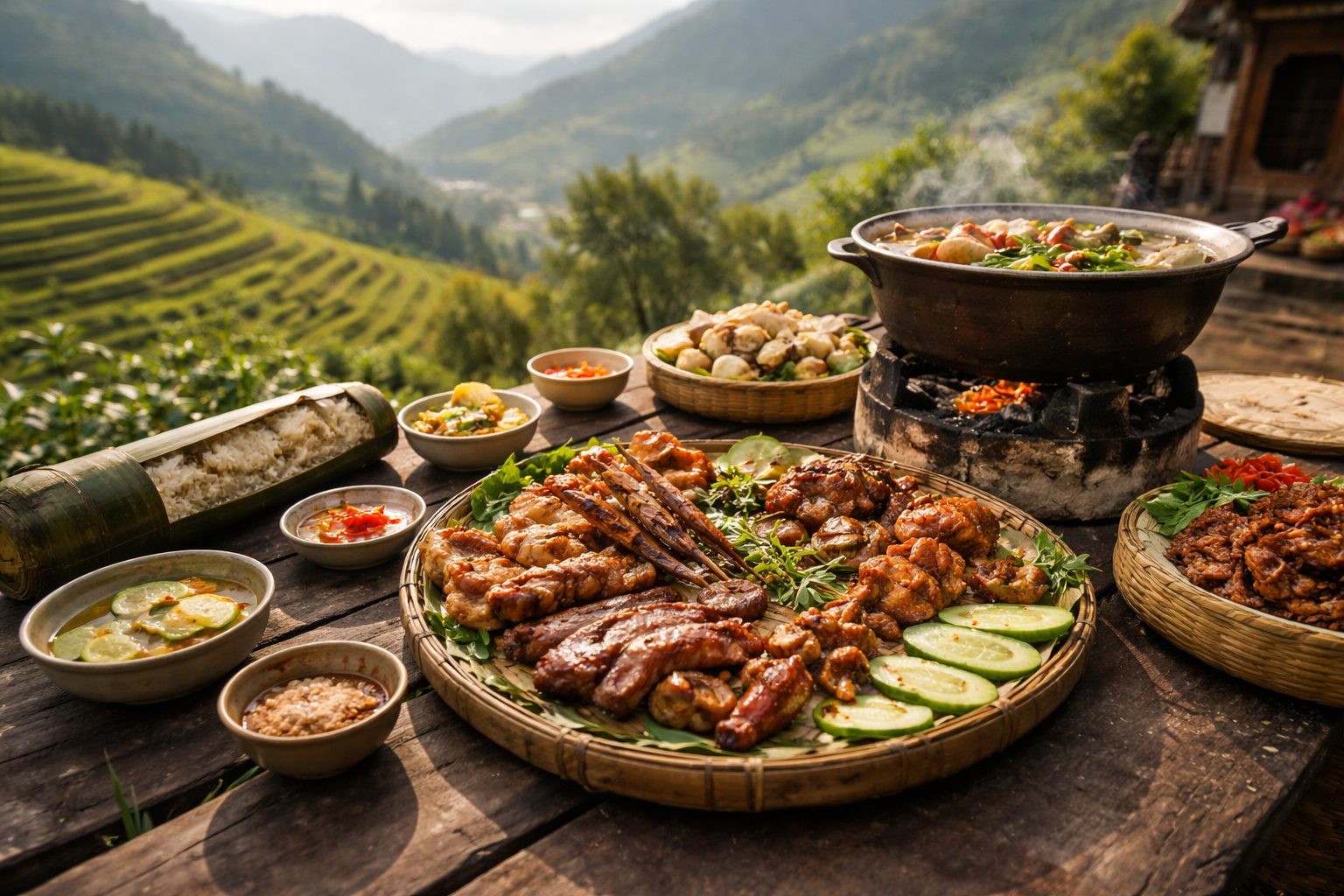
The food in sapa vietnam reflects both the mountain environment and the ethnic minority traditions of the region. It’s distinctly different from what you’d eat in Hanoi or Ho Chi Minh City.
- Thang co — a broth made from horse meat and offal, seasoned with local spices. It’s an acquired taste and deeply traditional among the Hmong. Not everyone takes to it, but trying it once is worth the experience.
- Black pork (lon cap nach) — a small indigenous pig breed raised in the mountains with a flavor noticeably richer than commercial pork. Grilled over charcoal at the night market, it’s some of the best street food in northern Vietnam.
- Smoked buffalo meat — hung over fires for days and used in soups or eaten dried. Dense, salty, and intensely flavored.
- Salmon and sturgeon — farmed in the cold mountain streams around Sapa, these fish appear on almost every restaurant menu in the area. The quality is consistently good.
- Sticky rice (xoi ngu sac) — colored naturally with local plants and flowers, served in bamboo tubes or woven baskets. Often eaten for breakfast or as a snack.
- Men men — a corn porridge that’s a staple food for many Hmong families, simpler but nourishing and worth trying in a homestay setting.
Where to Eat in Sapa
The main restaurant strip along Cau May and Fansipan streets has dozens of options ranging from Vietnamese standards to international food aimed at trekkers. Quality varies, but a few reliable categories worth knowing.
The night market near the central square is the best place for street food — black pork skewers, grilled corn, rice wine shots, and freshly made banh mi. It’s inexpensive, lively, and the most social eating experience in town.
For a more comfortable sit-down meal, restaurants specializing in northern Vietnamese cuisine are the right choice. Look for places serving thit lon cap nach and local fish dishes, and avoid anywhere with a laminated photo menu covering every Asian cuisine simultaneously. A number of rooftop restaurants and cafes have views over the valley; the food is secondary to the scenery at these spots, but on a clear afternoon they’re worth visiting just for a coffee or a beer.
Accommodation Options in Sapa Vietnam
Budget Hotels
Budget travelers in sapa vietnam have solid options without sacrificing too much comfort. Guesthouses and small family-run hotels along the side streets off the main drag typically offer clean rooms with hot water — essential at this altitude — for reasonable prices.
The trade-off at the budget level is usually location and views. You won’t have the valley panorama that higher-end places offer, and the rooms tend to be smaller. But for travelers spending most of their time trekking and arriving back exhausted, a clean bed and a hot shower is genuinely all you need. Hostel dormitories are also available and are a good way to meet other travelers, particularly for solo visitors.
Mid-range Hotels
The mid-range category in Sapa has expanded considerably in recent years and represents good value. You can expect comfortable rooms, reliable hot water, breakfast included, and often some kind of valley view for a price that would get you a basic room in a major Western city.
Hotels in this bracket tend to be more attentive with local recommendations — for guides, for restaurants, for lesser-known trekking routes. That local knowledge is worth paying slightly more for.
Luxury Resorts
The luxury end of the market is anchored by a handful of prominent properties that have transformed Sapa’s tourism profile. The Topas Ecolodge, perched on a ridge about 18 kilometers from town, offers bungalows with views that require multiple adjectives to describe adequately. Victoria Sapa Resort has been operating for years and maintains a reliable standard with spa facilities that feel earned after a hard day of trekking.
More recently, newer contemporary luxury options in and near the town center have added rooftop pools, multiple restaurants, and an overall experience that’s more resort than adventure base. Whether this end of the market fits depends on why you’re visiting. If Sapa is the destination itself, these properties make sense. If you’re here primarily to trek and explore, mid-range gives you more flexibility and keeps your focus where it belongs.
Tips for Traveling in Sapa Vietnam
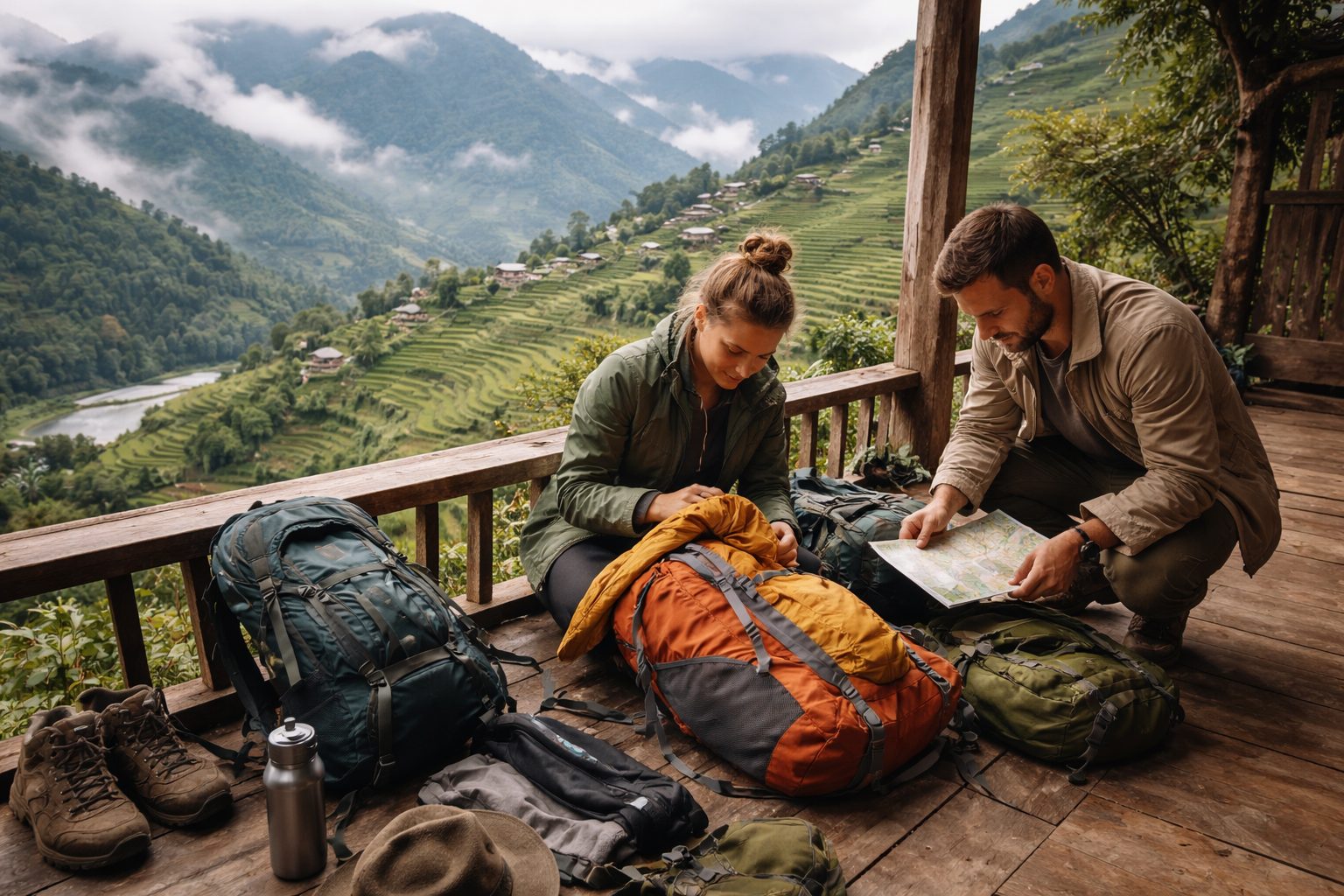
What to Pack
The altitude and unpredictable weather make packing for sapa vietnam slightly more complex than a typical Southeast Asia trip.
- Waterproof jacket — non-negotiable regardless of season. Rain appears without warning.
- Warm layers — even in summer, evenings cool off dramatically. In winter, proper thermal layers are essential.
- Good boots — waterproof hiking boots are worth the weight in your bag. Trail runners work in dry conditions but fail fast when wet.
- Sun protection — UV intensity at altitude is higher than at sea level. Sunscreen and a hat matter even on overcast days.
- Cash — ATMs exist in town but can run out on busy weekends. Carry what you need for guides, markets, and villages.
- Power bank — electricity in remote villages is unreliable. Keep your devices charged in town before heading out.
- Insect repellent — essential for trekking, particularly in the wetter months.
Cultural Etiquette
Visiting ethnic minority communities comes with responsibilities that casual tourism doesn’t always acknowledge.
- Ask permission before photographing people, especially women and children. A camera pointed at someone’s face without consent isn’t travel photography — it’s intrusion.
- Dress modestly when visiting villages. This isn’t about specific local rules, but about showing basic respect.
- Bargaining at markets is expected but shouldn’t become aggressive. The margins for minority vendors are small.
- Avoid touching or entering religious structures without an explicit invitation from someone who lives there.
- If you’re invited into a home, remove your shoes at the door. Accept offered food or drink graciously — refusal can be taken as offense.
- Learning a few words in Hmong or Dao greetings, even poorly pronounced, tends to be met with genuine warmth.
Safety Tips
Sapa is safe in the general sense — petty crime exists but at low levels, and serious safety incidents are rare. The risks are mostly environmental.
- Trail conditions change quickly with weather. If rain has been heavy, ask local guides about current trail status before setting out.
- Altitude effects are mild at Sapa town’s elevation but more significant if you’re climbing Fansipan. Take the first day easy.
- Hire registered guides for serious trekking — they know the trails, the weather signs, and the communities you’ll pass through.
- Tell someone your planned route and expected return time, especially for multi-day treks.
- The roads around Sapa involve sharp mountain curves and are driven at speed. Take care when renting motorbikes and be realistic about your experience level.
Sapa Vietnam vs. Other Destinations in Vietnam
Vietnam’s tourism landscape is rich and diverse, and sapa vietnam occupies a specific and somewhat irreplaceable niche within it.
Compared to Ha Giang, which offers similarly dramatic mountain scenery, Sapa is more developed and more accessible. Ha Giang is rawer, more demanding, and sees far fewer visitors — it’s what Sapa might have felt like fifteen years ago. For the most adventurous travelers, Ha Giang wins on authenticity. For most visitors, Sapa offers a better balance of experience and comfort.
Compared to Hoi An, the comparison barely makes sense — they’re completely different travel experiences. Hoi An is about history, architecture, beaches, and good eating in a temperate coastal setting. Sapa is mountains, culture, and physical activity. Many travelers do both on the same trip, and the contrast makes each place feel more vivid.
Compared to Da Lat, Vietnam’s other highland town, Sapa is wilder and more ethnically diverse. Da Lat has a European garden-city feel and is more comfortable for travelers who aren’t interested in serious trekking. Sapa demands a bit more from you and gives more back. Within northern Vietnam specifically, Sapa and Ninh Binh serve different purposes. Ninh Binh is a day trip or two-night destination featuring limestone karst scenery and ancient temples. Sapa requires more time and physical investment but delivers an experience that’s harder to replicate anywhere else in the country.
Frequently Asked Questions about Sapa Vietnam
Is Sapa Vietnam worth visiting?
Yes, with the caveat that your expectations should match what Sapa actually offers. It’s not a beach destination or a city break — it’s a mountain region with significant cultural depth and physical beauty. If that’s what you’re looking for, the journey is absolutely worth making.
How long should I stay in Sapa?
Three nights is the practical minimum for getting a real sense of the area — one day for acclimatization and the town, one for a full-day trek, and one for a village visit or Fansipan. Five to seven days lets you go deeper, reach more remote areas, and actually slow down enough to absorb the place rather than rush through it.
What is the weather like in Sapa?
Sapa has a genuinely four-season climate, which is unusual for Vietnam. Summers are warm and wet, winters are cold and can include frost or snow, and the shoulder seasons of spring and autumn offer the most balanced conditions. Cloud and fog are a constant presence and can arrive at any time of year — factor that into your plans rather than treating it as a disappointment when the view disappears for a morning.