
Traveling doesn’t have to cost a fortune, and I say that from experience. Over the years I’ve visited dozens of countries on a shoestring and come back richer for it, in every sense except the financial one. The best budget travel destinations aren’t just cheap. They’re places where your money stretches far, where local culture is genuinely accessible, and where the experience rivals anything you’d get on a luxury itinerary. If you’ve been putting off that trip because of money, this guide is for you.
Introduction to Budget Travel
Understanding Budget Travel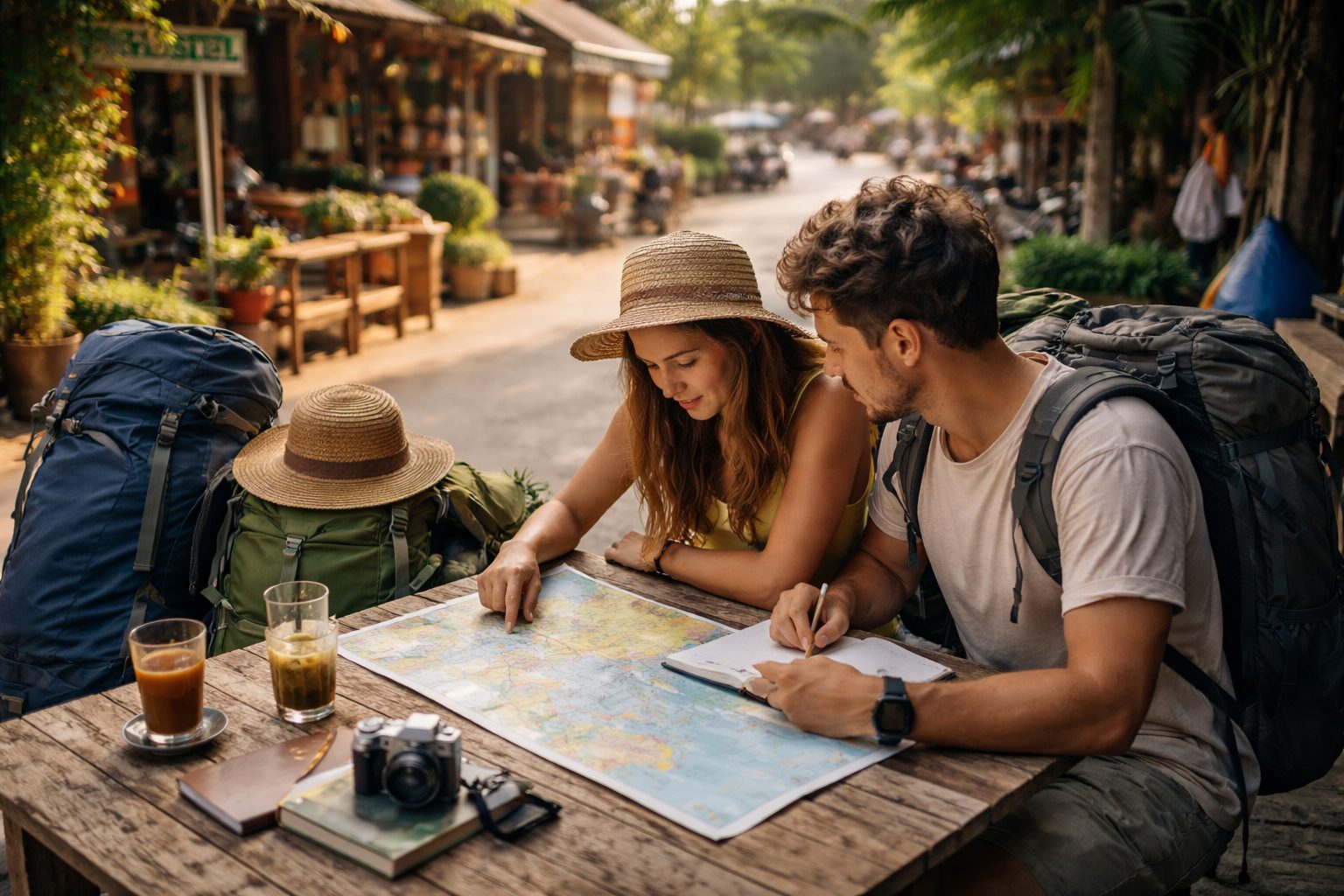
Budget travel is not about suffering through bad hostels or skipping meals. It’s a mindset. It means making intentional choices about where your money goes so you can travel longer, see more, and stress less. A budget traveler asks different questions: Can I take a night bus instead of paying for a hotel room? Is street food better than a restaurant here? Is this attraction worth the entry fee?
When people hear “budget travel” they often imagine backpackers in their twenties with no responsibilities. That’s a stereotype. Budget travel is practiced by families, retirees, digital nomads, and solo professionals. The goal is the same for all of them: maximize the experience while minimizing unnecessary costs. And the key word is unnecessary. Spending money on things that genuinely enhance your trip is perfectly fine.
The practical definition most travelers use is keeping daily spending, including accommodation, food, transport, and activities, under a target threshold. In many parts of Southeast Asia, that might mean $30 to $50 per day. In parts of Europe it could be $60 to $80. The numbers vary but the principle holds: conscious spending beats careless spending every time.
Benefits of Traveling on a Budget
The obvious benefit is that your money lasts longer. But there are deeper advantages that don’t get talked about enough. Budget travel forces you into closer contact with local life. You eat where locals eat, use the same transport, stay in smaller guesthouses rather than international chain hotels. That contact produces the kind of stories and memories that make travel worth doing.
Budget travel also builds problem-solving confidence. When things go sideways, and they will, you learn to adapt. Missed bus? Figure it out. Overpaid for something? Negotiate better next time. These small challenges are part of what makes travel genuinely transformative rather than just a series of checked boxes.
There’s also a sustainability angle. Budget travelers tend to support local businesses more than high-end travelers who stay in international hotels and eat at tourist restaurants. Your money circulates closer to the ground, which generally means it reaches more people.
Top 10 Best Budget Travel Destinations
1. Thailand
Thailand remains one of the best budget travel destinations in the world, and it’s been that way for decades. Accommodation ranges from $5 beach bungalows to clean midrange guesthouses at $20 to $30 a night. Street food is extraordinary and costs almost nothing. A full plate of pad thai from a street cart runs less than $2 in most cities.
The country offers enormous variety. Bangkok is chaotic and energizing, with temples, markets, and nightlife packed into a massive city. Chiang Mai in the north is quieter, cooler, and great for longer stays. The southern islands range from party destinations like Koh Samui to quieter spots like Koh Lanta. Transport is cheap and well-organized. Most travelers find they can live very comfortably on $40 to $50 a day.
2. Mexico
Mexico is one of the best budget travel destinations in the Western Hemisphere, especially for travelers from North America. The peso exchange rate is favorable for those earning in dollars or euros, and the cost of local food, transport, and lodging is genuinely low. Tacos from a street stand cost next to nothing. A decent hotel room in a secondary city might run $25 to $40.
The country is also extraordinarily diverse. You have colonial cities like Oaxaca and San Cristobal de las Casas, beach destinations along the Pacific and Caribbean coasts, ancient ruins, and a food culture that’s recognized by UNESCO. Mexico rewards slow travel. The longer you stay somewhere, the more you understand it, and the less you spend per day.
3. Portugal
For Europe, Portugal consistently lands among the best budget travel destinations on the continent. Compared to Western European neighbors like France or Spain, prices for food, wine, and lodging are noticeably lower. A full meal with wine in a local tasca might cost $12 to $18. A bed in a clean hostel in Lisbon can be found for $20 to $30.
Lisbon and Porto are the two main draws, and both are excellent cities for walking, eating, and spending time in without a strict itinerary. The Alentejo region and the Algarve coastline add variety. Portugal is also well-connected by train and bus, so getting around without a car is straightforward.
4. Vietnam
Vietnam is remarkably affordable even by Southeast Asian standards. Street food is some of the best in the world at prices that feel almost unreal. A bowl of pho for $1.50. A banh mi for less than a dollar. Accommodation in guesthouses runs $10 to $20 a night in most cities. Buses and trains cover the country’s long north-south corridor efficiently and cheaply.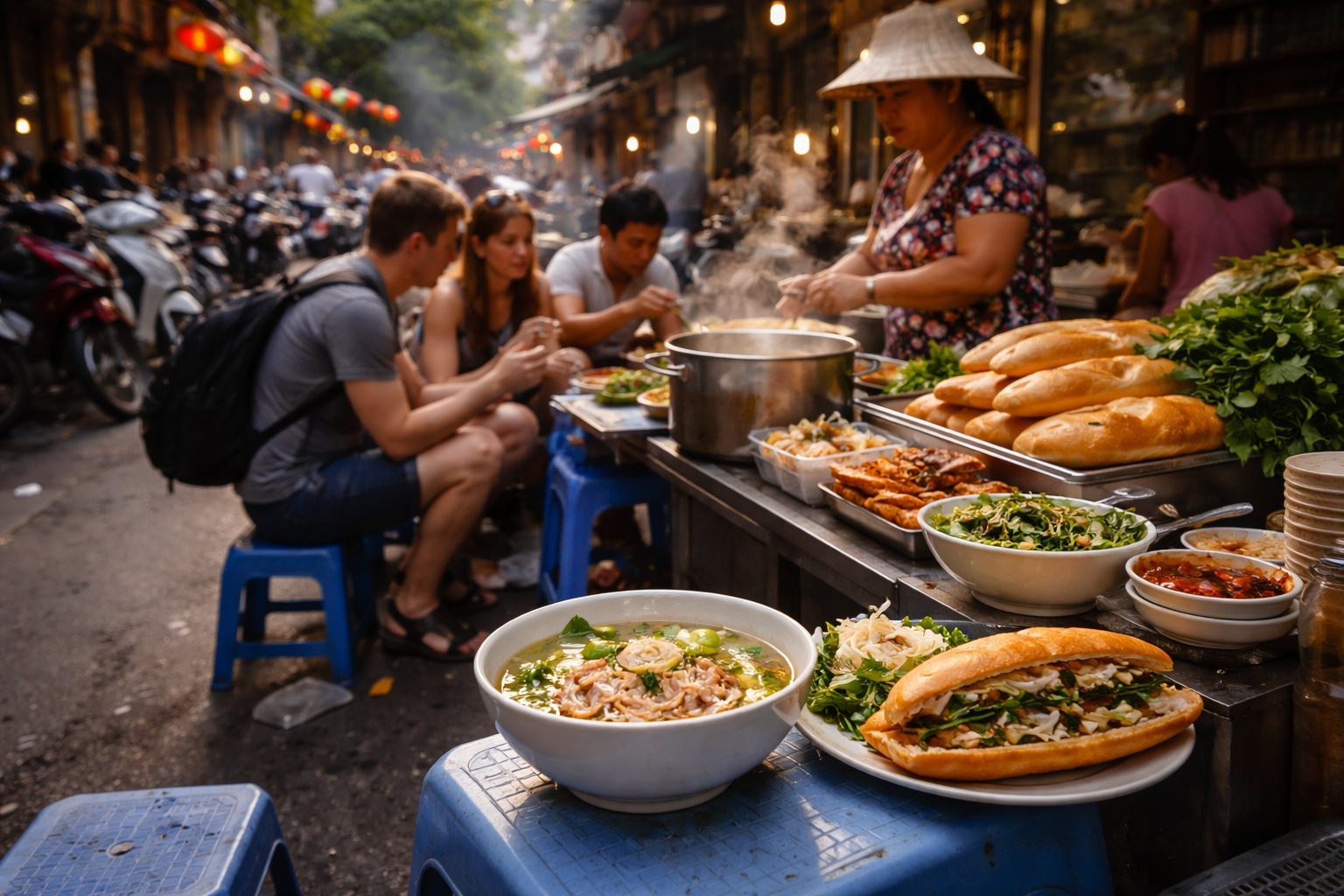
The country has a great natural and cultural range. Hanoi in the north has a completely different energy from Ho Chi Minh City in the south. The middle has Hoi An, one of the most photographed towns in Asia, Da Nang’s beaches, and Hue’s imperial history. Halong Bay is worth the splurge on a boat tour. Most travelers can travel Vietnam comfortably on $30 to $40 a day.
5. Greece
Greece is often overlooked as a budget destination because travelers assume it’s expensive. It can be, if you stick to Santorini and Mykonos. But most of Greece is very affordable. The mainland, the Peloponnese, and lesser-known islands like Naxos, Ikaria, or Crete outside peak season offer excellent value.
Eating in local tavernas is one of life’s great pleasures and costs far less than the tourist strip restaurants near major cruise ship ports. A full Greek meal with wine and meze might run $15 to $20 per person. Accommodation off-peak can be found at very reasonable rates. The ferry network connecting the islands is affordable, though booking in advance during summer helps.
6. India
India is one of the most affordable countries in the world for travelers, and also one of the most complex. The range of experiences is staggering. You can spend weeks in Rajasthan moving between forts and desert towns, or go south to Tamil Nadu for temples and backwater cruises, or head to the Himalayas for trekking. Budget accommodation is widely available, and eating from local dhabas and street stalls is both cheap and delicious.
The learning curve is real. India has a way of overwhelming first-time visitors. But those who push through that initial disorientation almost universally say it was worth it. Daily costs can be as low as $20 to $30 if you travel simply. Even with occasional splurges the country remains very affordable.
7. Hungary
Budapest is the standout, but Hungary as a whole is one of Europe’s best budget travel destinations. The Hungarian forint means prices for food, drink, and accommodation are lower than in neighboring Austria or Germany. A pint of craft beer in a ruin bar might cost $2 to $3. A hearty goulash soup at a local restaurant runs $5 to $7. Hostels in Budapest are good quality and centrally located.
Beyond Budapest, the Lake Balaton area offers beaches and villages. Eger in the north is a lovely small city with a wine culture worth exploring. Hungary is compact enough that day trips are easy and inexpensive.
8. Colombia
Colombia has transformed its reputation dramatically over the past two decades. It’s now one of the most talked-about destinations in South America and among the best budget travel destinations in the region. The Colombian peso makes it affordable for most international visitors. Medellín in particular has become a magnet for long-term travelers and remote workers, partly because of its low cost of living and remarkable climate.
Cartagena on the Caribbean coast is beautiful but pricier than other cities. The Coffee Region around Salento offers great hiking, spectacular landscapes, and some of the best coffee you’ll ever drink. Bogotá has excellent museums, street art, and nightlife. Daily budgets of $35 to $50 cover a comfortable stay in most Colombian cities.
9. Morocco
Morocco sits at the intersection of Africa, the Arab world, and Mediterranean Europe, and the mix produces something genuinely unlike anywhere else. It’s also very affordable. Accommodation in traditional riads can be found at surprisingly low prices outside Marrakech’s most touristy areas. Street food like harira soup, msemen flatbread, and grilled meats is both cheap and excellent.
The country rewards those who venture beyond the obvious. Marrakech and Fes are essential, but the Sahara, the Atlas Mountains, the surf town of Taghazout, and the blue city of Chefchaouen add layers that make Morocco a destination worth a full few weeks. Bargaining is expected in markets and can feel uncomfortable at first but becomes second nature quickly.
10. Indonesia
Indonesia is vast. More than 17,000 islands give you an enormous range of options, from the spiritual intensity of Bali to the remote wilderness of Sumatra to the beaches of the Gili Islands. Bali has gotten more expensive over the past decade but remains affordable by most standards. Outside Bali, costs drop considerably.
Yogyakarta on Java is a cultural hub and very cheap. Lombok offers similar natural beauty to Bali with fewer crowds and lower prices. Flores and Komodo are off the beaten path and stunning. Indonesian food is excellent, varied, and inexpensive. Nasi goreng, satay, and gado-gado from local warungs cost almost nothing. Flights between islands are cheap if booked in advance through local carriers.
Best Budget Travel Destinations by Continent
Budget Travel Destinations in Europe
Europe has a reputation for being expensive, and parts of it are. But there’s a solid tier of affordable destinations that often gets overlooked. Beyond Portugal, Hungary, and Greece mentioned above, consider:
- Bulgaria, particularly Sofia and Plovdiv, where prices are among the lowest in the EU
- Romania, especially Transylvania and Bucharest, with excellent value accommodation and food
- Albania, one of Europe’s last genuinely underexplored destinations with spectacular coastline
- North Macedonia and Bosnia-Herzegovina for the Balkans on a real shoestring
- Poland, especially Krakow and Wroclaw, which offer medieval architecture and excellent food at reasonable prices
The pattern in Europe is clear. Head east or to the Iberian Peninsula and your costs drop significantly compared to France, Switzerland, Scandinavia, or the UK.
Budget Travel Destinations in Asia
Asia has more best budget travel destinations per square mile than any other continent. Thailand and Vietnam dominate the conversation, but the list goes deeper:
- Cambodia, especially Siem Reap for Angkor Wat and the coast around Kep and Kampot
- Nepal for trekking, culture, and extraordinarily low living costs outside of guided trek packages
- Sri Lanka, which offers beach, culture, and wildlife in a compact island with low daily costs
- Laos, particularly Luang Prabang and the 4000 Islands in the south
- The Philippines, where island hopping is genuinely cheap and the beaches rival anywhere in the world
Japan is often considered expensive but is actually manageable on a modest budget, especially with careful planning around accommodation and eating at convenience stores and local ramen shops.
Budget Travel Destinations in South America
South America has a range of affordability. Countries like Ecuador, Peru, and Bolivia are very cheap. Brazil and Argentina fluctuate with their currencies but often offer good value. Key picks include:
- Peru, where you can see Machu Picchu, explore the Amazon, and eat extraordinary food in Lima, all on a moderate budget
- Bolivia, one of the cheapest countries in the Americas with surreal landscapes including the Salar de Uyuni salt flats
- Ecuador, compact and diverse with the Galapagos being the expensive exception to an otherwise affordable country
- Colombia, as discussed above
Budget Travel Destinations in Africa
Africa is often underestimated as a budget destination. Safari experiences can be expensive, but much of the continent is very affordable for independent travelers:
- Morocco is the clearest example, as covered above
- Ethiopia offers ancient Christian culture, dramatic landscapes, and very low costs
- Uganda and Rwanda are pricier for gorilla trekking specifically but affordable otherwise
- Egypt remains one of the world’s great travel experiences at a fraction of the cost of comparable cultural destinations elsewhere
- Namibia for self-drive adventures, though having a car adds cost
Tips for Budget Travel
How to Find Cheap Flights
Flights are usually the biggest expense in any trip, so this is where savings have the biggest impact. A few approaches that genuinely work:
- Use flexible date searches on flight aggregators like Google Flights or Skyscanner. Shifting your departure or return by a day or two can save hundreds.
- Set up fare alerts for your target destination well in advance. Prices drop and rise unpredictably, and alerts let you catch the lows.
- Consider flying into secondary airports. Flying into Lisbon instead of Porto, or into a hub city and connecting by bus, often saves money.
- Book one-way flights separately if the routing makes sense. Round trips are not always cheaper.
- Be open to positioning flights. Sometimes flying to a different origin city to catch a cheaper international flight is worth the extra effort.
Budget airlines within regions (Ryanair in Europe, AirAsia in Southeast Asia, Volaris in Latin America) are often dramatically cheaper than full-service carriers. Just watch the baggage fees, which can wipe out your savings if you’re not careful.
Affordable Accommodation Options
Accommodation costs vary enormously depending on what you’re willing to trade. The options, roughly in order of cost from lowest to highest:
- Hostels with dormitory beds: social, cheap, and usually well-located
- Couchsurfing: free but requires advance planning and active use of the platform
- Guesthouses and family-run B&Bs: often the best value for private rooms
- Apartment rentals: cheaper per night for longer stays, and having a kitchen saves money on food
- Budget hotel chains: predictable quality, often good value outside tourist areas
Booking directly with smaller properties rather than through major booking platforms sometimes gets you a better price. The platforms take a commission, and some properties will match or beat their listed price if you contact them.
Budget-Friendly Activities and Attractions
The most expensive part of many trips isn’t accommodation or flights. It’s activities. Theme parks, guided tours, and entry fees add up fast. But most of the best experiences in any destination are cheap or free:
- Walking a city neighborhood with no plan costs nothing and often produces the best memories
- Street food markets are free to wander and cheap to eat in
- Beaches, mountains, and parks are mostly free
- Many world-class museums have free entry days or are permanently free
- Talking to locals, learning a few words of the language, and simply sitting in a plaza and watching life happen cost nothing at all
Paid experiences worth budgeting for include cooking classes, which teach skills you take home, and day trips to sites that genuinely require a guide, like certain archaeological sites or wildlife areas. Be selective and skip the things that look impressive in photos but feel hollow in person.
Comparing Budget Travel Destinations
Cost of Living Comparison
The table below gives approximate daily budget ranges for independent travelers in each of the top destinations covered. These figures assume hostel or guesthouse accommodation, local food, public transport, and a couple of paid activities per week. They’re meant as guidelines, not precise calculations.
| Destination | Budget Daily Cost | Mid-Range Daily Cost |
|---|---|---|
| Thailand | $30 – $45 | $60 – $90 |
| Vietnam | $25 – $40 | $50 – $80 |
| India | $20 – $35 | $50 – $75 |
| Indonesia | $30 – $50 | $65 – $100 |
| Mexico | $35 – $55 | $70 – $110 |
| Colombia | $35 – $55 | $70 – $110 |
| Morocco | $35 – $55 | $65 – $100 |
| Portugal | $55 – $75 | $100 – $150 |
| Greece | $55 – $80 | $110 – $160 |
| Hungary | $45 – $65 | $85 – $130 |
These numbers fluctuate with exchange rates, seasons, and individual spending habits. They should be used as starting points for planning rather than firm targets.
Food and Dining Expenses
Food is where budget travelers often find the biggest opportunity. The difference between eating from street stalls and local restaurants versus eating at tourist-oriented establishments can be enormous.
In Thailand, a full street food meal costs $1.50 to $3. A restaurant meal in a tourist area might run $8 to $15. Multiply that over 30 days and the difference is hundreds of dollars. The same pattern holds in Vietnam, India, Mexico, and Morocco. Street food in these countries is not just cheap. It’s often better than the tourist restaurants.
In Europe, the gap is smaller but still real. Eating the daily lunch special, called a menú del día in Spain and Portugal, is almost always cheaper and more satisfying than ordering à la carte. Self-catering with groceries from local markets is the most economical option everywhere.
Transportation Costs
Transport within a destination is often more negotiable than people realize. A few observations: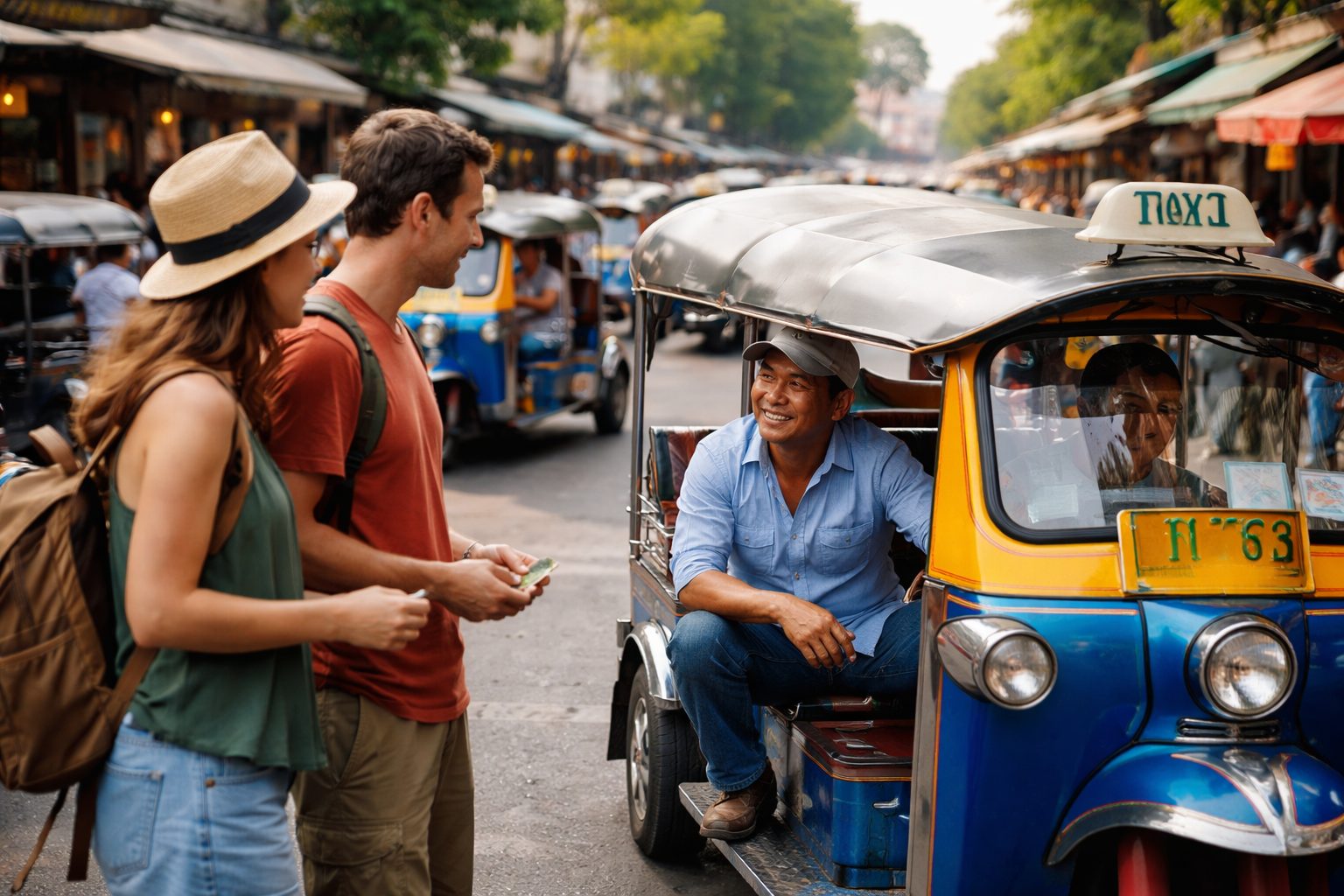
- Night buses and trains serve double duty as transport and accommodation, saving a night’s lodging cost
- Local buses are almost always cheaper than tourist shuttle services, and often just as convenient
- Renting a motorbike in Southeast Asia opens up flexibility that buses can’t provide, at a fraction of the cost of a car rental
- Walking is underrated. Cities reveal themselves on foot in ways that no transport can replicate
- In South America, long-distance buses are comfortable, affordable, and the standard way to travel between countries
Flying between destinations within a region is sometimes cheaper than the bus when booked in advance. But the carbon cost is higher, and the experience of arriving in a place after a long overland journey is genuinely different from stepping off a plane.
Practical Travel Tips
Packing Light for Budget Travel
Packing light saves money in ways that are easy to overlook. Many budget airlines charge significant fees for checked luggage. Moving between places is faster and easier with less gear. You can take local transport rather than taxis because you’re not wrestling with a large bag.
The practical approach:
- Aim for a carry-on sized bag or smaller for trips up to a month
- Bring versatile clothing that works in multiple contexts, rather than outfits designed for specific occasions
- Laundry services are cheap in most budget destinations and available everywhere
- Leave behind anything you haven’t used in the past week. Repeat for each week of travel
- A good pair of walking shoes covers most situations. You rarely need more than two pairs of footwear
Safety Tips for Budget Travelers
Budget travel does not mean unsafe travel. But it does mean making smart decisions with fewer financial buffers to fall back on. Some practical points:
- Travel insurance is non-negotiable. Medical evacuation from a remote destination can cost tens of thousands of dollars. Insurance costs a fraction of that.
- Keep copies of important documents in a secure cloud storage location separate from your phone
- Use a money belt or hidden pouch in crowded areas and at transport hubs
- Research specific neighborhoods before booking accommodation. Cheap does not always mean bad, but location matters for safety and logistics
- Trust your instincts. If a situation feels wrong, it usually is. The cost of avoiding it is almost always worth it.
Petty theft is the most common problem in most destinations, not violent crime. Staying aware of your surroundings and not displaying expensive gear conspicuously prevents most incidents.
How to Make the Most of Your Budget
Stretching a budget requires a mix of strategy and flexibility. The biggest lever is pace. Slow travel is almost always cheaper than rapid movement between many places. Staying in a city for a week instead of two days means you negotiate better accommodation rates, you learn where locals eat, and you stop making expensive tourist mistakes.
Other approaches that compound over time:
- Travel in shoulder season, typically the month or two before and after peak tourist season, when prices drop but conditions are still good
- Learn to cook one or two local dishes. A single cooking class often pays for itself in avoided restaurant meals
- Use local SIM cards rather than roaming on your home plan. Data is cheap in most countries
- Avoid airport transport traps. Research in advance how to get from the airport to your accommodation using public transport
- Set a daily budget and track it. Not obsessively, but enough to know when you’re drifting
The goal isn’t to spend as little as possible. It’s to spend intentionally so that every dollar you spend is buying something you genuinely value.
Frequently Asked Questions (FAQ)
What are the cheapest months to travel?
The cheapest months are generally shoulder season periods just before or after peak tourism, which vary by destination. For Southeast Asia, April and May before the monsoon can offer lower prices with good weather in many areas. For Europe, October through March outside the Christmas period tends to be the most affordable.
How can I save money while traveling?
The biggest savings come from slowing down, eating local food, using public transport, and traveling in shoulder season. Accommodation is usually the next biggest lever. Choosing hostels or guesthouses over hotels and booking directly when possible adds up significantly over a longer trip.
Is it safe to travel to budget destinations?
Most of the destinations listed here are safe for independent travelers who take basic precautions. Travel insurance, awareness of your surroundings, and basic research into local scams and safe neighborhoods covers most situations. The perceived danger of many budget destinations is significantly overstated in Western media.
What are some tips for solo budget travelers?
Solo travelers should lean into hostels for both the social connections and the practical information locals and other travelers share. Joining free walking tours is a great way to meet people and learn about a city. For solo women in particular, connecting with other solo female travelers through online communities before a trip provides useful, current safety information.
How do I create a budget for my trip?
Start with the daily cost estimates for your destination, multiply by the number of days, and add your flights and any pre-booked experiences. Add a 15 to 20 percent buffer for unexpected costs. Track daily spending during the trip using a simple notes app or spreadsheet. Adjust as you go. The first few days in a new country are usually the most expensive as you find your bearings.
Finding the best budget travel destinations is really about matching your interests with places where your money goes further. The destinations in this guide have all stood up over time for a reason: they offer genuine experiences, affordable daily costs, and the kind of depth that rewards more than a quick visit. Pick one, plan loosely, and go.