There’s something genuinely humbling about standing in a meadow blanketed with color. I’ve spent years chasing blooms across different landscapes, and I can tell you that discovering the best places to see wildflowers is less about luck and more about knowing where to look and when. Whether you’re a seasoned botanist or someone who just wants to walk through something beautiful on a weekend, this guide will point you toward remarkable destinations and give you the tools to make the most of every visit.
Introduction to Wildflowers
Wildflowers are flowering plants that grow without human cultivation. They colonize meadows, mountain slopes, coastal cliffs, and desert floors on their own terms. What makes them so compelling isn’t just the color, though that’s certainly part of it. It’s the way they respond to their environment with precision, blooming in windows that can be frustratingly narrow or breathtakingly generous depending on the year.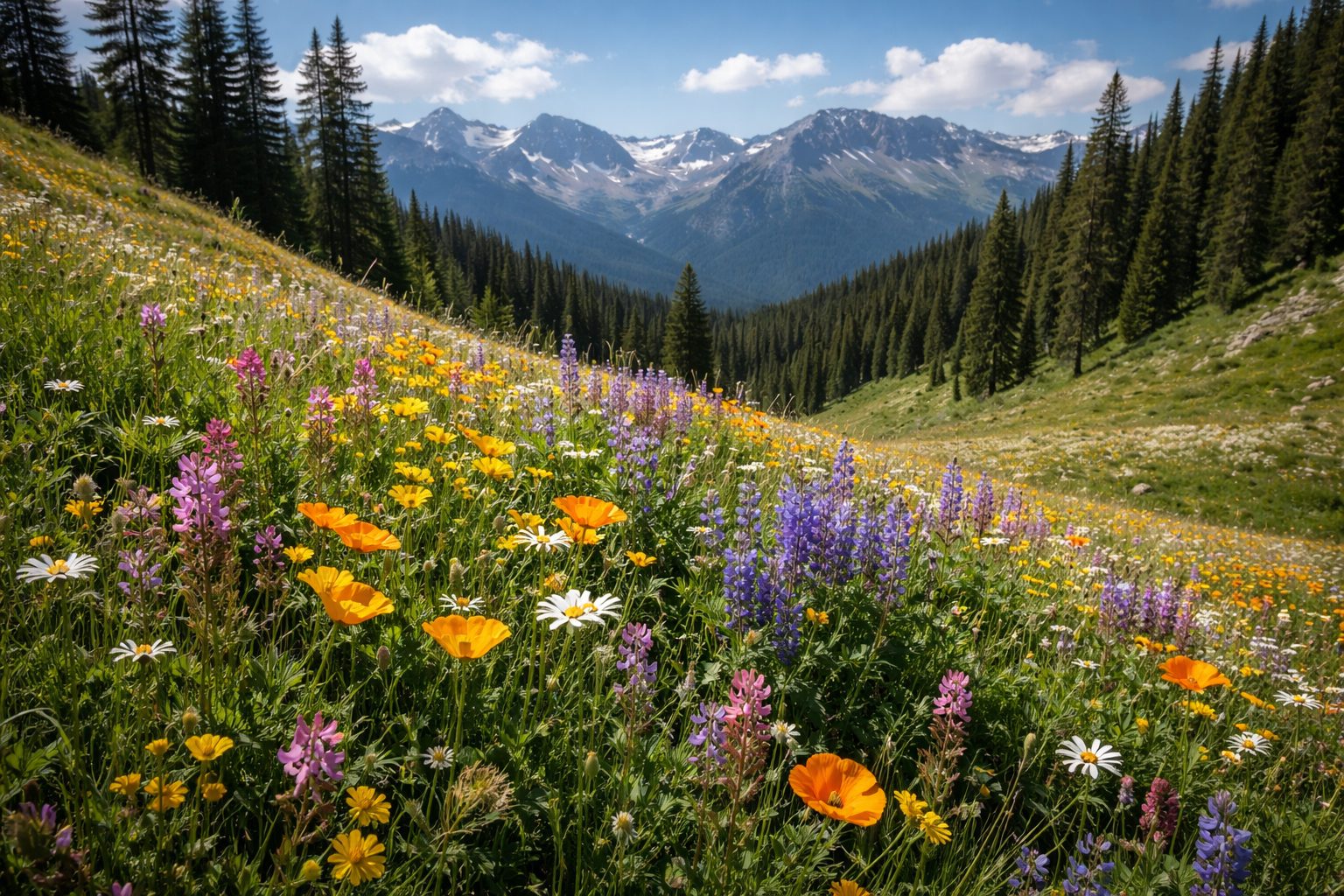
The range of species across North America alone is staggering. You’ve got the electric orange California poppy carpeting hillsides in spring, the deep violet of lupine running along mountain trails, the delicate pink of wild columbine tucked into rocky crevices. Each region has its own cast of characters, and getting to know them makes every trip feel like a reunion with old friends.
Wildflowers also serve as honest indicators of ecosystem health. A diverse wildflower display usually means the soil, pollinators, and climate conditions are all functioning well together. That’s part of why hunting them out feels meaningful beyond the aesthetic pleasure.
Importance of Wildflower Viewing
Spending time among wildflowers isn’t just pleasant. It carries real ecological and personal value. Wildflower habitats support pollinators including bees, butterflies, and hummingbirds that are critical to food production. When you visit these areas, you’re witnessing a functioning food web in action.
From a personal standpoint, time in nature among flowering landscapes consistently reduces stress and improves mood. There’s solid research behind this, but honestly, you don’t need a study to confirm it. An hour in a wildflower meadow does something to your nervous system that’s hard to replicate anywhere else.
Wildflower viewing also connects people to place. Learning which flowers grow in your region, what they need to thrive, and when they bloom builds a relationship with the land that’s increasingly rare. That connection is worth cultivating.
Best Seasons for Wildflower Viewing
Timing is everything with wildflowers. The blooms follow temperature, rainfall, and daylight with remarkable reliability, though year-to-year variation means flexibility helps.
- Spring (March through May) is peak season across most of the country. Desert wildflowers in California and Arizona typically peak in March. Higher elevation meadows in the Rockies and Sierra Nevada bloom June into July.
- Summer (June through August) is prime time for alpine and subalpine zones. Glacier National Park, the Colorado Rockies, and the Cascades see their most intense color during this window.
- Fall (September through October) brings a different palette. Goldenrod, asters, and sunflowers dominate fields across the Midwest and Northeast.
- Winter in Southern California and parts of the Southwest occasionally produces wildflower displays after significant rainfall. These are harder to predict but unforgettable when they happen.
Super bloom years, when conditions align to produce extraordinary displays, happen periodically in places like the Antelope Valley and Anza-Borrego. These events draw large crowds, so plan accordingly if you want to experience one.
Top Destinations for Wildflower Viewing
Some locations have earned their reputations as premier spots for wildflower displays. Others are quieter, less trafficked, and equally worth your time.
National Parks Known for Wildflowers
National parks consistently rank among the best places to see wildflowers because their ecosystems are protected and largely intact. Here are the standouts:
Death Valley National Park, California hosts one of the most dramatic super blooms in North America when winter rains cooperate. The desert floor transforms from brown to yellow, white, and purple in a matter of weeks. February through April is the window to watch.
Glacier National Park, Montana delivers extraordinary alpine meadow displays in July and early August. The Going-to-the-Sun Road corridor offers easy access to fields of bear grass, glacier lilies, paintbrush, and fireweed.
Great Smoky Mountains National Park, Tennessee and North Carolina is remarkable for its wildflower diversity. Spring ephemerals, including trilliums, trout lilies, and hepatica, carpet the forest floor from late March through May.
Mount Rainier National Park, Washington transforms its subalpine meadows into a riot of color from late July into August. Paradise and Sunrise areas offer particularly concentrated displays of lupine, paintbrush, and avalanche lilies.
Rocky Mountain National Park, Colorado provides reliable summer blooms across alpine tundra and meadow zones. Subalpine wildflowers typically peak in July.
State Parks with Stunning Wildflower Displays
State parks often offer equally impressive blooms with fewer crowds and lower entry fees. These are worth adding to your list:
Antelope Valley California Poppy Reserve, California is the iconic California poppy destination. In a good year, the hills glow orange from March into May. The California Department of Parks and Recreation maintains a bloom tracker worth checking before you visit.
Wildcat Hills State Recreation Area, Nebraska surprises visitors in summer with prairie wildflower displays that most people associate with the West. Yellow coneflowers, black-eyed Susans, and prairie blazing star create dense color through August.
Cheaha State Park, Alabama hosts one of the Southeast’s best azalea displays in spring, complemented by woodland wildflowers including trilliums and bloodroot. April is the peak window.
Garner State Park, Texas along the Frio River produces spring wildflower displays driven by the famous Texas bluebonnet season. March through early May is typically the best stretch.
Hidden Gem Locations for Wildflowers
Some of the most rewarding wildflower experiences come from lesser-known spots. These destinations reward curiosity: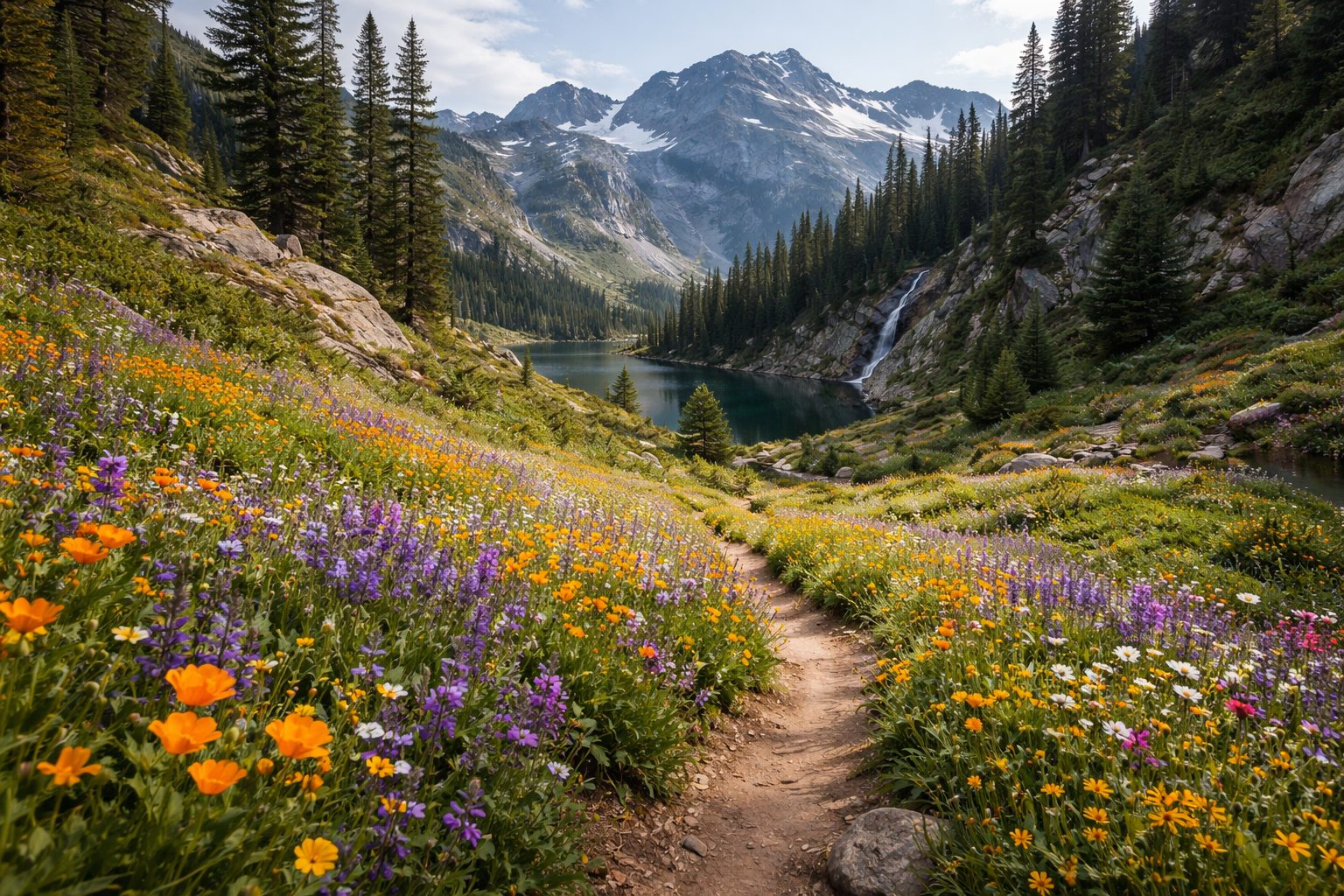
Roan Mountain Highlands, Tennessee/North Carolina border hosts the largest natural rhododendron garden in the world, with the Catawba rhododendron peaking in mid-June. The surrounding balds also carry a diverse mix of wildflowers throughout summer.
Zumwalt Prairie Preserve, Oregon is managed by The Nature Conservancy and is one of the largest remaining Pacific Northwest bunchgrass prairies. Spring and early summer produce camas, shooting stars, and balsamroot across an expansive, largely undisturbed landscape.
Crex Meadows Wildlife Area, Wisconsin draws fewer visitors than most destinations but delivers late summer and fall wildflower displays, including prairie blazing star and wild bergamot, alongside impressive birding opportunities.
Canaan Valley, West Virginia is a high-elevation bog and meadow complex that hosts unusual northern plant species at southern latitudes. Summer wildflowers here include bog rosemary, pitcher plants, and swamp candles alongside more common meadow species.
Regional Highlights
North America’s wildflower landscape is regional in character. Understanding what grows where helps you plan trips with realistic expectations.
Wildflower Hotspots in the West
The American West is where many people begin their wildflower journeys, and for good reason. The combination of dramatic landscapes and concentrated seasonal blooms creates experiences that are hard to match.
California’s coastal ranges turn bright yellow and orange with mustard, poppies, and goldfields in spring. The Tehachapi Mountains between the Central Valley and the Mojave are particularly good. Figueroa Mountain in Santa Barbara County is a reliable destination with less traffic than the Antelope Valley.
The Columbia River Gorge in Oregon and Washington produces one of the Pacific Northwest’s most accessible wildflower displays. Balsamroot, lupine, and desert parsley bloom against dramatic basalt cliffs from April into May. The Tom McCall Preserve on the Oregon side is a well-maintained option.
Arizona’s high country around Flagstaff surprises visitors unfamiliar with the region. Ponderosa pine forest meadows burst with summer wildflowers including fleabane, penstemon, and wild geranium from July into August.
Wildflower Trails in the South
The South’s diverse habitats, from coastal plains to Appalachian highlands, support wildflower communities that often go underappreciated.
The longleaf pine savannas of North Carolina’s coastal plain are among the most biodiverse habitats in North America. Venus flytraps grow wild here alongside dozens of orchid species and carnivorous pitcher plants. Spring and early summer are best.
Texas deserves special mention. The Hill Country, centered around Fredericksburg and Kerrville, produces extraordinary spring wildflower seasons driven by bluebonnets, Indian paintbrush, and pink evening primrose. The Texas Department of Transportation maintains roadside wildflower plantings that create sweeping color along highways from March through May.
The Ozark Highlands of Arkansas and Missouri host diverse woodland and glade wildflower communities. Glade communities on dolomite and chert outcrops produce concentrated displays of drought-adapted species including prairie phlox and Missouri evening primrose.
Wildflower Areas in the Midwest
The Midwest is wildflower country in ways that many visitors overlook. Restored and remnant prairies host plant communities of genuine ecological significance.
The Flint Hills of Kansas contain the largest remaining tallgrass prairie in North America. Native prairie wildflowers including prairie clover, spiderwort, and wild bergamot bloom in sequence from May through September. The Nature Conservancy’s Tallgrass Prairie National Preserve is the anchor destination.
Illinois’s remaining prairie remnants, though small, are ecologically important and often beautifully managed. The Nachusa Grasslands near Franklin Grove is a significant restoration project with excellent public access and a diverse wildflower community.
Minnesota’s prairie lake region along the South Dakota border hosts late summer displays anchored by sunflowers and goldenrod that stretch to the horizon on clear days.
Wildflower Attractions in the Northeast
The Northeast’s wildflower season moves from south to north through spring and into summer, offering an extended viewing window for visitors willing to travel.
Vermont and New Hampshire’s alpine zones on Camel’s Hump and the Presidential Range host delicate tundra wildflowers in summer. Diapensia, Lapland rosebay, and alpine azalea grow inches tall in communities that look nothing like anything at lower elevations.
The Catskills and Adirondacks in New York offer mountain meadow and forest floor wildflowers through the warmer months. Trout Brook Valley in Connecticut produces exceptional spring ephemeral displays in its rich floodplain forest.
Acadia National Park in Maine combines coastal and mountain wildflower habitats with exceptional scenic value. The carriage roads provide easy biking and walking access to meadows that bloom through August.
Planning Your Wildflower Trip
Best Times to Visit Each Location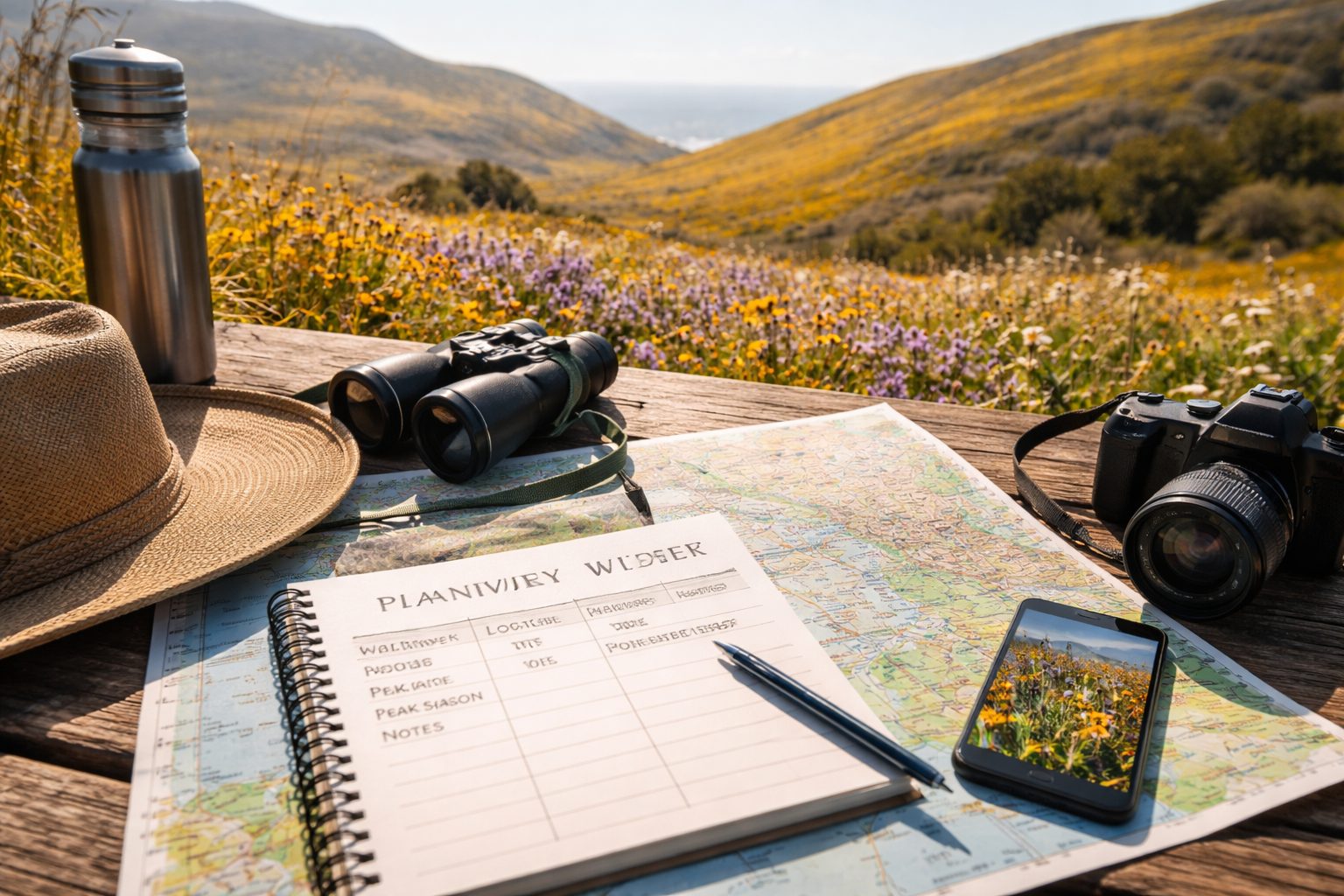
| Location | Peak Season | Notes |
|---|---|---|
| Death Valley, CA | February to April | Rain-dependent; check forecasts |
| Antelope Valley, CA | March to May | Best in wet years |
| Columbia River Gorge, OR/WA | April to May | Early spring for desert species |
| Mount Rainier, WA | Late July to August | Higher elevation blooms later |
| Glacier National Park, MT | July to early August | Alpine meadows peak mid-summer |
| Rocky Mountain NP, CO | June to August | Elevation determines timing |
| Great Smoky Mountains, TN/NC | Late March to May | Spring ephemerals; check trail conditions |
| Texas Hill Country | March to early May | Bluebonnet peak varies by year |
| Flint Hills, KS | May to September | Extended season across species |
| Vermont/NH Alpine | Late June to July | Brief window; weather unpredictable |
Essential Gear for Wildflower Viewing
You don’t need much to have a great wildflower experience, but the right gear makes a real difference.
- Field guide or plant ID app: iNaturalist and Seek are both excellent for on-the-spot identification. A regional field guide adds depth. Knowing what you’re looking at transforms the experience.
- Camera with macro capability: Many smartphones handle this well. A dedicated macro lens opens up detailed close-up work that reveals extraordinary structure in small flowers.
- Comfortable walking shoes or hiking boots: Trail conditions vary enormously. Meadows can be wet, rocky, or uneven in ways that reward proper footwear.
- Sun protection: Wildflower meadows are often fully exposed. Sunscreen, a hat, and sunglasses matter on bright days.
- Water and snacks: Obvious but worth stating. Wildflower walks often extend longer than anticipated.
- Layered clothing: Morning temperatures at elevation can surprise visitors planning for midday warmth.
Sustainable Wildflower Viewing Practices
The best places to see wildflowers stay beautiful because visitors treat them with care. A few practices go a long way.
Stay on designated trails whenever possible. Trampling surrounding vegetation damages root systems and compacts soil in ways that reduce future blooms. Meadow recovery from off-trail traffic can take years.
Never pick wildflowers on public lands. This is typically illegal in national and state parks, and for good reason. A single plant removed represents lost seed production, pollinator habitat, and visual enjoyment for everyone who visits after you.
Leave no trace applies fully. Pack out everything you bring in. This includes food wrappers, water bottles, and any plant material you might be tempted to collect as a souvenir.
Avoid introducing non-native plant material into wildflower areas. Clean mud from boots before entering a new habitat to reduce weed seed transport between locations.
Respect designated restoration areas and fencing. Many parks close sensitive areas seasonally or permanently to allow recovery. These boundaries exist for sound ecological reasons.
Photography Tips for Capturing Wildflowers
Wildflower photography rewards patience and attention to light. A few techniques make a consistent difference in results.
Shoot in the golden hours. Early morning and late afternoon light is warmer, lower in angle, and less harsh than midday sun. Flowers backlit in morning light often glow in ways that feel cinematic.
Get low. The most common mistake in wildflower photography is shooting from standing height. Getting down to ground level or even lower puts the flower at eye level and creates a sense of intimacy. It also separates the subject from the background more effectively.
Use natural diffusion. Overcast days produce soft, even light that’s excellent for color reproduction. Harsh midday sun creates blown highlights and deep shadows that flatten detail.
Focus on the details. Wide landscape shots of flower fields are satisfying, but close-up images of individual blooms reveal structure and texture that most people never notice. Stamens, petals, insect visitors, and dew drops all make compelling subjects.
Include context thoughtfully. A solitary flower against a mountain backdrop tells a different story than a tight detail shot. Both have value. Varying your approach within a single location produces a more complete visual record.
Be ready for wind. Flowers move constantly in any breeze. Using faster shutter speeds or waiting for brief lulls produces sharper images. Early morning is often calmer.
Events and Festivals Celebrating Wildflowers
Wildflower festivals offer a structured entry point for visitors who want guidance, community, and celebration alongside their botanical exploration.
Wildflower! The Nature Festival, Fort Worth, Texas runs each spring and combines nature walks, educational programs, and wildflower tours in the Fort Worth Nature Center and Refuge. It’s one of the longer-running events of its type in the South.
Crested Butte Wildflower Festival, Colorado happens annually in July when the surrounding alpine meadows near peak bloom. Guided hikes, photography workshops, and botanical illustration classes draw serious wildflower enthusiasts from across the country. Crested Butte bills itself as the wildflower capital of Colorado, and during July it’s hard to dispute.
Olympic Peninsula Wildflower Weekend, Washington celebrates the extraordinary diversity of the Olympic National Park and surrounding areas with guided tours and naturalist programs in late May.
Bluebonnet Trails, various Texas counties are informal but widely celebrated spring events organized by local communities in the Texas Hill Country. Towns like Ennis, Brenham, and Burnet mark specific routes through high-density wildflower areas with maps and signage.
Anza-Borrego Desert State Park Wildflower Viewing, California isn’t a formal festival but draws enormous crowds during good bloom years and features ranger-led programs, shuttle tours, and interpretive signage throughout the park.
Frequently Asked Questions about Wildflower Viewing
What are the best months to see wildflowers?
It depends heavily on location and elevation. Deserts and low elevations in California and the Southwest peak from February through April. Mountain meadows in the Rockies and Cascades peak from late June through August. The Midwest and East see the longest effective season, with different species blooming from April through October.
How do I find wildflower locations near me?
Local native plant societies are an excellent resource and often maintain bloom reports and guided walk schedules. State parks and national park websites frequently publish seasonal wildflower updates. Apps like iNaturalist allow you to browse recent observations by location, which is one of the most practical ways to find active bloom sites.
Are there guided tours for wildflower viewing?
Yes, in most prime wildflower destinations. National and state parks offer ranger-led programs during peak seasons. Native plant societies and botanical gardens often organize field trips. Tour companies in areas like the Texas Hill Country and Colorado’s wildflower regions specialize in photography and natural history tours. These options are particularly useful for first-time visitors to a region.
What should I do if I can’t find wildflowers?
Check local bloom reports and social media groups focused on native plants for your target area. Timing matters enormously, and a trip that’s one or two weeks off peak can feel disappointing. If a location isn’t producing, ask rangers or local naturalists for current recommendations. Being flexible about specific destinations usually results in better experiences than being fixed on a single location.