India is one of those places that changes you. I’ve spent months exploring its chaotic, beautiful, overwhelming landscapes, and I can say without hesitation that deciding to travel to India was one of the best choices I’ve made. This is a country that assaults every sense simultaneously, where ancient temples sit beside modern tech hubs, where you’ll eat the best meal of your life from a roadside cart, and where a 30-minute journey can feel like crossing five centuries. It demands patience and rewards curiosity in equal measure.
If you’re planning a trip, this guide covers everything from timing and destinations to cultural norms, food safety, and sustainable choices. Whether you’re a first-timer or returning for another round, India always has something new to offer.
Best Times to Travel to India
Timing matters more here than almost anywhere else. India has three distinct seasons: winter (October to March), summer (April to June), and monsoon (July to September). Each region experiences these differently, so your destination choice should drive your travel window.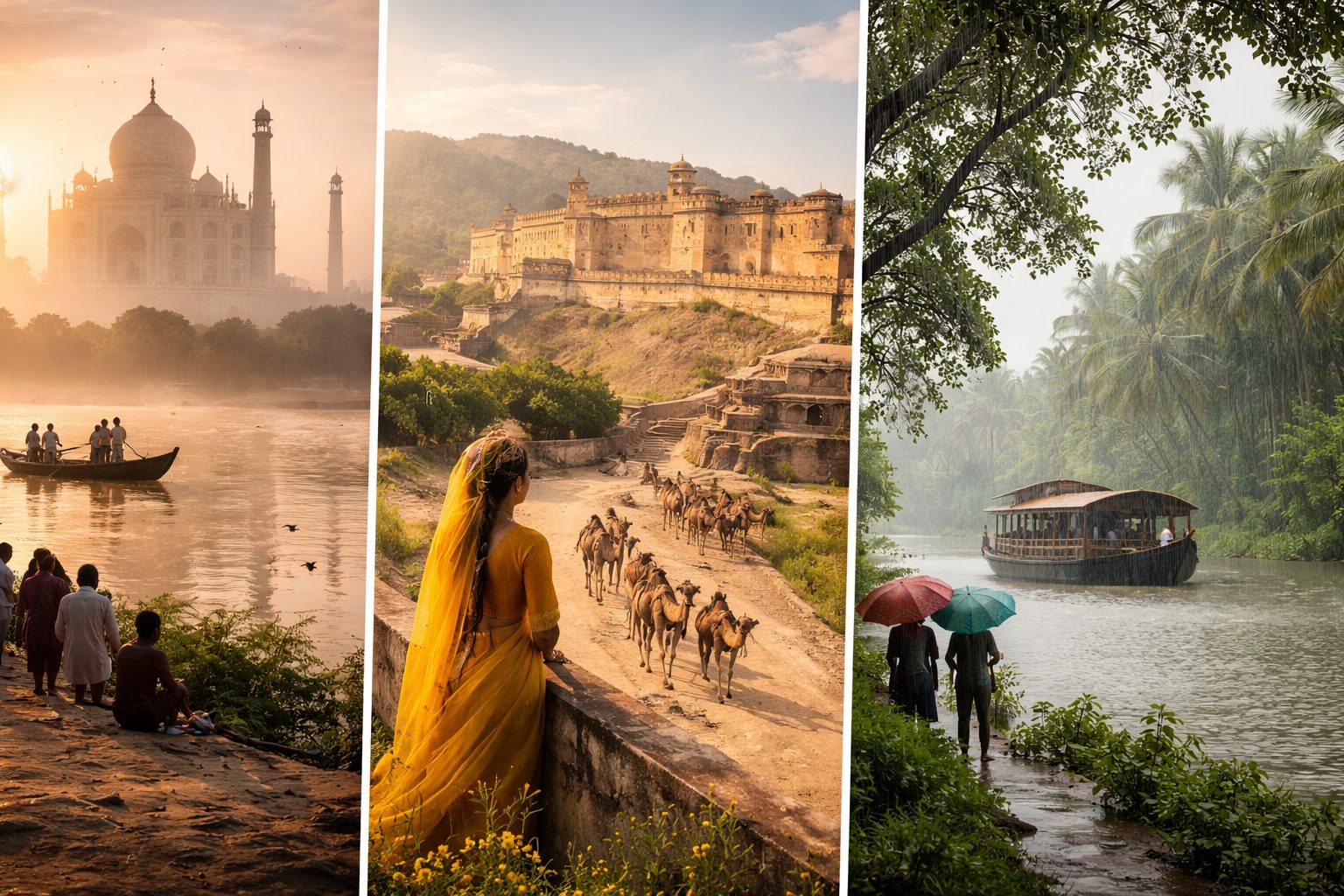
October through March is generally the best period for most of the country. Northern India is pleasant and cool, Rajasthan is ideal, and the southern beaches are dry and sunny. If you plan to travel to India’s mountainous north, aim for April to June before the monsoon sets in, or September to November for trekking season.
The monsoon season isn’t a reason to avoid India entirely. Kerala’s backwaters look stunning in the rain, and accommodation prices drop significantly. But flooding and disrupted transport are real concerns, especially in low-lying areas.
Quick overview:
| Season | Months | Best Regions |
|---|---|---|
| Winter | Oct – Mar | Rajasthan, Goa, Kerala, Tamil Nadu |
| Summer | Apr – Jun | Himalayas, Ladakh, hill stations |
| Monsoon | Jul – Sep | Kerala, Meghalaya, Spiti Valley |
The peak tourist season runs November through February. Book accommodation early if you’re visiting popular spots like Agra, Jaipur, or Varanasi during this window.
Top Destinations to Explore in India
India’s geography is staggering. You have Himalayan peaks, Thar Desert dunes, tropical coastlines, and dense rainforests, all within a single country. Narrowing down where to go depends entirely on your interests and how much time you have.
Northern India Highlights
Northern India is where most first-time visitors start, and for good reason. The Golden Triangle circuit connecting Delhi, Agra, and Jaipur packs a remarkable amount of history and culture into a manageable route. The Taj Mahal remains one of the world’s genuinely unmissable sights, even accounting for the crowds.
Varanasi deserves its own category. It’s one of the oldest continuously inhabited cities on earth, and sitting on the ghats watching the evening Ganga Aarti ceremony is one of those experiences that’s genuinely hard to describe. Rishikesh and Haridwar appeal to those interested in yoga, spirituality, or trekking into the foothills.
Ladakh has become increasingly popular and for good reason. The landscape is stark, lunar almost, with Buddhist monasteries clinging to cliffsides above blue rivers. It’s best visited June through September and requires acclimatization if you’re flying directly.
Southern India Wonders
Southern India has a completely different energy from the north. The pace slows, the food gets spicier, and the temples get taller. Tamil Nadu’s temple towns like Madurai and Thanjavur showcase Dravidian architecture at its most elaborate.
Kerala is one of the most consistently enjoyable states for travelers. The backwater houseboat experience in Alleppey is genuinely relaxing, the hill stations around Munnar are cool and green, and the Ayurvedic wellness scene here is serious and well-established.
Karnataka offers a compelling mix of ancient ruins at Hampi, tech-forward Bangalore, and the coastal towns of Mangalore and Udupi. Coorg is a quiet alternative to the more crowded hill stations elsewhere.
Eastern India Gems
Eastern India gets far less attention than it deserves. Kolkata is a city of genuine intellectual and artistic depth, with a food scene centered on Bengali cuisine that’s worth the trip alone. The Victoria Memorial and Howrah Bridge are iconic, but Kolkata rewards slow, neighborhood-level exploration more than checklist sightseeing.
Odisha has some of the most ornate temples in the country, particularly the Konark Sun Temple and the Lingaraja Temple complex in Bhubaneswar. The tribal regions of Odisha are fascinating but require respectful, ethical engagement through reputable guides.
The northeastern states, including Sikkim, Meghalaya, and Assam, remain relatively untouristed. Meghalaya’s living root bridges and Assam’s Kaziranga National Park, home to one-horned rhinos, are among India’s most compelling natural experiences.
Western India Experiences
Rajasthan dominates most Western India itineraries, and it earns that attention. Jaipur, Jodhpur, Jaisalmer, and Udaipur each have a distinct character. Jaisalmer’s desert fort and the sand dunes at Khuri offer the classic desert experience. Udaipur’s lake palaces are as romantic as they look in photographs.
Goa remains India’s most famous coastal destination. It’s genuinely diverse, with quieter northern beaches at Arambol and Morjim contrasting with the more commercial southern areas. Beyond the beaches, Old Goa’s Portuguese churches are UNESCO-listed and worth exploring.
Mumbai is a city in constant motion. The colonial architecture of Colaba, the street food scene at Chowpatty and Mohammed Ali Road, and the remarkable Dharavi neighborhood tell the story of a city that never quite slept.
Cultural Experiences in India
Festivals and Celebrations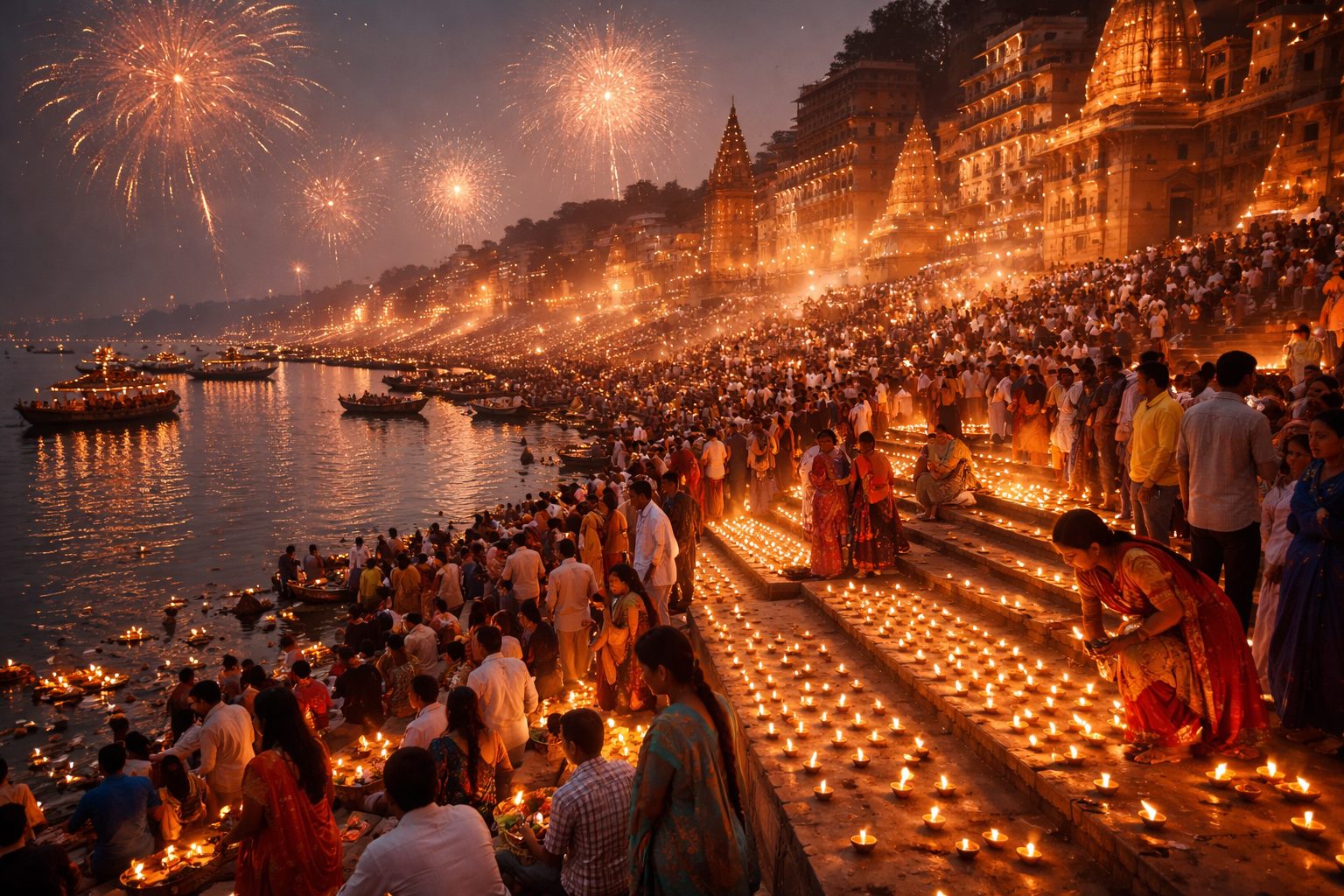
India’s festival calendar is relentless and genuinely spectacular. Diwali, the festival of lights, typically falls in October or November and transforms entire cities into a sea of lamps and fireworks. Holi in March is the most exuberant, with colored powder thrown everywhere, though it’s worth knowing that large public celebrations can be chaotic.
Navratri, celebrated differently across regions, is particularly vibrant in Gujarat with traditional Garba dance. Eid, Christmas, and numerous regional harvest festivals add to a calendar where something significant is almost always happening somewhere.
If you can plan your trip around a major festival, do it. Just book accommodation and transport well in advance, since demand spikes significantly during these periods.
Culinary Adventures
Indian cuisine is not a single thing. It’s a collection of regional traditions that share some foundations but diverge dramatically in flavor, technique, and ingredient. Coming here with an adventurous palate will serve you far better than coming with firm dietary expectations.
North Indian food tends to feature wheat-based breads, dairy-rich gravies, and robust spicing. South Indian cooking leans on rice, lentils, coconut, and tamarind. The coastal regions bring excellent seafood. And in cities, you’ll find cuisines from every corner of the country on a single street.
Some meals I keep returning to:
- Thali meals, whether Gujarati, Rajasthani, or South Indian, offer a comprehensive introduction to regional flavors
- Biryani varies significantly by region, with Hyderabadi and Kolkata versions being particularly celebrated
- Kerala’s fish curry, served on a banana leaf, is something I still think about
- Chaat, the category of savory snacks, is an art form in cities like Varanasi, Delhi, and Mumbai
Traditional Arts and Crafts
India’s craft traditions are living practices, not museum pieces. Shopping directly from artisans supports livelihoods and gives you something with real provenance. Block-printed textiles from Rajasthan, Kanjivaram silk sarees from Tamil Nadu, Pattachitra paintings from Odisha, and Pashmina shawls from Kashmir all represent centuries of accumulated skill.
Government-run craft emporiums in most state capitals offer fairly priced, authentic goods and are a good starting point for understanding what’s genuinely local versus mass-produced. Buying from the source, whether a weaver’s cooperative or a potter’s village, is always preferable when you can manage it.
Practical Travel Tips for India
Visa and Entry Requirements
Most nationalities need a visa to enter India. The e-Visa system has made this significantly more straightforward for citizens of eligible countries. You can apply online, pay the fee, and receive your visa by email, typically within 72 hours though it’s wise to apply at least a week before travel.
The e-Visa covers tourism, business, medical, and conference purposes. Standard tourist e-Visas allow stays of up to 90 days and are valid for multiple entries. If you plan to stay longer or have specific requirements, a regular visa through the Indian consulate in your country is the alternative.
Important notes:
- Pakistan and Bangladesh passport holders cannot use the e-Visa system
- Your passport must be valid for at least six months beyond your entry date
- Always carry a printed copy of your visa approval alongside the digital version
Health and Safety Precautions
Health preparation for travel to India should start several weeks before departure. Consult a travel medicine clinic about vaccinations. Commonly recommended ones include Hepatitis A and B, Typhoid, Rabies (especially if you’ll be in rural areas or around animals), and Japanese Encephalitis depending on your itinerary.
Malaria prophylaxis is recommended for certain regions. Confirm requirements based on where specifically you’re going, as risk varies significantly between urban centers and forested or rural areas.
The most common health issue travelers face is gastrointestinal illness. Practical steps that genuinely help:
- Drink only bottled or filtered water, including when brushing teeth
- Be cautious with raw salads and unpeeled fruit unless you’ve washed them with purified water
- Choose busy food stalls with high turnover over quiet ones
- Carry oral rehydration salts and basic medication for stomach issues
Travel insurance is non-negotiable. Medical care in private hospitals is generally good in major cities, but it can be expensive, and evacuation coverage matters if you’re going remote.
Currency and Payment Methods
India’s currency is the Indian Rupee (INR). ATMs are widely available in cities and towns, though you may encounter network issues in more remote areas. It’s worth carrying some cash, especially if you’re traveling through smaller towns, markets, or rural regions.
UPI, India’s unified digital payment system, has transformed how transactions work here. Many vendors, street food sellers included, now accept payments via QR code scanning apps like PhonePe and Google Pay. As a foreign visitor, you likely won’t be set up for UPI, but knowing it exists explains why you’ll see QR codes everywhere.
Currency exchange is available at airports, authorized money changers, and banks. Airport rates are typically worse than city exchange offices. Avoid changing money with unofficial exchangers regardless of the rate offered.
Transportation Options
Getting around India requires planning but offers several good options depending on your route and budget.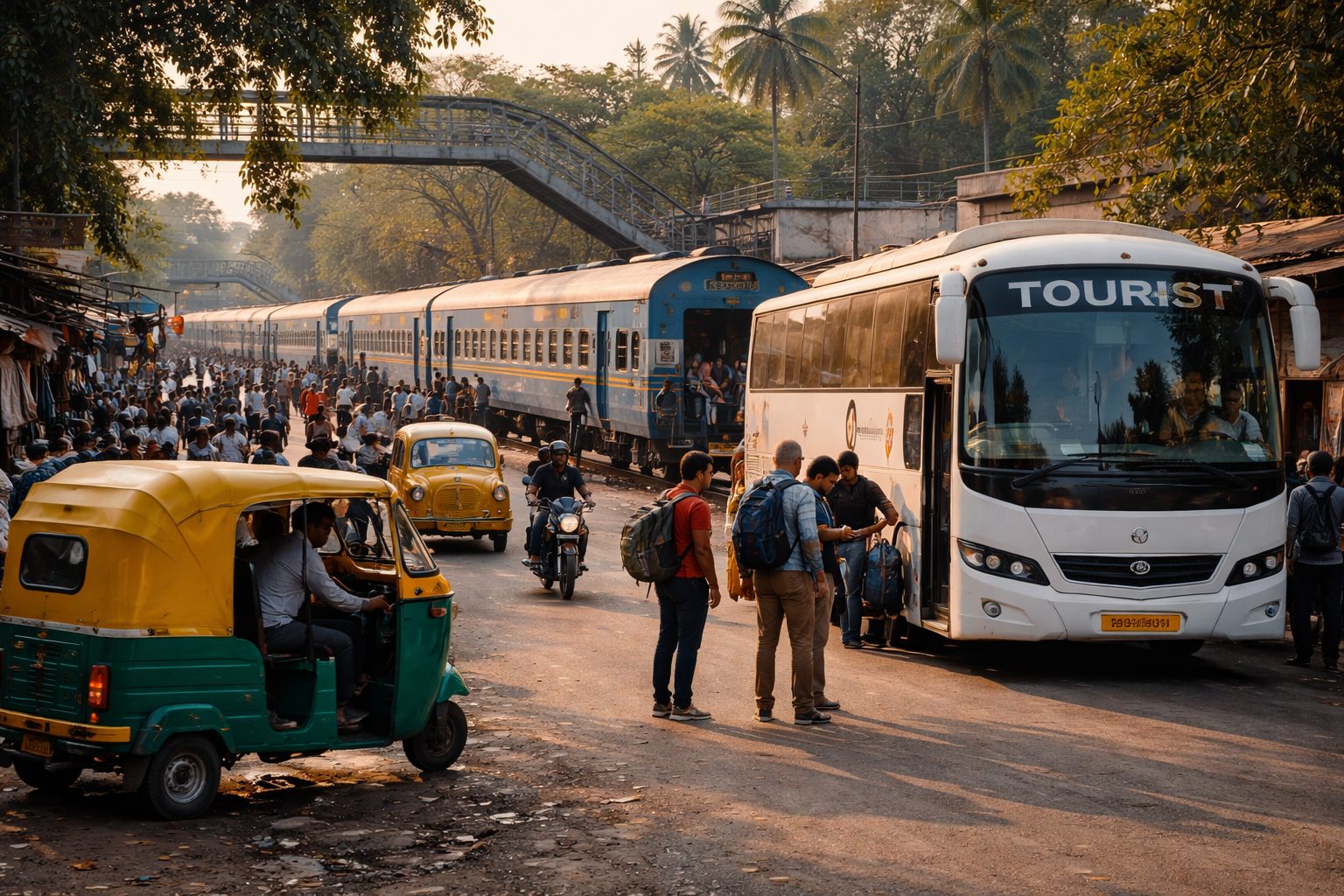
Trains are the backbone of long-distance travel here. The Indian Railways network is vast, and booking through the official IRCTC website or app is straightforward once you register. Book early for popular routes and classes, especially for overnight trains during peak season. Second AC and Third AC are the sweet spots between comfort and cost for most travelers.
Domestic flights have become affordable and cover routes where train journeys would take excessively long. IndiGo, Air India, and SpiceJet are the main carriers. Compare fares carefully since prices fluctuate significantly with booking timing.
Within cities, options include:
- Metro systems in Delhi, Mumbai, Bangalore, Hyderabad, and Chennai are efficient and affordable
- Auto-rickshaws for shorter urban trips, though always agree on a price beforehand or insist on the meter
- Ola and Uber work well in most large cities and remove the negotiation element
- Intercity buses are economical for routes not covered well by trains, though comfort varies enormously
Accommodation Choices in India
Luxury Hotels
India has some of the world’s great luxury hotels. The Oberoi and Taj hotel groups operate properties that consistently rank among the finest anywhere. Heritage hotels converted from palaces and havelis are particularly distinctive, especially in Rajasthan, where staying in a restored maharaja’s palace is an experience unto itself.
Amenities at the top tier typically include spa facilities, multiple dining options, concierge services for planning excursions, and in-property experiences like cooking classes or guided heritage walks. Rates are high by Indian standards but often competitive with equivalent quality in Western Europe or North America.
Budget-Friendly Hostels
Backpacker infrastructure in India has improved dramatically over the past decade. Good hostels are now found in every major tourist destination, offering dormitory beds, private rooms, common kitchens, and social programming. Zostel is the largest domestic chain and maintains reliable standards.
Budget accommodation outside the hostel category includes guesthouses and lodges that can cost very little per night. Quality varies widely, so checking recent reviews on booking platforms before committing is worth the five minutes it takes.
Unique Stays: Homestays and Guesthouses
Staying with local families through homestay programs provides a quality of access to daily life that no hotel can replicate. You’ll eat home-cooked food, get genuinely local recommendations, and leave with a more textured understanding of wherever you’ve been.
In Kerala especially, homestays along the backwaters have become a well-organized industry, with families offering clean rooms, fresh meals, and often boat trips on the waterways surrounding their homes. In Rajasthan, guesthouses in old havelis offer atmosphere at a fraction of what the palace hotels charge.
Navigating Indian Cuisine
Must-Try Dishes
Coming with a mental list helps, but be ready to abandon it when something interesting appears on a menu or at a stall. These are worth prioritizing:
- Masala dosa: a crisp rice and lentil crepe with spiced potato filling, served with chutneys and sambar
- Rogan josh: the classic Kashmiri lamb curry, fragrant with dried flowers and spices
- Pav bhaji: a Mumbai street food classic, mashed vegetable curry with butter-soaked bread rolls
- Dhokla: fermented chickpea batter steamed into a light, tangy snack from Gujarat
- Khichdi: rice and lentils cooked together, simple and perfect when you need something gentle
- Phuchka or gol gappa: hollow crisp balls filled with spiced water and tamarind, impossibly fun to eat
Regional Specialties
Regional food distinctions are sharp and worth chasing.
Punjabi food in the north is rich and heavy, built around butter, cream, and tandoor-cooked breads and meats. Hyderabadi cuisine, at the crossroads of Mughal and South Indian traditions, produces some of India’s most complex biryanis and curries. Goan food integrates Portuguese influence through vinegar-marinated meats and pork dishes that you won’t find elsewhere in India.
Bengali cuisine centers on fish and rice, with mustard oil and panch phoron (a five-spice blend) providing a flavor profile entirely different from northern or southern traditions. Desserts here, including rasgulla, sandesh, and mishti doi, are worth seeking out specifically.
Street Food Safety Tips
Street food is one of the great pleasures of travel to India, and avoiding it entirely means missing a significant part of what makes this country compelling. But exercising some judgment reduces your risk considerably.
Practical guidelines:
- Choose stalls with high, consistent customer turnover, which signals fresh ingredients and proper rotation
- Watch how the food is prepared, particularly whether surfaces and utensils appear reasonably clean
- Avoid cut fruit, raw salads, and anything with visible sauces or chutneys that may have been sitting out for extended periods
- Freshly fried items are generally safer than pre-cooked foods left at room temperature
- Follow the locals, not other tourists, to find the genuinely good spots
Your stomach will likely need a few days to adjust regardless. Starting carefully and gradually expanding your food adventurousness over the trip’s first week is a sensible approach.
Engaging Local Etiquette and Customs
Understanding and respecting local customs makes travel to India significantly smoother and more meaningful. Indians are generally welcoming to genuine curiosity and forgiving of honest mistakes, but some basics matter.
Remove shoes before entering temples, mosques, gurdwaras, and many private homes. Dress conservatively at religious sites, covering shoulders and legs regardless of the heat. Leather items including belts and bags may need to be left outside certain Hindu temples.
Physical contact has different norms here. Avoid touching people’s heads. Same-sex hand-holding is common and carries no romantic connotation, while public displays of affection between couples are generally inappropriate outside major cities.
The “namaste” greeting, palms pressed together at chest height, is universally understood and appreciated. Learning a few words of Hindi or the local language of wherever you’re traveling goes a long way. Even basic attempts at regional languages like Tamil, Bengali, or Kannada are received warmly.
Haggling is expected and appropriate in markets, with auto-rickshaws outside of metered zones, and with some guesthouses. Start lower than you’d realistically pay and work toward a fair middle ground. In fixed-price stores and government emporiums, haggling is not appropriate.
Photography requires more sensitivity than many tourists exercise. Always ask before photographing people. Certain temples and religious ceremonies restrict or prohibit photography entirely. Respect these limits without argument.
Adventure Activities in India
Trekking and Hiking
India’s trekking options range from accessible day hikes to serious multi-week expeditions. The Himalayan region offers the most dramatic options. In Himachal Pradesh, routes through the Kullu Valley, around the Hampta Pass, and up to Chandrakhani Pass are well-established and stunning. Uttarakhand’s Roopkund Trek and the Valley of Flowers are iconic.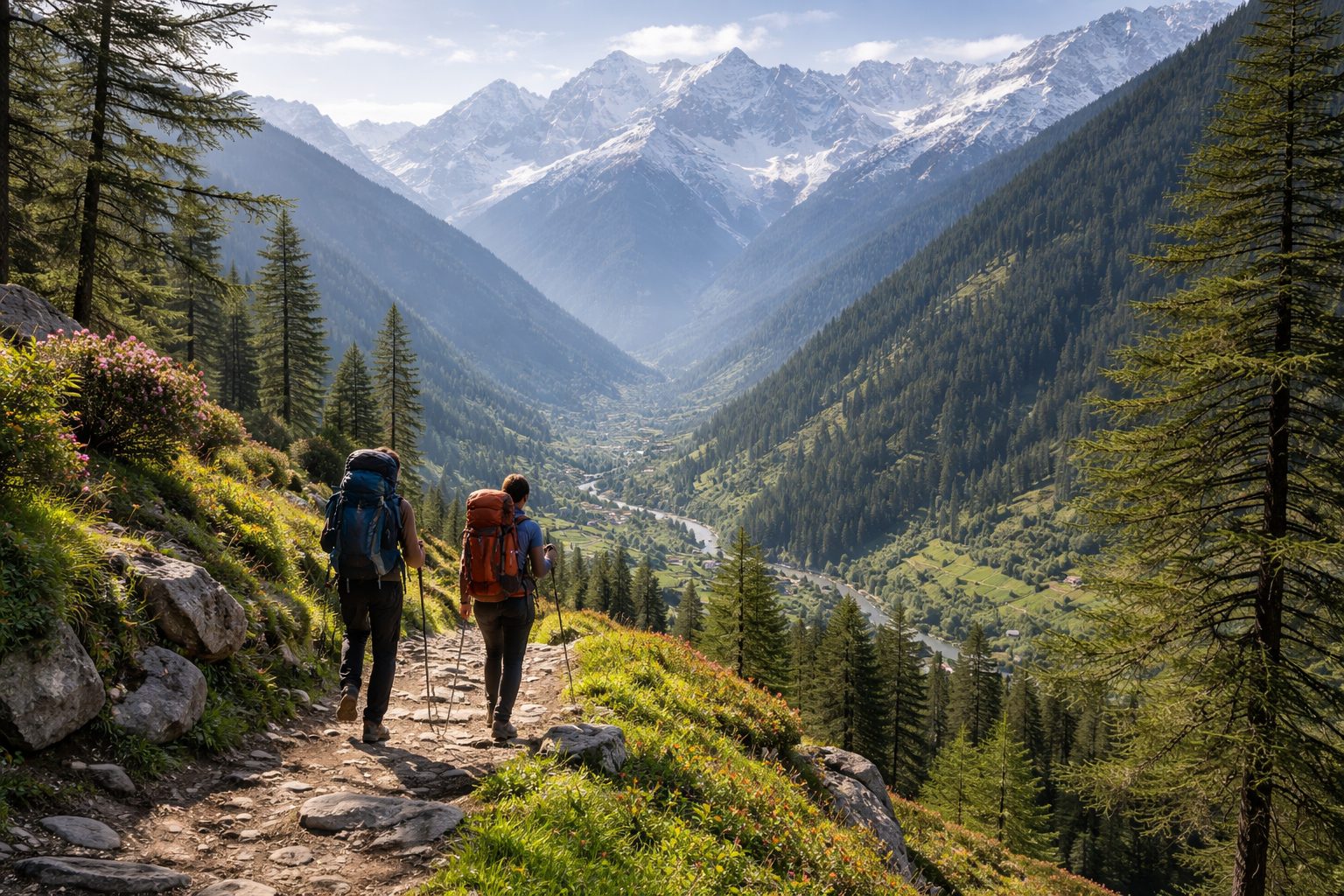
Ladakh is ideal for high-altitude trekking between monasteries and villages with virtually no crowds on less-publicized routes. The Markha Valley trek is the most popular, but dozens of alternatives exist. Acclimatization is essential here, spend at least two days in Leh before attempting any significant ascent.
In the south, the Western Ghats offer gentler but rewarding trekking through rainforests and tea estates. Coorg, Munnar, and the Nilgiri Hills all have trails that are manageable year-round outside of peak monsoon.
Wildlife Safaris
India’s national park system protects some of Asia’s most important wildlife habitat. Bengal tigers are the headline attraction, and India has more wild tigers than any other country. Ranthambore in Rajasthan, Bandhavgarh in Madhya Pradesh, Kanha in Madhya Pradesh, and Jim Corbett in Uttarakhand are the top tiger reserves.
Kaziranga in Assam gives you the best chance of seeing the Indian one-horned rhinoceros. Periyar in Kerala has elephants, leopards, and diverse birdlife. Gir Forest in Gujarat is the only place in the world where you can see Asiatic lions in the wild.
Book safari permits in advance, particularly for Ranthambore and Corbett, which fill up months ahead during peak season. Morning safaris generally offer better wildlife sightings than afternoon ones.
Water Sports
Goa’s beaches cater to water sports enthusiasts with parasailing, jet skiing, kayaking, and banana boat rides available on most of the more popular stretches. The water conditions here are appropriate for beginners.
For serious surfers, the coastline around Varkala in Kerala and Kovalam has reasonable waves. Pondicherry and the Andaman Islands offer excellent scuba diving and snorkeling in cleaner water with better coral visibility than the mainland coasts.
The Andaman Islands are the standout destination for underwater activity. Havelock Island (now officially Swaraj Dweep) has some of Southeast Asia’s best diving conditions and a healthy marine ecosystem that remains impressive.
White-water rafting on the Ganges near Rishikesh is hugely popular and accessible to beginners. The rafting season runs from September to June, with March and April typically offering the best conditions.
Sustainable Travel in India
Traveling responsibly in India matters more than in many destinations, partly because the country’s tourism infrastructure is unevenly developed and the communities hosting travelers often have limited economic alternatives.
Some concrete practices worth adopting:
- Carry a reusable water bottle with a filter, which reduces plastic waste significantly and saves money over buying bottled water constantly
- Use locally owned guesthouses, restaurants, and tour operators rather than international chains where possible
- Avoid single-use plastic bags and packaging; many vendors will accommodate this if you bring your own bag
- Be careful with wildlife interactions; elephant rides and performing animal shows fund practices that cause serious harm, and reputable sanctuaries clearly distinguish their work from these
- Hire local guides rather than depending entirely on apps or guidebooks; the economic benefit is meaningful and the experience is invariably richer
Environmental pressures on India’s most visited sites are real. Taj Mahal visitor numbers are capped for this reason. Staying on marked trails in forests and national parks, not removing natural materials, and not feeding wildlife are basic responsibilities that some visitors still overlook.
Community-based tourism initiatives, especially in tribal regions and rural areas, offer travel experiences that directly channel income to the communities being visited. These tend to be more meaningful encounters than commercial alternatives.
Frequently Asked Questions about Travel to India
What is the best time to visit India?
October through March is the optimal window for most of the country, offering comfortable temperatures and minimal rainfall. The specific ideal timing shifts by region, with the Himalayas being best in summer and the monsoon offering unique experiences in Kerala and the northeast.
Is India safe for solo travelers?
India is generally safe for solo travelers, including women, with sensible precautions. Urban areas and well-traveled tourist circuits are manageable. Solo female travelers should exercise additional caution around transport, especially at night, and dress modestly in more conservative regions.
How to dress appropriately in India?
Cover shoulders and legs when visiting religious sites regardless of your gender. Outside of temples and mosques, dress norms in cities are relatively relaxed, but conservative clothing in rural and smaller town settings is appreciated and draws less unwanted attention.
What are the must-see attractions in India?
The Taj Mahal, Varanasi’s ghats, Rajasthan’s forts and palaces, Kerala’s backwaters, Hampi’s ruins, and Ladakh’s monasteries are among the country’s most compelling sites. But India rewards going beyond the obvious, and smaller, less-visited places often produce the most lasting impressions.
How to communicate in India?
English is widely spoken in cities, tourist areas, hotels, and among educated Indians across the country. Hindi serves as a common language in the north, but the south has distinct regional languages. Learning a few phrases of the local language wherever you’re traveling is appreciated and opens doors that staying in English alone won’t.
Travel to India is genuinely unlike anything else. It overwhelms, confuses, exhausts, and delights in ways that are hard to anticipate before you’re in the middle of it. The planning matters, but so does accepting that things won’t always go according to plan, and that the unexpected moments, the chai handed to you by a stranger at a train station, the festival you stumbled into, the quiet temple at sunrise, are often what you’ll remember most clearly once you’re home.