Portugal gets a lot of attention for Lisbon and Porto, and rightly so. But if you really want to understand this country, you need to slow down and head somewhere smaller. The small towns in portugal are where the real character lives. Whitewashed streets, ancient castles, fishing boats still going out at dawn, markets where people actually know each other. I’ve spent years traveling through this country and I keep coming back to these places. They’re quieter, cheaper, and honestly more rewarding than the capital ever managed to be for me.
Introduction to Small Towns in Portugal
Portugal is compact by European standards, but it packs an enormous variety into a relatively small space. You have rugged mountains in the north, rolling plains in the Alentejo, Atlantic cliffs along the west coast, and the sun-baked Algarve in the south. Each region has its own cluster of smaller settlements that developed around specific industries, defensive positions, or trade routes.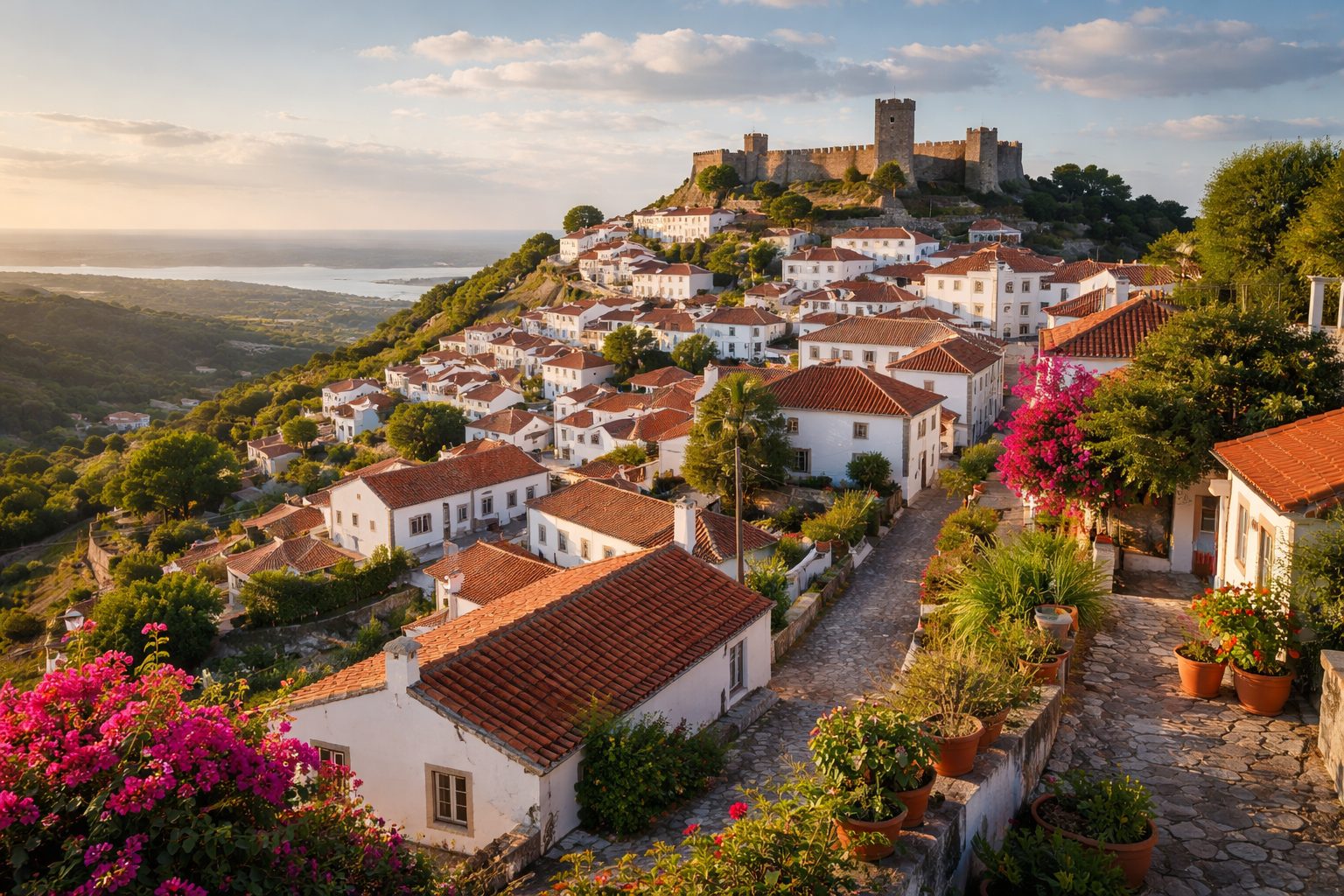
What makes small towns in portugal so appealing to travelers today is exactly what made them functional centuries ago. They were built for people, not for cars. Streets are narrow and winding. Squares are sized for conversation, not for crowds. There’s a rhythm to daily life here that feels deliberate rather than rushed.
I’d also say the value is hard to beat. Accommodation, food, and transport all cost noticeably less once you leave the main cities. And the welcome tends to be warmer. In smaller places, visitors are still a bit of a novelty rather than just another face in the tourist queue.
The Charm of Portugal’s Coastal Small Towns
Portugal has over 1,700 kilometers of coastline, and not all of it belongs to the big resort complexes of the Algarve. Some of the most beautiful stretches are anchored by small fishing towns and villages that have largely kept their original character. The Atlantic here is powerful and the light is remarkable, especially in the late afternoon when everything turns gold.
Coastal small towns in portugal have a specific kind of atmosphere. There’s salt in the air, boats on the water, and usually a pastelaria open early enough for fishermen heading out before sunrise. These places live by the sea in a way that goes beyond scenery. Fish is the centerpiece of every meal, the tides shape the daily schedule, and the harbor is still the social center of town.
Best Coastal Small Towns to Visit
A few places stand out repeatedly when people ask me where to go along the Portuguese coast without ending up in a resort zone.
- Cascais sits just west of Lisbon and has managed to hold onto its fishing village identity despite proximity to the capital. The old town center, the harbor, and the fish market all still function alongside the upscale boutiques.
- Nazaré is known internationally for its massive waves, but the upper town, reached by funicular, is a genuinely old-fashioned fishing community with women who still wear traditional seven-skirt dress on occasion.
- Vila Nova de Milfontes is one of the most beautiful spots on the Alentejo coast. It sits at the mouth of the Mira River, surrounded by natural park, with a small castle and a beach that regularly appears on best-of lists.
- Peniche is a working port town more than a tourist destination, which is exactly why it’s worth visiting. Surf culture has arrived but hasn’t taken over. The seafood here is some of the freshest I’ve eaten anywhere in Portugal.
- Tavira in the eastern Algarve is often called the most beautiful town in the region. Roman bridge, whitewashed churches, a river running through the center, and access to the barrier islands of the Ria Formosa natural park.
Activities and Attractions in Coastal Towns
The activities along the coast depend somewhat on the season, but there’s always something worth doing.
- Surfing and bodyboarding are major draws in Peniche, Nazaré, and Ericeira, which has UNESCO World Surfing Reserve status.
- Birdwatching is excellent in the Ria Formosa around Tavira and in the Alentejo coastal park near Milfontes.
- Fresh seafood meals at dockside restaurants are an activity in their own right. Sitting down to grilled fish caught that morning is one of Portugal’s best experiences.
- Boat trips from Tavira or Portimão take you out to uninhabited barrier islands with stretches of beach you’d have largely to yourself outside of August.
- Walking coastal trails. The Rota Vicentina network links towns along the Alentejo and Vicentine coast on both a fisherman’s trail along the cliffs and an inland historical route.
Enchanting Small Towns in the Interior of Portugal
Once you leave the coast and head inland, the landscape changes completely. The Douro Valley in the north cuts through dramatic terraced hillsides covered in vineyards. The Serra da Estrela rises into the only mountains in Portugal that reliably get snow. The Alentejo spreads into vast plains of cork oak, olive, and wheat. And through all of these regions, you find small towns that have been inhabited for millennia.
These interior places don’t have the sea breeze or the beach crowds. What they offer instead is a kind of depth. Fortified walls, medieval street plans, Roman foundations under Moorish buildings under Gothic churches. The layers are visible if you know where to look, and the pace is slow enough to actually notice them.
Unique Features of Interior Small Towns
Interior small towns in portugal have a few defining characteristics that set them apart from their coastal counterparts.
- Many were built on hilltops for defensive reasons. Monsanto, Marvão, and Castelo Rodrigo are all perched at heights that made them nearly impregnable in medieval warfare.
- Schist villages in the Schist Villages network of central Portugal are built almost entirely from locally quarried stone. The result is a kind of organic architecture that looks as though it grew from the hillside.
- Wine production defines towns in the Douro Valley. Pinhão sits at the center of port wine country and the decorated azulejo tile panels at the train station alone justify the trip.
- Thermal spas are a feature of several inland towns. Chaves in the north, Monfortinho in the east, and Caldas da Rainha in the center all developed around natural hot springs.
- Villages in the Alentejo have whitewash painted with a blue stripe around the base of walls, a tradition that also served a practical function of reflecting heat and deterring insects.
Top Interior Small Towns to Explore
-
Óbidos is probably the most visited small town in Portugal outside of the coast, and for good reason. The medieval walls are intact, you can walk the full circuit, and the town center has been carefully preserved without feeling like a theme park.
-
Marvão sits at over 800 meters in the Serra de São Mamede. On clear days you can see into Spain. The fortified village is tiny but extraordinarily well preserved.
- Sortelha is one of my favorite places in Portugal. It’s a fortified village within a village, the old medieval core surrounded by the new settlement, with granite buildings, a Manueline pillory, and almost no tourists even in summer.
- Pinhão in the Douro Valley is the starting point for wine estate visits, river cruises, and some of the most dramatic scenic train journeys in the country.
- Monsanto claims to be the most Portuguese village in Portugal, a title awarded in the 1930s and still traded on today. The granite boulders here are so enormous that houses are built between them and under them.
- Castelo de Vide near the Spanish border has one of the best-preserved medieval Jewish quarters in Portugal, a natural spring at the center of town, and a very good local market.
Historical Significance of Small Towns in Portugal
History in Portugal is layered in a way that can feel almost overwhelming once you start paying attention. The Phoenicians, Romans, Visigoths, Moors, and Christians all passed through, and many of them built or rebuilt the same towns. Small towns often show this history more clearly than cities, because the scale is smaller and the changes haven’t been buried under centuries of urban development.
The small towns in portugal that have UNESCO recognition, or that sit on the national network of historic villages, are particularly rich in this kind of visible history. But even places without any official designation often have Roman roads nearby, Moorish walls visible in foundations, or churches built on the site of earlier mosques.
Heritage Sites in Small Towns
- The historical villages network, known in Portuguese as Aldeias Históricas de Portugal, links twelve villages in the Beira Interior region. Almeida, Marialva, Piódão, and Sortelha are among the most visually striking.
- Óbidos has a castle dating to the reconquest, later given as a wedding gift from a Portuguese king to his queen and subsequently expanded by successive rulers.
- Évora, while larger than most towns on this list, is a UNESCO World Heritage Site with a Roman temple, medieval walls, and one of the most intact historic centers in the country.
- Mértola in the lower Alentejo is sometimes called the museum-city because the density of archaeological finds within and around the town is extraordinary. The parish church is a converted mosque, still clearly legible as Islamic architecture from the outside.
- Guimarães is often called the birthplace of Portugal because Afonso Henriques, the first king of Portugal, was born and crowned there in the 12th century. The historic center is UNESCO listed.
Impact of History on Local Culture
History isn’t just visible in stone here. It shapes how people live. Fado music carries the melancholy of a seafaring people who sent relatives on dangerous voyages and waited. The festival calendar in most towns still follows the Catholic liturgical year, with saints’ days being the biggest community events.
In the Alentejo, the cante alentejano, a form of communal polyphonic singing, was added to the UNESCO Intangible Cultural Heritage list. You can hear it performed in towns like Serpa and Moura at festivals and sometimes spontaneously in bars. It’s one of those experiences that’s hard to describe but easy to feel.
The Jewish heritage of interior towns like Belmonte, where a community maintained its identity secretly for five centuries after the forced conversions of 1497, adds another layer to the cultural story. The community rebuilt openly in the 20th century and Belmonte now has a functioning synagogue and a Jewish museum.
Culinary Delights in Small Towns
Food in Portugal’s smaller towns is deeply regional. The closer you are to the source, the better it tends to be. A grilled fish in Nazaré, a roast kid in Trás-os-Montes, a bowl of açorda in the Alentejo. These aren’t restaurant inventions. They’re what people have been eating for generations because the ingredients are local and the techniques are handed down.
I’ve had some of the best meals of my life in places with no printed menu, no Instagram presence, and about six tables. The cook comes out to tell you what’s available that day. That’s it. You eat what’s there and it’s almost always excellent.
Traditional Dishes to Try
The regional variation in Portuguese cuisine is significant. Here’s a rough guide by area.
- In the north, particularly around Vinhais and Chaves, cured pork products are exceptional. Alheira sausage, originally created by Jewish communities to appear to be eating pork while actually using game and poultry, is now eaten everywhere but is best here.
- The Douro and Minho regions are known for bacalhau prepared in dozens of ways, vinho verde wines, and rojões, a rich pork dish.
- The Beira Interior is where you find queijo da Serra, a soft sheep’s milk cheese that when ripe is almost runny and eaten with a spoon. It’s one of the great cheeses of Europe.
- The Alentejo gives Portugal açorda, a bread soup with garlic, olive oil, and egg, and sopa de cação, dogfish shark soup with coriander. Migas, a pan-fried bread dish, accompanies most meat here.
- The Algarve coast is cataplana country, a clam and pork stew cooked in a hinged copper pan. Every town along the coast does its own version.
Local Markets and Food Festivals
Markets in small towns run on schedules that vary by location but often happen weekly or monthly. The morning market is where locals shop and where you’ll find seasonal produce, local cheese, smoked meats, honey, and bread that was baked before you woke up.
A few food events worth knowing:
- The Ovibeja agricultural fair in Beja, Alentejo, held in spring, combines livestock, regional produce, and cante alentejano performances.
- The cherry festivals in the Fundão region of the Beira Baixa happen in late May and early June when the harvest peaks.
- Chestnut festivals in Trás-os-Montes, particularly in Montalegre and the Padrela region, take place in October during the harvest season.
- The smoked sausage festival in Vinhais, held in February, celebrates the region’s exceptional charcuterie with tastings and producers showing their work.
- The olive oil harvest season in November brings small festivals in Alentejo towns like Moura, which produces some of the country’s best oil.
Nature and Outdoor Activities in Small Towns
Portugal’s varied geography means that outdoor activities are genuinely diverse. You can hike in Atlantic forest, cross semi-arid plains, climb into mountain terrain with real altitude, or paddle in calm river estuaries. Small towns often serve as base camps for these areas, and the advantage is that you sleep in a real place rather than a trail head campsite.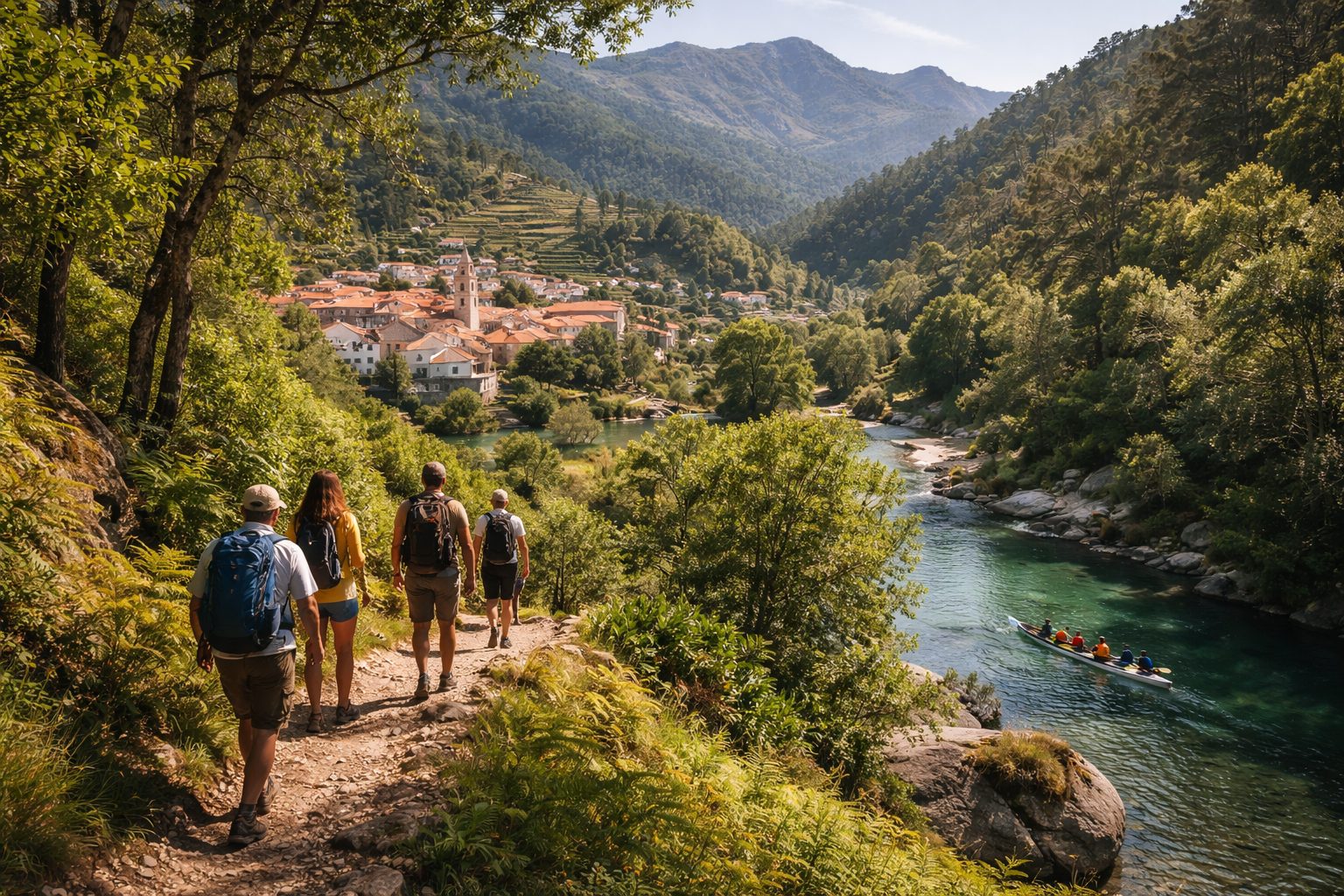
Hiking Trails in Small Towns
The trail network in Portugal has grown substantially in recent years and now covers most of the country. Some of the best hiking is accessible from small towns.
- The Rota Vicentina connects Comporta in the Alentejo to Lagos in the Algarve over about 450 kilometers of coast and countryside. Milfontes, Almograve, and Odeceixe are all good overnight stops along the route.
- The GR22 trail through the Serra da Estrela natural park passes through Manteigas, a small town in the glacial valley below Torre, Portugal’s highest point. The Zêzere glacial valley walk from Manteigas is one of the most dramatic day hikes in the country.
- The Douro River trail network links vineyard towns along the river. Some stretches involve significant elevation gain along terraced hillsides.
- The Schist Villages trail network connects the stone villages of central Portugal on marked paths through oak and chestnut forest.
- The Via Algarviana crosses the Algarve from east to west through the interior, away from the coast, passing through towns like Alcoutim and Cachopo that most Algarve visitors never see.
Parks and Natural Reserves
- Peneda-Gerês National Park in the north is Portugal’s only national park and surrounds several small villages including Lindoso, known for its granite grain stores called espigueiros, and Soajo, which has a remarkable cluster of the same.
- Serra da Estrela Natural Park encompasses a range of landscapes from high plateau to deep valleys and several small towns including Seia, Gouveia, and Manteigas serve as entry points.
- Ria Formosa Natural Park wraps around the eastern Algarve coast and is best accessed from Tavira, Olhão, or Faro. The lagoon system is one of the most important wetland habitats in Europe.
- Montesinho Natural Park in the far northeast corner of Portugal, near Bragança, is one of the least visited protected areas in the country and one of the wildest.
- The Alentejo Coast Natural Park protects the section of coast between Sines and Burgau and is the context for the town of Vila Nova de Milfontes.
Festivals and Events in Small Towns
Festivals in Portugal’s small towns are worth planning around. They’re not tourist performances. They’re community events that happen to be open to everyone. The religious processions, the folk music, the fireworks and bonfires of the saints’ days, these are the social fabric of the towns playing out in public.
Annual Events You Can’t Miss
The June saints’ festivals are the biggest recurring event in the Portuguese calendar. Saint Anthony (June 13), Saint John (June 24), and Saint Peter (June 29) each anchor celebrations in different towns and regions.
- Braga holds elaborate Holy Week processions in the old city that draw participants from across the region. For a small city, the scale of the religious ceremony is remarkable.
- Óbidos hosts a medieval fair in July that fills the town with period costumes, archery, jousting, and market stalls. It’s theatrical but done well.
- Monsaraz in the Alentejo hosts a music and arts festival in summer that uses the castle and village as the venue, with outdoor concerts under the stars.
- The grape harvest festivals in the Douro Valley, particularly around Pinhão and Lamego, happen in September and involve treading grapes in traditional lagares, folk music, and considerable quantities of local wine.
- The Nossa Senhora da Agonia festival in Viana do Castelo in August is one of the most elaborate religious festivals in northern Portugal, with processions, folk dancing, and fireworks over the Lima River.
Cultural Celebrations and Traditions
Beyond the major festivals, smaller celebrations happen throughout the year in most towns. Patron saint days are community moments where even people who’ve moved away return. Carnival in February brings costume parades to towns like Podence in Trás-os-Montes, where a specific local tradition involves men dressed as caretos, wild figures in bright costumes and metal masks who chase villagers through the streets.
Easter in towns like Óbidos and Braga involves processions with genuine centuries of tradition behind them. And in many Alentejo towns, the cante alentejano groups perform at community events throughout the year, not just for tourists but for each other.
Practical Travel Tips for Visiting Small Towns
Getting around Portugal is easier than it used to be, but small towns still require some planning. Not everything is connected by rail and some of the best places are only accessible by road. That’s part of the appeal, honestly. It means fewer people make the effort.
Best Time to Visit Small Towns
The timing question depends a lot on which part of Portugal you’re visiting and what you want to do there.
- Spring, roughly March through May, is excellent almost everywhere. Wildflowers are blooming in the Alentejo and Algarve, temperatures are comfortable for walking, and the crowds haven’t arrived yet.
- Early summer, June in particular, offers long days and warm but not brutal temperatures in most regions. The June festivals are a strong draw.
- July and August are peak season. Coastal towns get busy and prices rise. Interior towns in the Alentejo can be extremely hot, regularly exceeding 40 degrees Celsius. The north and the mountains are more comfortable.
- September and October are arguably the best months for interior and northern towns. The harvest is underway, the light is softer, and the summer crowds are gone.
- Winter is quiet but not dead. The Algarve interior and Alentejo are mild enough for comfortable walking. Christmas markets appear in some historic town centers. Rainfall is higher in the north and center from November through February.
Transportation Options to Reach Small Towns
-
Renting a car is by far the most practical option for exploring multiple small towns in portugal. It gives you flexibility to stop at viewpoints, visit places between towns, and reach villages that have no public transport at all.
-
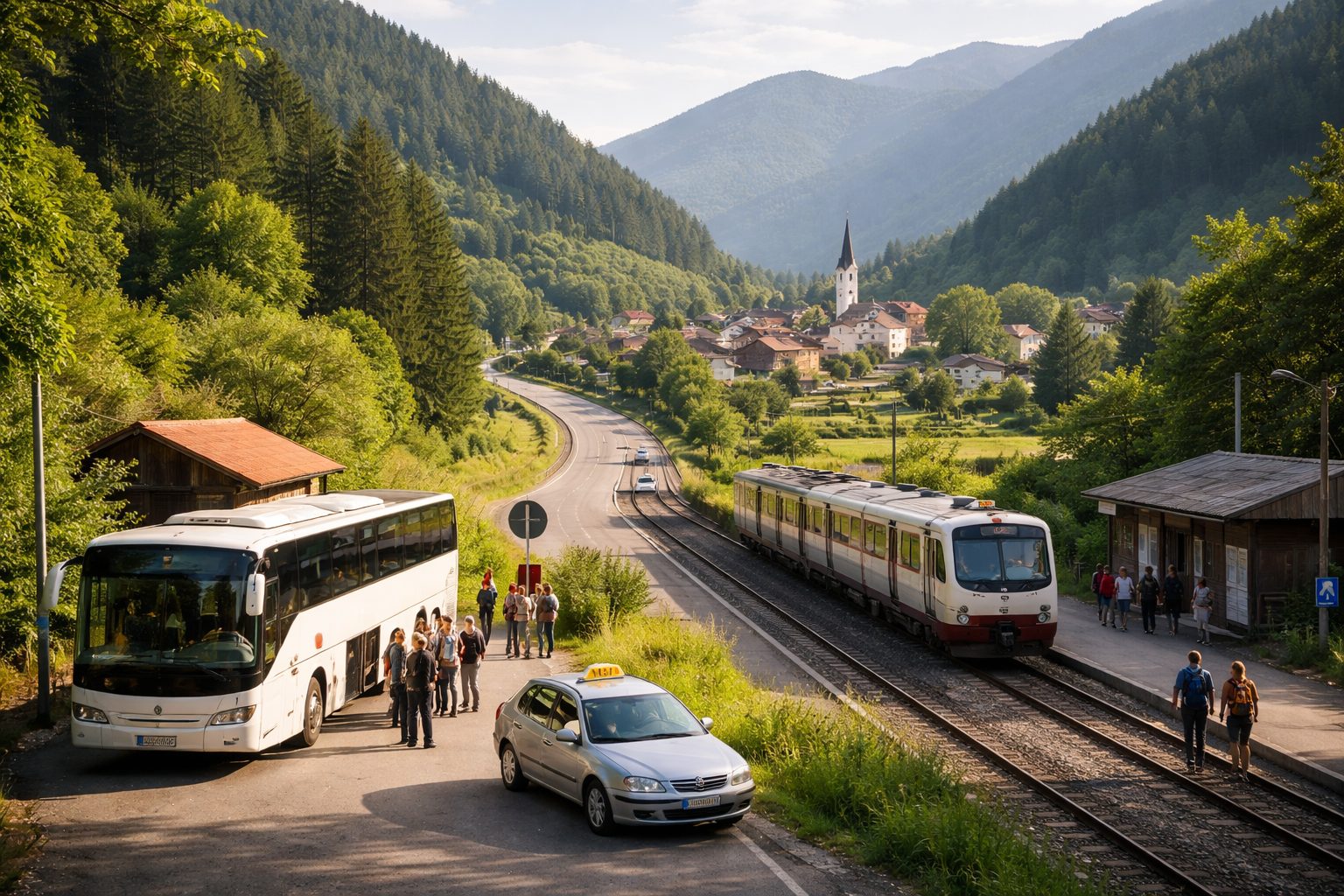
Train service is good between major towns and along specific scenic routes like the Douro line, the Tâmega line (currently suspended), and the coastal line south from Lisbon. But most small towns are not on rail lines.
- Bus services connect larger towns to surrounding villages, but schedules can be limited, sometimes just one or two departures a day.
- Ridesharing apps work in some areas but not in very rural zones where drivers are scarce.
- Cycling is increasingly viable on marked routes, particularly on the Ecovia do Litoral along the Algarve coast and the Douro Valley cycling routes.
Accommodation Options in Small Towns
Staying in small towns is one of the genuine pleasures of traveling through Portugal. The scale means you often end up in a place that’s actually connected to the community. The owner knows the best local restaurant because she is the local restaurateur’s neighbor. That kind of local knowledge is worth more than any guidebook.
Charming Guesthouses and B&Bs
Portugal has invested significantly in rural tourism infrastructure over the past two decades. The Turismo de Habitação program allows owners of historic properties to open them to guests, meaning you can sometimes stay in a manor house or quinta that has been in the same family for centuries.
In the Alentejo, converted farmhouses called herdades have become a significant part of the accommodation landscape. Many combine accommodation with working farms, vineyards, or olive groves and offer genuine farm-to-table dining. In the Douro Valley, wine estates that have opened guest rooms provide exceptional settings with tastings included. In historic walled towns like Óbidos or Marvão, small guesthouses within the walls put you in the middle of the medieval fabric of the town.
Budget-Friendly Stays
Small towns are generally cheaper than cities, and budget accommodation is available in most of them.
- Youth hostels have expanded beyond Lisbon and Porto. Several small towns now have pousadas da juventude, the Portuguese national hostel network.
- Local guesthouses, called pensões or residenciais, are often family-run operations with simple rooms, breakfast included, and prices well below urban levels.
- Camping is well developed along the Alentejo coast and in the national parks. Sites near Milfontes and within Peneda-Gerês are popular with Portuguese families during summer.
- Airbnb and equivalent platforms have reached most small towns and often offer apartments or rooms in private homes at competitive prices.
Comparing Small Towns in Portugal
Choosing where to go among Portugal’s small towns comes down to what you’re looking for. There’s no single best answer because the country offers genuinely different experiences depending on where you go.
Coastal vs. Interior Small Towns
| Feature | Coastal Small Towns | Interior Small Towns |
|---|---|---|
| Landscape | Beaches, cliffs, dunes, estuaries | Mountains, plains, river valleys |
| Climate | Mild and Atlantic-influenced year-round | More extreme, hotter summers and colder winters |
| Main activities | Swimming, surfing, seafood, birdwatching | Hiking, wine tourism, history, cycling |
| Crowds | Higher in summer, especially August | Generally lower throughout the year |
| Food focus | Fish and seafood dominate | Meat, cured products, bread-based dishes |
| Best season | Spring and early summer, or September | Spring and autumn |
| Price level | Slightly higher near popular beaches | Generally lower, especially in remote areas |
The interior small towns in portugal tend to reward slower travel more than the coast. You need to be willing to sit in a square for an hour and watch life happen. The coast is easier to enjoy on a shorter visit.
Best Small Towns for Families vs. Couples
For families, the key considerations are access to beaches, child-friendly activities, and accommodation with space and flexibility.
- Cascais works well for families because of the beach access, the parks, and the proximity to Lisbon attractions while still having small-town feel.
- Tavira has calm lagoon waters accessed by ferry to the barrier islands, which are excellent for young children.
- Óbidos is compact and safe to explore with kids, and the medieval walls and castle make it feel like a real-life adventure to younger visitors.
For couples looking for a quieter, more atmospheric stay:
- Monsanto and Sortelha offer genuine remoteness and extraordinary scenery without family-focused facilities.
- Marvão at sunset, with the whole of the Alentejo plains visible below, is one of the most romantic settings I’ve encountered in Portugal.
- Pinhão in the Douro Valley combines great wine, river scenery, and comfortable quinta accommodation in a way that’s ideal for a slower, more indulgent trip.
Frequently Asked Questions about Small Towns in Portugal
What are the must-see small towns in Portugal?
The most consistently rewarding places on my list are Óbidos for its intact medieval walls, Tavira for its riverside beauty and beach access, Marvão for the views and the fortified village atmosphere, and Monsanto for the sheer oddness of its boulder-built streets. That said, the right answer depends on your interests. Wine people should add Pinhão. Walking enthusiasts should look at Milfontes as a base for the Rota Vicentina. History-focused travelers should consider Mértola.
How to travel between small towns in Portugal?
A rental car is the most practical option by a significant margin. Portugal’s rail network is good along specific corridors but most small towns aren’t on train lines. If you want to do a multi-town itinerary without a car, stick to towns on the same rail line or book day tours from a larger city. Bus connections exist but require patience with schedules that don’t always align with reasonable travel plans.
Are small towns in Portugal safe for tourists?
Portugal is consistently ranked among the safest countries in Europe and small towns are generally very safe. The main risks are the same as in any unfamiliar place, watching your belongings in crowded festival environments and being careful on rural roads after dark. Healthcare access is more limited in very remote areas, so travel insurance that covers medical evacuation is worth having if you’re spending time in isolated mountain or rural zones. Overall, safety is rarely a concern for visitors to small towns in portugal.