
Vietnam stretches over 3,200 kilometers of coastline, and in all that length, you’ll find some of Southeast Asia’s most varied and striking beaches. I’ve spent considerable time traveling up and down this coast, and the best beaches in vietnam genuinely surprised me with how different each one feels. From the polished resort strips of Nha Trang to the wild, untouched coves of Con Dao, there’s rarely a dull stretch of sand. This guide covers the full picture — the famous spots, the hidden ones, how to get there, and what to actually do when you arrive.
Introduction to Vietnam’s Beaches
Overview of Vietnam’s Coastal Geography
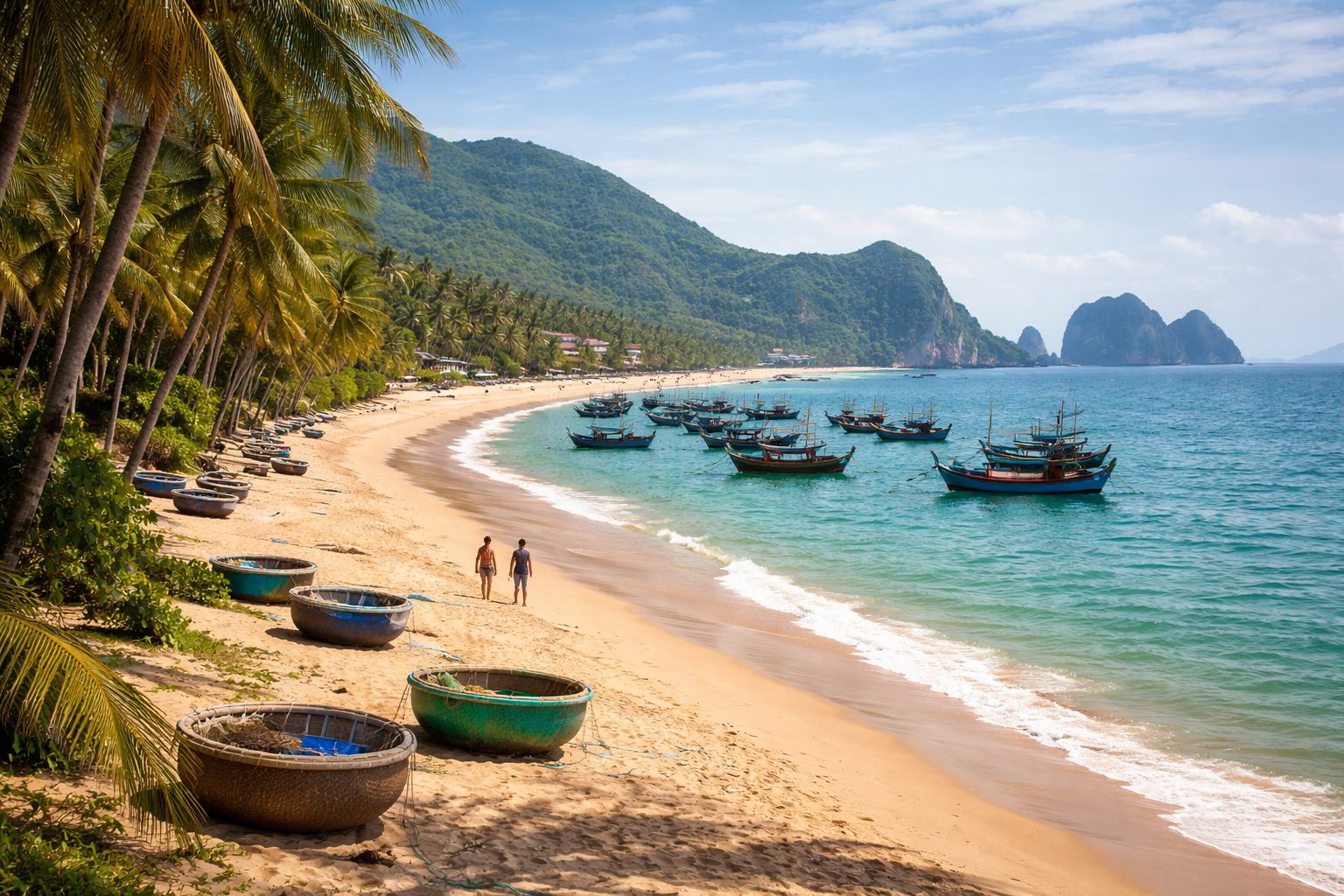
Vietnam’s coastline runs from the Gulf of Tonkin in the north all the way to the Gulf of Thailand in the south. The country’s narrow, S-shaped profile means the coast is never far away, no matter where you are. The central stretch, from Da Nang down to Nha Trang, is where you’ll find the most concentrated collection of great beaches. Further south, islands like Phu Quoc sit in calmer, warmer waters with a completely different character.
The geography also creates distinct microclimates. Beaches in the north and center experience a proper monsoon season that the south mostly avoids, which means the best time to visit varies significantly depending on where you’re headed. Mountains running close to the coast in the center create sheltered bays that are calm even when the open sea is rough.
Importance of Beaches in Vietnamese Culture
For Vietnamese people, beaches aren’t just tourist attractions — they’re part of daily life for millions of coastal families. Fishing communities have worked these shores for generations, and you’ll still see traditional wooden boats pulled up on the sand at dawn in places like Quy Nhon and Mui Ne. The beach is where locals gather at sunrise for exercise, where families come on weekends, and where festivals tied to the sea are celebrated every year.
That cultural layer makes Vietnam’s beaches feel lived-in and real in a way that purely resort-driven destinations often don’t. Even on a busy beach, you can usually find a corner that belongs more to the fishing community than the tourism industry.
Top 10 Best Beaches in Vietnam
1. My Khe Beach (Da Nang)
My Khe is consistently listed among the best beaches in vietnam, and the reputation is earned. It’s a long, clean stretch of pale sand running for about 30 kilometers along Da Nang’s eastern edge. The water is warm, the waves are moderate enough for swimming but good enough for surfing, and the infrastructure is solid without being overwhelming.
Da Nang itself is a proper city, which means you have real restaurants, hospitals, good transport connections, and accommodation at every price point. My Khe works for families, solo travelers, and couples alike. The beach is wide enough that even on busy weekends it doesn’t feel claustrophobic.
- Best for: families, surfers, city-beach combination
- Water conditions: gentle to moderate waves, clear water
- Nearest airport: Da Nang International (10 minutes away)
2. An Bang Beach (Hoi An)
An Bang sits about five kilometers from Hoi An’s ancient town, and that proximity to one of Vietnam’s most beautiful heritage sites gives it an edge no other beach can match. The beach itself is pleasant and relaxed, with a good selection of low-key beach bars and restaurants run mostly by locals and long-term expats.
The vibe here is noticeably slower than My Khe. People come to An Bang to read, eat well, and decompress. The crowd tends to skew toward independent travelers rather than package tourists. Sunsets here are particularly good.
- Best for: slow travelers, culture-and-beach combinations
- Water conditions: calm, suitable for swimming most of the year
- Getting there: 15-minute bicycle ride from Hoi An center
3. Long Beach (Phu Quoc)
Long Beach runs along the western coast of Phu Quoc island and catches some of the most spectacular sunsets in the country. The water on this side of the island is calm and warm, with good visibility for snorkeling. Phu Quoc has developed fast in recent years, and Long Beach reflects that — there’s a wide range of accommodation, from backpacker guesthouses to five-star resorts, all concentrated in a relatively small area.
The island’s northern and eastern coasts are still much wilder if you rent a motorbike and explore. But Long Beach remains the practical base for most visitors, and for good reason. The combination of comfortable facilities, beautiful water, and those evening skies makes it hard to argue with.
4. Bai Dai Beach (Cam Ranh)
Bai Dai is one of those beaches that makes you wonder why it isn’t more famous. Located about 40 kilometers south of Nha Trang near Cam Ranh, it’s a long, undeveloped stretch of white sand that still feels relatively quiet compared to its neighbors. The water is consistently clear and calm.
Large resort developments have started appearing at the northern end, but much of the beach remains open and natural. If you’re looking for space and calm without going completely off-grid, Bai Dai is a strong choice. Getting there requires a motorbike or taxi, which naturally filters the crowd.
5. Nha Trang Beach (Nha Trang)
Nha Trang is Vietnam’s most developed beach resort city, and its main beach reflects that. It’s a well-maintained urban beach with a promenade, regular cleaning, and easy access to every tourist facility imaginable. The offshore islands, accessible by boat trips, are often more interesting than the main beach itself.
It’s not the most peaceful spot, but Nha Trang has energy and convenience that’s hard to beat if you want nightlife, diving, and island hopping all in one place. The coral reefs around the islands are some of the most accessible in the country for beginner divers.
6. Ho Tram Beach (Ba Ria-Vung Tau)
Ho Tram is where Saigon escapes to. Located about 120 kilometers from Ho Chi Minh City, this beach draws a steady weekend crowd of city residents looking for a quick break. During the week, it’s surprisingly quiet. The beach is long, backed by casuarina pines, and the waves can be stronger than on the central coast.
The area has a large integrated resort complex at one end, but the public beach stretches beyond it and remains accessible and free. For anyone based in the south who can’t make it to the central coast, Ho Tram is the most practical beach escape with real natural character.
7. Doc Let Beach (Nha Trang)
Doc Let is technically in Khanh Hoa province, about 50 kilometers north of Nha Trang city. It’s far enough from the center to stay noticeably quieter. The sand here is very fine and white, the water is shallow and clear, and there’s a gentle lagoon character to the whole setting.
Day trippers from Nha Trang arrive on weekends, but during the week you can often have long stretches of beach almost to yourself. A handful of small resorts and beach restaurants operate here, but it’s not overdeveloped. This is a good option if you want the Nha Trang region without the Nha Trang crowds.
8. Quy Nhon Beaches (Binh Dinh)
Quy Nhon is one of those destinations that seasoned Vietnam travelers tend to keep to themselves. The city has multiple beaches, including the central Quy Nhon beach and the more scenic Bai Xep, a small fishing village turned low-key backpacker spot about 20 kilometers south. The waters here are clear, the seafood is excellent, and accommodation is noticeably cheaper than in more touristy destinations.
The Cham towers visible from some beaches add a historical dimension you don’t get elsewhere on the coast. Quy Nhon rewards slow travel — it’s the kind of place where you end up staying a week when you planned three days.
9. Con Dao Beaches (Con Dao Islands)
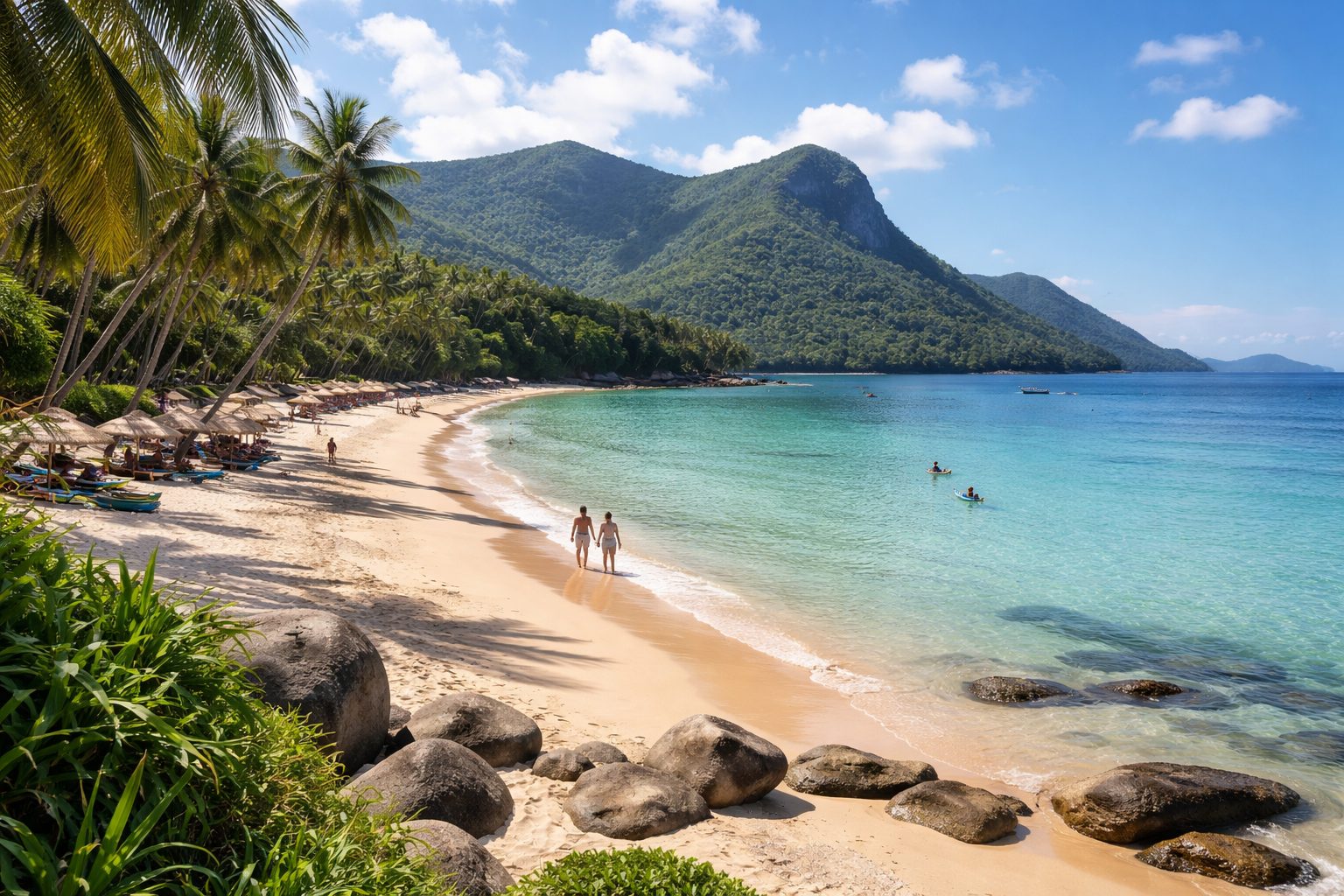
Con Dao sits about 185 kilometers southeast of Vung Tau and is one of the most naturally preserved island groups in Vietnam. The beaches here — particularly Dam Trau and Lo Voi — are stunning in a way that’s almost unsettling. White sand, dark green jungle meeting the waterline, sea turtle nesting sites, and almost no crowds even in high season.
Con Dao was historically a prison island under both French and American-era regimes, and that history is still very much present. The combination of natural beauty and sobering history gives the islands a depth that pure beach destinations can’t match. It’s not cheap to get there, but it remains one of the genuinely special places left in Vietnam.
10. Vung Tau Beach (Vung Tau)
Vung Tau is the closest proper beach to Ho Chi Minh City, about two hours by road or a much faster hydrofoil across the bay. Front Beach is more developed and urban; Back Beach is longer, less polished, and busier on weekends with local families. Neither is the most beautiful beach in Vietnam, but Vung Tau has a charm rooted in its role as a genuine Vietnamese resort town rather than an international tourist hub.
The seafood here is fresh and reasonably priced, the French colonial buildings give the town character, and the giant Christ statue on the hill overlooking the ocean is genuinely impressive. Vung Tau is best understood as a cultural experience as much as a beach one.
Hidden Gems: Lesser-Known Beaches
Top Lesser-Known Beaches in Vietnam
Beyond the well-known spots, Vietnam’s coastline still hides beaches that see very little tourist traffic. Some of the most rewarding require genuine effort to reach, but that’s usually what keeps them special.
- Bai Mon (Phu Yen): A remote crescent of sand at the southernmost tip of Phu Yen province, framed by black volcanic rock. The contrast between the white sand, dark rock, and blue water is striking.
- Mui Ne Sand Dunes Area: While the resort strip of Mui Ne is well-known, the beaches north of town around Suoi Nuoc are much quieter and still beautiful.
- Ninh Van Bay (Nha Trang): Only accessible by boat, this bay north of Nha Trang has some of the clearest water in the region and a handful of very high-end eco-resorts.
- Bai Tu Long Bay beaches: East of Ha Long Bay and far less visited, the islands of Bai Tu Long have beaches that most Ha Long Bay tour boats never reach.
- Lang Co Beach (Hue): A long sandbar separating a lagoon from the sea, near the Hai Van Pass, often passed through by travelers but rarely stopped at properly.
Unique Features of These Beaches
What makes these lesser-known beaches worth the extra effort is the combination of natural quality and absence of infrastructure. You’re trading convenience for an experience that’s closer to what Vietnam’s coast looked like before mass tourism arrived. Some, like Ninh Van Bay, pair extraordinary nature with serious comfort. Others, like Bai Mon, are genuinely raw and require you to bring your own supplies.
The trade-off is always between accessibility and authenticity. The harder a beach is to reach, the more likely it is to still feel undiscovered. That balance shifts every year as transport improves and social media exposure increases, so timing matters more than it used to.
Activities and Attractions Near the Beaches
Water Sports and Adventure Activities
Vietnam’s beaches support a wide range of water activities, and the quality of instruction and equipment has improved significantly over the past decade.
- Scuba diving: Nha Trang, Phu Quoc, and Con Dao all have professional dive centers with PADI certification courses. The coral around Con Dao is among the healthiest in the country.
- Surfing: My Khe in Da Nang and China Beach nearby are the main surfing spots, with consistent waves from September to February.
- Kitesurfing: Mui Ne is the national capital of kitesurfing, with strong and predictable winds from November to April making it one of Southeast Asia’s top spots for the sport.
- Kayaking: Ha Long Bay, Lan Ha Bay, and Ninh Van Bay all offer excellent sea kayaking through limestone formations and into hidden lagoons.
- Snorkeling: Available at most beaches with a boat trip to nearby reefs. Phu Quoc’s northern reefs and the Cham Islands near Hoi An are the most rewarding.
Cultural Experiences and Local Attractions
The beaches don’t exist in isolation — the surrounding towns and villages carry as much interest as the water.
- Hoi An’s ancient town is a 15-minute ride from An Bang Beach and deserves at least a full day.
- The Cham Island Marine Protected Area near Da Nang offers an interesting combination of snorkeling and visits to a UNESCO-adjacent cultural site.
- In Quy Nhon, the Banh It Cham towers are visible from the road and reflect the ancient Champa kingdom that once dominated this coastline.
- Fishing villages adjacent to beaches like Bai Xep in Quy Nhon give a clear picture of coastal life that hasn’t changed fundamentally in generations.
- Con Dao’s prison museum is a difficult but important visit that contextualizes the islands’ history.
Best Time to Visit Vietnam’s Beaches
Seasonal Insights
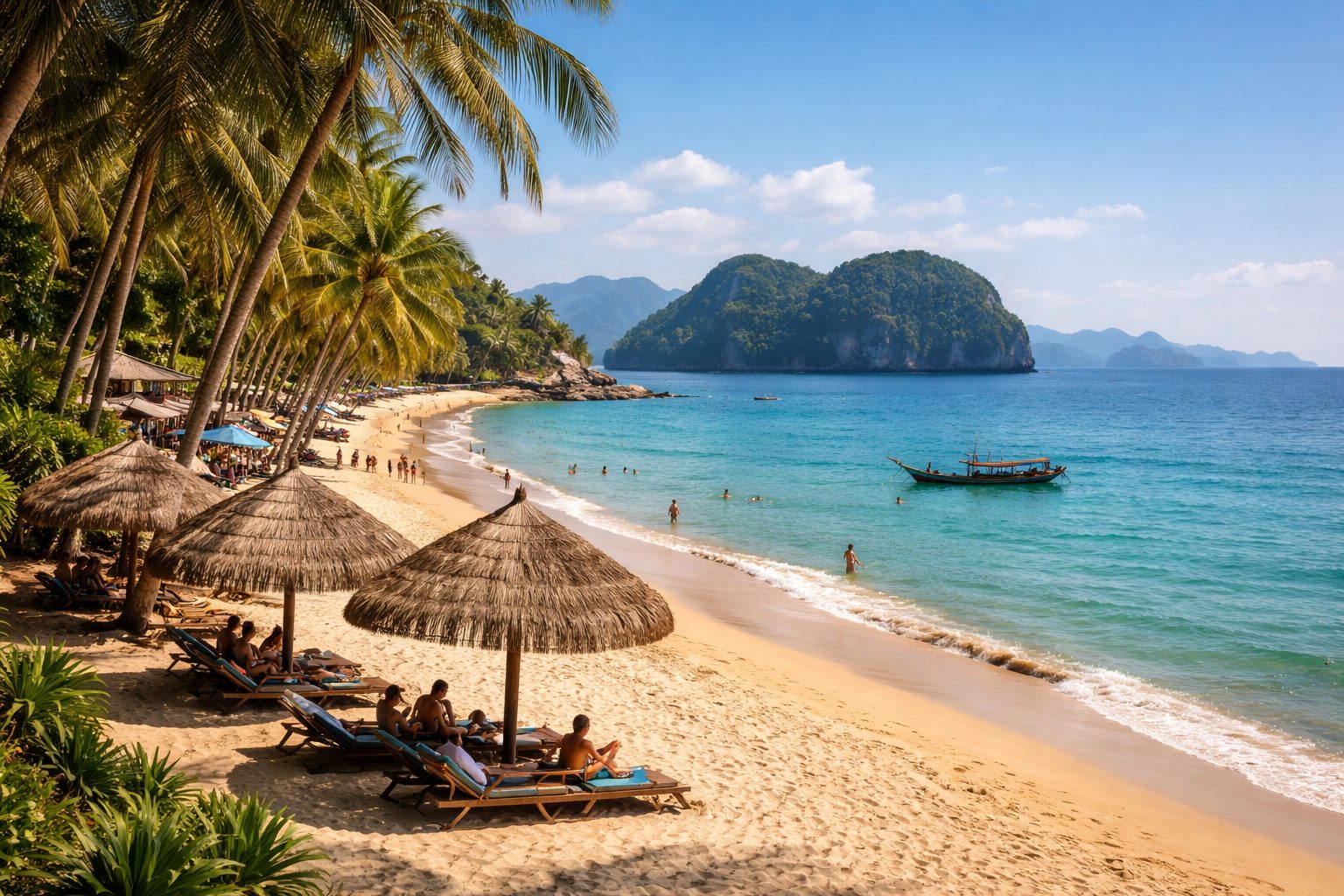
Vietnam’s climate splits the coastal experience into distinct windows, and getting the timing right makes a real difference. The country’s shape means that when one coast is in monsoon season, another is usually sunny.
- Central coast (Da Nang, Hoi An, Nha Trang): Best from February to August. The monsoon hits hardest from October to December, bringing heavy rain and rough seas.
- Southern beaches (Phu Quoc, Vung Tau, Mui Ne): Best from November to April, when the northeast monsoon stays north and the south stays dry.
- Northern coast (Ha Long, Cat Ba): Best from April to October, though July and August can bring typhoon risk.
- Con Dao: February to September is the stable window, with calm seas and dry weather.
The clearest water and calmest conditions on the central coast tend to fall in April, May, and June — before the summer crowds arrive in full force and before any typhoon risk begins.
Weather Considerations for Beach Goers
Typhoons are a real factor. Vietnam sits in a typhoon belt, and storms can arrive with relatively short notice, particularly from September to November. Checking forecasts and having flexible plans is sensible rather than paranoid during this window.
Humidity is high year-round across most of the coast, and midday heat from April to August can be intense. Most experienced visitors plan beach time for the early morning and late afternoon, retreating to shade or air-conditioning during the midday hours. This rhythm also happens to catch the best light for photography.
How to Get to Vietnam’s Best Beaches
Transportation Options
Vietnam’s transport network has improved substantially, and most major beach destinations are now reasonably accessible.
- Flights: Da Nang, Nha Trang (Cam Ranh), Phu Quoc, and Quy Nhon all have airports with direct connections to Hanoi and Ho Chi Minh City. Da Nang also has international connections.
- Train: The Reunification Express runs the length of the country along the coast and stops at Da Nang, Nha Trang, and Quy Nhon. It’s slower than flying but the coastal scenery through the Hai Van Pass is genuinely beautiful.
- Bus: Open-tour sleeper buses connect major destinations cheaply. Comfortable enough for overnight runs, though schedules aren’t always reliable.
- Motorbike: The classic way to explore at your own pace. Renting in one city and dropping off in another is possible with some operators.
- Ferry/hydrofoil: Phu Quoc is accessible by ferry from Ha Tien and Rach Gia. Con Dao has a hydrofoil from Vung Tau.
Tips for Travelers
A few practical notes that will save you time and frustration:
- Book beach accommodation well in advance for the Christmas to New Year period and for Vietnamese public holidays, when domestic tourism creates genuine demand.
- Motorbike rentals at most beach towns run between 100,000 and 200,000 VND per day for a basic semi-automatic — enough to reach nearby spots that taxis won’t bother with.
- Grab (Vietnam’s dominant ride-hailing app) works well in Da Nang, Nha Trang, and Vung Tau. In smaller towns, negotiate fares with local taxi drivers before getting in.
- ATMs are available in all major beach towns, but carry cash when heading to remote areas.
- SIM cards with data are cheap and easy to buy at airports — get one immediately on arrival.
Beach Safety Tips and Guidelines
Health and Safety Precautions
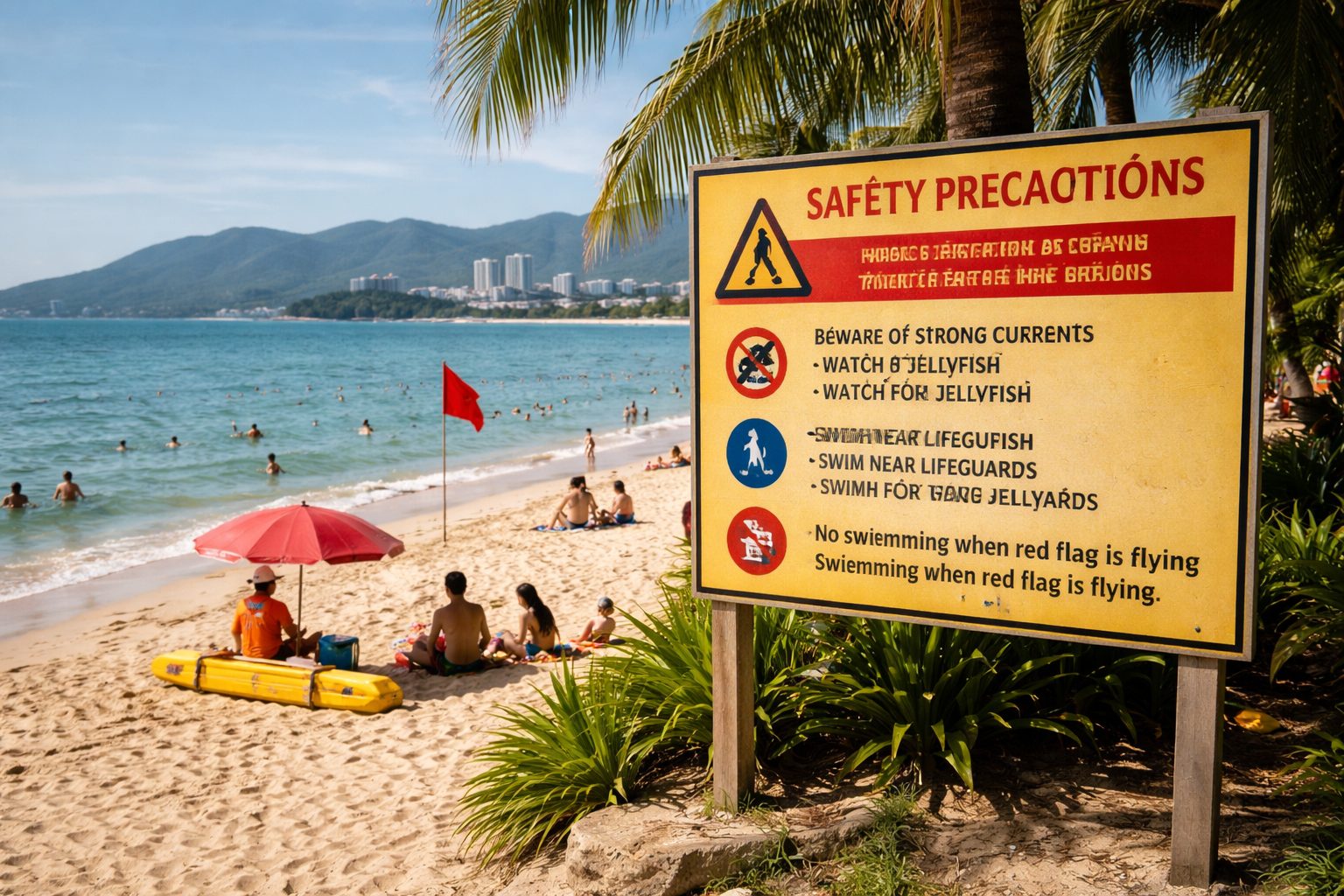
Vietnam’s beaches are generally safe, but there are a few things worth knowing before you go in.
- Rip currents exist at several beaches, including My Khe and some sections of Long Beach in Phu Quoc. Swim at flagged sections where lifeguards are present.
- Jellyfish appear seasonally, most commonly during warmer months. Local beach staff will usually put up warnings, but ask if you’re unsure.
- Sun protection is non-negotiable. The UV index at midday in Vietnam regularly reaches 11 or higher. Reef-safe sunscreen is worth seeking out.
- Drink only bottled or filtered water. Most beach restaurants and resorts provide this as standard, but check when in doubt.
- Travel insurance that covers water sports is worth the cost if you plan to dive, surf, or kitesurf.
Environmental Responsibility
Vietnam’s beaches face real pressure from overtourism and plastic waste. A few habits make a difference:
- Carry a reusable water bottle and refuse single-use plastic straws and bags.
- Don’t walk on coral, even in shallow water. It takes decades to recover.
- Don’t touch or disturb sea turtles, which nest on several beaches including Con Dao and some Phu Quoc beaches.
- Take your rubbish with you when visiting remote beaches with no bin infrastructure.
- Choose operators and accommodations that have visible environmental policies — they do exist and they’re worth supporting.
Comparison of Popular Beaches
Side-by-Side Features of Top Beaches
| Beach | Best For | Crowd Level | Water Clarity | Facilities | Best Season |
|---|---|---|---|---|---|
| My Khe (Da Nang) | Families, surfers | High | Good | Excellent | Feb–Aug |
| An Bang (Hoi An) | Culture lovers | Medium | Good | Moderate | Feb–Aug |
| Long Beach (Phu Quoc) | Sunsets, resorts | High | Very Good | Excellent | Nov–Apr |
| Bai Dai (Cam Ranh) | Quiet escapes | Low–Medium | Excellent | Limited | Nov–Aug |
| Nha Trang | Divers, nightlife | Very High | Moderate | Excellent | Feb–Sep |
| Doc Let | Relaxation | Low | Excellent | Basic | Feb–Sep |
| Quy Nhon | Budget travelers | Low | Very Good | Moderate | Feb–Aug |
| Con Dao | Nature, snorkeling | Very Low | Exceptional | Limited–Luxury | Feb–Sep |
| Ho Tram | City escapes | Medium (weekends) | Moderate | Good | Nov–Apr |
| Vung Tau | Local culture | High (weekends) | Moderate | Good | Nov–Apr |
Visitor Reviews and Ratings
Across review platforms, Con Dao consistently receives the highest praise for natural beauty and water clarity, though the remoteness and cost are frequently mentioned as drawbacks. My Khe and Nha Trang score well for convenience and facilities. An Bang is frequently described as having the best atmosphere for independent travelers. Quy Nhon stands out in reviews for value for money and authenticity.
The beaches that generate the most polarized reviews tend to be the heavily developed ones — Nha Trang in particular gets strong praise and strong criticism, usually depending on whether the visitor expected a natural escape or a resort experience. Setting expectations correctly before you go makes a big difference in how you experience any destination.
Conclusion: Choosing Your Ideal Beach Destination
Factors to Consider
Choosing among the best beaches in vietnam comes down to a few honest questions:
- How much time do you have? A long stretch allows for slower, more remote destinations. A week or less is better spent on accessible, well-connected beaches.
- What’s your priority — natural beauty, nightlife, water sports, cultural depth, or simple relaxation?
- What’s your budget? Con Dao and Ninh Van Bay lean expensive. Quy Nhon, Doc Let, and Bai Dai offer excellent quality at significantly lower cost.
- Are you traveling with children? My Khe and An Bang have calm water and good family facilities. Con Dao’s limited infrastructure makes it harder with young kids.
- How important is crowd avoidance? If solitude matters, lean toward Quy Nhon, Bai Dai, Doc Let, or Con Dao outside of peak season.
Final Recommendations
If I had to choose a single beach for someone visiting Vietnam for the first time who wants to combine culture, beauty, and manageable logistics, I’d send them to An Bang in Hoi An. The beach is good, the town is extraordinary, and the combination of the two covers a lot of what makes Vietnam remarkable.
For a second visit or for someone prioritizing the beach itself, Con Dao is the answer — it requires effort and budget, but it delivers an experience unlike anything else on the Vietnamese coast. The best beaches in vietnam aren’t all famous or easy to reach. Some of the best ones reward patience and a willingness to go slightly off the map. That, honestly, is part of what makes exploring this coastline so worthwhile.
FAQs about the Best Beaches in Vietnam
What are the best family-friendly beaches in Vietnam?
My Khe in Da Nang and An Bang near Hoi An are both well-suited for families, with calm water, good facilities, and easy access to food and accommodation. Long Beach on Phu Quoc is another strong option, particularly for families who want a resort-style environment with protected swimming areas.
Are there any secluded beaches for a quiet getaway?
Con Dao, Doc Let, and Bai Dai near Cam Ranh all offer significantly less crowding than the main resort towns. Bai Mon in Phu Yen province is extremely remote and requires real effort to reach, but rewards visitors with near-total solitude and dramatic scenery.
What beach activities are popular in Vietnam?
Scuba diving, snorkeling, kitesurfing, surfing, and sea kayaking are all widely available depending on the location. Mui Ne is the best spot for kitesurfing, Da Nang for surfing, and Nha Trang and Con Dao for diving. Most beaches also offer simple boat trips to nearby islands.
How do beach conditions change throughout the year?
Vietnam’s monsoon system creates distinct seasons that vary by region. The central coast is best from February to August, while the southern beaches including Phu Quoc are best from November to April. Checking regional weather before booking is important, particularly if traveling between September and December when typhoon risk is highest.
What local cuisine should I try at Vietnam’s beaches?
Seafood is the obvious answer — grilled squid, steamed clams with lemongrass, fresh shrimp, and whole grilled fish are found everywhere along the coast. In Da Nang, mi quang and banh mi are local staples worth trying. Nha Trang is known for bun cha ca (fish cake noodle soup), and Phu Quoc is famous for its fish sauce and pepper crab. Eating at local quan (small restaurants) near fishing villages almost always delivers better quality and lower prices than tourist-facing establishments.