Istanbul is one of those cities that genuinely changes the way you think about travel. It sits across two continents, carries thousands of years of layered history, and somehow manages to feel both ancient and completely alive at the same time. I’ve spent a lot of time putting together this istanbul travel guide because no single article ever seemed to cover everything a real traveler needs to know before landing here. This city rewards preparation, and it rewards curiosity even more. Whether you’re here for a long weekend or three weeks, Istanbul will surprise you.
Introduction to Istanbul
Overview of Istanbul’s History and Culture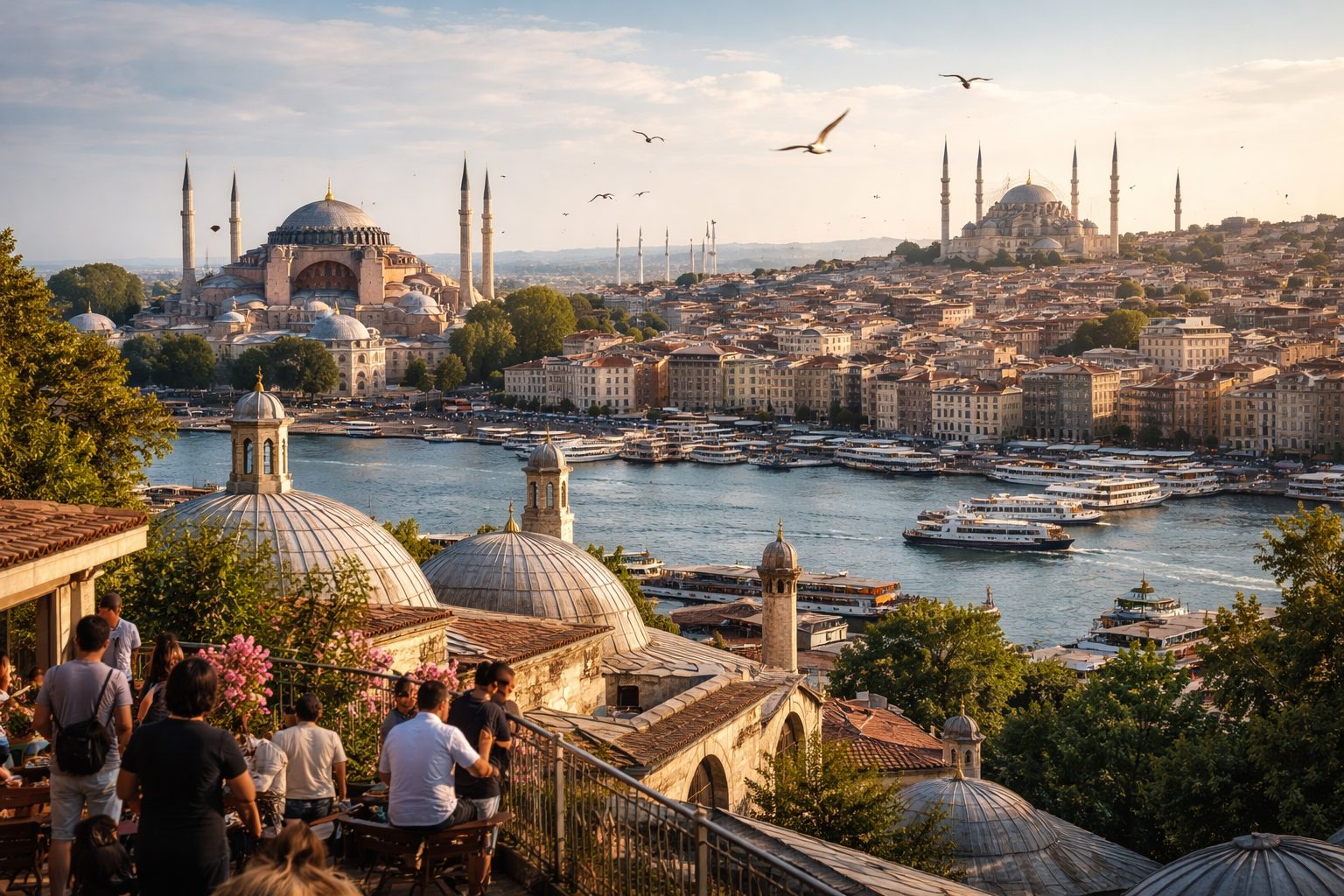
Istanbul has been at the center of the world for longer than most cities have existed. It was Byzantium, then Constantinople, then Istanbul. The Roman, Byzantine, and Ottoman empires all called this place home, and each left something behind. You can see that layering everywhere: a Roman cistern beneath a neighborhood café, an Ottoman mosque next to a Byzantine church converted into a mosque and then turned into a museum, then converted back.
The city’s culture reflects that complexity. Istanbul is majority Muslim, but it’s also cosmopolitan, noisy, and deeply secular in many quarters. The arts scene is serious. The food culture is even more serious. Locals are proud of where they’re from, and they’re genuinely interested in visitors who take the time to engage rather than just photograph.
Why Visit Istanbul?
Put simply, there’s nowhere else like it. The geography alone is extraordinary: a city built on hills, split by a strait, with views of water and minarets from almost every high point. But beyond the visuals, Istanbul has substance. The history isn’t just preserved in museums; it’s built into the streets and neighborhoods.
And the food. I keep coming back to Istanbul partly for the food. The mezze, the kebabs, the fish caught fresh from the Bosphorus, the baklava made properly with real butter and pistachios. This city takes eating seriously, and that matters when you’re traveling.
Best Time to Visit Istanbul
Seasonal Highlights
Spring and autumn are the best times to visit, and most experienced travelers will tell you the same thing. April through June brings mild weather, blooming gardens in places like Emirgan Park, and manageable tourist crowds before the summer rush. September and October bring slightly cooler temperatures, harvest produce, and the same pleasant quality of light.
Summer (July and August) is hot and busy. The city is full of tourists and the heat can be punishing, especially if you’re walking the hills of the old city. Winter is quiet, occasionally wet, and genuinely atmospheric. Istanbul in December feels like a different city, more local and stripped back.
Weather and Climate
| Season | Months | Average Temp | What to Expect |
|---|---|---|---|
| Spring | Mar-May | 10-20°C | Mild, some rain, flowers blooming |
| Summer | Jun-Aug | 25-32°C | Hot, dry, crowded |
| Autumn | Sep-Nov | 13-22°C | Warm, comfortable, less crowded |
| Winter | Dec-Feb | 3-10°C | Cool, occasional rain or snow |
The city gets real winters. I’ve been in Istanbul in January when it snowed on the Bosphorus, and it was genuinely stunning. Pack layers if you’re going between November and March.
Getting to Istanbul
Major Airports and Transportation Options
Istanbul has two main airports. Istanbul Airport (IST) on the European side is the main international hub and one of the largest airports in Europe. Sabiha Gokcen Airport (SAW) on the Asian side handles mostly budget and domestic flights.
From Istanbul Airport, you have several options:
- Metro (M11 line): The fastest and cheapest option, connecting the airport to Gayrettepe station where you can transfer to the M2 metro line toward Taksim or Kabatas.
- Havaist airport buses: Run to multiple points across the city, including the old city.
- Taxi: Available outside arrivals, but always use the official yellow taxis or ride-hailing apps to avoid being overcharged.
- IETT bus: Slower but very cheap.
From Sabiha Gokcen, Havabus shuttles are the most practical option to reach the European side. The ferry connection from Kadikoy is a pleasant alternative if you’re not in a rush.
Visa Requirements and Travel Restrictions
Visa requirements depend on your nationality. Many nationalities including US, UK, EU, Canadian, and Australian citizens can obtain an e-Visa online before travel. The process is straightforward and takes about 10 minutes on the official Turkish government e-Visa website.
Some nationalities are eligible for visa-free entry, while others need to apply through an embassy. Always check the current requirements before booking because the rules do change. Your passport should have at least six months of validity beyond your planned departure date.
Where to Stay in Istanbul
Neighborhoods Overview
Istanbul’s neighborhoods each have a distinct personality, and choosing where to stay shapes the whole experience.
- Sultanahmet: The old city, close to the major historical sites. Convenient but touristy. Good for first-timers who want to minimize transit.
- Beyoglu (Taksim and Cihangir): The modern, cosmopolitan European side. Better restaurants, bars, and nightlife. More local feel.
- Besiktas and Ortakoy: Upscale areas along the Bosphorus. Quieter and more residential, with excellent fish restaurants.
- Kadikoy (Asian side): My personal favorite for a neighborhood feel. Great street food, local markets, less touristy. Requires a ferry ride to reach the historical sites.
- Balat and Fener: Old Jewish and Greek quarters, colorful and increasingly popular with boutique travelers.
Recommended Hotels and Accommodations
Options range from grand historic hotels to excellent budget guesthouses.
For a splurge, the classic choice is a luxury hotel along the Bosphorus or in Sultanahmet with views of the domes and minarets. Several restored Ottoman mansions operate as boutique hotels in Beyoglu and Balat. For mid-range, there are reliable international chains around Taksim and Besiktas.
Budget travelers do well in Sultanahmet and Beyoglu, where there are plenty of well-run hostels and small family guesthouses. Airbnb is also available throughout the city, and the Asian side tends to offer better value per square meter.
Top Attractions in Istanbul
Historical Sites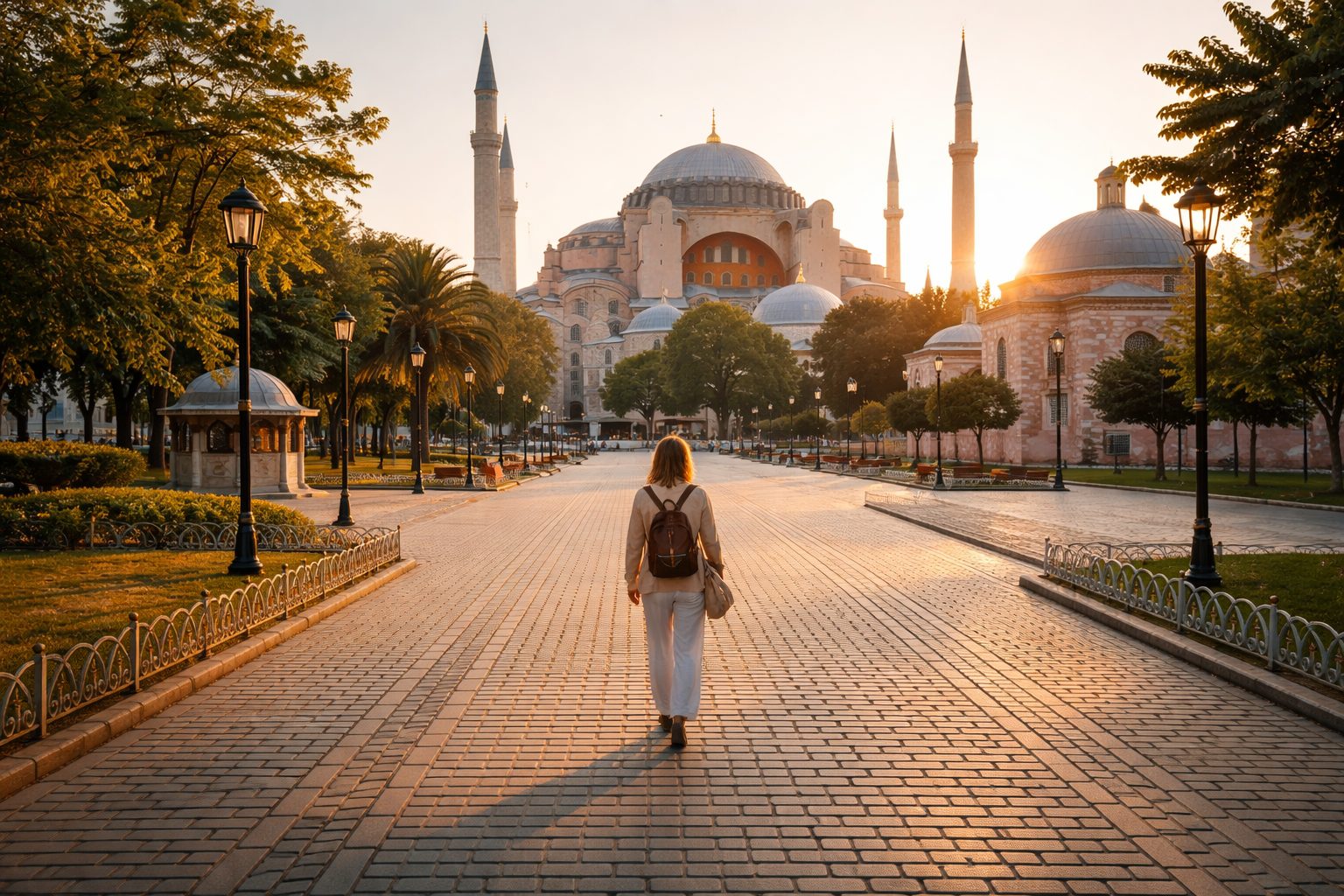
The major historical sites are genuinely worth the queues. I’d recommend going early morning, ideally when they open, to get the spaces to yourself before the tour groups arrive.
- Hagia Sophia: Originally a Byzantine cathedral, then an Ottoman mosque, then a museum, now a functioning mosque again. The scale of the interior is hard to describe. It needs to be seen.
- Topkapi Palace: The administrative center of the Ottoman Empire for nearly 400 years. The Harem section requires a separate ticket and is worth it.
- Blue Mosque (Sultan Ahmed Mosque): Still an active mosque. Non-worshippers can enter outside prayer times. The interior tilework is extraordinary.
- Grand Bazaar: One of the oldest covered markets in the world. More about experience than shopping, though you can certainly do both.
- Basilica Cistern: An underground Byzantine cistern beneath the old city. Cool, quiet, and atmospheric.
Museums and Art Galleries
Istanbul has a serious museum scene that often gets overlooked in favor of the historical monuments.
- Istanbul Archaeology Museums: Three interconnected museums with an exceptional collection from across the former Ottoman territories. Underrated.
- Museum of Turkish and Islamic Arts: Set in a restored Ottoman palace near the Hippodrome, with beautiful calligraphy and textile collections.
- Istanbul Modern: The city’s leading contemporary art museum, recently moved into a purpose-built waterfront space in Karakoy.
- Pera Museum: Private museum in Beyoglu with rotating exhibitions and a strong permanent collection including Orientalist paintings.
- Sakip Sabanci Museum: On the Bosphorus in Emirgan, with excellent temporary exhibitions and a permanent calligraphy collection.
Parks and Natural Attractions
The city’s parks and waterways offer genuine relief from the urban density.
Emirgan Park on the European shore of the Bosphorus is best in April when the tulip festival runs and the grounds are covered in color. Gulhane Park, adjacent to Topkapi Palace, is a pleasant place to decompress after a morning of sightseeing.
The Bosphorus itself is an attraction. A ferry ride from Eminonu up to Anadolu Kavagi at the northern end of the strait is one of the great affordable experiences in Istanbul. You pass yali mansions, Ottoman fortresses, fishing villages, and container ships from one seat.
Food and Dining in Istanbul
Traditional Turkish Cuisine
This is one of the great food cities in the world, and that’s not an exaggeration. Turkish cuisine goes far beyond what most people encounter in Turkish restaurants abroad. It’s regional, seasonal, and technically sophisticated.
Core dishes worth seeking out:
- Kebabs: Adana, Urfa, iskender, and cop sis are all different. Adana is spiced minced meat on a flat skewer. Iskender comes drenched in tomato sauce and browned butter over bread.
- Meze: A spread of small cold and hot dishes to start a meal. Ezme (spiced tomato and pepper paste), haydari (strained yogurt with herbs), sigara boregi (fried cheese pastry), and stuffed vine leaves are essentials.
- Pide and lahmacun: Turkish flatbreads, the first topped and baked like a pizza, the second thin with spiced meat and eaten rolled up with greens and lemon.
- Balik ekmek: Fish sandwich eaten at the waterfront near the Galata Bridge. Simple and excellent.
- Menemen: Scrambled eggs with tomatoes and peppers, eaten for breakfast.
Popular Restaurants and Cafes
The restaurant scene in Istanbul is genuinely exciting and ranges from old-school lokanta lunch spots to serious fine dining.
For traditional food done well, neighborhoods like Fatih, Besiktas fish market area, and Kadikoy all have excellent lokanta-style restaurants where you point at what you want from the displayed dishes. These places are cheap, good, and local.
In Beyoglu and Cihangir, there are dozens of excellent cafes that work well for breakfast or a slow afternoon. The specialty coffee scene has grown significantly in recent years.
For a proper seafood dinner, the Bosphorus-side restaurants in Ortakoy, Arnavutkoy, and Bebek are the go-to options. Expect to pay more, but the setting and quality justify it.
Street Food to Try
Street food is a major part of eating in Istanbul, and you’ll encounter vendors throughout the day.
- Simit: Sesame-crusted bread rings sold by cart vendors everywhere. Eat them plain or with cheese.
- Midye dolma: Mussels stuffed with spiced rice and eaten with a squeeze of lemon. Sold from trays on the street. Very good, very cheap.
- Kumpir: Giant baked potatoes loaded with toppings. Best on Ortakoy square.
- Balik ekmek: Grilled mackerel in bread near Eminonu and the Galata Bridge.
- Borek: Flaky pastry with cheese or meat filling, available at small bakeries called borekci from early morning.
- Chestnuts and corn: Roasted from carts throughout autumn and winter.
Shopping in Istanbul
Markets and Bazaars
The Grand Bazaar is the obvious starting point, but it’s heavily oriented toward tourists and prices reflect that. Haggling is expected, but be realistic and good-humored about it.
The Egyptian Spice Bazaar (Misir Carsisi) near Eminonu is more manageable and more genuinely useful. This is where you buy dried fruits, nuts, spices, Turkish delight, and tea blends. Quality varies by vendor; get there early and take your time.
For a more local market experience, Kadikoy on the Asian side has a street market area packed with fresh produce, cheese, olives, and household goods. The Saturday market at Besiktas and the Sunday market at Fatih are worth seeking out if you’re interested in how the city actually shops.
Modern Shopping Malls
Istanbul has a large number of modern shopping malls, particularly along the European side. Istinye Park, Zorlu Center, and Kanyon are among the most visited, offering international and Turkish brands alongside food courts and cinemas.
If you’re primarily interested in Turkish fashion, the areas around Nisantasi and Tesvikiye on the European side have the highest concentration of Turkish designer boutiques and established local brands.
Unique Souvenirs to Buy
Skip the tourist-oriented trinkets in most cases and focus on things that are actually made well and have genuine local identity.
- Turkish tea sets and cezve (traditional coffee pot): Practical and distinctive.
- Spices and dried goods from the Spice Bazaar: Sumac, dried rose petals, proper Turkish saffron.
- Handmade ceramics from Kutahya: Available at quality shops around the Grand Bazaar area.
- Turkish textiles: Hammam towels (peshtemal) and hand-embroidered linens from reputable shops.
- Evil eye (nazar) amulets: The blue glass bead is genuinely traditional and widely produced at various quality levels.
- Turkish delight (lokum): Buy it from a dedicated lokum shop rather than a tourist stall.
Navigating Istanbul
Public Transportation Overview
Istanbul’s public transport network is extensive and reasonably efficient given the city’s size. The Istanbulkart is a rechargeable transit card that works on all public transport modes and is significantly cheaper than buying single tickets.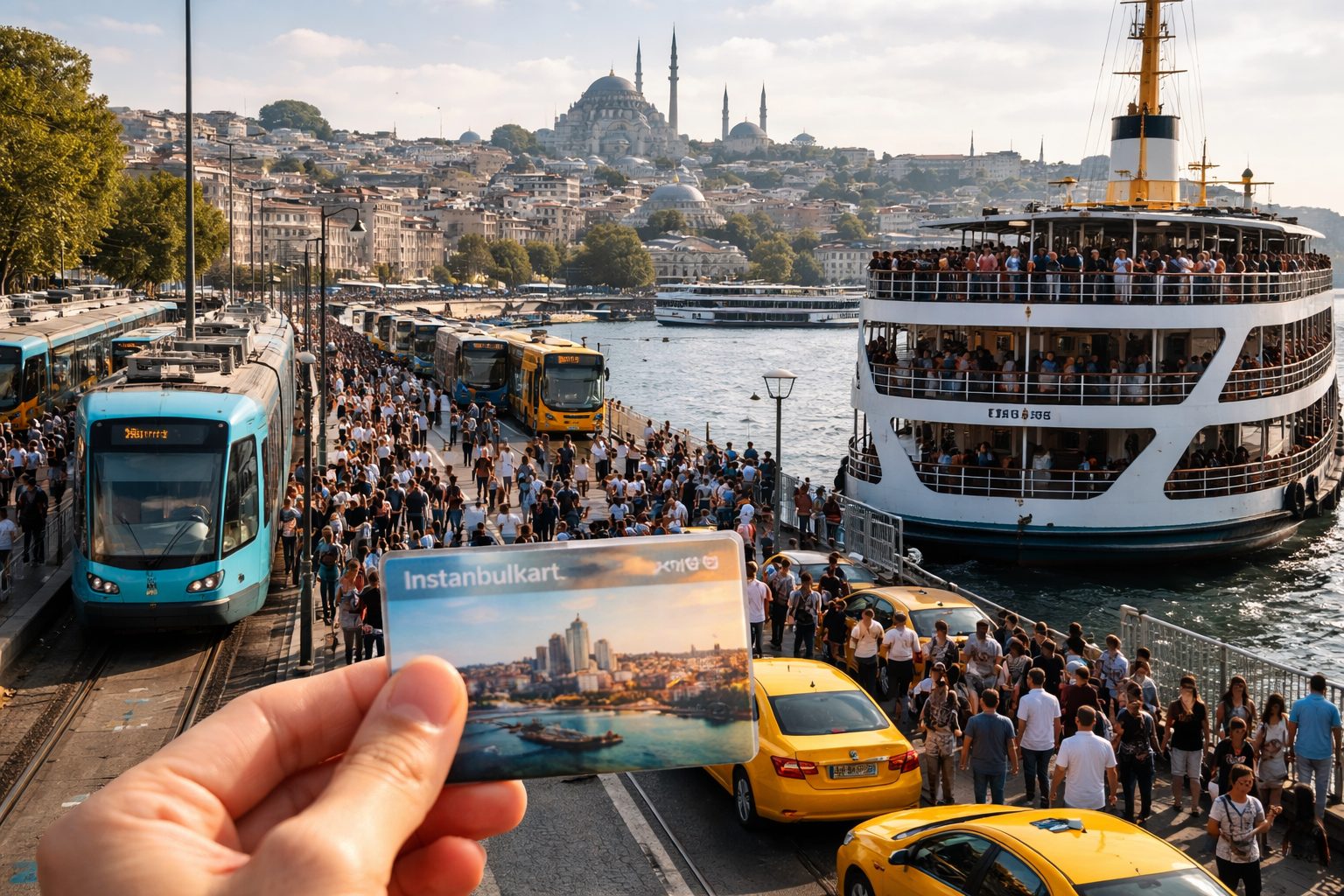
Main transit options:
- Metro (M lines): Fast and modern, covering large parts of the European and some of the Asian side.
- Tram (T1): Runs through the historical peninsula from Kabatas to Bagcilar, passing Sultanahmet and Beyazit. Useful but crowded.
- Funiculars (F1, F2): Short underground funiculars connecting Kabatas to Taksim, and Tunel to Istiklal.
- Ferry (IDO and Sehir Hatlari): One of the best ways to move between European and Asian sides, or up the Bosphorus. Fast, cheap, and scenic.
- Dolmus: Shared minibus taxis running fixed routes. Useful once you understand the system.
- Bus: Extensive network, but slower in traffic.
Tips for Getting Around
Istanbul is a large and hilly city, and distances can be deceptive on a map. A 2km walk that looks simple can involve a steep climb that takes 20 minutes. Always check elevation before deciding to walk a route.
Traffic is severe, especially during morning and evening rush hours and on weekends in certain areas. Taking the metro or ferry is almost always faster than a taxi during peak hours.
The ferry system is particularly worth using for both practical travel and pure enjoyment. The boats are clean, cheap, and the views of the city from the water are some of the best you’ll get.
Ride-hailing apps are available and worth having on your phone. They’re safer than hailing an unlicensed cab and the pricing is transparent.
Safety Tips for Travelers
Istanbul is generally a safe city for tourists, but basic urban awareness applies.
- Be cautious around Taksim Square and Istiklal Avenue with your phone and wallet, as pickpocketing is reported in crowded areas.
- Avoid unofficial taxis, especially those that approach you at airports or tourist sites.
- Be wary of friendly strangers who invite you to bars or clubs they recommend; this is a common scam in tourist areas.
- Standard food safety awareness applies: street food from high-turnover, busy vendors is generally fine.
- The tap water in Istanbul is treated and technically drinkable, but most locals and visitors drink bottled water.
Cultural Etiquette in Istanbul
Do’s and Don’ts
Istanbul is a diverse city, but understanding a few cultural norms will make your visit smoother and more respectful.
Do:
* Remove your shoes before entering a mosque.
* Dress modestly when visiting religious sites. Shoulders and knees should be covered for both men and women.
* Accept tea when offered. Refusing can feel impolite in social or commercial contexts.
* Greet shopkeepers and vendors before engaging in any transaction.
Don’t:
* Eat or drink in public during Ramadan fasting hours, or at least be discreet about it.
* Photograph people without asking permission, especially at religious sites.
* Walk into a mosque during prayer times as a tourist.
* Assume that bargaining is appropriate everywhere; it’s standard in bazaars but not in regular shops.
Understanding Local Customs
Turkish hospitality is genuine and a defining part of the culture. If someone invites you for tea or a meal, it’s usually sincere. Reciprocate when you can, or at minimum express genuine thanks.
Tea (cay) is central to daily life. Offered in tulip-shaped glasses, it’s consumed constantly throughout the day. Learning to say “tesekkur ederim” (thank you) goes a surprisingly long way with locals.
Family is central to Turkish life, and you’ll see multigenerational groups everywhere from parks to restaurants. Respecting elders, including offering a seat on public transit, is noticed and appreciated.
The call to prayer happens five times daily and is part of the ambient soundscape of Istanbul. In some neighborhoods it’s louder than others. It’s not unusual or alarming; it’s simply part of living in this city.
Day Trips from Istanbul
Top Nearby Destinations
Istanbul is well-placed for day trips in several directions.
- Princes’ Islands (Adalar): A group of car-free islands in the Sea of Marmara, reachable by ferry from Kabatas or Bostanci. Buyukada is the largest and most visited. Bikes and horse-drawn carriages are the main transport. A genuine escape from the city.
- Edirne: About 230km west by bus or train, near the Greek and Bulgarian borders. Home to the magnificent Selimiye Mosque, considered one of the finest Ottoman mosques ever built. Worth the trip for architecture enthusiasts.
- Bursa: The first Ottoman capital, about 90 minutes by ferry-bus combination or direct bus. Green city with good architecture, great food (home of iskender kebab), and ski slopes on Uludag in winter.
- Troy and Gallipoli: A longer day or better a two-day trip, heading south along the coast. Significant for history and for the Anzac memorial sites at Gallipoli.
- Sapanca and Abant: Lakes in the mountains east of Istanbul, popular with locals for weekend getaways. Peaceful and accessible by road.
Recommended Tours and Excursions
Guided tours vary enormously in quality. The best ones are small-group tours with knowledgeable local guides who can provide context the monuments themselves don’t offer.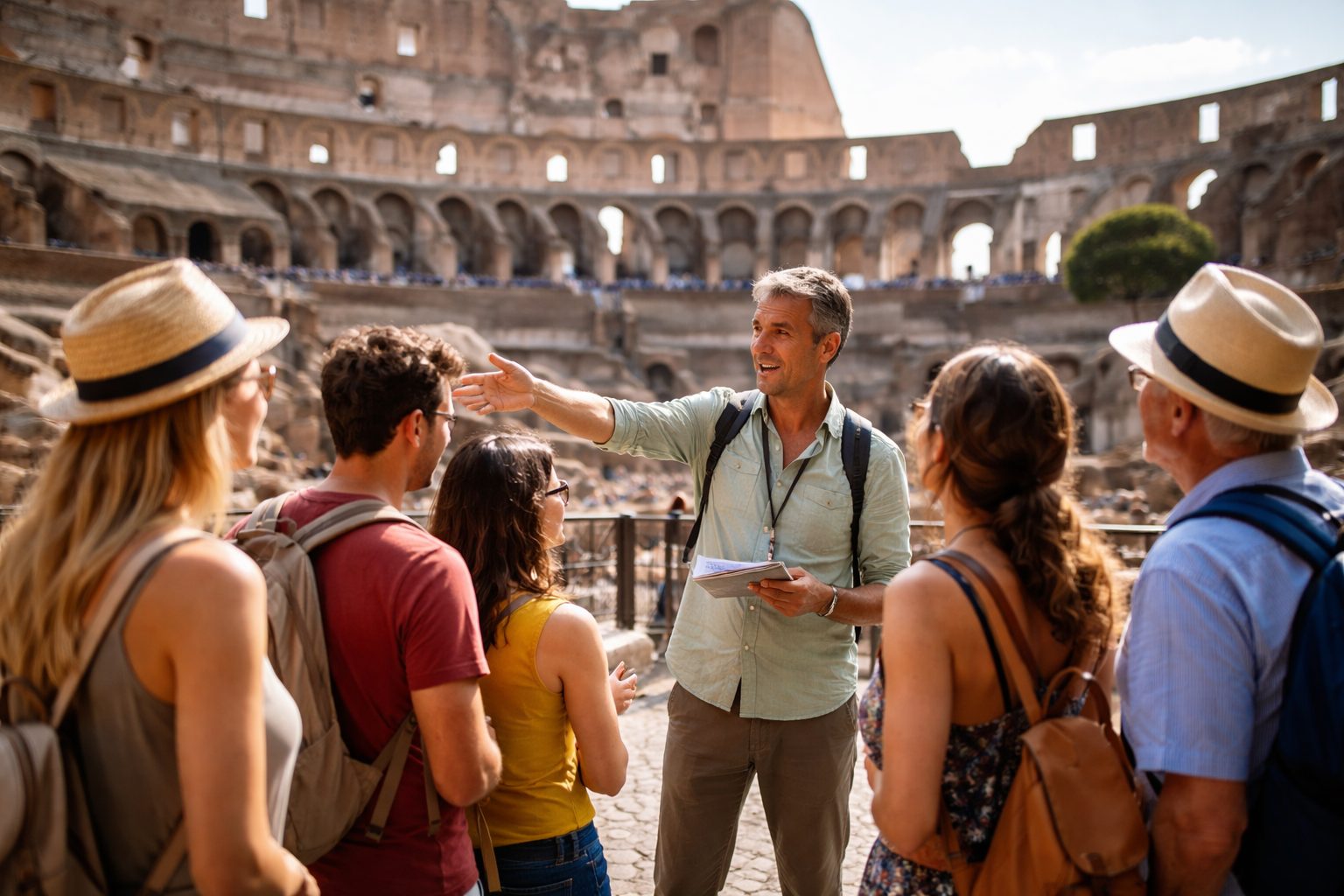
For the Princes’ Islands, taking the public ferry is better than a tour boat because it connects you with the local commuter experience and is significantly cheaper. On the island itself, renting a bike is the best way to explore.
For Gallipoli, a guided tour is genuinely worth it because the history requires explanation. Several reputable operators run day trips from Istanbul that include both Troy and Gallipoli with a guide who understands the military and political context.
Bosphorus boat tours run from Eminonu and range from packed tourist boats to private yacht charters. The public Sehir Hatlari ferry up to Anadolu Kavagi remains the best value and the most authentic experience.
Nightlife in Istanbul
Bars and Clubs
Istanbul’s nightlife is concentrated in a few key areas, and it’s genuinely good. The city knows how to have fun, and the nights run late.
Beyoglu is the central hub. Istiklal Avenue itself is more about bars with live music and people-watching. The side streets around Nevizade and Asmalimescit have rows of meyhane restaurants that become drinking and music venues as the evening progresses. These are some of the most enjoyable evenings you can have in Istanbul.
Kadikoy on the Asian side has a younger, more local bar scene, particularly around Moda and the area near the ferry terminal. Less tourist-facing and very good for diving into the local nightlife culture.
Besiktas is another strong option for a night out, with a mix of sports bars, live music venues, and late-night restaurants.
For clubs, the Bosphorus-side venues in Ortakoy and further north toward Kuruçesme operate in the summer as open-air clubs and are well-known but very expensive. The entry and drink prices are some of the highest in Europe during peak season.
Evening Entertainment Options
Not everyone wants to end up in a club, and Istanbul offers alternatives.
Meyhane evenings are a genuine cultural experience. A meyhane is a traditional Turkish tavern serving raki (anise spirit) with mezze and, usually, live fasil music. You eat slowly, drink moderately, and the evening unfolds over several hours. This is how many Istanbullus actually socialize.
Theater, opera, and classical concerts run throughout the year. The Istanbul State Opera and Ballet performs regularly at venues in both Taksim and Kadikoy. Several cultural foundations including Borusan and Sakip Sabanci fund serious concert programming.
Evening walks along the Bosphorus at Ortakoy, Bebek, or Arnavutkoy are free and excellent. The waterfront is lit up, the tea houses are open, and the combination of water, bridges, and city lights is one of Istanbul’s signature experiences.
Practical Tips for Travelers
Currency and Payment Methods
Turkey’s currency is the Turkish lira (TRY). The exchange rate fluctuates, so it’s worth checking it close to your travel date rather than relying on figures you might have seen months earlier.
ATMs are widely available throughout the city and generally offer better exchange rates than airport currency exchange desks. Using your bank card at an ATM on arrival is usually the most practical approach. Many restaurants, shops, and hotels accept credit and debit cards, though smaller lokanta restaurants and street food vendors often operate cash-only.
It’s worth carrying some cash for smaller purchases, transport top-ups, and tips. Tipping is customary in restaurants (around 10%) and for taxi drivers, though not obligatory.
Language and Communication
Turkish is the official language, and English proficiency varies significantly. In Sultanahmet, Beyoglu, and tourist-facing businesses, English is widely spoken. In more local neighborhoods and among older residents, it’s much less common.
Learning a few words of Turkish is genuinely appreciated. Beyond tesekkur ederim (thank you), knowing merhaba (hello), lutfen (please), and ne kadar? (how much?) will take you a long way in terms of goodwill.
Translation apps work well for navigating menus and signs. Turkish uses a Latin-based alphabet, which makes reading street signs and menus easier than in many other non-English-speaking destinations.
Health and Safety Tips
Istanbul has good private hospitals and clinics, and private healthcare is relatively affordable by Western standards. Travel insurance that covers healthcare is recommended.
No specific vaccinations are required for Turkey, but being up to date on routine vaccines is standard advice. Pharmacies (eczane) are common throughout the city and pharmacists can often advise on minor ailments.
The sun is stronger than many visitors expect, especially in summer. Sunscreen and a hat are practical necessities from May through September.
Standard food safety applies. Cooked food from busy, high-turnover vendors is generally safe. Raw vegetables at tourist-facing restaurants are usually fine; if you have a sensitive stomach, be slightly more cautious.
Conclusion
Recap of Must-See Highlights
A complete istanbul travel guide could run to several volumes, and the city still wouldn’t be fully captured. What I’ve tried to give you here is a practical foundation: where to stay, when to go, how to get around, what to eat, and which experiences are genuinely worth your time.
The non-negotiable highlights remain the historical peninsula, the Bosphorus, and the food. Hagia Sophia and Topkapi Palace are genuinely impressive even when you know what to expect. A ferry ride up the Bosphorus costs almost nothing and delivers views that stay with you. And sitting down to a proper meyhane dinner with raki and mezze is one of those evenings that justifies the whole trip.
Final Travel Tips
A few things worth keeping in mind as you plan:
- Book Topkapi Palace and Hagia Sophia tickets in advance during peak season. Queues can be long.
- Get an Istanbulkart on arrival. It works on everything and saves money from day one.
- Don’t try to do everything. Istanbul rewards slowing down and going deeper into fewer things rather than racing between monuments.
- The Asian side is worth at least a half-day visit even if you’re not staying there. It gives you a completely different perspective on the city.
- Carry a small umbrella from October through April.
- Allow for getting lost. Some of the best hours I’ve had in Istanbul came from wandering without a plan in neighborhoods like Balat, Fener, and Uskudar.
Frequently Asked Questions (FAQs)
What is the best way to get from the airport to the city center?
From Istanbul Airport (IST), the M11 metro line is the fastest and most affordable option, connecting directly to the main metro network at Gayrettepe. Havaist airport buses are comfortable and cover more neighborhoods, including the old city, though they take longer in traffic.
How many days should I spend in Istanbul?
Most visitors need at least four to five days to cover the major historical sites, experience the food properly, and get a feel for different neighborhoods. A week gives you enough time to also explore the Asian side and take a day trip or two.
Is Istanbul safe for tourists?
Istanbul is generally safe for tourists using standard common sense. Petty theft in crowded tourist areas is the most common issue. Avoid unofficial taxis, be aware of common tourist scams in areas like Taksim, and keep your belongings secure in markets and on public transit.
What should I wear while visiting religious sites?
Both men and women should cover their shoulders and knees when entering mosques. Women are also expected to cover their hair, and scarves are often available at the mosque entrance for those who don’t have one. Remove shoes before entering. Dressing respectfully shows consideration for the space and is part of being a thoughtful visitor.